Furi (2016)

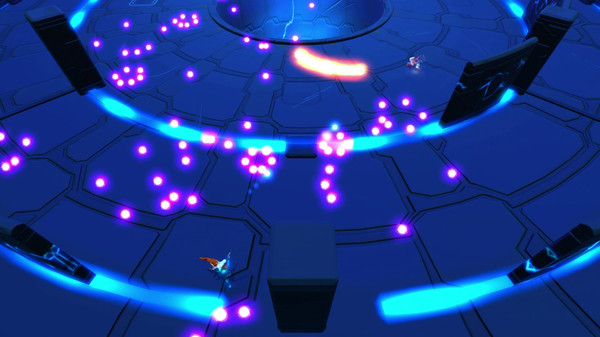
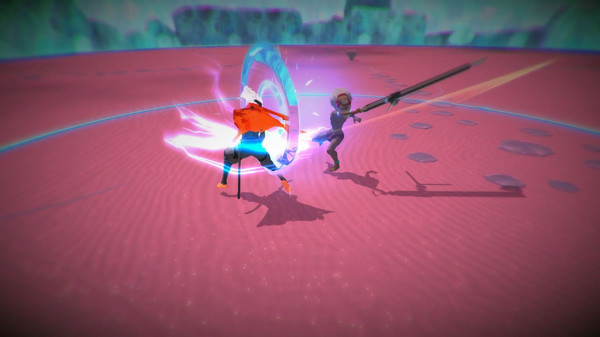
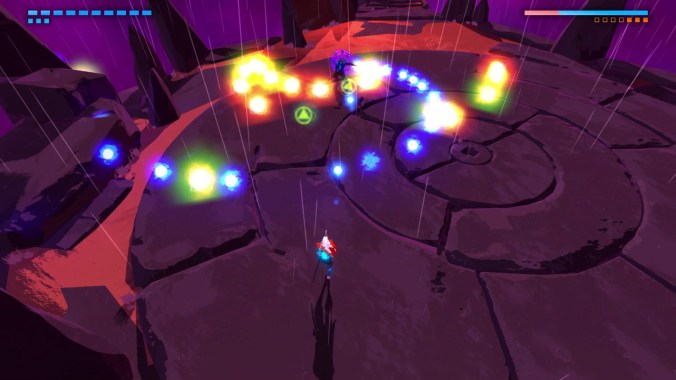
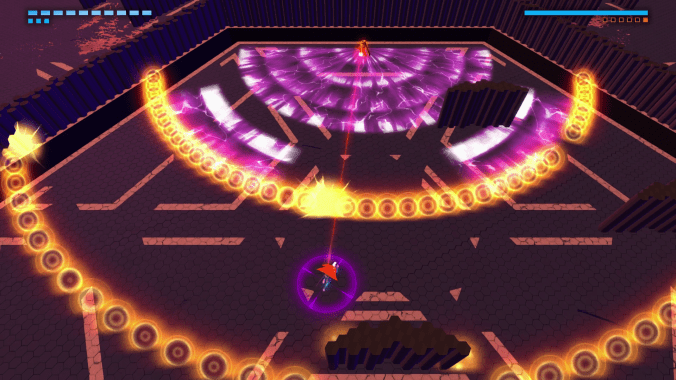
Many games try to do too many different things and end up being a hodgepodge of unsatisfying and unfinished elements. Furi is the opposite of that. Furi is an action game with only difficult boss fights, no exploration, no puzzles, no platforming, only straight up duels between you and a boss. As such, these fights must be spectacular because it is the only element of the game, and it stands out for all to see. Luckily, Furi lives up to that expectation and its combat system is possibly my favorite in any game ever.

1

While Furi does not have many individual components, its combat itself has a ton of different elements tied to it. First is the bullet-hell aspect, in which bosses shoot waves of projectiles at the player and you must dodge and shoot back. Of course, these projectiles come in many different varieties, standard bullets, tracking bullets, lasers, bullets that cannot be destroyed, shockwaves, etc. The next element in melee combat, in which the boss strikes in a variety of patterns in which the player must either dodge or parry the attacks. Each boss has a set number of “phases”, and in each phase the bosses have two forms. The first form is “zoomed-out” mostly comprised of bullet hell patterns with the occasional melee strikes, and once you complete that you move onto the next form. The second form zooms in and becomes a melee duel between you and the boss. The real brilliance of the combat lies in the lives system.

2

You get 3 lives when starting a boss. If you lose a life at any point in a phase, the phase entirely resets. If you lose all 3 lives, you start the boss all over again. It would be pretty daunting to go through five or six phases per boss with only three lives, but the developers had a great solution to this. Every time you defeat a phase, you get a life back. This gives the player an ample amount of opportunities to attempt each phase. This is great because Furi can be a little trial-and-error as you attempt a new phase. You have to learn each attack pattern and how to respond to it. The combat is a mix between pattern recognition and performing the actions necessary to dodge and deal damage. As you learn these patterns and the correct response, it is inevitable that you are going to take some damage. The fact that the player has a decently sized health-bar to take a lot of hits combined with the lives system makes sure that you get plenty of time to learn all the patterns. The feeling of absolute pride and accomplishment when I finally conquered a tough boss was immeasurable, and I love games that can evoke that feeling.

3

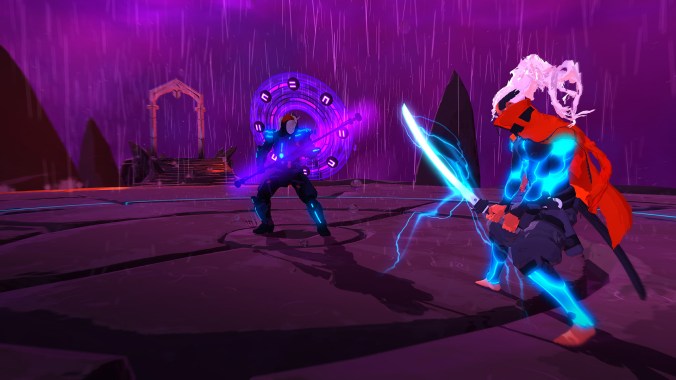
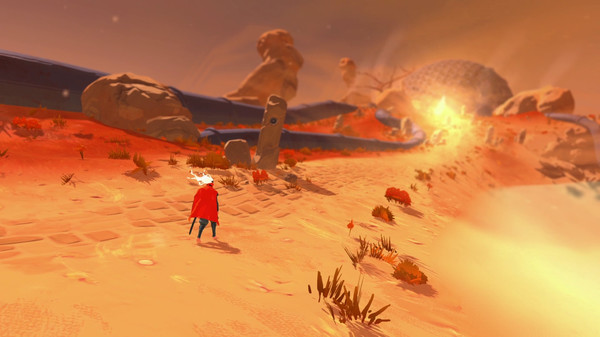
Although I said Furi is solely based around its combat, there are a few other underlying elements to elevate the experience. The visuals and music are absolutely stunning. The electronic tracks produced by a few different artists is reminiscent of the Hotline Miami soundtrack, pure intensity and gravitas. Each track was composed specifically for this game, so they match stunningly well with each boss encounter. I still listen to a few of the tracks from this game (I really enjoy the songs made by Toxic Avenger and Carpenter Brut). The bright visuals and neon-soaked and cell-shaded atmosphere of Furi are immensely visually appealing, and they make it easy to tell exactly what is going on in combat. The characters themselves are anime-esque, which makes sense considering they were designed by Takashi Okazaki, the creator of the acclaimed manga and anime Afro Samurai. Every boss is extremely memorable not only through gameplay, by visually as well. Finally, the story of Furi is actually pretty solid. You are imprisoned and your only goal is to escape by defeating the nine guardians. The reason why you were imprisoned is not clear until the end, and then everything starts to click. The game is pretty light on plot until the very end.

4

No game is perfect, and Furi is no exception. The first of its issues is that it is short. Your first playthrough will probably take around four hours, and subsequent playthroughs will be shorter because you know how to handle the different bosses. That being said I consider Furi a game that is meant to played at least a few times. I say this because Furi is unique when it comes to its hard difficulty, “Furier”. This difficulty does not just increase the health and damage of the bosses, but it gives them entirely new attack patterns. Each boss in hard mode is essentially a new boss from a gameplay perspective. Their attacks are similar, but they are changes enough that you have to learn them all over again, and they are tougher this time around. I don’t usually play through games multiple times, but Furi was an exception to that because hard mode was so enjoyable. Furthermore, because Furi is just action and nothing else, I can easily see myself revisiting it just for a quick boss rush in the near future. If I ever want some tense and fast-paced battles, Furi is my new go-to game.

5

All that being said, there is an issue with Furi being meant to be replayable. It’s the short sections in between the bosses. These sections are basically cutscenes, your character walks along while another character spews narrative at you. This serves three purposes: First as a cool-down period between the high-octane fights, second as a means to get some narrative and storytelling, and third it is meant to build up the next boss. This was fine my first time around, but on subsequent playthroughs this becomes unnecessary. You should be able to skip these sections because players who already beat the game don’t need to hear the story or about the bosses again, they just want some action. Of course, you could watch them if you want to again, but they should be skippable. Especially because there is about an hour of these sections in the game, and the game is only a few hours long. A large chunk of play time is devoted to these walking sections.

6

Furi is a very niche game. It is intense, it is challenging, and it is not meant for everybody. This is not strictly a bad thing as I would prefer a tightly-knit game like Furi to a messy and unfocused game. But Furi is strictly action, and that action is very fast-paced. So, if that doesn’t sound appealing to you then stay away from Furi. If what I’ve said sounds fun to you, then you absolutely have to play Furi. For these reasons I give Furi an 9/10. It is an absolutely phenomenal action game with an innovative combat system. However, if you don’t like rapid combat and challenging bosses, then don’t bother.


Dark Souls III (2016)

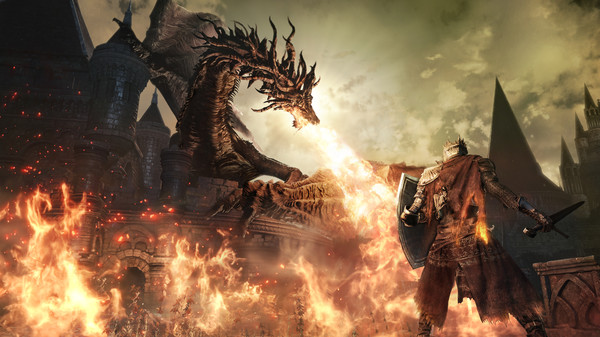
It is no surprise that while Dark Souls is heralded as one of the greatest games of all time, its successor, Dark Souls II, was a let down in numerous regards. Less focused combat, incoherent world building, and less interesting bosses were my biggest gripes with Dark Souls II. So, the big question when starting up Dark Souls III was if it would return to the series former glory, or follow in the footsteps of the disappointing sequel. Personally, I think that Dark Souls III does mostly return to the successful style of the original game, but there a few key differences between the games.

2

Dark Souls III is more a direct sequel to the original than Dark Souls II was for a multitude of reasons. The first reason is that Dark Souls III is set in the same world as the original, granted that it is very far into the future. This highlights the cyclical nature of the Dark Souls lore, and watching how the world evolved and noticing the references to the past was something that I really enjoyed. That being said, I feel like there was almost too much reference to the past titles. A well placed and constructed reference is incredibly appreciated, but the game constantly saying “Hey remember this?” in essence can grow grating. In any case, Dark Souls III is the end of the series, and I felt like it did a phenomenal job ending this historic series. The final boss in the base game ties the games together brilliantly, and truly helped me understand the cycles of the Dark Souls universe. The DLC of Dark Souls III really finishes off the series by revealing what the “Dark Soul” even is and why it is important. Both of the final bosses (the base game and the DLC), are incredibly somber and profoundly sad, and are extraordinary ways to end this storied series.

6

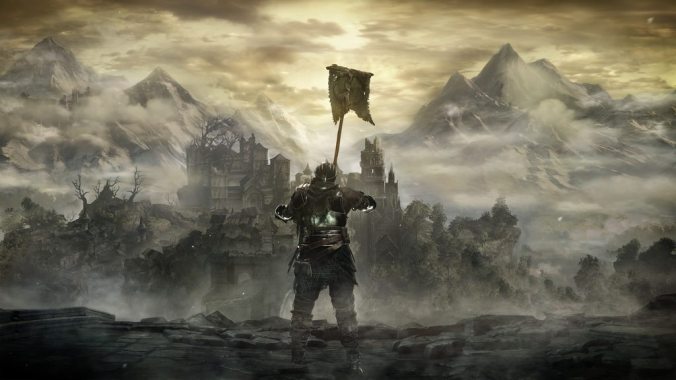
One of the most important aspects of Dark Souls was its atmosphere and world building. Dark Souls III also continues in this trend, by creating a quintessential dark fantasy world. Despite the fact that many of the areas of Dark Souls III are just future versions of areas from the original game, they are changed enough that you cannot entirely recognize them. Furthermore, there a plethora of completely new and visually interesting areas. However, there are a few complaints that I did have with the world of Dark Souls III. One minor complaint I have is that some of the areas were just kind of forgettable and uninteresting. The swamps and forests in particular are just kind of dull and we’ve seen enough of them in the series. This isn’t a huge deal because the majority of the game is made up of far more interesting areas. The major complaint I have is that the world just is not interconnected enough. The individual level design is great, as it bases itself off of the design of the original game. But there is not a sense of connection between these areas. There is no sense of verticality or a tight-woven world like the original game. Every area is just fine in and of itself, but there needs to be more connection between these areas. This may be due to the fact that teleportation between bonfires is available from the very start of the game. Similar to Dark Souls and Dark Souls II, once teleportation is available, the interconnectedness of the world is sacrificed. There is no need to carefully craft a world when a player can just teleport where ever they want.

3

The final aspect of Dark Souls III is of course its gameplay. Combat Dark Souls III is decidedly faster than the original Dark Souls. It does not fall into the same traps of Dark Souls II (too many enemies and boring bosses), but it is very different than the original game. There are 3 reasons for this additional speed in combat: low poise, high stamina, and faster animations. Poise is the stat that controls when the player/enemy is hit, if they get briefly stunned. High poise means that you can eat an attack from an enemy and not have it stop you dead in your tracks. Both the enemies and the player in Dark Souls III have very low poise. When you hit an enemy, you can easily chain together hits until they are dead with no chance from recourse from the enemy because they are stunned. Of course, this means that the enemies can do the same to you, if you get hit once there is a good chance you are going to take a lot of damage. High stamina means that the player can spam rolls and attacks with little thought. In previous titles, if you rolled too much you wouldn’t have enough stamina to attack and vice versa. This is not something that the player has to worry too much about in Dark Souls III, which is a bit of shame considering that careful stamina usage was such a vital part of the combat in Dark Souls. This in essence reduces the risk and reward system that Dark Souls combat is centered around. Finally, the animations of all actions are reduced in Dark Souls III. The windups for attacks and rolls are shorter, and the delay at the end of these actions is also shorter. You are no longer locked into long animations, but on the flip side the enemies also move a lot faster.

5

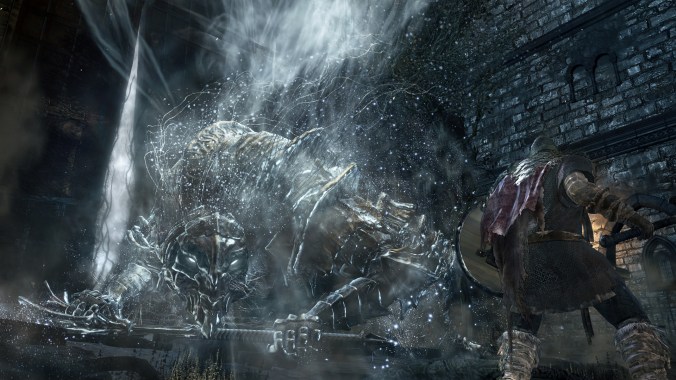
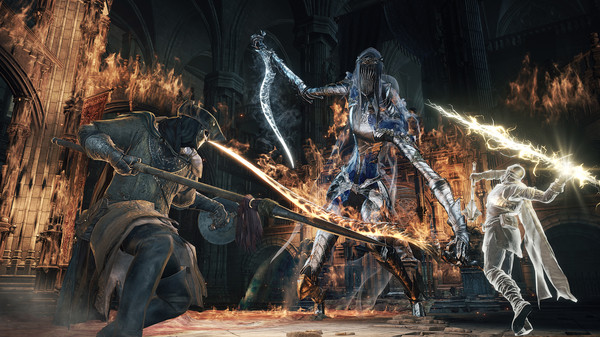
As a whole, these three factors combine to make combat a lot faster than its predecessors. This is not inherently a bad thing, it is just a different playstyle. However, in the context of the series I would argue that this is a downgrade in combat. Combat in the original game was more deliberate and stylistically made more sense. Dark Souls III feels more reaction time based, while the original Dark Souls required more careful decision making in combat. I will say that this faster combat does allow for some very memorable and creative boss fights. The vast majority of the bosses of Dark Souls III are incredibly engaging. The combination of the wild combat and creative visuals make for some remarkable bosses.

1.jpg

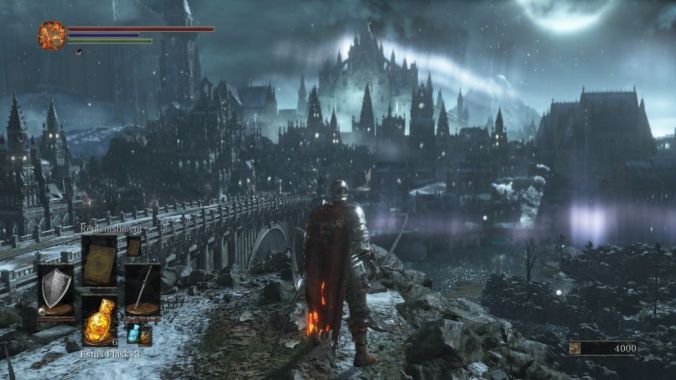
Another factor of note is the change in how the healing item, the Estus Flask, works. As I mentioned in my piece on Dark Souls, the Estus Flask may be the single most important factor in why Dark Souls works so well. It keeps combat and exploration forgiving enough to give you room for some errors, but at the same time rewards the player for mastering a boss fight or entire area. The Estus Flask in Dark Souls III functions very similarly, but with two key differences. The first being that you can discover Estus Shards and Undead Bone Shards across the world through exploration. These items will increase the total amount of Estus Flask charges and how much those charges heal respectively. I like this as it rewards exploration and adds an extra layer of character power and progression. The only issue is that I feel like you almost get too many Estus Shards, so by the end of the game you can have around 10-15 charges of Estus, compared to the base 5 from the original game. This is almost too forgiving, I wish these Estus Shards were harder to come by. The second change is adding a second Estus Flask for focus points, which is essentially your “magic” bar. You must delegate your total Estus Flask charges between the original health based Estus Flask and the new magic Ashen Estus Flask. This may be why there are so many Estus Shards, so that players who want to use magic can have enough for both healing and magic usage. But players who don’t use magic will have an overabundance of healing Estus. Again, I liked exploring and upgrading my character, but I wish they toned it down a bit.

4

Is Dark Souls III as magical as Dark Souls? I don’t think so. However, Dark Souls III is far more consistent in its execution than the original. Less careful world design and less deliberate combat are the biggest issues I have with Dark Souls III, but it is still an excellent game. It was a perfect way to finish off the series with its gloomy themes and atmosphere. Intense and memorable boss fights combined with visually stunning areas make Dark Souls III a game worth playing. For these reasons I give Dark Souls III 9/10. Dark Souls III is an essential title for any fan of the Soulsborne series, or just fans of role-playing-games and fantasy worlds alike.

Mass Effect 2 (2010)

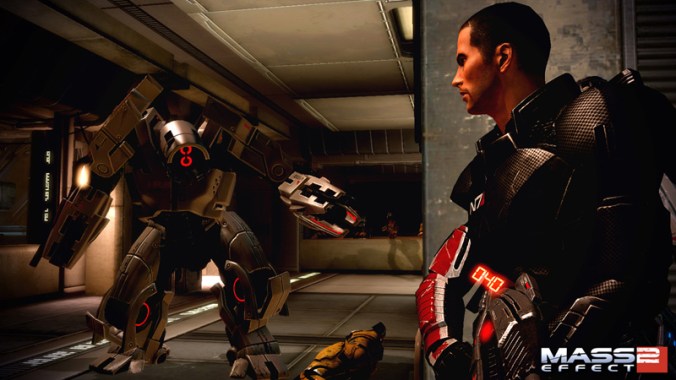
Following my playthrough of Mass Effect, I noted that while the game told an intriguing story, its gameplay was clunky and needed to be streamlined and smoothed out for a sequel. Luckily, Mass Effect 2 achieves exactly that. The gameplay of Mass Effect 2 greatly improves upon its predecessor by cutting out filler and creating a more fulfilling experience. That being said, there were still a few minor issues in Mass Effect 2, some gameplay related, others story related.

3

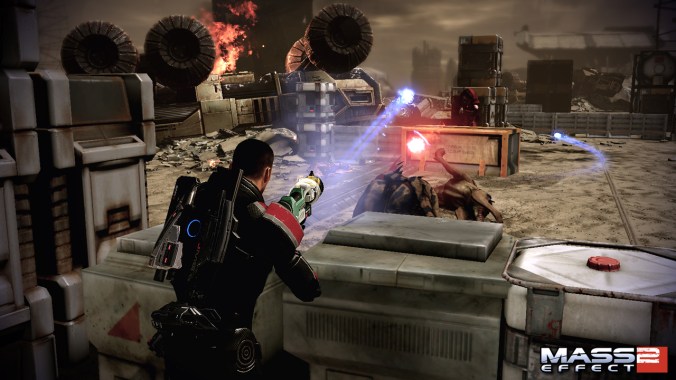
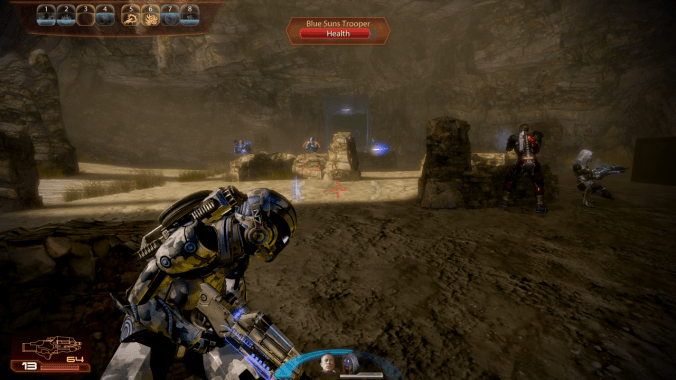
By far and away the largest improvement in Mass Effect 2 was the improvement of the side missions. In the original Mass Effect, most side missions consisted of dropping down to a desolate planet, driving the frustrating-to-control Mako around for a while, and then clearing out a copy-and-pasted base of enemies that must have been reused a dozen times for these side missions.  Luckily in Mass Effect 2, the Mako has been removed completely and each side mission is individually crafted for a more unique and engaging experience. Some other gameplay improvements include weapon upgrades, squad power usage, better level design, smoothing out the movement, and the switch to an ammo system. All of these functions serve to make combat far more entertaining than the original game when it comes to combat.

1

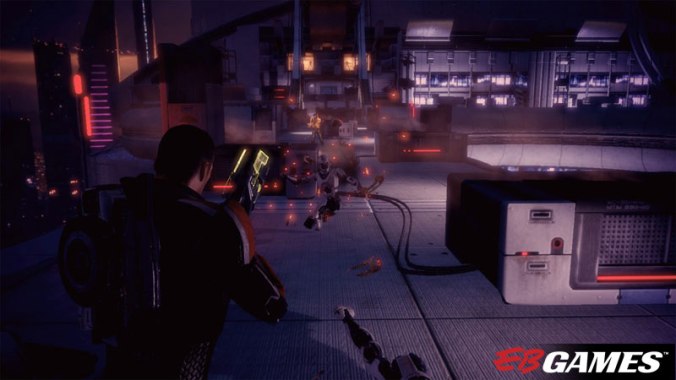
The weapon and upgrade system in the original Mass Effect was clunky and required a lot of time just navigating the hundreds of upgrades that the player would acquire. There were a ton of different guns and upgrades that the player had to sift through to find what they would want, and a limited inventory meant that you had to frequently throw out many of these items just to keep clear space for new upgrades. In Mass Effect 2, this process has been streamlined so you no longer have to navigate menus for long intervals to pick out upgrades for you and your squad. Another big change was the switch from guns having a heat system to guns having ammo. I mostly enjoyed this change, as the heat system further increased how long you had to sit behind cover for weapons to cooldown. Ammo on the other hand lets you stay shooting for longer, and a reload is quick than waiting for your gun to cooldown.

4

All those improvements in mind, one design choice is particularly baffling. In Mass Effect 2, the player must pilot their ship through space to land on the different planets. What is strange is the decision that the player must constantly purchase fuel. Fuel is remarkably cheap in this game so I really don’t understand the purpose of including it. It doesn’t gate the player using money or anything, all it serves to do is waste your time by making you visit a refueling station once in a while. The other bizarre addition was the method for collecting resources. In order to upgrade your weapons, armor, and ship, you must collect a few different types of resources. There are minute amounts bit of these resources lying around for you to collect when you’re on a planet and exploring on foot, but the vast majority of these elements are found by probing planets. Essentially, you must buy probes, fly to a planet, slowly move your scanner across the surface, and launch a probe whenever it detects an abundance of resources. Similarly, to the fuel, the probes are incredibly inexpensive, so this system only serves to waste time. If you need any resources to upgrade your equipment you essentially have an infinite amount, you just have to painstakingly probe planets to get those resources.

2

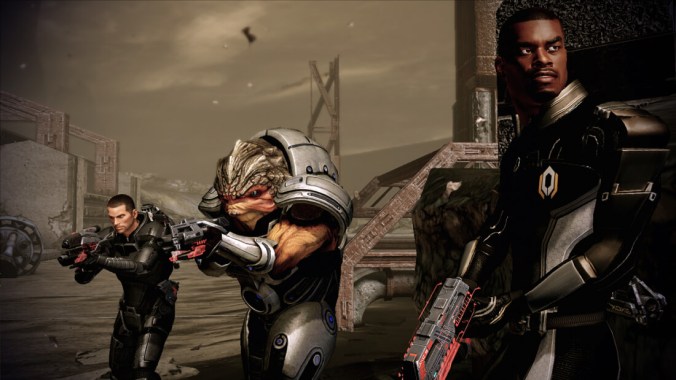
These minor complaints aside, Mass Effect 2 massively improved upon Mass Effect in every way. The only exception to that was that I personally enjoyed the original’s story better. The bulk of the main missions in Mass Effect 2 were recruiting your squad and doing their loyalty missions. Don’t get me wrong, I really enjoyed recruiting all the different characters and then doing another mission to make them loyal. There were all interesting from both a gameplay and a narrative perspective. However, I have two main issues with this system. The first issue is that it felt completely disconnected from the main plot. In the original game, most companions were recruited organically through the main plot. You would be doing a mission and meet these characters naturally. In Mass Effect 2, the game outright tells you “Go here and recruit this character”. This feels far more artificial than original, and to make it worse, most of the characters are disconnected from the main plot entirely. In the original game, characters often felt more invested in the plot and just felt more connected. In Mass Effect 2, I felt like only two or three of the characters impacted the plot in a significant manner. The rest just felt glued on and just served to help the player in combat. The second issue with making so much of the game reliant on the squad missions is that the actual main plot of the game is ridiculously short. There are only five main story missions (six if you count the introduction). I think the developers counted each of the self-contained squad missions as main missions, leaving the central plot very short. That being said, all of the subplots and even the main plots itself were strong, I just wish there was more if it.

5

My final issue with Mass Effect 2 is coincidentally with the final mission in the game. Without spoiling anything, you essentially assign your squad mates to different tasks throughout the mission. For example, you have to pick a technological expert to do a certain task. I thought this was an intelligent design decision, as it rewards players who learned their partner’s strengths and did the additional mission to make them loyal. If you pick incorrectly or your squad is not loyal, there is a chance that one of your squad members will die. Again, I quite enjoyed figuring out who is best for what role, but the final “selection” does not sit well with me. Mostly because it is not communicated to be a selection at all. Instead, you pick your standard two squad mates to go and fight the final boss, and the rest of the squad is left behind to watch your back. If you bring two of your best fighters to take on the boss, one of your other squad mates who you left behind to watch your back will perish. To me this felt incredibly cheap, if it were properly communicated that you should leave behind strong members, this would have been completely fine. Furthermore, the game kills off an important squadmate rather unceremoniously and when it happened to me I was confused as to what had just happened. Overall, this final selection was just poorly implemented and need to be better communicated to the player.

All in all, Mass Effect 2 is a strong entry to the series, and a definite improvement over the original game. While the episodic short stories that were told throughout the squad missions were engaging, the main plot felt a bit lacking. However, massive improvements made to the gameplay elevated Mass Effect 2 above the original. As a whole, Mass Effect 2 has solidified itself as a classic sci-fi RPG, worthy of the praise that it has received.


Super Mario Odyssey (2017)

It was a big claim when Nintendo placed Super Mario Odyssey on the same plane as Super Mario 64 and Super Mario Sunshine. Super Mario 64 arguably being the most influential game of all time, and Super Mario Sunshine is no pushover either. Sure, the Super Mario Galaxy games are phenomenal, but we haven’t had a Mario game in the style of Super Mario 64 or Super Mario Sunshine in 16 years, so a ton of hype was built around the release of Odyssey. Upon release, Odyssey has received a massive amount of praise, but surprisingly a fair amount of criticism as well. So, did Super Mario Odyssey live up to its hype for me? Yes. Easily.

1

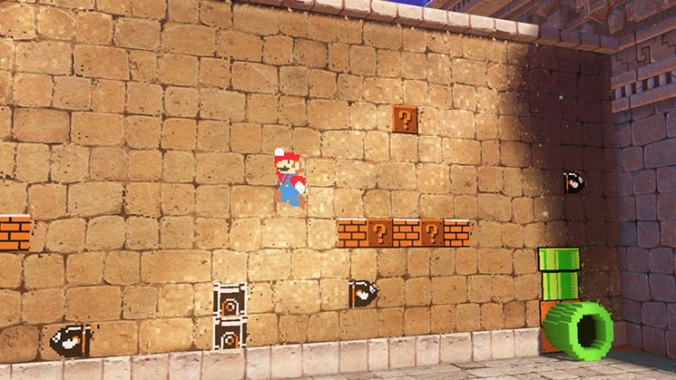
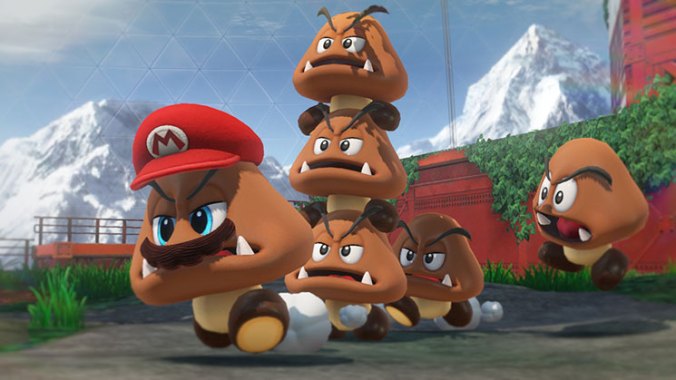
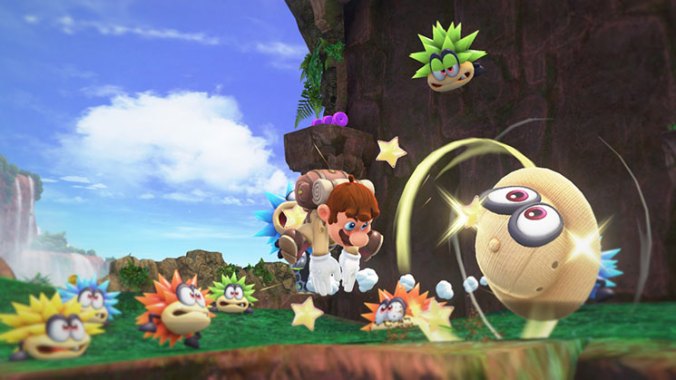
The Super Mario series is probably my favorite series of all time, especially the 3D entries. Naturally, Super Mario Odyssey was my most anticipated game of the year for me, even more so than Legend of Zelda: Breath of the Wild. Thankfully, I was not disappointed by Super Mario Odyssey. The Super Mario series is defined by the tightness of the controls and just how satisfying it is to move around as Mario. Super Mario Odyssey sports the greatest controls of any of the 3D entries. In addition to the classic moveset of jump, backflip, walljump, triple jump, and dive Mario has a few more tricks up his sleeve due to the addition of Cappy. Cappy, a sentient hat, is Mario’s new friend and provides a large variety of new moves to traverse the world. On top of the variety of new tricks that Cappy allows, the big addition is that Cappy can possess enemies. This lets the player use the movesets of enemies to progress through levels. It is enormously fun to chain these possessed enemies together with Mario’s standard moveset to allow for some crazy combinations to achieve a ton of distance. It is an absolute joy to just jump around the levels as Mario is known for.

2

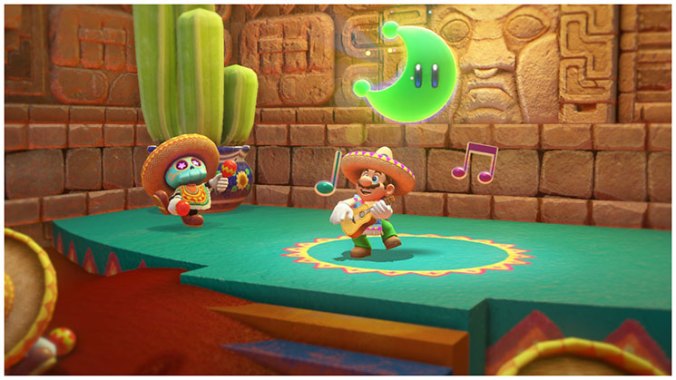
Super Mario Odyssey is centered around the open-world exploration of 17 different kingdoms. Each of these kingdoms starts off with a scripted sequence that throws back to Super Mario 64 and Super Mario Sunshine. The camera zooms in on your objective, and off you go. After you complete these scripted story missions, the entire kingdom opens up for you to discover. First and foremost, Super Mario Odyssey is a collectathon. There are almost 900 objectives, known as moons, spread across the 17 kingdoms. The biggest task in collecting them is just finding them, so if you are looking for a pure platforming experience you are not going to find it here. This is just a pure treasure hunt, finding something new every few minutes, supplemented by just how fun it is to control Mario.

3

While many have praised Super Mario Odyssey, there has been a lot of negativity surrounding it as well. There are two key criticisms: it is too easy, and it is repetitive. I can understand where these criticisms come from, but I do not think they are valid considering what this game sets out to achieve. First of all, this is a Mario game, it is meant to be accessible for casual players, children, anybody can play Mario. So, it being “too easy” feels like a misdirected jab. Would I have liked challenging levels that fully use the expansive moveset that is offered? Yes. But again, this is not meant to be a challenging game. Most of the challenge is hunting down the numerous moons that a crammed into every nook and cranny of the levels. The second criticism is that while there is a ton of moons to collect, most of them are repetitive tasks or are deemed as “garbage” moons where no effort is required. This holds some weight, as many of the moon tasks are reused frequently, but I would argue that you are not meant to collect every moon. You only need 120 to beat the game, and since you open up the final kingdom at 500 moons, it seems that there are 400 extra moons tagged on. Some would argue that these are tacked on content meant to pad the game’s length, but I think otherwise. All these extra moons make it so that every player can achieve the 500-moon benchmark without straining themselves searching for every last moon. All those extra moons are just there as a buffer so everyone can find moons at an extraordinary rate, and as some extra content if you really enjoyed the game and want to hunt down some extra moons.

4

Super Mario Odyssey may not be the most innovative game of the year, but is some of the most pure, unadulterated fun that I’ve had in a while. Sure, it’s not the hardest game, and it is a collectathon at heart. But somehow, Super Mario Odyssey elicits a feeling of childhood joy that is rarely found in modern day games. It’s a colorful potpourri of platforming, and just pure fun. For these reasons I give Super Mario Odyssey 10/10. I may just be nostalgic, but I genuinely believe Super Mario Odyssey can make anyone feel like a kid again.

Dark Souls II (2014)

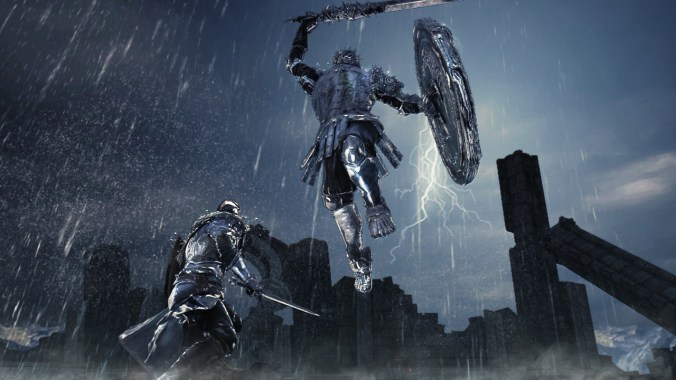
Following the unexpected timeless classic that was Dark Souls, FromSoftware had high expectations upon the release of Dark Souls II.  Strangely, the mastermind behind Dark Souls, Hidetaka Miyazaki, was assigned to develop another title instead of being in charge of Dark Souls II. I did not know that Miyazaki was not at the helm of this project until I sensed that something was very off about Dark Souls II, so I was inclined to look deeper into its development and saw that the inspiration behind the original game was gone. This is not to say Dark Souls II was a disaster, as many aspects of the game are still fantastic, but it felt like the spirit of Dark Souls was gone. It was almost like the developers of Dark Souls II did not understand what made Dark Souls so good. Or they misunderstood the point of Dark Souls and focused on the wrong aspects all together. As such, I am going to reference and analyze the original Dark Souls frequently in this piece to highlight these crucial differences.
1

As a quick aside, after writing this piece I realize that this is almost more like a full analysis rather than a review. But I feel it was necessary as I have very strong opinions on Dark Souls II and I felt like I needed to justify why certain aspects bugged me. I didn’t think it was fair to say “X, Y, and Z are bad” without really digging down to explain why X, Y, and Z don’t work in the context of the series. Also, I reference the original Dark Souls a lot. Again, I feel like this was necessary to explain how Dark Souls II missed the mark in a few areas by comparing the systems implemented to the original game. Lastly, I played the Scholar of the First Sin edition of the game, which is slightly different than the first release of Dark Souls II. I think these two versions are similar enough that the overall factors that I will underline are the same.

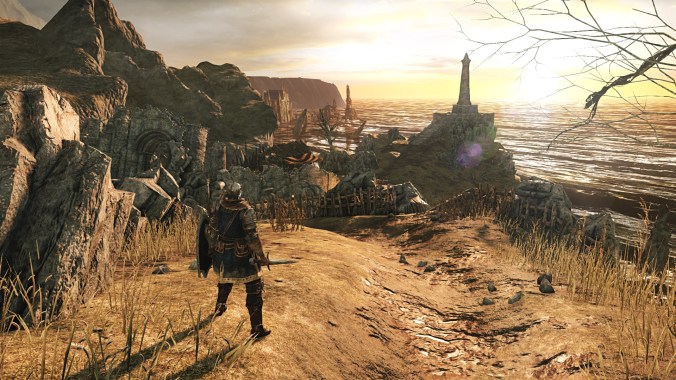
The most obvious and critical misunderstanding was over the difficulty of Dark Souls. Miyazaki always emphasizes that the point of Dark Souls was not to be hard, but rather the difficulty is used as a tool to make the played feel different emotions. I was immediately worried during the starting cutscene of Dark Souls II in which the game explicitly tells you “You are going to die, over and over again” almost mocking the player, essentially focusing in on the difficulty. My fears were affirmed by the hub location in Dark Souls II, Majula. In Majula there is a pillar with a sign on it that lists global player deaths, almost as if the developers were bragging about how many times players had died playing their game. This focus on difficult is apparent throughout the game in most scenarios and encounters.
8

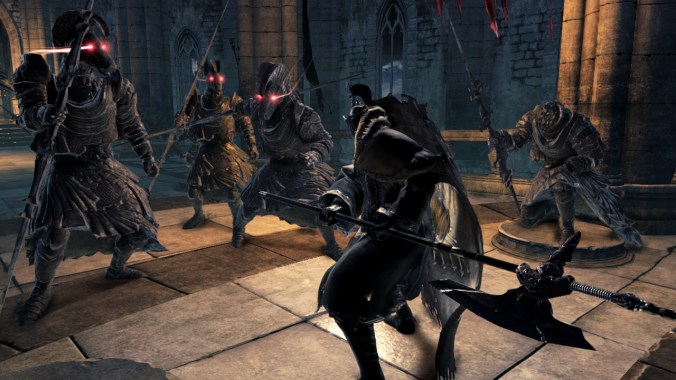
For the sake of brevity in my Dark Souls piece, I did not delve too deep into the idea of encounter design. Encounter design is essentially looking at every single scenario and encounter with enemies or bosses in the game and breaking it down. For example: enemy placements, types of enemies, the number of enemies, the environment, etc. are all crucial elements to making a successful encounter. In the case of Dark Souls the mechanics of the game lends itself towards one on one scenarios, and this is reflected in the encounter design. Most of the time you would fight one enemy at a time, sometimes there would be a few enemies, but you could split them apart with some easy maneuvering. Very rarely would you have to fight a horde of enemies, and when you did, they were so weak that you could plow through them with ease. This is not so in Dark Souls II, and there seems to be a much higher focus on fighting larger groups of enemies.

The biggest issue with fighting large groups of enemies in the Soulsborne (Demon Souls, the Dark Souls trilogy, and Bloodborne) series is the player’s reliance on lock-on. Since The Legend of Zelda: Ocarina of Time, action-adventure games have relied on locking on to single enemies as a way of simulating a duel. This is not nearly as functional once you introduce more enemies. Your camera is locked on to one enemy, so if there is more than one you can easily be blindsided. You constantly need to change your lock-on target to the enemy nearest to you.  Lock-on is just not conducive to fighting multiple enemies at once, and Dark Souls II is notorious for spamming enemies at the player. You essentially have to teach yourself how to not rely on lock-on so much, but the thing is that lock-on was invented for a reason. Combat in a third-person action game is fairly unintuitive as the controls and camera are just not well suited for it. Lock-on was created out of necessity, and now players must unlearn this mechanic to effectively play Dark Souls II. Unfortunately, lock-on is not the only issue with fighting groups of enemies.
2

There are a couple issues specific to Dark Souls II that make fighting hordes of enemies a pain other than just lock-on. First and foremost is stun-locking, which is when an enemy hits and staggers you, and then you get chained into more hits and you cannot escape the chain as each hit staggers you. This frequently leads to scenarios in which you drop from full health to zero health because you made a single mistake and got stun-locked to death. The next issue is overlapping attacks. In Dark Souls II, enemies can attack through each other to hit the player. Now this was also present in the first Dark Souls, but it was encountered far less frequently due to reduced enemy count. This is a necessary feature in my opinion, because if enemies’ attacks did not go through one another, then the game could easily be broken by keeping enemies in a straight line, bashing their attacks into each other. While it is necessary, it does not make it any less frustrating when an enemy you can barely see swings their weapon, passes through the enemy in front of you, and damages you. This also leads to a problem in which enemy’s attacks overlap in a certain way so that the player does not have a window to counterattack. Combat is straight forward, you wait for an enemy to swing at you, and then you dodge/avoid/block/counter the attack and then you have a window to counterattack. When the developers throw more into enemies into the mix that window becomes smaller, occasionally it becomes non-existent. The final issue with having so many enemies to fight is that damage is just unavoidable sometimes.

One of the defining features of the original Dark Souls was that every hit that the player took was avoidable in some way, and therefore was a mistake. This is not so in Dark Souls II, and the developers realized this and had to change the games mechanics as a result. I consider the Estus Flask, the healing item from Dark Souls, to be one of the most ingenious and important aspects of Dark Souls. While I could write an essay on the nuances of the Estus Flask, I’ll keep it short for this piece. Essentially, the Estus Flask is an item that stores 5 charges that heal the player, and these charges refill when you rest at a bonfire. The Estus Flask limited the player’s mistakes, if you made too many you would have to return to the last bonfire to refill it. As you got better at an area, you could avoid more damage, save more Estus Flask charges, and make it to the next bonfire or boss. This was a remarkable method of limiting the player’s exploration and progress. Essentially your ability to adventure was gated by your skill, and as you got better, you could press on further. This does not work in Dark Souls II because sometimes the player just cannot avoid getting hit, so the developers decided to supplement the Estus Flask with a new healing item called Lifegems. These Lifegems slowly restore health over time, as compared to the quick restoration provided by the Estus Flask. The issue with Lifegems is that they are essentially infinite, as the player can easily purchase them from a vendor at a very low price. This completely destroys the point of limiting the players healing in the first place, because even if you screw up and take some damage, you can easily heal it off with some Lifegems. There is no feeling of learning and mastering an area if you abuse Lifegems. On the flipside, the game is balanced around Lifegems, there is going to be plenty of instances where damage is near unavoidable, but Lifegems are meant to make up for this. So, if you entirely ignore Lifegems, you are in for a frustrating experience unless you are experienced with the game beforehand. So essentially the forces the player to set a Lifegem limit for themselves as to avoid infinitely abusing Lifegems to trivialize the game. If players have to impart their own rules to make the game fun, then maybe the game was poorly designed.

3

Furthermore, some majorly disappointing aspects of Dark Souls II were the boss fights. Maybe I remember the first Dark Souls bosses better because it was my first Soulsborne game, but I genuinely think many of the bosses of Dark Souls II are entirely forgettable. Both visually and mechanically, many of the bosses of Dark Souls II are wholly uninteresting. Most bosses can be described as “dudes in armor” and have similar and predictable move sets.  They lack that same sense of grandeur and wonder that the original Dark Souls would invoke. In Dark Souls it felt like you were fighting immortal and unconquerable beings, in Dark Souls II it feels like your fighting some random guy in a suit of armor. Most bosses also have similar and repetitive move-sets, resulting in some same-y and forgettable boss fights. Some bosses make me wonder what they did to even earn the title of being a boss. The Royal Rat Vanguard and the Prowling Magus and Congregation are just basic enemies with a boss health-bar slapped on them for whatever reason. On top of that, very few bosses are even remotely difficult when compared to the challenge of the normal areas in the game. The lackluster bosses are particularly egregious because the Soulsborne series places a heavy emphasis on bosses, yet in Dark Souls II there is only a handful of interesting and memorable bosses.

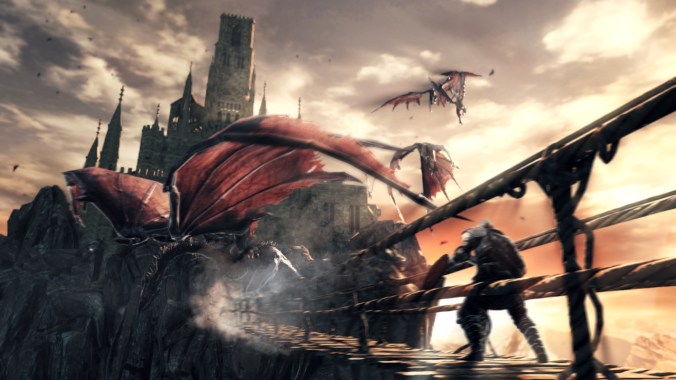
The world design of Dark Souls II is not as masterfully crafted as the original Dark Souls. In Dark Souls the world was a carefully intertwined web that looped in on itself. In Dark Souls II, it instead is a system of roots that sprawls outward in many different directions. While this is obviously easier to design and less immersive and intriguing as the original design philosophy, it is not without its benefits. It allows the designers to take more liberties and make areas however they want without worrying about how they were going to connect them back into the fold. Fast travel is available to the player from the very beginning of the game as a result of this, so you very infrequently revisit and traverse areas multiple times. This is a shame because Dark Souls II has some phenomenal atmospheric and visually impressive areas. The dizzying heights of the Dragon Aerie, the calm flow of the Shrine of Amana, and the peaceful aura of Heide’s Tower of Flame are fantastic and are some of my favorite areas atmospherically. Unfortunately, you never get to really familiarize yourself with these areas enough as to burn them into your memory as a result of the branching world design. Also, the world of Dark Souls II is at times completely nonsensical. I would think that the freedom that comes with the branching world design that the designers could make for a believable world, but that is not the case. The most egregious example is how you climb a tower into the sky, reach the top of it, take an elevator upward, and then end up in a volcano. You can see the tip of this tower from the ground, and there is no elevator or hint of anything above this castle, let alone an entire keep inside of a lake of lava. It is incredibly jarring and detached me from the world as it did not even make an attempt to make any logical sense.
7

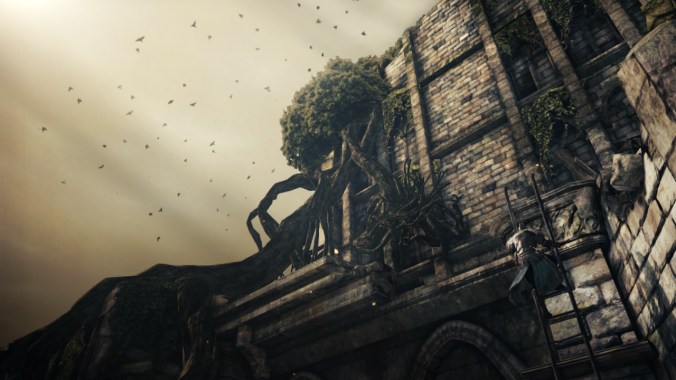
The level design in Dark Souls II mirrors its world design in a sense. There is a lack of interconnectivity in individual levels. In Dark Souls, each level had numerous shortcuts to unlock as you progressed further into each level. In Dark Souls II, many levels opt to just put in more bonfires rather than looping the player back to a previous bonfire and having them use it again. It frankly just feels lazy, especially since there are an absolute load of locations where it would have been easy to just put in a ladder, or push down a tree to unlock a shortcut, but the developers opted to just add another bonfire instead. Also, like I mentioned earlier in the review, it feels like the developers also leaned heavily on just adding more enemies whenever they wanted to up the difficulty factor. There are some levels that take this concept to the point of absolute absurdity. The Iron Keep is probably my least favorite area in the game because of this. Another strange addition to this game was how roll speed is tied to the adaptability stat. Previously, roll speed was determined solely by your weight/carry ratio, but now adaptability plays a huge role in the effectiveness of your rolls. Before you get many points into adaptability rolls feel very off and clunky, so you either need to pump some points into adaptability early on or just deal with useless rolls. This isn’t a huge deal past the first few hours, but it definitely just feels wrong and I could see it turning off players who are used to fast rolls at the start of the game.
5

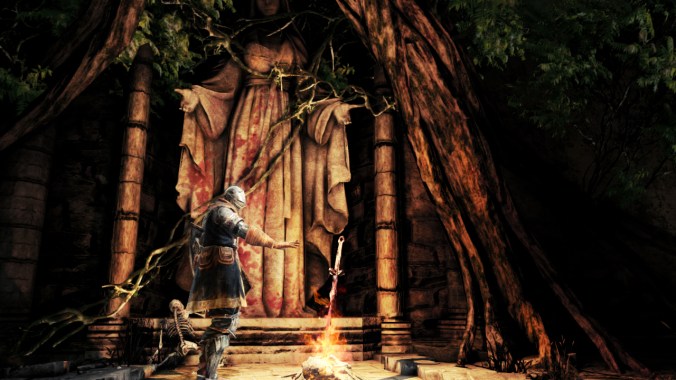
After all that ranting about Dark Souls II, there are plenty of redeeming qualities that I probably should highlight, as I don’t think Dark Souls II is a horrible game, I just think it missed the mark. First and foremost, the user interface is a massive improvement from the original game. It is much more clean and intuitive to use. Another notable improvement is the online play. It flat out just works better from a technical stand-point, and on top of that it is far better balanced for player-vs-player combat. Like I mentioned earlier, Dark Souls II is remains phenomenal atmospherically and visually. Most importantly, while Dark Souls II may have been a little off in many regards, and I harped on it a lot, it still keeps the basic structure of the Soulsborne series, which is just flat out enjoyable. A brutal and inhospitable fantasy world in which you battle against the odds against lumbering creatures and undead beings for the sake of humanity. There is just something wondrous about the concept. The combat and gameplay are not inherently bad, I just think the developers went a little bit overboard with how many enemies they added. Nothing proves this more than the DLC (downloadable content) of Dark Souls II.
6

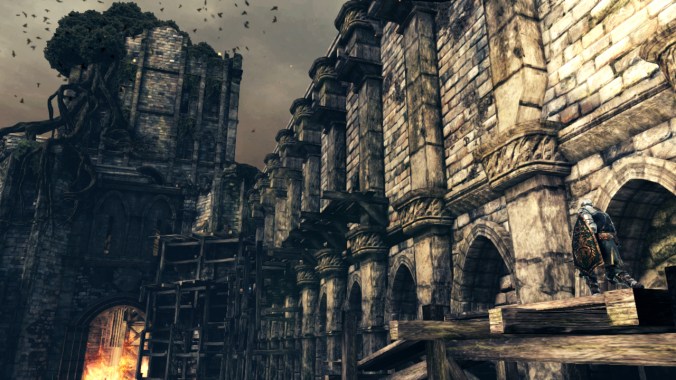
I rarely talk about DLC as it usually just more of the same of the base game, but there is a strange dichotomy of the Dark Souls II DLC. It contains both the absolute best of the game, but it also brings out the utter worst in the game. There are 3 DLC packs, and each contains a new main area, a few bosses, and an optional side area. As far as I’m concerned, the main areas of the DLCs are the best parts of DLC beyond a shadow of a doubt. The areas are excellent visually, and they return to the looping level design of the original Dark Souls. You really get to know each area because there are far less bonfires, you have to master each area just progress. Each area also unique attributes that make them far more memorable rather than just “slaughter a couple dozen enemies and then take on a boss”. Speaking of bosses, the bosses in the DLC blow the bosses of the base game out of the water. Incredibly challenging, unique, and unforgettable. The Fume Knight in particular ranks up there with Knight Artorias as one of my favorite boss fights ever. All that being said, the optional side areas of the game feel like the developers just took every bad aspect from Dark Souls II and smooshed it together to make these awful areas. The Cave of the Dead, the Iron Passage, and the Frigid Outskirts are so terrible that I refused to believe that they were not intentionally designed to be dreadful. The contrast between the excellent main areas and the appalling side areas is so off-putting that its hard to believe that they were designed by the same people. Massive amounts of enemies, cheap tactics to kill the player, and copy-pasted bosses are just some of the frustrations that you will encounter here. As it turns out, these areas are meant to be played co-operatively, in other words you are not supposed to play them by yourself. This is pretty strange considering this is the only place in the series where the game explicitly encourages co-op. Luckily, these areas are optional and I really don’t recommend setting foot in them unless you are a masochist, a completionist, or you have someone else to play with.
4

As a whole, its difficult for me to judge Dark Souls II. It misses a lot of what took the original Dark Souls from “good” to “legendary”, but that still leaves Dark Souls II firmly in the “good” category. The masterful level and world design is wholly absent, but the strong basics of Dark Souls are mostly intact. The bosses could have been better, the healing system lacks a punch, and the developers are overly reliant on spamming enemies. But for the most part, Dark Souls II is still a solid game. I don’t think it is even remotely close to the original in terms of quality, but that does not intrinsically make it a bad game, especially considering Dark Souls is a generational title that has had an enormous influence on the industry. For these reasons, I give Dark Souls II a 6/10. Outside of the main DLC, Dark Souls II just kind of misses the point of what made the original so iconic, but its still a decent game.
 

Spec Ops: The Line (2011)

Can mediocre gameplay be forgiven if the narrative, story, and setting are all superb? This is a question that I’ve thought about a lot in the past, and it definitely applies to Spec Ops: The Line. While it is incontestable that the plot in Spec Ops: The Line is top-notch and may have sparked an enlightenment era for narrative driven games, I felt that the game was severely bogged down by the gameplay. This is unfortunate, as I do love it when a developer can effectively use video games as a medium to effectively tell a story. Spec Ops: The Line nails its setting, plot, and effectively uses narrative elements to make for some unforgettable moments, but even though I loved those features it is impossible to ignore the sluggish gameplay.

2

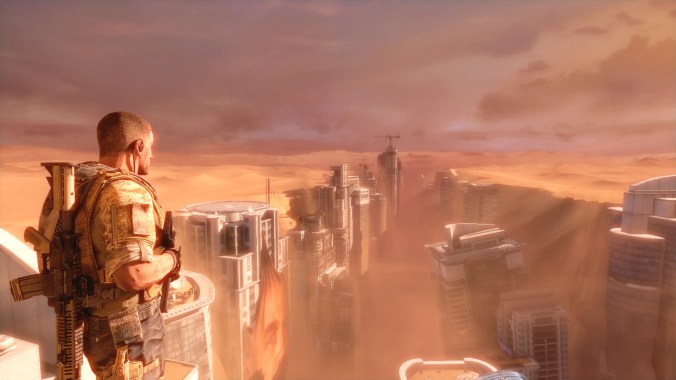
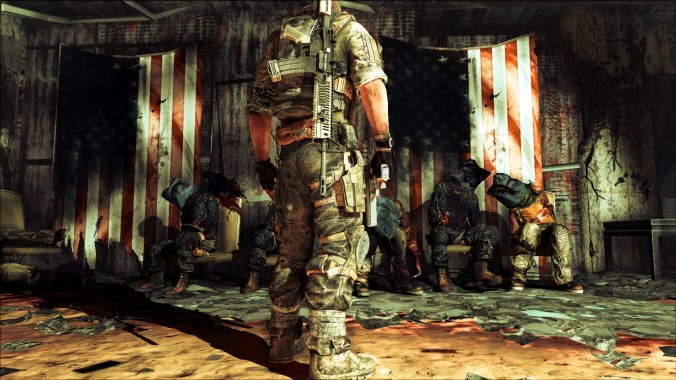
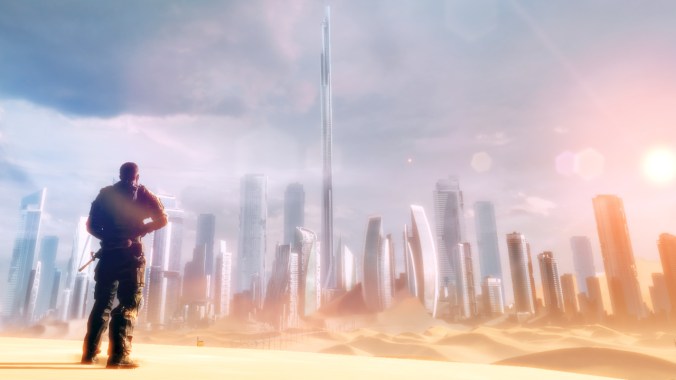
The setting and atmosphere established by Spec Ops: The Line is incredible. The player and his squad must descend into the depths of the buried city of Dubai. Constant sandstorms have covered the once prosperous city in a mountain of sand, leaving only small portions of the city exposed to sunlight, the rest is embedded in a sandy tomb. The player starts at what is essentially the top of the city, and slowly descends deeper into the depths of the derelict Dubai. As you make your way down through skyscrapers and across rooftop, it atmosphere changes drastically. The once sunny city dims as you dive deeper, bodies of the dead pile up, and chaos erupts at all corners. This effect of verticality is incredibly similar to the feelings invoked by games such as Dark Souls and Hollow Knight. You descend further and further down, the game gets darker and more foreboding. You reach a point in which you feel like you cannot possibly dig any deeper, but you just keep going. The use of verticality, ascending and descending, is a tactic that can be incredibly effective at invoking emotions into a player. Going up always feels rewarding, like you are climbing a ladder to victory. But going down, that is a prospect that is meant to instill terror into the player. The atmosphere achieved by Spec Ops: The Linethrough its use of vertical levels is meant to instill stress, panic, and unease in the player as you cascade further and further into hell. The setting of Spec Ops: The Line is phenomenal, and it truly makes for an unforgettable journey.

3

While the atmosphere established in Spec Ops: The Line is incredible, the game is mostly known for its story. The main character sets out with his 2 squad mates to investigate a distress signal sent from Dubai. The game’s story matches its setting sense of verticality, the main character is at his highest point when they game starts, at the top of Dubai. As you descend, the protagonist witnesses atrocities and horrible scenes of death and destruction. The main character’s mental state deteriorates and the entire squad begins to squabble with each other as time progresses. Spec Ops: The Line borders on being a psychological thriller as you unravel the happenings in Dubai, and you trust the main characters perspective less and less as time progresses. All of this time you are lead to a spectacular and mind-warping ending that just made me ask “What just happened?” What is really interesting to me is how effectively the developers used video games as a medium to tell a story. Many games tell a good story, but they leave you with the feeling that the story would have been better told in a movie. In Spec Ops: The Line however, it places you in the role of the protagonist, you are not just a bystander to the events that unfold. I felt sick to my stomach in many of the gruesome climactic scenes. There are a few different ways of effectively using video games as a story telling medium, and Spec Ops: The Line utilizes the personal nature of video games to tell an unforgettable story.

4

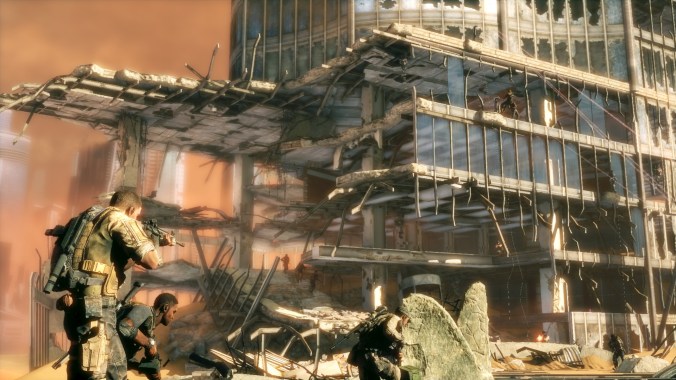
Unfortunately for Spec Ops: The Line, a key component for any game is its gameplay. Story, setting, and atmosphere all are incredibly important, but at the end of the day you still have to actually play the game to experience those attributes. It is a shame that the gameplay of Spec Ops: The Line is so disappointing, because otherwise I would consider it to be a must-play title. It brands itself as a tactical third-person-shooter, as you must tactically command your squad as you shoot your way through Dubai. This starts off okay as your squad mates are relatively useful early on, but as the game progresses a critical flaw is unearthed. As you progress, enemies get stronger, get better weapons, and number of enemies increase, but your squad mates are the same strength that they were at the very start of the game. So as the game gets harder, your teammates become increasingly useless, and by the end of the game they mainly serve as a distraction for enemies to shoot at. On top of that, the controls are just plain clunky. I’ve never been a huge fan of cover-based shooters. It always feels awkward to press a button and get “stuck” to cover, then press another button to “detach” from that piece of cover. It just feels sticky and restrictive; getting behind cover, peeking and shooting, and then detaching from the cover feels unnatural. I much prefer the fluid and open movement of games like Wolfenstein, DOOM, Call of Duty, or Battlefield. I started to get seriously frustrated once enemies began regularly tossing grenades at me because I would get stuck on the cover and couldn’t detach and get to safety quick enough. I can only describe the controls of Spec Ops: The Line as sticky, and it takes too much effort to get the character do to what you want.

1

The issues with the gameplay don’t end with the useless teammates and clunky cover-based mechanics. Spec Ops: The Line falls into the same traps that many other modern shooters, in which they blend into each other and feel stale. So many shooters fall into a pattern where the player gets behind cover, kills some enemies from relative safety, and then moves to the next piece of cover, and you repeat ad infinitum. There is a not a whole lot of excitement in this format, and I often feel like I’m playing whack-a-mole as enemies pop up from their cover and I pick them off one by one. Towards the end of the game bullet-sponges make their appearance and you have to pump loads of bullets into these enemies before they go down. This is doubly frustrating because not only is it boring to deal with enemies, but bullets are relatively scarce in this game, so unloading all of your resources to kill one enemy is a pain. Moreover, Spec Ops: The Line suffers from an overabundance over enemies in the latter parts of the game. Maybe the developers intended for your squad mates to dispose of a significant portion of these enemies, but as I mentioned before, your squad mates are functionally useless late in the game. What ends up happening is that you just have to sit behind cover and slowly pick off what feels like hundreds of enemies per encounter; it’s tedious, draining, and grows tiresome quite rapidly.

5

As an entire package, I think Spec Ops: The Line is decent. The story and environment is phenomenal, but this is a video game and the importance of gameplay cannot be understated. While the story had me hooked, actually playing the game was a frustrating slog towards the end. I’m not sure if I can recommend Spec Ops: The Line even though I thoroughly enjoyed its atmosphere and plot. All I can say is if you believe that “gameplay is king”, stay away from Spec Ops: The Line, otherwise definitely give it a shot.

Civilization VI (2016)

It is no surprise that a Civilization game is underwhelming at launch. Civilization IV and Civilization V for example were extremely bare-bones at the time of their release, but they were significantly expanded on with patches, downloadable content (DLC), and expansion packs. In Civilization VI, all of those bonus features that were added onto its predecessors were present at launch. Unfortunately, most of these features are so fundamentally broken that I would much rather them be absent from the game. I figured I would give the developers some time to fix the major issues or at least acknowledge that these issues exist. It has been nearly a year now, and Firaxis has not done anything besides patching some glitches and adding new, paid DLC civilizations to play as. At this point, I am worried that the developers have no idea what is wrong with their game, let alone how to fix it. For me, there are 3 clear game-breaking issues that must be addressed. These 3 issues are the artificial intelligence (AI), user interface (UI), and the various tedium that plague Civilization VI.

Full disclosure, I feel like I have to mention that I am veteran of the Civilization series. I started with Civilization III when I was young, played a good amount of Civilization IV, and I have near 1000 hours of Civilization V and play on the highest difficulty setting. Many of my criticisms of Civilization VI may not be apparent to newer players, but I assure you if you play enough Civilization VI you will understand what I am talking about. That being said, I realize that I may be harsh on this game because of my experience, so a more casual player may not care about a lot of what I am going to mention.

1

By far the most apparent issue with Civilization VI is its artificial intelligence (AI). The Civilization series is definitely not known for its brilliant AI, but there has always been a basic level of competency that could make the AI competitive. Not only is that competency is absent from Civilization VI, but the AI is completely unpredictable and illogical. It is clear that the developers knew that the AI was awful, as they gave the AI massive bonuses on the highest difficulties that are unprecedented in the series. For example, only on the highest difficulty of previous Civilization games the AI receives a bonus settler. But in Civilization VI, the AI starts receiving that bonus settler on the third highest difficulty, and now it receives 2 settlers on the highest difficulty. The AI is also extremely aggressive in Civilization VI, as the only way they can hope to defeat the player is by sabotaging the player so much that they cannot catch up to the AI’s massive early game advantages. I say sabotage because the AI is also completely incapable of actually wiping out the player or at effectively sieging your cities.

2

One of my favorite things about playing Civilization V was studying the AI’s behavior and learning how each leader acted. I could then use this knowledge in future matches to predict what a certain leader was going to do and guess how the game was going to play out. This was essentially eliminated from Civilization VI because the AI is so unpredictable and varies heavily from game to game. The only consistent thing about the AI’s behavior is that their default state seems to be hatred. They hate the player and they hate each other, often leading to lackluster diplomacy as no matter what you do everybody is just going to denounce each other.

Another factor of the Civilization series that I also really enjoyed was the sort of role-playing aspect and watching as empires expanded and clashed over territory. Every time I generated a new game I felt as if I was witnessing an alternative history, and it is a factor that I considered insanely addictive.  Unfortunately, since the AI are so wholly incompetent this role-playing aspect is also destroyed. By the modern era half the world is unsettled because the AI unwilling to expand past a few cities. There are tiny, disjointed empires instead of sprawling empires where the civilizations border each other and make for a believable world. Also, since the AI is so horrible at waging offensive wars, they will almost never conquer their neighbors or take a capital city. In Civilization V, you could expect at least 1 or 2 of the AI to be wiped out by their neighbors, making for an evolving and interesting game world. But in Civilization VI, the AI are incapable of conquering each other, they may take a single city or destroy a city-state, but they almost never take capitals. This makes for a rather boring and uninteresting world to observe. The AI in Civilization VI is what I would consider a game-breaking issue, and I doubt that I will return to this game unless the AI is amended.

3

Other than the AI, there are a few other major flaws that Civilization VI has that also hamper the game’s entertainment value. The next thing I want to touch on is its confusing and overcomplicated user interface (UI). In a strategy game like Civilization VI all of the vital information should be readily available to the player and there should be no clutter of superfluous information. In Civilization VI it is the other way around. The game has no problem clogging up your screen with random stuff like “England has built a granary in London!” Who cares? But you have to dig deep in order to understand key game mechanics like amenities. On top of that, most of the menus and just general layout of information is rather clunky and cumbersome to navigate. Also, the mini-map is a complete disaster. It now shows water tiles as owned land by other civilizations, the colors of the fog of war and undiscovered territory are the same, and it just feels very boxy and unpolished. They have done a little bit to improve the UI since launch, but it is still abysmal. If you want an example of a good UI in a strategy game, Fire Emblem: Fates is phenomenal in that department. There is a ton of information on the screen, it is laid out in a sensible manner, and if you want any more information on anything, you just tap on it.

I’ve heard people say that Civilization VI is a good base for a game to build upon in future expansion packs, even if it needs significant work before it can compare to its predecessors. I don’t fully agree with that sentiment, as the AI and UI are possible to fix and would significantly improve the game, but many of the core game mechanics are fundamentally broken and need a massive overhaul. This is why I am not optimistic for Civilization VI, sure the developers could fix the AI and UI, but I doubt they will scrap so many of these new features that they added into the game. Many of these new features are meant to give the game strategic depth and add more choices into the game, but they end up just becoming tedious, frustrating, and tiresome. These mechanics are: Religion, agendas, housing, the civic tree, eurekas and inspirations, governments, the new movement system, city management, diplomacy, builders, espionage, barbarians, and spies. I am not going to delve deep into why I think these mechanics are busted, as I want to keep this review at least a somewhat reasonable length. I may later do a full analysis of Civilization VI where I go deeper into these mechanics, what is wrong with them, and how to fix them. All of these issues highlight the biggest flaw of the Civilization series as a whole, which is that the game becomes boring and tedious once you have essentially won.

4

There comes a point in every Civilization match when you realize that you are so far ahead that there is no feasible way for the opponents to make a comeback and defeat you. Some people quit when they reach this point, but many like to play the game out to its conclusion. You kind of turn on auto-pilot and hit the “next turn” button until you reach victory. Civilization VI exasperates this issue because you can no longer turn on auto-pilot, you still have to micromanage all of these features that I highlighted earlier. All of these features are unnecessarily tedious, and it feels like the developers just added more decisions and micromanagement just for the sake of having more decisions. All this does is reduce the weight from any decisions, and makes playing the game a chore because I now have to make a dozen meaningless decisions every turn. The importance of these decisions is drastically reduced because of the sheer number of them. Why should I care what government policy I choose when I can change it in 3 turns anyway? The lack of meaningful decisions and plethora of worthless decisions makes for a game that feels like a chore.

5

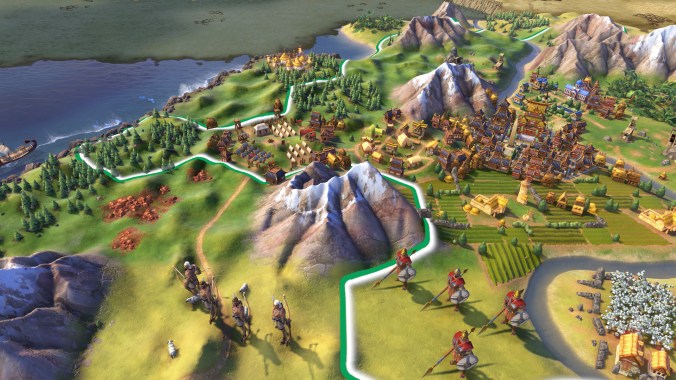
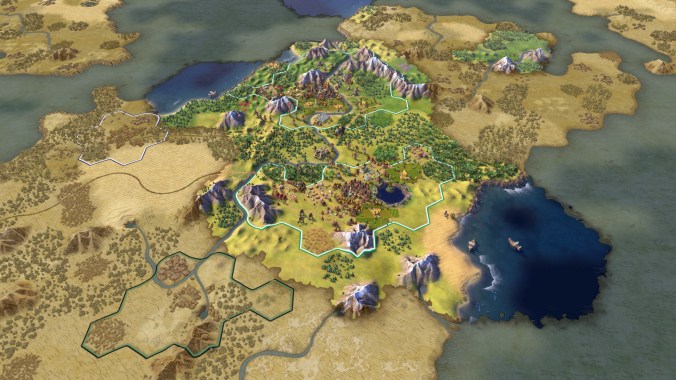
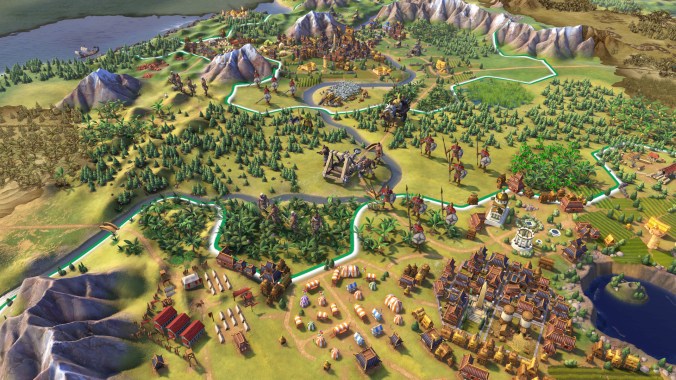
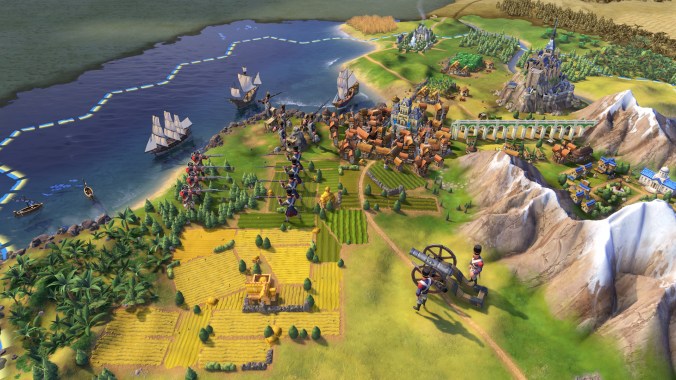
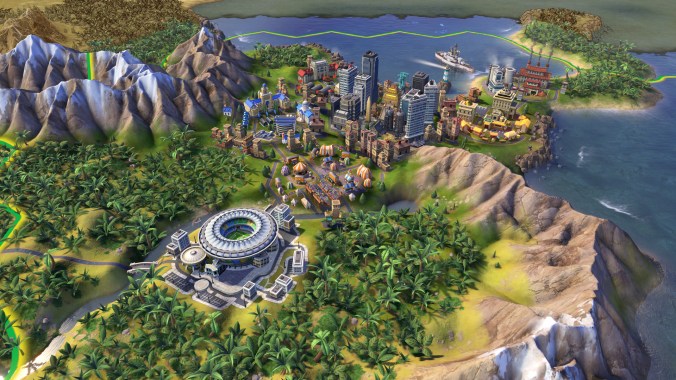
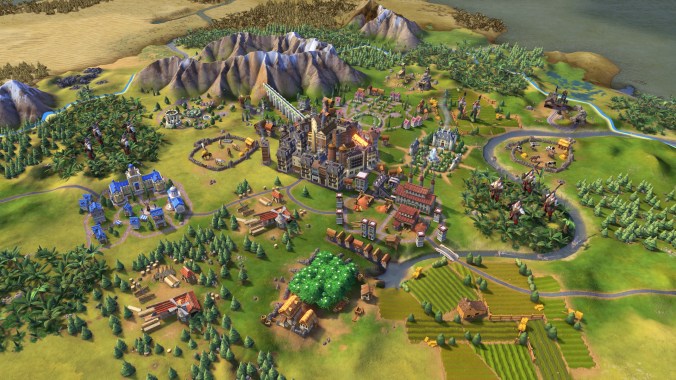
There are a few worthwhile things in Civilization VI. The most obvious is the district system. Instead of everything in a city being built in that 1-tile area, now you have to establish districts on other tiles. For example: you need a campus district to build libraries, universities, and other science related buildings. From a world-building perspective it makes for a much more believable empire than in past iterations. It also has some interesting strategic properties as districts receive bonuses depending on where you place them, so you can plan out cities and what their districts will be for maximum efficiency. Another positive factor of Civilization VI is just the visuals. I think the art-style borders on being a little too cartoony at times, but sometimes you have to just sit back and admire the landscapes populated by your cities, districts, and wonders.

6

It’s a shame really. It seems like Firaxis genuinely attempted to make this a complete game upon launch. But in their attempts to fill up the game with content, they neglected to check if all of that content was actually any good. As it stands you are much better off buying Civilization V and all its expansions and DLC, which as an entire package often goes on sale for less than $15. It is just a way more polished and complete game, and for a quarter of the price of Civilization VI. I am not sure if Civilization VI will ever be a good game, but the future looks grim for this title. For these reasons I give Civilization VI a 3/10. Maybe it will be good after some expansion packs, but right now the game is just a mess. If you ever feel an itch to play a grand strategy game, just play Civilization V instead.

Captain Toad’s Treasure Tracker (2014)

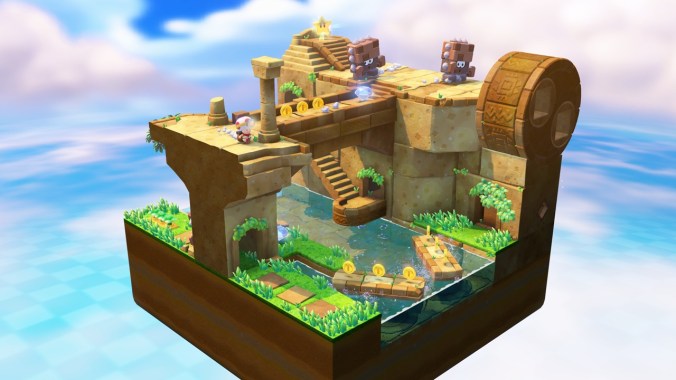
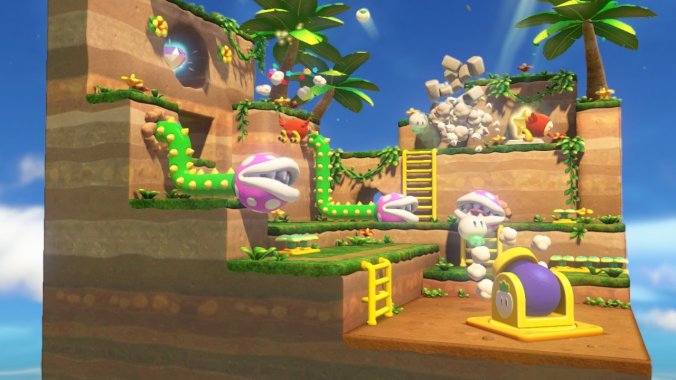
One of my favorite features from Super Mario 3D World was the inclusion of Captain Toad and his mini-games. Clearly, many others also adored those mini-games as Nintendo developed a full game using the base concept from Super Mario 3D World. Captain Toad’s Treasure Tracker is a puzzle-platformer adventure game. The main objective is to progress through small stages and collect stars and gems along the way.

1

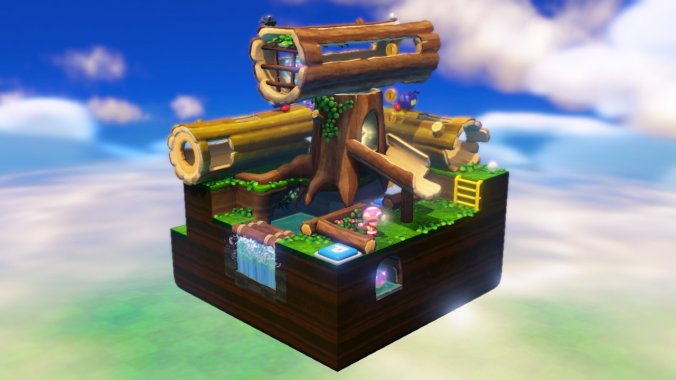
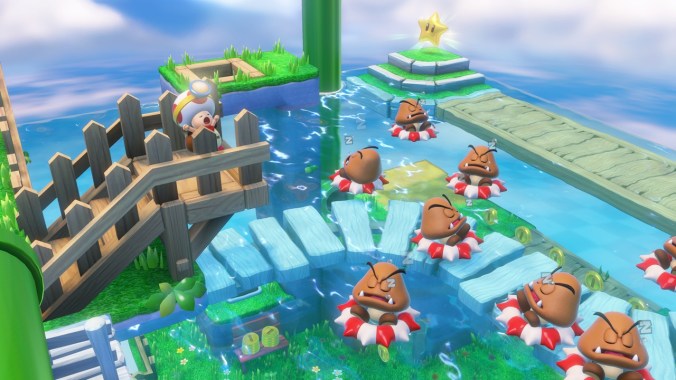
Captain Toad’s Treasure Tracker is a great game to just chill out for some relaxing fun. This is largely due to its simple level design. Levels are small arenas that the player can rotate to get a better view from all sorts of different angles. Captain Toad cannot jump or attack, so most levels consist of navigating these small maze-like courses, avoiding enemies and dangerous obstacles, and finding your way to the star, which acts as a goal in every level. Along the way, the player must also collect the 3 gems that are hidden in every level, as some stages later in the game require a certain number of these gems to unlock. These gems are often hidden in plain sight, or at least are fairly easy to guess where they might be hidden. Stages are very compact and quick to navigate through, so even if you are having trouble finding a hidden item it takes no more than a minute or two to play through the entire stage again to get another look. For the most part, the gems are out in the open and you just have to figure out how to get to them. Usually it involves a bit of puzzling or thinking of a not-so-obvious way of navigating these tiny courses. This is in stark contrast to a game like Yoshi’s Woolly World, where the collectibles were obtuse to find and required scouring every inch of a level to unearth them. In Captain Toad’s Treasure Tracker, there is no obnoxious combing of entire levels to find secrets, they are in plain sight and you just have to figure out how to get to them, which is how collectibles should be handled.

5

While I find the level design itself to be both simple and gratifying, I think the visuals of each level are also top-notch. The idea of making most levels a small cube that just floats in the sky is actually pretty cool. Every stage is kind of like a 3D diorama that you can rotate in your hands. This is a unique way of exploring all sorts of different environments, which is a key element of any adventure game, but it takes out all the long treks and expanses of nothingness between each important zone. It also allows the developers to space out any theme they want, rather than playing them in big chunks. In traditional adventure games, if you enter a snowy area for example, you know that you are going to be exploring that snow-covered area and that area alone for the next few hours, and after a while seeing the same environment over and over can just get dull. I enjoy the fact that the themes can be spread out across the game instead of having to play them all at once. You can always expect some fun places to explore in a Nintendo game, and Captain Toad’s Treasure Tracker is no exception. There are plenty of visually appealing environments and atmospheric areas to discover.

3

While I did enjoy Captain Toad’s Treasure Tracker, I feel like there was a lot of missed potential here. Nintendo does not have a puzzle game franchise, and I feel like there was perfect opportunity to make Captain Toad’s Treasure Tracker into a puzzle game series. Instead, we got a platforming-adventure-puzzle hybrid, which is fine, but the puzzle elements are fairly lacking. Most puzzles in this game are just involve hitting a switch which changes the stage and opens up a new path to the goal. There are no truly head scratching moments or things that make you really think about how to proceed. There are a couple of optional challenges that the game provides that are interesting, like limiting how many times you can hit a switch during a particular stage. These are fairly uncommon though and are entirely optional. Some levels show a good deal of potential and made me think that I was going to keep track of all the different forms the stage takes from hitting a button, and then hit the buttons in the correct order to progress forward. In reality, you just kind of progress forward and hit the buttons along the way, there is not much thinking involved. I was never really thoroughly impressed by any of the levels, and as a whole the game lacks a “wow” factor.

2

Not every game has to be an industry-changing, genre-defining game. Captain Toad’s Treasure Tracker is just fine for what it is: a short, clever, charming, and relaxing adventure. If you are looking for a cute adventure game with a few platforming and puzzle elements, then this game is perfect for you. This is not an ambitious title that will shape the industry for years to come, but it does not pretend to be. It’s just a simple little adventure game that you can meander your way through. For these reasons I give Captain Toad’s Treasure Tracker a 7/10. I enjoyed the calming pace and nature of this game, but there is definitely some untapped potential here.

Yoshi’s Woolly World (2015)

Mario’s beloved dinosaur companion returns in this fuzzy platforming adventure. Nintendo has a large number of platforming IPs, each main character having a unique array of abilities to set the games apart. To go along with that, they all have drastically different difficulty levels. Starting with the slow and forgiving Kirby, Yoshi is the next step in difficulty, followed by Mario, and finally Donkey Kong. Kirby games tend to be introductory platformers and tend to bore more experienced players, so I was hoping to find the sweet spot of relaxing and difficult with Yoshi’s Woolly World. While the base levels of Yoshi’s Woolly World are fairly simple, there is a high variance in the difficulty of the game depending on many of the collectibles you try to obtain.

1

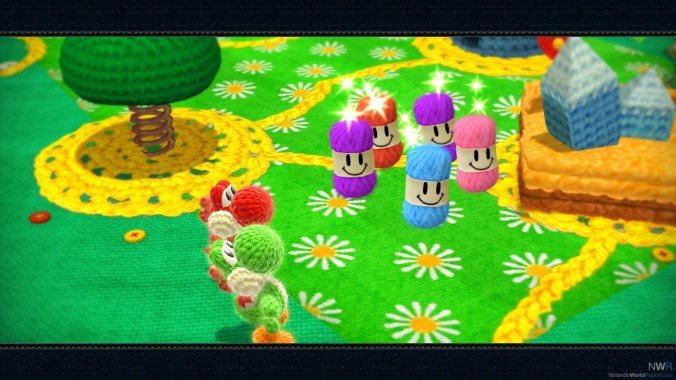
Like most other Nintendo platformers, trying to collect the collectibles scattered throughout each level is a way of stepping up the difficulty for players who are looking for an additional challenge. Yoshi’s Woolly World takes this concept to the next level. Each level has 4 main collectibles for the player to find, and each has an individual purpose. There are yarns, flowers, stamps, and hearts, the two most important are the yarns and flowers. The plot of Yoshi’s Woolly World is that evil wizard Kamek unravels all of the Yoshis, who are made of yarn and scatters them across the land. Collecting all the yarns in a specific level essentially rescues one of those Yoshis and lets you play using their unique color scheme. If you collect every flower in all 8 levels of a specific world, you unlock a hidden bonus level, which is a shame because these bonus levels were generally my favorite and it is unfortunate that they are hidden behind collectibles. Stamps and hearts do not provide much for the player, but if you go through the trouble of getting all the yarns and flowers, you might as well go for 100% and get a golden star for finding everything. Personally, I generally like collectibles in games, but I feel like Yoshi’s Woolly World went about them the wrong way.

5

Gathering collectibles in games is an optional task, and is best left that way because not all players love collecting. In Yoshi’s Woolly World, the player is heavily incentivized to collect things to save their Yoshi companions and to unlock hidden levels. Unfortunately, I do think that the collectibles were handled properly.  In a platformer, collectibles should be gated behind a platforming challenge, maybe a set of tough, consecutive jumps. Or in the case of Yoshi, whose special ability is that he can throw eggs, maybe have collectibles be an aiming challenge. Occasionally, there could be hidden areas that the player can spot if they are perceptive which hide collectibles. In Yoshi’s Woolly World, the vast majority of the collectibles are hidden in those secret types of areas. It even goes further than that, many collectibles are hidden inside invisible clouds or walls that the player cannot spot unless they physically touch it. So, if you are looking for collectibles you essentially have to constantly jump around and bump into every wall, ceiling, and touch every inch of the screen if you want to find these invisible objects. This is not ok, it slows down the pace of the game tremendously and makes progressing through levels tedious rather than entertaining. And if you miss something you have to go through the whole level again doing the same thing just to find one missing item. Most of the time I had to replay levels 2 or 3 times before I found the invisible final item nonsensically floating in the middle of the sky somewhere. It turns the game from a platformer into some sort of treasure hunt, where the treasures are hidden illogically and with the sole intention of wasting your time.

3

Perhaps I hurt the experience for myself by going for the 100% completion, but I am not sure if I would have been engaged without searching for the collectibles. My suggestion for newer players is to hunt for whatever collectibles are on screen, but do not obsess over them as they are a giant time sink. It is a shame because then you won’t get to save Yoshis friends and you won’t get to play the great bonus levels, but they are not worth the time required to unlock them. If you complete the game regularly and want more, then definitely go back and try to 100% every level, but don’t ruin the game for yourself by going for all the collectibles right off the bat.

6

The levels of Yoshi’s Woolly World are fairly easy, as I would expect from a Yoshi game, which is why I was going for the collectibles in the first place. What I liked about the level design was that every single level was unique. Every level had a sort of gimmick in place that was the central theme of the level. Ropes that you grab and swing on, bubbles that you bounce on, creating your own platforms by tossing eggs,  these are just a few examples but every single level has some sort of twist to it. I liked this as the game constantly felt fresh and there were no “throw away” levels that are there just to pad the content. My big issue was that everything just felt kind of slow. Outside of the secret levels, all but a few of the levels you just kind of waddle along at your own pace without immediate threats or danger. I guess I should have expected this out of easier platforming game, but I feel like this is how collectibles could have been used to improve the experience. Maybe collectibles could disappear after some time has passed as a way of speeding up the player, or have a series of optional jumps that increase difficulty for experienced players. I felt stuck in a sort of limbo, the game was too easy and not engaging when just played normally, but was a tedious scavenger hunt when I went for the collectibles.

4

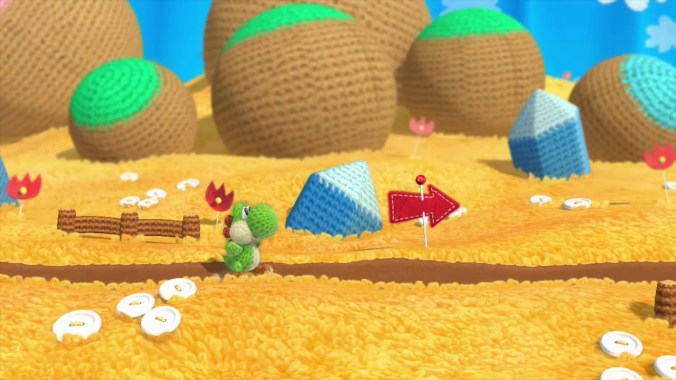
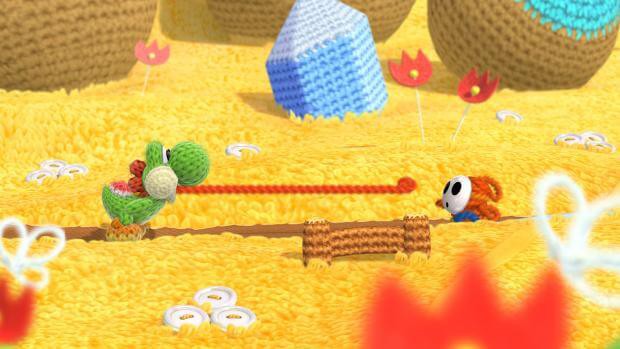
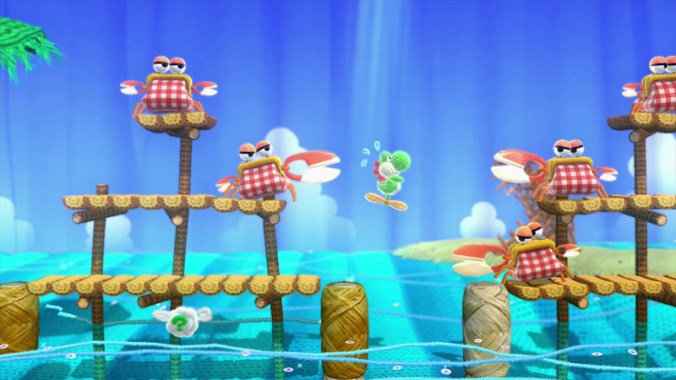
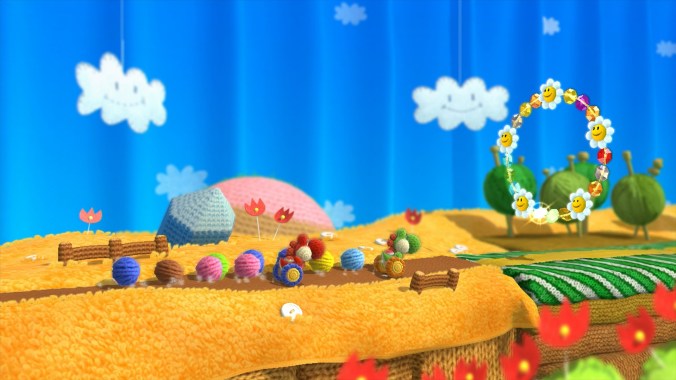
Outside of the uniquely and memorable gimmicks in every level, there are a few other features to this game that make it appealing. First, and most obviously, is the phenomenal art direction. Taken straight out of Kirby’s Epic Yarn, I absolutely love the visuals of this game. Everything is made of woven yarn and wool, and there is a ton of attention to detail to keep it all looking like it was handcrafted. These knitted characters and worlds are adorable, whimsical, and charming, it is probably my favorite feature of the game. It is especially cute whenever you get to play alongside Yoshi’s new canine pal Poochy, I mean who doesn’t love a good dog?  There is also a co-op mode so you can play with a friend, or maybe your kid as this a good platformer for beginners. Another cool feature is the ability to buy power-ups through gems that you collect in the levels. You will have an overabundance of these gems and it could be pretty fun to spend them to give Yoshi powerful abilities. Lastly, I think this game is probably an appropriate difficulty level for young kids. It is definitely a little tougher than Kirby games, but not as hard as Mario or Donkey Kong. I just think that there should have been a good way of stepping up the difficulty for more experienced players. I absolutely loved the hidden levels of this game, they were fast, fun, and had some challenging platforming. If the whole game had similar level design this would have been a must play game in my opinion, but there are so few of these levels and they are hidden behind an irritating collectible system.

2

Overall, I think Yoshi’s Woolly World is a decent game. While I spent a lot of time ranting over its obnoxious collectible system, I don’t think most players will even attempt to collect most of them. And while for someone who is more familiar with platformers the game is slow and easy, it is the perfect difficulty for its intended audience. As someone who grew up playing the original Yoshi’s Island, maybe I expected too much out of this game, but I felt seriously stuck between the game being too easy when played normally, and flat out annoying when playing for collectibles. Still, the whimsical charm and creativity of Yoshi’s Woolly World is sure to impress. For these reasons, I give Yoshi’s Woolly World a 6.5/10. It is great as an introductory platformer, but I feel that it offers little outside of that.

Stardew Valley (2016)

There is nothing more relaxing than chilling out and maintaining your farm in the calming Stardew Valley. This Harvest Moon inspired game is the brainchild of a single developer, ConcernedApe. Can this farming simulator overcome the pitfalls of the other games in its genre? In some ways yes, but I feel like the same problems that plague this genre also drag down Stardew Valley. Regardless of this, Stardew Valley is the perfect comfy game to just sit down and relax and play for a while.

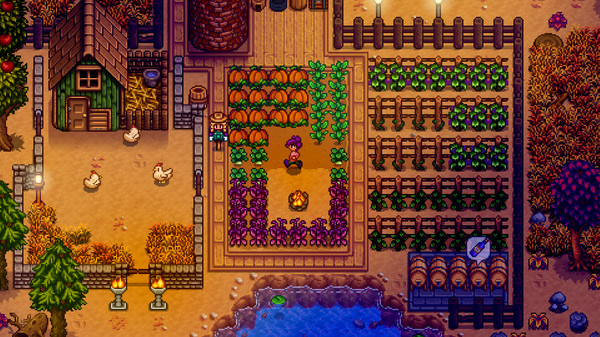
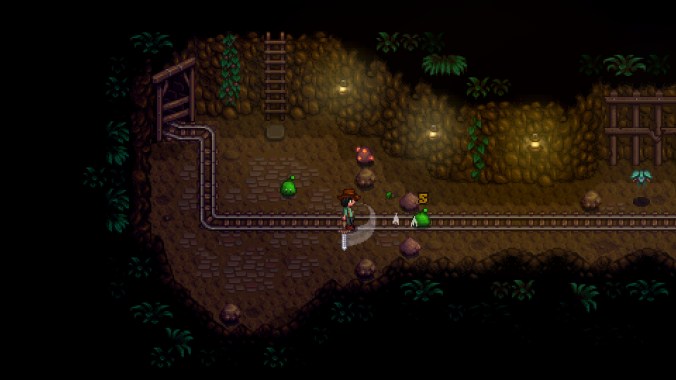
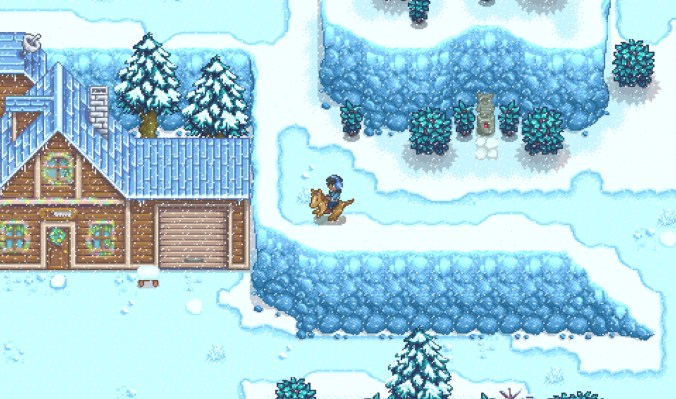
From start to finish, Stardew Valley is undeniably charming. The great pixel art and sprite work, bright visuals, and upbeat music keep this game cheerful. The main character inherits a farm from their grandfather, and uses it as an escape from a soulless corporate world. It is your job to restore this run-down farm and maintain it for years to come. There is so much that needs to be done, and that is what makes Stardew Valley so addictive at the start.

1

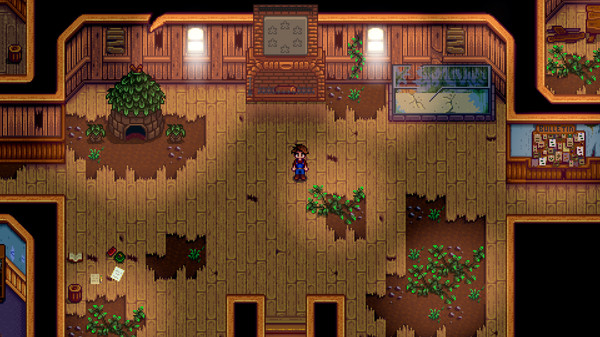
Through the clever use of quests, Stardew Valley subtly directs the player into the many different tasks that must be completed. Open-ended games like this can often lack a feeling of direction and the player can either become overwhelmed or they feel like there is no point to doing anything. This is not the case in Stardew Valley, helping out the villagers of Pelican Town is certainly rewarding and gratifying. But the real goal I found myself working towards was restoring the community center. Early in the game, you learn of the dilapidated community center, and you discover the secret that magical creatures known as Junimos are living there. They will help you restore the community center if you bring them all sorts of different materials.

All of the different crops, ores, fish, foraged goods, and other special materials that you collect will  be needed to fully restore the community center. There are dozens of bundles that require specific materials to complete, and you get a small reward for each bundle, as well as a big reward for completing all of the bundles in one of the rooms. These big rewards were very satisfying as they often opened up new areas and I could not wait to see what the next big reward would be. The use of the community center as a central goal was very clever, as it does not force the player into doing anything, but it serves as a sort of guideline as to what can be done. Whenever I felt like I had run out of things to do in this game, I took a look at what was needed in the community center and realized there was plenty that I had not explored or played around with. This sort of direction is desperately needed in an open-ended game like this. Unfortunately, once I had finished the community center, I felt like this game just lost its purpose.

2

Games like this can often get repetitive, and Stardew Valley certainly does not avoid this later on in the game. Once you get your farm up and running, you have to spend good portion of your limited daily time and energy to just water the crops, take care of the animals, make artisan goods, and whatever else needed to be done that day. Eventually you just get into a cycle that you cannot break, and it started to get repetitive and draining for me. I know many people may find it relaxing to do the same tasks over and over, but once I got into this late game cycle I found it to be very boring. I had bought everything and was gaining money hand over fist, so I did not even feel like there was a point to this tedium. This combined with the lack of direction that the game had once I completed the community center made for a very monotonous late game.
3

There were a few other issues I had with Stardew Valley. One of them being that while I mainly looked to this game as a source of relaxation, I felt like some of the main tasks in this game could get pretty frustrating. In particular, the fishing mini-game was aggravating and so much of time spent fishing just sitting around waiting for a fish to bite. Also, combat in this game is reminiscent of NES-era games like the original Legend of Zelda. This is not a good thing. While combat is a minor part of Stardew Valley, I feel like it often gets in the way while am trying to mine for resources. My last issue with Stardew Valley is that while it does a great job with its delayed gratification, I feel like it sometimes it goes overboard with using time from keeping the player from progressing. Certain tasks can only be completed in specific seasons, so if you want to do that thing, you are going to have to wait a while. As I was almost done with the community center, there were long stretches of days I just had to wait around before I could do anything of significance to further myself to completing my goal.

5

As I said, Stardew Valley is usually pretty great when it comes to delaying gratification, but keeping you hooked while you wait. Most things in Stardew Valley take a while before you can start reaping their benefits. Planting crops, upgrading tools, adding new buildings, renovating your house, raising animals, making artisan goods, all of these things require a few days before they become profitable. But as you are waiting for that big payoff, there is still plenty to be done. Fishing, mining, foraging, or just cleaning up your farm were enough to suffice and keep me entertained while I waited.

4

As a whole, I did thoroughly enjoy Stardew Valley. For the first 3 seasons, I was addicted and could not stop playing it. For the next couple of seasons, I still enjoyed it, but I could feel the tedium and repetitive nature of the game arise. In the final seasons that I played, I just kept going so I could have that one final payoff of finishing the community center. I just wish there was some more engaging tasks to be done while waiting for those final items to be attainable. Maybe Stardew Valley is not my type of game, as this is not a genre that I play very often, but the repetitiveness definitely wore me out after some time. That being said, even though this is not a genre that I typically play, I still really loved the first few seasons of this game. I would highly recommend it to anybody who likes these types of games. Overall, I have to give Stardew Valley an 8/10. It does run into the same issues as its predecessors, but is fantastic otherwise. If you are looking for a relaxing game to play, look no further than Stardew Valley.