Death Stranding 2: On the Beach (2025)

Death Stranding has always been a bit of an odd duck in the gaming community. While many such as myself love the game for its bizarre world and unique gameplay, many players mock the “strand-type” game for sidelining action to focus on traversal. I fell in love with the isolated hikes interspersed with tense action, and the theme of connection was so masterfully woven into every aspect of the game. I spent dozens of hours making optional deliveries and building roads for other players to use. For my full thoughts on the original Death Stranding, read my review. When Death Stranding 2: On the Beach was announced, I was thrilled. I couldn’t wait to dive back into the world. 

Death Stranding 2 picks up with Sam and Lou surviving in hiding near the border of Mexico. After being tracked down by an old colleague, Sam gets roped into another grand mission to connect Mexico to the Chiral Network. During this expedition, a mysterious “plate-gate” opens up, acting as a portal between North America and Australia. Sam traverses the plate-gate and sets out to connect Australia to the network as well. 

Where the original game focused on connection, Death Stranding 2 asks whether it was worth connecting all. Connecting The United States together via the Chiral Network has destabilized other portions of the world, causing rivers of tar to swallow large swathes of the planet. Ghostly BTs have become more common, and terroristic organizations have been emboldened to threaten the last pockets of humanity. This theme of questioning connection extends into personal relationships. Sam was always a loner before the events of Death Stranding, but opened his heart as he connected the continent. Now, Sam has to grapple with the repercussions of connections: grief, loss, and betrayal. 
I really love the idea behind the story and themes of Death Stranding 2. It’s a sophisticated tale of interpersonal conflict and real adult feelings disguised within a wacky sci-fi setting. But I felt the execution was often lacking. Death Stranding 2 is a massive game, having the player traverse dozens of settlements, and it feels like the story often meanders without much purpose. The game falls into a formulaic pattern where you make a deliveries to non-important side characters, and important cutscenes are reserved for when you board your mobile base of operations: the DHV Magellan. But those moments of real narrative progression are excellent, filled with emotional turmoil and heartbreaking reveals.

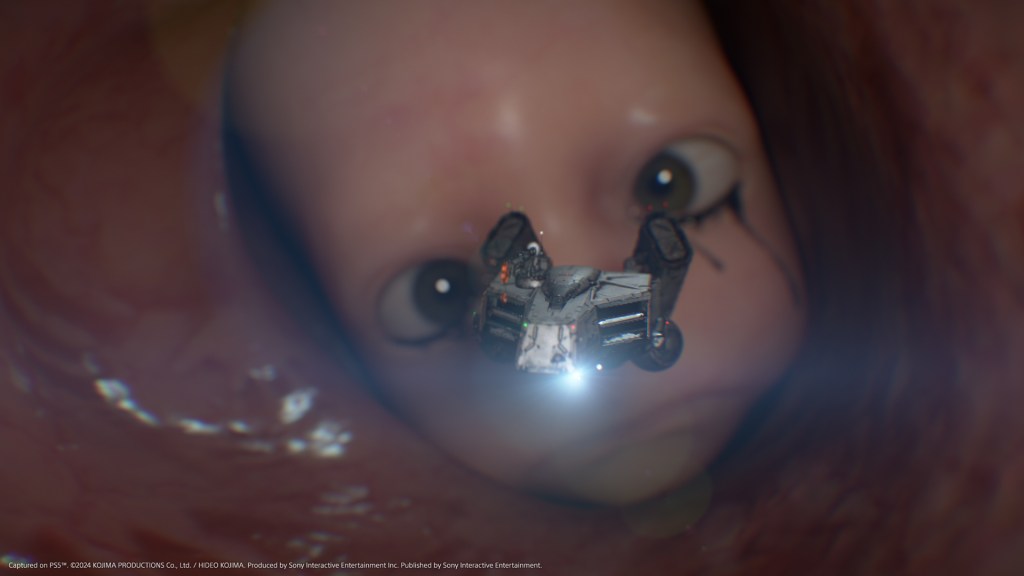
Part of the reason why the cutscenes are so compelling is due to the state-of-the-art technology used for motion capture and visual spectacle. Kojima Productions is at the top of the industry when it comes to graphical fidelity and animation, only competing with other heavy hitters like Naughty Dog. The amount of emotion that can be read through facial expressions and minute movements is so critical to the game. And having accomplished actors such as Norman Reedus, Léa Seydoux, and Elle Fanning playing these characters further brings them to life.
By now, everybody knows that Hideo Kojima has a penchant for the bizarre. The stories that he writes often have many moving parts and nonsensical elements. There’s a level of campiness that can often feel out of place in a serious story. But I’ve come to love the goofiness that comes with Kojima’s games. They don’t take themselves too seriously. One of the key deliveries in the mid game is to bring special yeast to a Pizza Chef and then deliver his pizzas to nearby survivors to get them to trust you. And the chef is a master of martial arts who teaches you to use pizza dough to incapacitate terrorists. 

When it comes to gameplay, Death Stranding 2 deemphasized the hiking traversal that its predecessor was known for. Making deliveries is still the core gameplay loop, but the sequel introduces vehicles very early on and features far more combat. I think for players that were skeptical about how little traditional gameplay was in the original game, these changes are probably a good thing. But personally, I was disappointed in how easy it was to always use a vehicle to reach your destination. Even when completing story missions, meaning there would be no roads or additional structures, there was never a place where I felt like I had to get on foot and navigate difficult terrain.
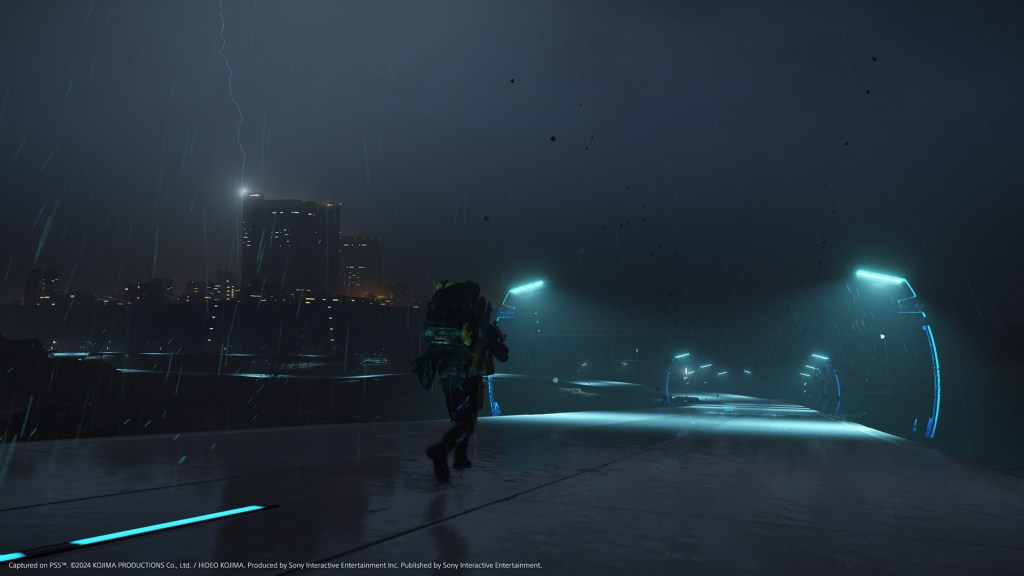
The reason I think this is a negative is because I really loved the unique aspect of being a human mule. Every package or piece of equipment you carried contributed to your weight and person. Carrying too much would slow you down, but more critically it shifts your center of balance, making it easier to fall over and damage the goods. You had to carefully consider which route you would take, streams and rivers were massive obstacles, and you always needed to bring ladders and climbing anchors to deal with sheer cliffs. This slow-paced, contemplative gameplay was utterly unique. Managing your inventory, planning a route, and then carefully trudging across the beautiful landscapes made the game almost meditative.

On paper, Death Stranding 2 still has all of the above aspects. It even adds new environmental obstacles such as floods, sandstorms, earthquakes, and landslides to increase the danger. I was really looking forward to these new threats, as my biggest issue with the original game was that it became too easy as the game progressed. But these weather effects are rarely more than an inconvenience. And the world of Death Stranding 2 feels like it was conveniently designed for vehicles. There’s almost always a path for a truck, even in places that should be craggy or steep, there’s always a convenient path to drive on. Using trucks trivializes so much of the challenge of the game. Inventory management becomes a breeze as trucks can carry massive loads, you don’t have to worry about falling over and damaging cargo, and you can zip past many of the game’s threats.
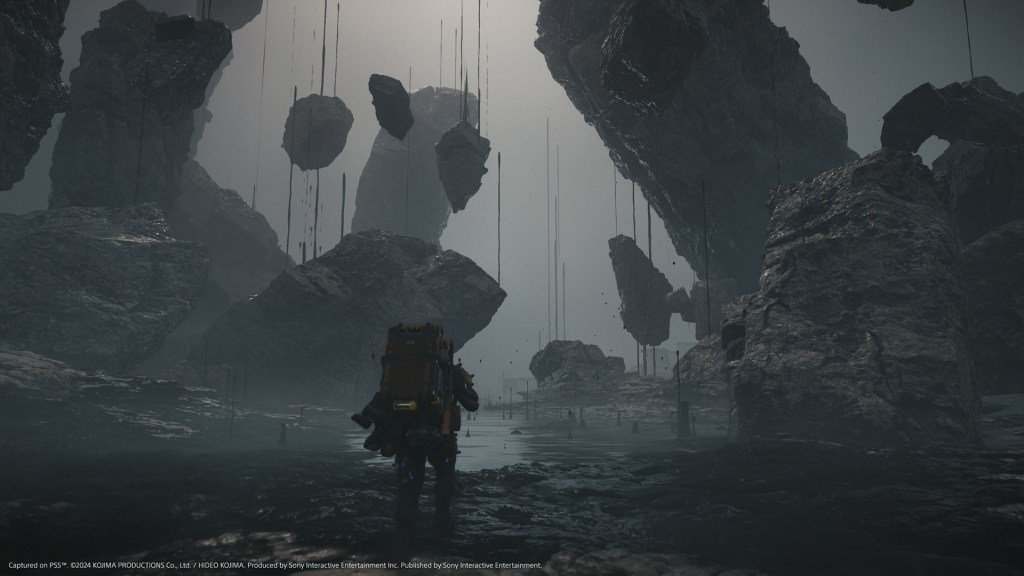
An argument could be made to just not use vehicles, but there’s no reason not to. Vehicles are fairly cheap to fabricate, make every aspect of deliveries easier, and have no downsides whatsoever. The world is massive, making traveling on foot more tedious than challenging. Players are always going to go with the path of least resistance, and vehicles are just too good to ignore. The traversal aspects of Death Stranding 2 are even easier than the original game, which is the opposite direction that I wanted the scales to tip. I wish that there were more sections in which using a truck was completely infeasible. For instance, when traveling to a new location for the first time there should be more obstacles making vehicle use impossible, but afterwards you could build roads to make backtracking with a vehicle possible. 

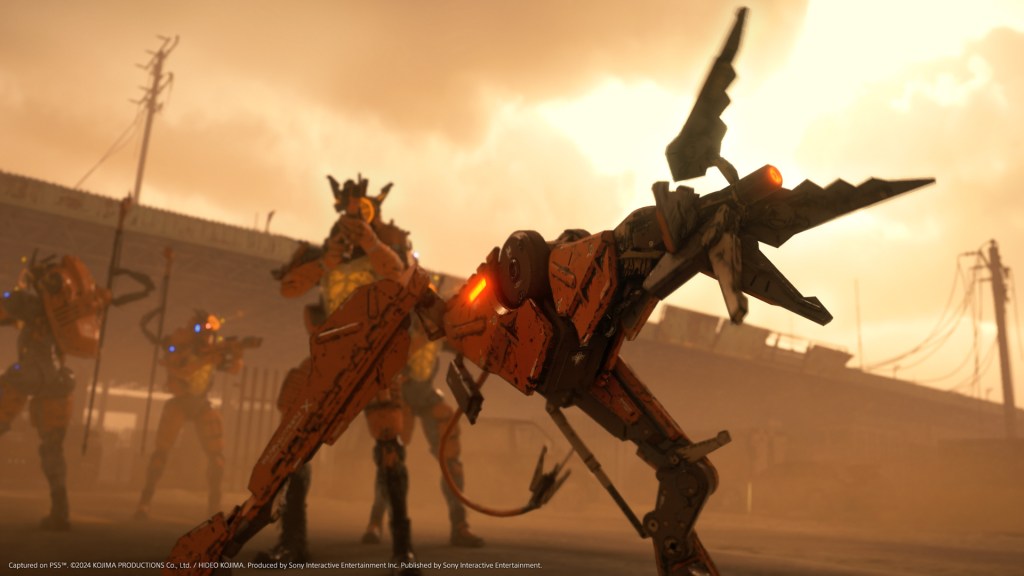
Instead of traversal, Death Stranding 2 places more emphasis on combat. There are far more camps of enemies as well as boss fights scattered throughout the game. This is by far the most improved aspect of the sequel, as combat was fairly rare in the original game. Having more combat scenarios sprinkled in with the classic traversal missions is fantastic. It increases the tension, knowing that at any moment you could be battling terrorists, robots, or ghostly BTs.
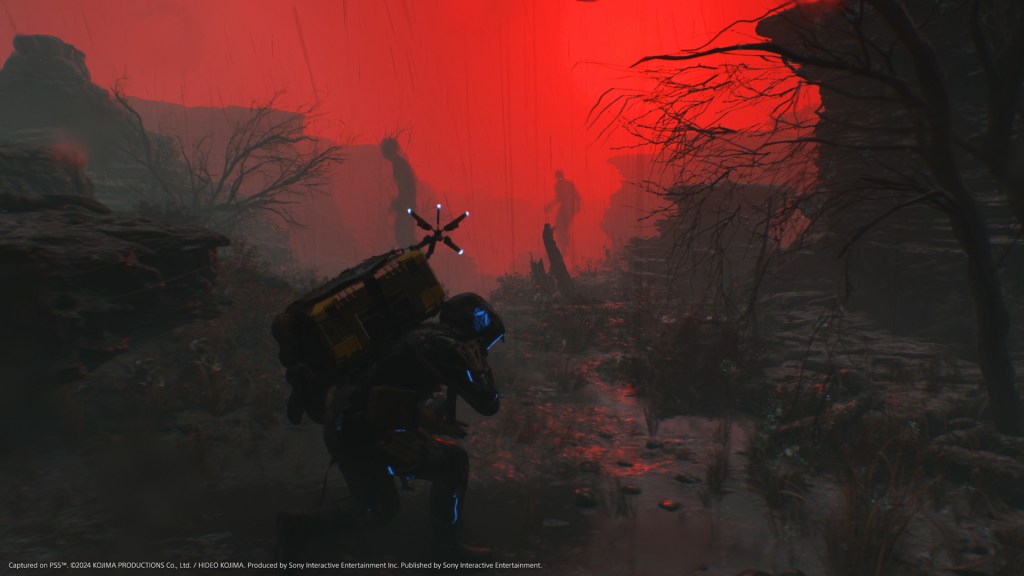
 Kojima clearly took inspiration from one of his previous games, Metal Gear Solid 5: The Phantom Pain when designing the combat of Death Stranding 2. Stealth is encouraged to protect your cargo, but you’re welcome to take whatever approach you want. The game quickly introduces a multitude of different tools for the player to utilize. From assault rifles and shotguns to holograms and catchable monsters, there’s many ways to approach combat. I appreciate the variety, playing around with all the different options is great.

Combat in Death Stranding 2 packs quite a punch because of the game’s focus on real consequences. You aren’t a superhero sprinting and jumping with no regard for anything. You’re a regular guy who trips over boulders, gets weighed down in the mud, and feels the full impact of any damage. This is especially clear in the game’s handful of boss fights. Battling giant autonomous robots while trying to find your footing in a tar pit is a frantic experience. And watching Sam double over with exhaustion, covered in black muck and blood after dispatching a monster is relieving.
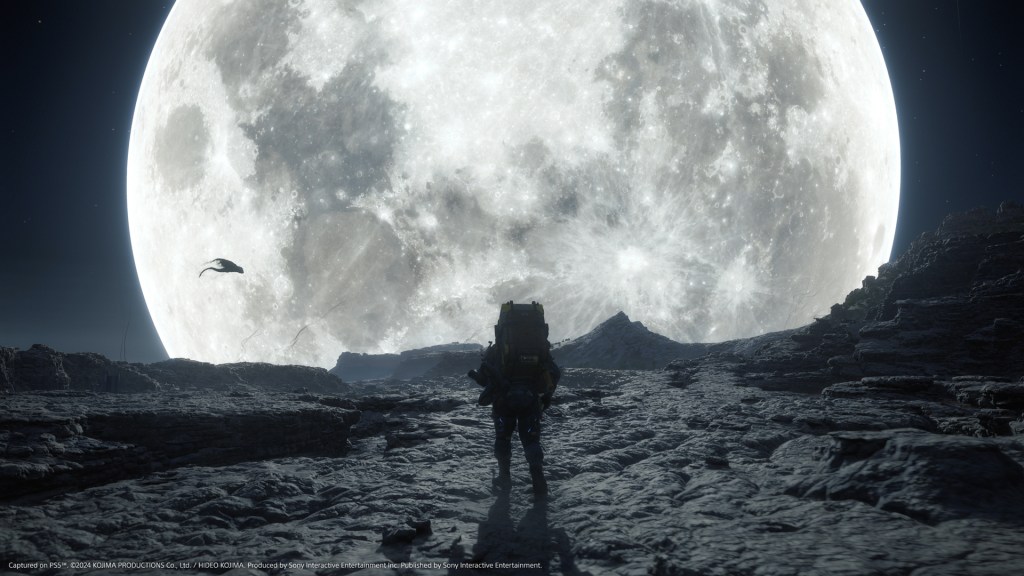
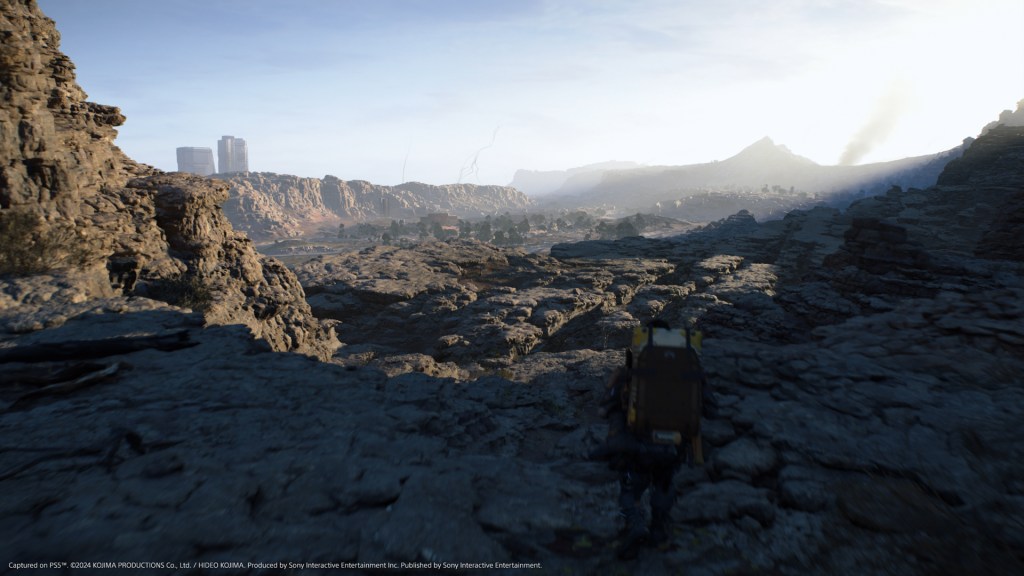
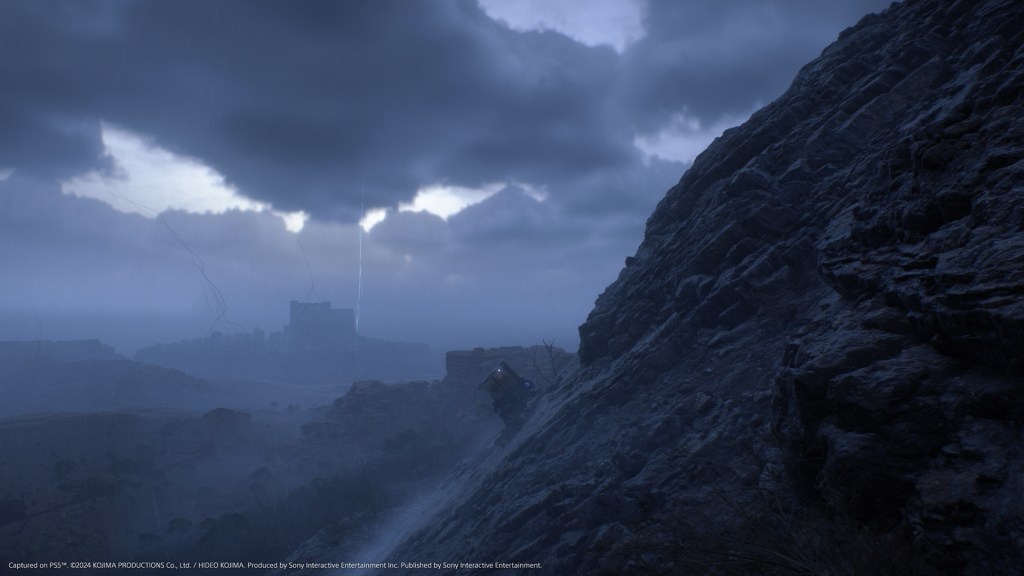
Visually, Death Stranding 2 is stunning. Part of what makes traversal-driven gameplay so appealing is just being able to take in the environments. The constant change in elevations gives you ample opportunity to stop and take in the sights of towering mountains, low-lying flood plains, and wind-whipped deserts. Kojima also has a penchant for excellent set pieces and explosive action sequences. One of my favorites being scrambling through the underbrush during a forest fire to rescue a wild kangaroo as hellfire rains from above. The soundtrack is equally great; there’s a fantastic collection of tunes to jam out to while making deliveries. From old timey easy-listening songs to indie folk to modern Japanese pop songs, I loved the variety as I drove across Australia.

Part of the magic of both Death Stranding games is how they drive the player to slow down and enjoy the process. With so many fantastic games being released yearly, it’s tempting to blast through them as fast as possible to have time to play everything. But while playing these games I didn’t want to do that. I wanted to take my time, build up the world full of structures and roads, complete some of the five-hundred optional deliveries. There’s a sense of satisfaction watching the harsh environment be transformed into a network of safe paths and bases. And reaping the rewards of those building efforts by driving your truck miles across the world to deliver some packages is so addictive.
Bigger isn’t always better. I think Death Stranding 2 would have benefited from being scaled down a tad bit. I think the story and the gameplay suffer from having to accommodate for such a massive world. The story meanders for long stretches of time between major outposts. And the large map forces the use of vehicles to minimize tedium. By the time I reached the final third of the game, I was starting to get a bit worn out and just wanted to see the game through to its conclusion. I think cutting back on some of the more unnecessary missions and refining the remaining ones to be more interesting would have gone a long way.
It’s hard to explain what makes the Death Stranding games so enjoyable to play. To an outsider, it may sound like I’m describing the life of a post-apocalyptic Amazon delivery driver. But these games are so much more than that. They’re about connection, meditation, beauty, and grief, with a healthy sprinkling of Kojima’s weirdness to keep you on your toes. Death Stranding 2 doesn’t quite deliver everything I wanted out of the sequel. But it does have its own strengths that I’m sure many will prefer over the original. It is for these reasons I give Death Stranding 2: On the Beach an 8/10. It may not be for everyone, but I spent countless hours roaming the gorgeous and bizarre world that Kojima and his team crafted.
Hollow Knight: Silksong (2025)

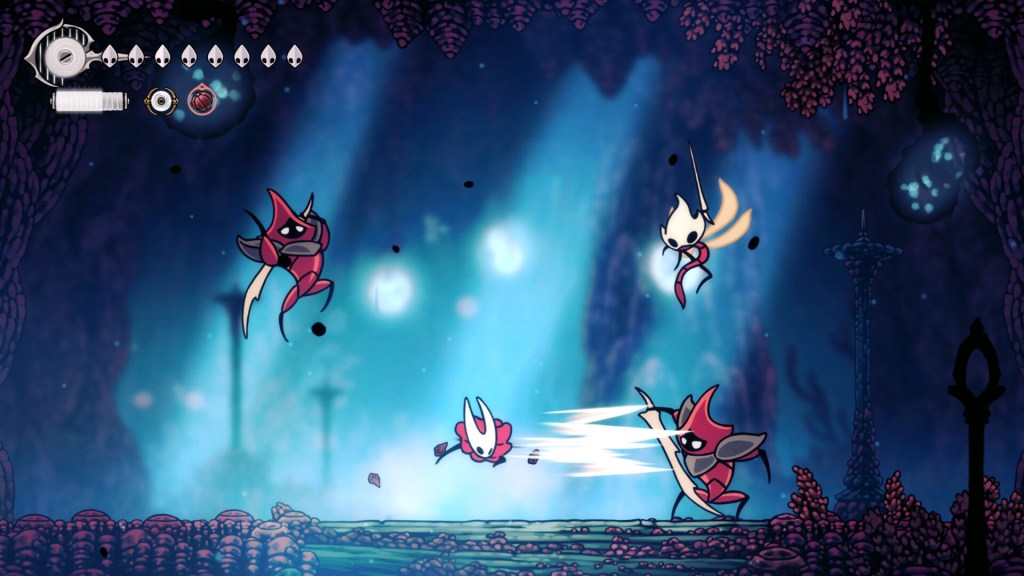
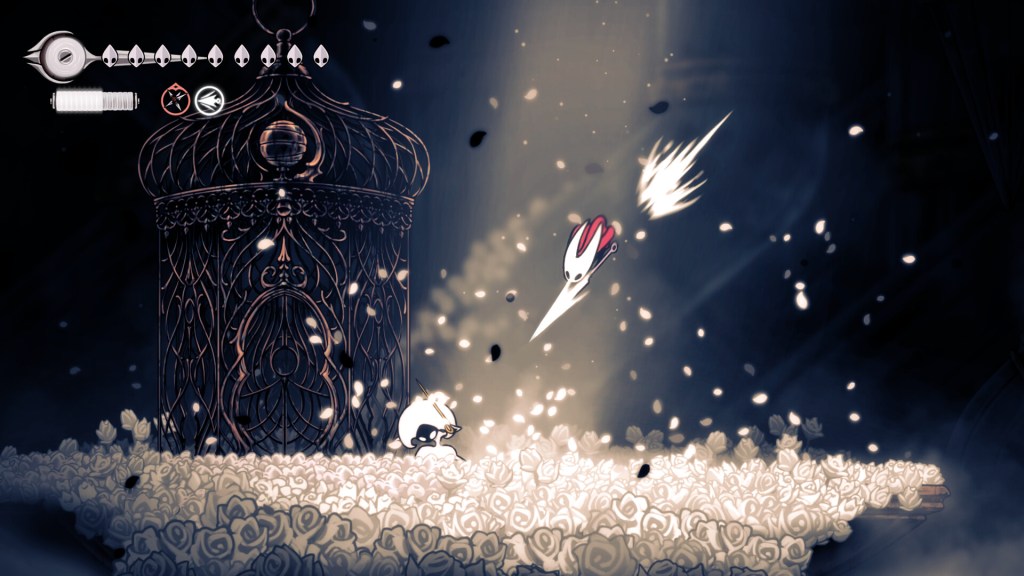
No game may have been more highly anticipated than Hollow Knight: Silksong. Team Cherry surprised the world in 2017 with the debut of Hollow Knight, and one of their Kickstarter funding goals promised a second playable character: Hornet. That promised DLC expanded in scope until it eventually became its own standalone game. It’s been over 6 years since the game was first revealed and after the long wait I wondered if the lightning-in-a-bottle of the original could be recreated. But after playing the game, I can confidently say that Silksong picks up right where Hollow Knight left off. For my thoughts on Hollow Knight, check out my review from when the original was released.
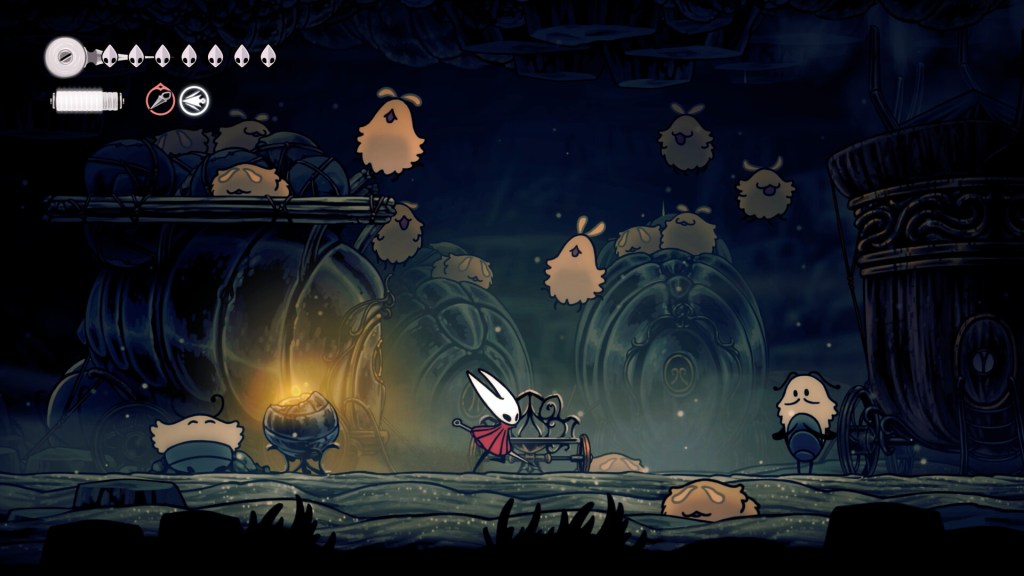
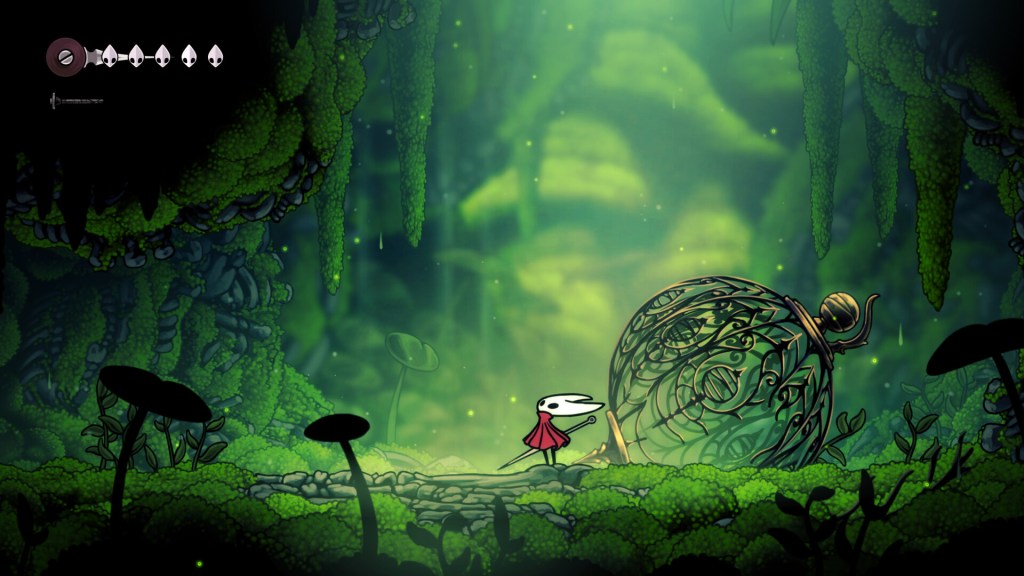
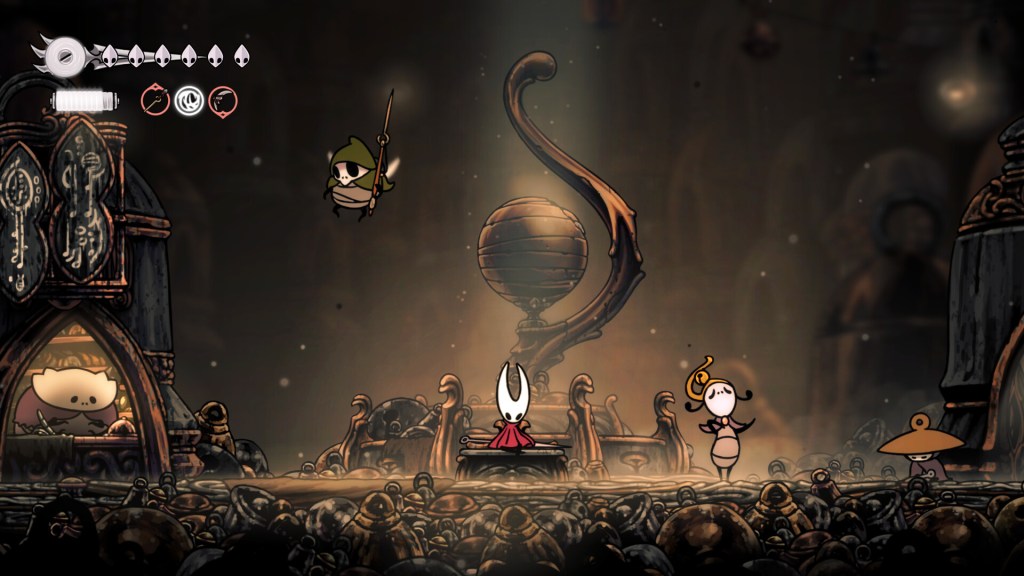
The brilliance of Silksong begins with its world. Kidnapped by religious zealots, Hornet arrives in the land known as Pharloom. It’s inhabited by numerous varieties of bugs, but the common thread connecting them is religious devoutness. It’s clear that Pharloom is a kingdom that has crumbled into dust, only whispers and tradition carry the travelers to summit the peaks where the holy Citadel stands.
As a metroidvania, Silksong frees its players to explore and discover organically. With nothing but the nebulous goal of reaching the Citadel as your guide, you set out on a blind journey. Silksong takes inspiration from the storytelling of FromSoftware’s games such as Dark Souls and Elden Ring. Taking in the dying world around you, piecing together the puzzle of what happened through vague texts and environmental storytelling. Nothing is directly told to you, but the world and its artistry wonderfully communicate what kind of place Pharloom once was.

Take for instance the Underworks, a mechanical nightmare of pipes, gears, and valves beneath the Citadel. The opulence of the Citadel is powered by these dingy chambers. It is here where workers tirelessly labor to maintain the holy grounds that they never see. When they attack you for your intrusion, they only drop a pittance of rosaries, the currency of Pharloom. As you’ve progressed through the game you’ve gained increasingly more rosaries in each area from tougher foes, but the Underworks represent the poor dregs of the Citadel. There’s even a hidden room in which you can run on a treadmill to generate power, only to be rewarded with a single rosary for the effort. And it is here in the Underworks where the benches which have been the universal sign of rest and have acted as your checkpoints of safety incur a cost of 15 rosaries for a single use. Without any dialogue or text, Silksong portrays a dystopian society where a class is exploited and drained to fuel the grandiosity of an empty cathedral.

It’s these vignettes and partial truths of the past that make exploring Pharloom so compelling. The art and sound design of Silksong is also top-notch. An enormous amount of care was put into making each area distinct and filled with details. It’s from these details where the hidden stories are filled with life. The music is equally compelling, often harboring somber moods as you explore this crumbling kingdom. Yet frantic melodies make an appearance when engaging with any of the numerous bosses of Silksong.

The gameplay of Silksong is that of traditional 2D metroidvania. You explore massive areas, fighting enemies, platforming across dangerous pits, and collecting hidden boons to increase your power. The major upgrades that you find act as keys that unlock new paths in the world, as well as being purposeful in combat. What I love about Silksong is its non-linearity and its reluctance to guide the player. It is up to you to figure out where to go, often you have to choose at random between forks in the road. When you enter a new area, you are blind, there is no map until you find the mapmaker. You’re forced to rely on instinct and curiosity. I find this more compelling than being given explicit directions. Each path has something to be discovered, but the further you wander from a resting place, the more risk you incur.

Pharloom is a harsh place, filled with enemies, obstacles, and traps. Resting at a bench acts as a checkpoint, restoring your health and letting you respawn there if you die. And if you die, you lose all the currency you are holding, and you only get a single chance to reclaim it. The game design makes the world incredibly dangerous, and you can take nothing for granted. Every time you hit an enemy, you generate a single pip of silk, and nine pips of silk are required to heal. Getting hit at all is costly, and extreme caution is warranted when traversing Pharloom. I personally love this feeling of playing on a knife’s edge. You can never let your guard down or brute force your way through obstacles. You have to master your movement and your arsenal.

What makes Silksong stand out from its predecessor is the number of tools available to the player. Hornet is a much nimbler protagonist than Ghost from the first Hollow Knight. She acquires many different tools to dodge and evade. But this agility comes at a cost, as she is also much more fragile than Ghost. As the game progresses, many enemies and traps deal two ticks of damage rather than one. This happens fairly early on in the game. While there has been an uproar online about this steep spike in difficulty, I wasn’t offput by this at all. I thought the difficulty was well-balanced to provide an adequate level of challenge. Silksong is the sequel to Hollow Knight, and it was originally intended as DLC. It makes sense that it picks up where Hollow Knight left off. Furthermore, Hornet is swift and has so many more tools at her disposal to make encounters easier. Making use of these tools makes the game so much more approachable.

Not only do you unlock various movement options, but spells, crests, and tools also can be found to customize your moveset. Spells are powerful abilities that cost silk to use. Tools come in the form of both equipped passive bonuses and accessories that you can deploy in combat such as throwing needles or caltrops. And crests are complete game-changers as they entirely alter Hornet’s attacks and innate abilities. For example, the Beast crest modifies the basic heal to instead be a life-stealing effect when you claw at enemies. I found that tinkering with the different options and finding combinations that I liked was immensely enjoyable.

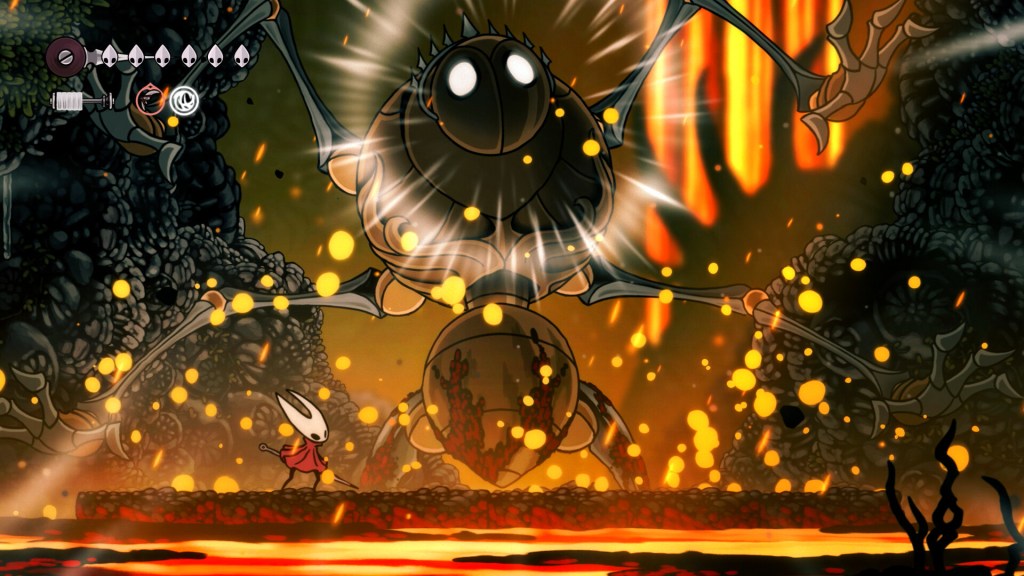
The boss fights of Silksong are the cherry on top of the already excellent gameplay. They all have distinct attack patterns and arenas that make them stand out from one another. But I was most impressed by the lack of restraint shown by Team Cherry. Most bosses only have 3 or 4 attacks, limiting the number of tells and timings that you have to memorize. I was able to easily find openings and gain confidence on the tougher foes, transforming the fights into a dance as Hornet nimbly evades blows and returns damage with her needle. The design of these fights has a knack to seem intimidating at first, but quickly become manageable once you learn the patterns.

As a metroidvania, discovery is a key aspect of the gameplay loop. Finding secrets, uncovering new areas, and remembering where to use your new abilities are part of the fun. For the most part, Silksong nails this. The lack of guidance makes these discoveries more organic and rewarding. But I do have a minor gripe with some of these well-kept secrets. I don’t mind when minor rewards such as health upgrades or tools are well-hidden, they are bonuses for having a keen eye. But I was disappointed by how many major areas were so incredibly concealed. I missed a handful of these areas initially, and only found them when I was aiming for 100% completion. One or two of these areas being secret is fine, but Silksong is a massive game and finding the fake walls leading into these secret zones is like finding a needle in a haystack.

My other minor issue with Silksong is its propensity for dull fetch quests. There are dozens of quests in the game, many of them being fun journeys that result in a boss fight or extra bit of lore. But there are also many repetitive fetch quests that have you slay some number of nearby enemies. The majority of the time these enemies are the same ones you’ve been fighting for hours at this point. These kinds of quests are just dull and act as padding, which the game doesn’t need at all since it is already so huge.

After such a long wait, I was a bit nervous that Silksong wasn’t going to live up to its sky-high expectations. But I was thoroughly impressed with the immersive world and tight gameplay. It is a continuation of Hollow Knight, but it doesn’t feel totally derivative because Hornet plays so differently from Ghost. The ability for the artistry of the world to tell a wordless story is truly special. It is for these reasons that I give Hollow Knight: Silksong a 9.5/10. If you haven’t played either of the Hollow Knight games, do yourself a favor and play the best metroidvanias of the last couple decades.

Silent Hill (1999)

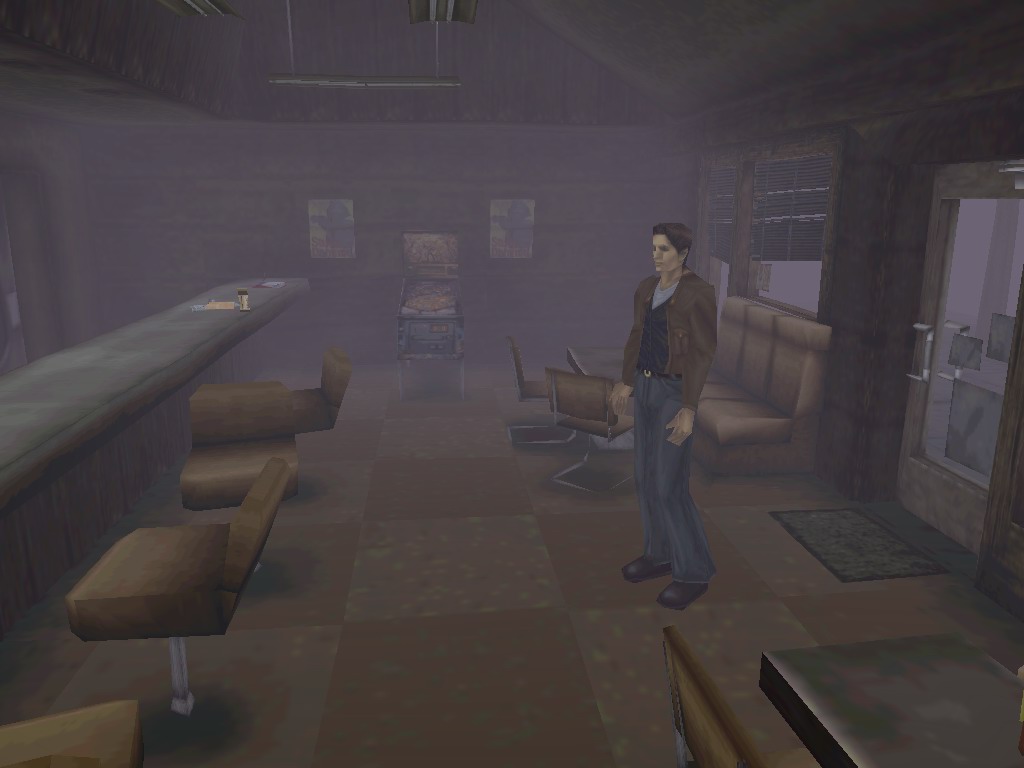
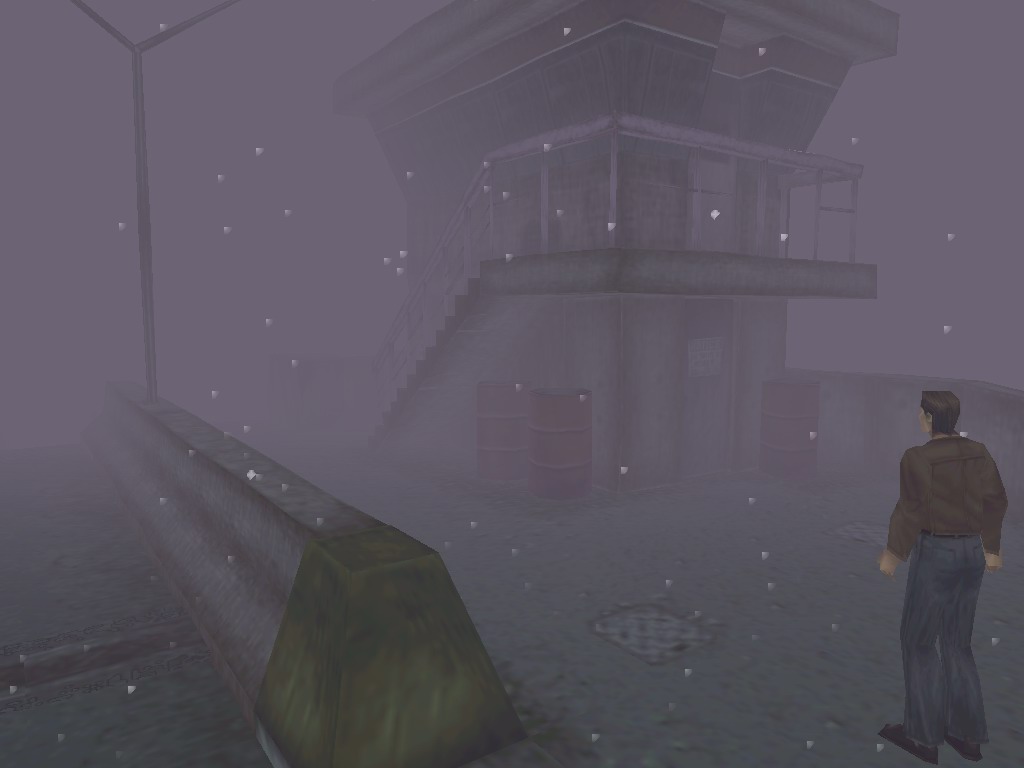
Horror and terror are not the same emotion. Horror is the shocking, revulsed feeling after witnessing a heinous event. Games like Resident Evil thrive on the sort of disgust caused by its horrifying mutants. Terror, on the other hand, the sense of dread and building anxiety when you know something awful is about to happen. It’s the deep-seated instinct meant to warn you that something is wrong and that you are in danger, even if you can’t see it yet. Terror is the focus of Silent Hill. The thick mist covering the abandoned town, the static of the radio, the disquieting music; everything about the game puts you on edge.

 Silent Hill begins with a car crash on a wooded road in the fog. Harry Mason wakes up in a small-town cafe, separated from his young daughter, Cheryl. It’s immediately apparent that something strange is happening, as there are no residents in the town other than the policewoman who rescued him. Harry sets out to explore the town shrouded in fog, with ominous craters blocking the roads and bizarre monsters stalking him. 

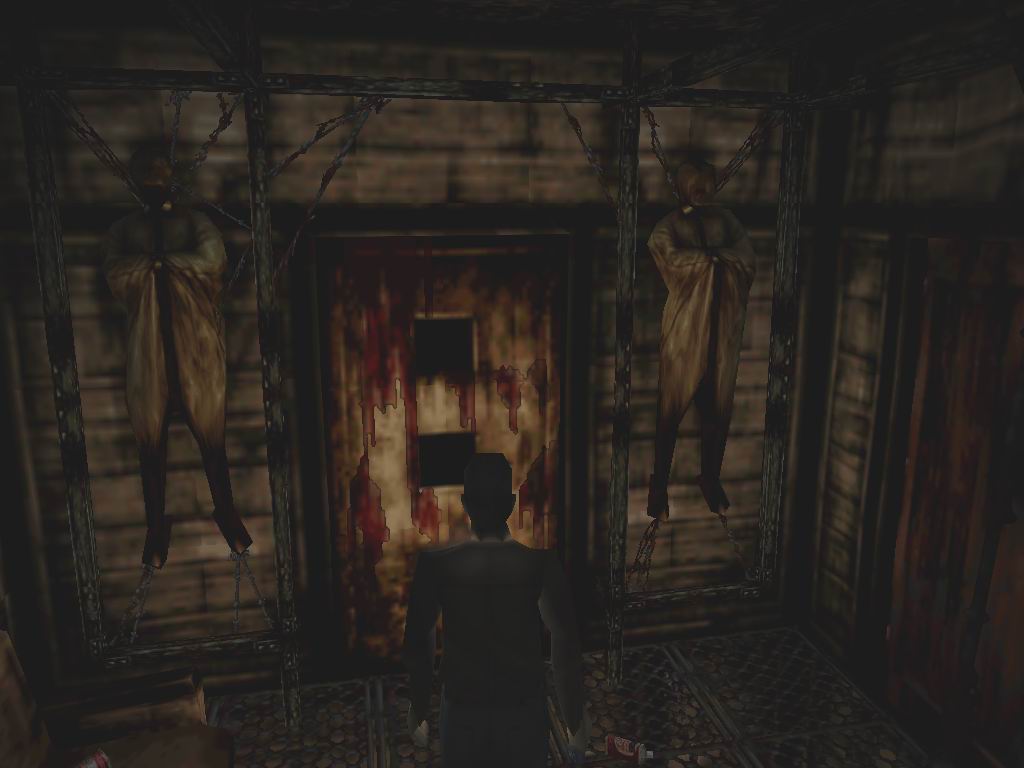
As you progress through the game, you uncover hints as to the cultish conspiracy that has engulfed the town. Demonic symbols are scrawled on the ground and riddles are scrawled in blood on the walls. The few residents that remain whisper of the occult and insinuate sins that swallowed the sleepy town. You track Cheryl to the school, the hospital, the amusement park, and through the eerie streets. The world transforms into a nightmarish reflection of itself, filled with rusty and grimy metal surfaces. The metallic tinkling footsteps and distorted, echoing music is deeply disquieting. 

The story of Silent Hill is solid, especially when compared to its contemporaries such as the early Resident Evil games. The supernatural world and psychological horror are so much more compelling than straightforward zombie or monster plot. You intrinsically know that something is deeply wrong with the town, and there is some connection to Cheryl. The locations you visit seem to indicate traumatic memories, despite never having been to the town before. Every aspect of the game is disturbing and atmospherically oppressive.

At its core, Silent Hill is a survival horror game. You explore the world, collecting resources such as health packs, ammunition, weapons, and items to solve puzzles. The streets are filled with enemies such as rabid dogs, flying leathery screamers, and knife-wielding ghouls. There are far more enemies than there are bullets, meaning you will have to think carefully when you want to fight back and engage the enemy. The game encourages the use of melee weapons such as crowbars and sledgehammers to conserve ammo, but it forces you to get up close to the monsters, risking damage or being overrun with multiple enemies. 

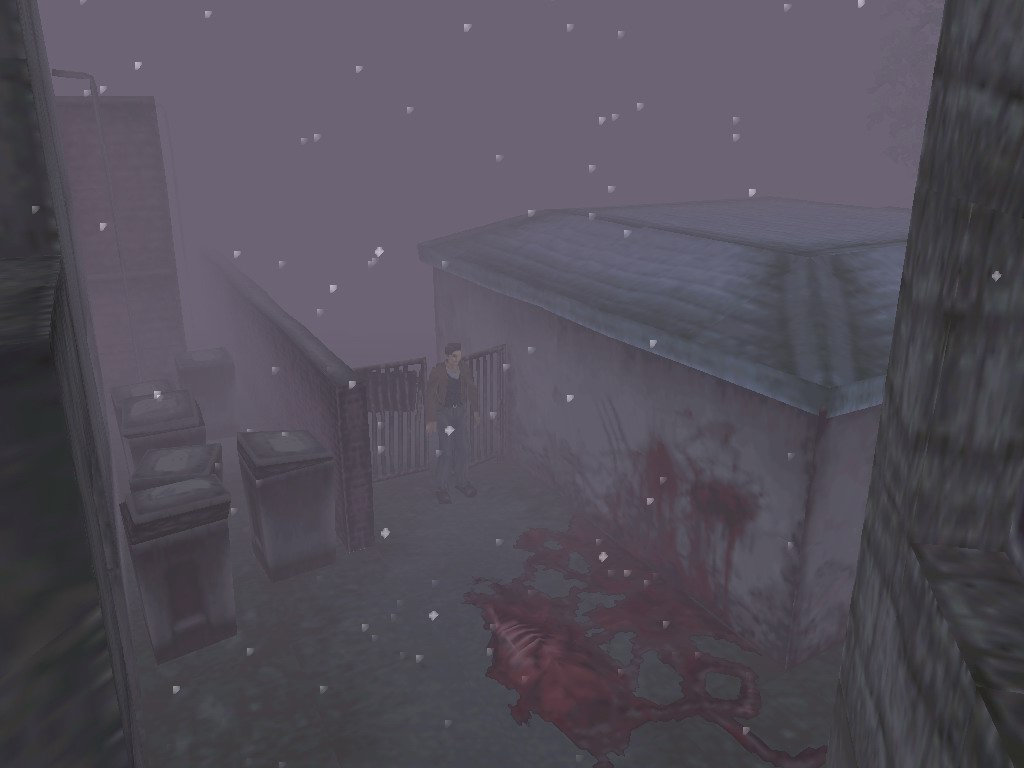
While the individual enemies are somewhat easily avoided, there’s a constant anxiety due to the scarcity of resources. Moreover, the game’s visual and audio design further cause unease. The thick fog obscures your vision; you can’t see more than a few feet in front of you. You have a radio that emits static when an enemy is nearby. You know that there are enemies all around you, but you can’t see them. You have to roam the town filled with dead-ends and maze-like corridors with the persistent knowledge that monsters are right outside your field of vision. The anxiety is further heightened by the distorted and disturbing soundtrack constantly thrumming in your ears.

Silent Hill also contains a handful of cryptic puzzles. These are woven into the themes of the game by using occult symbols, macabre visuals, and strange riddles. These are much more cerebral than the lock-and-key puzzles featured in the early Resident Evil games. You have to discern meaning from seemingly nonsensical texts. While I do enjoy these kinds of puzzles, there was one in particular that I thought was very tricky to work out with many different ways that the hint could be interpreted.

The thing about playing older games like Silent Hill is that you have to be prepared for some clunky controls. Moving around 3D spaces was still in its infancy, and control schemes were not universal. Silent Hill utilizes tank controls, making movement a bit clumsy if you aren’t used to having to rotate to move in different directions. Luckily, the camera does follow the player quite a bit, making it a bit easier to deal with the movement rather than the jarring transitions of the fixed camera angles from Resident Evil. Still, the tank controls are a relic of the past that can be tricky to deal with. 

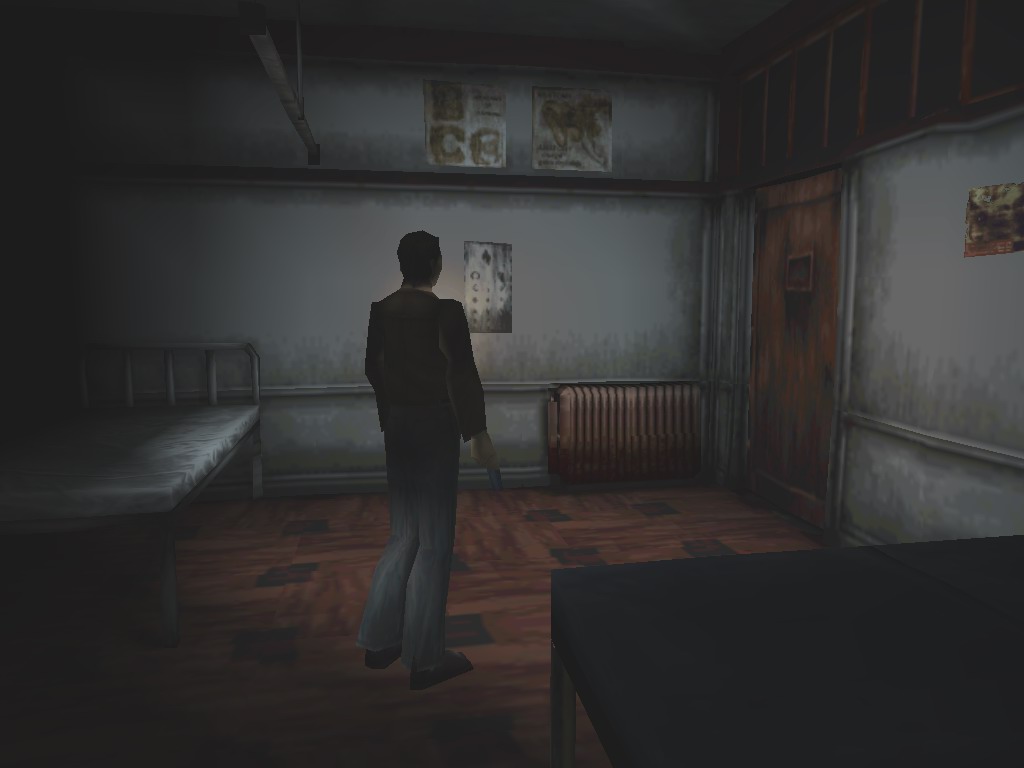
Silent Hill is the terror counterpart to the horror of Resident Evil. Instead of zombies and gore and bombastic action, there’s a thick fog, static-filled radio, and cryptic riddles scrawled in blood. It’s an incredibly unsettling game, and every decision was made to achieve that goal. It has an uncanny ability to unnerve and cause panic with its masterful atmosphere and hellish soundscape. Despite its age, Silent Hill is a piece of art. It is the video game manifestation of a nightmare.

Resident Evil 3: Nemesis (1999)

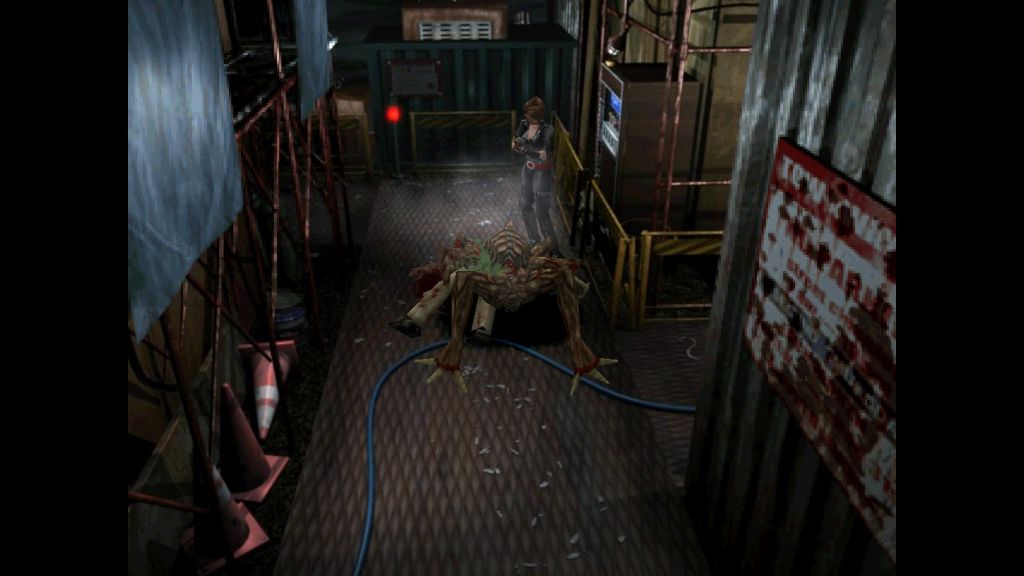
The first two Resident Evil games are known for their dense environments that function as puzzle boxes. In comparison, Resident Evil 3: Nemesis is a sprawling action game. The increase in scope leads to a bombastic finale for the original trilogy. It doesn’t just retread the same ideas from its predecessors; it escapes from the narrow hallways of the mansion and police station and sets the player loose in the chaotic ruins of Raccoon City. While I did prefer the tighter experiences of the first two games, I did appreciate how Resident Evil 3: Nemesis expanded the scope and scale of the series.

After returning to the city after escaping the mansion, Jill Valentine finds herself back in Raccoon City. But all of her rescue team colleagues have disappeared, and the city is aflame with zombies roaming the streets. A horrible mutant, Nemesis, is programmed to hunt down Jill as she is one of the remaining members of the team responsible for foiling Umbrella’s schemes.

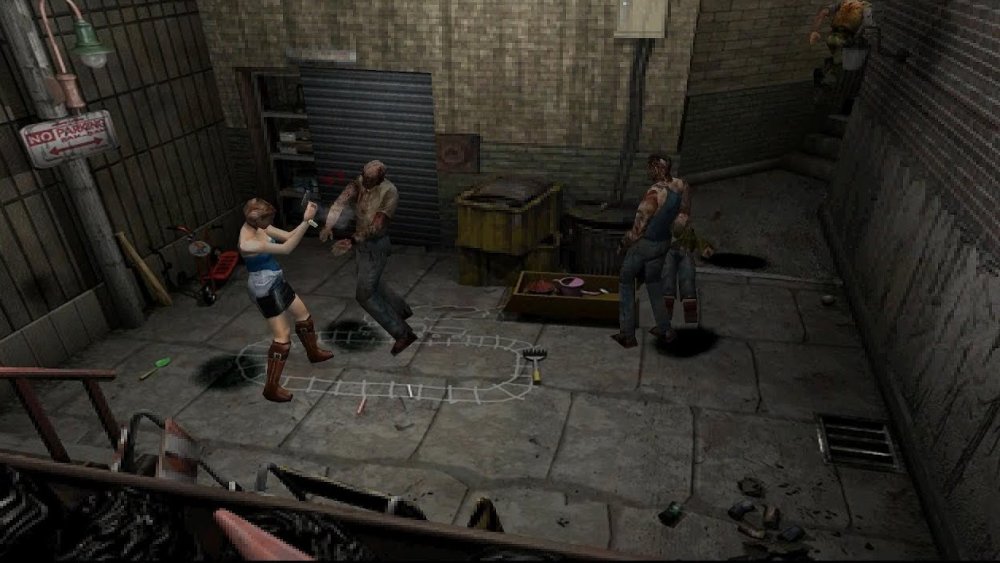
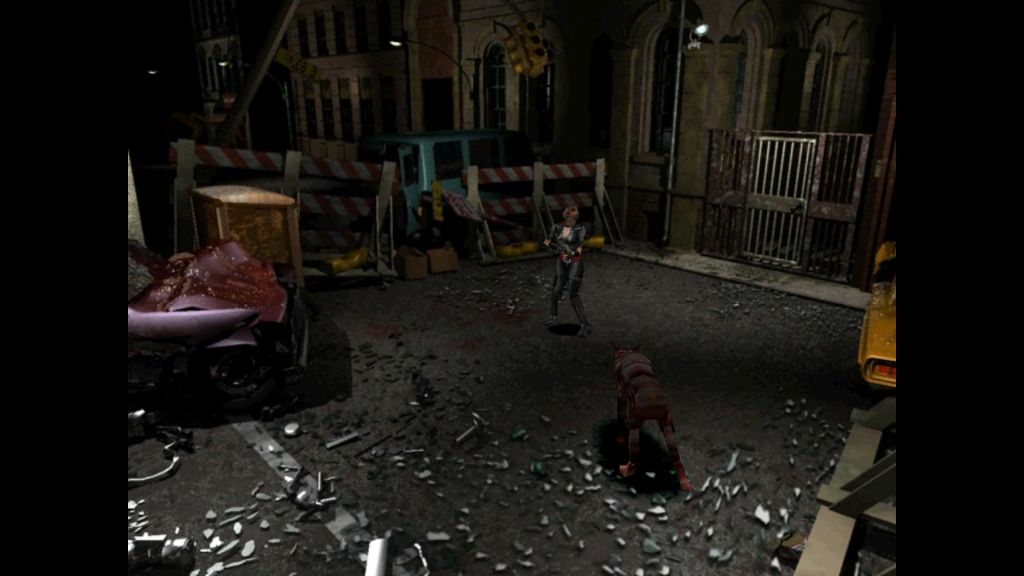
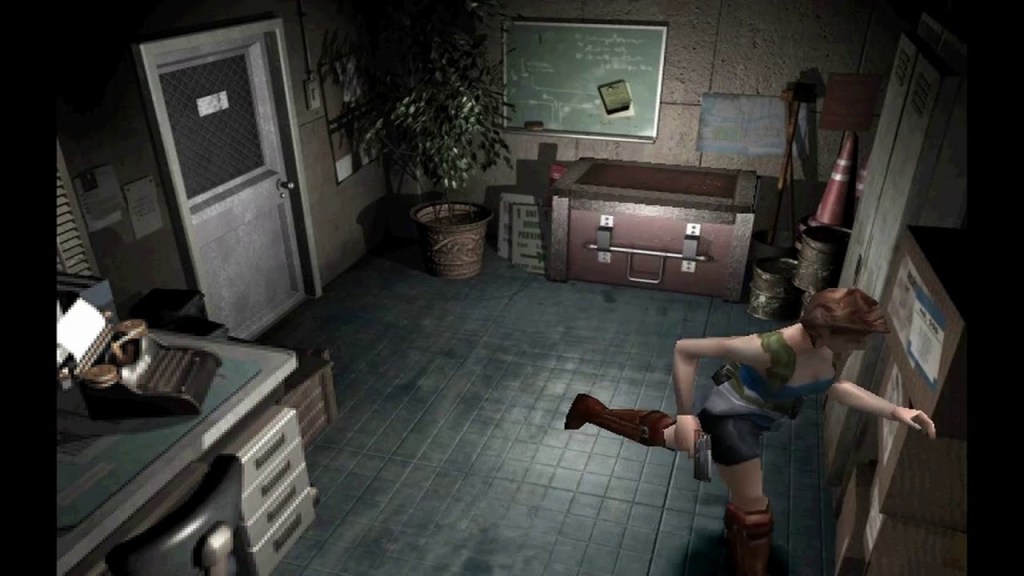
From the outset, Resident Evil 3: Nemesis is far more open than its predecessors. You will be roaming the streets, ducking in and out of numerous buildings to acquire the resources needed to proceed. I appreciated the change in environment, and the expanded scope allowed for a variety of different scenarios. Instead of spending the whole game in a single building, you’ll be heading to workshops, a cozy restaurant, an ominous clocktower, a zombie-filled hospital, and a sinister park. The larger streets allow for hordes of zombies and more action-fueled gameplay. 

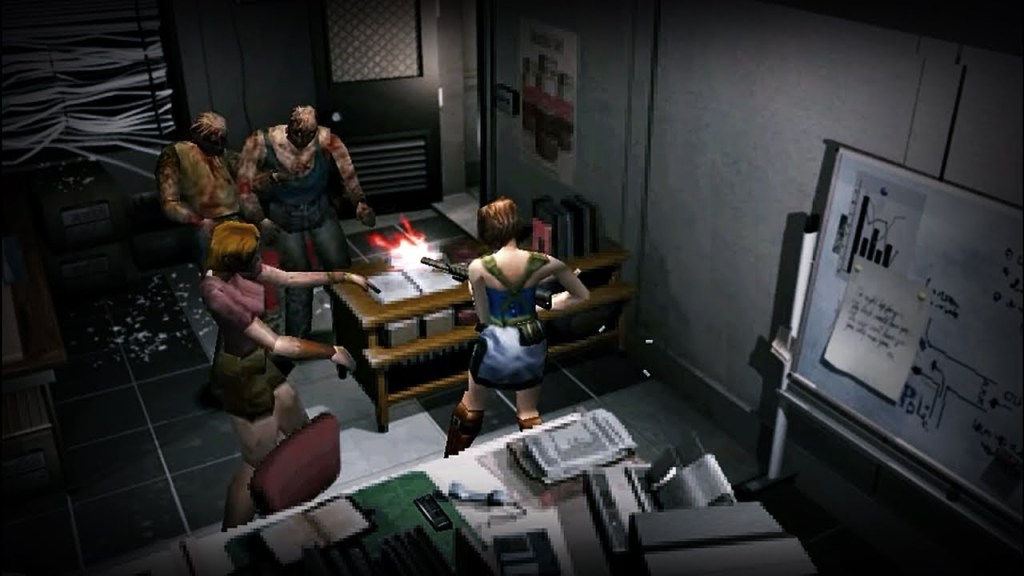
The main threat of Resident Evil 3: Nemesis is its namesake, the bioengineered mutant Nemesis. He roams the streets, hunting down Jill. There’re quite a few scripted chase sequences throughout the game in which the player can elect to run from Nemesis or fight him. Fighting him is risky and consumes a ton of ammunition, but rewards the player with weapon parts to upgrade your arsenal. And it is in this that the game’s key philosophy becomes clear: an emphasis on player choice.

The first two games in the series of course had some decision making around if and when to consume resources such as ammo, health packs, and save ribbons. But the primary driver of those games were its lock-and-key puzzles. Discovering objects and information to be used elsewhere in the world to unlock a previously blocked path. Of course, that still exists in Resident Evil 3: Nemesis, but to a lesser extent. Instead, this iteration of the series constantly wants the player to make choices to alter their experience.

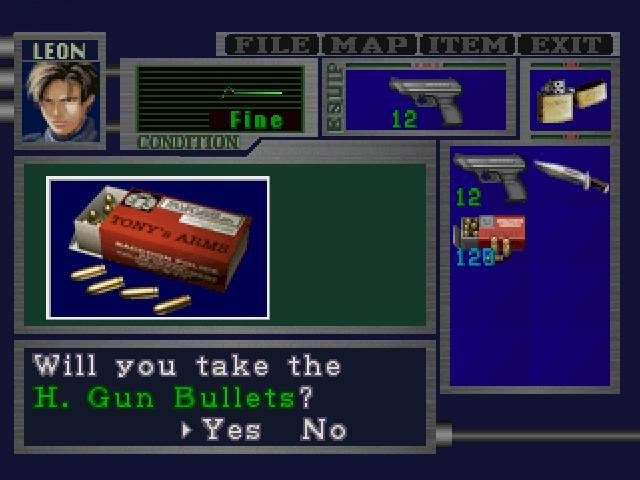
There are the obvious choices like fighting or running from Nemesis, it presents an upfront risk and hefty cost to potentially become stronger later. There are also frequent binary choices presented in quicktime events that lead you down slightly different paths. But there are some more subtle decisions being made as well, none being as crucial as the ammo crafting system. Throughout the game gunpowder is scattered in two main types. Combining gunpowder in different quantities creates different types of ammo. Do you want to spend a ton of gunpowder to create immensely powerful freeze rounds? Or stockpile a few boxes of gunpowder type B to create extra shotgun ammo? Or do you desperately need ammo now so you spend a box of gunpowder type A for a handful of handgun bullets? The player has so many ways to tackle the game, showcasing the game’s strength of player choice.

Having so many possibilities makes Resident Evil 3: Nemesis a prime candidate for replaying, and this is further supported by the randomization aspect of the game. Items and enemies are partly randomized, making every play through a little different. While I think I prefer the multiple characters of Resident Evil 2 that change the route significantly, having randomized aspects and tons of decision making is hugely impressive for a horror game from 1999. 

The increased scope of Resident Evil 3: Nemesis, came at a cost. The dense environments of the first couple of games were deemphasized in favor of increased action. Truthfully, I kind of missed the tighter environments. Trying to figure out how to escape the cramped hallways of the mansion or the police station was somehow cozy. It sounds insane for a horror game, but becoming intimately familiar with the puzzle-box worlds was a comforting experience despite the threat of zombies lurking around every corner. While exploring the chaotic ruins of Raccoon City was a welcome change-of-pace, I miss the more atmospheric and oppressive corridors of the first two games.

Paradoxically, despite mixing up the formula, this entry also feels derivative of its predecessors when it comes to horror. While the series stories can often feel like schlock-horror, the real risk of unknown enemies makes traversing the world terrifying. You never know what dangers you will come across, threatening you to lose huge chunks of progress. Careful navigation is imperative, leading to a subconscious fear of any new enemies. The problem with Resident Evil 3: Nemesis is that there aren’t any new enemies. The first game obviously was novel and every enemy stoked fear, and the sequel introduced the hulking super-enemies like Mr. X who followed you around. This time around, you’ve seen all the basic enemies before, and Nemesis himself is a retread of the concept of Mr. X. There aren’t any new threats, and if you’ve played the first two games it’s unlikely that you will be scared by the retreaded ground of the third game. 

As a finale to the original trilogy, I think Resident Evil 3: Nemesis did an excellent job at escalation. The burning city and hordes of zombies make Spencer Mansion look downright calm in comparison. The introduction of ammo crafting as well as randomized enemy and item placement emphasizes the importance of decision making in this entry in the series. But despite these strengths, I missed the denser worlds and more novel experiences that the first two games provided. Resident Evil 3: Nemesis marks a clear shift towards more action and away from the escape rooms of the first games in the series. And even though I enjoy the former, I prefer the latter.

The Legend of Zelda: Skyward Sword (2011)

In the heyday of the Nintendo Wii, everything utilized motion controls. It was the core feature of the console, and of course The Legend of Zelda could not miss the opportunity to implement sword fighting with the Wiimote. And there is no doubt that The Legend of Zelda: Skyward Sword attempts to maximize the use of motion controls. Unfortunately, a handful of issues with the nature of motion controls along with some questionable design decisions make this my least favorite of the 3D The Legend of Zelda titles.

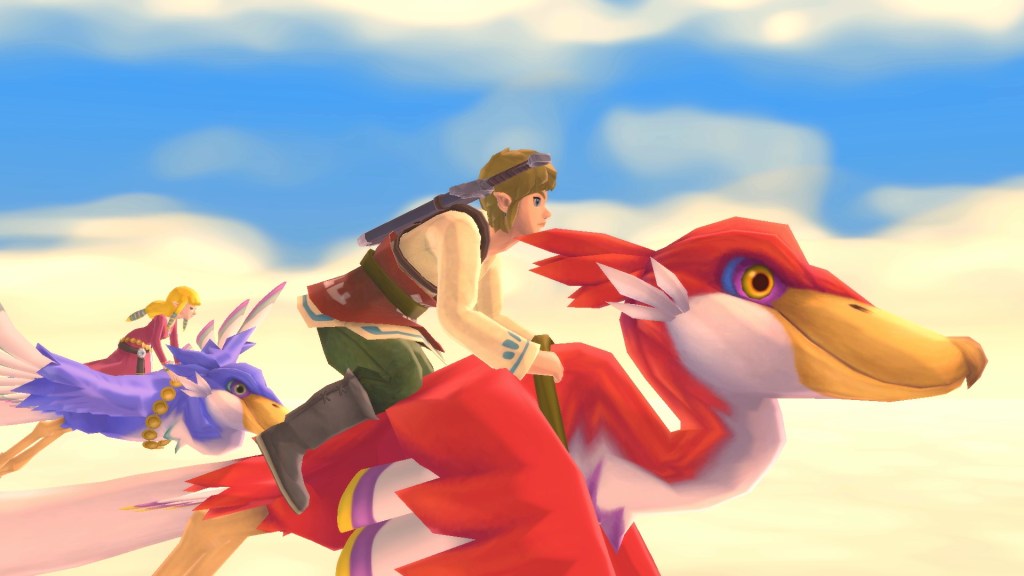
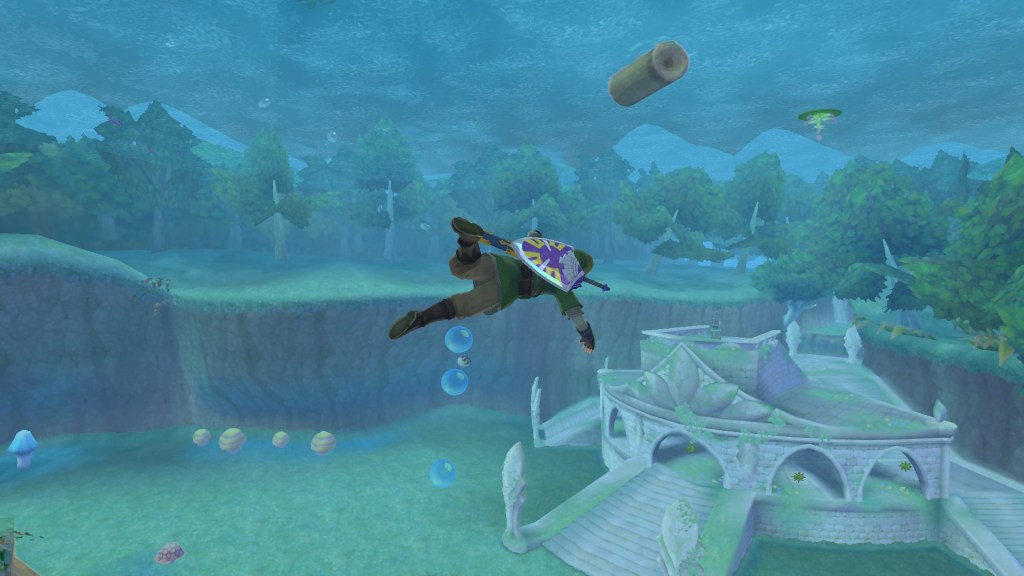
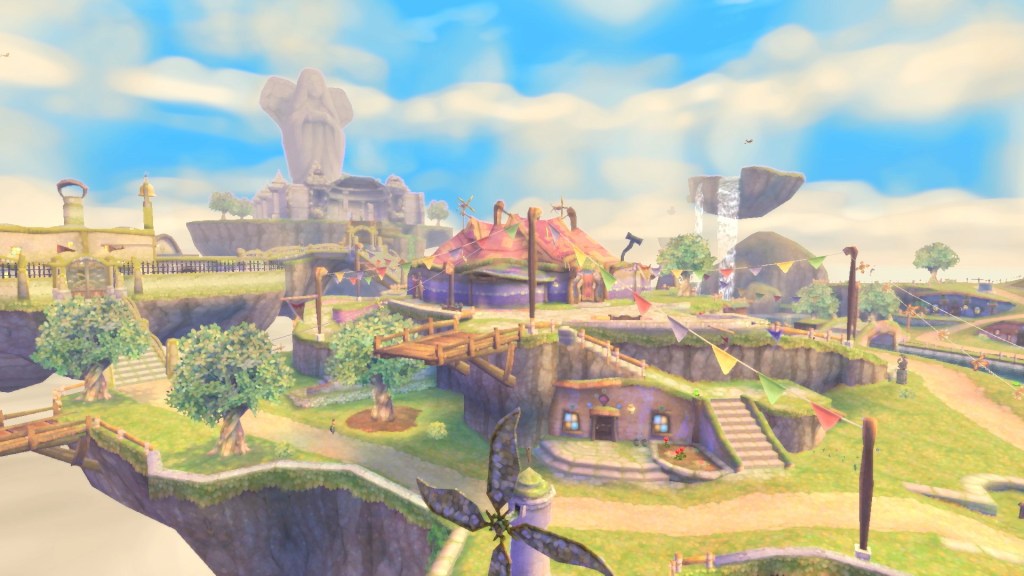
Skyward Sword has an incredibly unique setting in the series. The last remnants of humanity live on a flying rock, high above the clouds. They’ve built a small community and learn to take to the skies by flying on the backs of their loyal Loftwing birds. Rumors of the surface are nothing but folklore until Zelda gets swept into a vortex and plunges below the clouds. The player of course sets out on a journey to rescue their friend by exploring a handful of locations.

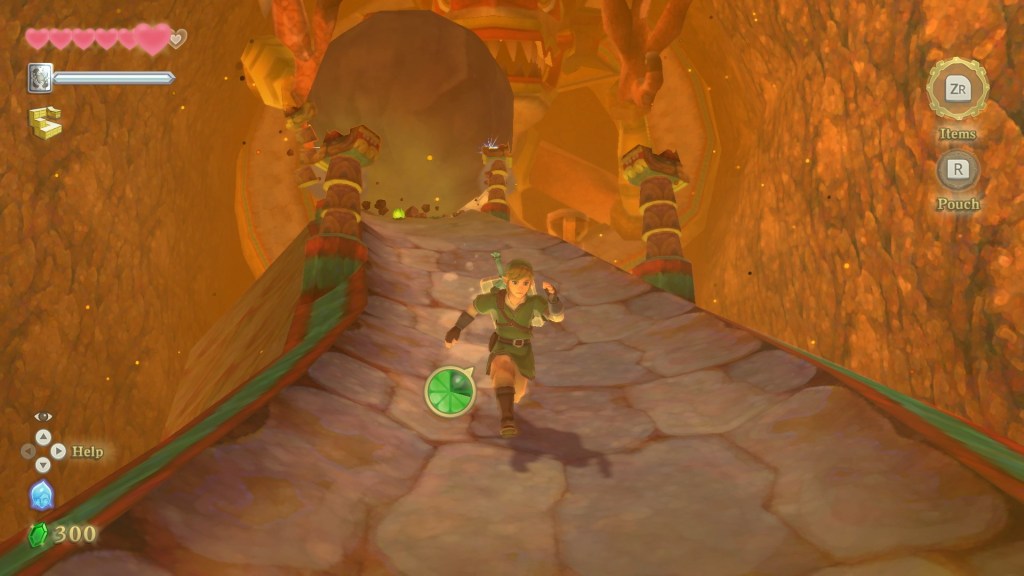
The best moments of Skyward Sword are when the player is left to explore, solve puzzles, fight enemies, and conquer dungeons unimpeded. There’s no doubt that the game boasts some of the best dungeons in the entire series. There’s some wildly creative ideas and well-crafted trials that are the highlight of the game. The desert area in particular has dungeons that make use of timeshift stones that create localized pockets of the past. Using these stones to reveal ancient devices and to clear away millennia of sand to progress forward is a phenomenal idea for puzzles. And the dungeons in the forest are wonderfully atmospheric and serene. Even the moments leading up to dungeons are interesting and unique, utilizing new mechanics and ideas that slowly ramp up in the classic The Legend of Zelda fashion.

Unfortunately, moments in which Skyward Sword lets the player play without interruption are fleeting. From the outset, the game bombards the player with text and cutscenes. The game constantly stops in its tracks to spew unnecessary dialogue, breaking the flow of gameplay. The biggest culprit of this is the spirit of your sword, Fi. She regularly will appear, stating the obvious. It often feels like the game is treating you as if you were stupid, halting progress to tell you “I have calculated the place that you are going towards has an 80% probability of being the correct direction”. The excessive handholding not only feels like an insult to the player’s intelligence, but it also actively impedes the player from having fun.

When I think of The Legend of Zelda, I think of adventure and exploration. The structure of Skyward Sword is far more linear and constrained than the other games in the series. Outside of the starting town in the sky, there are only 3 main areas: forest, volcano, and desert. The game revisits these biomes multiple times each, often revealing new areas that were previously hidden. Occasionally these retreads are interesting because there are spirit trials that test your navigational knowledge of these familiar zones. But after the third visit to each area, I was longing for something fresh. And it didn’t help that the last third of the game felt padded out with unnecessary fetch quests, repeated boss fights, and retreading.

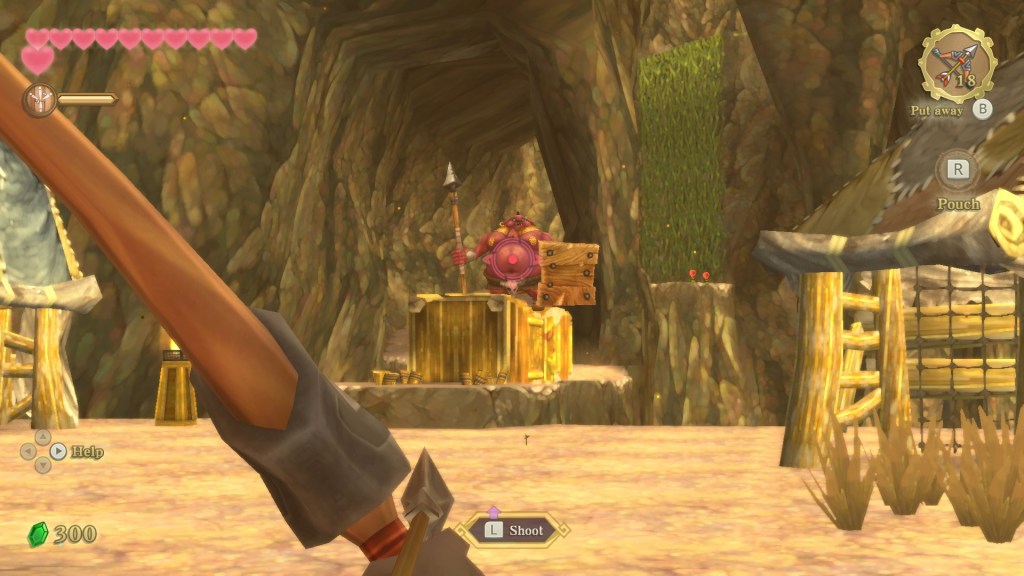
It’s worth mentioning that each zone is completely isolated. The only way to go from the forest to the desert for instance is to find a statue, teleport to the sky, fly to the appropriate hole in the clouds, then drop down into the desert. It feels disjointed, and the sky ends up being a giant level select screen rather than its own thing. And it doesn’t help that flying is a dreadfully boring affair. There’re rarely any obstacles or anything to do in the sky, just fly in a straight line. And because of the motion controls, you’re forced to keep your hand pointed straight, waggle the remote to flap upwards, occasionally pointing downwards to gain some speed. It’s tedious and uncomfortable.

The sky itself is completely devoid of anything. There’s a bunch of tiny islands with practically nothing on them. And there’s occasionally a floating rock with an enemy that shoots rocks at you. That’s it. It’s pretty uninteresting mechanically and visually. Flying should be exciting and thrilling but it’s just boring and cumbersome in Skyward Sword. The one redeeming aspect of the sky is that the game’s main town, Skyloft, is amazing. It’s dense, has cozy hobbit houses for its residents, lots of side quests to discover, and a central town bazaar that hosts all of the shops. Skyloft has a ton of personality to it and I love it, even if the surrounding sky is a barren wasteland.

Even though motion controls never really caught on past the Wii era outside of some niche uses, I appreciate how dedicated Skyward Sword is to this control scheme. Nowadays, motion controls are a gimmick, but Skyward Sword was fully committed to maximizing its use of motion controls. The sword fighting, aiming the slingshot and bow, puzzles, and even basic movement all incorporated motion controls in some way. I don’t think it was always successful, but I appreciate that the developers didn’t treat the game’s central mechanic as just a gimmick, but as the guiding principle of design. It’s a unique scheme that helps Skyward Sword stand out from all the other The Legend of Zelda games. When it works, the motion controls are immersive and give a tangible, weighty feel to your actions. You aren’t just pressing buttons, but swinging your arms and aiming your controller like you would a sword and bow respectively. Unfortunately, the motion controls don’t always work.

It’s an extremely common occurrence in Skyward Sword for the motion controls to just not quite do what you want them to do. Many of the game’s enemies and obstacles require specific directional inputs, and having your attacks rebuked because the game reads your stab as a slash is frustrating. Unfortunately, motion controls will never match the preciseness of traditional button controls. When you press a button, you know exactly what will happen. When you try to swing horizontally, the game may interpret a slight diagonal angle and cause a misfire. Despite the fact that Skyward Sword is a fairly easy game, it is consistently frustrating due to the flukiness of the motion controls.

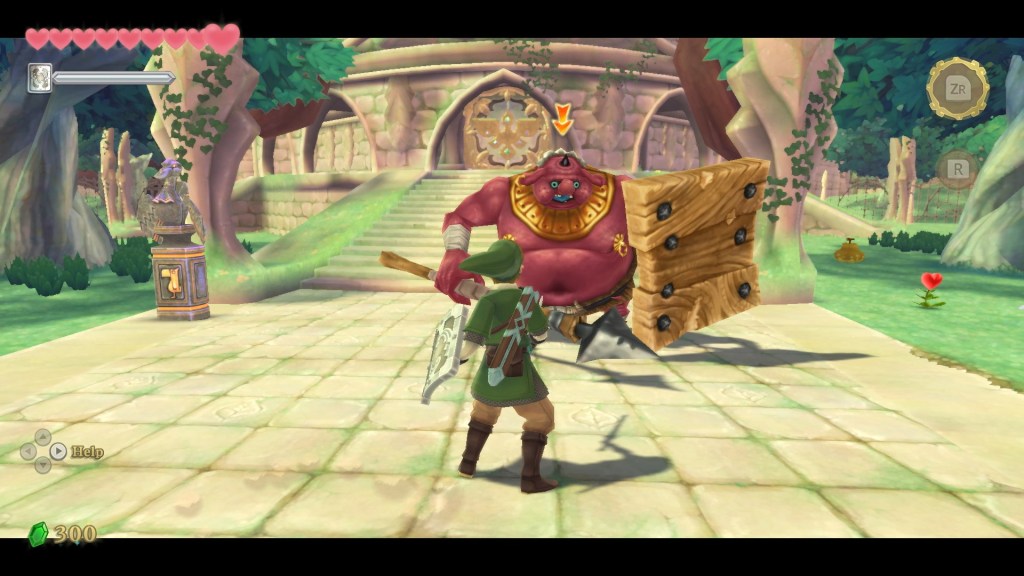
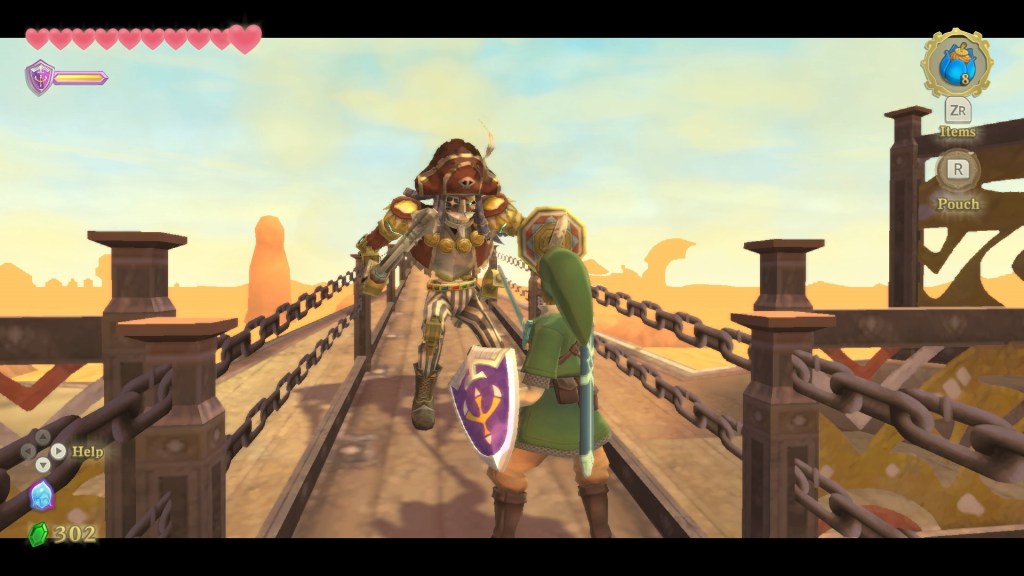
Another factor in the frustration of Skyward Sword is the enemy design. The game clearly wanted to emphasize the motion controls in sword fighting. Most enemies need to be hit from a specific angle to deal damage, and enemies with swords constantly block in different directions, requiring you to attack where they aren’t blocking. This is fine, the problem is that many of these sword-wielding enemies read your inputs and instantly block wherever you decide to attack. If they are holding the sword to their left, you try to swing at their right side, but the game instantly snaps their sword to the right to block your hit. I found it more effective to just flail around randomly rather than take my time to strike precisely because the enemies would just block my attacks if I tried to fight the “proper” way. It really is a shame because the sword fighting is the area where the motion controls could have shined, but it’s way simpler to use other strategies rather than engage in a proper duel.

My final gripe with motion controls is that they make the entire experience mentally exhausting. There is no break from them. You will always be fumbling trying to make the game do what you want it to do. I want to just be able to play for a few hours, get absorbed with the world, and go on an adventure. But the motion controls constantly break the spell of immersion, which is the exact opposite effect that they should have. Even when flying in a straight line you need to focus on keeping your wrist straight. There’s no escape from fighting the controls, which makes the entire game a drag.

I actually quite like the presentation of Skyward Sword. Visually, it’s a middle ground behind the cartoonish Wind Waker and the more realistic Twilight Princess. I think it’s a happy medium, and the impressionist environments are quite pleasant to look at. At a distance, the environments look painted with visible brush strokes and streams of light. I do think the game lacks scenic vistas due to the isolated nature of the areas, but it is pretty nonetheless. The soundtrack is fully orchestrated, and despite it being perfectly enjoyable it doesn’t have that memorable quality that The Legend of Zelda is known for.

I don’t really play The Legend of Zelda games for their stories, but I was pleasantly surprised by Skyward Sword in that aspect. It follows the same good vs evil as every other game in the series, but what makes this entry stand-out is its characters. There’s a handful of character arcs in the game that demonstrate actual growth, which is something rare in the series. I don’t think the story is revolutionary by any means, but I was pleasantly surprised by it.

I played the game in the recent HD remaster for the Switch, which came with a number of quality-of-life changes. The remaster reduced the number of interruptions that Fi forces upon the player. It also fixed one of the most infamous bugs of all time in which every item would halt the game to display a description every play session. I’m glad that the remaster did away with these intrusions, because even in the remaster there are a painful number of halts that kill the pacing. 


Overall, Skyward Sword is my least favorite of the 3D The Legend of Zelda games. Despite having some of the best dungeons in the series, there’s just far too many massive problems that I have with the game. The disjointed world, the constant interruptions, and the imprecise motion controls firmly cement Skyward Sword as the worst in the series. I appreciate its attempts to be unique and have a novel control scheme, but motion controls never reached the level of refinement that would be needed for anything other than some gimmicks. Still, it’s worth playing Skyward Sword for its cleverly designed dungeons.

Katamari Damacy (2004)

Simplicity. As games grow more complex and incorporate numerous systems that require paragraphs upon paragraphs to understand, it makes me long for the uncompromising simplicity of Katamari Damacy. But don’t mistake simplicity for being dull, Katamari Damacy is one of the most unique and iconic games in history. And it’s quickly become one of my favorites. Once you get the ball rolling, it’s hard to stop playing.

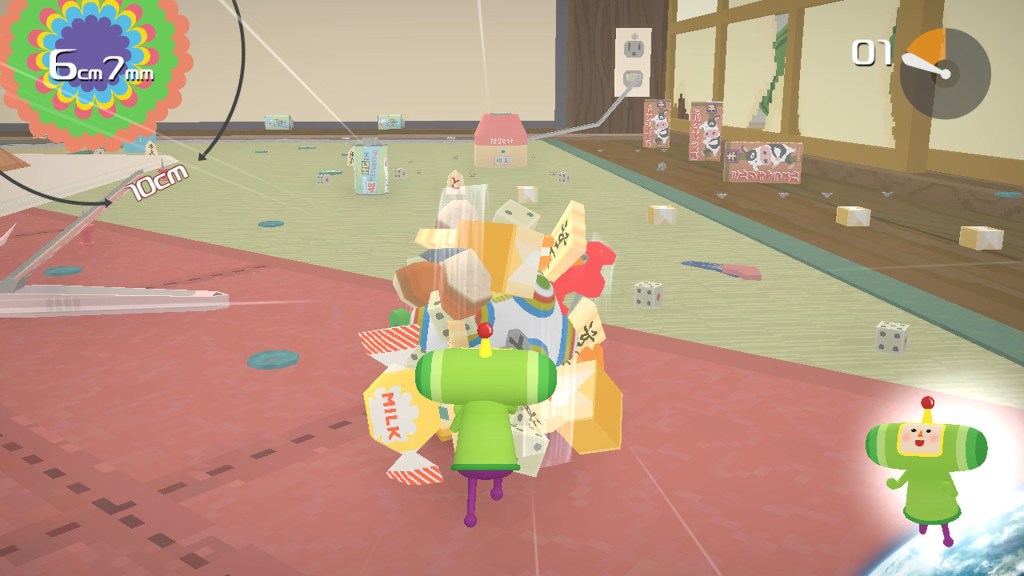
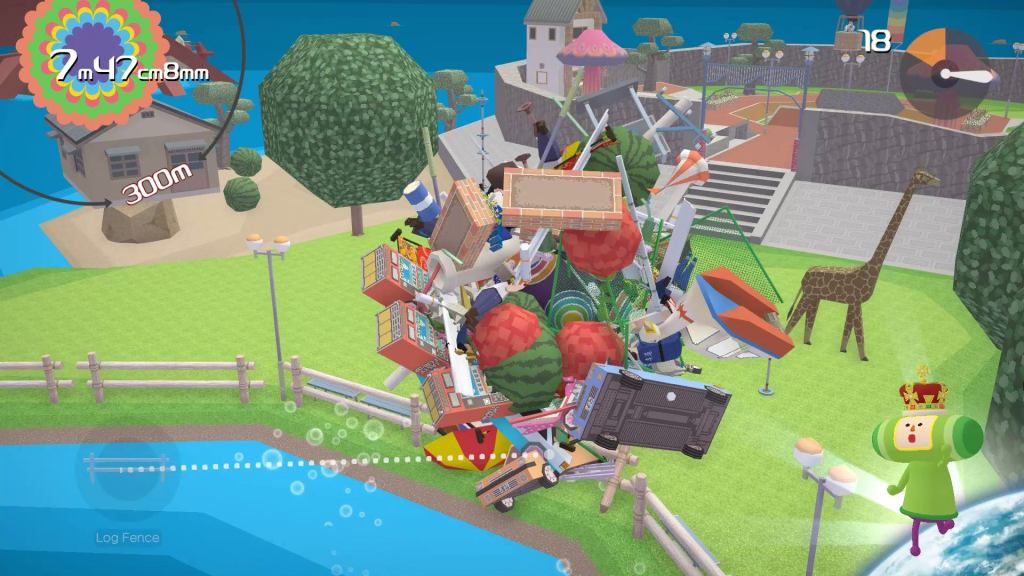
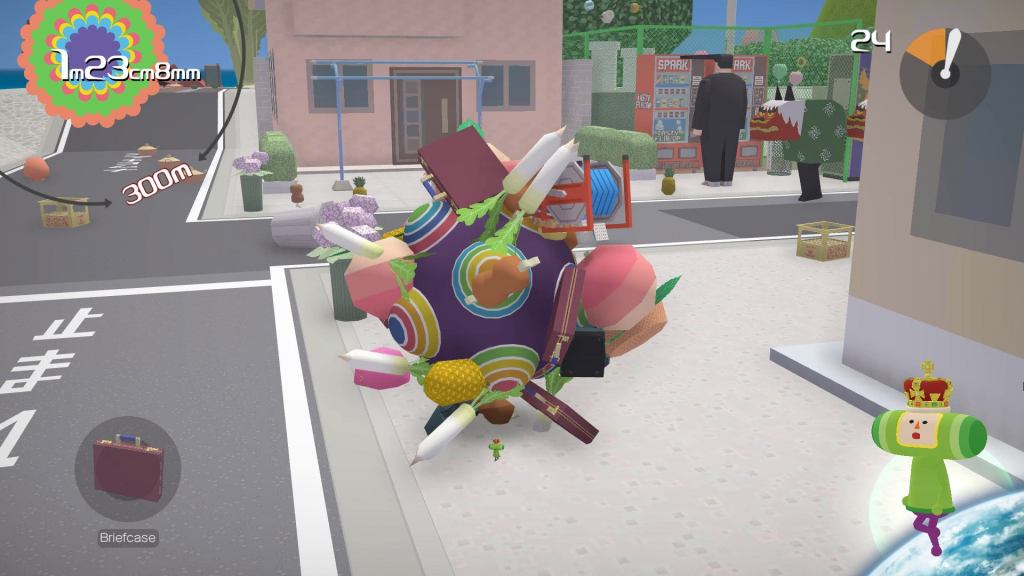
The King of All Cosmos accidentally destroyed all the stars in the sky after having a few too many drinks. He sends his son, the 5-centimeter-tall prince to Earth to roll up anything he can into a ball to create new stars. The Katamari can only pick up objects that are sufficiently smaller than it, requiring you to slowly ramp up into an all-encompassing ball of destruction.

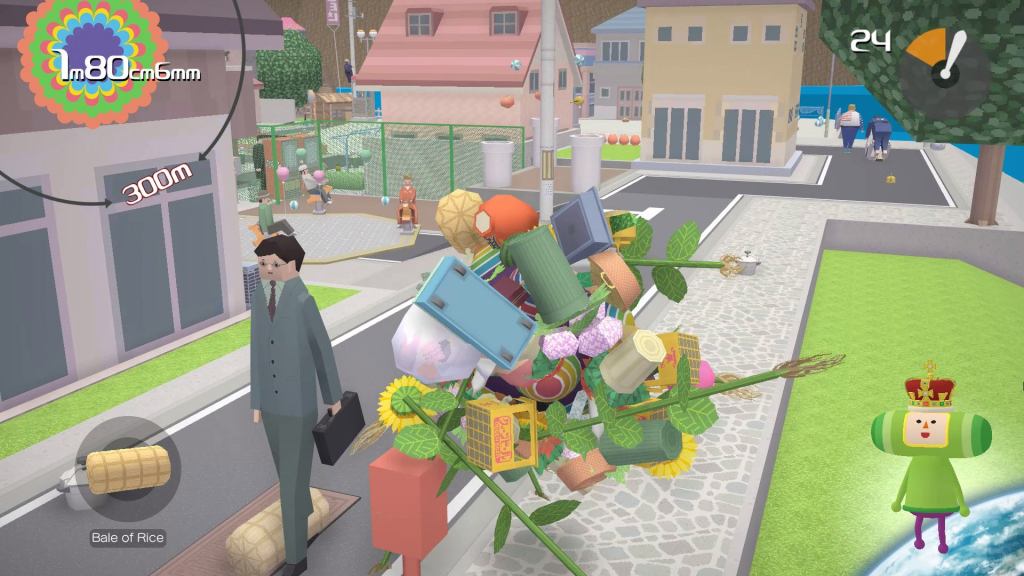
There’s something enormously satisfying about beginning every level with a tiny Katamari, only capable of picking up thumbtacks and coins, and steadily growing in size. That table that used to be an obstacle? It will eventually become part of your Katamari. That car that ran into you, flinging you across the road? Grow a bit more then get your revenge by rolling it up. 

Nothing is safe from the eventuality of becoming part of the Katamari. But bumping into objects larger than the Katamari will cause you to lose mass, requiring a bit of careful planning and navigation. There’s a balancing act of trying to collect the largest items to grow the fastest in the allotted time, but being cautious not to be overly ambitious and bump into objects that are too large, wasting precious time and siphoning off previously collected items. This little bit of friction is necessary to keep the game interesting. And it makes it all the more satisfying when you come across a group of objects that are the perfect size.

Because the core concept is so simple, I think it’s a boon that the control scheme is a bit tricky to master. While some may bemoan the tank controls as being unintuitive, I think they fit the game perfectly. There would be very little challenge and no mastery to be had if the Katamari was easy to control. And moreover, it fits thematically as well. Of course a hulking ball of stuck-together objects is a bit unwieldy to push around. It should be difficult to turn, maneuver, and stop your momentum. Mastering your control of the Katamari and planning out different routes through the levels also provides an excellent opportunity for replaying levels to try to get a max-sized Katamari in the time-limit.

Despite the prospect of a giant sticky ball rolling through communities causing untold destruction sounding horrifying on paper, Katamari Damacy is a light-hearted game. It’s full of whimsy and surreal depictions of Japanese culture. You have to look no further than the game’s introductory video of dancing pandas, singing ducks, and rainbows flying everywhere to get a feel for the game’s style. It’s just a joy to roll around and explore the whimsical world. And it helps that the soundtrack is also superb, filled to the brim with catchy and joyous tunes that are hard to get out of your head.

My one small critique of Katamari Damacy is that I wish there were a handful more areas in the game. There are 19 total levels, but each level takes place in one of 3 areas. I don’t mind revisiting the same places, especially because new portions of the areas open up as the Katamari progressively expands, but I would have loved to see two or three more distinct areas to explore. I actually enjoyed revisiting the same areas a handful of times because I learned more about the areas in each subsequent visit, increasing my mastery and making the world that much more memorable. Truthfully, my request is a bit of a nitpick. Especially because the complaint boils down to “I want more Katamari Damacy”.

There’s no doubt in my mind that Katamari Damacy is one of the greatest games of all time. It’s equally parts unique and playful. It’s unlike any other game out there, and it’s a game that everybody should play. Katamari Damacy is just pure fun, plain and simple. Not every game needs to be a hodgepodge of ideas and systems. Sometimes, it’s enough to just roll a big ball around.

Yakuza Kiwami 2 (2017)

I’ve quickly found the Yakuza series to become like a comfort food to me. Exploring the dense downtown of Tokyo, completing silly side quests, visiting various establishments, and watching the plot of the gritty criminal underworld unfold. Yakuza Kiwami 2 is a remake of the original Yakuza 2, and it is a great modernization. I’m playing the games in chronological order, making this my 3rd foray into the series, and I’ve found every entry to be distinct despite their shared characters and world. While I don’t think Yakuza Kiwami 2 quite reaches the heights of Yakuza 0, I found it far less frustrating than the first Yakuza Kiwami. I recommend reading my reviews of Yakuza 0 and Yakuza Kiwami to get the full context for this review.

Similarly to its predecessors, Yakuza Kiwami 2 is a tale about the criminal underground of Japan. The protagonist, Kiryu, has left that world behind and appointed his friend Terada to lead the Tojo clan. Unfortunately, Terada is assassinated by a rogue faction of a rival organization, the Omi alliance. Kiryu steps in to keep the Tojo clan from falling apart, becoming their interim leader as he pursues his friend’s killers. The game explores the themes of blood feuds, family ties, and the cycle of revenge.

Truthfully, I found the plot to be a little disappointing. The game reuses many plot points and ideas repeatedly, even the game’s big twist gets repeated five times. The game has a lot of dull chapters where not much of consequence happens, and I can barely remember most of the game’s characters outside of a few key players. Luckily, that handful of key characters is the story’s strength.

Kiryu is an iconic character for a reason, a boss of the criminal underworld who is steadfast in his values and justice. Ryuji, the main antagonist, is an arrogant and brawny up-and-comer who values strength over all else, and has no tolerance for underhanded tactics. But perhaps my favorite aspect of the story was watching the growth of the relationship of Kiryu and Sayama, a detective in Osaka’s crime division. She begrudgingly teams up with Kiryu as she is assigned to protect him, but their shared ideals and backgrounds leads them both opening up and sharing their vulnerabilities. Watching Kiryu, a perpetual bachelor, develop a romantic interest is not what I expected going into Yakuza Kiwami 2, but I do appreciate the additional depth to his character.

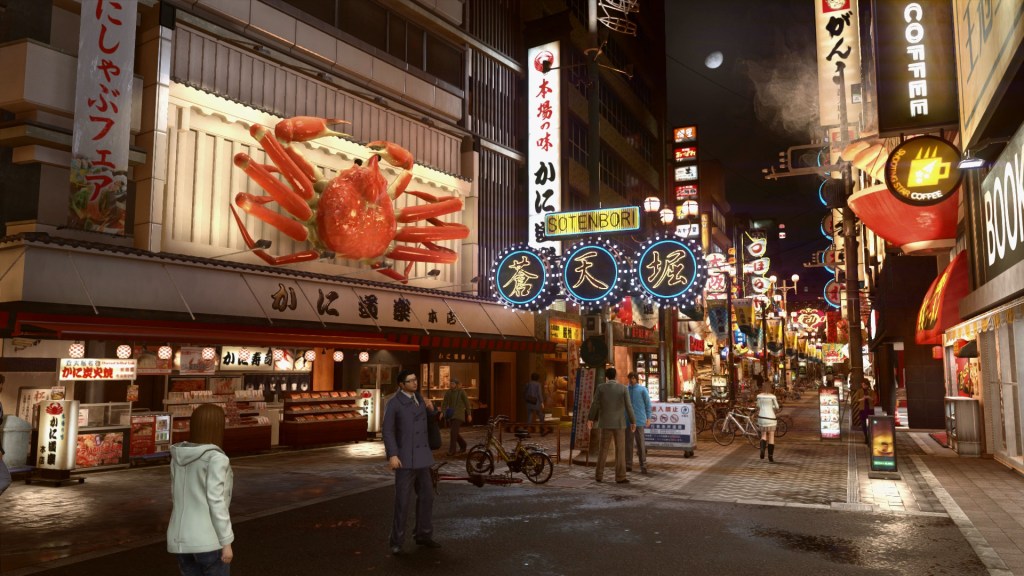
If you are playing the game in chronological order like I am, one of the more noticeable aspects of Yakuza Kiwami 2 is the new Dragon Engine. I don’t want to attribute this improvement to this game as Yakuza 6 was the first title to actually implement the brand-new technology, but it’s a huge improvement to the visuals and immersive elements. The graphical jump from Yakuza Kiwami to Yakuza Kiwami 2 is astronomical, but my favorite element of the engine is the effect it has had on exploration. Previously, entering a building required a brief loading screen. Now, you can go into stores, arcades, restaurants, and other places seamlessly. It seems like a small change, but having exploration be uninterrupted by loading screens is a massive boon to immersion.

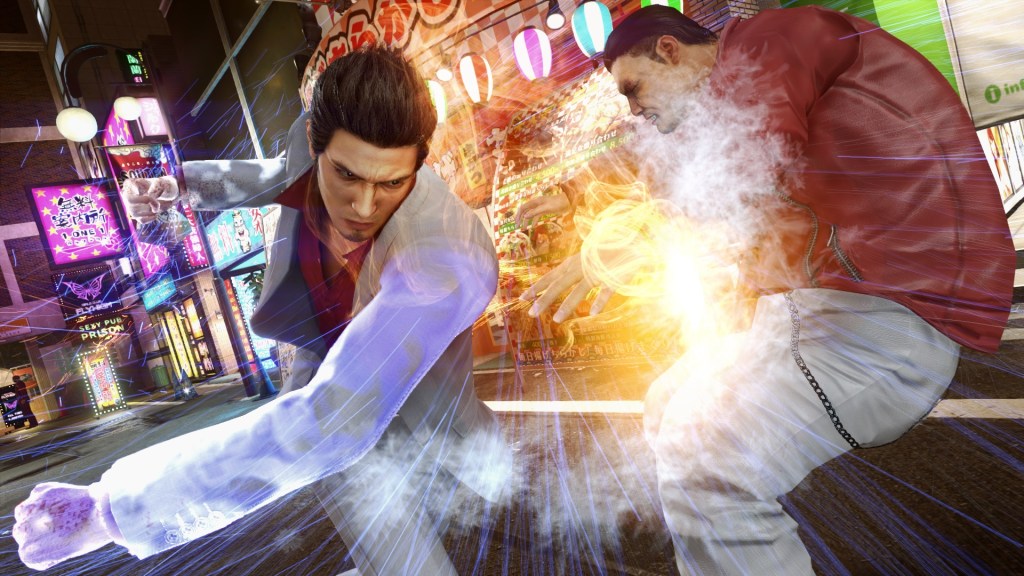
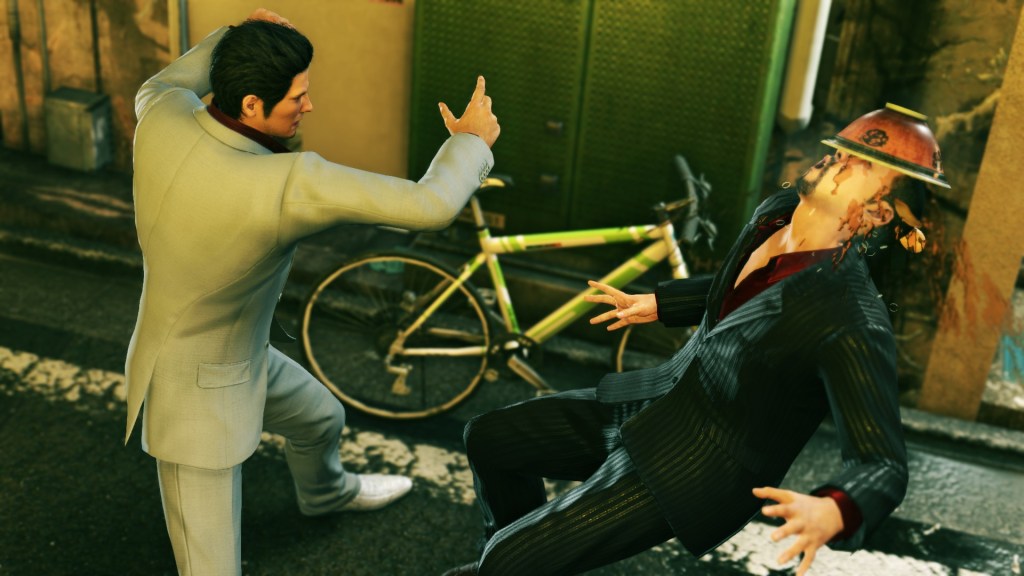
Unfortunately, the Dragon Engine also comes with a few downsides. Combat has been majorly overhauled and simplified. Previously you could swap between 4 fighting styles, each with their own distinct abilities and movesets. For Yakuza Kiwami 2, the fighting styles have all been mashed together to a singular style. I miss being able to choose between the different options, for example Rush was great against singular enemies, while Beast was great for crowd-control and shrugging off enemy hits. There was a lot of skill expression to choose the right style, swapping styles mid-fight, and each style had a wide variety of abilities to unlock. At the very least it was fun to be able to change up the way you fought if you’ve been sticking to one style for too long. Now, there’s no decisions to be made, there’s far fewer attack possibilities to utilize, and it can get enormously boring doing hundreds of basic fights using the same basic combos.

Part of the problem with combat is how cumbersome it is to unlock new abilities. Every skill is unlocked using experience, and experience is fairly hard to come by. Regular battles and side quests give a pittance of experience. The best way to earn experience is to eat meals at restaurants, but that is gated by your hunger gauge. If you’re full, you will gain no experience. And I often found myself focused on doing side quests or the main story, forgetting to stop at restaurants for the chunk of experience. If you want to unlock all the attacks, your best bet is to stock up on special medicine that reduces your fullness. But it’s pretty boring to spend 20 minutes cycling between picking sushi dishes from a menu and popping pills. I’d rather experience being better distributed through major activities like side quests and combat.

Part of what makes the Yakuza franchise so enjoyable is its wealth of goofy side quests and minigames. Yakuza Kiwami 2 is no exception to this rule. After battling dozens of yakuza goons and watching an ally be dramatically killed, there’s nothing better than stumbling across a man stuck in a public restroom asking you to bring him a fresh pair of underwear. Or taking up a voice acting gig for some extra cash only to have to repeat lewd phrases because Kiryu didn’t ask what role he’d actually be acting for. There are even more serious and heartfelt quests of regular people looking for meaning and validation in the world, such as the director who was forced to take over a beloved franchise. There’s a ton of instant classic side quests in Yakuza Kiwami 2

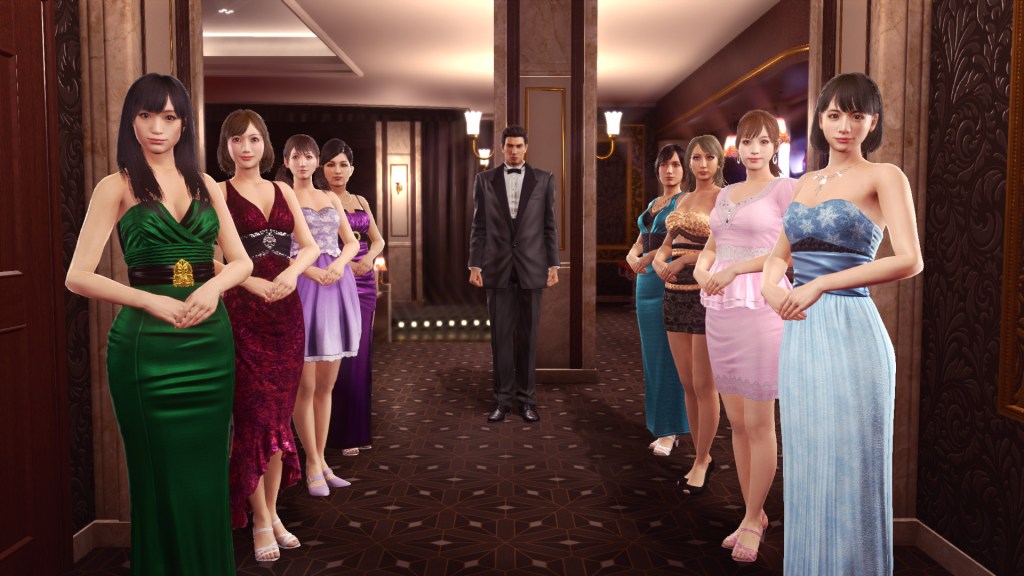
Of course, there’s also a plethora of minigames to discover across the city. There’s a standard golf, darts, baseball, mahjong, and arcade cabinets. Every game in the series has more involved minigames as well, and Cabaret Club management makes a return here. There are practically no changes to the original format, which makes it a bit disappointing. I do enjoy getting to know the hostesses and following their character development arcs, but the minigame itself is just a repeat from Yakuza 0. The other major minigame is Majima Construction, which is brand new. It’s similar to a tower defense game or real-time strategy game as you place henchmen of different types to protect your construction equipment. It’s not my favorite of the Yakuza minigames because I found the UI a bit cumbersome and it was difficult to select specific units in the heat of battle. But it was funny having your workers sing a song dedicated to Majima.

As a whole, I think Yakuza Kiwami 2 is a solid game. There’s nothing that I can point out as being downright bad, even if there are a handful of areas where the game is noticeably weaker than its predecessors. It’s got a competent story with some memorable characters, an immersive world full of funny side quests and minigames, and passable combat that can be satisfying even if it was overly simplified. Even if it doesn’t reach incredible heights, I still appreciate it for its consistency. Exploring the dense streets of Tokyo in Yakuza has become my comfort in gaming, something I can always fall back on if I don’t know what to play next. And I am looking forward to revisiting the world and its characters in Yakuza 3.

Bayonetta 3 (2022)

Bayonetta 3 is one of the most frustrating games I have ever played. It’s got such enjoyable core gameplay with a ton of skill expression, but the game constantly interrupts the player with a barrage of annoying gimmicks that get in the way. Mini-games aren’t new to Bayonetta, and having a few to provide some levity and a break from the high-octane combat is understandable. But Bayonetta 3 takes the concept way too far, to the point where it feels like the traditional combat is a minority of time spent in game. I suggest reading my thoughts on Bayonetta and Bayonetta 2 to get full context for the rest of this review. 

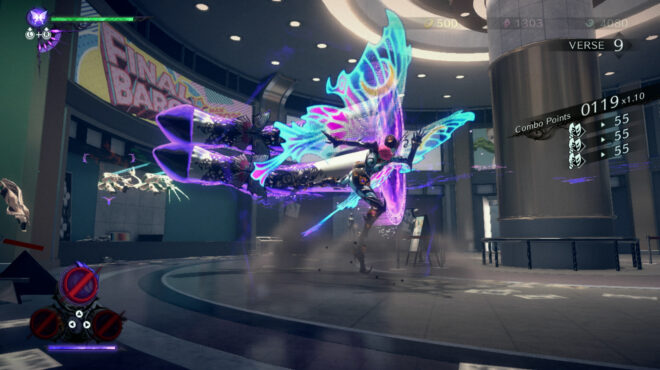
The combat of Bayonetta 3 follows the same formula as its predecessors. Weaving together punches and kicks, using your guns to maintain combos, and slowing down time through well-timed dodges. This iteration abandons the Umbran Climax mechanic from Bayonetta 2, which I think was smart because it was far too powerful. Instead, Bayonetta 3 introduces Demon Slave, a mechanic which lets the player summon a demon to control and fight with. 

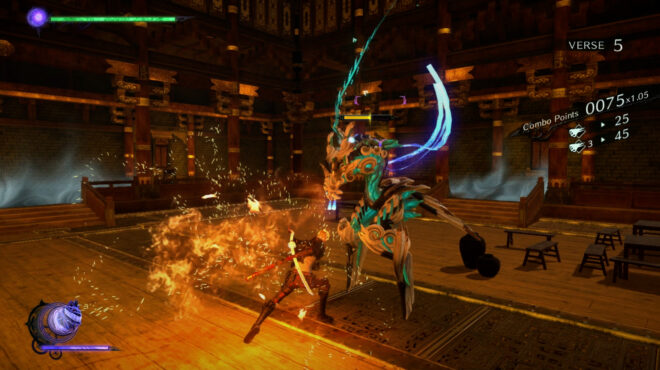
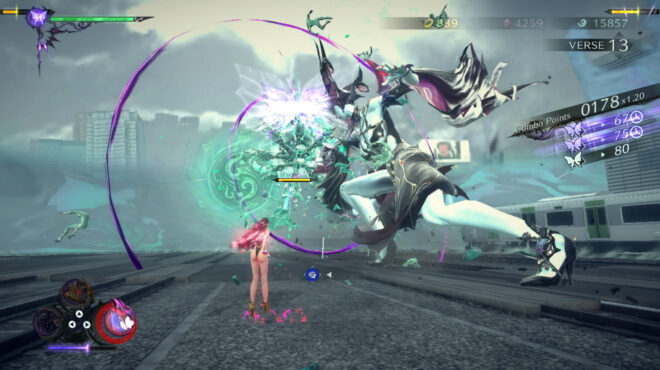
Demon Slave is a much-welcomed addition as it adds a ton of potential for skill expression and mastery. While summoning a demon you cannot control Bayonetta, which means it’s ill advised to always be summoning as you would be a sitting duck for enemies. Instead, you’re encouraged to weave in summons for a couple of attacks in the middle of your combo, letting you extend your combos and deal massive damage without putting yourself at risk. There’re eight main demons to unlock through the course of the game, each having their own abilities to experiment with. Charm enemies with Madam Butterfly, lay tracks for the Wartrain to run over foes, or you or make it rain blood with the frog demon Baal.

Like its predecessors, Bayonetta 3 has a variety of weapons to unlock and play with. The combination of weapons and demons allows the player to really express themselves to the fullest. Combining different weapons and demons gives a ludicrous amount of potential for mastery. Action games like the Bayonetta series are about more than simply defeating your enemies, but looking cool while doing it. The Demon Slave mechanic provides a ton of spectacle as a godzilla-like demon breathes unholy fire while Bayonetta dances to control it like a puppet. It looks cool and it is a ton of fun to decimate enemies with your demonic pets.

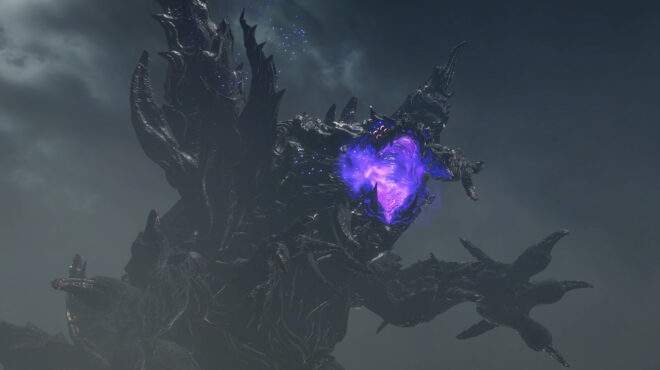
The cost of such grandiose spectacle is visual clarity. Both the player’s demonic summons and the enemies in this game are massive, often occupying the entire screen. Combine that with fast-paced action and colorful effects for an assault on the eyes. I often had an extremely difficult time parsing what was happening on the screen. The camera really struggled and often got stuck inside the bodies of the behemoth demons and enemies. It’s unfortunate because outside of these hiccups, the combat is amazing.

While I did love the core combat of Bayonetta 3, I was shocked by how infrequently the game lets the player partake in it. There’s an abundance of cutscenes, gimmicky sections, and alternate character chapters that disrupt the game’s flow. The Demon Slave mechanic isn’t limited to combat, the game has numerous sections that highlight the other capabilities of the summonable monstrosities. I wouldn’t mind having a few traversal challenges, puzzles, or mini-games tied to Demon Slave, but there’s just way too many interruptions. Sometimes I just want to fight bad guys, not slowly pick up statues and place them on a scale with my bird-demon. Or play the world’s slowest game of rock-paper-scissors as Godzilla. These sections just aren’t very fun. Having a wall of text thrown at you to learn a whole new control scheme for a brief mini-game is clunky and ruins the pace of the game.

Aside from the gimmick sections, Bayonetta 3 is also plagued by the non-Bayonetta chapters. A new character, Viola, is a major player in the story and gameplay. Compared to Bayonetta’s wide array of weapons and demons, Viola only has a single weapon and single demon. She is way less interesting to play than our titular hero, and her control scheme takes a lot of getting used to because it is wildly different from Bayonetta’s. There’s also a handful of chapters featuring Jeanne which serve as a side-scrolling espionage mission. The Jeanne chapters aren’t terrible, but on top of all the other interruptions I found myself wishing that I could just play as Bayonetta some more.

To be honest I don’t particularly care about the story of the Bayonetta series that much. The characters are definitely memorable and quirky, but the plots have always been a convoluted mess. Bayonetta 3 is no exception to this. While I’m not shocked that I found the story of Bayonetta 3 to be dumb, I was surprised by how much time was spent on it. There’s 4 hours of cutscenes in a 14-hour game. For a story-driven game that’s an acceptable ratio, but this is Bayonetta. I want action, I want spectacle, I don’t want to watch hours of cutscenes of a nonsensical story.

The premise of the plot is that the multiverse is under threat by some force known as Singularity. We travel to alternate universes to see alternate versions of Bayonetta and collect special gems to be used to travel to Singularity’s universe and defeat him. You repeat the universe-hopping schtick a bunch of times without much plot advancement until the very end, at which point things go from boring to ridiculous. Again, I wasn’t expecting a narrative masterpiece. But between the gimmicks, Viola chapters, and Jeanne chapters I had no patience left for long, drawn out cutscenes with little substance.

It really is a shame that Bayonetta 3 is crammed with so much superfluous content. It’s the perfect example of “less is more”. It possibly has the best combat in the series, and therefore some of the best combat in all of gaming. But the game is dragged down by a bombardment of underbaked gimmicks, boring alternate characters, and never-ending cutscenes. It is for these reasons that I give Bayonetta 3 a 5.5/10. It is by far my least favorite entry in the series, but if you can look past all of the junk, there is a treasure trove of amazing combat to be uncovered.

Resident Evil 2 (1998)

It’s rare to find a sequel that is a complete and total improvement from the original. More often than not, I find that sequels often are weaker than their predecessors. It makes sense because for an original work to be successful enough to create demand for a sequel it has to have something special about it. But sequels often just ride on the success of their predecessors. That’s not the case with Resident Evil 2. Resident Evil 2 iterated on every aspect of the original, polishing and refining the bones of the iconic survival horror title as well as adding its own unique ideas. I encourage you to read my review of the original Resident Evil to better understand my perspective on its sequel.

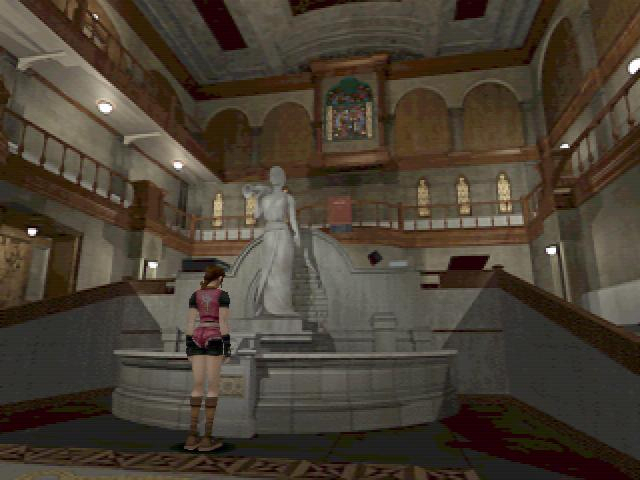
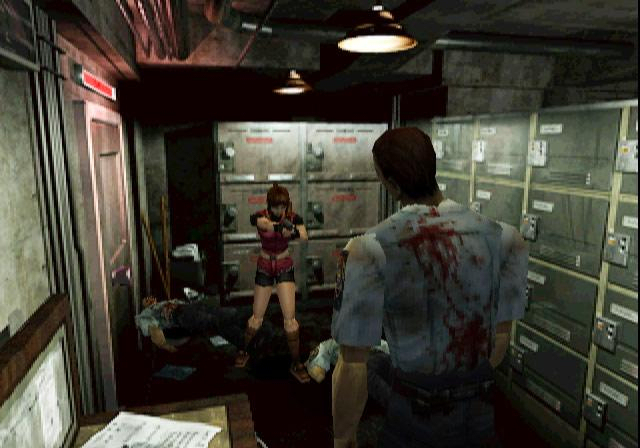
Resident Evil 2 is the first game ever directed by Hideki Kamiya, who is now renowned in the industry for his work on Devil May Cry, Bayonetta, and Ōkami. Kamiya focused on the story, scraping and reworking the first drafts of the game. The main characters, Claire and Leon, end up in the zombie-infested Raccoon City. They get trapped in the sprawling police station, which owes its grandiose architecture and eclectic decoration to the fact that it was originally an art museum. The diverging paths of Claire and Leon are excellently interwoven to encourage the player to play both paths to see how they work together and how the events of the story unfold.

The writing and presentation of the story are definitely the biggest improvements from the first game. The voice acting, while still a little stilted, is so much better than the often comedic delivery in Resident Evil. Character models also got a glow-up, giving Claire and Leon more detail and fidelity. The writing in particular went from cheesy to actually thoughtful and character-driven.

While searching for her brother Claire quickly becomes an elder sister figure to Sherry, a young girl who is one of the lone survivors of the outbreak. Leon has a brief romantic relationship with the spy Ada Wong, who’s murky motivations leave you wondering if she is even on your side until the end. Even minor characters like the police chief are memorable. When you first meet him, you wonder how he survived, and something is very obviously off about him, but he gets more disturbing as you learn more about him. I wouldn’t say Resident Evil 2 is a masterpiece of storytelling, but the thriller plotlines and thoughtful characters are well-done, especially for a game of its age.

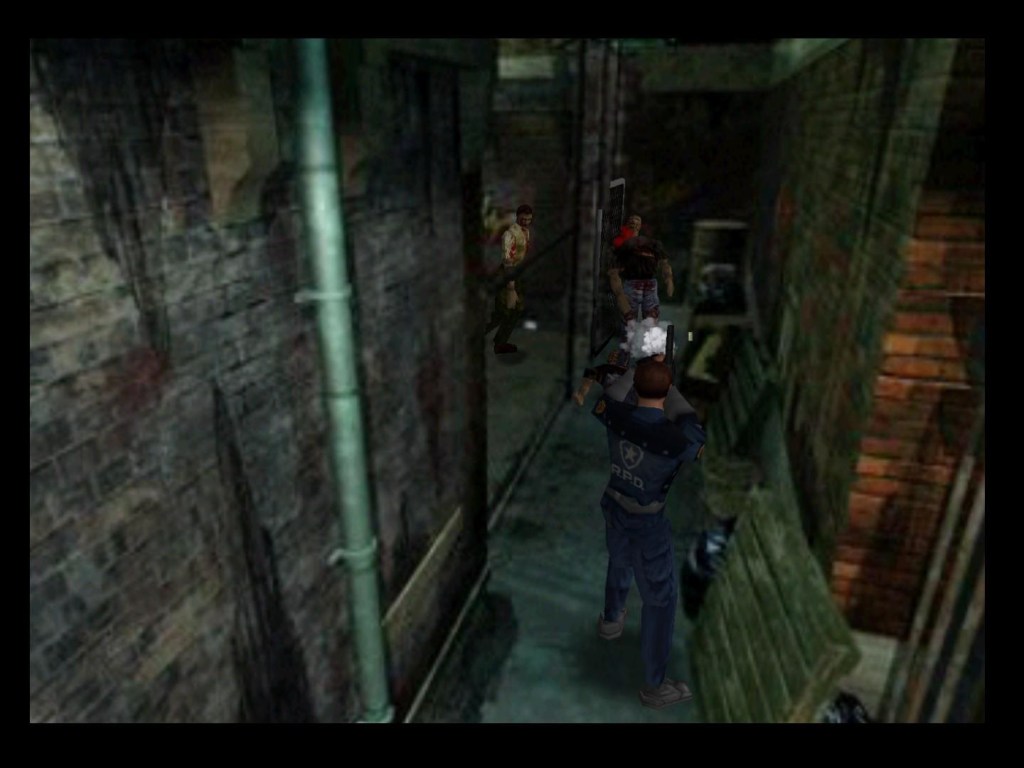
Resident Evil 2 is a survival-horror puzzle box. Like its predecessor, action takes a backseat to managing your resources and devising a strategy to escape the police station. With limited ammo, limited health-items, and limited saves, you have to think carefully about where to go next. While most enemies can be easily dispatched with the handgun, conserving ammo for the more challenging encounters is prudent. Both Claire and Leon have terrifying and monstrous entities that stalk them throughout the game, adding an additional element of tension as you never know when you’ll have to run for your life. You may think you can hold off on saving as you are only planning on going down the hall, but one of these bulky beasts could be waiting for you in a place you previously thought was safe.

The core gameplay remains largely the same from the game’s predecessor. Manage resources, solve some puzzles, navigate the zombie-filled halls of a creepy building, and occasionally shoot your way through tight spaces. While there are some new weapons, I think the most notable improvement is the diverging paths of Claire and Leon. Replaying the game is a whole new experience with new equipment, enemy placement, puzzles, and bosses. In some instances, you can even affect the world in the other character’s story. Playing both paths even unlocks the true ending and final boss fight. 

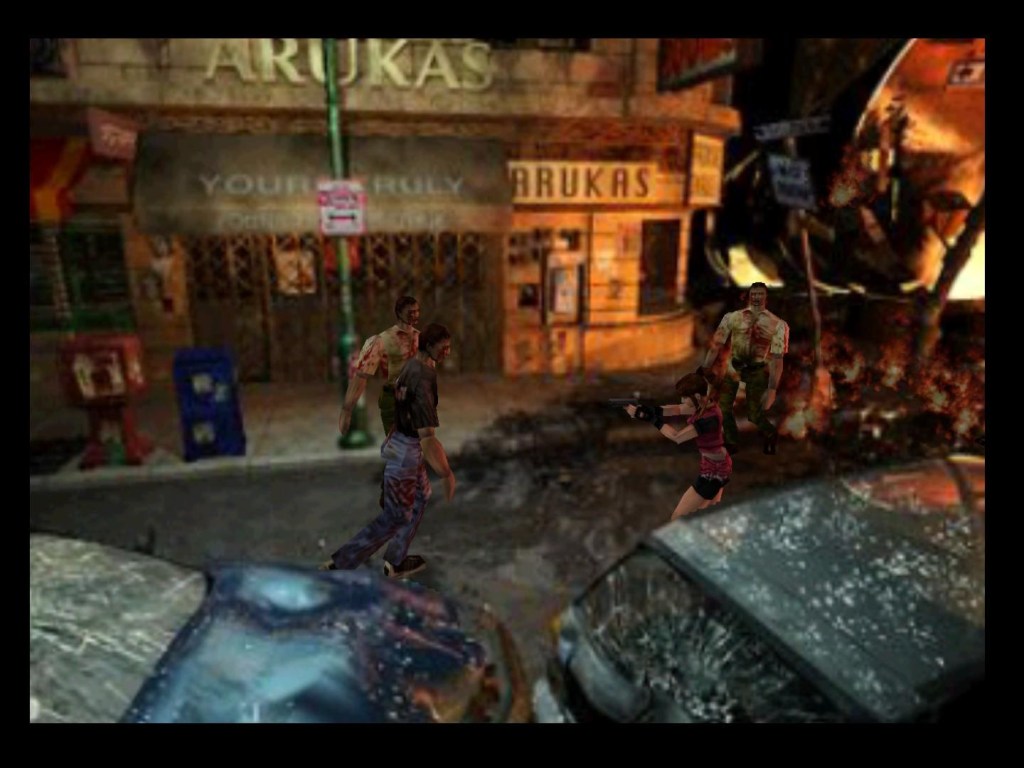
I loved the setting of Resident Evil 2. There are some brief urban sequences as you arrive in Raccoon City, running through the fires, wreckage, and hordes of zombies. There’s a sense of mayhem that is only calmed when you arrive in the police station. The police station being a repurposed art museum gives it a ton of character. From the floor layout, to the architecture, to the décor of paintings and busts, there’s a lot of charm. From there, the game descends further and further down into the grimy tunnels and secrets below the station.

My biggest problems with the game are a result of its age. Movement is still using tank-based controls, which can be supremely awkward to get used to. Especially because of the frequently-shifting camera angles. While I did get used to it after a while, more precise movement was challenging. It’s particularly frustrating when trying to run past zombies or turn during a boss fight. The dated graphics also lessens the horror and tension. The horrifying creatures just look like splotchy and blocky figures, and the fixed camera perspectives mean you rarely get surprised or snuck-up on. 

Overall, Resident Evil 2 is a shining achievement in sequel development. It improved on every aspect of the original: story, characters, setting, presentation, and gameplay. The inclusion of two separate characters with their own stories and remixed gameplay was brilliant and excellently executed. While there is no doubt that the game shows its age in a couple places, once you get adjusted to the control scheme it is still a joy to play. I can’t wait to continue through the series and see how it develops from here, and I am particularly excited to revisit the recent remake of this all-time classic game.

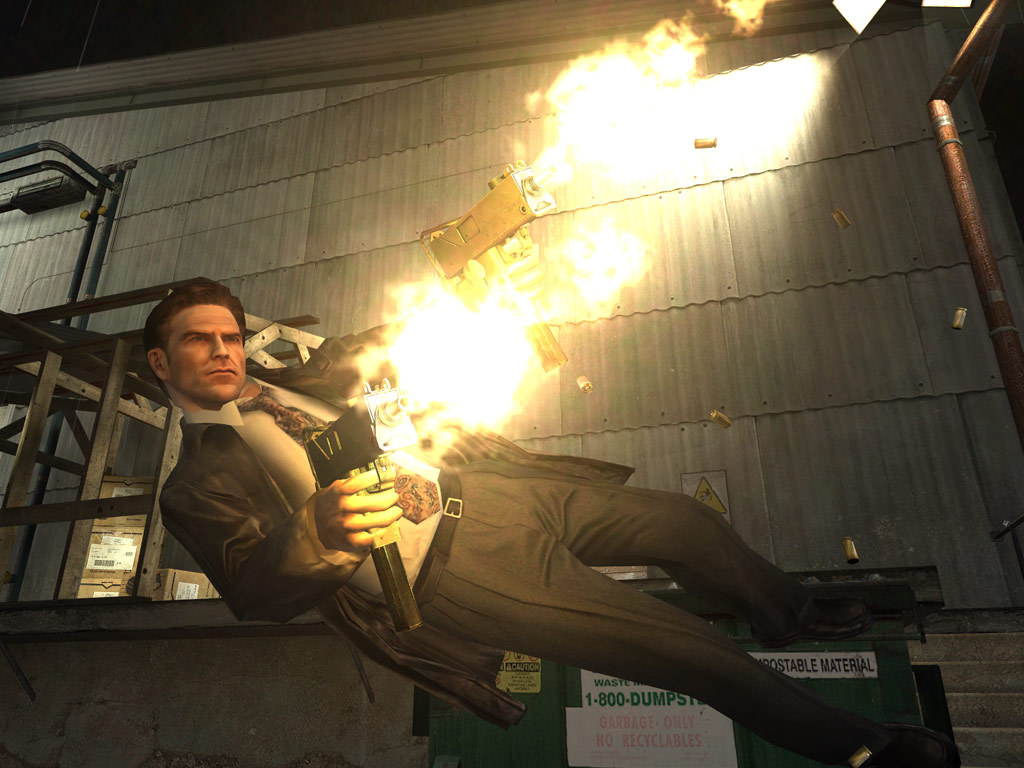
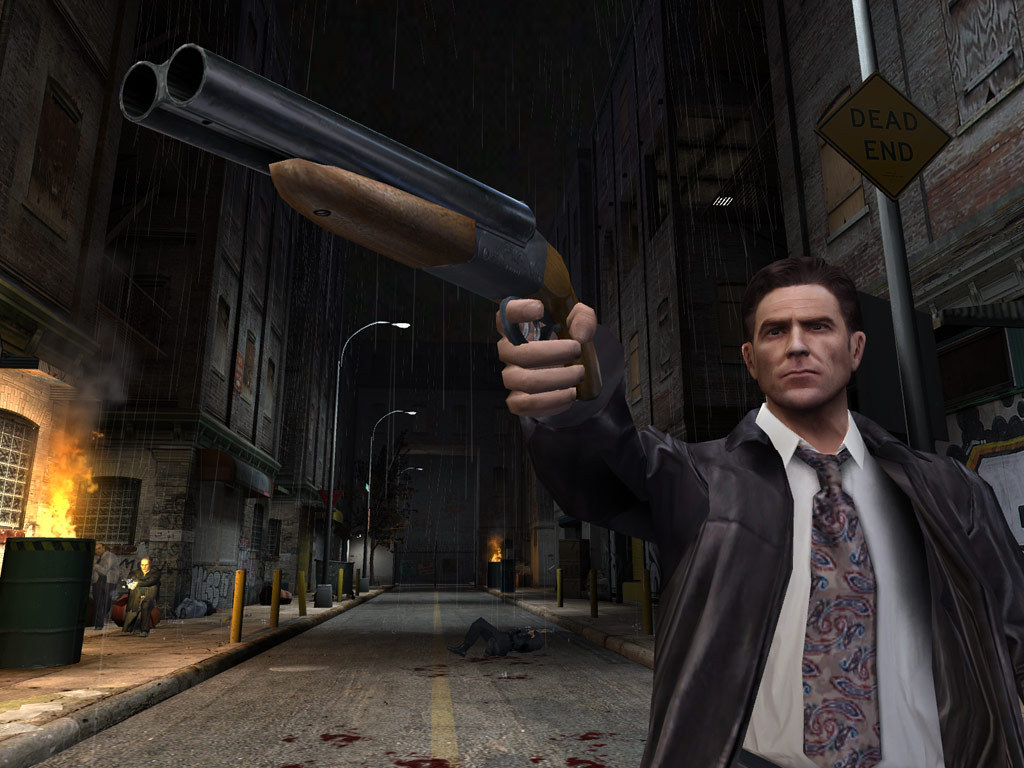
Max Payne 2: The Fall of Max Payne (2003)

Shortly after the success of the original Max Payne, the development of a sequel began. Upon first glance, it seems like Max Payne 2: The Fall of Max Payne is just more of the same, leveraging the mechanics, setting, and characters that made the first game so iconic. But there’s a lot of subtle changes to gameplay and the writing that elevates the sequel above its predecessor in many ways. I recommend reading my review on the original Max Payne to get full context for the remainder of this review. 

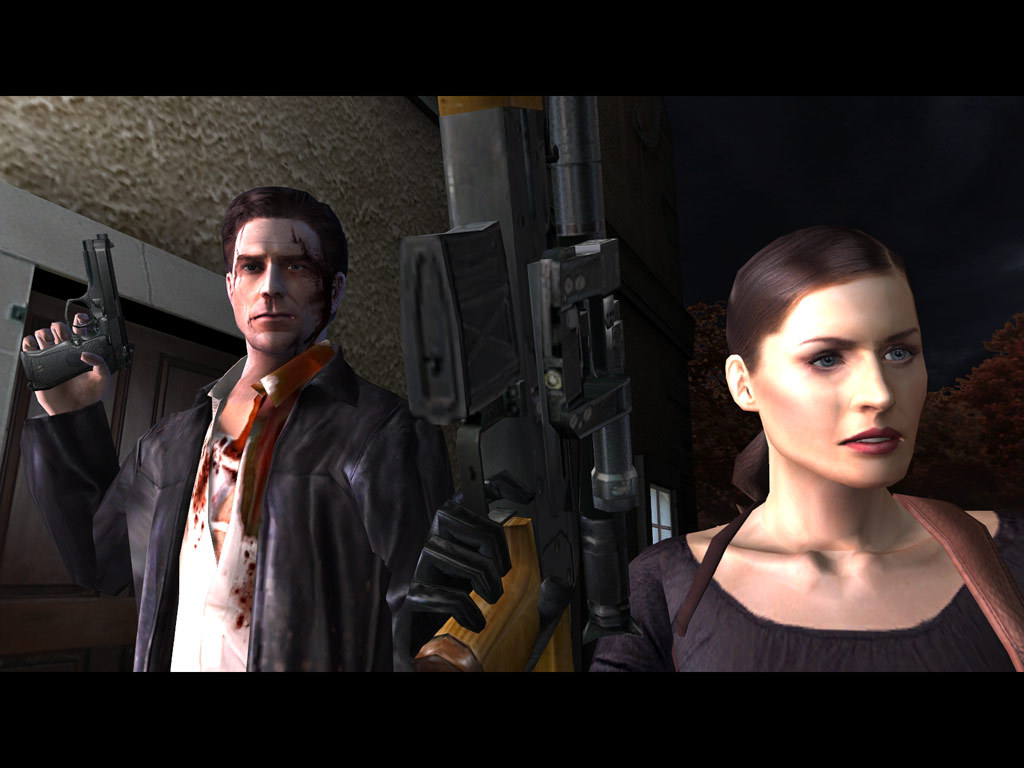
Where the first game was a fairly straightforward revenge tale with some conspiracy and psychological aspects thrown in, the sequel’s approach to storytelling is more nuanced and focuses on its characters and their relationships. It takes place a couple years after the events in the original game with Max as a police detective. He gets pulled into the underground yet again because he stumbles onto a murder crime scene and runs into Mona Sax. As Max digs deeper into the web of conspiratorial organizations, the player also gets a glance into the broken psyche of Max Payne.

Despite getting his revenge on every person responsible for his wife and child’s death two years prior, Max is obviously still deeply unwell. Vengeance was a brief respite from the darkness, but the hole in Max’s spirit still remains. Seeing Mona again sends Max spiraling, and he desperately tries to chase her despite her ties to criminal organizations. At first, I was shocked by how quickly Mona and Max fell in love considering their only connection was from a brief encounter two years ago. But they met because they had both lost a loved one and were seeking revenge, and it becomes apparent that Mona and Max have a toxic dependency on one another. They clung to the first person that showed compassion and assisted them in their quests, and their relationship is their attempt at filling in the hole that their loved one left.

The character-driven story is a more mature and thought-provoking approach to storytelling compared to the straightforward thriller that the original Max Payne was. The writing noticeably improved in the sequel, there’s a lot less camp and cheesy lines. But there’s still hints of levity such as infamous gangster Vinnie Gognitti’s obsession with comic strip hero Baseball Bat Boy. Or the snippets of in-game TV show Dick Justice being an obvious parody of the original game. Revisiting Max and examining his mental state years after the death of his family and accomplishing his revenge was brilliant. And it culminates in the closing line with one of the most haunting yet hopeful quotes in any game that I’ve played.

The story isn’t the only obvious advancement made in Max Payne 2: The Fall of Max Payne. Gameplay wise, the sequel cleans up many of the rough edges of the original. Enemy placement is decidedly less cheap, enemies are no longer hiding in corners or nooks ready to one-shot you with a shotgun. The adaptive difficulty aspect also feels smoother, even as the game got tougher, I never ran into those moments from the original game where I would shoot a basic foe point blank numerous times only for them to instantly kill me with a single pistol shot. These improvements went a long way to make the game less frustrating.

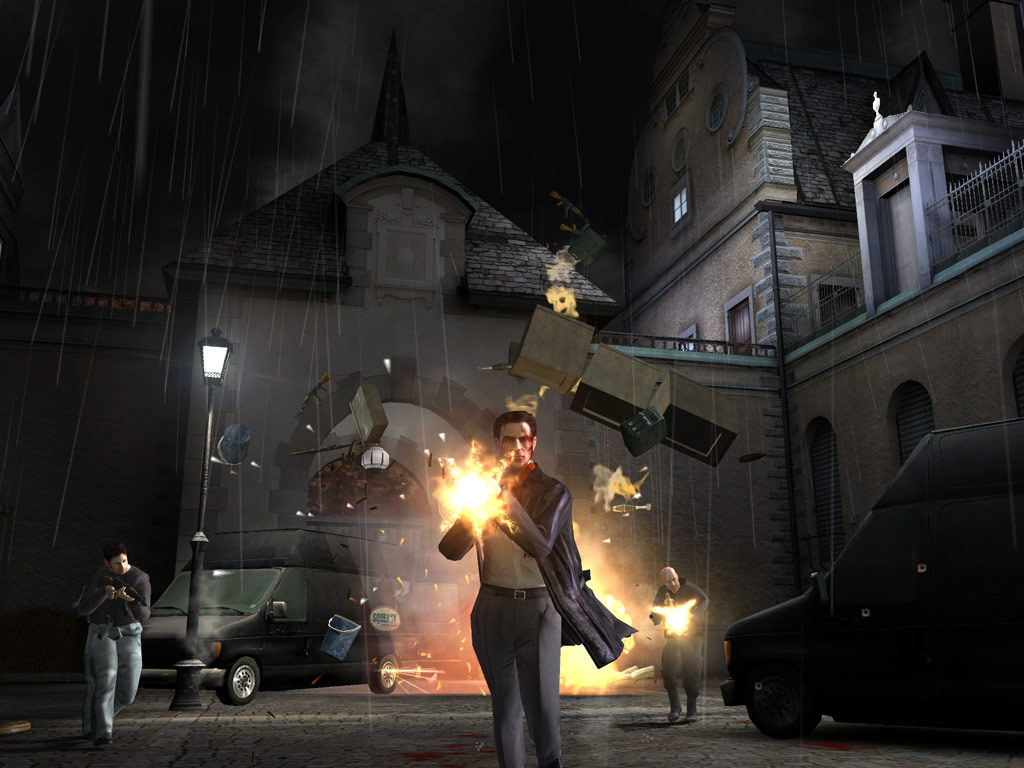
Another aspect of note is the improved physics engine. Disposing of enemies causes them to ragdoll across the screen and collide spectacularly with all sorts of objects in slow motion. There’s also a higher reliance on the use of bullet time. Killing enemies while in bullet time increases its potency, letting you move quickly while the world slows down. This lets you activate bullet time and clear out whole rooms while spinning around in slow-motion, dodging bullets and raining lead. While I do think putting more emphasis on bullet time, the unique feature of Max Payne, is great, I do think it was a tad overdone here. I liked that bullet time was an occasional treat in the original game. You had to earn your right to use it and you had to decide when the best time to make use of it was. In Max Payne 2: The Fall of Max Payne, you can be in bullet time so often the novelty can wear thin. 

Atmospherically, I think the original game is far more iconic than the sequel. Walking the silent streets of New York City in a blizzard was chilling and moody. The apartments were grimy and disturbing to spend time in. Max Payne 2: The Fall of Max Payne in comparison spends a lot of time in dull warehouses. The most interesting location is the fun house, and I do enjoy how it is revisited multiple times, letting you trigger traps on unsuspecting enemies as you learn the layout. But I missed the snow-covered streets and freezing cold that the original game conveyed so perfectly.

Overall, I think Max Payne 2: The Fall of Max Payne improved over its predecessor in numerous ways. The more mature themes, the refined writing, the smoother gameplay experience, there’s no doubt that Max Payne 2: The Fall of Max Payne is a technically better game than the original. But when I think of Max Payne, I think of wandering the frozen hellscape of Manhattan with the only respite being the graffitied and abandoned apartments filled with mumbling drug-addicts and grime. Even if I do think Max Payne 2: The Fall of Max Payne is a better experience as a whole, I can’t help but remember the original more fondly.