Stephen’s Favorites of 2024

I feel like 2024 was the first year where I at least tried to keep up with recent releases. I wanted to highlight the games from this year that were my absolute favorites. Of course, as someone with a full-time job, a family, and other hobbies, I didn’t get to play every major release of this year. There were plenty of games on my radar that I didn’t get around to such as Indiana Jones and the Great Circle, Lorelai and the Laser Eyes, and the remake of Silent Hill 2. Here are all the 2024 releases that I managed to play:

Now let’s get into my favorites of the year.

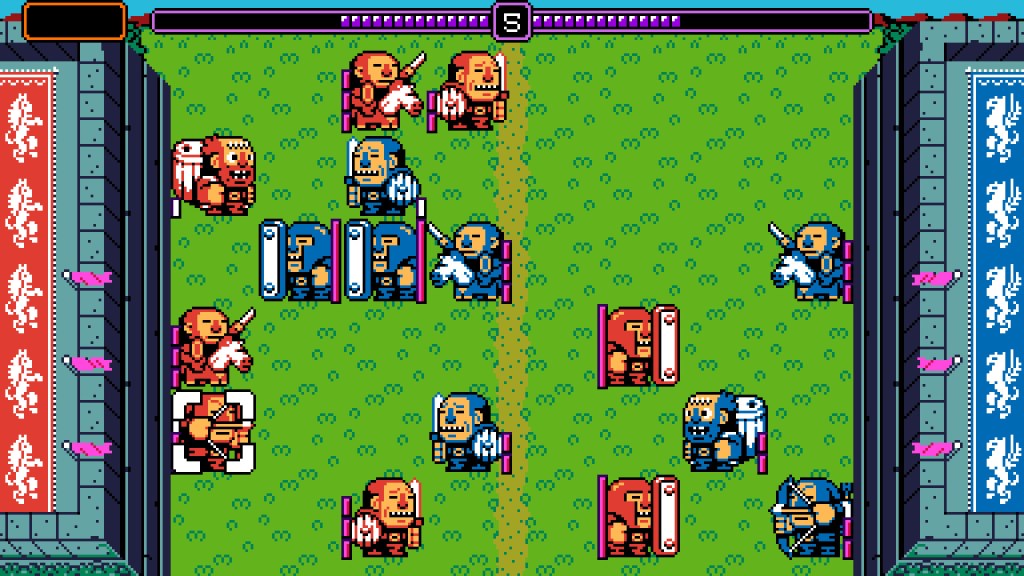
UFO 50

UFO 50 is a truly unique experience and we may never see anything like it ever again. It’s a collection of 50 retro games made by the fictional company UFO Soft. It’s an absolutely astonishing collection in both breadth and depth. Every classic genre is included, but no entry is a simple imitation of an actual retro game. Every game has a unique twist. There are so many gems in the collection. You could easily sink hundreds of hours into UFO 50 and still have games you’ve barely touched. The creators behind UFO 50 describe it as a blend of retro aesthetics with modern game design knowledge, and they absolutely nailed that aspiration. Read my full review here.

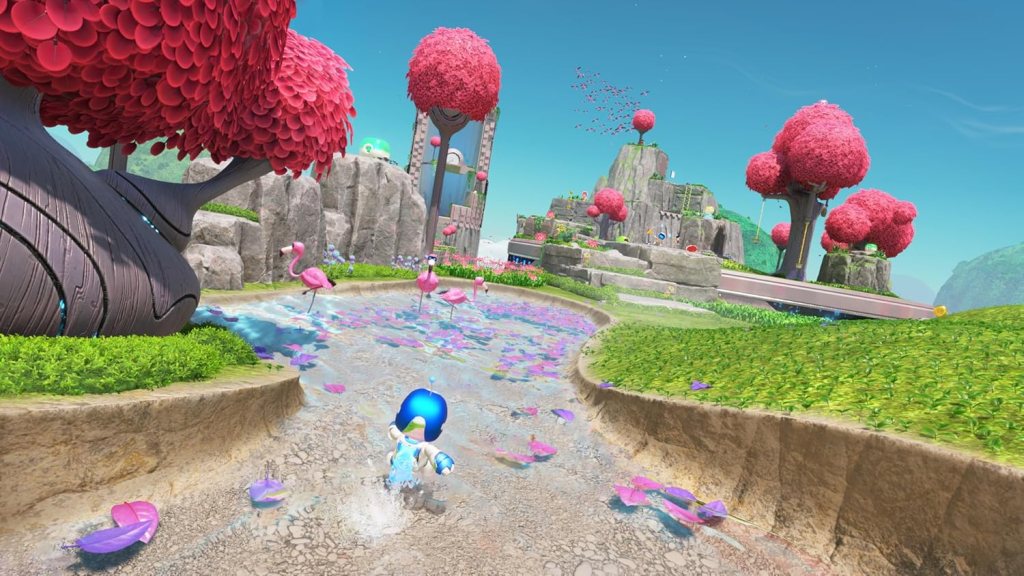
Astro Bot

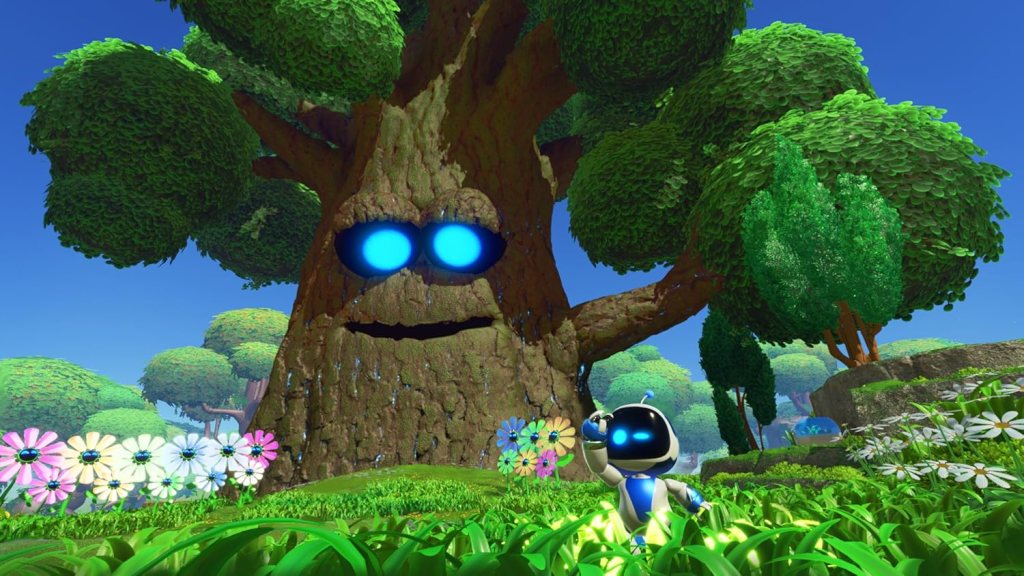
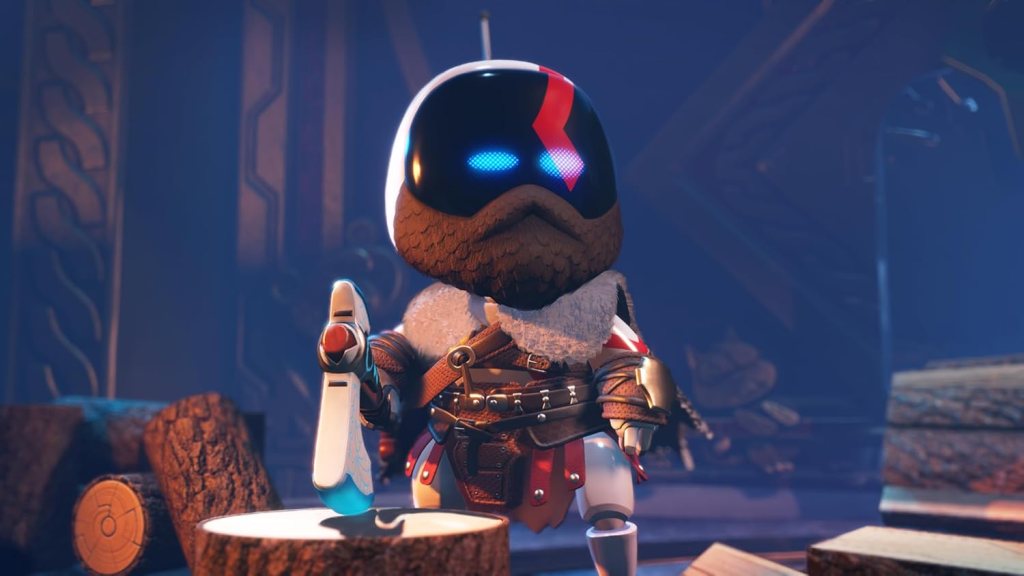
Astro Bot may not be the most innovative game out there, but damn is it fun. The joy I got from exploring its wonderfully detailed levels was reminiscent of playing Super Mario Galaxy as a kid. Every level had some sort of set piece, theme, or unique power-up that had me smiling. And I loved visiting the hub world to try to identify all the robots dressed up as classic Playstation characters. Astro Bot is just wholesome fun. Read my full review here.

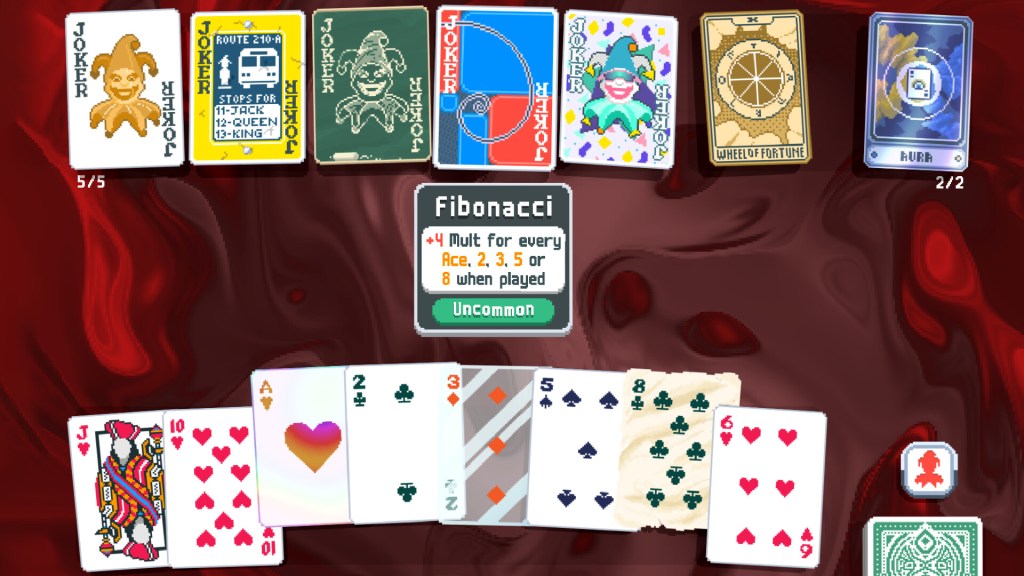
Balatro

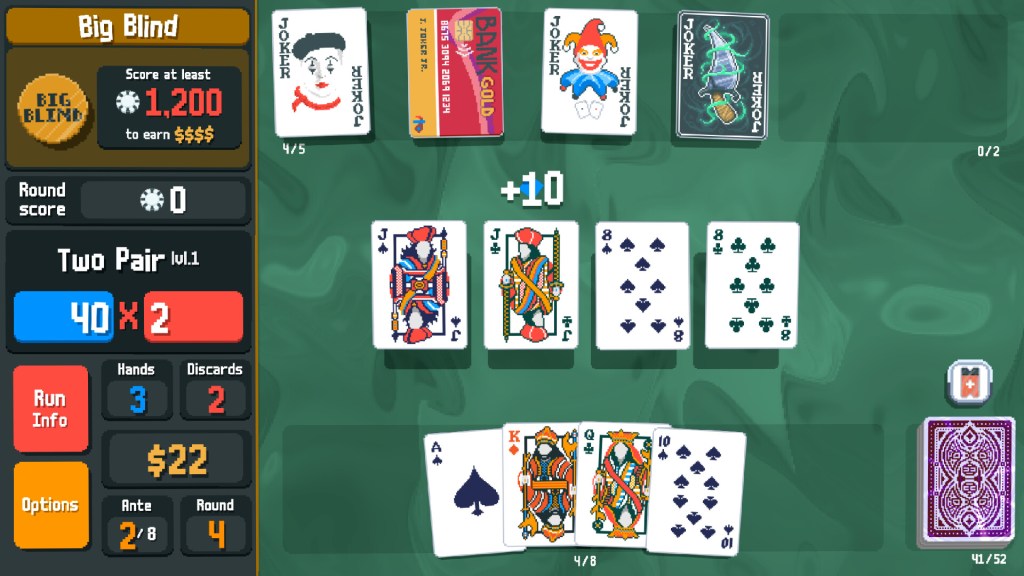
Balatro is the most addicting game on my list. In this roguelite deck-builder you play poker hands to score points. As you progress through a run, you can modify your deck in a multitude of ways. The main way to increase your score is by acquiring jokers which vary wildly in their effects. The sheer randomness of Balatro is what makes it shine. There are so many different ways to build a successful run and every time you play, you’ll think you found a new overpowered combo. Read my full review here.

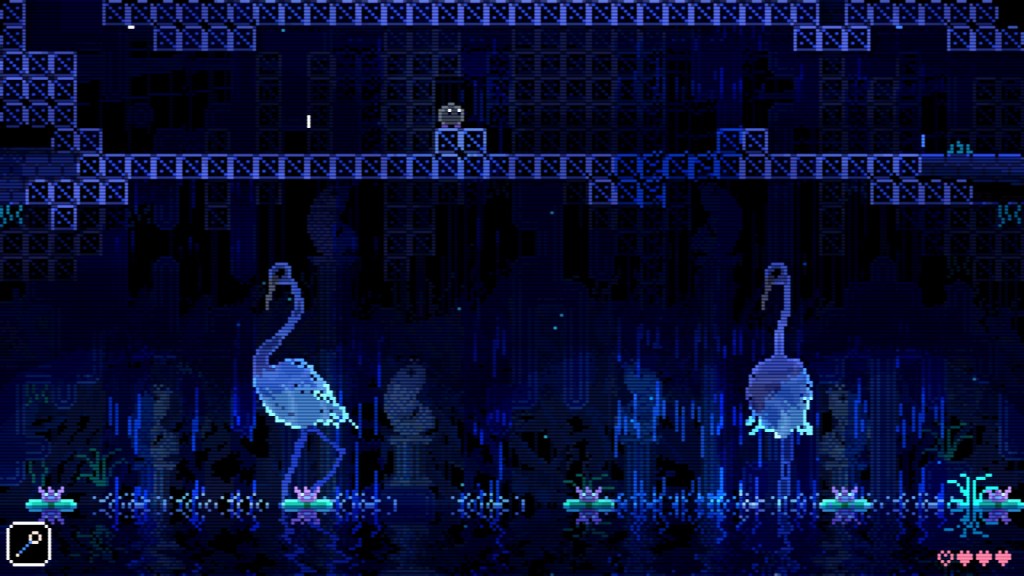
Animal Well

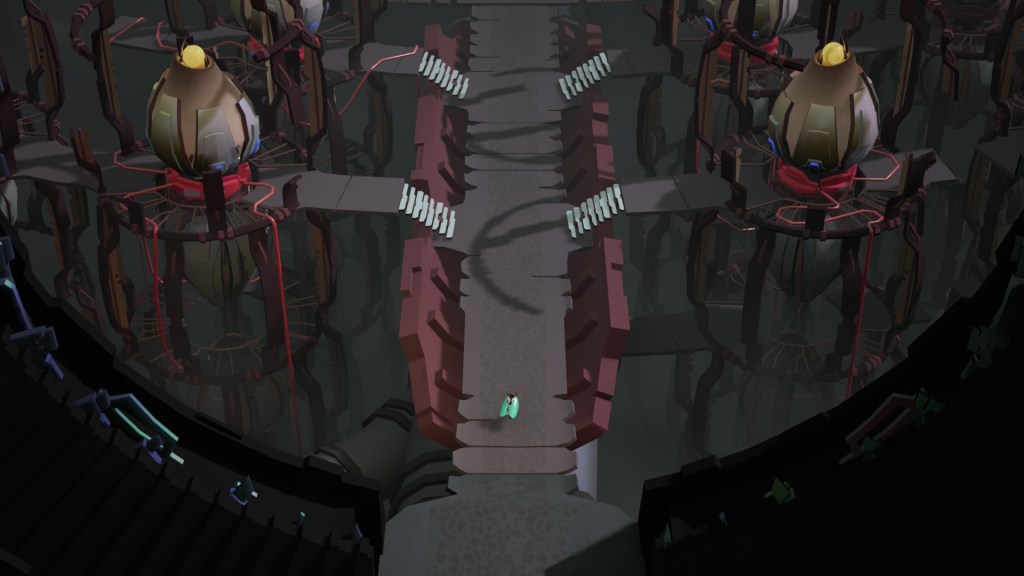
Animal Well is a surreal metroidvania. It’s a labyrinth full of mystery. Figuring out how to explore and interact with the world and the animals was enthralling. Without any guidance, the world is up to you to discover. Secrets upon secrets are layered atop each other, some requiring a dedicated community to unearth. It’s one of the most atmospheric games that I’ve ever played with ethereal visuals and echoey auditory effects. Read my full review here.

Balatro (2024)

Balatro is the video game equivalent of crack. Every aspect of this game makes it hard to put down. It’s easy to spin it up for “one quick round” and look at the clock to realize that hours have passed. Balatro is a roguelite deck-builder that is about playing poker hands to score points, as well as using a variety of modifiers to multiply those points. There’s a wonderful level of random chance that influences every run that influences the player to experiment with all sorts of different builds. Even after spending dozens of hours playing poker hands, I still feel the draw of Balatro to see what kind of strategy I can cook up.

The structure of the game is that you play poker hands to try to accumulate points and surpass a threshold to complete a round. Typically, you get 4 hands to play per round and 3 discards to try to put together higher scoring hands. After each round, you visit the shop to spend money earned on modifying cards to increase your points. The cornerstone of these modifications are the joker cards. You can hold 5 joker cards that vary wildly in the bonuses that they provide. From simple bonuses like multiplying your hand’s score or giving you extra discards, to more specific bonuses like increasing the base chips and multiplication of Aces or Fibonacci numbers. 

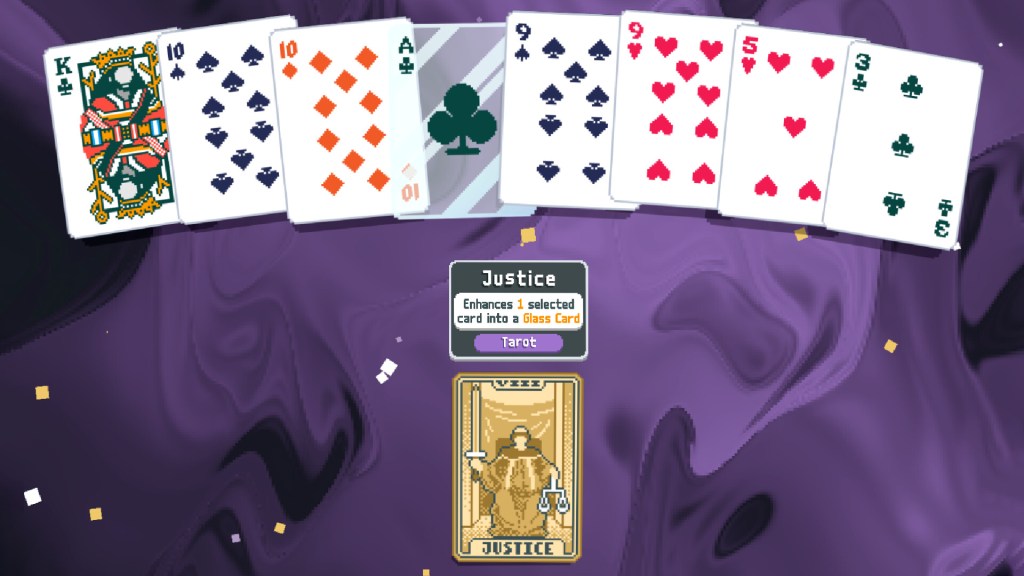
There are so many jokers to stumble on and it is incredibly engaging to try to find the synergies between them. My highest scoring run consisted of a multiplicative joker that increased its multiplier every time a card was added to the deck along with another joker that added a card at the start of every round. This was further enhanced by two of my other jokers that copied the effects of other jokers, leading to a rapidly climbing multiplier. Aside from jokers, there are also planet cards that permanently increase the base point value of certain poker hands. There’re tarot cards that provide a variety of effects from buffing individual cards to giving you more money.

All these options provide a fantastic system for decision making. Every time you visit the shop after a round you have to weigh what bonuses you want and whether or not you want to gamble on booster packs and hope there is something good inside. You want to have a healthy amount of money to earn interest and allow for big purchases later. There’re so many factors at play that you have to consider. Sometimes you have to make short-term purchases just to get you through the next few rounds while hoping you stumble upon better options. The randomness isn’t frustrating, it’s what makes the game so compelling. Every time you get a run going, it feels powerful. Being forced to experiment with whatever the game throws at you leads to incredible moments.

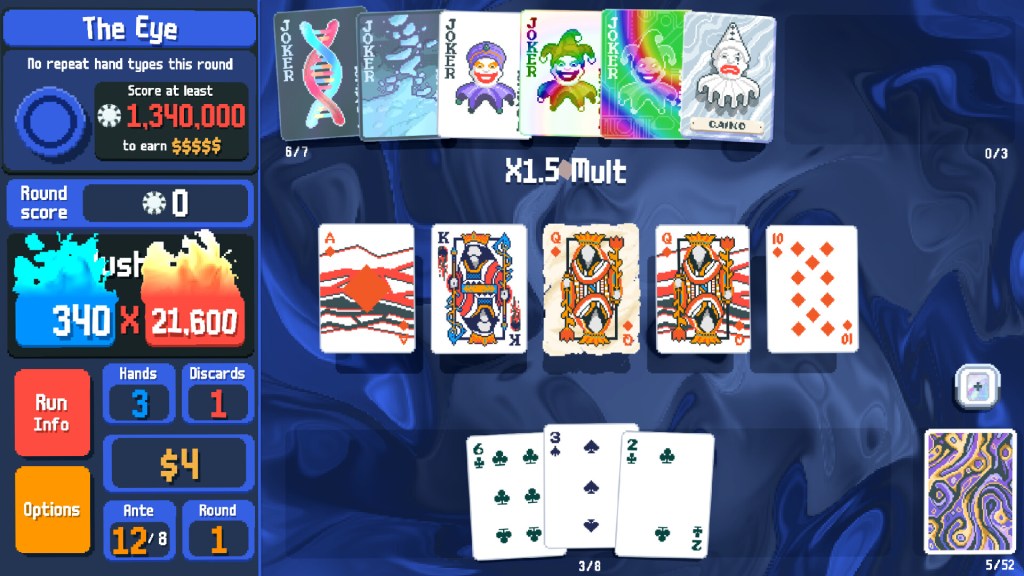
Each run is structured into 8 “antes”, each ante having 3 rounds of increasing point requirements, the last of which being a “boss” with special effects. After completing the 8th ante, there’s an option to continue with your deck in endless mode. Initially, I found myself always going into endless mode to see how far I could take my deck. I discovered that the score requirements quickly begin to scale exponentially, leading to most of my runs sputtering out around ante 11 or 12, no matter how good they were. At first, I was frustrated by this, but I soon realized it is a blessing that the endless mode scales exponentially. At some point, your build is essentially complete so you are just going through the motions every round. Most of the fun decision making happens much earlier in the run, so dragging out the endless mode wouldn’t be enjoyable. And having a concrete goal of completing the 8th ante means you can take short-term risks and attempt non-optimal builds as you don’t need to scale exponentially to win.

The one problem that I have with the gameplay of Balatro is that the early rounds are fairly boring and repetitive. You need to save up money before you can buy anything, so you are often stuck playing high-value hands like flushes and straights to clear the first few rounds. You are at the mercy of the shop to have some decent jokers to get you through ante 2. You don’t have the money to reroll or gamble on booster packs unless you are truly desperate. It’s hard to alleviate this issue without the developer placing a finger on the scale and tipping the odds in the player’s favor early on. My suggestion would be to have the cost of rerolls scale by ante. That way players can actually afford to reroll the shop a few times early on to fish for usable jokers while simultaneously increasing the difficulty in later antes.

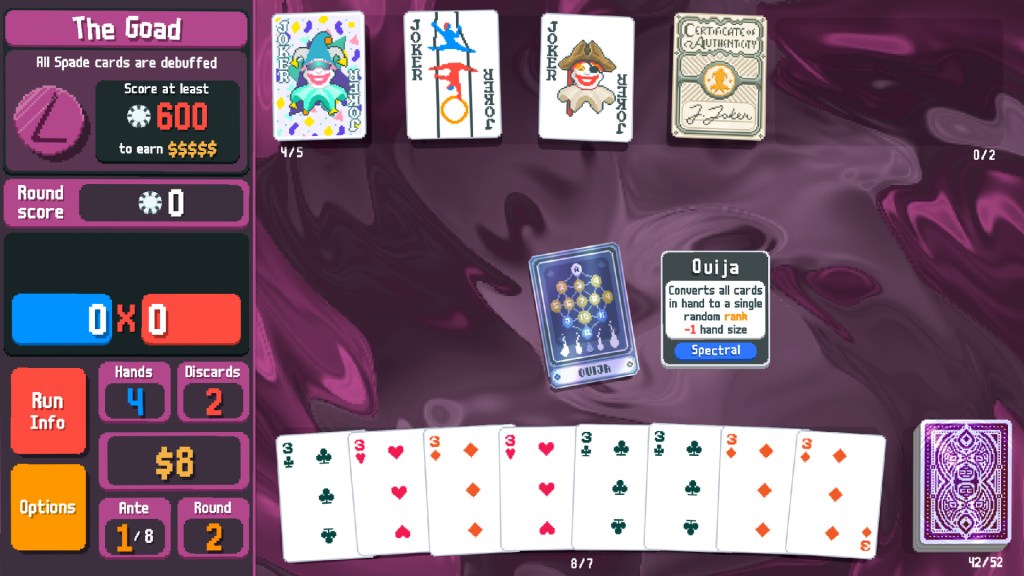
The issue with the early game is only made worse as you turn up the difficulty. There are eight difficulties and over a dozen decks to choose from. I mostly enjoy how the difficulties were designed as they rarely equate to “score more points”. Many of the difficulties add modifications to jokers that make them unsellable, or cost money every turn, or expire after 5 rounds. This adds an additional layer of decision making on which jokers you want to purchase. The problem is that on the highest difficulties you really need everything to go right early on to have a successful run. I don’t think it’s the end of the world because it is still a ton of fun to try to scrape by with suboptimal choices, but I do wish there was something to make the first couple antes more engaging.

Part of what makes Balatro so addicting is its presentation. The game looks great, even on mobile platforms. I love looking at the distinctive design of all the jokers. But the animations and sound effects are really what makes Balatro tick. Watching the game emphasize every card and joker as the score climbs up is addicting. Your deck becomes a Rube Goldberg machine of multiplying bonuses that is fun just to watch unfold. The game cleverly doesn’t tell the player the final point value of the hand they are about to play, leaving the player to watch and wait with bated breath as the score rapidly grows. I particularly love that when a single hand surpasses the total point value necessary for a given round, the score display lights on fire. It’s a really satisfying touch.

It’s hard to explain why Balatro is so addicting, but beware how difficult it is to break free from the grasp of Balatro. The pure variety and allure of creating an overpowered deck fires all the right synapses in my brain. The dopamine of watching the score skyrocket is addicting. There’s so many different decks, difficulties, and challenges that force you to play with all the different options available. It is for these reasons that I give Balatro a 9/10. I would say it’s the perfect game to play a quick run when you have time to spare, but it’s so fun that I’d have a hard time putting it down after a single run. 

Max Payne (2001)

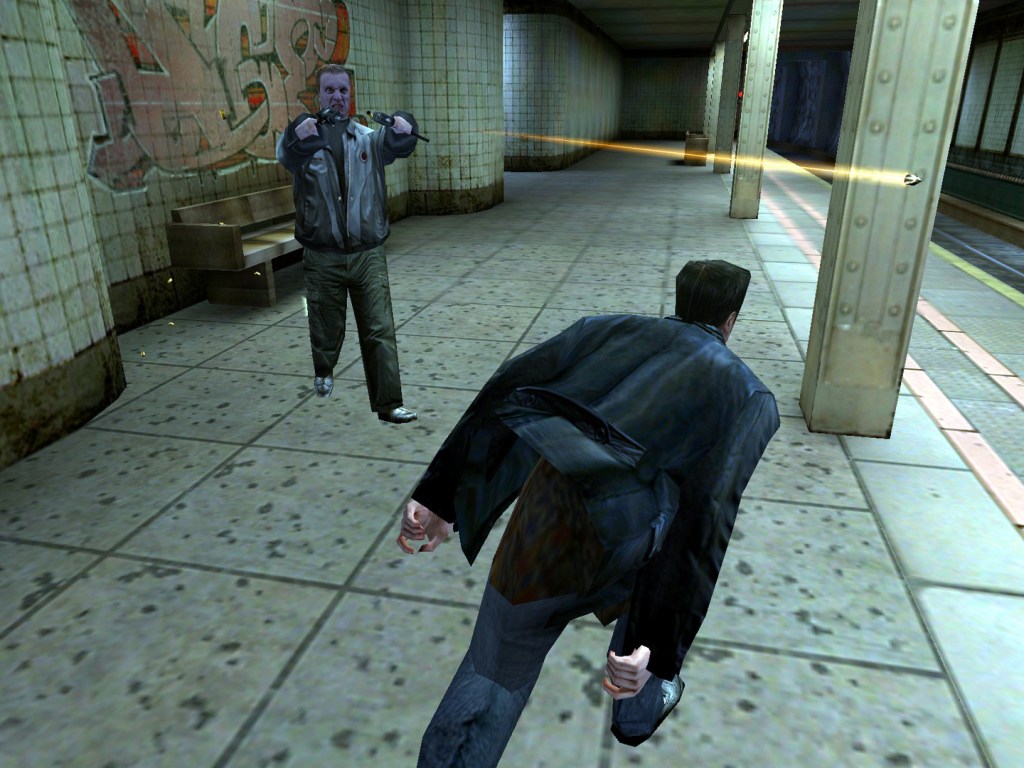
Older games are often rough around the edges, and I was concerned when I needed to download a 3rd-party mod to even run Max Payne. But the little bit of research that I had to do to get the game running was well worth it, because Max Payne is an absolute classic. It’s an old-school FPS that makes you feel like an action movie hero, while simultaneously gripping you in its noir narrative and setting. For its time, it was a technically impressive game that made clever decisions to hide its shortcomings. Despite a few hiccups with the difficulty design, Max Payne is an excellent game, even to this day.

After his wife and infant child were killed by drug addicts in a burglary a couple years ago, Max becomes an undercover DEA agent. He gets a lead on the source of the drug known as Valkyr, a mysterious substance that makes people enter a zombie-like state. Max hunts for the truth during a historic blizzard in New York City. It escalates from mob drug war to full-blown conspiracy as Max spirals in his quest for vengeance.  

As the plot unfolded, layer by layer, I was also impressed by the thematic consistency. The weight of the guilt that Max carries because of the murder of his family turns him into a relentless hunter. He is haunted by hallucinatory dreams where he is the one pulling the trigger during the tragedy. As the blizzard progressively worsens, so does Max’s mental condition and grip with reality. The narrative benefits from its noir styling. Max narrates the events with melodramatic descriptions and the presentation embodies the dreamlike yet brutal characteristics of classic noir films. 

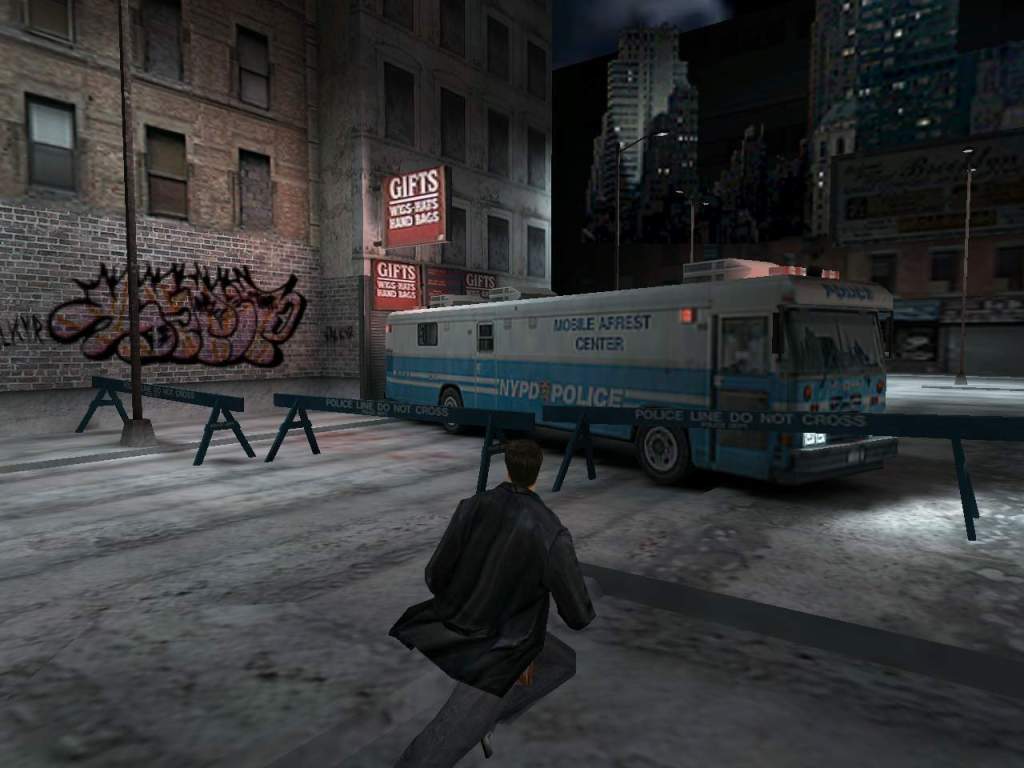
Despite its age, Max Payne visuals hold up remarkably well. 3D graphics were still in their infancy, so the developers decided to forgo cutscenes for comic panels. This was a clever choice because these stylized comics have aged so much better than cutscenes from that era. It also plays wonderfully into the noir theming and surreal elements of the plot. The setting is also quite memorable. New York City in a blizzard is one of my favorite environments to explore. The snow-covered rooftops, empty streets, icy docks, and rundown apartments are wonderfully atmospheric and filled with little details. I quite liked how many of the locations had radios or televisions that gave news updates on the “historic storm”. These little flourishes gave the world more credibility.

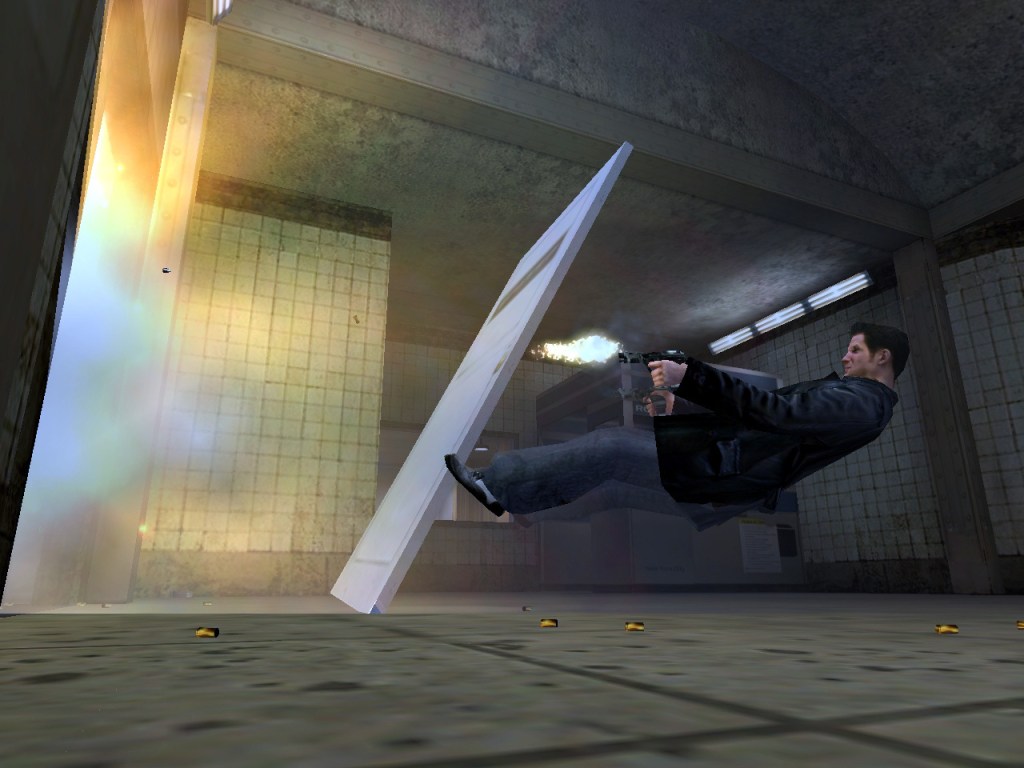
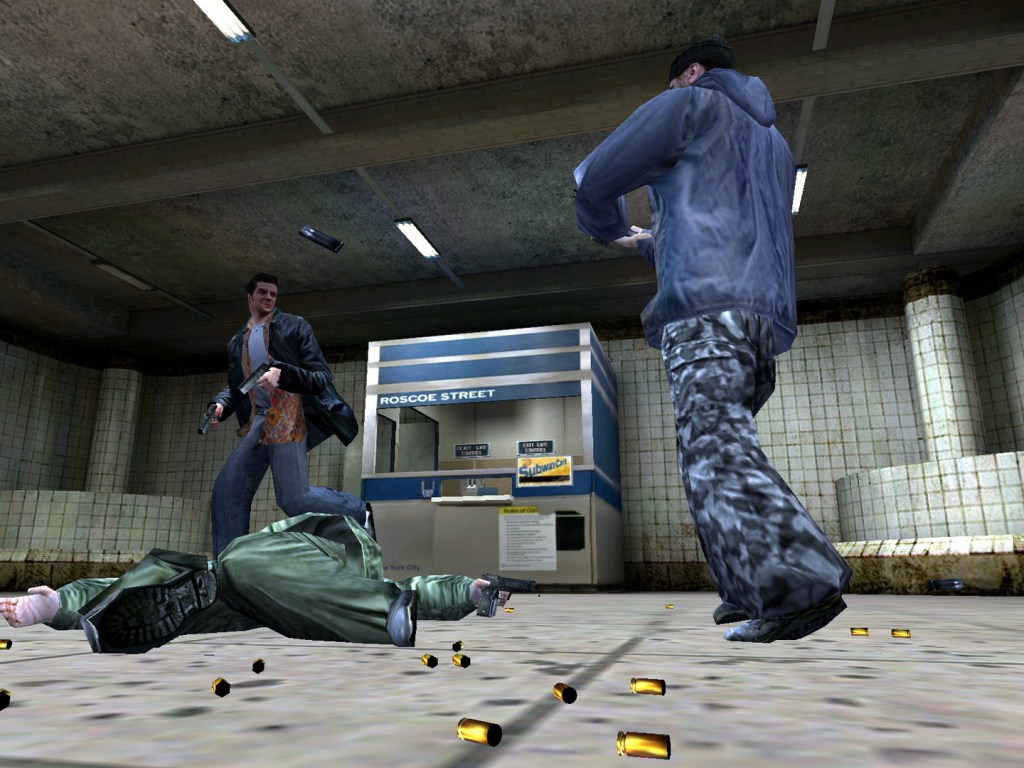
The presentation and story aren’t the only elements that are impressive despite their age, the gameplay also holds up well. It’s a classic FPS, shooting waves of goons as you move from room to room. But what makes it special is the inclusion of bullet time. At the press of a button, you can slow down time to dodge bullets and return fire. You also can quickly roll or dive in all different directions. Combining the dodge with bullet time can make for some cinematic moments as you burst through doors, diving in slow-motion and raining bullets on mobsters. It also adds a layer of fun complexity to otherwise simple gunplay. Bullets have actual velocity rather than instantly doing damage when the trigger is pulled. Staying in motion, utilizing bullet time, and leading your shoots is crucial to success. I found this fast-paced action to be very fun.

My only complaint about the gameplay is the adaptive difficulty implementation. I don’t hate the idea of tuning the difficulty based on how the player is doing, but in Max Payne it can drastically affect the experience. The game adjusts enemy damage, enemy health, player health, and other factors to extreme degrees based on how frequently the player dies. I found if I was doing too well basic enemies would suddenly become superhuman threats. The game flow is dramatically altered when multiple shotgun blasts from point blank can’t fell a single foe, but a single shot from their rifle kills you instantly. Luckily, you can save and reload as frequently as you want, so after a few deaths and reloads the enemies become manageable again. But still, it’s jarring to experience such sharp spikes in difficulty.

I was pleasantly surprised by my time with Max Payne. Every element was well done. The exciting story, the meaningful and thoughtful themes, the memorably moody setting, and the thrilling gameplay were all impressive. Despite the questionable inclusion of adaptive difficulty, I genuinely had a ton of fun with Max Payne. Which is not something I can say for many other games from its era.

Astro Bot (2024)

Astro Bot is a game for people who love gaming. Not only is it a technical marvel, but it lives by the ethos that games should be fun. While I personally love experimental and mature games that toy with inspiring other emotions such as rage or sadness, the unbridled joy that Astro Bot brought me reminded me of playing games as a kid. It’s reminiscent of all-time greats such as Super Mario Galaxy. It’s a modern day classic that I’m already eager to revisit in a few years’ time.

Astro Bot starts with your Playstation-shaped spaceship being destroyed by an alien and having all your robotic allies scattered across the universe. You crash land on a barren planet and have to visit different galaxies and planets to rescue the little bots and repair your spaceship. Each level plays out as a fairly linear course-clear style stage with hidden collectibles scattered about. Astro Bot clearly takes inspiration from Super Mario Galaxy with its approach to level design and reliance on interesting power-ups.

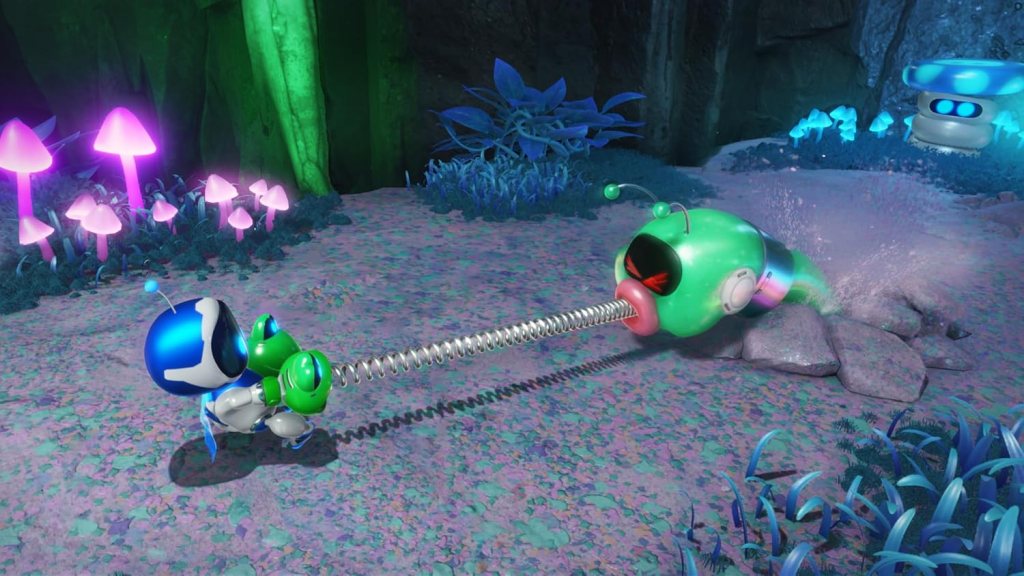
Most levels are a straightforward 3D platforming affair, but there is almost always a power-up or gimmick to keep things fresh. My favorites include the mouse backpack that lets you shrink and explore the nooks and crannies of the level, goggles that let you briefly slow time to avoid speedy obstacles, and a chicken jetpack that blasts you skyward at dizzying speeds. There’s a ridiculous amount of creativity on display in the levels. Each one is like a giant set piece with fantastic theming and spectacle. Whether it’s freeing chained-up starfish, jumping into the mouth of a giant singing tree, or hunting for treasure in sandy villages and stumbling on a Djinn in a lamp, Astro Bot is absolutely brimming with memorable ideas and I don’t want to spoil too many surprises.

Not only are the levels filled with spectacle, but there is also an unparalleled attention to detail. The developers had a penchant for showing off the physics on tiny objects. Levels are filled with things like acorns, confetti, gems, bolts, and other objects that move seamlessly as you wade through them or forcefully launch them. The game also frequently has destructible environments and set pieces that show off the sophisticated physics. The sound effects as you move about on different surfaces is sublime. Astro Bot makes fantastic use of the PS5 controller’s haptic and audio feedback to really immerse the player. The rain effect in particular is very slick. 

I love collectathons and games with a good hub world, and Astro Bot combines those aspects brilliantly. As you play levels you will be rescuing little robots who will come back to the initially barren crash site. Many of these bots are cameos from classic Playstation games, but they don’t feel like cheap references. Many of the references are fairly obscure and even I had trouble recognizing some of them. But aside from the referential costumes every character has their own comedic blurb that makes it seem like the developers of Astro Bot actually played these games and aren’t using them as cheap references. Furthermore, you can spend coins you collect to acquire accessories for the bots. For example, you can get a cardboard box for the Solid Snake bot to hide underneath. I quite enjoyed walking around the hub world and taking in the characters and scenes from Playstation’s past. It feels like a love letter to gaming.

The one fault I have with Astro Bot is perhaps not a fair one. Because comparing any game to Super Mario is putting it up against the best of the best. But Astro Bot is clearly Playstation’s version of Super Mario, so the comparison is necessary. The main character, Astro, doesn’t have nearly the same movement complexity that Mario has. Astro can run, jump, punch, spin, and briefly hover using lasers. But it doesn’t feel like there is anything to master. I remember playing Super Mario Sunshine a bunch as a kid and trying to master my control on momentum to backflip, wall jump, and hover up to ledges that seemed out of reach. Mario’s moveset is far more complex and the reliance on momentum allows for more mastery for advanced players.

While the movement is simpler, I do think the game benefits from Astro’s fragility. Getting hit once will reset you back to the latest checkpoint. The level design and simple movement lend themselves to a fairly laid-back experience, but you still have to be careful. The game is fairly easy, but it has an edge because a single mistake means death. There are some challenge levels and gauntlets that are decently difficult. Overall, I think the difficulty was tuned quite well for being a family-friendly platformer. 

While playing Astro Bot I really didn’t want the experience to end. It’s an absolute joyous adventure that celebrates gaming and the philosophy that games should be fun first and foremost. While Sony has recently focused on more mature storytelling games, I hope Astro Bot signals that there is still a space for polished platformers and collectathons. The variety of levels, attention to detail, spectacular power-ups, and love for older titles makes this a game nobody should miss out on playing. It is for these reasons that I give Astro Bot a 9.5/10. There’s no doubt in my mind that Astro Bot is a modern classic. 

Metro Exodus (2019)

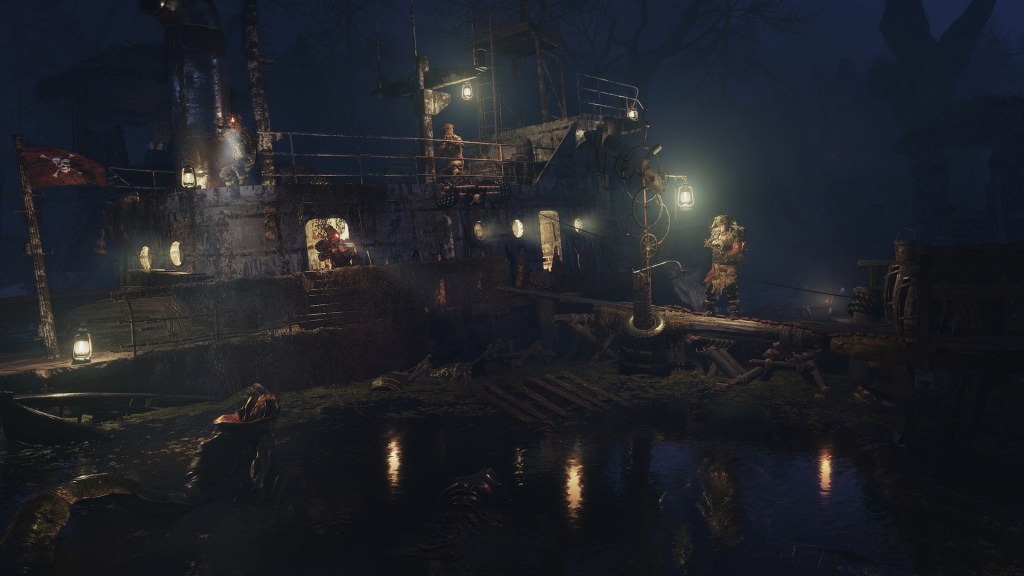
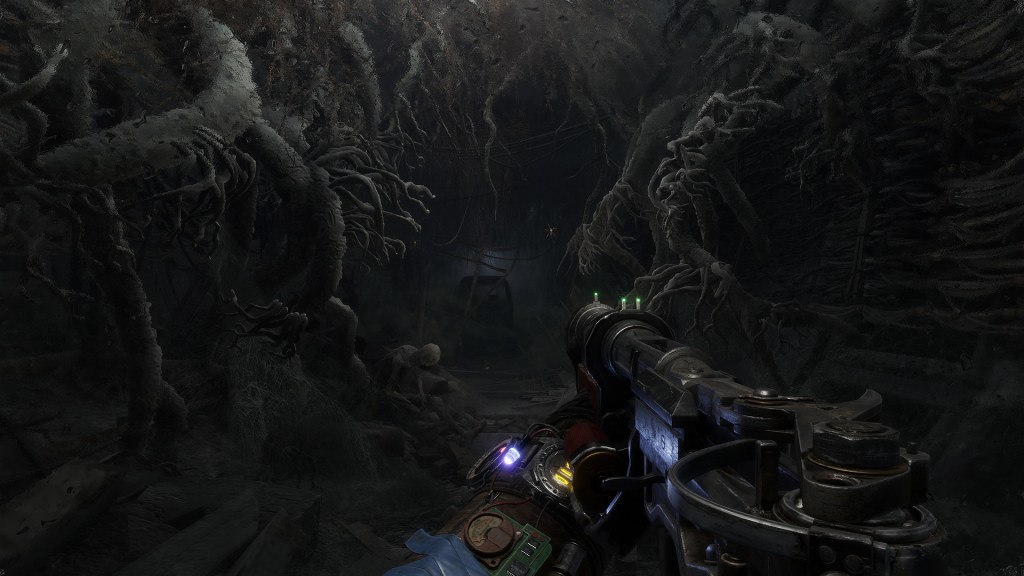
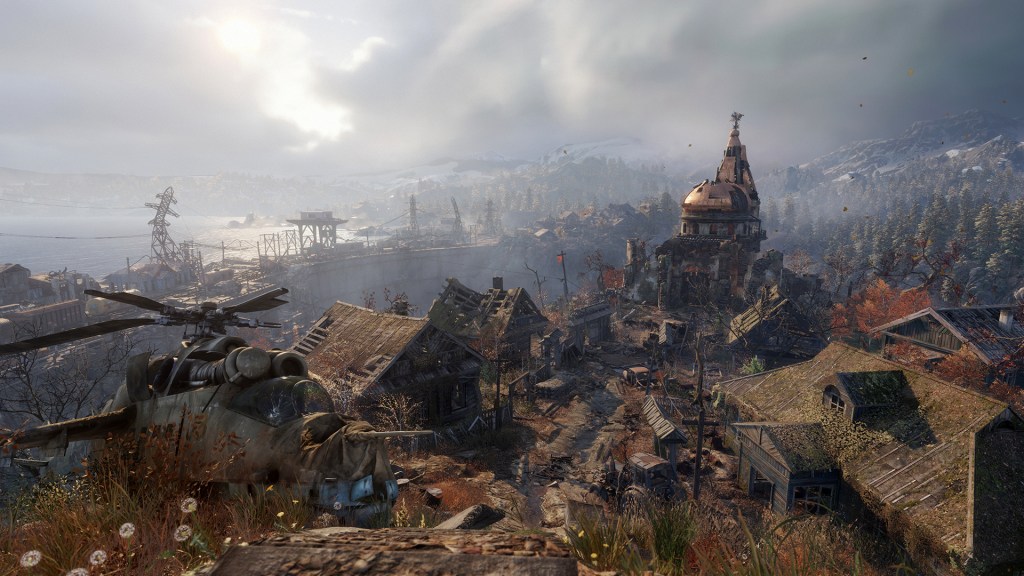
Immersion. That’s what the Metro series is about. Making the player feel like they are in the underground tunnels under a post-nuclear-war Moscow. I was concerned, but also excited, when I learned that Metro Exodus would take us to the surface and open up the world. Despite seeming overly ambitious, the developers delivered on a world just as detailed and immersive as its predecessors. But despite their success in world building and immersion, I felt that the gameplay and story could be very rough and unrefined. As a fan of immersive games, I wanted to fall in love with Metro Exodus, but I just couldn’t.

I almost immediately dropped Metro Exodus while playing through its first chapter. I stuck with it because I wanted to complete the series and I wanted to give the game a chance. I’m glad I did because the beginning of the game is not at all reflected in the rest of the game. The game starts in the tunnels of Moscow with our main character Artyom on a quest to find proof of life outside of Moscow. This chapter is filled with a ton of dialogue and slow-paced gameplay as you crawl or slowly walk along restrictive paths. Action is constantly interrupted and control is wrested away from the player to play cutscenes and hear more blathering. To make matters worse, despite the focus on narrative storytelling in this chapter, the story feels incredibly rushed. Artyom discovering the train and the radio station feels like a massive coincidence and plot contrivance and feels ridiculous. Tutorials and opening chapters are often poorly done in games, but this chapter in Metro Exodus was particularly awful.

Luckily, the game’s best chapter immediately redeems the awful introduction. Artyom and crew leave Moscow by train and arrive in the tundra area known as Volga. This is an open area with freedom to explore as you please. It’s an incredibly detailed area with a ton of side stories to naturally discover. You deal with a church of extremists who believe that all technology is evil, bandits who enslave prisoners, and of course radioactive creatures. What makes Metro Exodus excel here is its immersion.

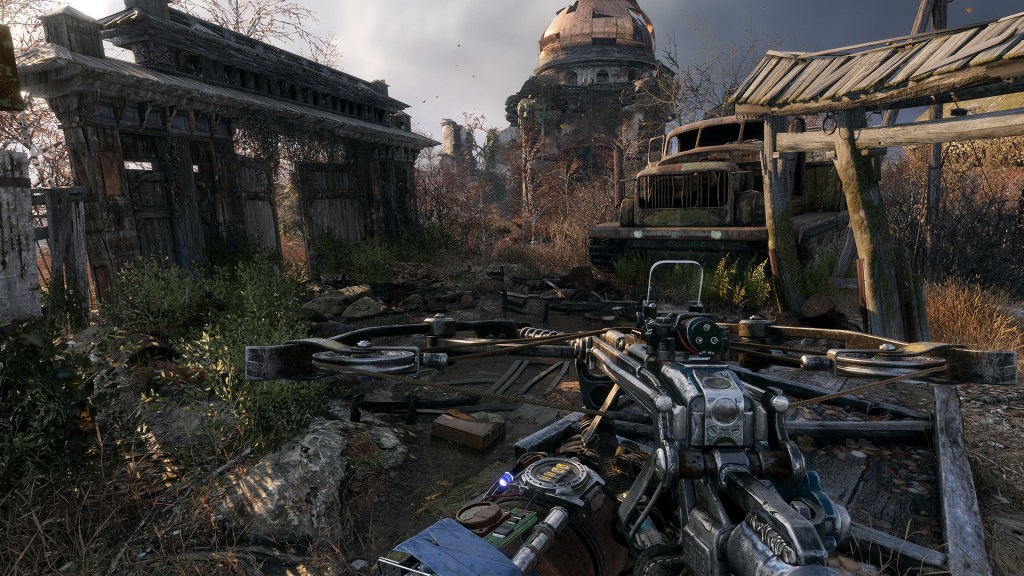
The game takes great strides to immerse the player in its world. The UI is minimalist so you are always looking at the world rather than a mini-map or objective marker. The map and your goals are printed on a clipboard that you can pull out. The compass is physically attached to Artyom’s wrist rather than being a UI component. Movement is purposefully sluggish; this isn’t a fast-paced arcade shooter and you aren’t superhuman. When entering radioactive areas, you need to wear a mask and constantly replace its filters. The mask can also get muddied or cracked and need to be cleaned and repaired. Ammunition, filters, and medical supplies are fairly scarce so you are discouraged from wasting any supplies. A single bad encounter can leave you without resources.

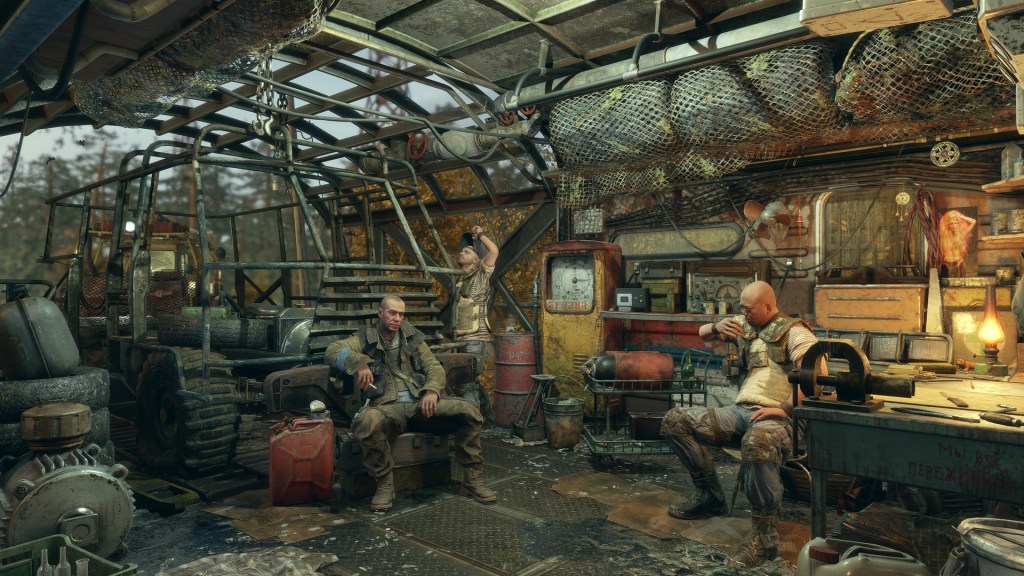
The dedication to making the game so immersive is what makes Metro Exodus enthralling. Trudging across the tundra without surplus health kits or ammunition leads to careful and thoughtful gameplay. Even basic encounters are tense as they could massively drain your resources. The relief that I felt whenever I would come across a safe house was massive. These little shacks are peppered throughout the world and they provided me with a sense of safety with their warm light and respite from the harsh world. Taking a few minutes to sit in the warmth, replenish my supplies, and listen to an audio log while in these shanties were some of my favorite moments in the game. While the areas following Volga don’t quite reach its heights, I do think they are varied and have interesting twists on the formula.

Outside of its immersive elements, I was a little let down by Metro Exodus. The gameplay and story have some significant issues that I found it difficult to look past. It’s ok that the gameplay was basic, I wasn’t looking for a fast-paced DOOM style shooter. The guns feel impactful and shoot-outs can be wonderfully tense because of the implications on your pool of resources. But it’s not ok that the gameplay is just… boring. I found that shoot-outs were few and far between because the game discourages you from killing human combatants. Humans also had poor AI that waffled between standing in the open to be killed and having superhuman accuracy that can shoot you through walls from a mile away. And non-human enemy encounters are repetitive and feel a bit janky.

The thing is that Metro Exodus, through various means, encourages the player to play stealthily. Because of the emphasis on resource management, it feels risky to get yourself into direct combat. Why waste bullets and health kits when you can just sneak around and avoid combat altogether? I don’t hate stealth in video games. It’s fine to supplement other systems and it can be very fun on its own like in series such as Metal Gear Solid and Dishonored. But stealth in Metro Exodus is barebones. It boils down to sneaking from cover to cover as enemies look the other way. There are never any new tools introduced other than the decoys you have access to from the very beginning of the game. If you want to avoid combat, be prepared to spend a long time slowly walking.

I think stealth could’ve been more interesting without even needing to introduce new features. Trying to sneak around but getting caught and having to rely on shooting your way out could be a fun gameplay loop. The more enemies you avoid, the more resources you save. But there would still be intense and chaotic gun fights if you got caught. But the moral system in Metro Exodus discourages you from getting caught at all. If you want to get the “good” ending in every area and the finale of the game then it’s incredibly risky to kill any enemies. I didn’t know which enemies are ok to kill without repercussions without looking it up online, so I just avoided killing anyone that I didn’t have to. This encourages a lot of reloading of saves whenever you get spotted. Not only is this boring, but it’s immersion breaking.

Maybe it’s entirely my fault that I would reload saves to prevent myself from having to shoot enemies. Maybe I should’ve just let the game play out and got into more shoot-outs. It probably would’ve been more fun. But the game actively punishes the player with dire story consequences if they kill anybody. At the very least, the morality system in Metro Exodus is much less obtuse than its predecessors, making it easier to get “good” outcomes in each area. But still, I felt like the game is discouraging the player to play naturally. 

I quite liked the general direction of the story and how it weaves its narrative into each of the major areas. The game focuses on themes of guilt and morality and what humanity will do if nobody is watching. Some groups blame technology and things they don’t understand for the apocalypse. Some groups take advantage of others and utilize slavery to get ahead. Some groups form childish tribes and treat the world like high school cliques because they never grew up. Society has to relearn morality. It’s a fantastically thought-out world with complexity and depth to it, but the story itself fell flat for me. Metro Exodus has a serviceable story that is severely hampered by two major blunders: Artyom being a voiceless protagonist, and the voice acting in general.

I understand the desire to have Artyom be a stand-in for the player and their decisions. But having Artyom be silent for the entire game leads to many stifled interactions that feel unnatural. Characters talk at you and have pauses where Artyom would respond if he could. I frequently found myself zoning out as characters would monologue for upwards of 10 minutes. These conversations were meant to be 2-way, and would be much more interesting to listen to if Artyom could actually speak for himself. The Witcher series showed us over a decade ago that the player could make moral choices for the main character even if the main character also speaks for themself.

The bigger issue I had with the story is the quality of the voice acting. Nothing pulled me out of the moment more than comically over-the-top Russian accents. At times the characters’ accents feel like a parody. There’s also plenty of awkward pauses leading to disjointed conversations. I also have a suspicion that dialogue lines were recorded 1-by-1 and stitched together because many lines have disconnected delivery from the previous line. I also had issues with bits of dialogue playing over each other making it difficult to parse what any of the characters were saying. I really don’t know what happened here but I was regularly distracted by all these issues with voice acting and scripting. It’s a massive shame because Metro Exodus has an interesting premise. Moreover, when immersion is the game’s key aspect it is unfortunate that the quality of voice acting regularly broke my immersion.

I wanted to like Metro Exodus more than I did. I love games that can truly immerse the player in their worlds. And Metro Exodus does put in a ton of effort to fill its world with details and it’s clearly designed to engross the player through minimalist UI and dangerous environments. But the underwhelming gameplay, stiff morality system, and poorly executed story left me disappointed in Metro Exodus. I hope other studios take inspiration from the immersive aspects of Metro Exodus as the poor execution of the concept left me wanting something more.

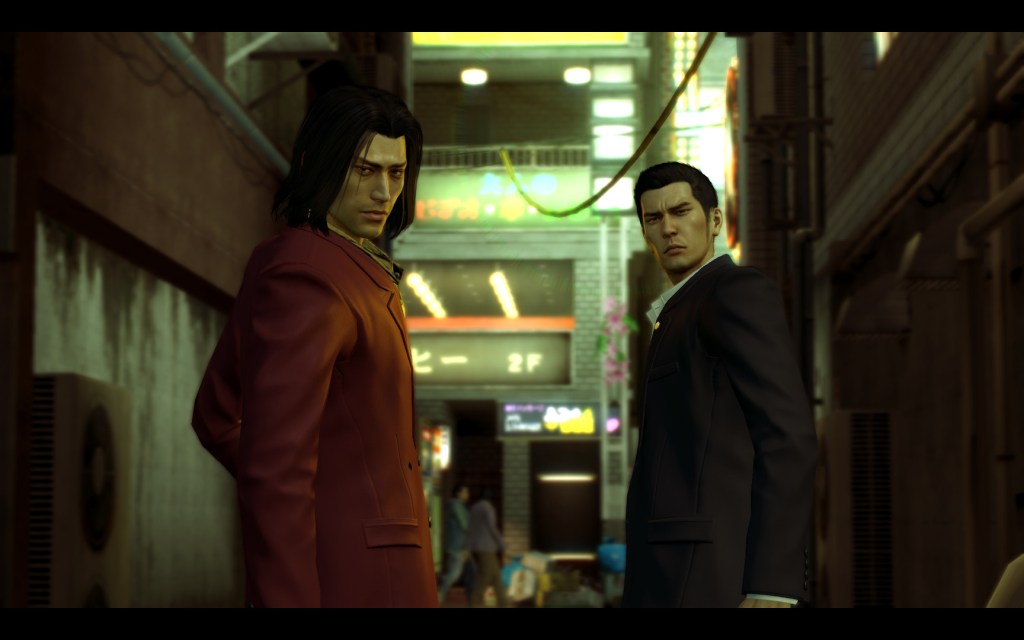
Yakuza 0 (2015)

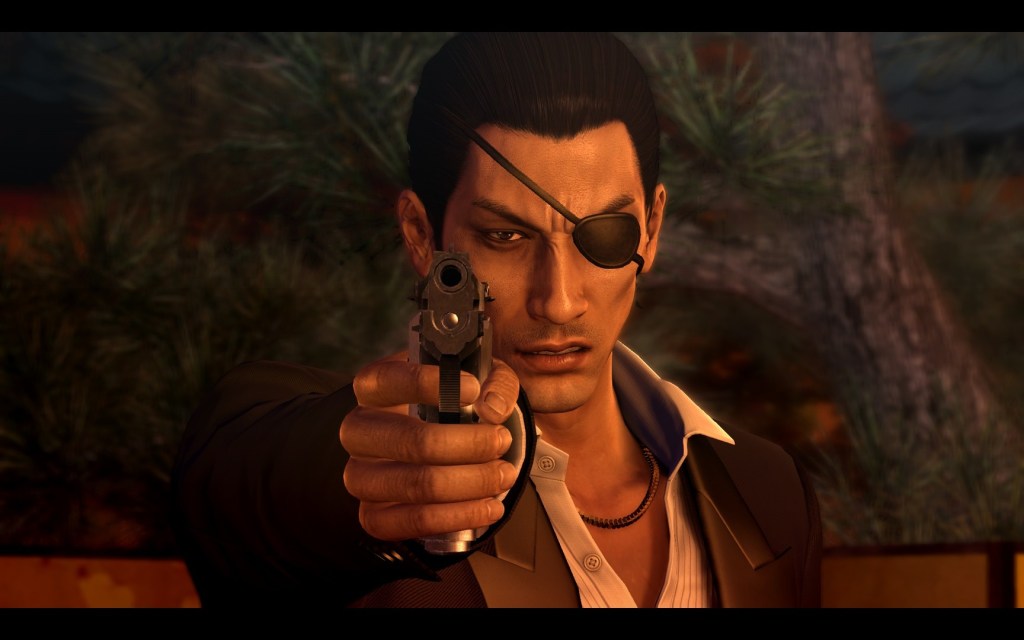
I’ve put off playing the Yakuza series for years because of its reputation of having a ton of side content. Most people see this as an inherent positive, but as I’ve gotten older, I have less time to game. I appreciate shorter, tighter experiences that trim the fat and only leave the good parts. When I see a game averages 50+ hours to complete, it feels daunting. Most of these behemoth open world games are padded out with repetitive quests and meaningless filler. But this is not the case in Yakuza 0. Indeed, Yakuza 0 is a lengthy game with a ton of side quests and minigames, but these distractions perfectly supplement the serious crime drama that is the main story.

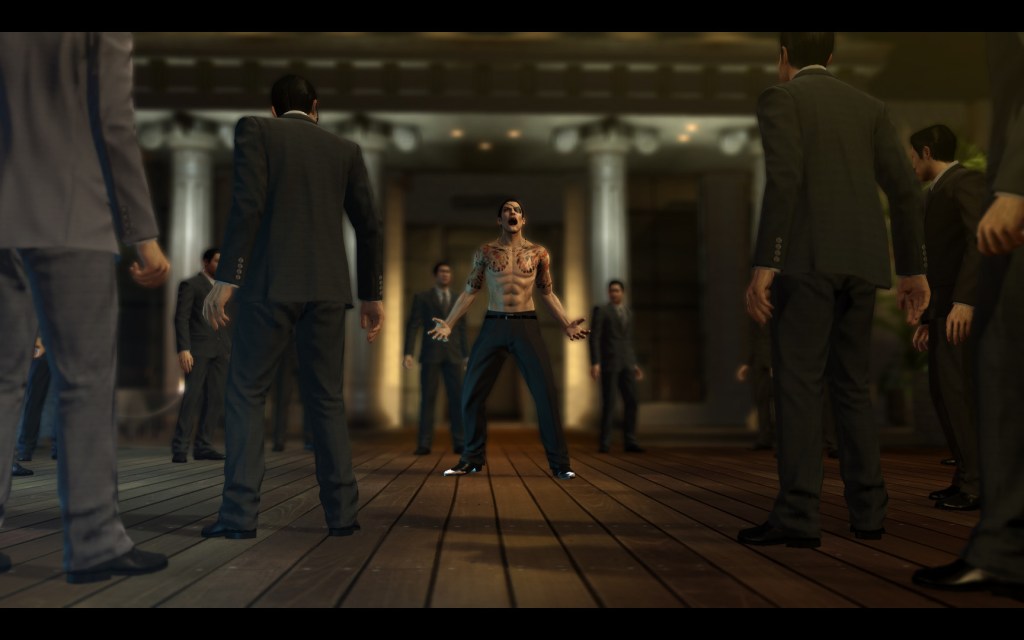
Yakuza 0 is a game about the seedy underworld of Japan’s entertainment districts. You follow two protagonists who have both been expelled from their crime families for different reasons. Kazuma Kiryu is seeking to clear his name after being framed for murder and uncovers a proxy war between factions vying over a small piece of real estate worth billions of Yen. Goro Majima will do whatever it takes to be accepted back into his organization after disobeying a superior, even if it means humiliating himself as a pawn for his keepers. 

What I appreciated most about the story was how it took time to establish its characters and make me care about them. Usually, I’m not a fan of long cutscenes or expositions, but nobody will be able to forget Majima’s 20-minute-long introduction. The characters have their own ideals, goals, friendships, and limits to what they are willing to do. The protagonists are lowly grunts who are relentlessly bullied by their higher ups, but withstand the brutality to do what they believe is right. The slow burn of character building and drama is what makes the story so compelling. And while it may be a little over the top at times, the organizations and drama feels entirely believable. Long cutscenes where family Lieutenants chat in an office and subtly make ploys to outplay each other for a 10ft-by-10ft piece of unoccupied real estate feels like something that is scarily plausible. 

A good slow burn needs a satisfying payoff to make the players feel like the time they invested was worth it, and Yakuza 0 makes sure to have a ton of payoffs. The story is split into chapters, and every couple of chapters there is a massive story moment paired with amazing action sequences and set pieces. Sure, some of these action sequences can be a little silly and over-the-top, but they are fun and the game earned the right to get a tad carried away. However, I was a little disappointed with how frequently the game pulled its punches. There are definitely severe, often fatal consequences for characters, but there are also a ton of fake-out deaths and miraculously healing bullet wounds. A character unexpectedly surviving is fine, but not when it happens 5 times through the course of the game.

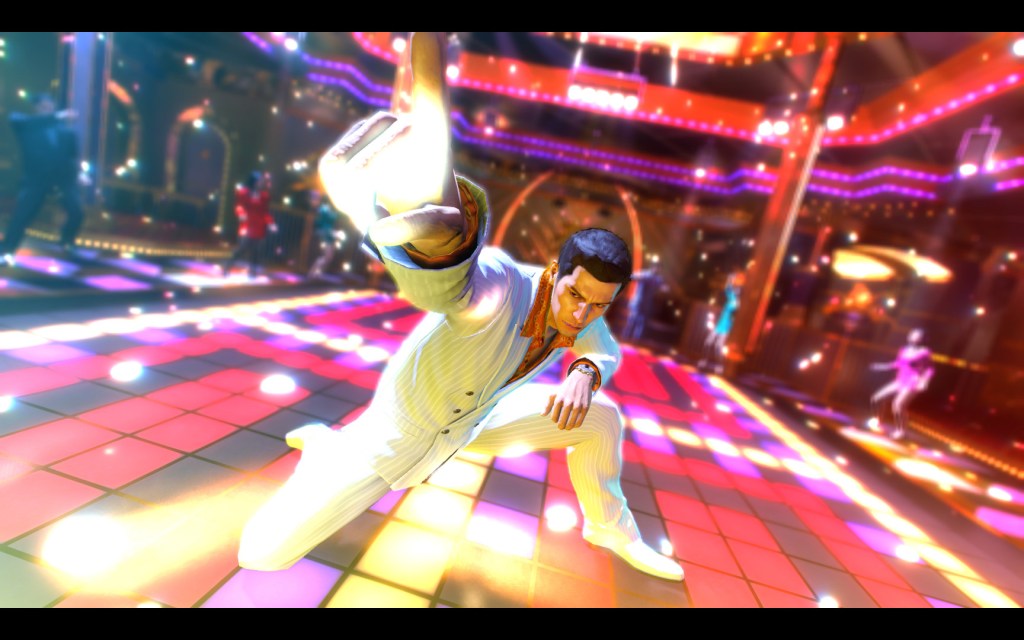
What really makes the Yakuza series unique is its ability to supplement its dark and violent crime drama story with ridiculously goofy side content. One moment you’ll be fighting through a building full of grunts for your life, have a man chop off his finger in front of you, and walk dejected through the bustling streets of Tokyo and the next moment you’ll be singing karaoke and having a dance battle with Michael Jackson. There are a ton of minigames and side quests to get distracted by, and there’s a few reasons why I love the side content in this game. The main reason is that it’s almost always hilarious. Like teaching a professional dominatrix how to humiliate her customer, or bowling a turkey and finding out your prize is a live chicken that you keep and turn into a manager at your real estate firm. All of the side quests are so silly and ultimately wholesome that it balances out the brutality of the main story. 

The other reasons why I like the side content in Yakuza 0 all have to do with how unintrusive the side content is. First and foremost, while Yakuza 0 is an open world game, the map is incredibly dense. You can run a loop around the entire thing in maybe 5 minutes. This makes it so you don’t have to go out of your way to hunt down quests, you just naturally stumble upon them. Side quests are also typically very short. You can complete most of them in 10-15 minutes. They are good for a quick distraction and laugh, and you don’t have to commit hours to see one through to the end. Lastly, they typically don’t have many material rewards. You may get a small trinket or piece of gear, but most of the time the reward is inconsequential. I like this approach for Yakuza 0 as you never feel obligated to engage with side content, you only should do it if you feel like it.

All that being said, the biggest side quests in the game are the antithesis to all these observations. Each character runs a business, and engaging in those quest lines is the best way to make money in the game. Furthermore, doing these quests unlocks additional abilities in combat and a secret fighting style if you complete them entirely. This makes it feel necessary to spend time on these quests. The worst offender is the real estate business that Kiryu runs. It’s a huge time sink that consists of investing money in properties, waiting 15 minutes to collect payouts, and then immediately reinvesting that money to buy more properties. It’s a massive investment of time to complete this. Majima fares a little better here because he runs a cabaret club which at least consists of a short mini-game of running the club. It’s more engaging and less time-consuming, but both of these quest lines were fairly boring, extremely long, and felt necessary if you wanted cash or to unlock new combat abilities.

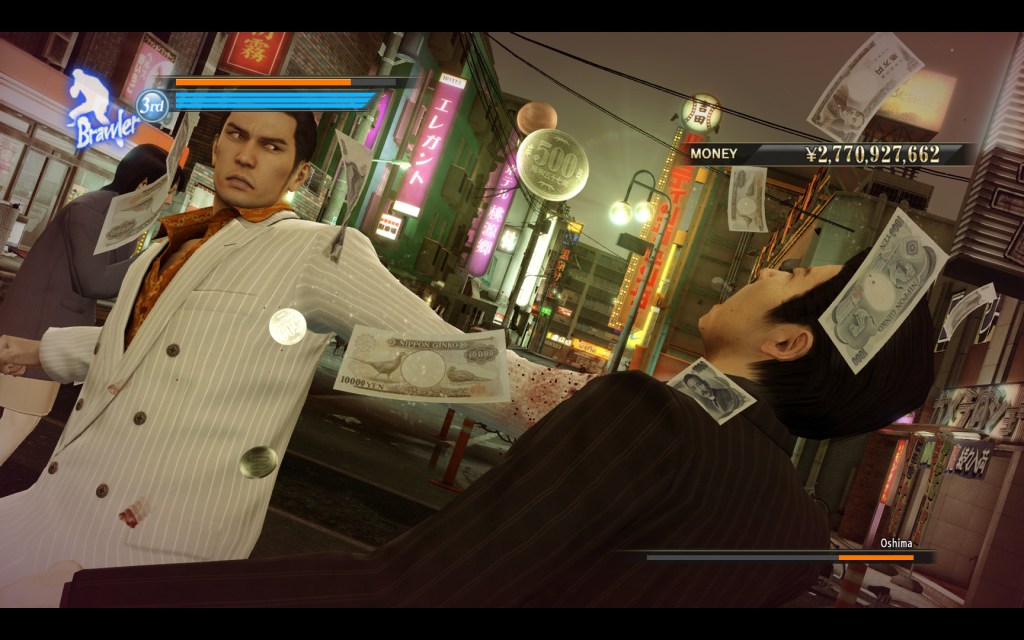
Combat in Yakuza 0 is solid, but it’s not the main appeal of the game. It’s a fairly simplistic beat em’ up action game with a handful of style variations. You have light attacks, heavy attacks, and guard breakers. Combos consist of 1-4 light attacks followed by a heavy attack. Each style has its own niche that can be fun to figure out and mess around with. The most enjoyable aspect of the combat is the context. Your opponents are often the scummiest men in the Yakuza who taunt, torture, and disrespect you. It was immensely satisfying to unleash some powerful combos on them. Moreover, attacks feel weighty as they stun enemies and knock them to the floor. You also build up a heat gauge which can be utilized on heat-attacks that do a ton of damage. I wouldn’t say the combat is amazing or revolutionary, but it is definitely fun.

Aside from combat, the other main bit of gameplay in Yakuza 0 is mini-games. Most mini-games aren’t even related to the main quest or numerous side quests, they just exist for the player to discover. While I didn’t spend a ton of time playing Mahjong or Shogi, I did become an expert at the various karaoke and dance songs. There’s also bowling, batting cages, various gambling games, toy car racing, a few arcade games, and of course fishing. They’re all simple enough to get the hang of quickly and serve as a nice distraction from the intensity of the main story.

Open world games often grow repetitive and outlast their welcome, but I didn’t feel that way about Yakuza 0. The map was so dense with mini-games, side quests, and main content that it never felt bloated with unused space. The rollercoaster of the deadly serious story about organized crime and the outrageously goofy side content is something that is entirely unique to Yakuza, and I loved it. I’m upset that I’ve waited so long to jump into this series, and Yakuza 0 has me wanting to play the rest of the games as soon as possible.

Cocoon (2023)

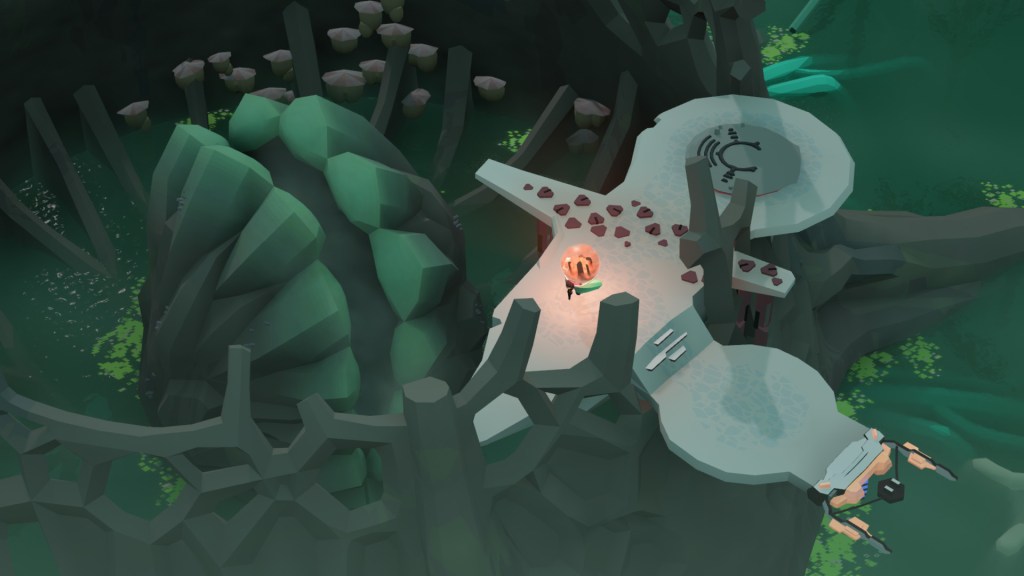
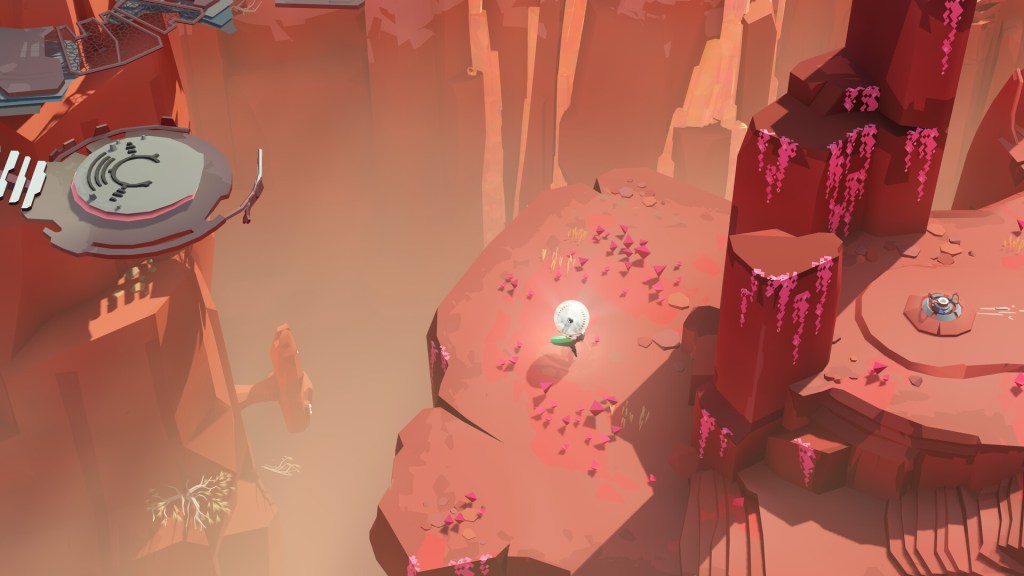
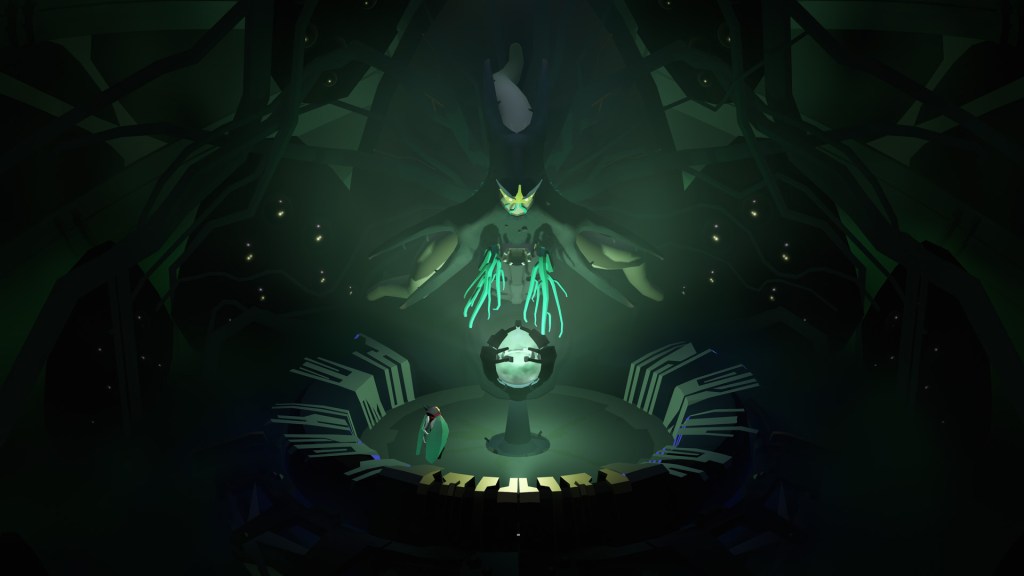
Cocoon is unlike any other puzzle game that I’ve played. It revolves around the brilliant idea of portable worlds that you can jump in and out of. Worlds reside within other worlds, and you can carry them around as if they were just trinkets. It’s a Russian doll of realities that you traverse through. But it manages to reign in the difficulty and makes its puzzles approachable. There’s a sense of Zen as you solve mind-bending puzzles and take in the magnificently alien world of Cocoon.

The main idea of Cocoon is that the player can dive in and out of these world-like orbs. You carry them around, using them to power machinery and progress forward. You solve a puzzle in one orb which lets you do something in a different orb which lets you exit the orb that contains them both. Each orb additionally has some power to use in puzzles as you carry it. Puzzles often have you jump in and out of worlds, carrying the orbs around and utilizing their properties to bypass obstacles. The world within a world within a world within a world nature of the orbs can be rearranged and reformed to fit your needs. It may sound confusing but Cocoon is intelligently designed to minimize frustration and confusion. 

An interesting technique of puzzle design that Cocoon utilized was explicitly cutting off the player from backtracking once they encountered a new puzzle, so long as they had the required materials to progress. This minimizes the common confusion of spending a while staring at a puzzle and thinking you are missing something to proceed. Stopping you from going backwards is the game’s method of telling the player that the puzzle is solvable. It greatly reduces the frustration of backtracking or spending time messing with previous elements that have no bearing on the current puzzle.

I found that the puzzles of Cocoon were never too challenging. This is in part because the game stops you from getting too far off track, but it’s mostly because the puzzle design is fairly simple. Despite the mind-bending world-hopping mechanic of Cocoon, the game rarely requires an intricate series of steps to progress. Often, a puzzle will introduce a new idea that highlights the game’s underlying mechanics. It begs the player to tinker around and experiment with how nesting worlds like a Russian doll could be used to solve its puzzles. There’s a lot of potential for some truly difficult puzzles, but Cocoon holds back on purpose.

If you love games that fully explore their main mechanics, Cocoon may not be what you are looking for. Instead, Cocoon focuses on letting the player progress and discover its world and mysteries without being hindered too much. There is still a sense of accomplishment and Cocoon does make you feel intelligent due to the innate complexity of its core mechanic. I love immensely difficult puzzle games like Baba is You and Stephen’s Sausage Roll. They squeeze every drop of creativity out of their central mechanics, asking the player to use everything they’ve learned in an intricate series of steps. Cocoon isn’t that. And that’s ok. Personally, I would’ve loved to see a few trickier puzzles along the way, but Cocoon has other things going for it.

I loved the art and environmental design of Cocoon. You traverse a handful of different alien worlds, each being beautiful in its own right. There are alien contraptions and creatures that litter these worlds. I loved progressing through these worlds and marveling at their environments. Everything feels appropriately alien. The sound design uses echoing chirps and metallic groans that sound otherworldly. There is no written story in Cocoon, but there is some environmental storytelling to discover as you adventure through the orbs. I found the ending to be quite satisfying and it puts the entire journey into a new context.

Cocoon may not be the longest or the hardest puzzle game, but it is one of the more memorable puzzle games that I have played. The truly alien setting paired with its world-hopping mechanics is immensely enjoyable. Its lower difficulty and stakes make for a fairly relaxing experience. That being said, I would have loved to see its mechanics potentially explored further in some challenging post-game content. It is for these reasons that I give Cocoon a 9/10. Cocoon is a phenomenal experience, even if it lacks some truly difficult puzzles.

Moonlighter (2018)

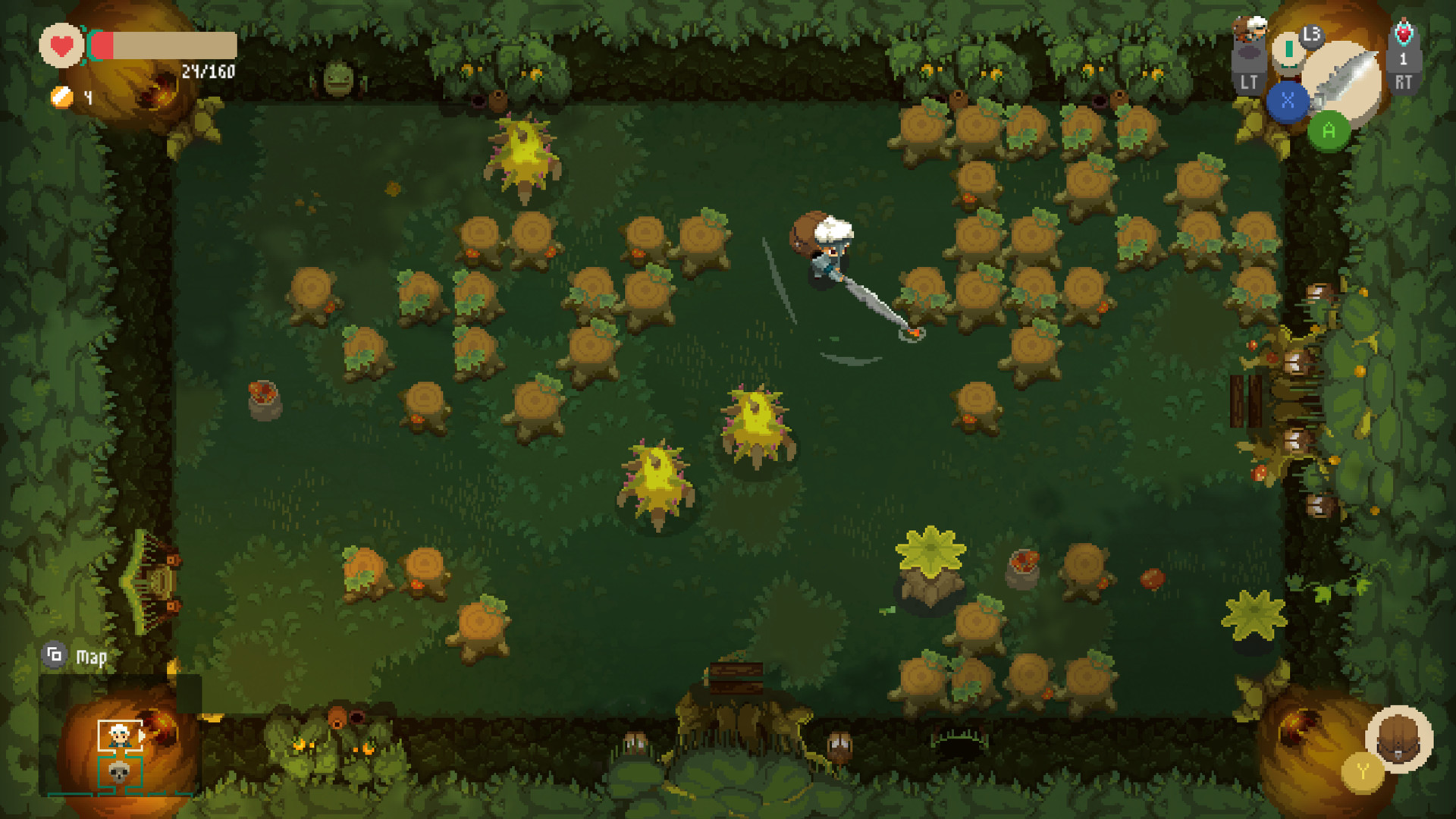
Currently, there are a slew of indie games available and many independent developers struggle to stand out. In the case of Moonlighter, the uniqueness stems from the games concept. Developer Digital Sun has created a dungeon crawler with an emphasis on shopkeeping. You play as Will, a merchant who has a propensity to delve into local dungeons and fight monsters to gather resources to sell on the marketplace. Is the concept alone enough to make Moonlighter stand above the rest, or does it fail to shine in a saturated marketplace?

1

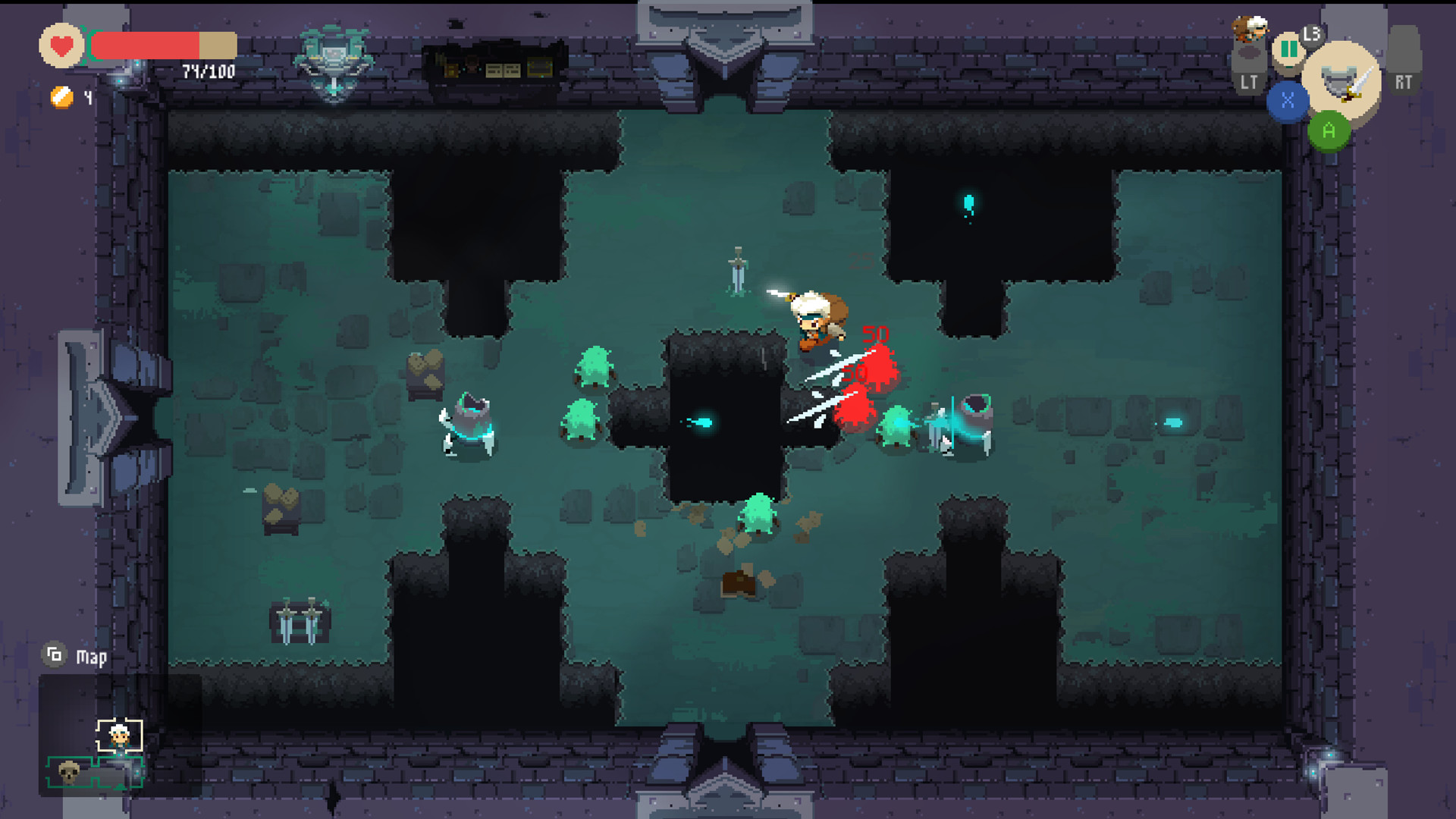
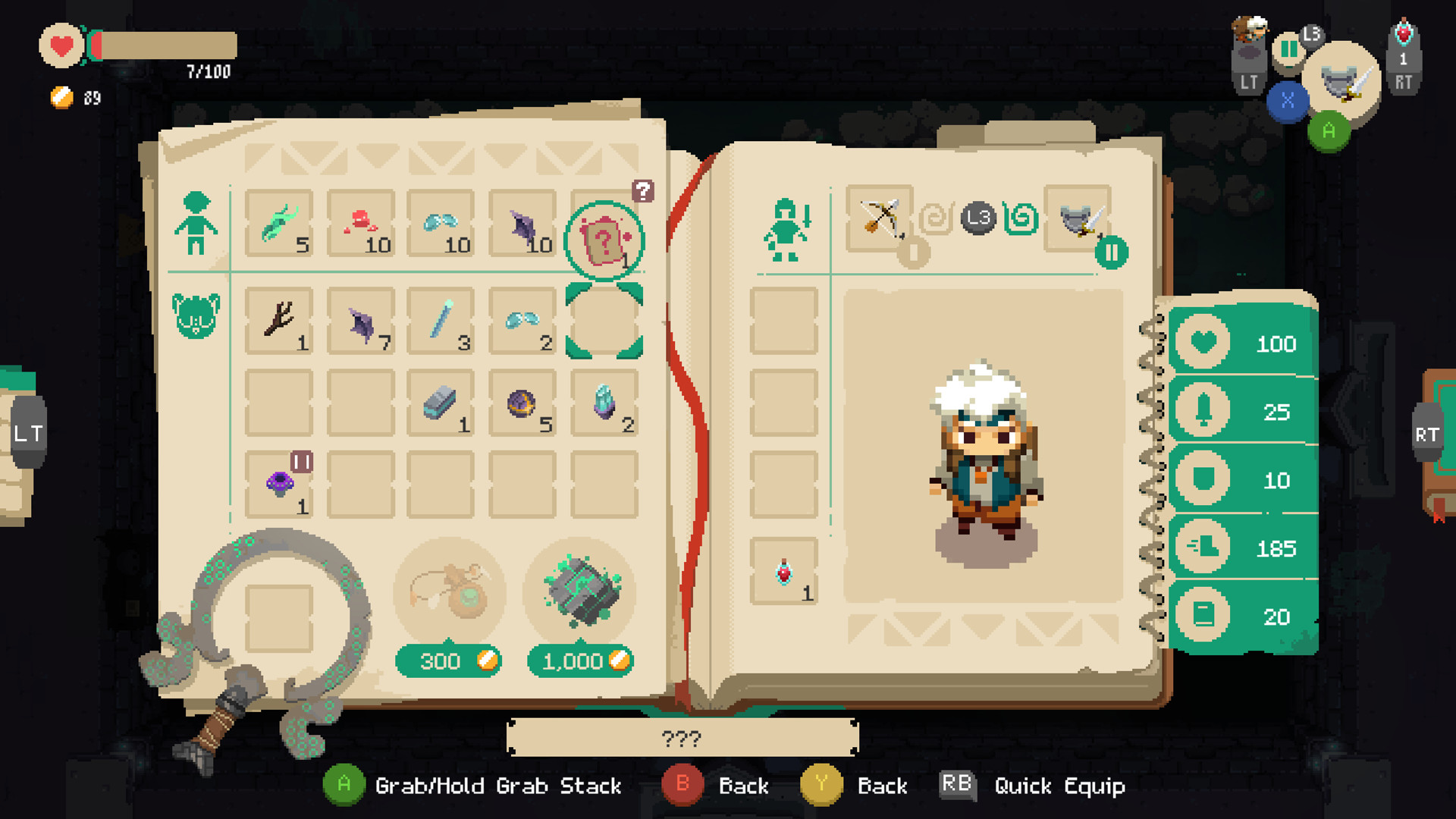
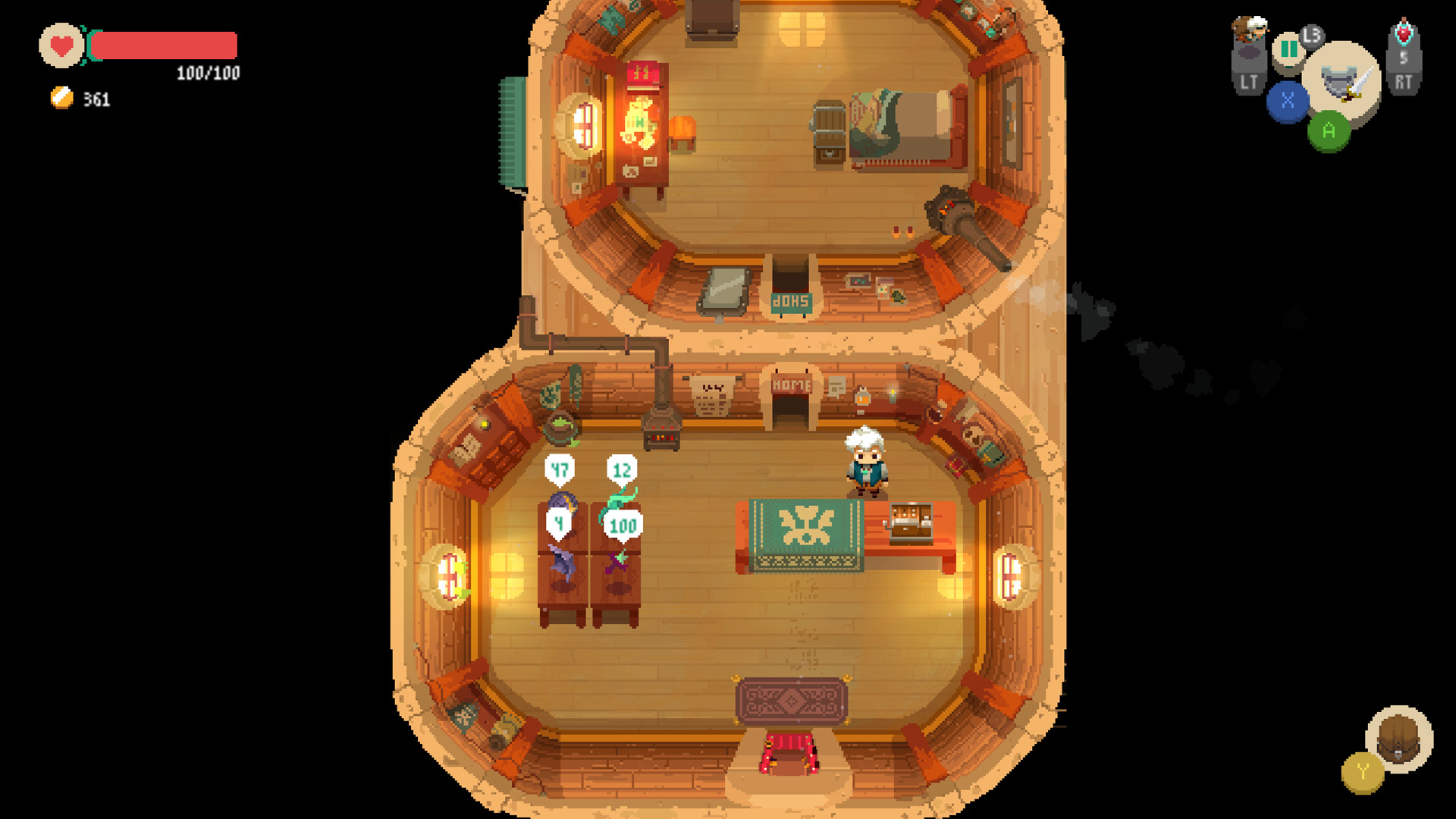
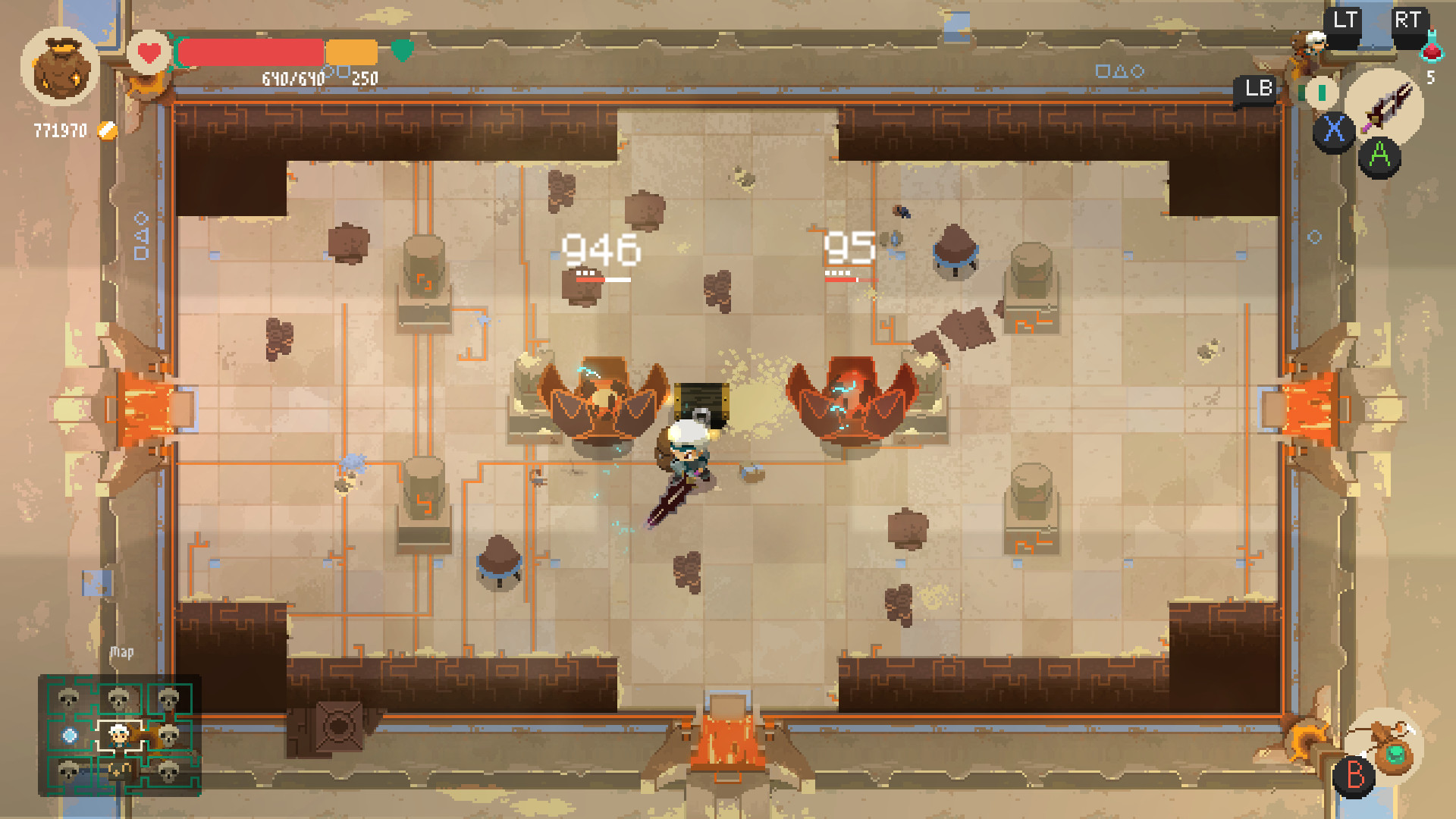
I quite like the concept of Moonlighter as it puts an interesting twist on the standard formula of dungeon crawling. In most top-down adventure games you explore dungeons to gain experience, new equipment, and the progress further into the game. In Moonlighter, you tackle dungeons to collect items dropped by slain monsters. After filling up your inventory, you return back to your shop and spend 5-10 minutes selling the goods to accumulate wealth. You can use the gold acquired to renovate your shop, upgrade the town, and buy new equipment. As you get better equipment, you can delve deeper into the dungeons to fight harder monsters and eventually take on the boss of each dungeon. This is an extremely addictive feedback loop of dungeon crawling, selling the loot, upgrading your gear, and then going back to dungeon crawling. Each one of these cycles only takes about 20-30 minutes, so it is easy to hooked and play hours at a time.

2

After playing through some difficult games recently like the Devil May Cry series and Shenzhen I/O, Moonlighter was a much-needed wholesome experience. The gameplay is not overly tough, and the shopkeeping aspect of the game is a nice cooldown period between dungeon runs. Just relaxing in your store and watching townsfolk come in and buy goods is just a chill experience. This combined with the extremely well-done pixel art and calming music makes for a charming game. Moonlighter is an easy game to get into, and I found it to be a nice and relaxing game.

3

I wish that Moonlighter was a bit more innovative or at least went a little more in depth with the mechanics it had. As it stands, the game only really has 2 aspects: dungeon crawling and shopkeeping. I wish these were a little more fleshed out, as they are both fairly rudimentary. Dungeons are randomly generated, so each run will be different from the last. There are 4 different dungeon themes that get progressively more difficult: Golem, Forest, Desert, and Tech. Each dungeon has 3 floors and a boss at the end. The further you get in each run the better loot will become available. The problem is that all 4 of these dungeons are extremely similar. Just a reskinned background and tougher enemies. Once you complete the first dungeon, you have mostly seen everything Moonlighter has to offer. I wish each dungeon has its own unique twist to differentiate them from one another.

4

Other then the similarity between dungeons, Moonlighter also struggles in gameplay depth. Combat as a whole is extremely basic, sure there are 5 different types of weapons, but actually battling enemies is not complicated. Each weapon has a basic attack and a special function such as a shield, or spear charge, or charged punch. For the most part, I never used the special ability of any weapon and just spamming the basic attack was enough to defeat any enemy. I didn’t expect much innovation in combat, but I did expect more from the other half of the game. The shopkeeping is pretty barebones, and there is very little interaction with the town. Selling items mostly consists of just setting prices and chasing away the occasional thief. There is a little supply and demand that affect prices, but again the interaction is minimal. The biggest disappointment is that there is little to no gameplay revolving around the town. I really wish you could interact with the townspeople, explore the surrounding area, or do really anything. The town’s entire purpose is for the player to sell their loot and gear up for future expeditions. I did not expect anything incredibly innovative, but I wish Moonlighter just had more.

5

Other than its lack of innovation, Moonlighter has a few other minor issues. First and foremost, a few technical issues occurred during my playthrough. The game crashed twice and once I got stuck in a wall. These hiccups never destroyed significant progress, but its still a technical flaw. Hit registration feels a little off at times, sometimes my weapon would phase right through an enemy and other times a hit would register twice, dealing extra damage. Other than that, I feel there were some wonky balance issues as the game got closer to the end. I began making ludicrous amounts of money and I had no issues buying whatever I wanted from a single loot run. I only had to go into the games 4th dungeon three times total, when in the previous dungeons I had to do them seven to eight times to get fully upgraded. Maybe I just got better at optimization, but I think the gold amounts were just out of balance. Lastly, the sales box and banker upgrades are both entirely worthless and I have no idea why they were even included.

6

I think Moonlighter does do enough to make itself a worthwhile experience. Its not going to blow anyone’s mind, and it isn’t an innovative game. Still, the addicting progression loop and calming design made it an enjoyable game. I quite liked Moonlighter, I just wish there was a little more. Better combat, dungeon variety, or a more interactive town would have gone a long way to make Moonlighter more complete. It is for these reasons I give Moonlighter a 7/10. It’s not a revolutionary game, but its fun all the same.

Civilization VI (2016)

It is no surprise that a Civilization game is underwhelming at launch. Civilization IV and Civilization V for example were extremely bare-bones at the time of their release, but they were significantly expanded on with patches, downloadable content (DLC), and expansion packs. In Civilization VI, all of those bonus features that were added onto its predecessors were present at launch. Unfortunately, most of these features are so fundamentally broken that I would much rather them be absent from the game. I figured I would give the developers some time to fix the major issues or at least acknowledge that these issues exist. It has been nearly a year now, and Firaxis has not done anything besides patching some glitches and adding new, paid DLC civilizations to play as. At this point, I am worried that the developers have no idea what is wrong with their game, let alone how to fix it. For me, there are 3 clear game-breaking issues that must be addressed. These 3 issues are the artificial intelligence (AI), user interface (UI), and the various tedium that plague Civilization VI.

Full disclosure, I feel like I have to mention that I am veteran of the Civilization series. I started with Civilization III when I was young, played a good amount of Civilization IV, and I have near 1000 hours of Civilization V and play on the highest difficulty setting. Many of my criticisms of Civilization VI may not be apparent to newer players, but I assure you if you play enough Civilization VI you will understand what I am talking about. That being said, I realize that I may be harsh on this game because of my experience, so a more casual player may not care about a lot of what I am going to mention.
1

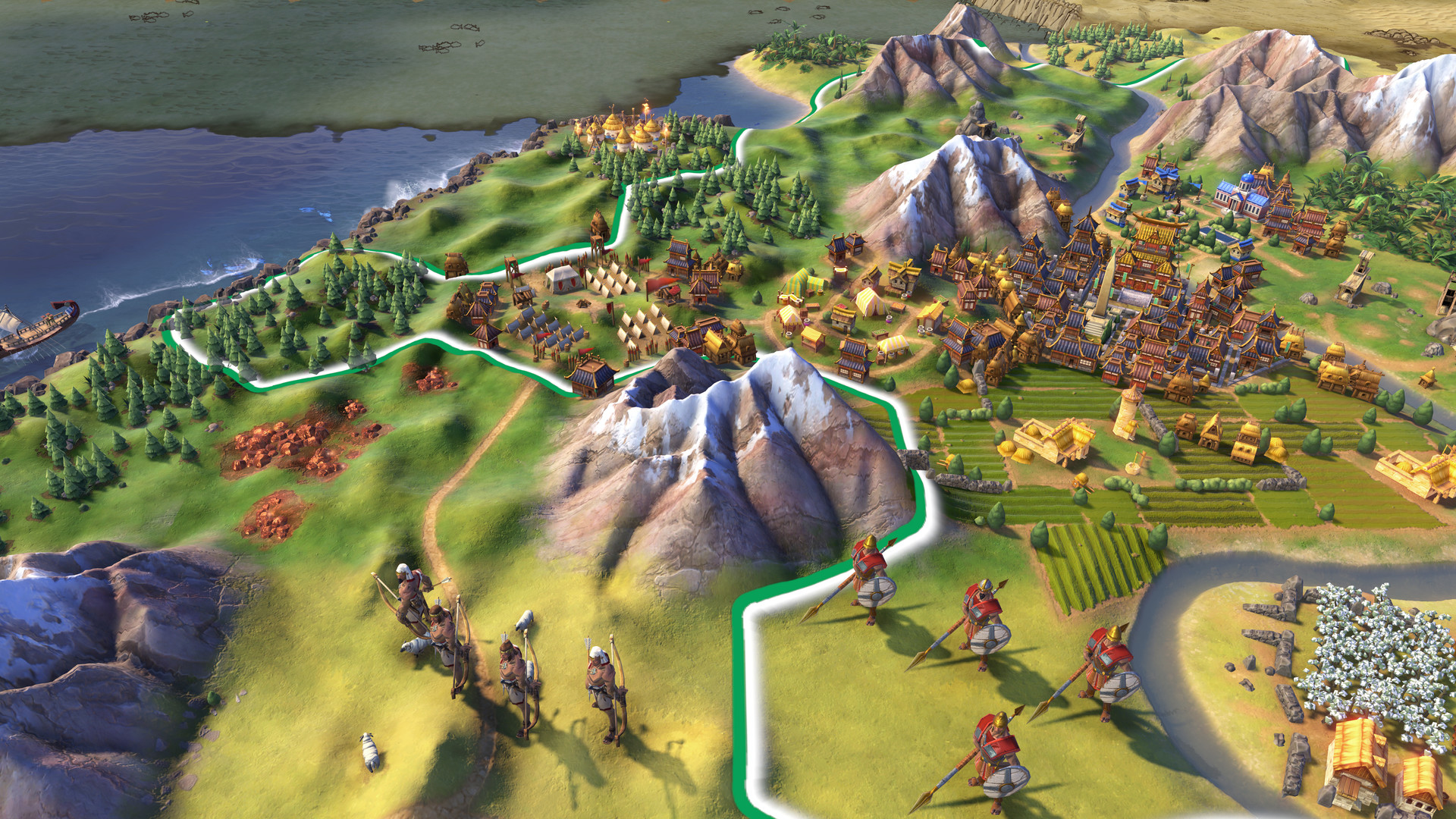
By far the most apparent issue with Civilization VI is its artificial intelligence (AI). The Civilization series is definitely not known for its brilliant AI, but there has always been a basic level of competency that could make the AI competitive. Not only is that competency is absent from Civilization VI, but the AI is completely unpredictable and illogical. It is clear that the developers knew that the AI was awful, as they gave the AI massive bonuses on the highest difficulties that are unprecedented in the series. For example, only on the highest difficulty of previous Civilization games the AI receives a bonus settler. But in Civilization VI, the AI starts receiving that bonus settler on the third highest difficulty, and now it receives 2 settlers on the highest difficulty. The AI is also extremely aggressive in Civilization VI, as the only way they can hope to defeat the player is by sabotaging the player so much that they cannot catch up to the AI’s massive early game advantages. I say sabotage because the AI is also completely incapable of actually wiping out the player or at effectively sieging your cities.
2

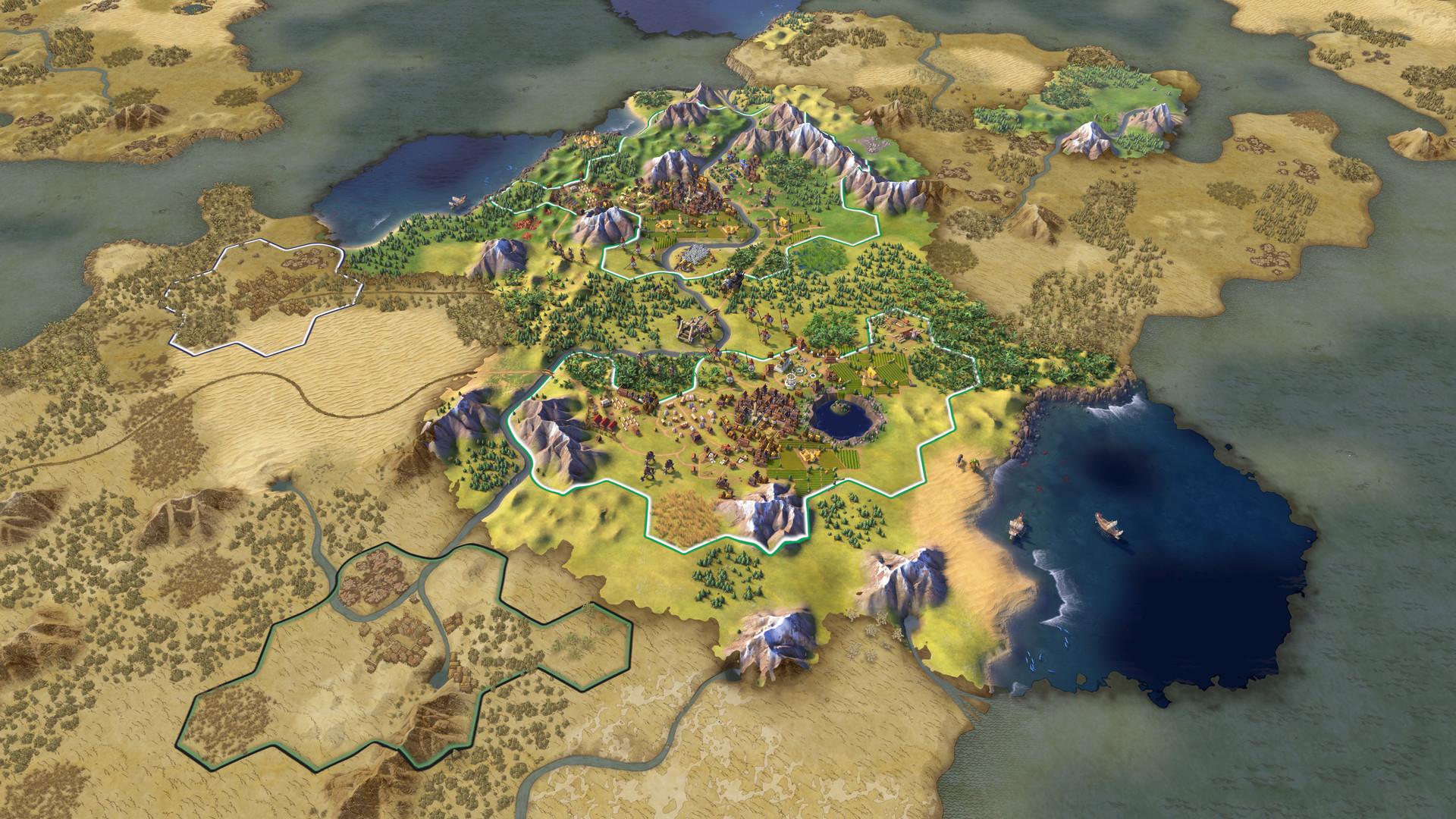
One of my favorite things about playing Civilization V was studying the AI’s behavior and learning how each leader acted. I could then use this knowledge in future matches to predict what a certain leader was going to do and guess how the game was going to play out. This was essentially eliminated from Civilization VI because the AI is so unpredictable and varies heavily from game to game. The only consistent thing about the AI’s behavior is that their default state seems to be hatred. They hate the player and they hate each other, often leading to lackluster diplomacy as no matter what you do everybody is just going to denounce each other.

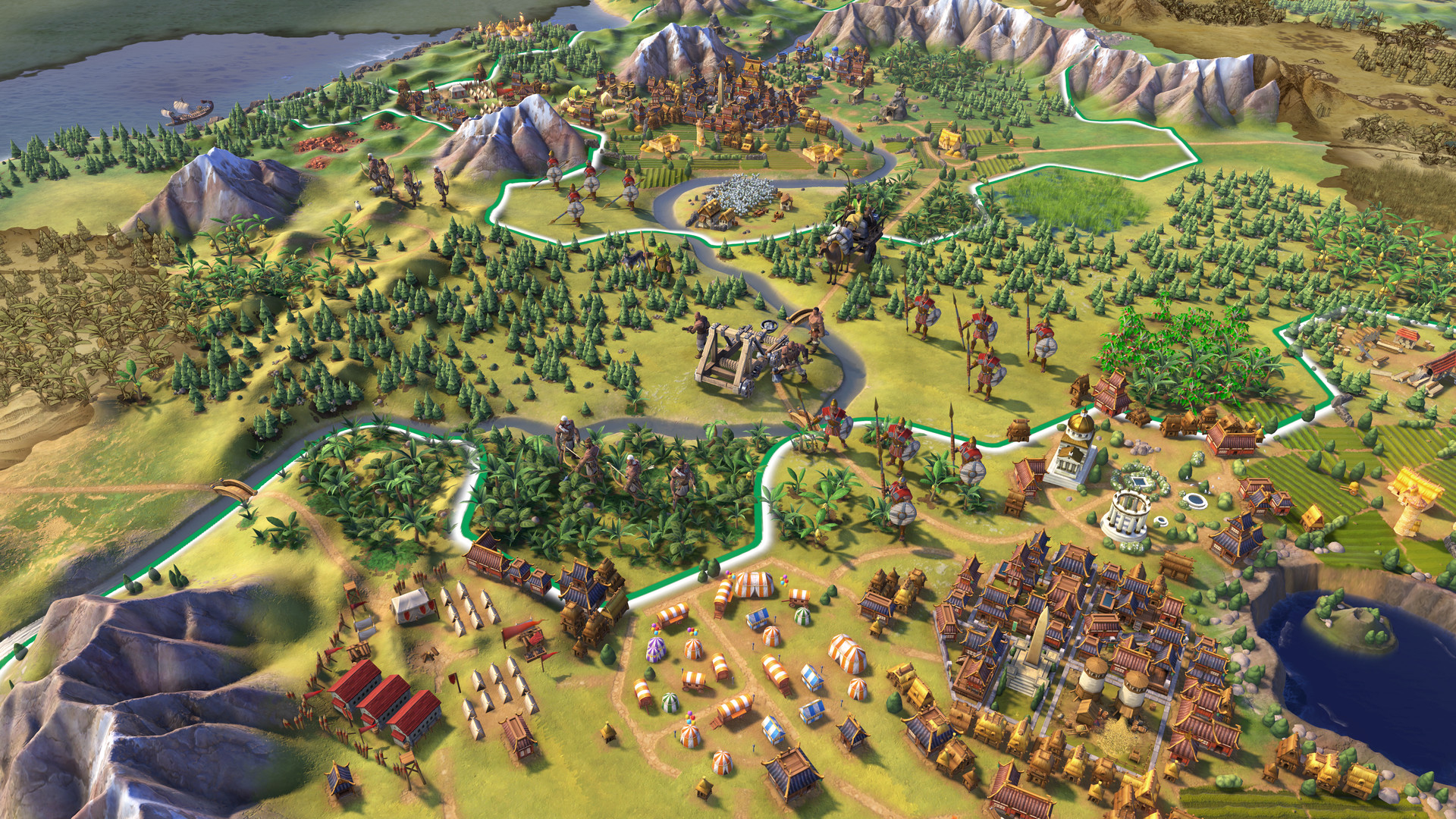
Another factor of the Civilization series that I also really enjoyed was the sort of role-playing aspect and watching as empires expanded and clashed over territory. Every time I generated a new game I felt as if I was witnessing an alternative history, and it is a factor that I considered insanely addictive.  Unfortunately, since the AI are so wholly incompetent this role-playing aspect is also destroyed. By the modern era half the world is unsettled because the AI unwilling to expand past a few cities. There are tiny, disjointed empires instead of sprawling empires where the civilizations border each other and make for a believable world. Also, since the AI is so horrible at waging offensive wars, they will almost never conquer their neighbors or take a capital city. In Civilization V, you could expect at least 1 or 2 of the AI to be wiped out by their neighbors, making for an evolving and interesting game world. But in Civilization VI, the AI are incapable of conquering each other, they may take a single city or destroy a city-state, but they almost never take capitals. This makes for a rather boring and uninteresting world to observe. The AI in Civilization VI is what I would consider a game-breaking issue, and I doubt that I will return to this game unless the AI is amended.
3

Other than the AI, there are a few other major flaws that Civilization VI has that also hamper the game’s entertainment value. The next thing I want to touch on is its confusing and overcomplicated user interface (UI). In a strategy game like Civilization VI all of the vital information should be readily available to the player and there should be no clutter of superfluous information. In Civilization VI it is the other way around. The game has no problem clogging up your screen with random stuff like “England has built a granary in London!” Who cares? But you have to dig deep in order to understand key game mechanics like amenities. On top of that, most of the menus and just general layout of information is rather clunky and cumbersome to navigate. Also, the mini-map is a complete disaster. It now shows water tiles as owned land by other civilizations, the colors of the fog of war and undiscovered territory are the same, and it just feels very boxy and unpolished. They have done a little bit to improve the UI since launch, but it is still abysmal. If you want an example of a good UI in a strategy game, Fire Emblem: Fates is phenomenal in that department. There is a ton of information on the screen, it is laid out in a sensible manner, and if you want any more information on anything, you just tap on it.

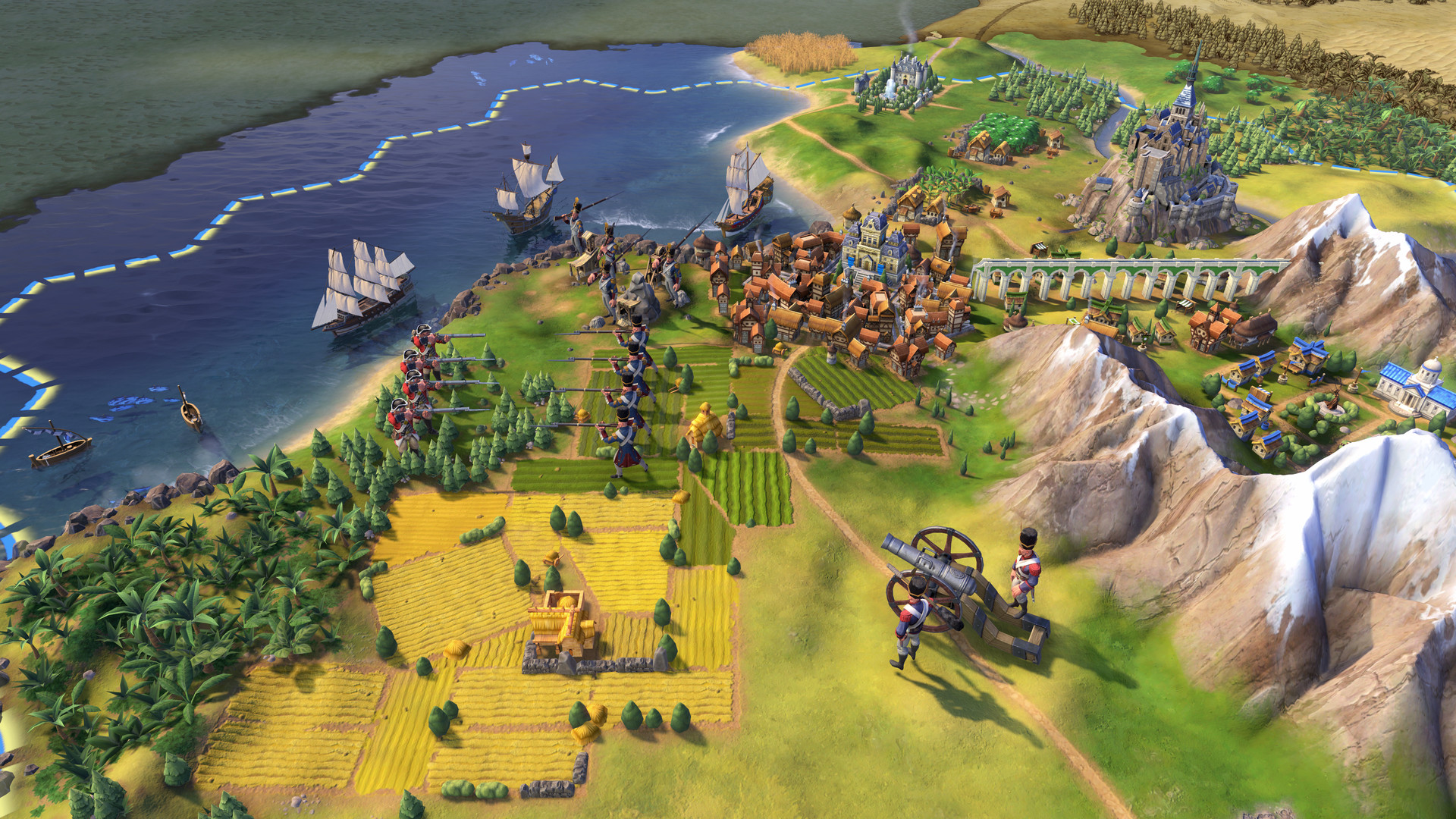
I’ve heard people say that Civilization VI is a good base for a game to build upon in future expansion packs, even if it needs significant work before it can compare to its predecessors. I don’t fully agree with that sentiment, as the AI and UI are possible to fix and would significantly improve the game, but many of the core game mechanics are fundamentally broken and need a massive overhaul. This is why I am not optimistic for Civilization VI, sure the developers could fix the AI and UI, but I doubt they will scrap so many of these new features that they added into the game. Many of these new features are meant to give the game strategic depth and add more choices into the game, but they end up just becoming tedious, frustrating, and tiresome. These mechanics are: Religion, agendas, housing, the civic tree, eurekas and inspirations, governments, the new movement system, city management, diplomacy, builders, espionage, barbarians, and spies. I am not going to delve deep into why I think these mechanics are busted, as I want to keep this review at least a somewhat reasonable length. I may later do a full analysis of Civilization VI where I go deeper into these mechanics, what is wrong with them, and how to fix them. All of these issues highlight the biggest flaw of the Civilization series as a whole, which is that the game becomes boring and tedious once you have essentially won.
4

There comes a point in every Civilization match when you realize that you are so far ahead that there is no feasible way for the opponents to make a comeback and defeat you. Some people quit when they reach this point, but many like to play the game out to its conclusion. You kind of turn on auto-pilot and hit the “next turn” button until you reach victory. Civilization VI exasperates this issue because you can no longer turn on auto-pilot, you still have to micromanage all of these features that I highlighted earlier. All of these features are unnecessarily tedious, and it feels like the developers just added more decisions and micromanagement just for the sake of having more decisions. All this does is reduce the weight from any decisions, and makes playing the game a chore because I now have to make a dozen meaningless decisions every turn. The importance of these decisions is drastically reduced because of the sheer number of them. Why should I care what government policy I choose when I can change it in 3 turns anyway? The lack of meaningful decisions and plethora of worthless decisions makes for a game that feels like a chore.
5

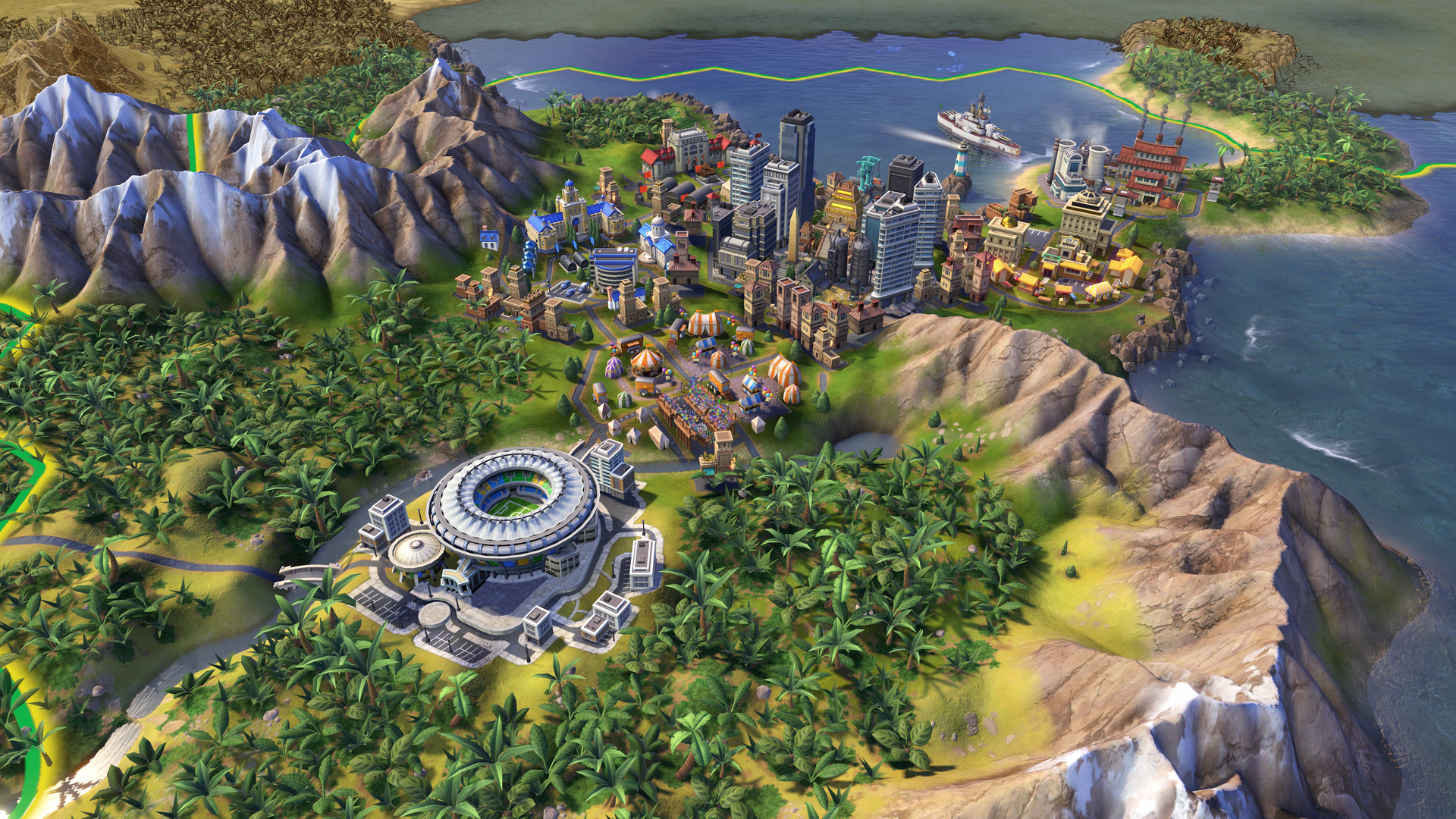
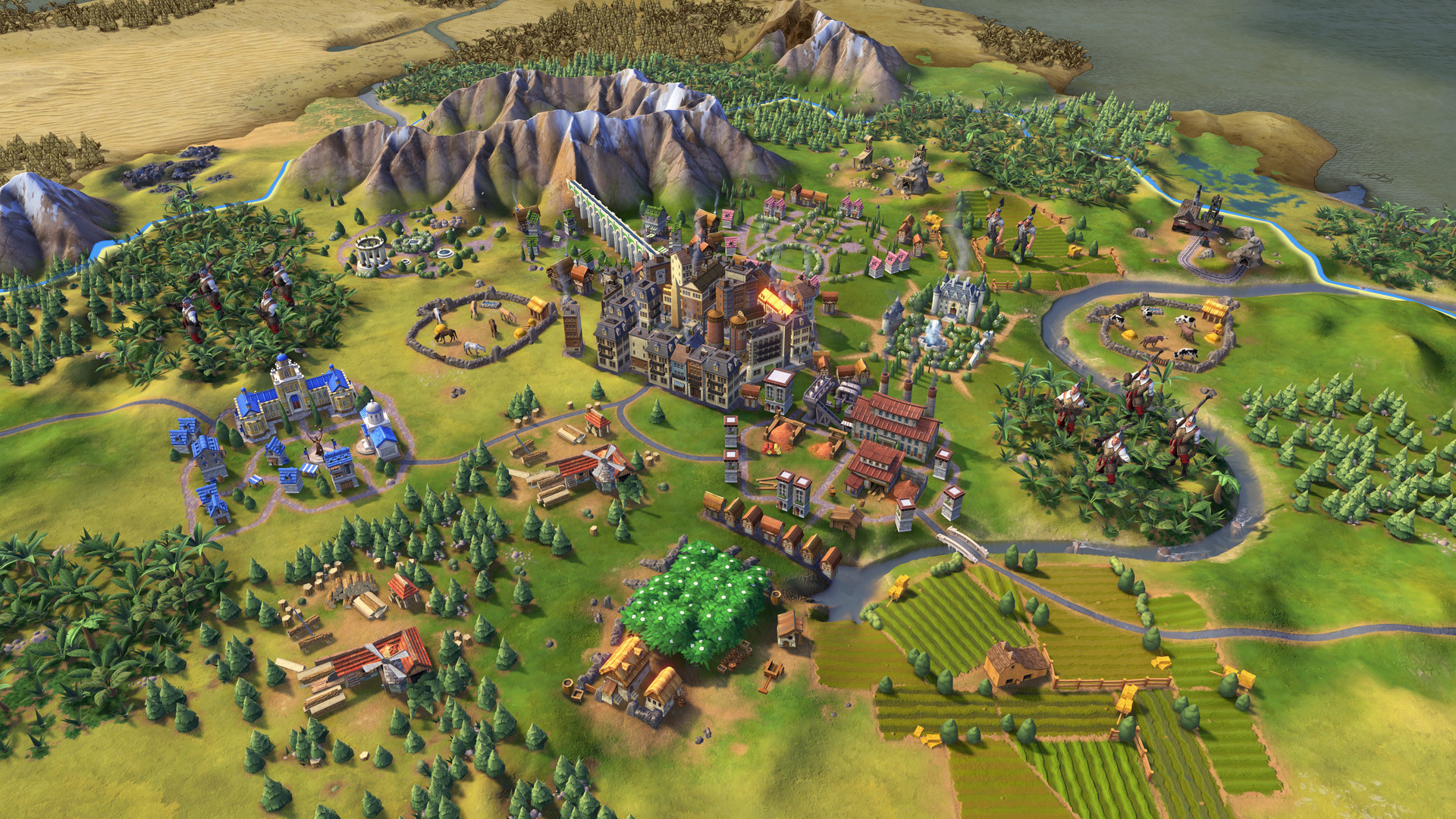
There are a few worthwhile things in Civilization VI. The most obvious is the district system. Instead of everything in a city being built in that 1-tile area, now you have to establish districts on other tiles. For example: you need a campus district to build libraries, universities, and other science related buildings. From a world-building perspective it makes for a much more believable empire than in past iterations. It also has some interesting strategic properties as districts receive bonuses depending on where you place them, so you can plan out cities and what their districts will be for maximum efficiency. Another positive factor of Civilization VI is just the visuals. I think the art-style borders on being a little too cartoony at times, but sometimes you have to just sit back and admire the landscapes populated by your cities, districts, and wonders.
6

It’s a shame really. It seems like Firaxis genuinely attempted to make this a complete game upon launch. But in their attempts to fill up the game with content, they neglected to check if all of that content was actually any good. As it stands you are much better off buying Civilization V and all its expansions and DLC, which as an entire package often goes on sale for less than $15. It is just a way more polished and complete game, and for a quarter of the price of Civilization VI. I am not sure if Civilization VI will ever be a good game, but the future looks grim for this title. For these reasons I give Civilization VI a 3/10. Maybe it will be good after some expansion packs, but right now the game is just a mess. If you ever feel an itch to play a grand strategy game, just play Civilization V instead.