Paper Mario: The Thousand-Year Door (2004)

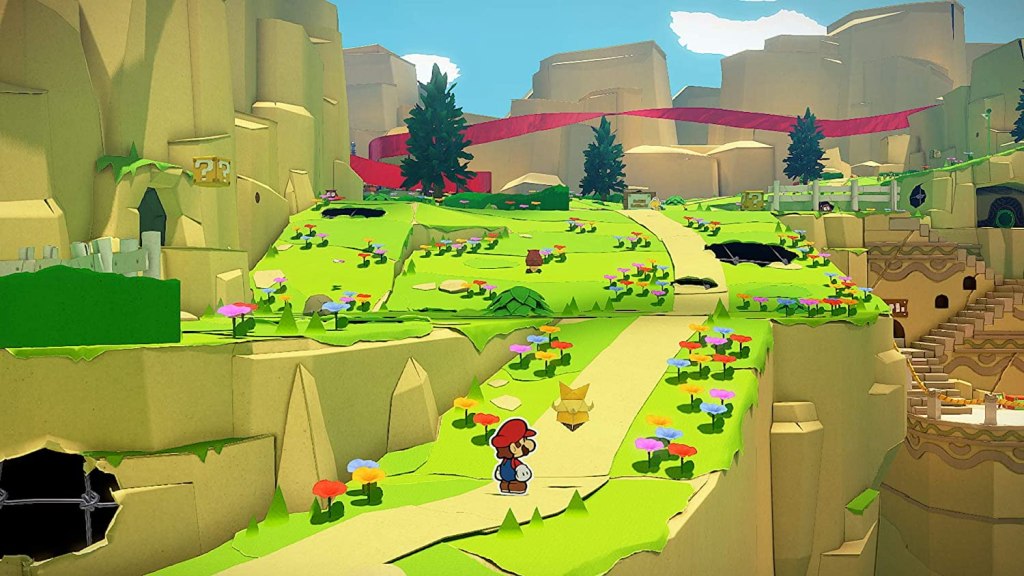
Growing up, Paper Mario: The Thousand-Year Door was one of my favorite games to play. To this day many of its imaginative areas stick out in my mind as hallmarks of excellence. I was excited for the remaster to be released so I could revisit a staple of my childhood. Playing through the game now resolidified my confidence that Paper Mario: The Thousand-Year Door is one of the greatest RPGs of all time. The game oozes charm, character, and creativity from every crevice.
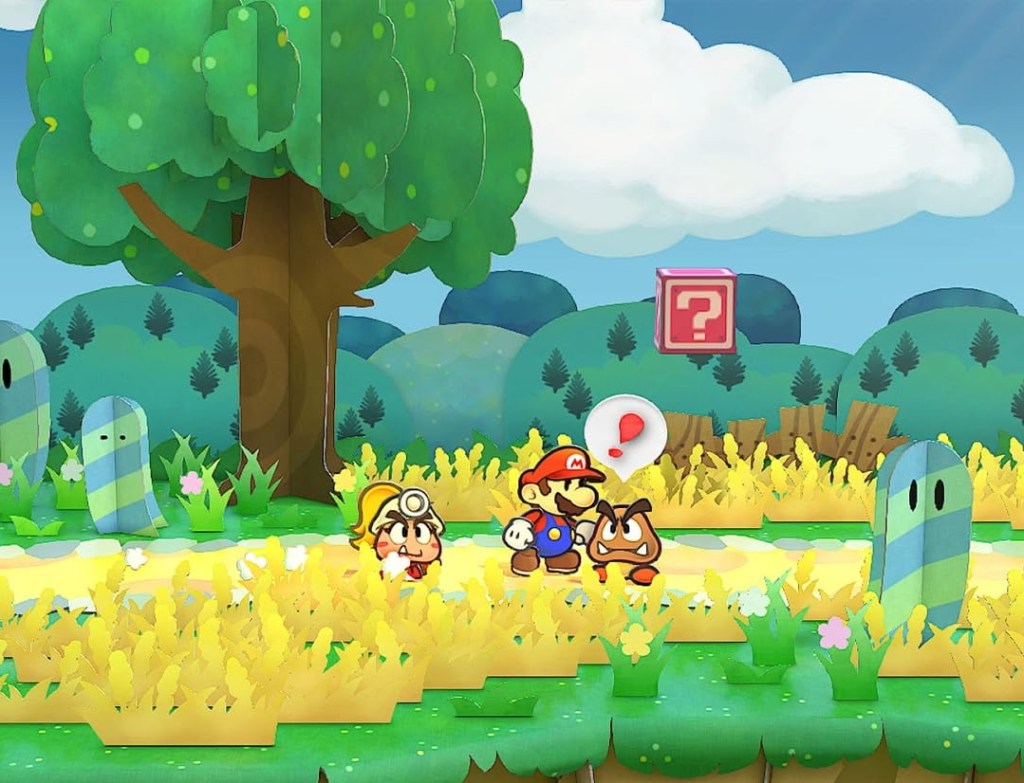
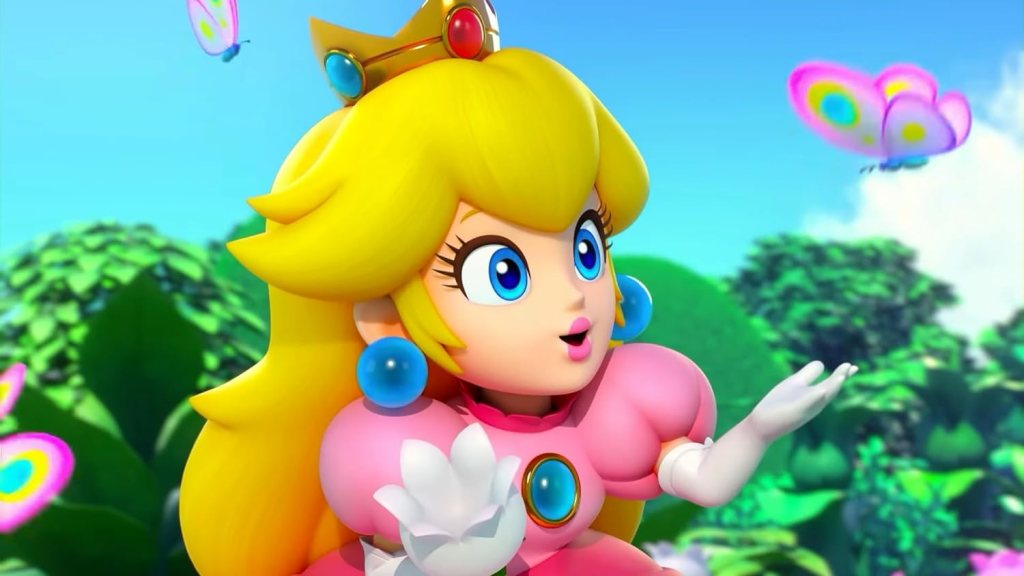
In classic Mario fashion, the game opens with Peach getting kidnapped, but not by Bowser this time. The mysterious X-Nauts have captured her as Peach found a map to the legendary treasure underneath the city of Rogueport. The treasure is behind the locked Thousand-Year Door which can only be opened by collecting the 7 Crystal Stars. The game follows Mario as he hunts down the Crystal Stars in a variety of locales. And what a fantastic set of locales they are.

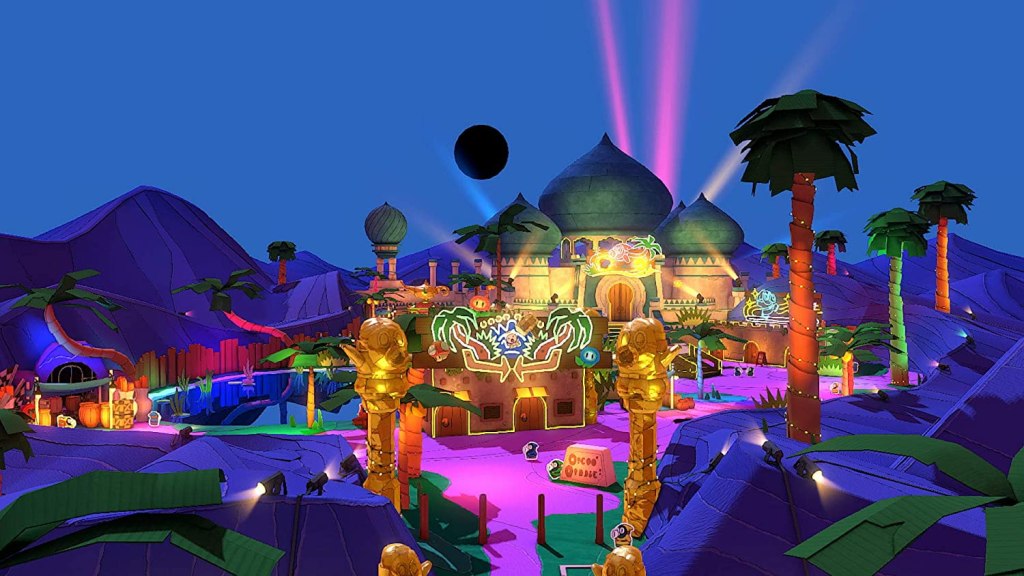
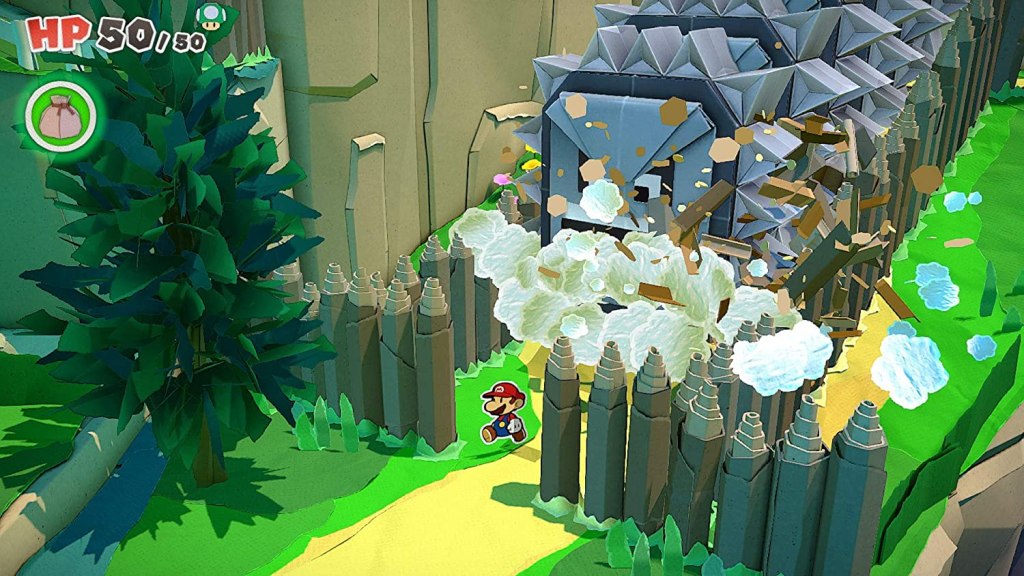
From the very start of the game, it is apparent how creative Paper Mario: The Thousand-Year Door is. Rogueport is a run-down, grimy, and crime ridden city that serves as your hub. The city center has a few establishments but the gallows in the middle makes it abundantly clear what kind of city this is. The art, atmosphere, and slimy characters make Rogueport a standout location. And that’s just the beginning. As the game progresses you will encounter a handful of unique and charming areas. Glitz Pit is one of my favorite areas in any video game. This flying wrestling arena begins innocuously as you climb the ranks to claim the champion’s belt, but it slowly injects mystery and intrigue into its cramped halls. Paper Mario: The Thousand-Year Door is full of creative ideas and memorable places, each with their own episodic story to tell.

Part of what makes Paper Mario: The Thousand-Year Door so charming is its cast of characters and writing. Through your adventures you will encounter a ton of characters brimming with personality. Each of Mario’s partners has their own distinct character traits and motivations. Even side characters that don’t have a ton of relevance to the story feel genuine. The writing is just filled with charm and wit. While the game relies plenty on humor, it does have its serious moments of bravery, introspection, and self-sacrifice. And the character’s expressive animations go the extra mile to bring life to these paper cutouts. 

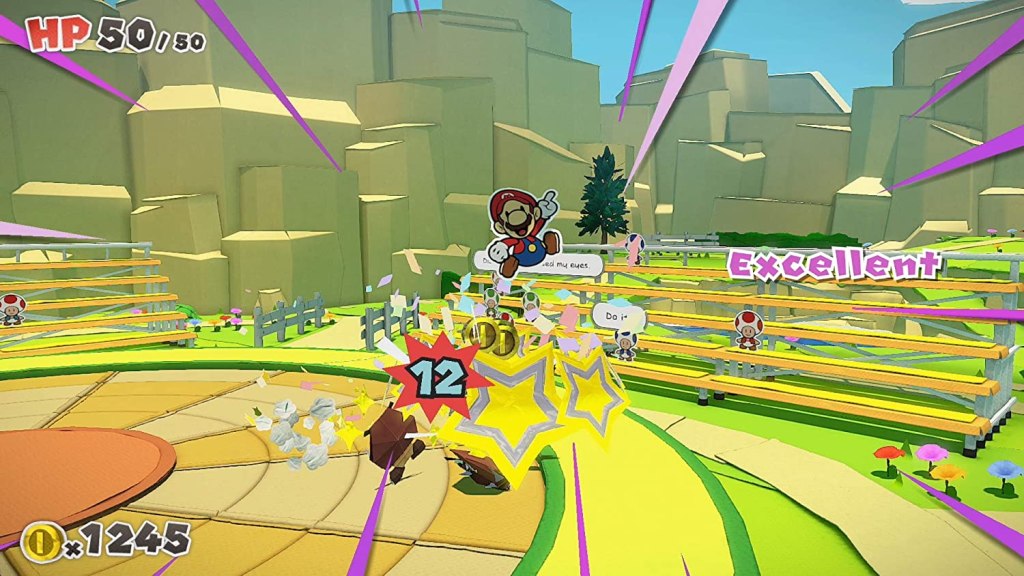
A common complaint that many people have with turn-based RPGs is that the combat is boring. Oftentimes it can boil down to selecting your most powerful attack and watching animations ad nauseam. While Paper Mario: The Thousand Year Door might not have incredible levels of depth it does have one key thing going for it: interactivity. Mario and his partners have a variety of attacks, each with their own button prompts to execute for better results. It may be as simple as pressing the “A” button at the right time, or holding back on the analog stick and letting it snap back at the apex of a hammer swing, but there is a fantastic tactile feeling to the otherwise simplistic combat. The timings are fairly generous but I think that is a good thing because of the necessity of landing these bonuses. You are going to have a very hard time if you don’t learn these prompts and fail to execute. I like that because even though choosing an attack may be fairly straightforward, you aren’t relegated to just watching an animation play. You have to be actively engaged to maximize your output.
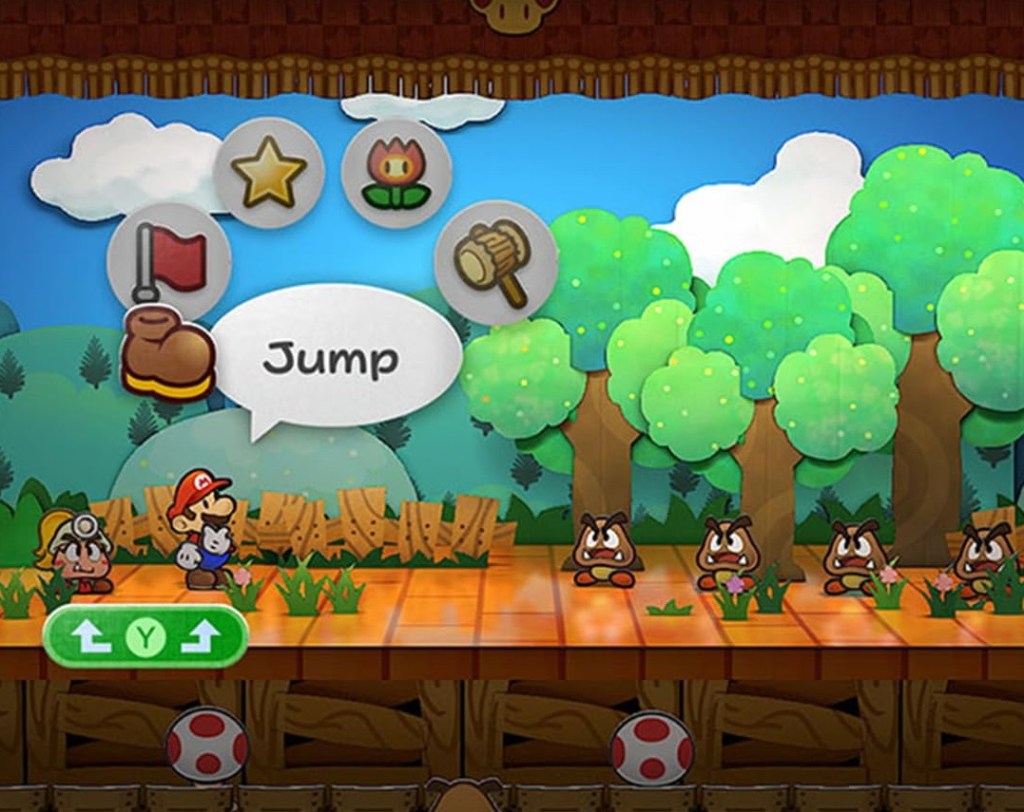
Aside from the active aspect of combat, I also love how customizable your strategy can be. A prominent component of this is the badge system. As you explore, you collect a variety of badges that can be equipped at the cost of BP (which can be earned on level-up). These BP can range from extra defense when you are low HP, to special attacks that cause status effects such as sleep, to a raw damage buff. The more generalist and powerful badges cost a ton of BP so it can be fun to experiment with different builds. Moreover, there are a handful of different partners to fight alongside to choose from. While you can swap them around as you please, I think many people are going to have one or two favorites that they default to. Between badges and partner selection, there’s a solid amount of customization to how you approach combat.

Apart from combat, another aspect that many RPGs get wrong that Paper Mario: The Thousand-Year Door gets right is pacing. Many RPGs are notoriously long games that could take months of regular play to complete. Paper Mario: The Thousand-Year Door is a relatively brisk adventure comparatively. But it doesn’t feel rushed either. A complaint that I had about Super Mario RPG was that while I appreciated how quick it moved from place to place, it often felt rushed and I had no time to truly soak in the world. Paper Mario: The Thousand-Year Door sits in the Goldilocks zone of pacing; every chapter is just right in length. There’s enough time to become familiar with every area and to tell an interesting story in every chapter, but it never overstays its welcome either. Overall pacing is something that is crucial yet incredibly hard to perfect, but Paper Mario: The Thousand-Year Door does a great job at it.
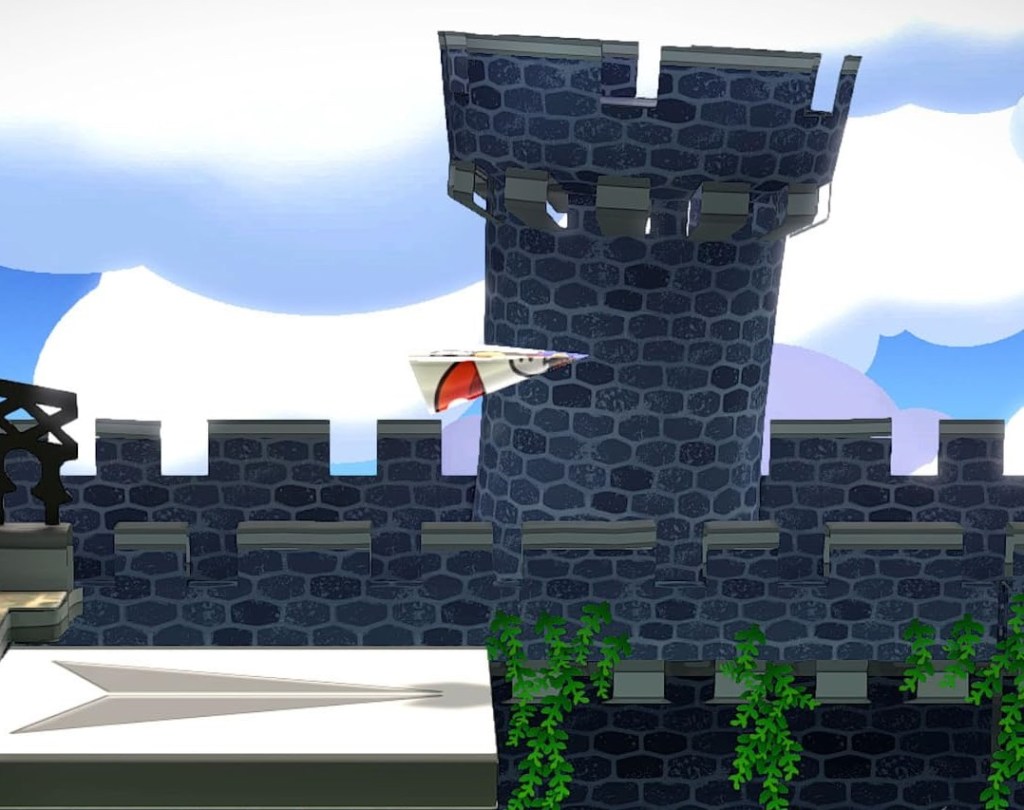
Unfortunately, a pacing problem is also my sole issue with Paper Mario: The Thousand-Year Door. While every chapter and the game itself is paced wonderfully on the whole, I do think there are some moment-to-moment drags. Structurally, many chapters play out similarly: opening with Mario venturing into a new area, learning about the area, discovering the antagonist, fighting through a bunch of bad guys to reach the boss, resolving that chapter’s conflict, and then closing out by seeing what Peach and Bowser have been up to in the meantime. The problem is that all the combat is packed right into the middle of the chapter. 

I typically want there to be a healthy mix of combat, story, and exploration throughout but all the talking bits are concentrated at the beginning and end of every chapter. Completing one chapter, the in between sections, and then starting a new chapter can often feel like ages have passed without any combat. And even if I think the combat is solid for an RPG, it can get repetitive if it’s all I’m doing in the middle of a chapter. I wanted story to break up the combat. And I wanted combat to break up the story. I think this issue is minor in the grand scheme of things, but I definitely would’ve liked to have story and combat less isolated from one another.

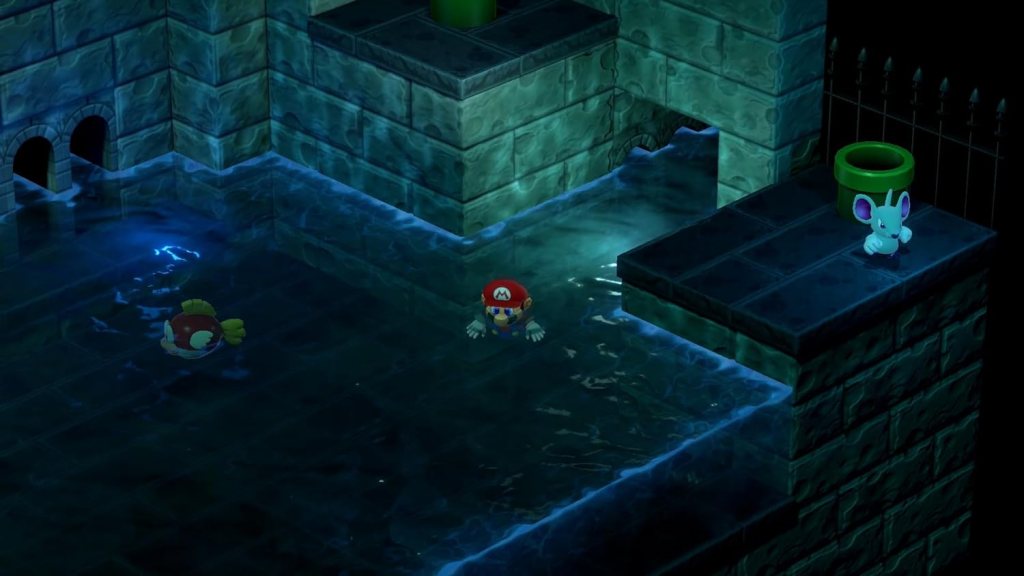
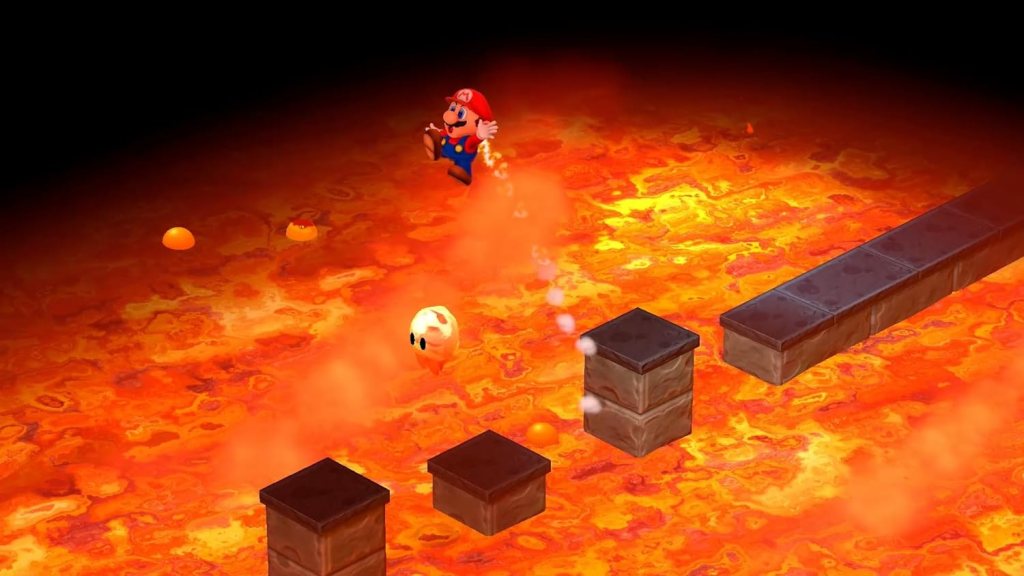
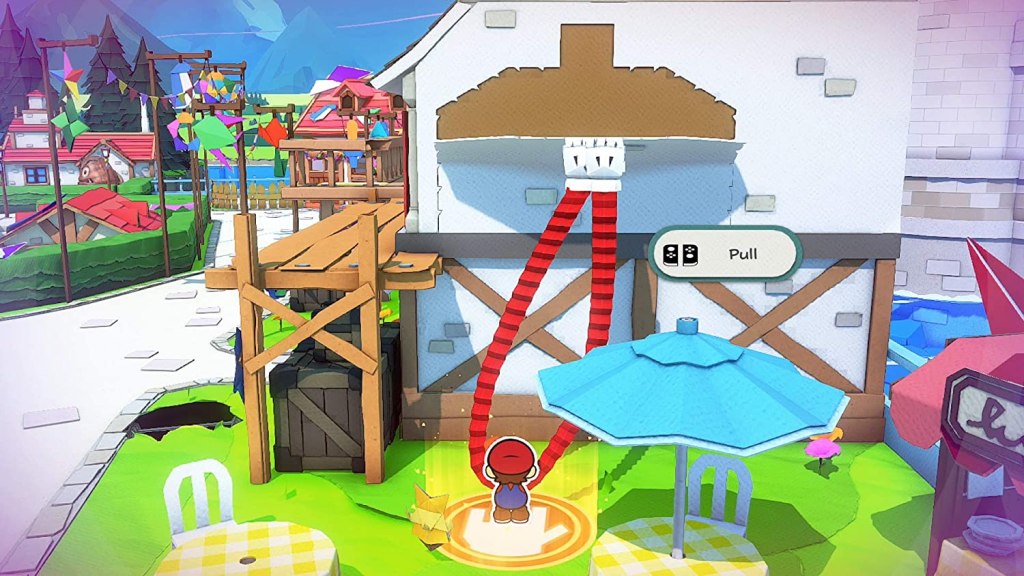
When I played the game this time around, I tried the remaster that was released for the Nintendo Switch. I can confidently say that this is the definitive way to play the game. The game’s presentation has been improved with improved visual fidelity and new expressive character animations. The soundtrack has been wonderfully redone but there is also the option to use the old version if that’s what you prefer. There’s some great new quality of life changes such as quick swapping partners while exploring and an increased inventory size. Some areas have a new shortcut to cut down on tedious backtracking. And there are new optional bosses for players who don’t want the adventure to end. It’s an all-around excellent remaster with some nice touches.
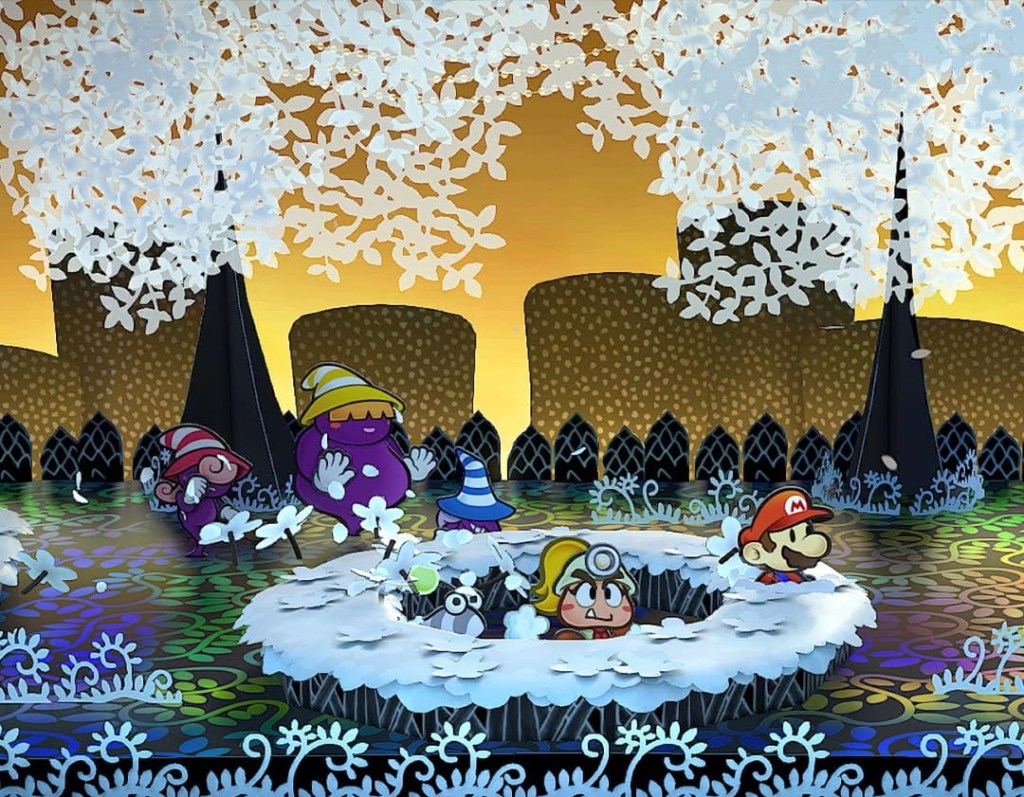
There’s a reason that Paper Mario: The Thousand-Year Door is a legendary RPG. It’s a game that looms over the rest of the genre as the benchmark for excellence. Paper Mario as a series in particular has had a hard time living up to this peak. It’s charming cast of characters, creative locales, and intriguing episodic chapters make for an unforgettable adventure. The combat allows for some customization and its active nature keeps it from being a turn-based snooze fest. If you are a fan of RPGs, Paper Mario: The Thousand-Year Door is a game that you cannot miss.

Super Mario RPG (2023)

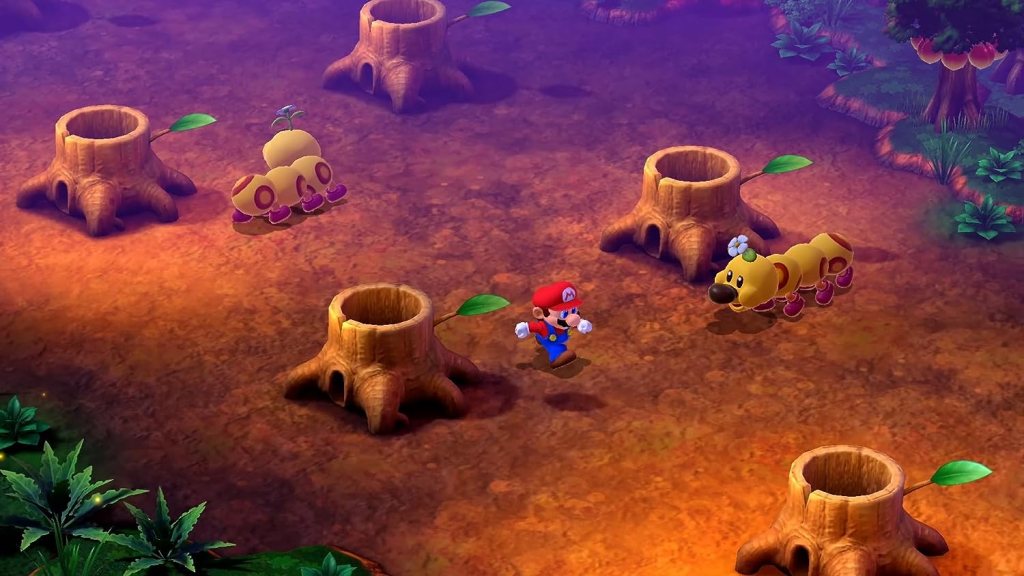
Turn-based RPGs are often some of the longest video games that exist. They can easily exceed dozens of hours, if not hundreds. I’m often put off from many of these games as I feel they are bloated with repetitive content and grinding. But Super Mario RPG is the rare case of an RPG that went in the opposite direction. It’s an intentionally short and sweet experience. You move so quickly through the zones and dungeons that there’s no chance to be overcome by tedium. It’s a game that relies on novelty rather than a grandiose story and scope.

Super Mario RPG is a wacky game. There’s plenty of goofy characters, ridiculous situations, and slapstick comedy. While many RPGs focus on slowly building up an ever-escalating story, Super Mario RPG moves at a breakneck pace through silly scenarios and never gets tiresome. A giant sword has fallen from the sky and destroyed Bowser’s castle and the army of sentient weapons is threatening to steal all the Star Pieces to prevent any wishes from coming true. It’s not a super engaging story, but it is helped by the characters.

There’s a ton of unique characters introduced in Super Mario RPG, the main ones being Geno and Mallow. Geno is a stalwart spirt from space that inhabits a wooden doll, while Geno is a young emotional cloud who was adopted by the Frog Sage. Bowser also gains his signature braggadocious personality as he assists Mario and company on their journey. While the story itself won’t keep you on the edge of your seat, the characters and their goofy interactions makes the adventure far more charming. After playing this game, I hope that Nintendo allows future RPGs set in the Mario world to create new characters, as that bizarre decision something that has been holding back the Paper Mario series for years.

The biggest strength of Super Mario RPG is just how snappy everything is. From the story, to the progression, to the battles. The battles in particular are a blessing. First and foremost, there are no random encounters. You can just walk past enemies that you don’t want to deal with. Despite being turn-based, the battles themselves are remarkably fast-paced. Animations and text boxes are snappy, health pools aren’t overinflated, and there isn’t too much fanfare that slows things down. I often get in and out of the easier encounters in 30 seconds to a minute.

Thankfully, this is not a game that you have to grind for experience to complete. I found that I naturally gained plenty of levels and equipment from just playing normally to beat the game. The game is definitely on the easier side, the only major hurdles are the bosses. I enjoyed the simplicity of basic bosses but I also appreciated when I had to use a little more strategy during the elongated boss fights. The combat is fairly basic, but I appreciated the simplicity of straightforward attacks and abilities.

One aspect that I enjoyed about combat in Super Mario RPG is that it is interactive despite being turn-based. By timing button-presses during tight windows of opportunity during animations you can increase your own damage or block damage from enemy attacks. I liked learning all the timings for the different weapons, abilities, and enemies. The game has a system that hints towards the correct timings if you miss it too many times, but the hint goes away once you start succeeding again.

Progressing through the game is absurdly fast. The game is maybe 12-15 hours long, but it’s crazy how many areas they crammed into the game. I never got exhausted in any zone as they just went by so fast. Every area has its own little story and characters like a typical RPG, but it doesn’t drag anything out. I think this is mostly to the games benefit, but some of the areas and towns I would have liked to spend a bit more time in. It’s hard to really get invested in any of the side characters, stories, or areas when you only spend 30 minutes to an hour there. Still, I’d rather be left wanting more than feel exhausted at the end of a game.

My only major complaint about Super Mario RPG is the janky mini-games and platforming. Many of the game’s side activities are mini-games such as Yoshi racing, minecart riding, or drifting down a river in a barrel. I think all these are all wonderfully fun ideas, but I never quite got a hang of them. They often feel like they go on for far too long and have underwhelming rewards. Anything platforming related in particular just felt awkward do the camera angles. 

I never played the original Super Mario RPG: Legend of the Seven Stars that this game was based on. However, from what I can tell Super Mario RPG is a fairly faithful remake. It added a lot of quality-of-life features like more frequent saves and being able to quick-swap party members. Additionally, the player has access to powerful special attacks after filling up a gauge as a reward for successfully timing attacks and blocks. I will say that while all these features are nice, they do make an already pretty easy game even easier. Personally, I didn’t mind the easier experience but perhaps more hardcore RPG fans might be let down by the lack of challenge.

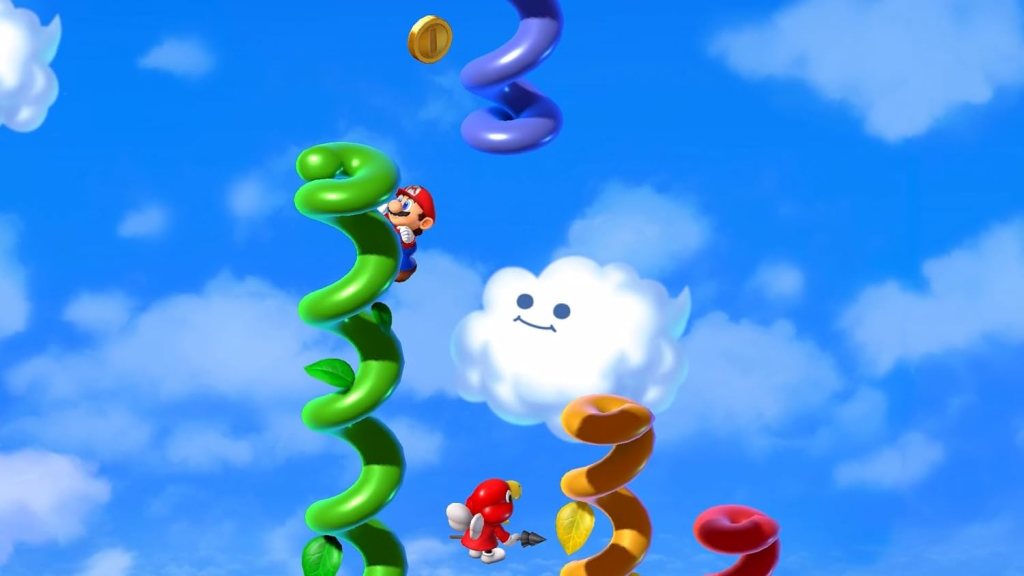
Aside from the quality-of-life updates, the most important change that the remake made was to the visuals. Super Mario RPG does a phenomenal job of modernizing the original art style while keeping its toy-like feel. The games vibrant visuals and bright color palette make it feel like a wonderland. There’s also a handful of cutscenes in the same style that look great.

Overall, I was pleasantly surprised by Super Mario RPG. It was a rollercoaster of goofy characters and classic environments. It’s not an RPG that you should reach for if you want a crazy story with twists and turns, but its smaller scope lets it speed through content at a breakneck pace. It goes to show that not every RPG needs to be a hundred hours long and that people can appreciate a more concise adventure. It is for these reasons that I give Super Mario RPG an 8/10. It’s not a grand adventure, but it is a fun one.

Mario + Rabbids Kingdom Battle (2017)

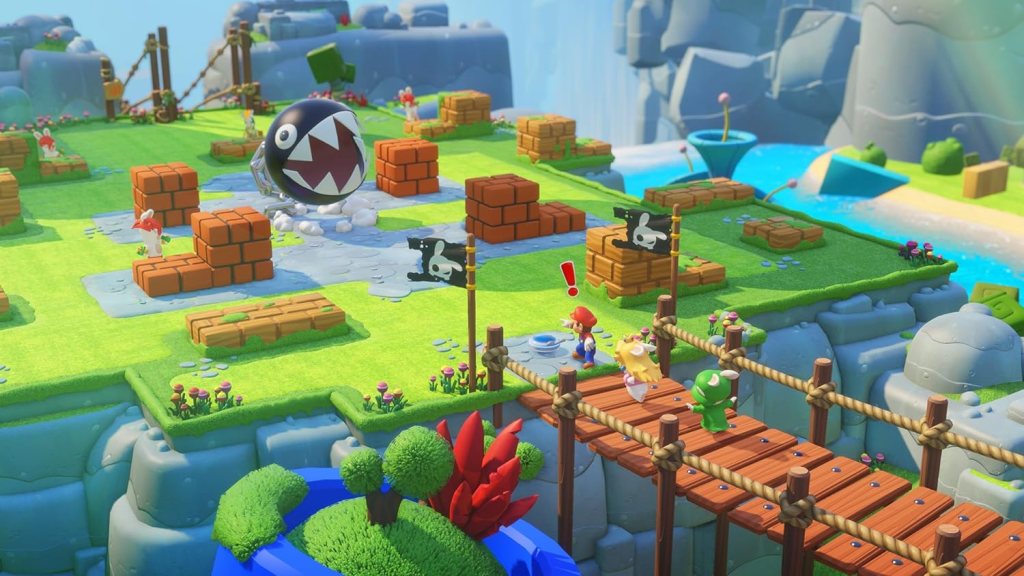
As a lover of tactical RPGs, I am upset that I let Mario + Rabbids Kingdom Battle sit on my shelf for nearly 7 years. While the game seems like a bizarre concept, it is an incredibly well-made game. It innovates on common systems such as hit rates, movement, and special abilities to make for a surprisingly deep tactical experience. While playing it safe is often the key to success in other tactics games, Mario + Rabbids Kingdom Battle encourages aggression and fast-paced play. And while I still think the concept is odd, it somehow works.

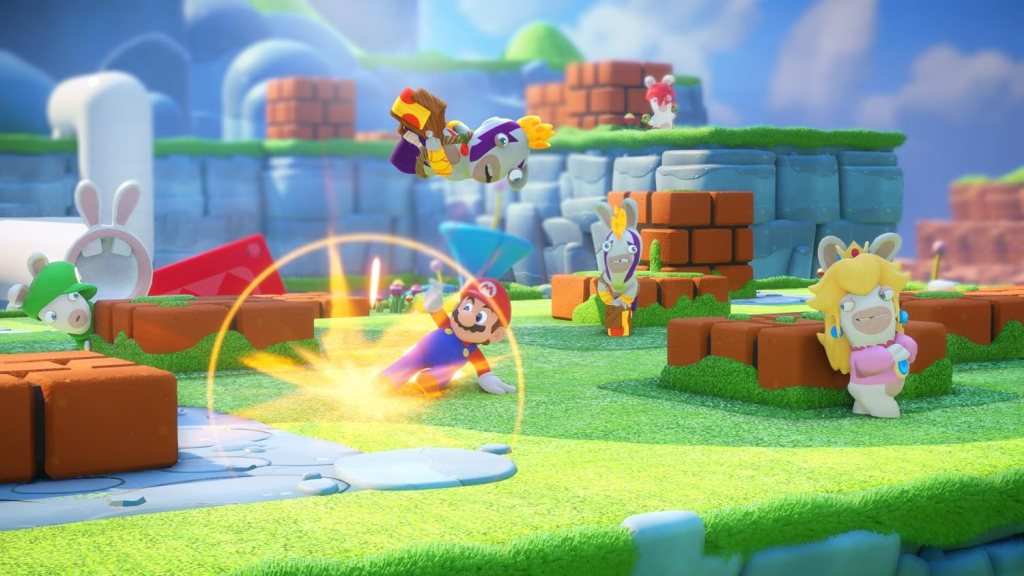
When this game was announced as a mash-up of Mario and Rabbids in which they would use guns in turn-based tactics battles, I thought there was no way it would be good. It felt like 3 diametrically opposed things being merged into some bizarro concoction. But it actually works. Mario and his pals team up with a handful of Rabbids cosplaying as Mario characters to take down the out-of-control virus that is corrupting everything.

The Mushroom Kingdom, as always, is a fun backdrop for the adventure. It’s bright, colorful, and has a set of classic areas to explore. Walking around the world only serves as a breather between battles, but I enjoyed soaking in all the wacky details. The invasion of Rabbids has left the Mushroom Kingdom and its denizens in chaos. And the Rabbids are strewn about, causing mayhem with their signature brand of physical comedy. Luckily, I think the Rabbids were toned down a bit in terms of their obnoxiousness. They are infamous for how annoying their schtick can be, so I’m glad that it was reduced to more reasonable levels.

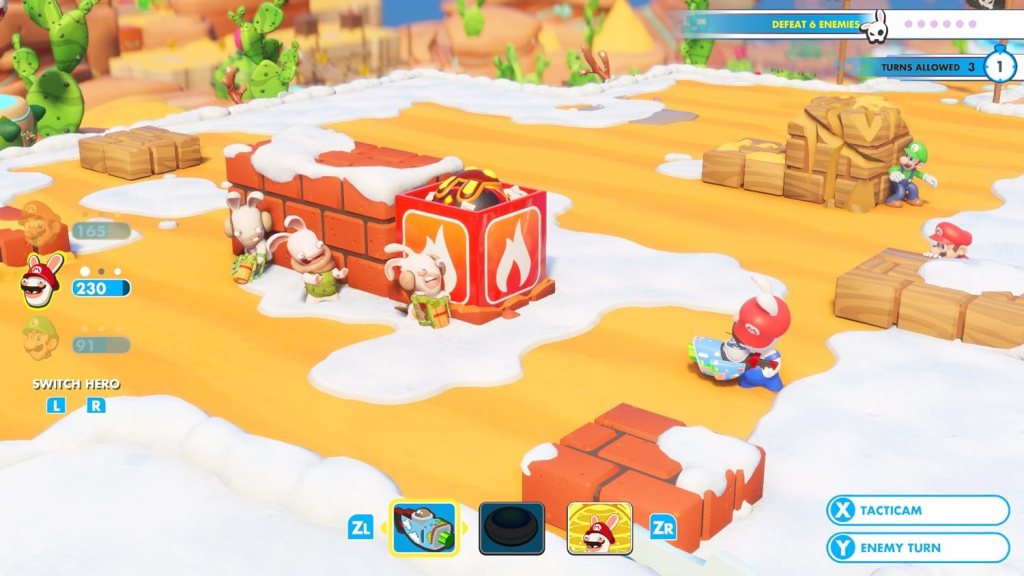
Aside from the concept, Mario + Rabbids Kingdom Battle surprised me in how many smart ideas it had. One of the biggest examples of this is the 0/50/100% hit rate system. In most other tactical RPGs, whenever an attack is initiated, there is a complex formula to calculate the odds of the attack landing. This is a core mechanic to games like XCOM in which the player tries to optimize their odds of success while staying in a safe position to minimize enemy hit rates. But the issue I’ve always had with XCOM is how outrageously bad it feels to carefully enact a strategy that relies on a 97% shot, but it fails and you are severely punished. It’s just how odds work, but that doesn’t stop it from feeling terrible.

In order to combat this feeling of getting unlucky, Fire Emblem implements its own system. It amplifies the percentages under the hood, so a high percentage like 90% is really closer to 98%, while a low percentage like 20% is more like 8%. While it is directly lying to the player about odds, I think it works wonderfully because the player shouldn’t be basing their strategies on low percentage attacks. It just makes the game feel better and doesn’t make you feel like you got unlucky as people are notoriously bad at estimating odds. Mario + Rabbids Kingdom Battle gets around this conundrum entirely by boiling down hit rates to 3 categories: 0%, 50%, and 100%. If attacking an enemy fully behind covered, you will not hit them. If they are partially behind cover, you have a 50/50 shot. And if they are in the open or you flank them, you a guaranteed to land a hit.

I think this system is genius because of how simple it is. You are encouraged to flank enemies, as you can’t reliably hit them otherwise. There’s no frustration in missing a high-percentage attack because they simply don’t exist. You almost always know beforehand whether the attack will hit, and hitting 50/50s should be seen as a bonus, not a core part of your strategy. You can’t blame luck when you miss a coin flip. There are other forms of statistics in the game, like weapons that have a range of damage they can inflict and can occasionally trigger special effects. But like with the 50/50 shots, you shouldn’t rely on special effects or max damage attacks as they are uncommon. If playing well, you always know when an attack will hit and the base amount of damage it will do, anything on top of that is a bonus. This simplified hit system is such an intelligent mitigation technique of the player feeling unlucky when playing tactical games.

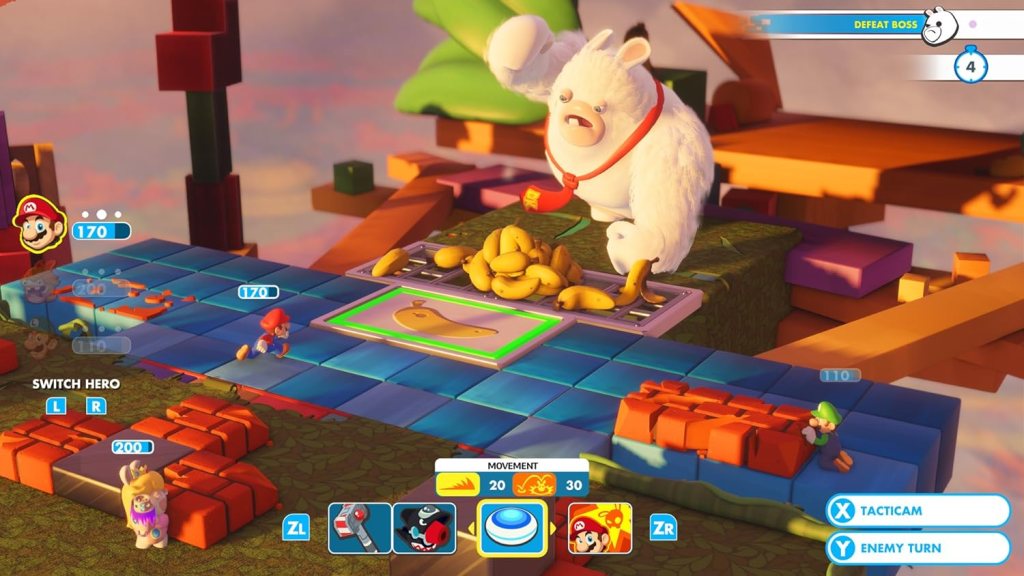
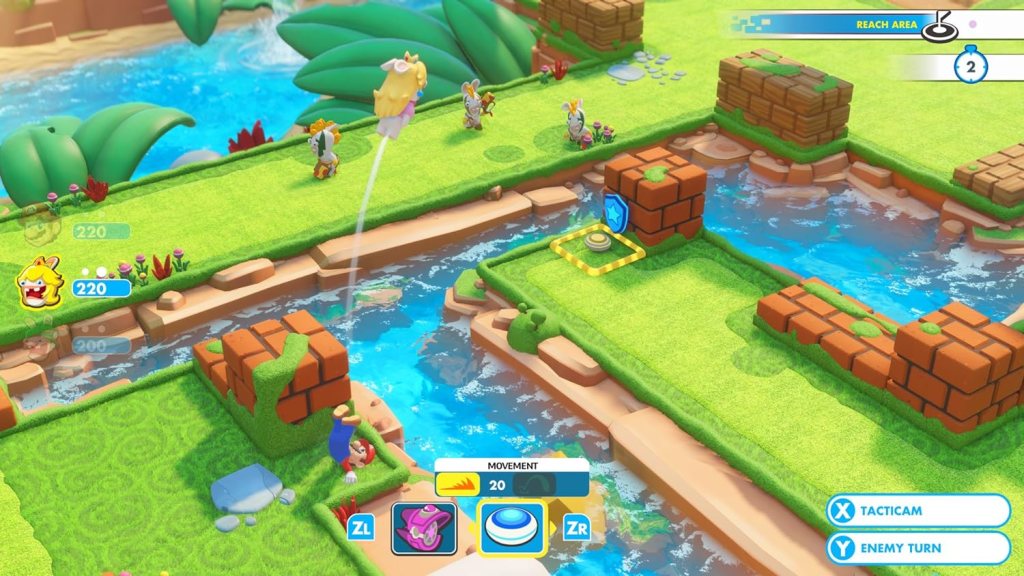
Even though the hit system is simplified, Mario + Rabbids Kingdom Battle has a surprising amount of depth. The battles are small, you only can control 3 characters in relatively compact maps against a handful of foes. But each turn brings so many possibilities that it’s staggering. Each character has two weapons, two special abilities, and some extreme mobility. On a single turn for a single character, you will be able to move, dash through an enemy or two to deal damage, jump off a teammate for extended movement, attack an enemy with your weapon of choice (which also have a reasonable chance to trigger special effects), and decide if you want to use a special ability. And you can take these actions in any order you want. The breadth of options here is immense. 

All of the possibilities available to both the player and the opposition make for some extremely dynamic battles. The extreme mobility and combat capabilities paired with destructible environments make it difficult to predict exactly how any given turn will play out. This encourages aggressive play. You should maximize your own capabilities to take out as many enemies as possible before they get the chance to retaliate. Every turn feels like a mini-puzzle as to how to get the most out of your character’s actions. Moreover, if you want to get a “perfect” score on every stage then you have to complete the battle in a set number of turns, further encouraging you to play aggressively. I love that flanking and going on the offensive is the best strategy, as many other tactical games encourage turtling and playing overly safe.

Mario + Rabbids Kingdom Battle can actually be pretty tricky at times. Enemies can easily flank and position themselves to deal massive damage. Boss fights are multi-staged affairs with unique mechanics. And there’s tons of enemy variety sporting different weapons and effects to watch out for. This makes for some fun challenges as you learn how to utilize your characters effectively. The upgrade system encourages you to specialize your characters to bring out their strengths.

My only complaint about the gameplay is that I wish it encouraged more experimentation with party members. You can only have 3 in any given battle, and 1 of those is required to be Mario, leaving only 2 options for other members. All the characters were unique and had some interesting abilities to be utilized, but I never really strayed from my core party because I didn’t need to. My setup of Mario, Luigi, and Rabbid Luigi was more than capable of taking on any of the main campaign and all of the bonus levels. Maybe if the game didn’t have such restrictive limitations on my party, I would’ve tried different characters. Another option is if there were challenges that encouraged the use of members that you haven’t utilized that showcased each character’s niche.

Aside from gameplay, I did have a handful of minor gripes about the user interface and user experience. The camera during battle left a lot to be desired. I wish you could freely rotate it and zoom out to see the entire battlefield. It wasn’t a huge deal as most maps are tiny, but some of the missions are massive and it can be difficult to grasp which route to take to the goal. Another improvement that I would’ve liked to see is the ability to toggle enemy movement and attack ranges. You can do this for a single enemy in a special menu, but there’s no way to leave it on for when you are actually making a move. You just have to memorize their range if you are trying to keep a character out of harm’s way.

The biggest issue I had with the user experience is just how long everything takes. There’s a panning camera shot at the beginning of the battle, a celebratory animation when you win, and a ton of seemingly random cinematic animations that occur during battle. These cinematic animations can happen anytime, whether you are just sliding for a little bit of damage, attacking normally, or triggering an ability. They do look nice, but this is a fairly lengthy game with a ton of battles. You are going to be seeing the same animations over and over and over. The battles themselves are only a few turns long, but they can take a while simply because there are so many actions and superfluous animations. You can speed up enemy turns which is a great feature, but I would’ve liked options to be able to speed up all animations and disable the cinematic animations altogether.

Overall, I was shocked how much I enjoyed Mario + Rabbids Kingdom Battle. I thought the game would be too simplistic to be engaging, but I was proved completely wrong. Every turn has so many dynamic possibilities that lends to aggressive play. The 0/50/100 hit percentage system was a genius method of alleviating frustration and encouraging flanking maneuvers. Despite a few little UI hiccups, Mario + Rabbids Kingdom Battle is a phenomenal strategy game. If you are like me and have Mario + Rabbids Kingdom Battle sitting on your shelf, do yourself a favor and give it a try.

Super Mario 3D World (2013)

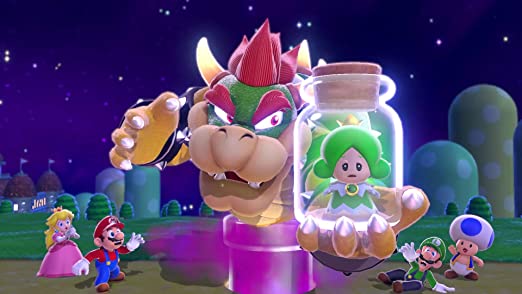
In a series that is home to some of the greatest and more influential games of all time, Super Mario 3D World seems a little underwhelming at first glance. It’s less adventurous than Super Mario 64, less experimental than Super Mario Sunshine, and less grandiose than Super Mario Galaxy. What Super Mario 3D World does have going for it is its simplicity. In fact, it is the most direct translation of the 2D Super Mario titles into the 3D space. From start to finish, Super Mario 3D World is a smorgasbord of fun ideas and classic platforming.

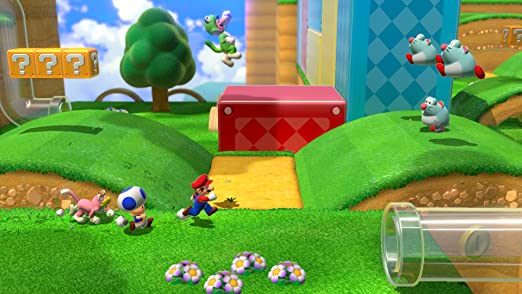
There’s no denying that Super Mario 3D World is closer to the original 2D Super Mario games than its 3D counterparts. Every level is a one-and-done obstacle course that ends with a goalpost. This is in stark contrast to other 3D Super Mario games which almost always reuse the same areas for multiple levels. And many times, those levels aren’t straightforward obstacle courses, but require exploration and puzzle solving. But in Super Mario 3D World, pure platforming is the main focus of the game.

While there are a few collectibles in every level, three Green Stars and a stamp, the levels are short and linear. This is not a bad thing by any means, and it allows the team of developers to design a much more curated experience. There are nearly 120 levels in Super Mario 3D World, and almost every single one introduces a new idea or concept. While many of these ideas are borrowed from previous titles, there are a few stand out new inclusions. The Cat Suit is an important new power-up that is showcased. Captain Toad makes his first appearance in the short puzzle-platformer diorama levels. And the Double Cherry makes for some engaging challenges as you control multiple clones at once.

The most surprising aspect of Super Mario 3D World is just how good all the levels are. In a game brimming with ideas and content it’s crazy that not a single one is a clunker. The level of polish here is unfathomable. The gimmicks don’t necessarily feel gimmicky because they don’t change the way Mario is controlled. The game never strays away from the pure platforming bread-and-butter than it is so committed to. It’s an insanely well-curated collection of all the best concepts from the Super Mario series.

Part of the reason why levels could be so refined is partly due to Mario’s reduced movement options. The side-flip and long-jump were drastically reduced in effectiveness, while the triple-jump was removed altogether. These constraints allowed the designers to make levels with a much clearer intended path. You cannot use advanced movement techniques to skip obstacles, and levels are much more linear. While I do think that I enjoy how polished the levels feel as a result of these movement limitations, it ultimately comes down to preference if you enjoy this style compared to all the other 3D Super Mario games.

Levels in Super Mario 64, Super Mario Sunshine, and Super Mario Odyssey are free-roaming affairs. Many times, you don’t even know what your goal is. Exploring the environments was open-ended, and led to freestyling as to how you would approach the level. This is also reflected in how the camera works in these games, as you can rotate the camera to get a better look around. This is opposed to Super Mario 3D World which has locked camera angles so that there is never a doubt that the player has a good view of the action, but also is restrictive and prevents exploration.

While I did love playing Super Mario 3D World, it lacked the sense of adventure that makes the Super Mario series my favorite. I prefer the wide-open stages that you revisit many times and become intimately familiar with as opposed to the linear and restrictive levels that are present here. Moreover, Super Mario 3D World lacks cohesion and visual theming. While Super Mario Galaxy had mostly linear levels, it had the consistent context of exploring tiny planets. Levels made sense in that context, and they had visuals to support that theme. Super Mario 3D World just feels like a collection of artificial levels.

Most of the stages are floating islands of toy-like cubes. They don’t feel like real locales, and they lack the planetoid context of Super Mario Galaxy. I think having backgrounds and visual flair that made the levels feel more authentic would have gone a long way to making Super Mario 3D World a more immersive adventure. Moreover, while there is a world map to traverse, there is no cohesion within the worlds. The desert world doesn’t have mostly desert levels, the ice world doesn’t have more snowy levels than average, the worlds don’t group levels in a meaningful manner.

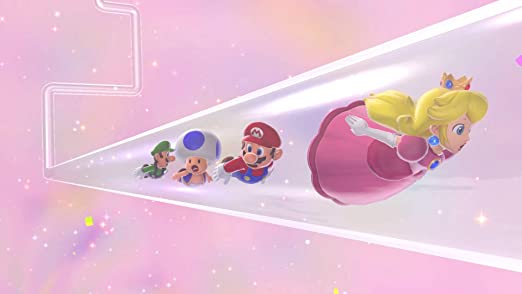
The most unique aspect of Super Mario 3D World is the inclusion of multiplayer. The fixed camera, simplified levels, and more basic controls all make a multiplayer experience possible. While it’s been a while since I played it with others, it can be a blast to partake in the sheer chaos of Super Mario 3D World multiplayer. I found that the game is much harder when trying to coordinate with your friends. And it can get competitive as you try to earn more points than your fellow players.

One thing that I felt I should mention is that in the recent Switch port of the game the movement speed has been noticeably increased for some reason. I don’t know why this decision was made, or if it was even intentional at all. But either way, you move much quicker than the original version of the game and this sometimes trivializes some speed-based obstacles. Additionally, you no longer have to collect Green Stars all in a single attempt but they are saved once you clear a level. While both of these changes make the game easier, I don’t think they are game-breaking.

Super Mario 3D World is the most consistent of the 3D Super Mario games. It’s a collection of some of the best ideas that the series has, and it’s executed superbly. The pure platforming may appeal to fans of the series who miss the old, 2D Super Mario days. Personally, I missed the sense of adventure and exploration that the other games in the series offered. While I had a lot of fun with Super Mario 3D World, it’s definitely my least favorite of the series. Of course, few games could ever compare to the excellence that is the Super Mario catalogue.

Paper Mario: The Origami King (2020)

Anyone who is even vaguely familiar with the Paper Mario series knows how contentious the modern games are. The early games in the series were considered masterful RPGs, but Nintendo decided to ditch the formula for whatever reason and take Paper Mario in a different direction. With every new release, fans are clamoring for a return to glory, and the latest entry shows how being caught between two genres is hampering the series. Paper Mario: The Origami King is not a bad game by any means, but it is confusing and feels like the directors have no idea where to take the series. Despite enjoying my time with the game, I couldn’t help but think how much better the game would be with just some minor changes.

I will not hide my biases, Paper Mario: The Thousand Year Door was one of my favorite games growing up. The sense of adventure, mystery, comradery, and imagination were enthralling. You explored a diverse and interesting world, gathering a whacky cast of characters to explore with. All the while gaining experience and items to become stronger. The combat was turn-based, you’d select from a list of moves for Mario and his partner based on whatever you felt was best in a particular battle. While it wasn’t incredibly complex, there was some strategy and tactics involved, which is something that cannot be said for Paper Mario: The Origami King.

Before I get to my issues with the combat system, I must mention that Paper Mario: The Origami King does an adequate job with nearly every other aspect of the game. The world and adventure itself are actually extremely engaging. There are plenty of imaginative areas, each one with their own self-contained story that you must unravel. This is reminiscent of the original games in the series, in order to defeat the big-bad-guy you have to travel across the land and do something in each of the main areas. While the main plot itself is fairly straightforward, most of the sense of adventure can be found when exploring the more contained locales.

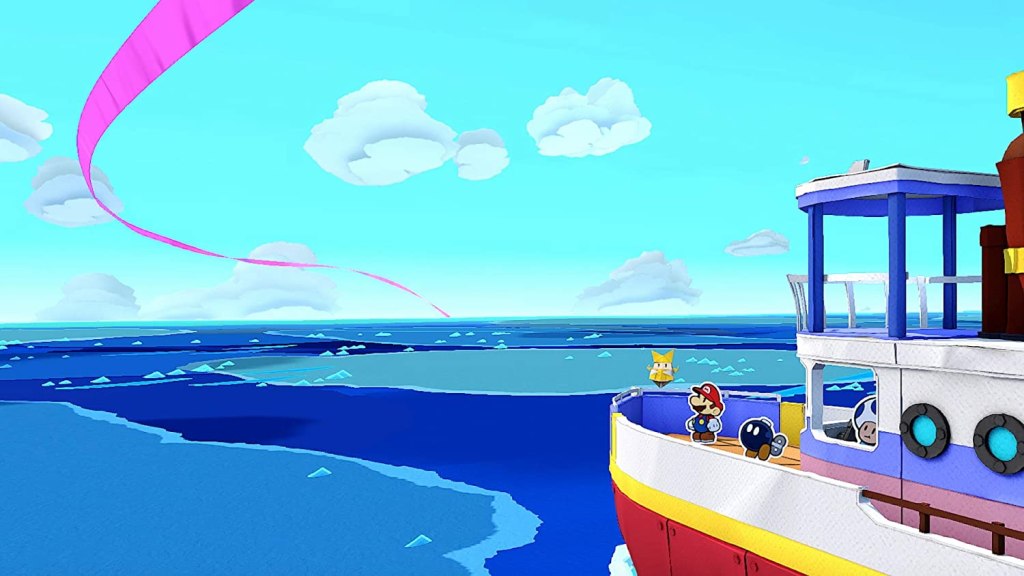
There are plenty of fun and unique areas to explore, which for me was the highlight of the game. The Japanese castle theme park, the cruise ship, the spa in the sky, the open sea dotted with islands, there are some fantastic places that would fit right in when it comes to classic Paper Mario. There are plenty of towns that are fun to explore and find the secrets of. Moreover, the writing and wit in this game is truly remarkable. When I think of Nintendo, I rarely think of games with clever writing. Most of their catalog either has minimal dialog or extremely cheesy writing. Paper Mario: The Origami King can be genuinely funny, with plenty of wit that doesn’t necessarily bash you over the head to the point of being annoying.

For lovers of collectibles, there is plenty of secrets to be found. The areas in Paper Mario: The Origami King aren’t overwhelmingly large, but they are absolutely packed with stuff to find. Between rescuing Toads, finding trophies, and uncovering secret Hearts, I always felt that there was something to be found. Solving little puzzles or spotting hidden markers is always a welcome detour when exploring the world.

Where the game inspires ire for me mostly has to do with the executive decisions stifling creativity. It is no secret that some executive has decided that spin-off Mario games are heavily limited in what they can include. There can be no new races of creatures, any new characters cannot be named, and existing races can only have a slightly modified experience. What this equates to is a lack of interesting characters. If the level of writing is any indication, the writers on this game were clearly talented. I wish they were given the chance to create a cast of fantastic characters and partners to accompany Mario on his journey.

The single most frustrating part about Paper Mario: The Origami King is also a result of executive meddling: the combat. For some bizarre reason, somebody high up at Nintendo has decided that the Paper Mario series should no longer be RPGs. As a result, the modern games rely on gimmicks to fuel their combat systems instead of traditional turn-based combat. In the case of Paper Mario: The Origami King, the gimmick is what I shall refer to as “ring puzzles”. When getting into combat, enemies are spread across four concentric rings, with Mario standing in the center. You can turn the rings clockwise or counter-clockwise, and also shift portions of the ring in and out. Ultimately, the point of the system is to line up enemies so Mario can hit them all with a single attack. If you line up all the enemies in a line or a square, you get an attack bonus and can hit them all with a given attack.

I honestly don’t think that the ring puzzle system is an inherently terrible idea. It could potentially add some strategy to a battle, letting the player line up enemies in different patterns so they can choose different attacks. But ultimately the system is binary: you either get a perfect line-up or you don’t. There is no strategy or tactics whatsoever, it is simply a puzzle of lining up enemies within a given timeframe and number of moves. If you fail the puzzle, you take a bit of damage and the battle lasts a little longer. I tried to avoid combat as much as possible since there is barely any benefit to doing it, it was incredibly repetitive, and it just felt like a waste of time. And it’s not like this is a minor part of the game, the combat system is half of the game. I love puzzles but this system just does not work.

The boss battles were a little better than the standard combat in the game, as they functioned slightly differently. They were still ring puzzles, but you had to line up the rings to guide Mario to the correct spots to take certain actions. They did feel a little too lengthy, but I think that is a function of how they were designed. Each boss seems like they only have a single tactic to beat them. Usually, you have to do a couple of specific actions in a row to deal damage. I think the battles would be fairly quick but there is a lot of trial and error trying to figure out which actions you need to take to actually damage the boss.

The confusing part about Paper Mario: The Origami King for me is how hard it tries to not be like the RPGs of the olden days, but how zero effort was put into actually doing something different. The combat is still turn-based, but instead of tactically choosing moves you just attempt a ring puzzle. There are still partners in the game, but due to creativity being stifled they aren’t unique and have no name. They also only part of your party for a single area, are nearly useless in battle, and have no abilities in the overworld. There is still progression, you receive Hearts that boost your max health and damage. Instead of battles just giving you experience and leveling you up, rewarding the player for participating in battles, you just receive those special Hearts at set points in the game. There are still badges to augment your battling capabilities, but there is no actual choice or strategy in which ones to equip.

While I undoubtably miss the old Paper Mario formula, I’d be ok with something new. But Paper Mario: The Origami King isn’t something new, it’s simply the same RPG formula but with the actual good parts stripped out. Turn-based combat without strategy, partners without names or abilities, level-ups without experience, and badges without build diversity; the game still has all the systems of the old games, but without the context that makes those systems function in an engaging way. If Nintendo made Paper Mario to be an action-adventure game it’d disappointing but it’d be preferable to these half-assed RPGs that seem to just dangle the game that players actually want in their faces without quite giving it to them.

Overall, Paper Mario: The Origami King is a competent game. It has an imaginative world and plenty of diverse locations. The writing, dialog, and art are superb, but is hampered by the directives sent down by executives. Paper Mario is a series caught between two genres, and it suffers for it. The fans want RPGs, and the games are perfect for that style of gameplay, but the executives at Nintendo want it to be an action-adventure series without actually committing to it. It is for these reasons that I give Paper Mario: The Origami King a 6/10. Exploring the world of Paper Mario is fun, but even as somebody who loves puzzle games, I absolutely could not stand the ring puzzle combat system.

Super Mario Sunshine (2002)

I think we all fall in love with some piece of media that we know is massively flawed. Maybe your guilty pleasure is a reality TV show, or a cringey rom-com, or maybe you are a fan of 100 gecs. For me, Super Mario Sunshine is my broken game of choice. I’m willing to admit my intense nostalgia for this game, but having played it many times I am well aware of its flaws. Maybe it’s because of the warm island vacation theme of Super Mario Sunshine, but playing this game just makes me happy. It’s like wrapping up in a thick blanket with hot chocolate in winter, Super Mario Sunshine is cozy.

Just from a technical standpoint, Super Mario Sunshine was a pretty massive improvement from its predecessor: Super Mario 64. Visually the game is much more appealing, and in my opinion, it controls a lot smoother as well. There are some other significant differences from its predecessor: the world design, the mission structure, and the inclusion of F.L.U.D.D.. I think all of these changes have pros and cons, and they definitively make Super Mario Sunshine unique.

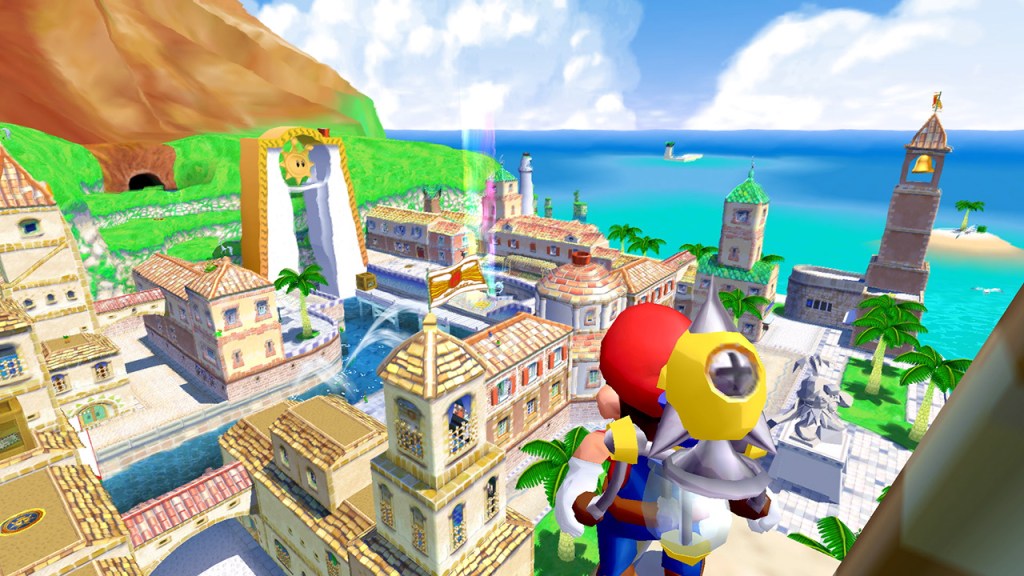
The world of Super Mario Sunshine is a tropical paradise, through and through. The plot of the game is that Mario and company set out for vacation on Delfino Island, but get wrapped up in helping restore the island after a mysterious villain frames Mario for covering the island in graffiti. The player will visit the various attractions of this tropical island including villages, theme parks, resorts, beaches, and other serene environments. I love the consistent atmosphere of Super Mario Sunshine. Every other Super Mario game focuses on variety of distinct areas, while this game goes all-in on the vacation theme.

I’ll admit that I am not much of a beach-goer in real life. Yet for some reason I love every single beach level in any video game. I always attribute this to growing up with Super Mario Sunshine and its lush palm trees, clear waters, bright sunlight, and tropical tunes. This all begins with the phenomenal hub area of Delfino Plaza. From there you can access all of the other areas in the game, but I spent countless hours as a kid just running and jumping through the streets, leaping on top of the buildings, and sliding on the beach. There are plenty of secrets to be found which makes it a compelling area to explore. The vibrant colors and bright sunlight make it a warm and welcoming area, allowing the player to play around with the various mechanics of Mario’s controls.

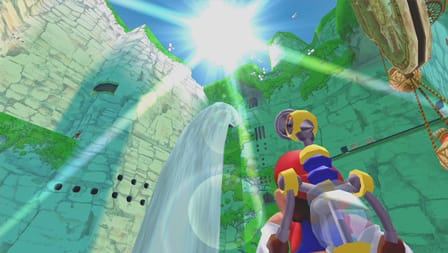
The number one thing that sets Super Mario Sunshine apart from its peers is its unique movement mechanics. Mario can do all the classic moves from Super Mario 64, with the exception of the long jump. Instead, Mario comes equipped with F.L.U.D.D., which is a device that allows the player to spray water and use water as a jetpack. You cannot float around indefinitely, but you can get an extra couple seconds of hangtime during a jump. The reason that Super Mario Sunshine is divisive is for its use of F.LU.D.D., the argument is that it deemphasizes the traditional platforming. The player no longer has to make precise jumps, and can float around for a second before landing on platforms.

While it is true that Super Mario Sunshine has less emphasis on pure platforming challenges, it still manages to capture the player’s creativity to attempt tricky maneuvers. I spent hours just trying to scale walls use a combination of side-flips, wall-jumps, and jetpacking. Not to mention that F.L.U.D.D. can be upgraded with extra nozzles that further break the player’s ability to quickly maneuver around the map. Furthermore, Super Mario Sunshine benefits from the fact that it isn’t a pure platformer. The game feels like a hybrid of an adventure game and a platformer. There are more exploration and puzzle-solving elements in Super Mario Sunshine opposed to just platforming, which it shares in common with Super Mario 64. I quite like this combination as it makes the game feel like a genuine adventure across Delfino Island, rather than just a set of arbitrary platforms to jump between.

Super Mario Sunshine is what I would classify as experimental. The use of F.L.U.D.D., the lack of emphasis on platforming, the consistent theme, and the unique level structures all make for an atypical Super Mario experience. Most levels in the game have the player preform some task before they can acquire a shine and complete the stage. While I think that this approach succeeds most of time, sometimes the experiment goes wrong. Super Mario Sunshine has an unusual number of god-awful levels. I don’t mean that they are just boring or forgettable, but instead are truly painful and are known for making people tear their hair out.

In a game where there are 120 shines to collect, not every one is going to be a winner. But Super Mario Sunshine contains over a dozen stages that I dread revisiting every time I play the game. Most of these levels fundamentally change how to move, and all of them feel like janky nightmares. The lily pad level for example has the player steer a sinking lily pad down a fast-moving stream of deadly water using only their water nozzle. You have to precisely collect 8 coins during the ride, and if you miss a single one you have to restart the stage. Not to mention that just getting to this area is a 10-to-15-minute ordeal of tediously waiting on a boat. Super Mario Sunshine benefits from its willingness to experiment, but be prepared to play some genuinely terrible levels.

As previously mentioned, there are 120 shines total in the game. There are eight areas, including the hub world of Delfino Plaza. Aside from the standard levels in each area, they all also contain 30 blue coins. You can trade in 10 blue coins for a single shine. The blue coins are a classic example of a great idea that was terribly executed. The blue coins encourage the player to explore the environments around them, uncovering secrets and trying to jump to hidden locations. Exploration is the strong suit of Super Mario Sunshine, and the blue coins are a huge aspect of this. With such a wonderfully constructed paradise, it would be a shame if the player wasn’t prompted to spend time looking around.

While the blue coins are great at encouraging exploration, they have some major flaws in their execution. First and foremost, there are 240 of them in the game. Meaning that there are 24 shines that are comprised of blue coins; that’s 20% of the total shines in the game. Honestly, that is just too many, they could achieve the same effect with only half that amount. The next issue is that they feel genuinely bad to collect. When grabbing a secret item, I should feel accomplished. Instead, the blue coins make me feel annoyed. The reason for this is that every time you collect one a text prompt appears that asks if you would like to save the game. The text box and saving process only takes a few seconds each time, but over the course of 240 blue coins it can get grating. Interrupting the player’s experience is typically not a good thing.

The biggest problem with the blue coins, however, is how they are spread out across the areas. Each area has 30 blue coins total, and there are 8 separate levels in each area. The issue is that some blue coins only appear in certain levels in the area. For example, one blue coin may be in the first and second missions, but may not be in the following missions. Furthermore, the game does not tell you which missions you are missing blue coins in. You may know that you need 5 more blue coins from an area, but you have no idea which of the eight levels that those blue coins reside in. To legitimately find them all you would have to thoroughly explore all 8 missions in an area. It would be incredibly tedious and repetitive.

Truthfully, I use a guide to find whatever blue coins I’m missing by the end of the game. I’m not sure how anybody is expected to find them all legitimately. I understand that blue coins are an entirely optional objective. But at the same time, I feel like the Super Mario games are designed such that the player is encouraged to collect all 120 stars or shines. You may only need 50 to complete the game, but honestly that feels wrong. The fix for the blue coins would be to simply inform the player how many blue coins are left in each mission to collect, that way you could visit the levels and know that there are blue coins present. It would save a lot of wasted time and frustrated exploration.

I have completed Super Mario Sunshine numerous times, but my most recent playthrough may be the last time that I 100% the game for a long time. At its best, Super Mario Sunshine is an adventure in a tropical paradise. Controlling Mario is a wonderfully smooth and fun experience. On the flipside, Super Mario Sunshine contains many infuriating levels and a healthy chunk of hard-to-find blue coins. In the future I’m just going to stick to the good, and avoid the bad, and I suggest everyone else do the same. Super Mario Sunshine is not a perfect game, but it is a favorite of mine. Something about that relaxing atmosphere keeps be coming back time and time again.

Super Mario Odyssey (2017)

It was a big claim when Nintendo placed Super Mario Odyssey on the same plane as Super Mario 64 and Super Mario Sunshine. Super Mario 64 arguably being the most influential game of all time, and Super Mario Sunshine is no pushover either. Sure, the Super Mario Galaxy games are phenomenal, but we haven’t had a Mario game in the style of Super Mario 64 or Super Mario Sunshine in 16 years, so a ton of hype was built around the release of Odyssey. Upon release, Odyssey has received a massive amount of praise, but surprisingly a fair amount of criticism as well. So, did Super Mario Odyssey live up to its hype for me? Yes. Easily.

1

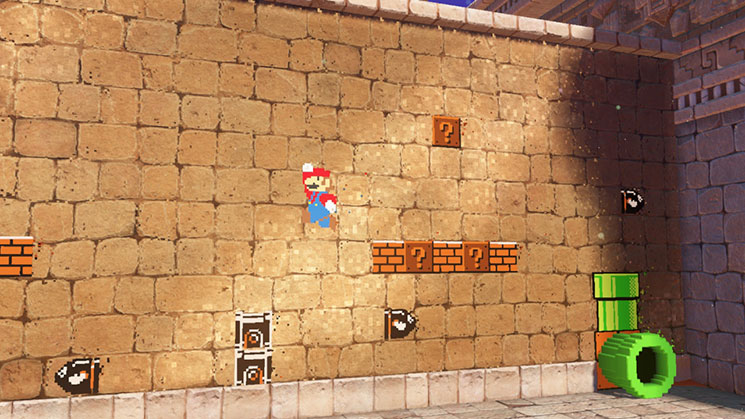
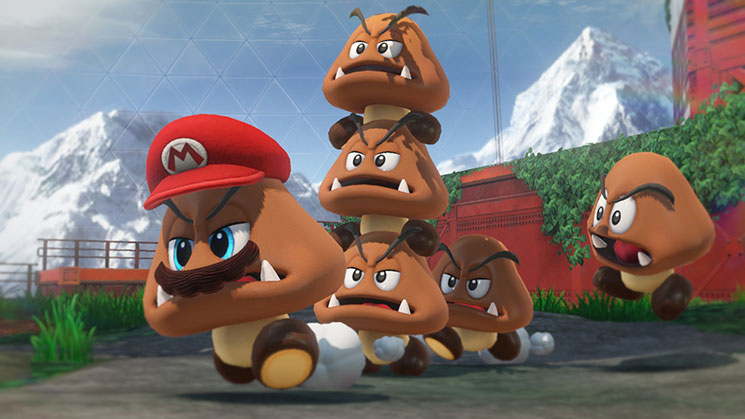
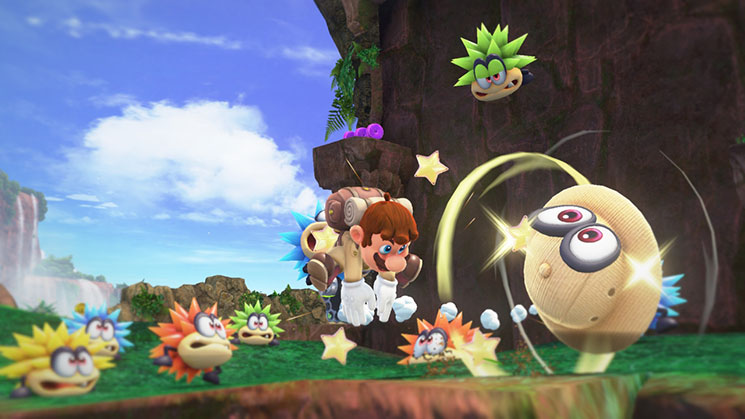
The Super Mario series is probably my favorite series of all time, especially the 3D entries. Naturally, Super Mario Odyssey was my most anticipated game of the year for me, even more so than Legend of Zelda: Breath of the Wild. Thankfully, I was not disappointed by Super Mario Odyssey. The Super Mario series is defined by the tightness of the controls and just how satisfying it is to move around as Mario. Super Mario Odyssey sports the greatest controls of any of the 3D entries. In addition to the classic moveset of jump, backflip, walljump, triple jump, and dive Mario has a few more tricks up his sleeve due to the addition of Cappy. Cappy, a sentient hat, is Mario’s new friend and provides a large variety of new moves to traverse the world. On top of the variety of new tricks that Cappy allows, the big addition is that Cappy can possess enemies. This lets the player use the movesets of enemies to progress through levels. It is enormously fun to chain these possessed enemies together with Mario’s standard moveset to allow for some crazy combinations to achieve a ton of distance. It is an absolute joy to just jump around the levels as Mario is known for.

2

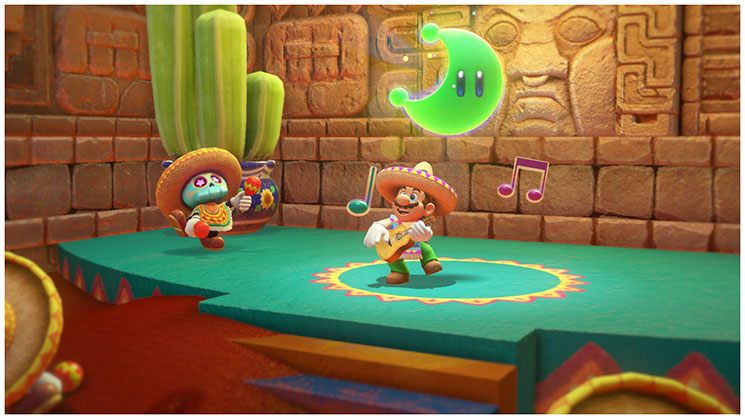
Super Mario Odyssey is centered around the open-world exploration of 17 different kingdoms. Each of these kingdoms starts off with a scripted sequence that throws back to Super Mario 64 and Super Mario Sunshine. The camera zooms in on your objective, and off you go. After you complete these scripted story missions, the entire kingdom opens up for you to discover. First and foremost, Super Mario Odyssey is a collectathon. There are almost 900 objectives, known as moons, spread across the 17 kingdoms. The biggest task in collecting them is just finding them, so if you are looking for a pure platforming experience you are not going to find it here. This is just a pure treasure hunt, finding something new every few minutes, supplemented by just how fun it is to control Mario.

3

While many have praised Super Mario Odyssey, there has been a lot of negativity surrounding it as well. There are two key criticisms: it is too easy, and it is repetitive. I can understand where these criticisms come from, but I do not think they are valid considering what this game sets out to achieve. First of all, this is a Mario game, it is meant to be accessible for casual players, children, anybody can play Mario. So, it being “too easy” feels like a misdirected jab. Would I have liked challenging levels that fully use the expansive moveset that is offered? Yes. But again, this is not meant to be a challenging game. Most of the challenge is hunting down the numerous moons that a crammed into every nook and cranny of the levels. The second criticism is that while there is a ton of moons to collect, most of them are repetitive tasks or are deemed as “garbage” moons where no effort is required. This holds some weight, as many of the moon tasks are reused frequently, but I would argue that you are not meant to collect every moon. You only need 120 to beat the game, and since you open up the final kingdom at 500 moons, it seems that there are 400 extra moons tagged on. Some would argue that these are tacked on content meant to pad the game’s length, but I think otherwise. All these extra moons make it so that every player can achieve the 500-moon benchmark without straining themselves searching for every last moon. All those extra moons are just there as a buffer so everyone can find moons at an extraordinary rate, and as some extra content if you really enjoyed the game and want to hunt down some extra moons.

4

Super Mario Odyssey may not be the most innovative game of the year, but is some of the most pure, unadulterated fun that I’ve had in a while. Sure, it’s not the hardest game, and it is a collectathon at heart. But somehow, Super Mario Odyssey elicits a feeling of childhood joy that is rarely found in modern day games. It’s a colorful potpourri of platforming, and just pure fun. For these reasons I give Super Mario Odyssey 10/10. I may just be nostalgic, but I genuinely believe Super Mario Odyssey can make anyone feel like a kid again.