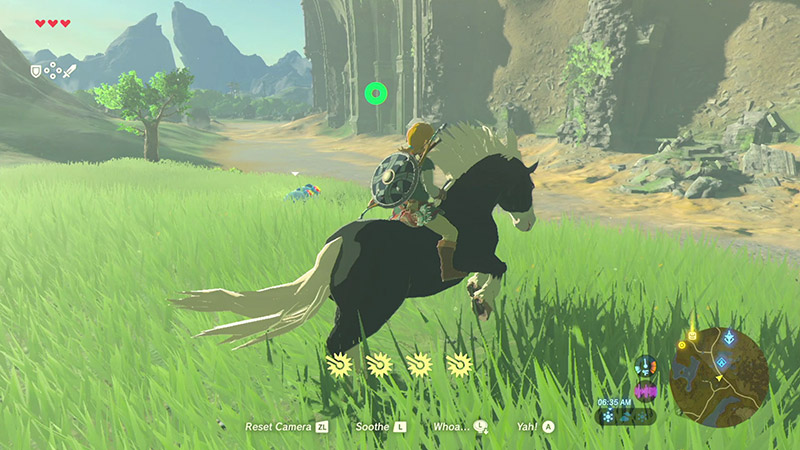
One of the game’s that I wish I spent more writing an extensive review for is The Legend of Zelda: Breath of The Wild. Looking back, I really should have highlighted how the game’s design led to organic adventure, discovery, and creativity. I consider Breath of the Wild to be a marvel of game design, and it remains as a barometer of quality for open world games. Predictably, I was endlessly excited for its sequel, The Legend of Zelda: Tears of the Kingdom. I was optimistic that despite reusing the map and world, Tears of the Kingdom would do enough to differentiate itself from its predecessor. After spending dozens of hours adventuring throughout Hyrule again, I can confidently say that Tears of the Kingdom is a marvelous sandbox to inspire creativity, yet its recycled world stifled the lure of adventure.
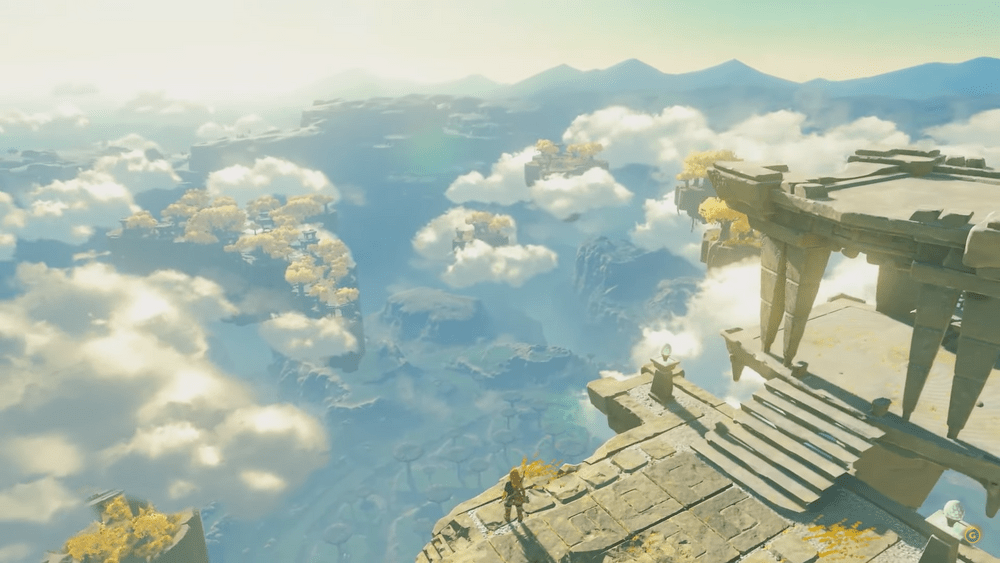
There’s no denying that Tears of the Kingdom is a wondrous playground for players to discover. It follows in the footsteps of Breath of the Wild; you can walk, climb, or glide anywhere that your heart desires. This is a level of freedom that I greatly appreciate. The player is left to craft their own path. The environment subtly piques your curiosity, pulling you towards interesting landmarks and mysterious areas. While there are quests to nudge the player along, many will find themselves constantly being sidetracked as they stray off the beaten path. This is the magic of Tears of the Kingdom.
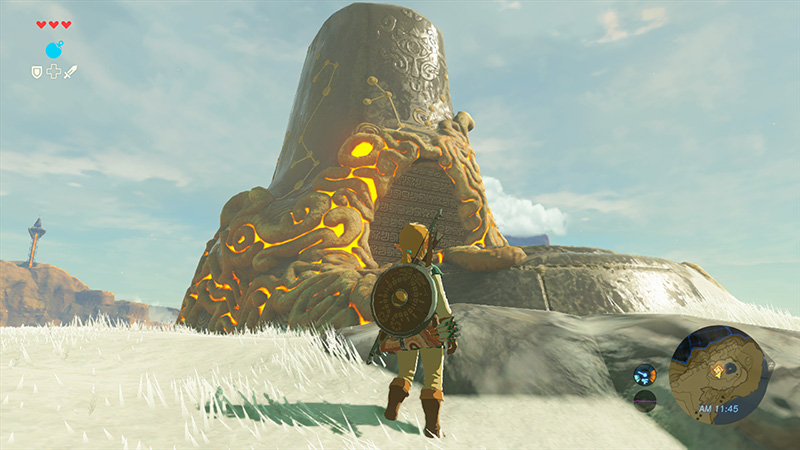
One could make the argument that while Breath of the Wild had a massive world to explore, it was fairly empty. Aside from few major towns, the game was dotted with the same objectives such as the bite-sized puzzles that were Shrines and Koroks. Tears of the Kingdom expands on that same world while also filling it with many more things to do. For example, you can explore many of the new underground caves and wells that exist within Hyrule. These winding passages are filled with valuable resources and dangerous monsters. Moreover, they often play a pivotal role in the expanded quest log of Tears of the Kingdom.
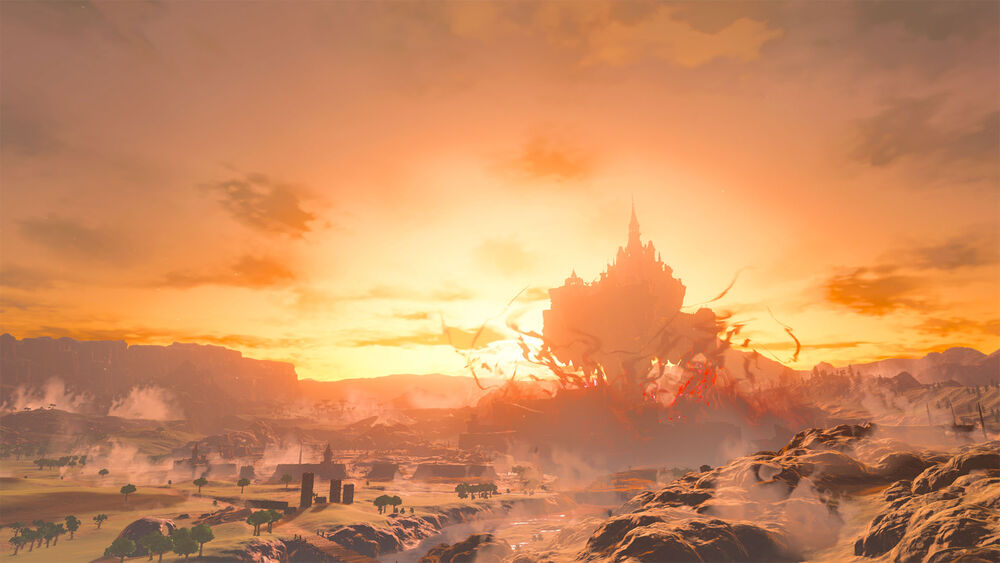
There are a ton of side quests to be sucked into while playing Tears of the Kingdom. Some of them are just short tasks to collect some items or kill some monsters, but I found that most quests were more expansive and told a story. I felt like I was playing a vital role in rebuilding Hyrule by assisting its inhabitants. The quests are intelligently designed to feed into the game’s main attraction: exploration. Tears of the Kingdom doesn’t fall into the modern convention of overusing objective markers and waypoints. Instead, the characters will describe their plight and have the player use their brain to solve the problem.
While it may not be revolutionary, I can appreciate the trust placed in the player to figure things out on their own. It’s far more immersive to be told about a monster camp alongside the mountain road and going to find it yourself rather than simply following a glowing arrow to the objective. The main quests also felt like classic The Legend of Zelda adventures. The dungeons themselves were short and underwhelming, but the quests leading up to those dungeons were superb journeys. They are legendary expeditions through the epic land of Hyrule.
The key distinction between Tears of the Kingdom and Breath of the Wild is the new set of abilities at the player’s disposal. There are four key abilities: Ultrahand, Recall, Fuse, and Ascend. These abilities are cleverly utilized and emphasized to increase the player’s motivation to make use of them. The most pivotal of these skills is Ultrahand, which lets the player attach materials together to build contraptions. The world is filled with Zonai Devices which act as battery-powered pieces of technology that can be used when building machines with Ultrahand. While I don’t have the creativity as many of the engineering-minded players, I still enjoyed building makeshift cars, planes, and other contraptions.
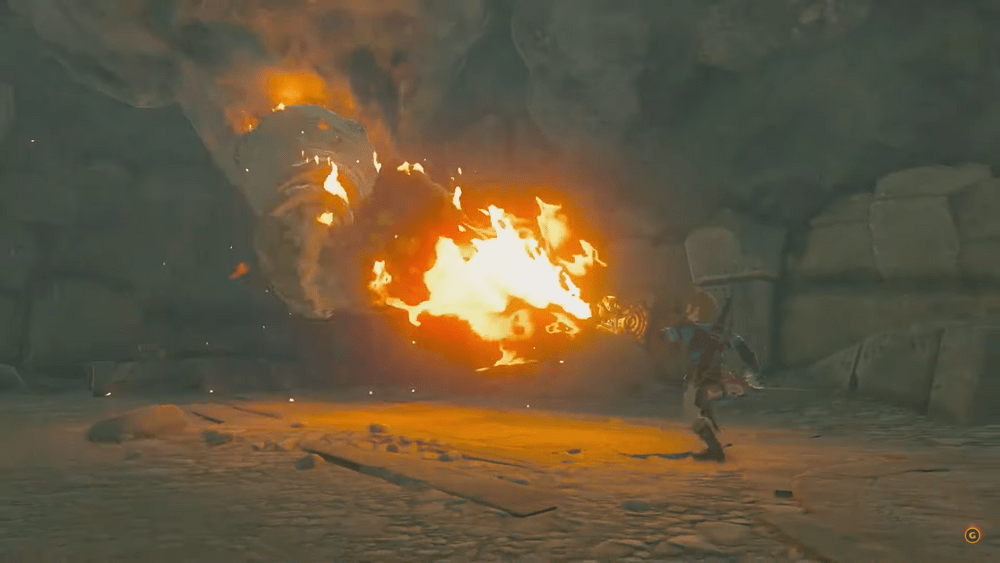
Ultrahand is extremely entertaining to experiment with. This was especially fun during the first hours of the game when I was still learning how everything functioned. There’s a wonderful comedic effect when one of your ideas literally bursts into flames. The outcome of building a sketchy vehicle was gratifying no matter the outcome. I either would laugh at the resulting chaos of my shoddily built mechanism. Or I felt pride and astonishment in the nature of “I can’t believe that actually worked”.
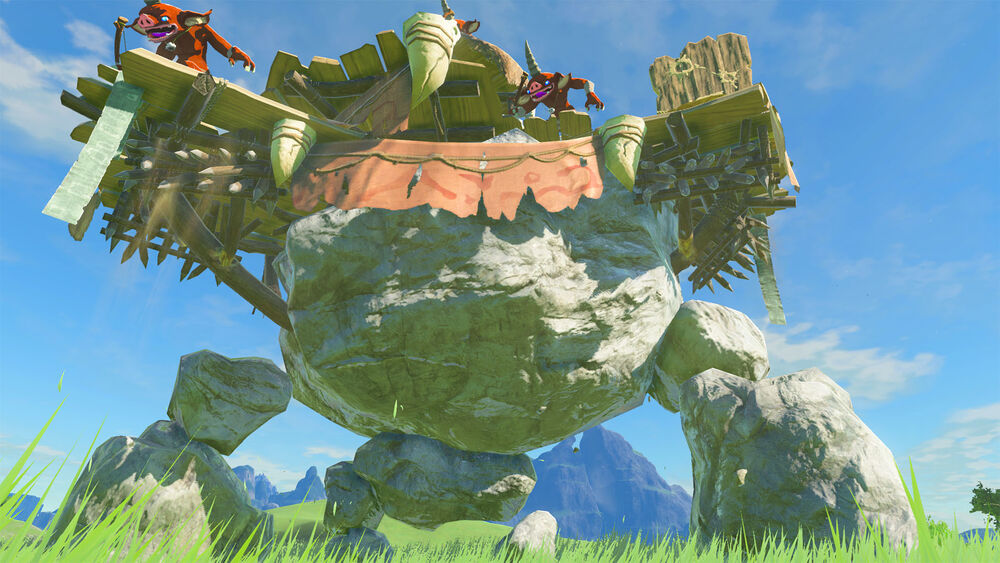
The genius of Ultrahand is how ubiquitous it is throughout the game. Initially, I was a little worried that such a creative idea would not be emphasized, but I was proved wrong. Many of the puzzles present in the game are reliant on Ultrahand. Shrines are specifically designed to teach you new combinations and mechanics. Moreover, you have to build vehicles to transport Koroks, which almost always results in a comedic sketchy-space-program wherein you launch Koroks into the stratosphere via rockets. Even basic traversal throughout the world was assisted by the use of gliders and other vehicles.
Fuse is another one of the key abilities of the game. It allows the player to meld items to weapons, shields or arrows. This is a pretty great concept, as it allows the player to come up with some creative weaponry or tools. Like fusing a rocket or bomb to your shield to blast off above enemies. Additionally, it means that defeating dangerous enemies yields resources are directly useful to crafting powerful weapons. Unfortunately, the implementation of Fuse is a little clunky as it requires frequent navigation through multiple menus to utilize fully.
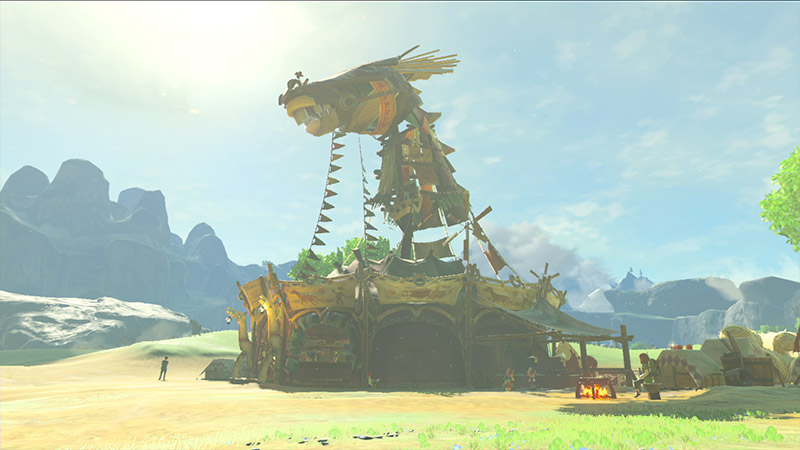
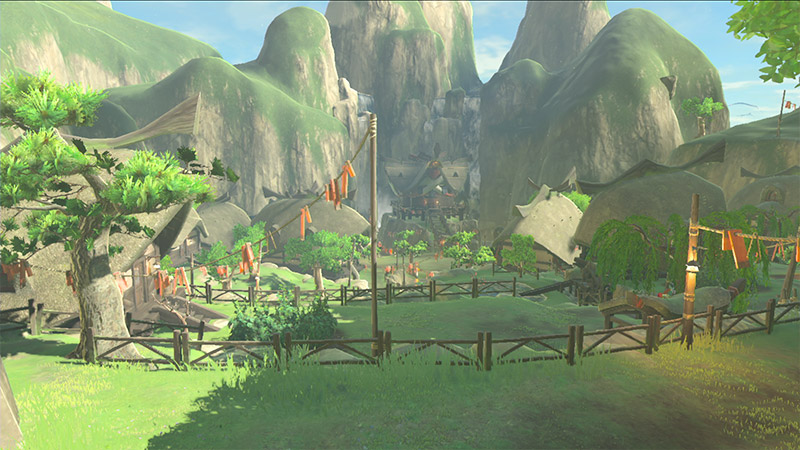
I’ve never felt that the overarching plot was an important aspect to The Legend of Zelda games. The charming characters, wondrous landscapes, and enchanting towns have always been what made these games feel fantastical. The same goes for Tears of the Kingdom. I loved visiting all the locales and seeing how the various peoples have been faring. Each race is going through a crisis, and I greatly enjoyed the subsequent adventures to assist them. The central plot fits The Legend of Zelda perfectly. The cyclical battle of good and evil is core tenet of the series. However, it had some strange pacing issues due to repeated cutscenes. Additionally, the memory sequences don’t have to be found in chronological order. Which is a fine decision, but there’s a lack of subtlety that makes the major plot twist incredibly obvious if you find certain memories first.
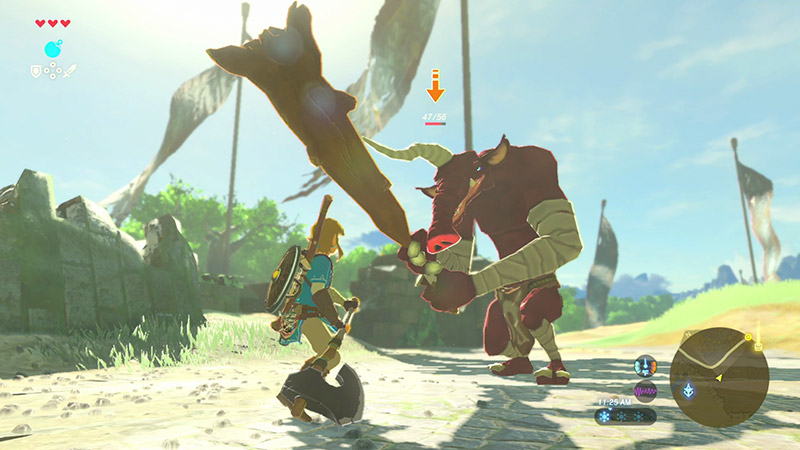
While I do love Tears of the Kingdom, I felt enormously fatigued and burnt out after playing it for a few dozen hours. While that is a solid amount of time to invest in a game, it is paltry compared to the time I spent exploring Breath of the Wild. For a game of this size, I was disappointed by how quickly I felt that I had experienced most of what it had to offer. Don’t get me wrong, it’s a phenomenal game and achievement, but I can’t help but feel that it would have been better served to have its own world rather than reuse the one from Breath of the Wild.
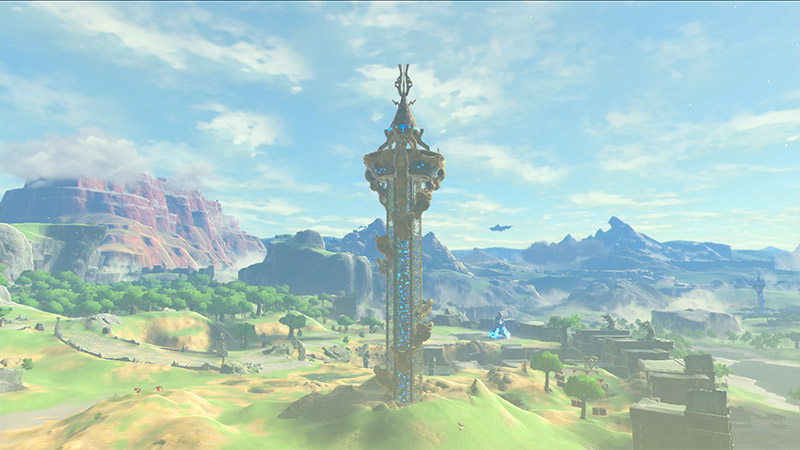
This duology of The Legend of Zelda games hinges on the intrinsic value of exploration. The combat, puzzles, and other aspects are solid foundational pieces, but the main draw of these games is satiating the desire to adventure across a grandiose fantasy land. The world of Tears of the Kingdom is slightly remixed from its predecessor, but most of the major areas and landmarks remain in their general neighborhood from Breath of the Wild. While Hyrule is undeniably denser with quests, caves, and other threads of adventure, it’s still the same world. The feeling of discovery is dampened when I’ve already visited all the major areas a few years ago. I spent over a hundred hours exploring this world in Breath of the Wild, I was not keen to spent another hundred hours retreading the same ground.
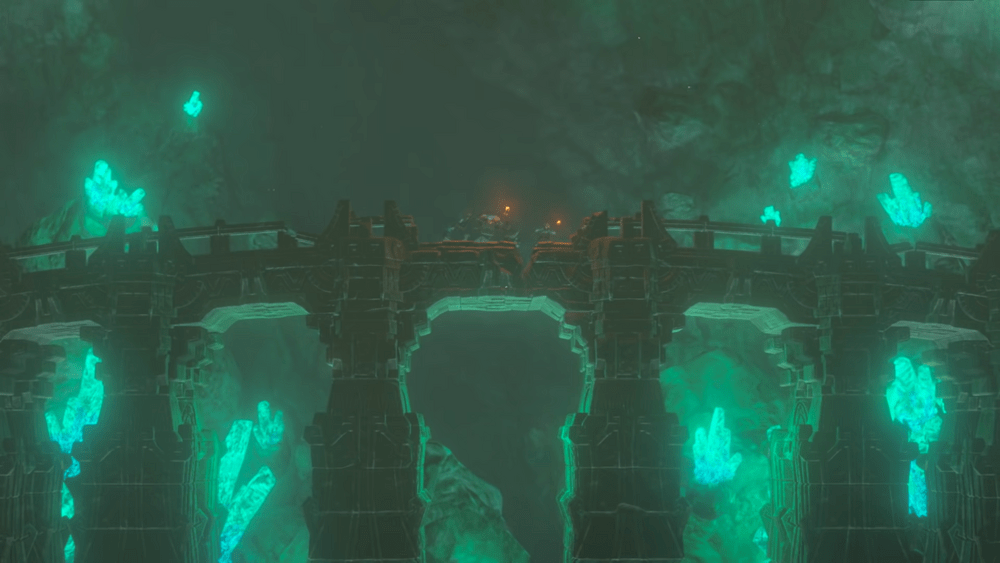
There are two new major zones in Tears of the Kingdom, however neither felt comparable to the original diverse biomes of Hyrule. The Depths is the first major area, a pitch-black underground cavern that mirrors the world above it. I enjoyed exploring the Depths and the unique challenges that it poses. Slowly maneuvering through the dark by using whatever means of illumination you can find is a fun departure from traditional exploration. Despite that, I felt that the Depths were fairly barren. There isn’t much to be discovered in such a massive area, and 95% of my time down here spent was gliding between Lightroots to provide some light.
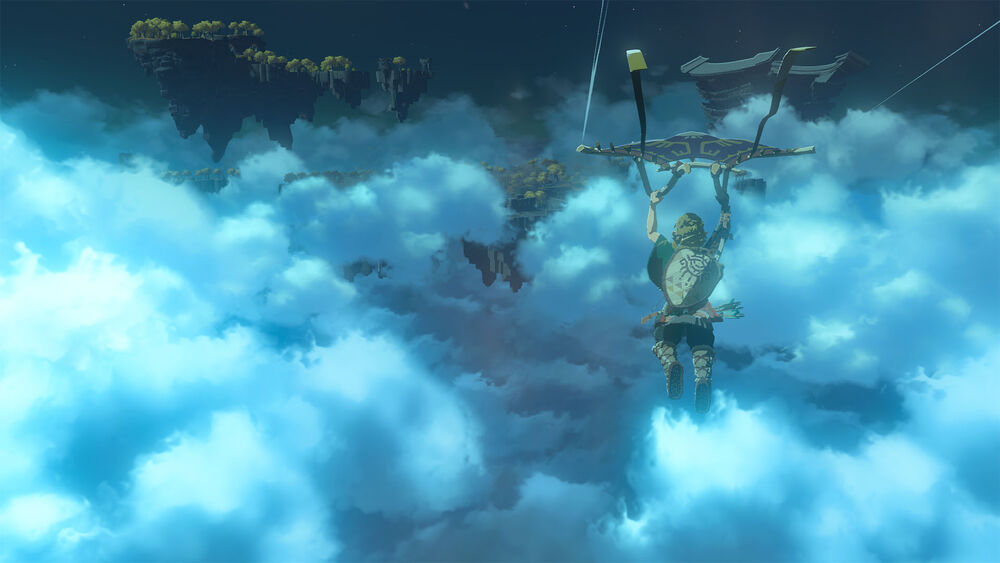
The other major addition is the Sky Islands. Far above the ground are ruins of an ancient civilization. Similar to the Depths, I felt that these were a great concept but they had lackluster execution. The islands are fairly sparse, and many of them follow the same basic templates. Navigating these floating islands is an engaging puzzle, but I felt disappointed by how few unique islands there were. The best and most comprehensive set of islands is the tutorial area of Tears of the Kingdom, which only further set me up for disappointment when no other islands matched that initial standard.
The Sky Islands also exacerbate a returning issue from Breath of the Wild: gliding is too ubiquitous of a travel method. Using the glider to fly over terrain, monsters, and obstacles, is probably the least satisfying way to traverse the world. But it is the easiest. It’s a well-known phenomenon that players often opt for the simplest or most optimal strategy, regardless of how fun it is. Game designers should be well-aware of this fact and ensure that the most optimal strategy is the most entertaining strategy. It’s more appealing to talk to characters, fight monsters, and traverse terrain on foot rather than simply flying over everything. This issue is worse in Tears of the Kingdom is because there are so many methods to ascend upwards: Sky Islands, Skyview Towers, vehicles, and falling debris all provide a simple means of getting far above any obstacles.
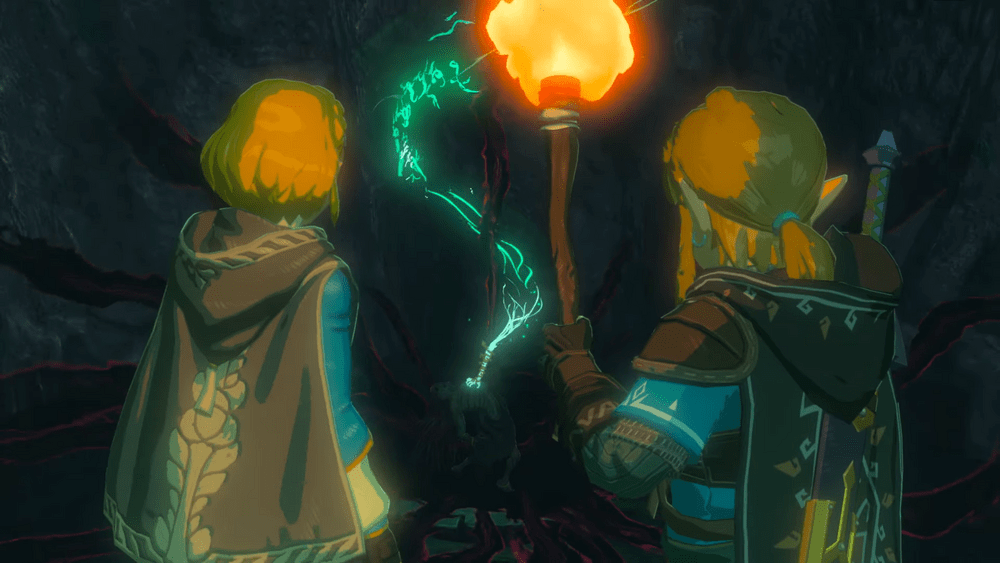
There’s no doubt that Tears of the Kingdom is a magnificent game. But six years after Breath of the Wild, I can’t help but feeling like I wanted more out of its sequel. The new abilities such as Ultrahand are incredibly fun to play with. And the main quest delivers some magical adventure and discovery. But in a game where exploration is king, I wasn’t especially compelled to revisit the same world I had already spent dozens of hours in. It is for these reasons that I give The Legend of Zelda: Tears of the Kingdom a 9/10. It’s a phenomenal experience and a glorious sandbox, but it’s not as revolutionary as Breath of the Wild.
 stephensopinions