Dark Souls (2011)

In a time in which numerous video games hold the players hand and are generally easy, one game challenged the idea that difficult games were too frustrating and that mainstream games should stray away from challenging the player. That game was Dark Souls. This action-RPG was an industry-changing title, other developers realized that there was a market for games that did not coddle the player. The difficulty is far from the only factor that makes Dark Souls what it is, although its reputation of being hard is what everyone knows about Dark Souls, even if they have never played it. Dark Souls is also a bastion of success in level design, atmosphere, and world building, and I have yet to come across a game as impressive as Dark Souls in those departments. I consider Dark Souls to be one of the greatest and most important games of all time, rivaling titles like The Legend of Zelda: Ocarina of Time, Metal Gear Solid, and Super Mario 64. It has had a profound effect on the industry and will shape video games for years to come. That being said, I consider Dark Souls to be a flawed masterpiece. It is no secret that the second half of the game was rushed to reach a deadline. It also dangerously teeters on the line of “difficult but fair” and “frustrating”. While I consider the game to be “difficult but fair” a majority of the time, there are still a few moments that cross the line and enter “frustrating” territory. Despite these shortcomings, Dark Souls has quickly become one of my favorite games and its importance cannot be denied.

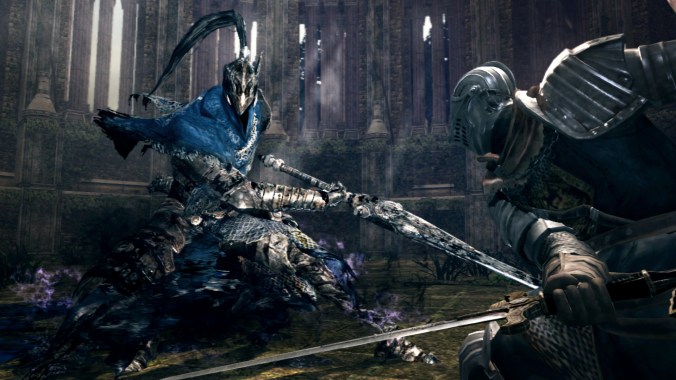
What makes the difficulty of Dark Souls so compelling? Part of its success is that Dark Souls is tough, but it rarely ever feels cheap or gives you an unwarranted death. Every time you die, it’s your fault. Every time I died, I learned something valuable and I could avoid dying the same way in the future. It is evident that nothing is too difficult to execute because on my second play-through I died extremely infrequently due to my prior knowledge on how to defeat all the enemies. There is a certain beauty to the challenge of Dark Souls.  Many challenges seem insurmountable at first, but you keep trying and trying until eventually you figure it out. When you do finally overcome a tough area or boss, there is an overwhelming feeling of elation and pride at what you have just accomplished. There is something to be said in that Dark Souls mimics life in this regard. Dark Souls is not difficult for the sake of being difficult, rather it uses difficulty as a tool to make the player feel different emotions. The sense of accomplishment when you defeat a boss, the anxiety of not knowing what is on the other side of a fog door, the fear and tension of fighting a tough enemy, or the immense relief when you discover a new bonfire; these emotions are possible only because of the challenge provided by Dark Souls. Furthermore, I really appreciate when games are actually challenging, it is far more engaging and addicting.  That feeling of wanting to conquer a genuine challenge makes me want to keep playing, and when I did finally defeat whatever was in my way I really felt like I had made significant progress.
1

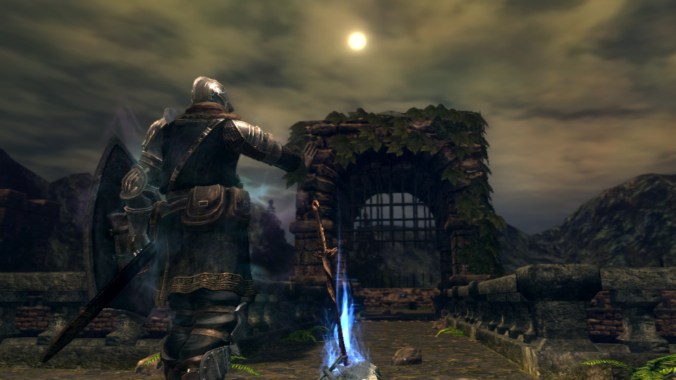
While the difficulty is probably the most well-known feature of Dark Souls, there are many other categories which make Dark Souls master class. The most impressive feature to me was the brilliant level design. Each area in Dark Souls often loops in on itself and reveals a shortcut from the nearest checkpoint. This is genius for a couple of reasons. First, it lets areas evolve in a sense, and as you progress through the game an area is going to have more paths and shortcuts available to access. Since many paths are closed to the player initially, it allows the player to become familiarized with the level’s layout before further complicating it. This sort of circular level design also surprises the player, and makes you stop and think how you ended up back where you started. From a player progression standpoint, the looping level design is massively important. As you return to areas you have been previously, you can test how strong you have become. As gear, level, and player skill increase you feel much more powerful visiting areas that you were in just a short time ago. Lastly, this type of design also reduces tedium by a massive amount. The player will only have to get through a particular chunk once and can skip that chunk once a shortcut has been opened. So, there is very little tedium when running from a checkpoint to where you died.
2

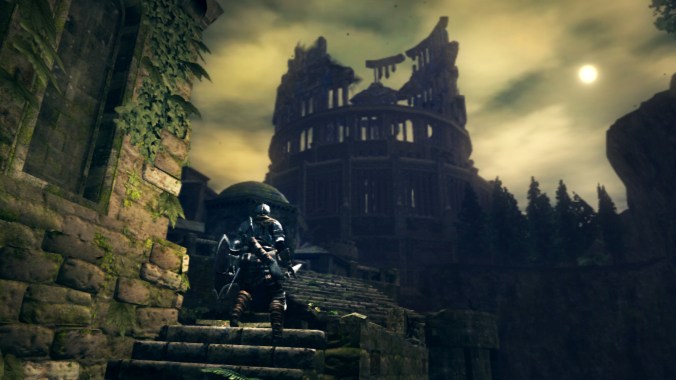
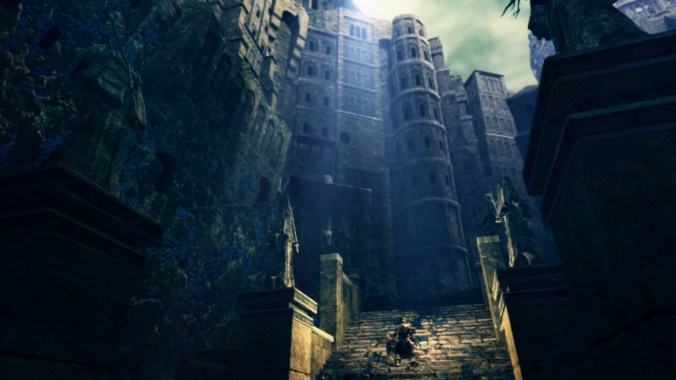
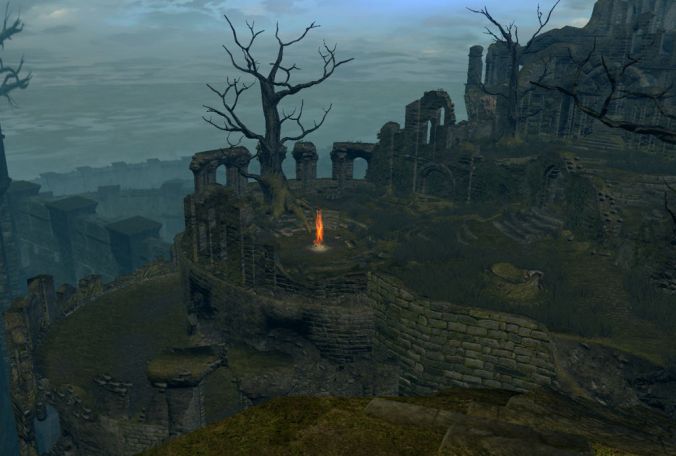
The atmosphere, setting, and world of Dark Souls is also hauntingly beautiful. Every area is completely unique and memorable. Often, I just stopped adventuring and had to take in my surroundings. The world of Dark Souls mirrors the level design in the sense that it utilizes vertical layers to have areas loop in on themselves to create a compact and believable world. There are many instances of Déjà vu as you open a door or descend an elevator as you realize that you have been here before. Atmospherically, Dark Souls is in a tier of its own. The world is littered with viewing points from high places where you can gaze upon the areas that you have just conquered, or even look ahead to see your next trial. I often felt insignificant when gazing upon the wondrous land or Lordran, and fighting enemies that were magnitudes larger than me reinforced that feeling. Despite this, as I traversed the world and surmounted these creatures, I felt powerful. The world of Dark Souls is vast but compact, it is interconnected, and it is breathtaking.
3

Another aspect of world-building is the lore and the story. While the story of Dark Souls is fairly simple, it becomes incredible as you learn the backstory to the world. I don’t want to delve too deep into the lore, as I feel like people should attempt to discover it on their own. There is a real feeling of living in a dying world, and you are putting this worlds creators and gods to rest in order to preserve life for a little while longer. Fighting many of the bosses of Dark Souls becomes far more emotional once you learn their backstory, and often times it is profoundly sad as you put these old gods to rest. Speaking to all of the characters in the game gives you a sense that they are on their own journeys through this world, and don’t solely exist for the benefit of the player. The other interesting thing about the lore is that it is never explicitly laid out for the player. You must discover it for yourself through contextual clues, item descriptions, and character dialogue. This gave me the feeling of piecing together a puzzle, and even if some of the pieces were missing, I could still make out the overall picture. I really felt like an adventurer in a fantasy setting, discovering the world for myself.
4

One of the most important features of an action-RPG is obviously the combat. At first glance, the combat of Dark Souls seems pretty rudimentary and slow, but looking deeper into the game one can see that this is not the case. Every action that the player takes has a significant wind-up at the beginning and some down-time at the end, this is to encourage the player to only make an action when it is safe to do so, otherwise you will get hit. Enemies hit hard in Dark Souls, even the weaker enemies in most areas can kill the player in a few hits, so you better be sure that you have a big enough window to attack, or you will pay heavily for it. The combat is actually surprisingly deep in a sense, as the player learns the ins and outs of all the combat systems. Learning how to use stamina, poise, staggering, shields, rolling, light attacks, heavy attacks, shield breaks, back stabs, parries, and efficient use of the estus flask are all essential as you get further into the game. The combat is heavily focused around risk and reward, for example: you can shield an incoming attack to guarantee your safety, but you’ll lose stamina, or you can parry the attack and riposte for massive damage, but if you mess it up you will get hit hard. That is just one example, and the player is encouraged to test out all of the combat options available to them. The other interesting thing is that all the enemies abide by the same rules that the player follows. Enemies also have stamina, poise, wind-up animations, and down-time after their attacks, and they also die from a few swings of your weapons. You can always expect the enemies to behave in a similar way to the player, which is immensely important. If enemies did not have to follow these rules, they would feel cheap and unfair. There is a feeling of weight and permanence in the combat of Dark Souls, every decision must be carefully calculated because the stakes of getting hit are so high.
6

Do you remember being a kid and huddling around the playground with you friends and telling each other about all the cool secrets you found in a game? Most of what was said in these discussions ended up being wrong, but it was still neat to imagine all of the hidden features in a game. Dark Souls does a great job of recreating this feeling. Players can leave messages for each other, telling of illusory walls or how a great item is waiting for you if you jump off this cliff! This harkens back to the playground discussions, as these messages are mostly jokes. But occasionally you will find a tip about a hidden item, or a how a trap is waiting for you up ahead. These messages can also be likened to adventurers swapping tips and stories around a bonfire. There are also bloodstains scattered across the world and you can view exactly how other players died in that spot, which can be pretty humorous. Not only can you communicate with other players, but you can also summon players to play alongside you and engage in jolly cooperation. Be careful though, some of the crueler players can invade your world and fight you one on one. I don’t consider the multiplayer aspect of Dark Souls to be one of the main features of the game, but I definitely did get a few chuckles out of the goofy messages and bloodstains.

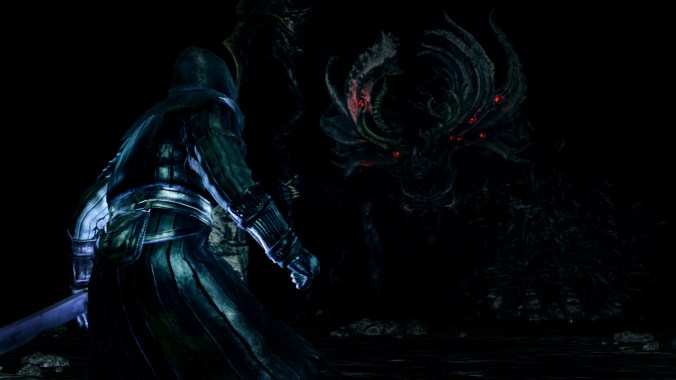
It is clear that I adore Dark Souls, so why did I call it a “flawed masterpiece”, what is wrong with the game? One of the issues is that there are definitely some moments that are more frustrating than they are difficult. Luckily, these moments are not too common, but they still sour the experience a little. This was a risk the developers took when creating a challenging game, every encounter must be extensively tested to make sure that it is tough, but not so hard that it makes you want to smash your controller. While it is a shame that some of these types of moments made it into the full game, I think it is remarkable that these frustrating moments are so few and far between and it shows how much care what put into this game. Also, the game can often be a little too cryptic for its own good. While the DLC areas and bosses are some of the best in the game, accessing the DLC is so confusing that I doubt most people figured it out without looking it up. Unfortunately, these are not the sole issues of Dark Souls, the most important issue is that the game is just not finished. In order to meet a deadline, the final areas in the game were rushed and are nowhere near the quality previously demonstrated. The level design falls apart as it no longer loops in on itself, and the same can be said for the world design. There are a few separate paths that lead to dead ends, there are no grand revelations of “I know exactly where I am”. Furthermore, many of the enemies, bosses, and the areas themselves are clearly rushed. I think the other big issues with the final 4 areas in the game is that the developers attempted to let the player tackle them in any order they wanted.
5

While some fans claim that one of the biggest strengths of Dark Souls it its open format, I have to disagree. Sure, you can go to a variety of different areas at the start of the game, but you are clearly pushed into one path. To me, that is the beauty of the pseudo-open world of Dark Souls. The developers trust that the player is intelligent enough to avoid tougher areas early on and instead come back when they are better prepared. At the end of the game, there are 4 paths all laid out for the player to go in any order they want. The issue with this is that as the player progresses through these paths, they will become more powerful, so it is immensely difficult to balance these 4 paths. They all must be about roughly equal in difficulty so that the player can choose to go to whichever one they want first. What ends up happening is that the first area you go to is going to be the hardest, and then each area you visit gets progressively easier as you level up and get better equipment. I think the developers realized this issue, and since difficulty is such an important factor in the game they attempted to combat the problem that subsequent areas get easier and easier. In order to fix this, the developers made each area difficult by adding a gimmick. These gimmicks remain relevant regardless of the players level. The pitch blackness of the Tomb of the Giants, the lava of Lost Izalith, the invisible platforms of the Crystal Caves, and the ghost enemies in New Londo are all gimmicks. They are cheap tricks meant to make the game more difficult and I feel like they damage what could otherwise be decent areas. These gimmicks could actually be pretty interesting twists to these levels if they were implemented better, but as they stand now they are just annoying to deal with. Despite this, I still think that most of these areas are decent, they just don’t adhere to the brilliance that was the first half of Dark Souls.

Even though it is undeniable that Dark Souls is flawed, it is still an immensely important game. It has redefined level design, world building, and atmosphere in games. I have struggled for a while to write this piece. It is not easy for me to put into words my opinion about Dark Souls, and as such I believe that it is a game that everyone needs to at least try. Do not be intimidated by others boasting about how hard the game is, as I think it is entirely accessible to anybody decently experienced at video games. Dark Souls is a truly wonderous and unforgettable experience, and while it may not be everyone’s cup of tea, I highly recommend that everyone should at least give it a chance.
Hotline Miami (2012)

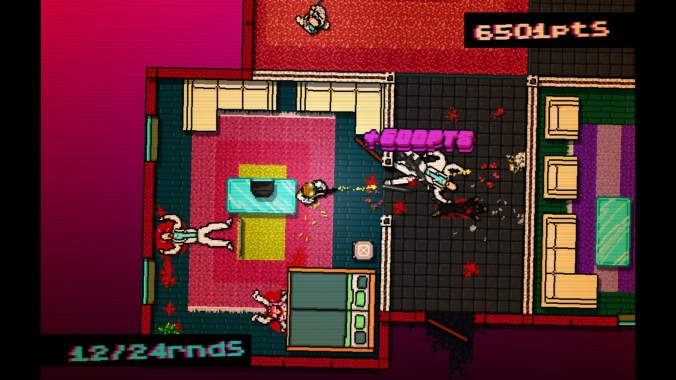
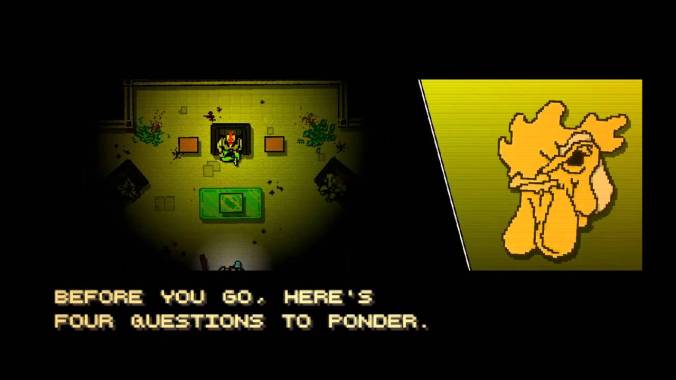
While playing through the calm and slow-going Stardew Valley, I felt like I needed to quench my thirst for action. And there is no better way to fulfill that desire than Hotline Miami. What makes Hotline Miami stand out from many other indie action titles is how intensely satisfying it is in every regard. Every factor of this top-down shooter feels tailored to making beating the hell out of enemies feel just right.

1

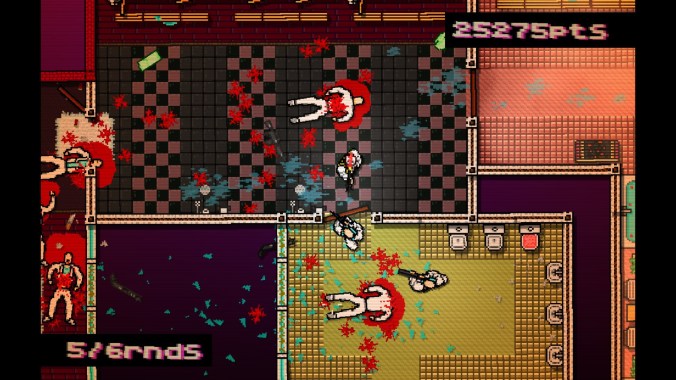
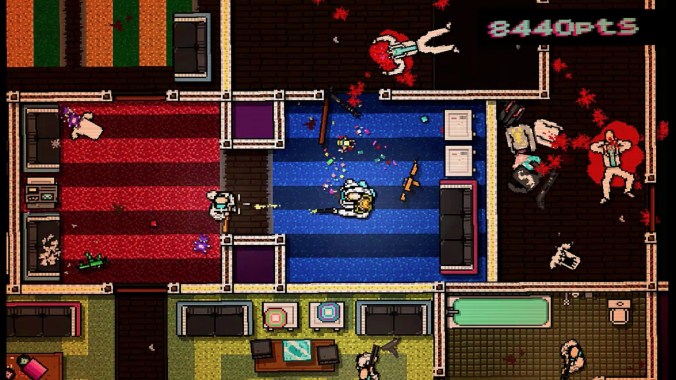
In an age where violence in video games in being condemned by the media, Hotline Miami revels in its violent nature. It is not afraid to go all out, and that is partly makes the game so gratifying, as sometimes you just need to play something intense. Another one of the factors that makes Hotline Miami so satisfying is how brutally brisk and quick it is. One shot is one kill. Many other action games suffer from bullet sponges and enemies that take entirely too long to take down. In this game, however, if you hit an enemy with a weapon, they are immediately dead. Of course, this works in the reverse as well. All it takes is one hit to take down the player. The unforgiving nature of this system is what keeps the game so fast-paced. Just a careless step by the player leads to death. Being able to blast through enemies with just a single hit from a bat or one bullet makes every action much more meaningful and satisfying. There is a real sense of “oomph” when you bash someone with the bat or blow them across the screen with the shotgun.

2

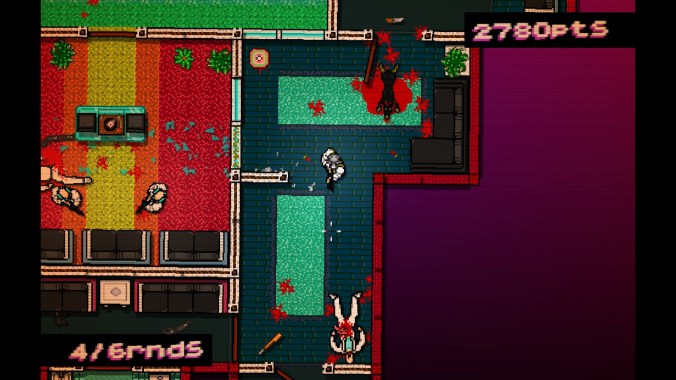
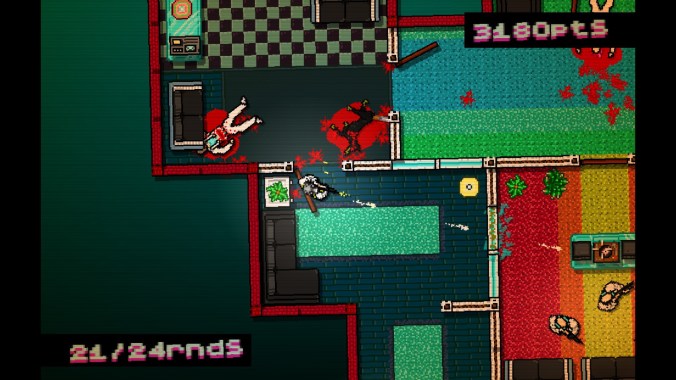
A game with such a small margin of error requires great level design in order to keep it from being aggravating. When a single stray bullet can lead to your demise, the levels need to be specifically designed to avoid cheap and unsatisfying deaths. That being said, you are going to die in Hotline Miami, a lot. Luckily, just a quick button press and you are back at the start of the floor, there is not even a break in the music. Since a game like this is reliant on its level design, it is a good thing that Hotline Miami is phenomenal in that regard. Small sectioned-off rooms make sure you do not have to tackle too many enemies at once. Every floor is designed in such a way that it is advantageous to go fast, and slowing down could be a death sentence. It is critical for you to get the first shot off in every encounter, which is a result of the “one shot, one kill” style gameplay. Every obstacle and enemy is clearly displayed to the player. Enemies are not hidden off-screen or sniping you from across the map. There is maybe two points in the game that I was shot by an off-screen enemy, which was definitely frustrating, but those moments are few and far between.

3

Every level in Hotline Miami feels like an intense and violent puzzle. Which mask and ability would work best, which rooms should I hit first, should I attempt to be stealthy or go in guns blazing; these are all questions I asked myself at the start of every level. Of course, any strategy that you might have quickly gets overridden by your desire to just run in and kill some Russian mobsters, and the game rewards you with bonus points for doing so. Enemies mostly have set patterns, but often deviate just a little bit so repeating the same exact actions over and over may yield different results. Most of the time in Hotline Miami, you just have to rely and your killer instincts in the heat of the moment.

4

Now that it is established that Hotline Miami is fantastically brutal, fast, and bloody from a gameplay perspective, we need to talk about its other aspects. The psychedelic and neon-soaked visuals of Hotline Miami perfectly depict the drug fueled city of Miami in 1989. You are dropped into the bizarre life of Jacket, who constantly has surreal visions and begins to receive phone calls that instruct him to perform massacres on the local Russian mafia. As the game progresses, reality and Jacket’s identity become warped and distorted. In some in-game sequences it becomes difficult to tell what is real and what is Jacket’s mind imagining violent scenes and imagery. Jacket’s identity is also perverted as time passes, he always wears a mask during the killings, but certain dreamlike sequences reveal that he is conflicted and confused. The player shares these emotions with Jacket, as unraveling the mystery of Hotline Miami is quite the task. Many questions are asked, and it starts to make sense as you reach the end of the game. Unfortunately, I felt like the ending was a little bit lackluster, but ultimately for a game that I was just playing for some violent fun I was pretty impressed by the narrative elements.

7


You cannot talk about Hotline Miami without mentioning its soundtrack. Thumping synth filled songs, like M.O.O.N. – Paris, are blasting when you slaughter floors upon floors of Russians. Deep and distorted guitars, from Coconuts – Silver Lights, play in the surreal sections of the game. And no song is better matches Jacket waking up from a drug induced slumber like Sun Araw – Deep Cover. Hotline Miami is full of great tracks for all different situations, and some of the songs are downright addictive.

5

One last thing I want to touch on is the ability of the developers to show restraint. Many of great games are brought down by the fact that they just drag on too long and become repetitive, to the point of being exhausted with the game. This is certainly not the case in Hotline Miami. The game is relatively quick, it only took me about 5 hours to complete it. I rarely revisit a game immediately after I beat it, but with this one I went right back in and replayed some of my favorite levels. The gameplay of Hotline Miami is definitely addicting and fun, but I feel like if it went on too long and overstayed its welcome, it could have quickly gotten grating. Luckily, Hotline Miami knows its limits and does not overdo it.

6

As a whole, Hotline Miami knows what it is and plays to its strengths. Quick, violent action with distorted storytelling and arcade-esque visuals. Hotline Miami has mastered the art of making everything intensely satisfying. This game is certainly not for everyone, and if you are not interested in violent games or games that require quick reaction time I would stay away from this title. But if you are looking for a blood-soaked, fast-paced action game, look no further than Hotline Miami.

Metal Slug 3 (2000)

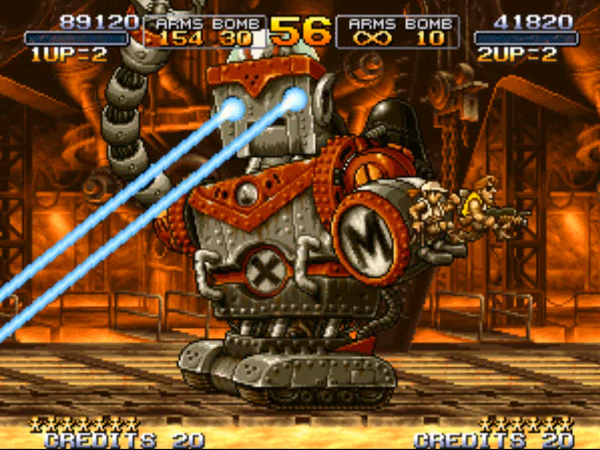
Metal Slug 3 is often considered the pinnacle of the series, and it is clear that the developers really poured their hearts into this game. This was the last Metal Slug game that was developed by the original Nazca and SNK team before they went bankrupt, were bought by another company, and disbanded. This installment is longer and has substantially more content than its predecessors, and it is evident that this was the developer’s last hurrah before having to split up.

5

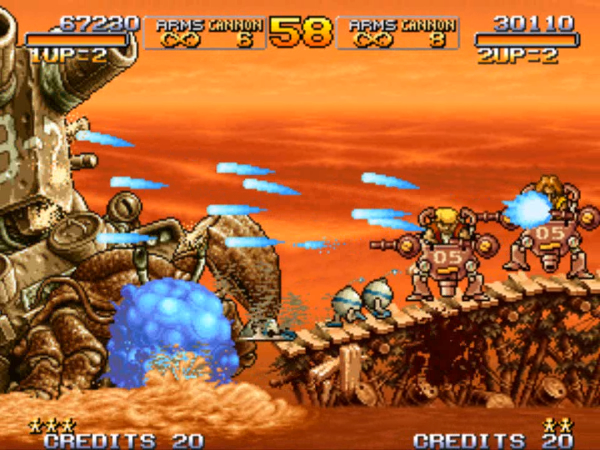
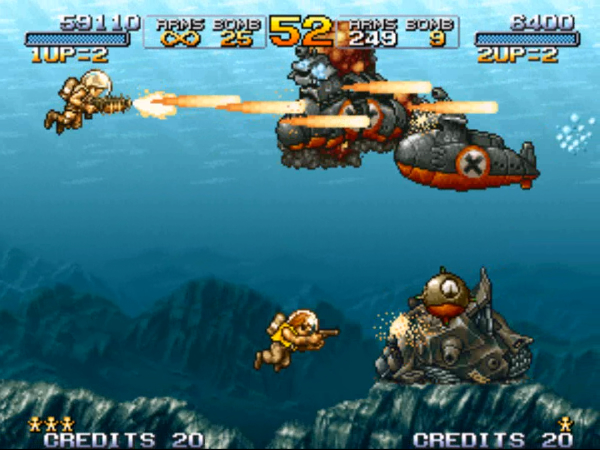
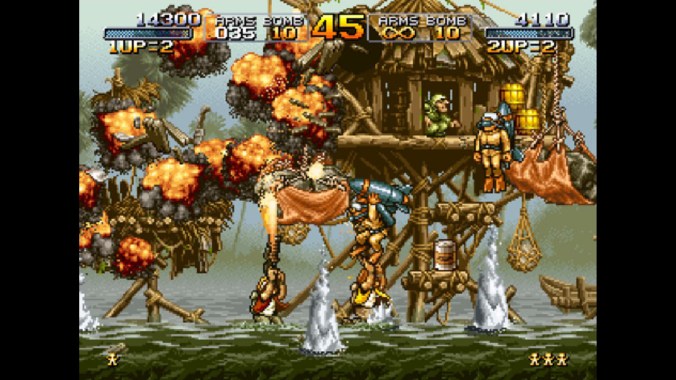
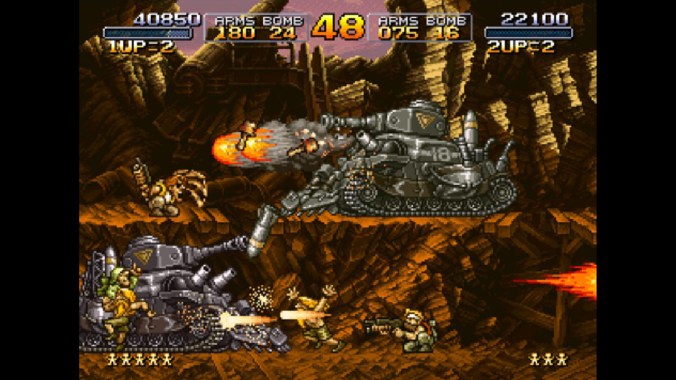
Metal Slug had realistic environments and enemies, and Metal Slug 2 ventures into the land of the outlandish, Metal Slug 3 cranks up the level of absurdity. For the vast majority of the game you are fighting fictional creatures instead of standard enemy soldiers. Each level’s theme, environment, and monstrous boss battle make them extremely memorable. The other big addition to Metal Slug 3 is the variance in the vehicles. Seven new playable vehicles were added for the player to use and enjoy. Another new feature is that most levels have multiple paths to complete the level. This adds a factor of replayability as well as exploration. Metal Slug 3 is often touted as the best in the series and even the paramount run-and-gun game. While I can see how this is definitely a logical and sensible opinion, I have one issue with this game that holds it back.

6

My personal issue with Metal Slug 3 is its final mission. While the first two Metal Slug games are about an hour each, the final mission of Metal Slug is 35 minutes long just by itself. That is an absurdly long time for a single arcade game level. To be fair, there are distinct portions of this level that completely change the environments and enemy types, but I feel like those distinct parts should have been split up into a few different missions. When I saw that I had gotten to the final mission, I thought that I was almost done. It was really jarring to think that I had almost beaten the game, but then the final level just kept going, and going and going. This was compounded by the fact that Metal Slug games are very tiring for your fingers as you have to mash the shoot button for nearly the entire game. The other irritating factor of this final mission was the difficulty spike that occurred. The beginning levels of Metal Slug 3 had difficulty levels comparable to the first two games in the series, but the final mission can get ridiculous at times. I accrued far more deaths in this final mission than in every other level of this game combined.

7

If it were not for the final mission, I could easily say Metal Slug 3 was my favorite in the series. Do not get me wrong, it is still a fantastic game with great action and artwork, but I cannot help but feel like it the last level dragged on for ludicrous amount of time. Combine the length with tired fingers and a sharp difficulty spike and it is a recipe for an exhausting mission. That being said, Metal Slug 3 is definitely a fantastic run-and-gun game that I thoroughly enjoyed. The pure variety of weapons, vehicles, enemies, environments, and maps make Metal Slug 3 a game that is worth of being remembered as one of the premier run-and-gun games.

Mass Effect (2007)

While some believe Mass Effect to be outdated and clunky, it is the necessary starting point for a legendary series. While the original Mass Effect definitely has not aged well, I believe it would be an injustice to the series and yourself to skip over it to play the more refined sequels. Mass Effect is a space action-RPG (role-playing game), and while the “action” and gameplay is dated, the RPG aspects are still top-notch and make Mass Effect a game worth playing. Deep lore, emotional decisions, strong story-telling, and an intriguing plot are the factors that make Mass Effect successful.

One of the major elements of Mass Effect is the depth of its lore and its expansive universe. Codex and journal entries are available to the player if they ever want to learn more about the missions they are doing or the lore behind the universe. Various entries on the different alien species, including their physiology, galactic presence, and their history. Everything in this game has an explanation and background info if you are interested to learn more about something in particular. Knowing the backgrounds and the relationships between all the alien species definitely adds depth and a factor of validity to this game.

The characters and the story are the defining factors of Mass Effect for me. You play as Commander Shepard and are in charge of the space vessel Normandy and her crew. Most of the time you will be interacting with your “squad” as they are the ones that you can bring along with you to combat. It is definitely a rewarding and almost cozy feeling as you build up your squad and add new members to it at the beginning of the game. Throughout the course of the game you talk with them, get their input on certain situations, build friendship, help them complete certain personal quests, or even romance them. What sets Mass Effect apart from other shooters is the reliance on this squad both on and off of the battlefield. Other games suffer from the protagonist doing everything while other characters just sit around, but in Mass Effect your squad is a massive part of the game. It adds a sense of legitimacy and realness to the game. This is why certain decisions and choices that must be made are so emotional. You build up this squad, fight with them, train them, and interact with them, so when a squad mate gets killed off in the story, it is a devastating blow.

The story of Mass Effect is full of mystery, intrigue, and emotion. The basic premise is that you must figure out what happened to an advanced alien species that died off 50,000 years ago, and you must prevent the same fate from happening to humans and their allies. The game feeds you piecemeal clues as you progress through the story. Seemingly unconnected events and plot-lines all come together by the end to form a cohesive and alluring plot. The story was paced well, there is never any downtime and I was always wanting to see what happened next. There are plenty of individual decisions and choices that you must make in this game. Some choices are minor, while others play a huge role in whats to come. You get to decide the fate of many lives and species. My only issue with this was that it was a little too rewarding to be the “nice guy”. There is rarely any downside going with the games heroic “paragon” options. I wish there was more incentive to be neutral or even go with the “renegade” option. There were a few points in the game that did this right, but for the most part the paragon route is the most rewarding option by a long shot.

While the RPG aspects of Mass Effect are clearly masterclass, the gameplay is definitely clunky and unsatisfying. Enemies often times have tons of health and shields, and some take minutes to take down a single basic enemy. This is compounded by the fact that the guns that you are using do a pittance of damage and overheat frequently, so you are forced to stop shooting for long stretches of time. There is no jumping or hurdling objects, so you have to slowly navigate even the smallest of obstacles. Constantly re-equipping your squad of 7 members with 4 types of weapons, upgrades for those weapons, and armor just gets tedious. Your squad mate’s special abilities often feel underwhelming as there is no big audio or visual cue when they are being used. For some reason, you can only sprint in combat, but not out of combat, which is when you really want to be sprinting so you can get around faster. There is an excessive amount of loading screens and elevators, which just waste a ton of time. Travelling from planet to planet is also tedious. Realistically, getting around anywhere in this game is just slow and draining. Driving the Mako vehicle is easily one of the worst driving experiences in any game that I have played. It goes extremely slow, defies physics, is tough to handle, and it does not even shoot where you aim it. This is made even more frustrating by the fact that you often have to scale cliffs with this abomination of a vehicles. Some of the biggest gameplay problems stem from the sidequests. They often drop you off in barren worlds, leaving you to drive the Mako across a vast nothingness for a few minutes. Then when you finally reach the building where the quest is located, you realize that it is the same exact layout as every other sidequest in the game, so you essentially repeat the same firefight that you have done many times before.

While the gameplay of Mass Effect could be categorized as clunky, repetitive, and tedious, it is still a worthwhile game. Not only to set up the legendary sequels, but also because the characters and story can keep you playing despite the tedium. The biggest improvement that should be made from Mass Effect for its follow-up titles is that it definitely needs to be streamlined in places. Trim off the banal tasks and clean up the controls and overall movement to make the game less monotonous and burdensome at times. All in all, it is worth sticking through the mediocre gameplay just for the RPG elements. And if you avoid doing sidequests you will skip over a lot of problematic sections altogether. Mass Effect might not be perfect, but it is still worth a play through. I am very excited to see what Mass Effect 2 and Mass Effect 3 have in store for me, and if they could solve the issues of Mass Effect.

Metal Slug (1996)

If you are a fan of run-and-guns, arcade games, or just looking for some quick fun, Metal Slug should be a top priority on your play list. This Rambo-esque arcade game is constant, fast-paced, hectic, action and intensity. Beautifully hand-drawn sprites and backgrounds only add to the charm of this game. Rapidly sprinting through the 2D environments, dodging enemy fire, and blasting through enemies with the various weapons at your disposal is just a ton of fun. Metal Slug is very challenging, but also extremely forgiving. It is challenging in the sense that getting through every level while dying as little as possible is can be a daunting task as bullets, missiles, and grenades fly at you from every direction. But at the same time anytime you die or run out of lives, you just get put back exactly where you were, so there is no punishment for screwing up.

1

My only real issue with the game was the fact that you respawn exactly where you die. I would have liked to see frequent checkpoints, and if you die a few times and run out of credits, you get sent back to that checkpoint. That way, the player would be challenged to make it through small sections without dying an excessive amount of times.

2

Since Metal Slug is only 45-60 minutes long, there can be a real addictive quality to going back and beating the levels again, but trying to die less and get a higher score. Metal Slug also supports multiplayer, so you can have fun with a friend as you shoot your way through this game. As one of the legendary run-and-gun titles, Metal Slug is definitely worth a play through.

Hollow Knight (2017)

This year has been great for video game lovers. There have been many large releases that saw massive success and critical acclaim. Only 5 months in and we already have: Resident Evil 7, Yakuza 0, Horizon Zero Dawn, Nioh, Legend of Zelda: Breath of the Wild, NieR: Automata, Prey, and Persona 5. Alongside all these huge titles it may seem strange, but the biggest surprise of this year was the indie game Hollow Knight. This is the first game by the Australian independent studio Team Cherry, but it feels like these guys have been making games for years. Hollow Knight is a metroidvania style game that takes place in the ruined bug kingdom of Hallownest.

hollow 1

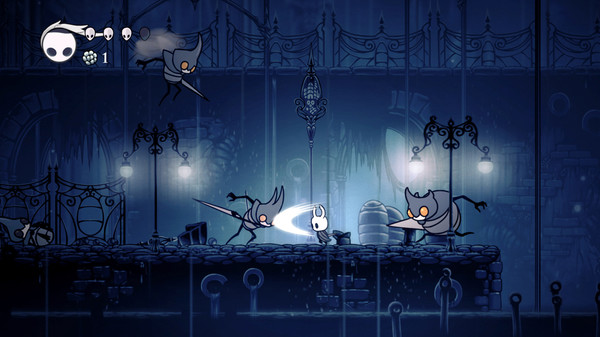
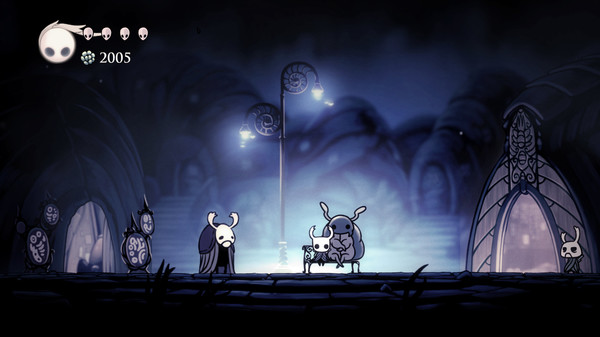
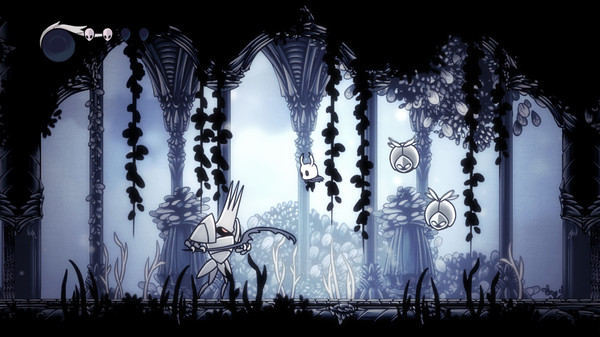
The setting and atmosphere of Hollow Knight is the dark and dingy underground kingdom of Hallownest. The game is very cryptic and it is pretty much left up to the player to interpret the plot through subtle clues scattered through the environment. There are plenty of different environments for the player to discover and explore, each with a completely unique setting. These gloomy areas are accompanied by a matching moody soundtrack. While the game definitely has a drab vibe to it, there are plenty of charming moments. For example, there are these cute little Grubs scattered throughout the world that have been trapped in jars. As you find them and set them free you can visit them back in their home and the Grubfather will give you a present for each one that you have rescued. Accompany moments like that with the beautifully hand-drawn art style of Hollow Knight and you have a game that is simultaneously dreary and endearing.

hollow 3

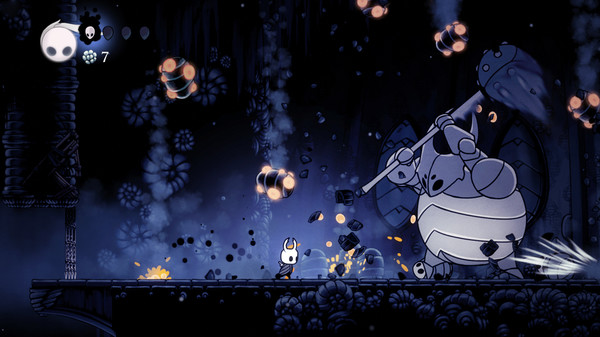
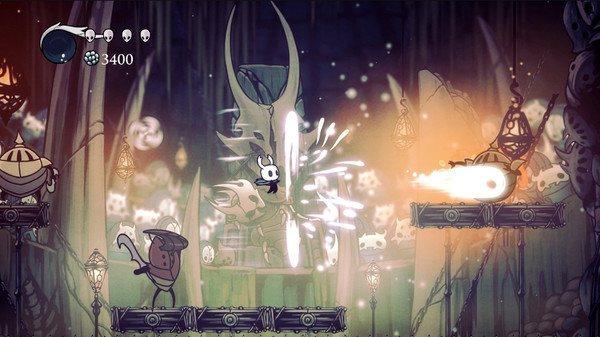
Do not let the cutesy bits of Hollow Knight fool you, this game can be brutally difficult at times. It starts off slow, as most metroidvanias do, but quickly ramps up as you acquire new abilities. There are many difficult boss fights and platforming sections that took me numerous tries to master. Despite this, I never felt like the game was unfair, it achieved a perfect balance of difficulty. It was challenging enough to be entertaining and engaging, but it was never frustrating. While another recent metroidvania in Ori and the Blind Forrest focused mostly on platforming, Hollow Knight is much more combat focused with platforming sections scattered throughout. There are dozens of unique boss fights to perfect and complete. When you are fighting bosses, you are exploring the masterfully crafted world of Hollow Knight.

hollow 2

As a metroidvania, Hollow Knight has a big, interconnected, sprawling world. As you acquire new abilities and items you can access new places that were previously unavailable to you. This world was particularly well thought out. It is incredibly easy to get from area to area, as they are connected in such a way that makes them simple to navigate. There is so much to be found in the world of Hollow Knight. Grubs, health upgrades, magic upgrades, new abilities, upgrades to abilities, and new items are all around the player. There is so much to discover and be found that I was constantly enthralled with the exploration aspect of this game. One pretty unique thing about Hollow Knight is that it really never tells you where to go. It is up to the player to explore and stumble upon the correct path. Many of the paths that you will take will lead to boss fights, new abilities, and secrets, but a lot of these things are completely optional to complete the game. I really loved the fact that the game does not tell you where to go. There is less pressure to move forward, and it opens up a much bigger window for exploration. This game lets you play and discover at your own pace. Instead of saying “Well let me go here and move forward in the game”, I was saying “Let me explore and I will see what I stumble unto”. The latter is much more compelling, especially in an exploration based genre like metroidvanias.

hollow 4

One of the most common complaints that I have heard about Hollow Knight was its map system. When you discover a new area, you have to first find the cartographer to sell you the base map. From there you have to explore on your own to record the full map. Some people do not like this because they claim it makes navigating new areas a chore and a hassle. I do not agree with the sentiment in the slightest. I quite enjoyed that feeling of mapping out areas for myself. When you can see the whole map from the start, a lot of the excitement of finding different paths is lost. The only criticisms for Hollow Knight that I have is that I would have liked to see the base town of Dirtmouth to be built up throughout the course of the game. Maybe some new vendors to sell the player some items that would help locate secrets at the end of the game. In games like this, I can reach about 90% full completion pretty easily, but finding those last few secrets and items can be like searching for a needle in a haystack. So, towards the end of the game I would have liked to see some way to find those secrets that I missed. Other than that, the only real issue with Hollow Knight is that is really nothing “new”. It does not introduce any spectacularly new mechanics or revolutionize the genre. That being said, it does a fantastic job of taking all the greatest aspects from other games and combining them into the best metroidvania that I have ever played. While I value innovation pretty highly, I also greatly value the ability for a developer to perfect a genre and Hollow Knight does exactly that.

hollow 6

I rarely talk about prices of video games, but I think something has to be said in the case of Hollow Knight. This game is only $15 for a ton of entertainment, just to complete the game it will take about 20 hours. To get the true ending or 100% the game it takes more in the realm of 30-40 hours. Compare this to other fantastic indie games like Owlboy, Ori and the Blind Forrest, and Shovel Knight. Those games are about $20-$25 and will last the player maybe 10-15 hours. Not only is Hollow Knight a phenomenal game, but it gives you a pretty big bang for your buck.

hollow 5

All in all, Hollow Knight is one of the best games that came out this year, and that says a lot. I cannot sing enough praises for this game. If you like metroidvanias, 2D platformers, or 2D action games, definitely check this one out. It is expertly crafted and is quite possibly the best metroidvania ever made. For these reasons, I give Hollow Knight a 10/10. It may not introduce anything entirely new, but it does a damn good job of perfecting the formula.