A Hat in Time (2017)

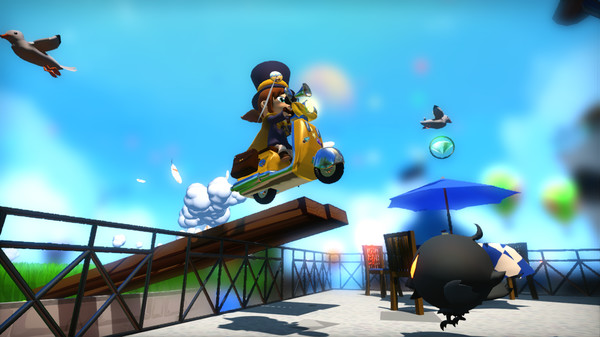
Few games can hit the nostalgia nerve without being a direct remake of a game that you played as a kid. Somehow, A Hat in Time manages to take me back to the early 2000s despite being a brand new 2017 game. Inspired by the likes of Banjo Kazooie, Super Mario 64, Super Mario Sunshine, and Psychonauts, this game combines elements from these classic and memorable games to take the player back in time to experience pure platforming bliss. A Hat in Time is witty, charming, and a wholesome game that anybody can jump into and have a blast.

2

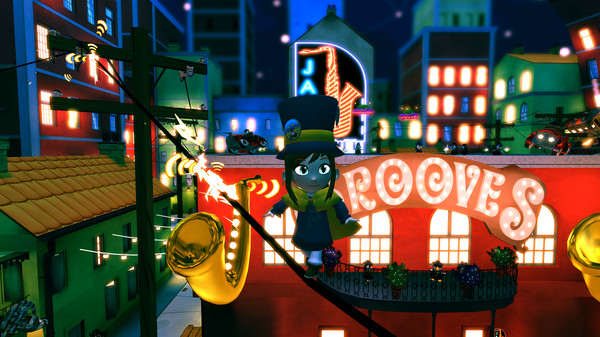
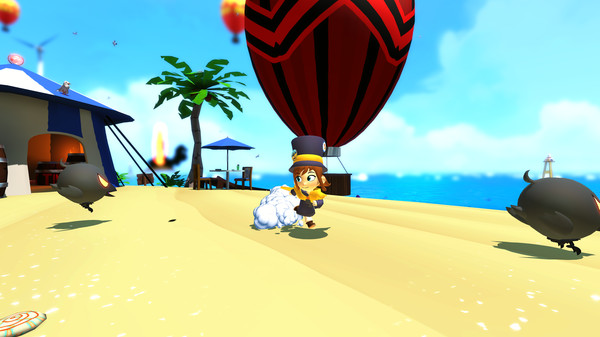
Perhaps the most nostalgic game for me is Super Mario Sunshine, despite all its issues I just feel happy playing that game. The sunny environment, the upbeat music, and the extremely varied levels makes it a game that I look at back with great fondness. A Hat in Time heavily emulates Super Mario Sunshine in its structure and presentation but it modernizes it for a new generation to enjoy. You play as Hat Kid, an adorable little girl who is piloting a spaceship on a journey home when her travels are interrupted. The player must hunt down timepieces to fuel the rest of her trip and make it back home. From the hub of the spaceship, you can choose from four separate areas each with numerous levels. Levels can be any number of challenges, some are mini-games, some a boss fights, some are collectathons, some are free-roaming, but most are tasks based in platforming. Quality level design and variety make this game a blast to play.

1

The other shining feature of A Hat in Time is in its characters and charisma. Hat Kid will encounter a number of different characters, each one is goofy in their own right. Each area has an episodic story told through the levels that has you interact with the characters. Moreover, even though Hat Kid is a silent protagonist, she still displays plenty of emotions and has a few funny moments. A Hat in Time just oozes charm with its lovable characters and story. Furthermore, the vibrant colors and cheerful music are sure to keep you joyful.

2

A Hat in Time method of progression is similar to most 3D Super Mario games, but with a twist. You unlock new areas by collecting timepieces (similar to Stars, Shines, or Moons from the Super Mario series), but Hat Kid herself can unlock new platforming tricks through the use of hats. As you progress through areas you can collect optional balls of yarn that are used to craft a number of different hats. Some of these hats provide simply quality of life bonuses like the ability to sprint or a hat that shows where the next objective is. Other hats have necessary abilities to progress through levels. You can swap these hats around whenever you want, and you can even equip special badges to get even more small bonuses. These hats provide some a nice feeling of progression that gives the player a bonus incentive other than just timepieces.

3

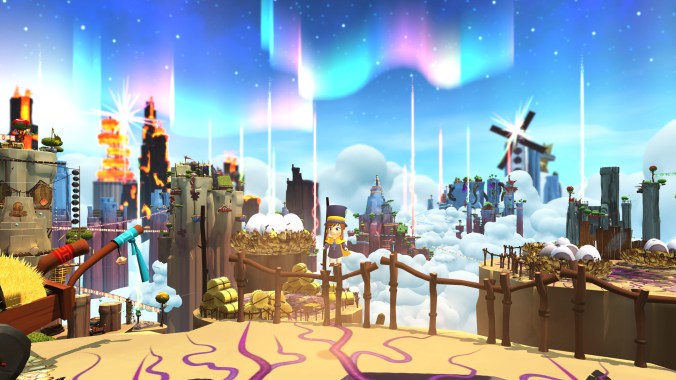
There are a few minor problems that I have with A Hat in Time. First in foremost, while the game takes the best features from early 3D platformers, it also comes with one of the worst, the camera. The camera controls in this game are unwieldy and occasionally frustrating. In tight spaces especially. Frequently the camera will become locked and you cannot rotate it around to see your surroundings. This can be enormously annoying because sometimes you cannot even position it to see where to jump. The next issue that I have is that while three of the four areas are phenomenal, one is just a letdown. The area Alpine Skyline lacks the charm of the other areas because there are no characters or major objectives, it is a simple free-roam to collect a few timepieces. Moreover, these are the longest timepieces to obtain in the game by a longshot. You have to undergo 15 minutes of lame free-roam platforming to reach the real areas where the timepieces are even located. Its unfortunate because A Hat in Time is short as it is, only having three worthwhile areas makes that issue even worse. Still, I guess it bodes well for A Hat in Time that I wanted more of it, it shows that I really did enjoy the game.

5

As a whole, A Hat in Time takes the player back to a simpler time in video games. Just some nice, wholesome fun. I can say with utmost certainty that anyone can enjoy this game. Whether you are a complete newbie or an older gamer looking for a hit of nostalgia, A Hat in Time is sure to impress. I wish the camera was not so janky and that there were more quality areas, but overall it was a heartwarming experience. For these reasons I give A Hat in Time a 9/10. I hope we will see more games like A Hat in Time being produced, as it was simply a pure and joyful ride down memory lane.

Divinity: Original Sin 2 (2017)

The genre of computer roleplaying games (CRPGs) is fairly unpopular and has not seen a lot of attention in recent years. While many classics such as Diablo, Baldur’s Gate, Fallout, and Planescape: Torment are seen as incredibly important titles there not much demand for these types of games anymore. As the medium of gaming as progressed, the slow, methodical, and classic style of RPGs has become niche as it was replaced by action-adventures. These types of games are inspired heavily by tabletop roleplaying games like Dungeons and Dragons, with heavy emphasis on character building, numerous progression options, dialogue, and stats. This tradition has been upheld by Divinity: Original Sin 2, which is a deep, creative, and addicting CRPG. As a disclaimer, Larian Studios recently announced that they are going to release an enhanced version of the game the fixes some of the things that I am going to write about, so some of this review may be obsolete in a few months from now.
8

Divinity: Original Sin 2 is the newest entry in the longstanding Divinity series, but don’t fret, even as a story heavy RPG this game is not is not dependent on its predecessors. Even though I have not played any of the previous games, I completely understood and was drawn in by the story of Divinity: Original Sin 2. The central theme of the game is focused on an otherworldly magic called source. Few individuals can tap into this source and it allows them to cast powerful spells and abilities. By accessing source however, it allows monsters from the void to travel to the world and attack bystanders. The player is one of the few who can tap into source and is persecuted for it. You join up with companions who are in a similar situation and attempt to uncover the mystery of source and the void.
1

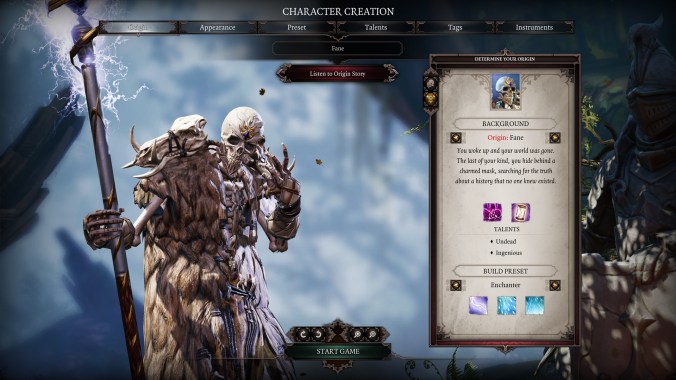
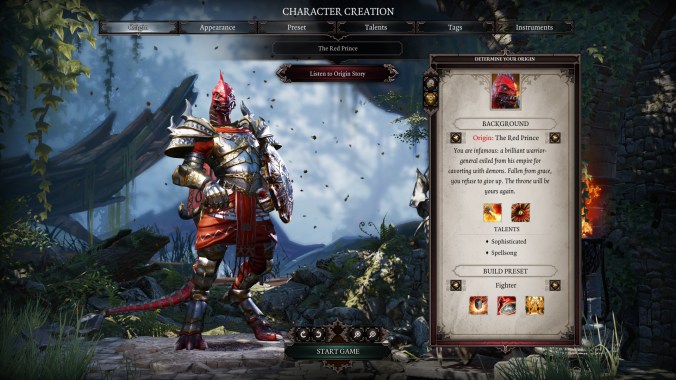
The gameplay of Divinity: Original Sin 2 is an isometric turn-based RPG. The player can control their own avatar and up to 3 companions throughout the world. As a CRPG, the game has a very heavy emphasis on dialogue options and different paths. In the starting area alone, there are 7 or 8 different methods of progression to move forward. It is immensely satisfying to hunt down all the numerous paths and branches and make choices that reflect on your character’s personality. Of course, many paths and options are locked behind stat-checks, clever responses, and special abilities, so you have to find the path that suits you. Like its pen-and-paper predecessors, Divinity: Original Sin 2 lets you create and build your own character from the ground up. Even if you mess up and make a bad choice, the game lets you redo your stats so there is no need to worry about min/maxing. Aside from character building and decision making, Divinity: Original Sin 2 supplements its gameplay with turn-based and strategic combat.

2

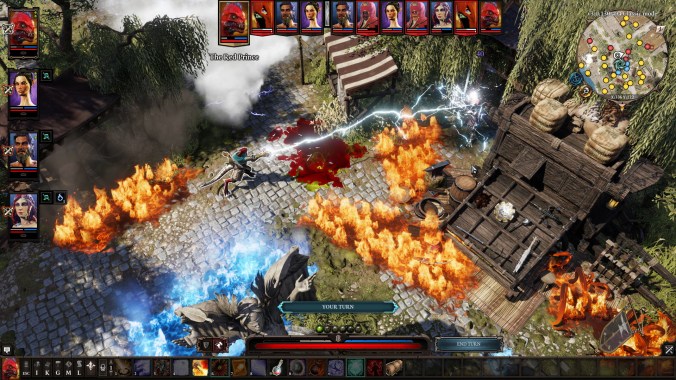
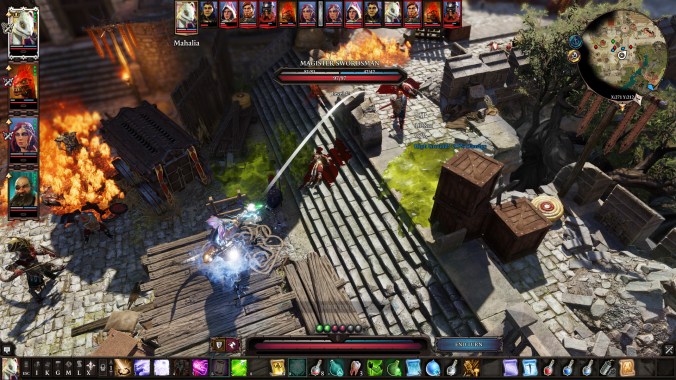
While the combat is usually not the focus of a CRPG, Divinity: Original Sin 2 does a fantastic job at making it addicting and gratifying in its own right. There are plenty of different classes, skills, builds, items, and strategies to play around with. The interesting thing about Divinity: Original Sin 2 is how many of the abilities interact with each other. You can use rain to put out fire which creates steam which you can strike with electricity to create a static storm. And that’s just the tip of the iceberg. Tons of different elemental abilities and status effects interact in unique manners to allow for some dynamic and creative strategies. Even more intriguing was the decision to allow players to partake in “cheese” strategies to effectively break the game. “Cheese” strategies include things like teleporting enemies into pits before the fight even starts, or littering the battlefield with explosive barrels preemptively, or having one of your characters leave combat to buy potions while the rest are locked in a turn-based affair, and much more. These creative solutions break the game and almost feel like cheating, but the developers intentionally left these things in the game to allow for player freedom and ingenuity, and I quite like that.
7

With the combat that Divinity: Original Sin 2 offers, there are a slew of issues that can plague any instance of combat. The first being that the game is fairly confusing and daunting at first glance. With dozens of different stats, abilities, skills, items, environmental effects, status effects, and combat nuances there is a lot to soak in. Realistically, it does not take too long to understand the basics, but I can see how many people may be dissuaded by the depth of the game. The next issue is balance, as with any game, some abilities and classes are better than others. However, some abilities are so wildly powerful that I wonder how they are even on the same plane of existence as many of the weaker skills. What really busts the combat are the crowd control effects, things like stuns, knockdowns, taunts, slows, etc. These abilities generally deal solid levels of damage while also incapacitating the enemy. Sure, they have cooldowns, but with 4 characters and each with a dozen different ability slots you can easily chain crowd control together in a way that never lets the enemy perform an action. The only downside of these skills is that they require you to break the armor of the opponent before you can crowd control them. Battles become a race to destroy the opponents armor and indefinitely stun-lock them before they can do the same to you. As such the difficulty can be a little binary, you either break their armor before they break yours and the battle is a breeze or vice versa and the battle is nigh impossible.

3

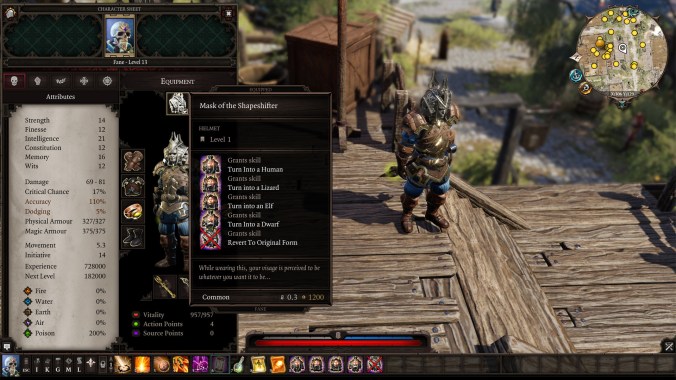
The one massive issue that I had with balance was the leveling system. Levels are massively impactful in this game and they take a long time to earn. A singular level increases your power exponentially, and this creates a plethora of problems. Battling enemies who are higher level than you is ridiculously difficult, and battling lower level enemies is incredibly easy. The slow gain of levels means that you can be level 9 with 99% experience, but you are still going to struggle against a level 10 enemy. And finding more experience is not easy, especially since it takes 2-4 hours to gain a single level. You can get roadblocked by higher level enemies and have to turn back and hunt down easier foes. This especially is frustrating when you are in the middle of a quest because you have to abandon your progress and come back later, and by that time you will have forgotten the details of what you were even doing. More frustrating still is how armor and gear scales just as quickly as the player. A level 10 common piece of armor is often better than a level 9 legendary piece of armor. Having your best equipment being made obsolete by common clothing in a single level is infuriating. Moreover, it means that you have to constantly keep track of all 10 pieces of armor on 4 separate characters to make sure that is always up to date. When you get a new breastplate for example, you have to check if its better than any one of the 4 that you currently are using. Constantly reequipping your characters is mind-numbingly boring and tedious, but it is absolutely necessary.
6

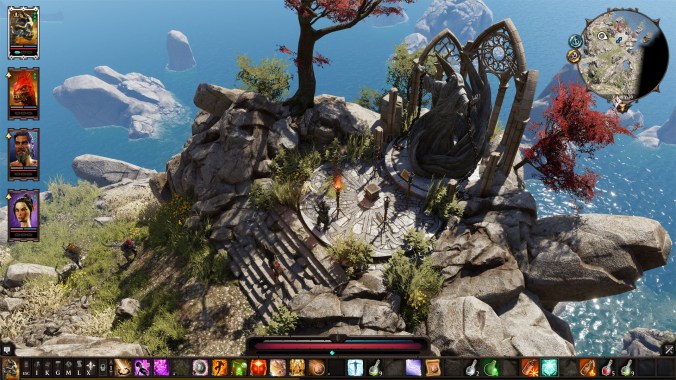
Despite its issues, Divinity: Original Sin 2 has flashes of brilliance and is easily one of the best modern CRPGs on the market. I could get over the balance issues and leveling system, hell they could be easily patched and rectified, but there is something much more detrimental to the game. The biggest issue that I encountered was just how the game got worse in nearly every aspect as I got further in. Divinity: Original Sin 2 is a long game, but it wasn’t just fatigue or the desire to “be done” with the game that hampered my experience. The game is split into 4 distinct acts, each taking place in a new map. Act 1 was absolutely phenomenal, tons of side quests, a gripping main story, polished level design, and while it was fairly linear it still offered a ton of different branching paths. Act 2 was much larger, but to its own detriment. Too many directions to go with very little guidance, and the issue with the leveling system rears its ugly head. Much of the map is nearly impossible to tackle early on because you are not a high enough level. This means that you have to explore the entire area just scrounging for enemies that you can actually fight. Act 3 is a short and uninspired area that lacks any side content.
5

Finally, Act 4 is an utter disaster. Most of the fights feel like nonsense that require you to use “cheese” tactics or overpowered abilities to even stand a chance. There are very few options or paths of progression for many of the quests, some literally only have 1 possible option which is a far cry from Act 1’s branching decisions. It’s a shame because after such a long playthrough you want to enjoy the end and the resolution to all the major quests and plotlines, but many of the late game fights just feel like the developer is throwing the kitchen sink at the player. Worse still, the game’s performance drops drastically as the game slogs on. Glitches become commonplace, framerates begin to suffer, and load/save times skyrocket. I feel like Act 1 was meticulously designed, tightly crafted and tested extensively, Act 2 was still solid but not nearly as carefully planned, and Act 3 and 4 were just rushed.
4

Overall, Divinity: Original Sin 2 still may be one of the best CRPGs ever made, even if it is a dwindling genre this game manages to demonstrate why these types of games can be so fun. Divinity: Original Sin 2 showcases the best of the genre: branching paths, witty dialogue, fun character building, and creative solutions. And it also has the worst of the genre: rampant balance issues, frustrating inventory management, and broken enemy encounters. As a whole, I think the goods significantly outweigh the bad. Acts 1 and 2 make up the majority of the game, and the one good thing about Acts 3 and 4 being oversights is that they are fairly short. Moreover, the developers are working on an enhanced edition of the game said to fix much of the balance woes and completely rework Acts 3 and 4. If the game was Acts 1 and 2 alone, it would easily be a 9/10, but sadly it just falls apart too much in its final act. For these reasons, I give Divinity: Original Sin 2 an 8/10. I really hope the enhanced edition fixes the issues that I have with this game, as this game has tremendous potential. The first act alone is a masterpiece of RPGs and is worth experiencing but prepare to be let down later in the game.
Ōkami (2006)

By looking at my avatar on WordPress it should be obvious that I am a huge fan of Ōkami. That being said, I have not played it since it was released 12 years ago. When it was remastered for the PC, I was overjoyed to return to one of my favorite games. It is apparent to me now that while Ōkami is an inherently flawed game, it still remains overwhelmingly charming, unique, and cozy. The remaster itself came with a new host of issues, but the base game is not perfect either.

1

Ōkami is an action-adventure title that is based in Japanese folklore. You play as Amaterasu, the goddess of the sun who is represented by a white wolf. You travel the lands with your wood sprite companion, Issun, to dispatch of an ominous dark presence that covers Nippon. It is evident that Ōkami was largely inspired by The Legend of Zelda series, the format of Ōkami is nearly identical to that of its muse. A silent protagonist assisted by a small, incessant helper, travel the open world clearing dungeons as well as assisting townsfolk along the way. You gain new abilities to open new paths as you progress. Even though Ōkami took heavy inspiration from another series, it remains obviously distinct.

2

The core focus of Ōkami is that the player’s main tool is the celestial brush, a heavenly painting instrument. The player can paint across the environment in a variety of different ways to achieve different effects. Drawing a sun to change the time of day, or a bomb to blow a hole in a wall, or a tree, flowers, or other foliage to make local critters happy. Even in combat, the celestial brush plays a large role. You can draw lines to slash, blind, stun, or slow enemies, making the brush a versatile weapon and progression tool. It is seamless to use and master, and it is the main form of progression in Ōkami. As you travel the land you learn new brush techniques to assist in your journey. This unique gameplay aspect is what sets Ōkami apart from similar games and it makes for an incredibly memorable experience.

3

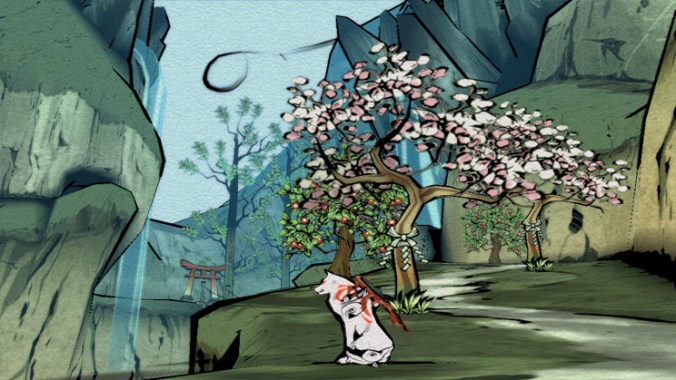
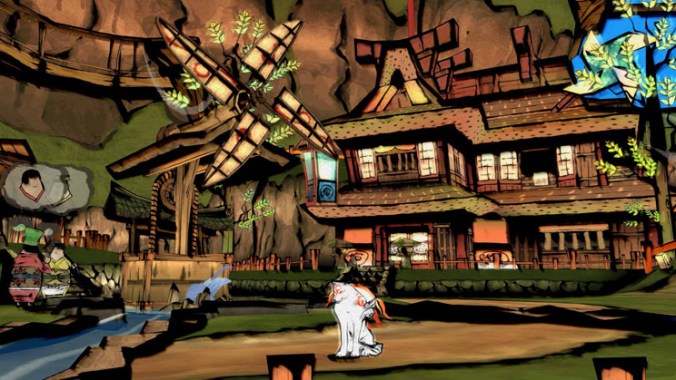
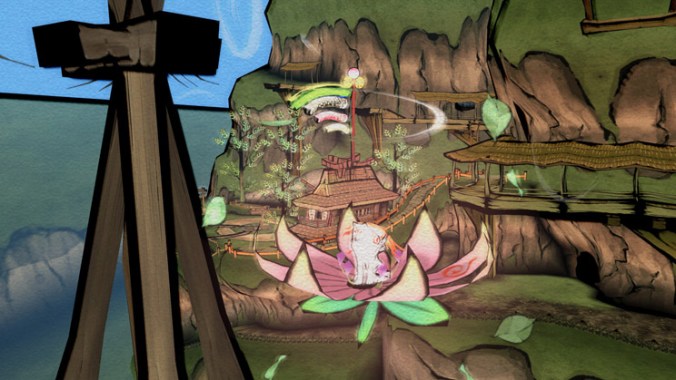
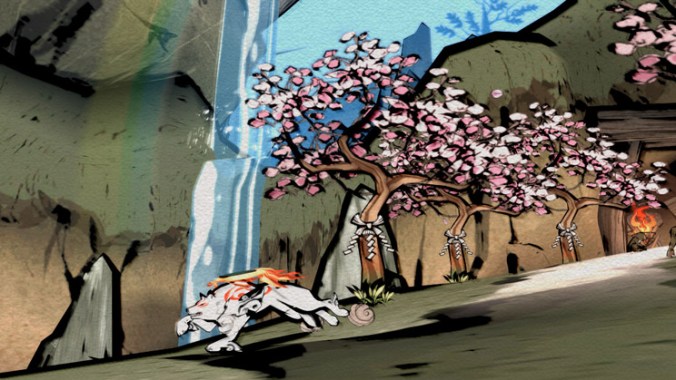
What I love about Ōkami is just how charming the whole experience is. It is obviously a feel-good game. Cleansing the environment of a malignant darkness and replacing it with foliage, cherry blossoms, and blooming natural features is immensely satisfying. Furthermore, Ōkami is centered around helping the citizens of Nippon, and it is rewarding to help around the countryside and solve problems. Amaterasu is both an adorable and fearsome protagonist, and she is incredibly expressive to make up for her lack of dialogue. The art of Ōkami was inspired of the traditional Japanese Ukiyo-e style of making woodprints. It certainly helps Ōkami stand out as this art style is rarely seen the medium of video games (and digital media in general). Its art style matches its story, as both are derived from Japanese culture. The story told in the game is a mixture of numerous Japanese folklore tales spun into one. All in all, everything about Ōkami is just relaxing. If anything, Ōkami just feels good to play.

4

While it remains a classic game for me, it is obvious that Ōkami has issues. An incredibly long introduction sequence that takes forever before you can really start playing. There is a ton of dialogue which pads out the game length and can frankly get annoying when you just want to play the game. Your companion, Issun, is the biggest example of this. If you thought Navi, Tatl, or Fi from The Legend of Zelda were annoying, let me tell you they have got nothing on Issun. He constantly interrupts and is a major source for the overinflated level of dialogue in this game. The other big issue was that at times Ōkami can be a little repetitive. For example, there is one particular boss that you have to fight three times with no significant changes. Other than the repetition issues and excessive dialogue there was a single issue that I think is exclusive to the PC port of the game. Hell, it might be exclusive to just me because I searched for other people who had this issue but I was the only one that I found. The issue that I am talking about is how text boxes would often get stuck and I would have to wait 15-30 seconds to see a new line of dialogue. This was supremely annoying but I think I was the only person in the world to have this issue.

5

Overall, Ōkami mostly holds up to my memories and standards. A few nagging issues brought the game down, but it is still a phenomenal game. It is incredibly unique, charming, and enjoyable to play. Whether you like similar games like The Legend of Zelda or action-adventure titles in general, definitely check out Ōkami. Ōkami is still one of my favorite games, despite its flaws. There is just something about it that draws me in, maybe I just like the fact that a cute wolf is the protagonist, but there really is something magical about Ōkami.

Hellblade: Senua’s Sacrifice (2017)

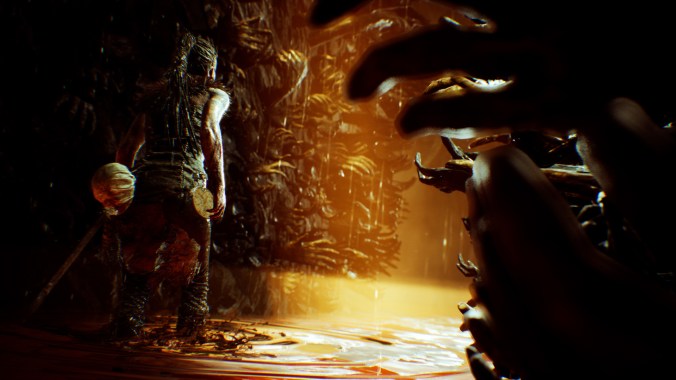
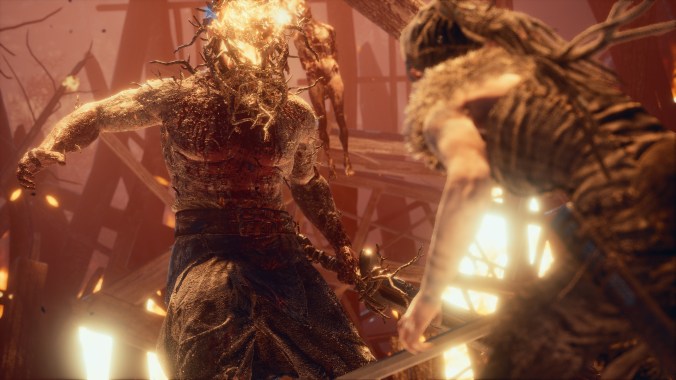
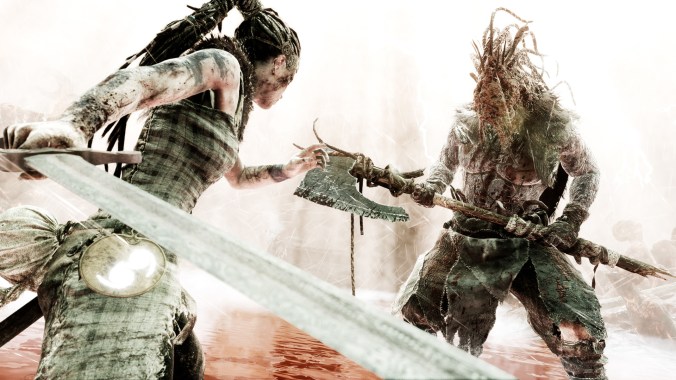
The idea of an “independent triple-A” game is quite obviously an oxymoron, but still Ninja Theory make a convincing attempt at it with Hellblade: Senua’s Sacrifice. A triple-A game by definition is created by a massive developer and can cost hundreds of millions of dollars to produce. Ninja Theory is attempting to break the mold by creating an experience that feels like a triple-A title, but was cheaper to create, cheaper to purchase, and is a shorter and more focused experience. Hellblade: Senua’s Sacrifice could easily be passed off as a niche triple-A title with its stunning visuals and production value. I really support Ninja Theory’s efforts as the industry seems to only focus on triple-A and indie games, so few games are released between these polar opposite designations. I would love to see more games like Hellblade: Senua’s Sacrifice that are not cheap little indie games but are not massive and sprawling triple-A titles, a happy medium would be appreciated. Hellblade: Senua’s Sacrifice is a narrative-driven hack-and-slash which details the experience of Senua, a Celtic warrior who suffers from psychosis.

1

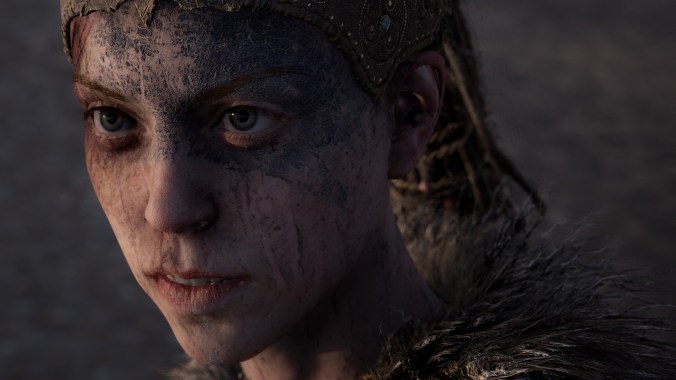
It is evident right from the beginning of the game that mental health plays a key role in this game. Senua hears whispering voices in her head at all times, these voices gossip about Senua and occasionally aid or discourage her journey. The player is actually described as one of the voices that guides her. It is imperative that if you play this game you must play with a binaural headset, as these voices are critical to building tension and immersion to the experience. Not only does Senua hear voices, but it is apparent that much of the game is played in Senua’s mind. What she is fighting is often not real, and she visuals terrible imagery as a result of her psychosis. I would describe the game as a psychological-thriller, tons of unsettling atmosphere and a constant sense of dread are instilled by Senua’s psychosis.

4

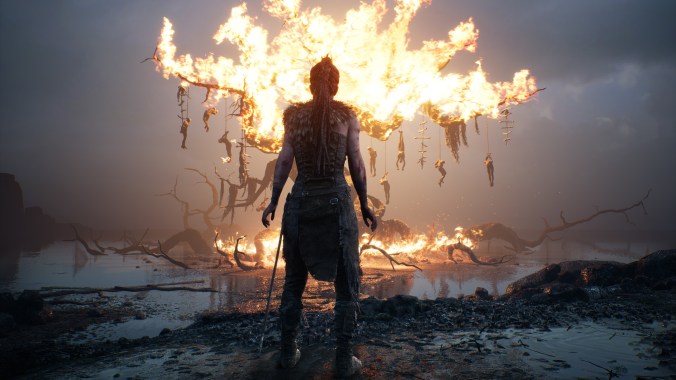
Moreover, Hellblade: Senua’s Sacrifice is undoubtably a dark game due to the nature of its content. Horrifying depictions created by the mind of Senua make it clear that this game is not for the faint-hearted or squeamish. Senua journeys through Helheim, the Norse version of Hell to save the soul of her beloved. She fights gods and foul creatures alike as she journeys through Helheim. The game has a heavy emphasis on Norse mythology, and I quite liked how some classic Norse tales are dictated to the player as you travel through the world. It may be just a small thing, but I really did enjoy hearing accounts about Sigurd, Odin, Thor, and the rest as I walked from place to place. Furthermore, Hellblade: Senua’s Sacrifice is a masterclass in immersion. There is no heads-up-display (HUD) like in most games, there are no obvious tutorials, there are no button prompts, the only thing on the screen is Senua. Even the default difficulty in the game is “auto”, meaning that if you play well it automatically gets harder and if you play poorly it gets easier. Nobody has to mess around with the difficulty settings, you just play the game out and it will find the appropriate level of challenge for you. All of this combined with the psychological themes in the game made me really feel like I was actually one of the voices accompanying Senua. It is very easy to get immersed in the world, the atmosphere, voices, imagery, and lack of HUD really make the experience engrossing.

3

It is obvious that the gameplay was not the main focus of Hellblade: Senua’s Sacrifice. It is primarily meant to be an immersive, artsy, and narrative experience. The motif of Senua conquering her “darkness” may be a little heavy-handed at times, but for the most part the game hits the mark. Where it falls flat a little is in the gameplay department. Combat is initially a little slow as you get used to the controls, but as the game progresses it quickly ramps up. Your swings and strikes feel properly weighted and the controls are very responsive and easy to learn. The voices even play a big part in combat as they warn the player when an enemy is attacking you from behind, allowing you to dodge or parry and enemy that you did not initially see. Everything feels fluid and intense, and this is complimented by the pure spectacle of the combat. Loads of visual effects and beautiful animations accompany your attacks, making the whole experience engrossing. The issue is that the combat is not very deep, there are only a few enemy types and you mostly fight every enemy the same way. Once you master parrying no enemy could possibly pose a threat to you, and eventually the combat becomes tiresome and repetitive. Towards the end of the game, there are long and drawn-out sections of combat that feel like you are fighting an endless wave of enemies. By this point, the excitement of combat had worn off and it felt like a slog to battle my way through hundreds of copy-pasted enemies over and over again. This could have been solved if more complex enemies were introduced towards the end of the game, because by the half-way point I felt like I had seen everything the game had to offer in combat.

5

The other aspect of gameplay are the puzzles. Most of the time progression is blocked by some form of puzzle. Sometimes you had to find a specific rune shape by lining up environmental objects. For example, aligning some trees and houses to create a “M” shape. Other puzzles include walking through magical gateways in the right order. Or finding a way to create a bridge by looking at it from a certain perspective. Generally, these puzzles were not great, but they were inoffensive. They are not particularly hard and they require very little thinking. For the most part I did not hate these puzzles, but I was not really in love with them either. Towards the end of the game the puzzles actually got somewhat interesting, but mostly the puzzles felt like filler. Apart from puzzling and fighting, the main thing you will be doing in Hellblade: Senua’s Sacrifice is walking. This is a narrative heavy game and plays as such. If you want constant action and are not okay with just soaking in the environment, atmosphere, and emotions that the game provides than this game is not for you.

2

All in all, Hellblade: Senua’s Sacrifice does precisely what it set out to do. It is a visually stunning game that could be passed off as a triple-A title, and it tells a surreal and twisted story about a woman suffering from psychosis. It is easily one of the most immersive games I played, and its atmosphere was captivating. While it does struggle a bit from the gameplay perspective, it does not significantly drag down the experience. Both the combat and the puzzles are passable, and at the very least are not frustrating. While I wish they both offered more depth as the game went on, they were not offensively bad either. For these reasons I give Hellblade: Senua’s Sacrifice an 8/10. It is an enthralling experience that portrays the effects of psychosis and grief on the mind of a Celtic warrior.

XCOM: Enemy Unknown (2012)

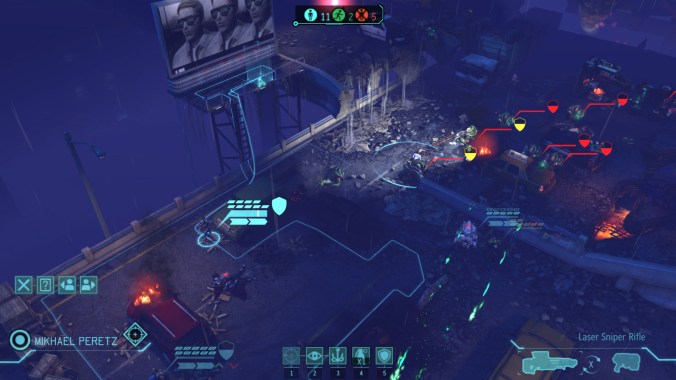
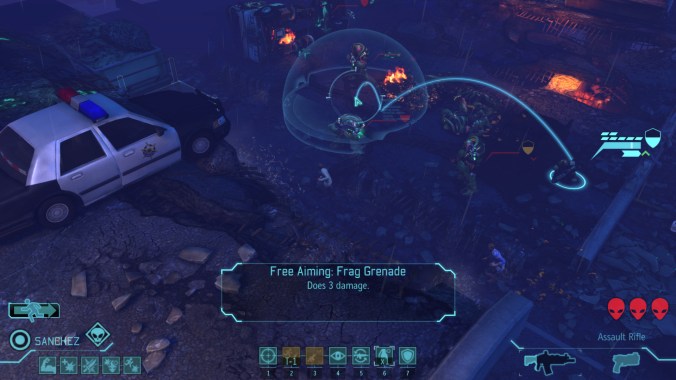
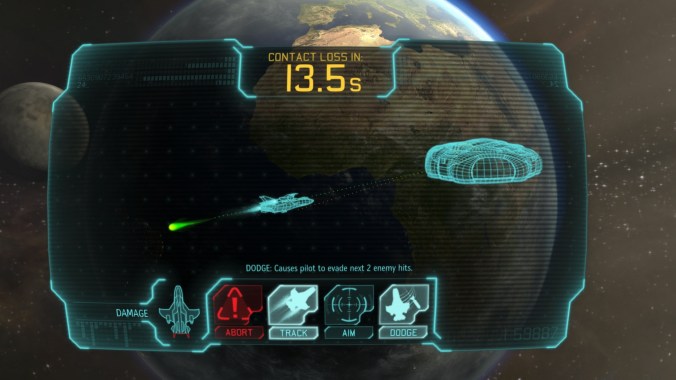
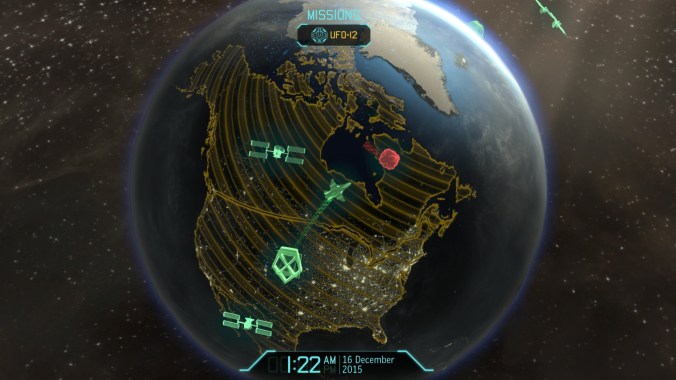
Turn-based games are fairly decisive, you either love them or you hate them. I tend to be in the “love them” camp, and many of many favorite series are turn-based and strategic games. XCOM: Enemy Unknown is a reimagining of the 1993 turn-based game X-COM: UFO Defense. The purpose of XCOM: Enemy Unknown is that the world has been invaded by aliens, and the player is put in charge of a worldwide organization to combat the alien threat. You oversee everything, from building your base and recruiting new soldiers, to making sure every country is safe and supports you, to commanding the squads during missions, every minute detail is a decision made by the player. XCOM: Enemy Unknown seamlessly combines two aspects: turn-based combat and base management. Both aspects revolve around each other and create an addictive feedback loop.

2

Much of the gameplay of XCOM: Enemy Unknown is turn-based combat, in which you field a small squad of your planetary defenders against an unknown alien threat. Much of the time you are raiding UFOs that crashed, but you may also assault alien bases or simply defend cities and their denizens from being abducting. You have four different classes at your disposal: Heavy, support, assault, and sniper. As you train up your soldiers, they will progress along their paths and gain new abilities and talents to use in combat. Of course, aliens also get more threatening as time moves forward. After every mission, you will bring in a haul of resources from the defeated aliens, allowing you to research and reverse engineer the foreign technology. Allowing your own soldiers to field plasma rifles and other alien gadgets. This progression loop is immensely satisfying, you complete a mission, use the loot to upgrade your weaponry and base, and bring that new technology out on the next mission. Strategically maneuvering against opponents is not the only aspect of XCOM: Enemy Unknown, as there is also a solid base building facet.

3

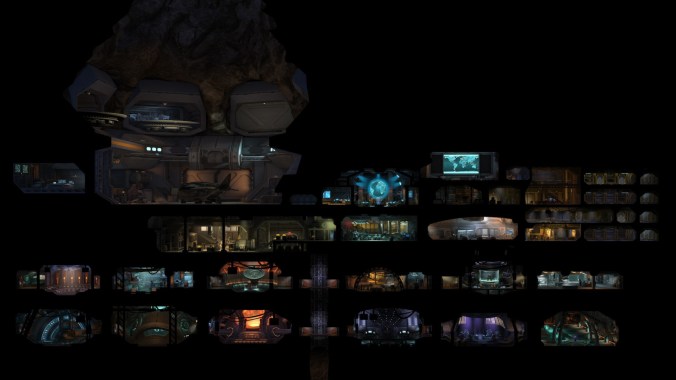
Similarly to how you upgrade your weapons, your main base will also become more advanced as time progresses. You must build laboratories, workshops, satellites, and power generators to keep up with the alien threat. Furthermore, you must strategically decide which missions to tackle, as often times you will be forced to choose which country to assist. You must attempt to keep every area at a low level of panic, or else they will drop their support for your project. Managing these different panic levels is crucial, and the player has to weigh the benefits and drawbacks of every choice. You also choose what to research and build, and doing these things takes a lot of time, so you must choose wisely to maximize your effectiveness. Outside of the base building and combat, XCOM: Enemy Unknown does not offer a whole lot, but that’s okay. The story is serviceable, it’s a pretty standard alien invasion story. XCOM: Enemy Unknown is what it is, which is a tactical turn-based game with base management aspects.

1

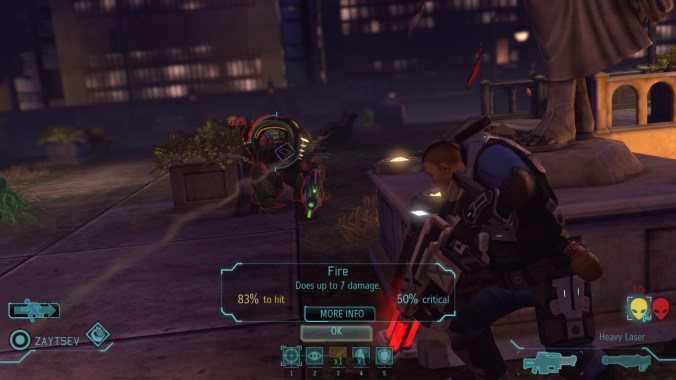
There are a few key issues that I have with this game, the first being the randomness. Almost every turn-based game uses some form of a random number generator (RNG) to keep the player on their toes and create a different experience for every player. XCOM: Enemy Unknown is widely known for being very frustrating in this aspect, as a couple of bad dice rolls can lead to the death of a soldier. I’ll admit, I probably just have a personal vendetta against the RNG in this game as I have literally missed what was displayed as a 100% hit (turns out hit percentage is rounded up, so I only had a 99.6% chance but it was displayed as 100%). The frustration for me stems from the fact that it is very easy to get attached to your soldiers, and most players will probably have around 10-15 super soldiers that they rotate in and out of missions. Losing one of those guys on a .4% chance is infuriating. I would have preferred it if the game encouraged you to keep a much bigger group of usable specialists, because losing one guy out of fifty is not a big deal but losing one out of ten is.

4

The other issue is that RNG is always going to feel bad, but there are plenty of ways to make the player not resent it so much. Modern Fire Emblem games for example use a system called “true hit” which, without going into mathematical details, make the chance to hit a target higher than what is actually displayed. For example, what is shown to be a 70% chance in Fire Emblem is more like an 82% chance. Another solution is to use “pseudo-RNG”, which would increase the odds of hitting subsequent attacks if you missed a high hit chance. The purpose of implementing either of these systems is simply for user experience. The developer should want the player to not absolutely abhor the RNG, as it can lead to rage-quits and a lot of anger. Furthermore, too many random odds in a tactical game like this will inevitably lead to a few select players getting absolutely screwed by the RNG.

5

Other than the randomness, there were a few other problems I had with XCOM: Enemy Unknown. The first being the lack of objectives in any given mission. The goal in most missions is simply to kill all the enemies, which is a fairly boring task and does not give the player a whole lot of incentive to innovate tactically. Also, aliens just wander aimlessly because they have no objective to defend. My favorite missions in the game were the ones in which you fought other human forces who are attempting to hinder you. In those missions, the player must either defend an encoder with secret information from the enemies, or you must hack the enemies’ encoder to obtain their information. In both types of these missions there is some sort of objective where all the action will be centered around which make the maps far more engaging. Implementing some sort of goal in every mission would go a long way to make missions more interesting and diverse.

6

Furthermore, adding mission objectives would also alleviate the next issue, which is that the game is often just way too slow-paced. Because of the aforementioned randomness, the player must play extremely carefully as to not make costly mistake. The optimal strategy is to slowly creep forward a few tiles per turn until you reveal group of aliens through the fog of war. Once revealed, these aliens will automatically move to cover and be free to blast you on their next turn. The player is encouraged to move in a way that will reveal these enemies at the start of the turn, and then have all the rest of your soldiers follow up immediately to kill the aliens as to not give them a single action. Maps can be fairly large and your squad never gets bigger than six, and you are not going to split them up to cover more ground as that is an unnecessary risk. The player is left to slowly sweep a large area searching for the last aliens to exterminate. It can get fairly boring and respective after a while.

7

As a whole, XCOM: Enemy Unknown is a solid tactical turn-based strategy game. It definitely has major flaws that I hope are addressed in future titles. While the missions and base building can be addictive, there are a few things that need to be fixed. Slow and repetitive missions, no objectives, and the random factor of the game are the major issues that I would like to see fixed in the future. Hopefully, the next XCOM game can build upon the franchise and improve upon the foundation that XCOM: Enemy Unknown established.

Hotline Miami 2: Wrong Number (2015)

There have been few games that can match the feeling that Hotline Miami provides. The unreliable narrator and his hallucinations provide a sense of confusion and unease. The gratuitous violence was shocking but was a subtle commentary on violence in the medium. Additionally, the fast-paced gameplay was brutally precise, leaving a sense of adrenaline and accomplishment. The same cannot be said for Hotline Miami 2: Wrong Number, it felt like an imitation of the original. Still, Hotline Miami 2: Wrong Number is an entertaining experience, but it lacks the careful execution and craftsmanship of the original game.

1

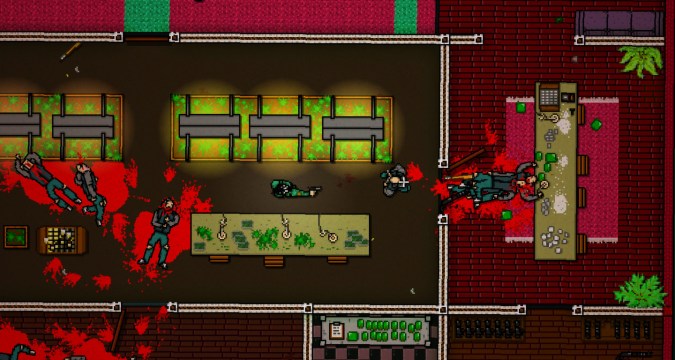
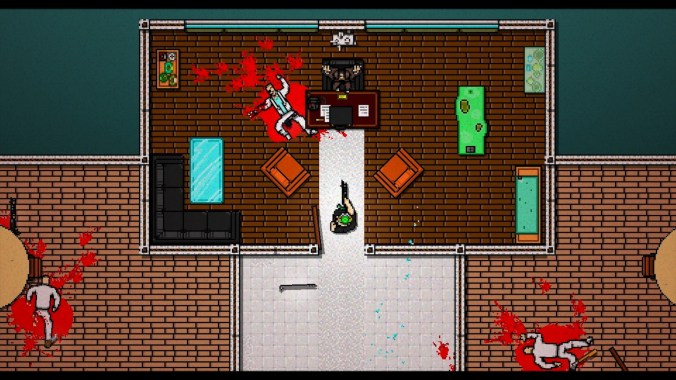
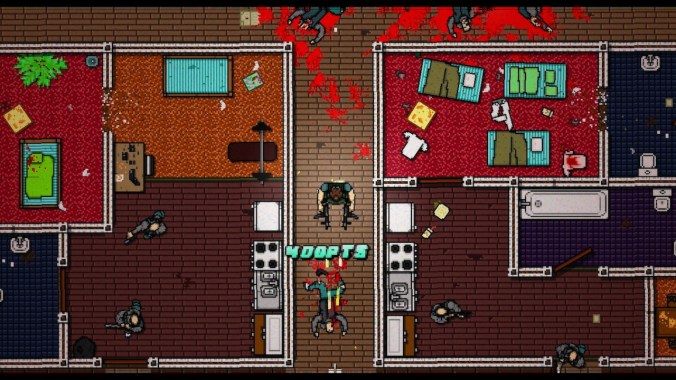
First and foremost, the gameplay and level design feels like a haphazardly created version of the first game. The level design in particular is a shocking downgrade. The series is based in a remarkably fast-paced environment in which the player partakes in shooting sprees and beatdowns on the mafia. What makes the game so interesting is that both the player and the enemies die in a single hit from a melee weapon or bullet. You have to quickly rush your way through levels to outpace the enemies and make sure they don’t catch you off guard. The player is encouraged to move rapidly to keep ahead of the enemies, you always want to be shooting first. The issue in Hotline Miami 2: Wrong Number is that this style of gameplay often feels discouraged. There are so many long hallways that the game funnels the player into. You cannot see the enemies before they see you, leading to unwarranted deaths. Moreover, levels are littered with windows that make it impossible to rush through the level as enemies will spot and kill you instantly. Furthermore, each level is longer and houses more enemies, meaning it will take longer to complete each section. Melee weapons lack viability, as the open spaces encourage the use of guns. The giant floors and wide-open areas encourage caution and careful planning opposed to fury and bloodlust. This shift in dynamic is not suited to the series, Hotline Miami 2: Wrong Number feels more like a puzzle game than an adrenaline pumping and violent frenzy. Hotline Miami makes the player feel like John Wick, Hotline Miami 2: Wrong Number makes the player feel like a redshirt off of Star Trek.

2

The other bizarre change is with the general format and presentation of the game. Hotline Miami 2: Wrong Number is a tale of numerous protagonists. This does create the feeling of confusion and disarray like its predecessor, but for a completely different reason. The original game was focused on a singular character who suffered from PTSD, psychotic breaks, and other mental issues, generating a sense that much of the game was a fever dream. Hotline Miami 2: Wrong Number was confusing just because there were just so many constantly shifting perspectives. Nine different perspectives spread out across 27 levels is a recipe for forgettable protagonists. There were only a few characters that I even remotely felt interested in, the missions that helped make sense of the first game in particular were intriguing, but the rest I just did not care about. Additionally, the original game let the player swap “masks” that changed the character’s moveset and abilities for any particular level. In this game, each character has their own individual gimmick. So instead of choosing how you want to play, you are forced into certain playstyles and are obligated to put up with frustrating gimmicks. I will admit it was somewhat interesting when the storylines of the characters linked up as they crossed paths, but still I just was not particularly invested in any of them.

3

As a whole, Hotline Miami 2: Wrong Number missed the mark for what made the original so impactful. Levels feel fan-made rather than professionally designed, and the gameplay as slowed downed tremendously. The more meticulous style may appeal to some people, but I feel like it just does not match the tone of the Hotline Miami series. Shifting perspectives create a sense of confusion like the original game but make for far less memorable characters. Jacket was an iconic character from Hotline Miami that will go down in video game history, but nothing similar can be said for the characters of Hotline Miami 2: Wrong Number. On the plus side, the soundtrack is just as enticing as the first game’s. While I did rag on the game a lot, the core remains the same: rush through levels and kill the mafia. At the end of the day, the game plays similarly to the original, but lacks the nuance and flow. For these reasons, I give Hotline Miami 2: Wrong Number a 6/10. The level design was just not up to par, which severely hampered the adrenaline pumping action which I’ve come to expect from the series.


Prey (2017)

It is well known that 2017 was an absolutely stellar year for games. One game that may have gone under the radar is Prey. There are a few theories for why Prey went so unnoticed, but the prevailing reason for it being overlooked is its name. Despite the confusion with its name, I think Prey is a solid title that definitely is deserving of more recognition.

2

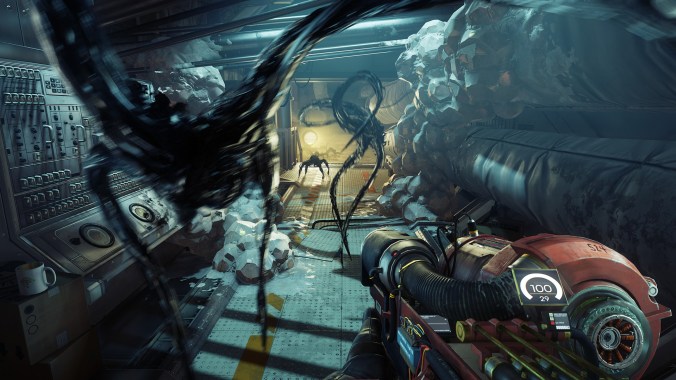
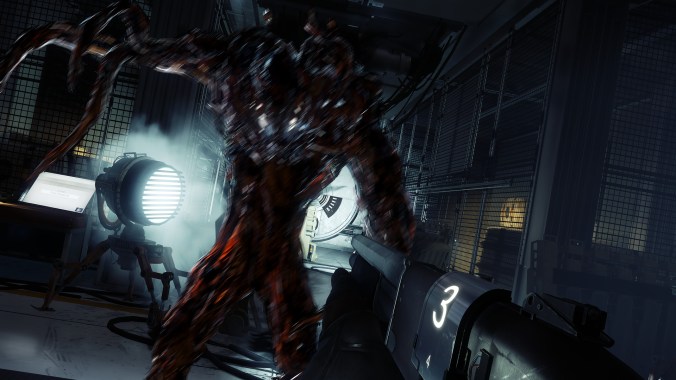
Prey shares its name with a 2006 game. Unintuitively, the games are in no way related, they are not even in the same genre. The Prey that was released this year feels more like three other series: System Shock, Bioshock, and Dishonored. Prey was obviously inspired by System Shock and Bioshock. The lonely, dark, and disturbing atmosphere portrayed in Prey is straight out of these series. You feel like you are trying to survive a utopia gone wrong, there is a heavy emphasis on survival compared to a standard first-person-shooter (FPS). You cannot tackle encounters with guns blazing like DOOM or Call of Duty, you must carefully and tactically use your resources and knowledge to proceed. Moreover, I say Prey is similar to Dishonored mostly because the level design philosophy is remarkably similar. That’s probably because they are made by the same studio, and if you’ve played Dishonored you will immediately recognize the hidden ducts and paths to sneak through the levels.

3

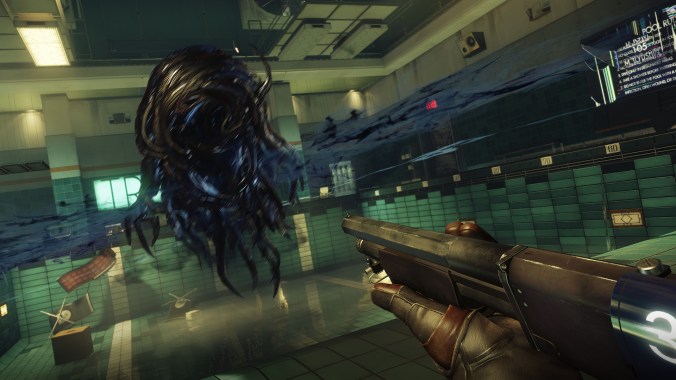
The setting Prey is a space-horror and psychological thriller. You play as Morgan, a scientist with no memories as to what happened and what led to the dire situation at hand. There are mysterious aliens roaming the halls and the quarters are littered with corpses, and it is your job to decipher what happened. There are conflicting characters and perspectives that you weigh in your mind, somebody is lying to you about the situation. I’d argue that the story is simultaneously engrossing and lacking. The vast majority of the narrative and exposition is told at the beginning and the end of the story, and the entire in between section just feels empty. The opening to Prey is probably one of the greatest openings to any video game, or any media for that matter, ever.

4

I usually loathe the slow and monotonous starts of games as a narrator or character spews expository dialogue at the player, but Prey starts differently. It feels simple and innocent enough, but the atmosphere just feels a little off and tension rises as you discover the reality that Morgan must now endure. As usual I really do not want to spoil anything, but Prey does an excellent job at building pressure and mystery for the first few hours. Sadly, after the initial introduction to the world there is not many narrative aspects to expand on the opening until the very end. The entire middle section of the game consists of “Do this, do that, find your way through the space station, and then I will tell you the truth”. This was incredibly disheartening and by the time I did reach the ending I feel like my interest in the outcome had waned after hours of being kept in the dark. That being said, the final sequences of Prey were phenomenal and were a great pay-off, but the middle section just left a bad taste in my mouth.

5

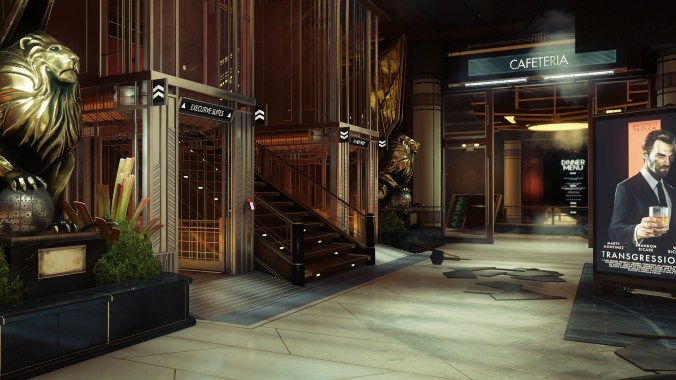
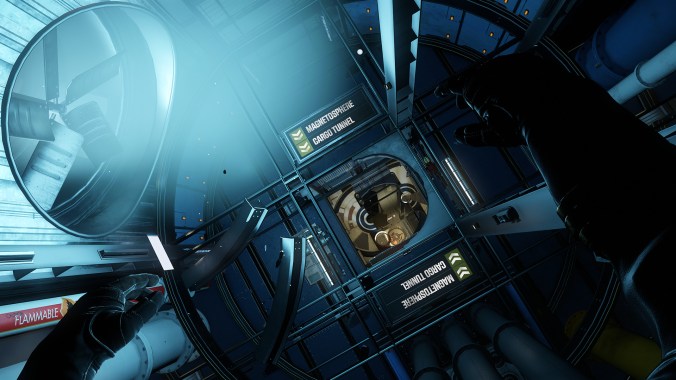
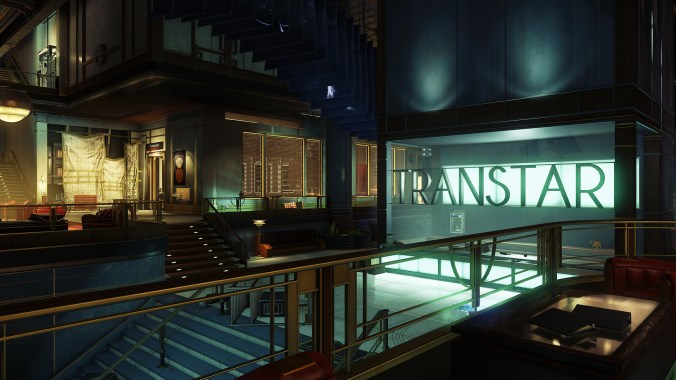
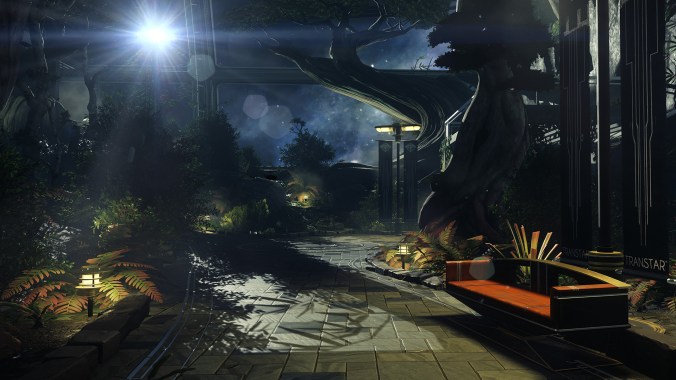
The people over at Arkane Studios have built one of the most cohesive and intriguing worlds that I’ve seen in a game. The space station Talos I is a sprawling, living, breathing world that can be explored inside and out. The living quarters, lobby, arboretum, and other areas feel like a luxurious hotel that people actually lived in. Computer terminals with emails, innocuous notes, and the placement of objects goes a long way to make the world feel natural and realistic. Every corpse has a tag that can reveal their identity and you can uncover where that character worked, their background information, and possibly find terminals containing emails they sent or received. Again, this really ups the immersion that Prey provides. Also included are places like life support systems, the power reactors, and the­­­ maintenance tunnel that runs the length of the station. These areas are far sparser, as it should be. You can also visit the exterior of the station, and see all the sectors from the outside, and they make sense logically. The developers obviously put a ton of work into creating and maintaining this immersive universe.

6

The meat of gameplay in Prey consists of three core elements: exploration, combat, and gathering/crafting. These elements work simultaneously with each other to create a gameplay loop in which the player explores a new area, dispatches of the enemies in the area, and then gathers all the resources to restock on ammunition and supplies. Early on, it feels like you are deprived of resources and you must conserve ammunition, grenades, and health packs because they are scarce. That aspect is certainly enjoyable as it makes the game tenser as each encounter no longer focuses on only survival, but also the cost of taking down enemies. You are encouraged to creatively kill enemies to save bullets, or even avoid the foes altogether. Despite this, as the game progressed I realized that I had a huge stockpile of health packs and ammunition building up since I was being so conservative, I almost wish the game did not give you so many resources. This way, creative planning would be vital and scavenge for resources would be a necessity.

7

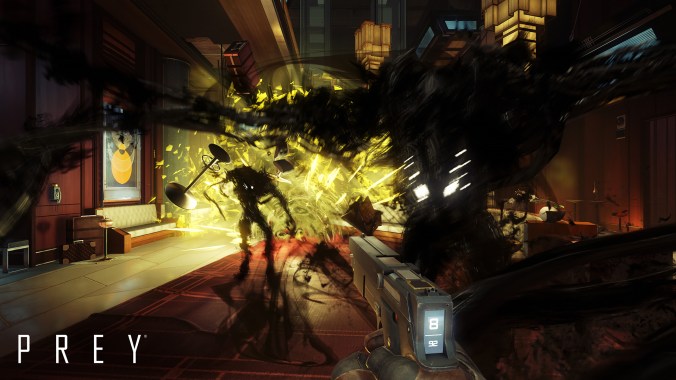
While Prey labels itself as a FPS, the shooting and gunplay is hardly a main focus. Prey feels more like a horror or thriller game than a classic FPS, and that’s a good thing. In DOOM for example, you blast through hordes of demons, you never really feel scared or threatened by these hellish creations. In Prey, the scarcity of the enemies is what makes them so dreaded. Most of your time will be spent exploring the station, cautiously looking out for any aliens, but for the most part the aliens are few and far between. This creates a psychological effect as you never really get comfortable at fighting these creatures. Furthermore, subconsciously you make the connection that if there is a lot of enemies, they must be weak so that you can deal with them in large numbers, and if there is only a single enemy, that enemy must be immensely strong. Prey falls into the latter category; any encounters are incredibly tense due to just how frightening these aliens are perceived to be. Moreover, a specific enemy can mimic regular objects in the environment, leading to fear even when you think you are safe. As you scavenge for resources, the coffee cup next to you could reveal itself to be an alien and strike at you. All these reasons just lead to an atmosphere of horror and dread. All that being said, the actual FPS features in Prey are rather weak. The gunplay feels unsatisfying as enemies do not even react to getting shot, it feels like there is no weight behind your bullets. If you are looking for a classic FPS filled with action and firefights, Prey is probably not for you. However, if you want a thrilling and fear-filled adventure, it may be right up your alley.

8

The best way to describe the level design of Prey is that it mimics Dishonored. There are loads of alternate paths and routes through the levels. You can use your gloo-cannon to reach an inaccessible ledge, or you can use a special perk to jump higher, or you can find a keycard to unlock a door, or you can find a duct, or you can turn on the power an unlock another routes, or you can use your strength ability to move objects out of the way, or you can hack a terminal and unlock a path, and the list goes on. It feels like there is an immeasurable amount of ways to tackle any individual obstacle in Prey, and that philosophy also pertains to enemies. Using different guns, grenades, special perks, and melee attacks also remind me of the “playground” feel in Dishonored. The only difference is that in Dishonored you play as an elite assassin, the enemies are feeble compared to the player, but in Prey, you are the prey. The numerous options feel a little stunted in this game because you are not the hunter, so the player’s creativity is limited by the feasibility of their tactic. All in all, the level design is fantastic, but I wish instead of offering creative combat options which barely see any use, we instead had more polished and refined gunplay befitting of a FPS.

9

Overall, Prey is a solid title that unfortunately did not get the attention that it deserved. Its name confused consumers and fans of the original Prey felt alienated by this brand-new game, while people who did not like the original did not give this game a chance. Either by branding itself as completely new entity, or perhaps by paying homage to System Shock or Bioshock, Prey easily could have gained a lot more traction and generated far more interest than it did. Prey tells a cohesive and mind-bending story, but unfortunately the pacing was slightly off. Moreover, Prey has some excellent gameplay elements to keep your blood pumping and heart racing, but the FPS aspects are just underwhelming. For these reasons I give Prey an 8/10. It is an outstanding and immersive psychological thriller with an unfortunate name. ­­

The Aquatic Adventure of the Last Human (2016)

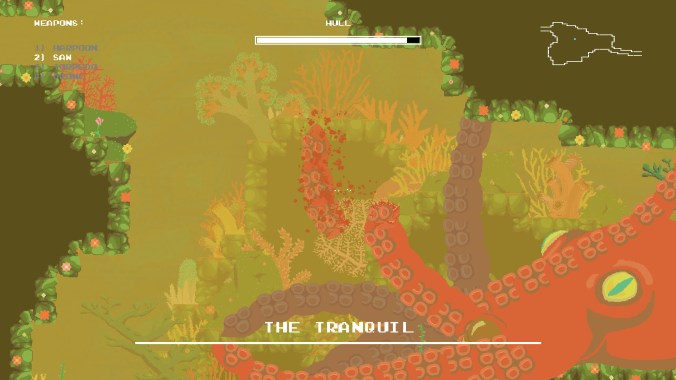
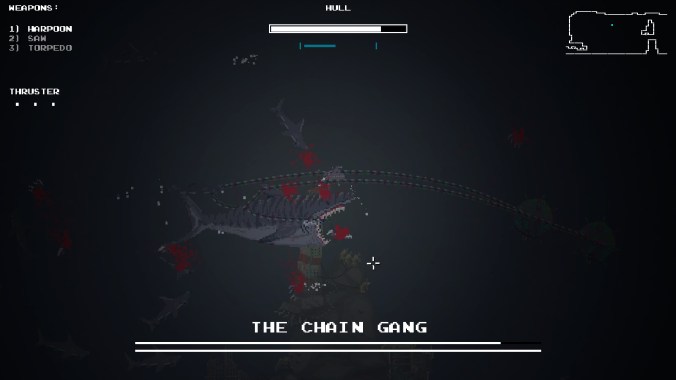
While the metroidvania genre is one of my favorites, it is also one of the more saturated game genres, and there are just so many competing titles to choose from. The Aquatic Adventure of the Last Human is one of those metroidvanias but with an interesting twist. Inferred by the title, you are the last human alive and you set off to explore the now submerged metropolitan areas of earth in a submarine. The Aquatic Adventure of the Last Human has nearly no standard enemies, but instead the bulk of the game is pure exploration as well as clashes with legendary bosses. I quite like this take; the lonely and somber feel of the ocean starkly contrasts the intense boss battles. In a way, this format is very similar to the classic Shadow of the Colossus style.

1

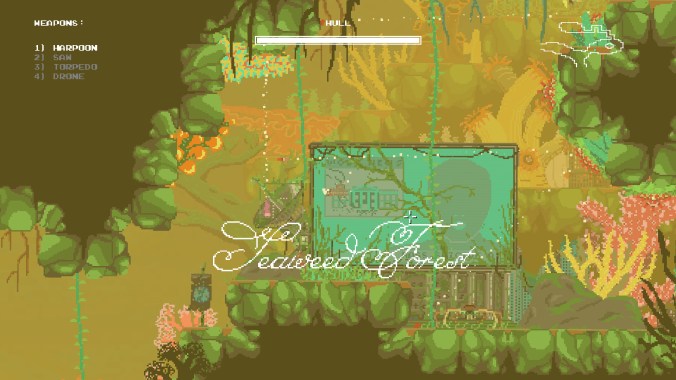
The single best feature of The Aquatic Adventure of the Last Human is hands down it’s totally free exploration. Even compared to other metroidvanias it is far more free and open then many of its contemporaries. The player is free to explore wherever and however they want. For the most part, you tackle the bosses in any order you desire. Most of your time will spent just be gliding through the ocean finding different paths to explore. In classic metroidvania fashion, as you defeat bosses you unlock more upgrades, weapons, and tools to explore deeper into the submerged city. Using saws to cut through overgrowth, torpedoes to blast through rocks, and harpoons to trigger switches are regular methods of exploration in The Aquatic Adventure of the Last Human. The one issue I have with the exploration in this game is its world map. Instead of a comprehensive layout of all the different paths, the map is just a bunch of connected squares. So, opening the map to find the best route to where you want to go is ineffective and confusing.

4

It is unfortunate that The Aquatic Adventure of the Last Human is certainly lacking in the gameplay department. There are a few obstacles in your way as you progress through the abyss, but no enemies other than bosses. It is unfortunate then that while those bosses are incredibly creative and visually interesting that the fights can be long, drawn out and frustrating experiences. This is simply due to the unpolished and frankly amateur game design decisions. The first being that there are nearly no invincibility frames when you get hit. Most games give the player a small frame of time after getting hit to get out of danger, but that is not the case here. This coupled with the insane knockback when the player gets hit leads to being frustratingly ping-ponged between enemies until you die. Moreover, there is an intense screen-shake when the player takes a hit, which combined with the knockback is incredibly disorientating. A single hit often leads to death, and it feels like you can do nothing about it. The next issue is that nearly boss has a 1-hit-kill move, some are intentional and some I believe were mistakes. The intentional ones are fine, for instance a giant laser that is obviously telegraphed and gives plenty of time to react. On the other hand, there are some instances which lead to instant death that feel unintentional. For example: a swarm of small sharks surrounds you and you get bumped around without any recourse. These instances often feel like cheap shots that instantly kill the player. Since there is such a minute amount of combat it should be far more polished. Often times The Aquatic Adventure of the Last Human just feels unfair.

2

While the two crutches of this game are its open exploration and boss battles, there are a few more factors to talk about. The art style in this game is heavy pixelated and is reminiscent of pixel-art, but it is odd that the pixels are not uniform in size. If you are just exploring and not focusing too hard, this art choice was fine. In boss battles, however, the screen can feel cluttered and there is a lack of visual clarity. I had to physical strain to see many of the projectiles and threats. Finally, the narrative is fairly bareboned. The vast majority of any story comes from hidden holotapes across the sea floor. There is no guarantee that you find them, and the ones you do find are out of order. I suppose it could be interesting to piece together a cryptic narrative, but the game beats you over the head with its environmentalist motif.

3

In its entirety, The Aquatic Adventure of the Last Human has a difficult time measuring up to other modern metroidvanias. In such a heavily saturated genre, this game fails to stand out in a meaningful way. I think that it certainly has the potential to be a great game if the gameplay had been polished further, but otherwise I cannot recommend it when there are so many other wonderful games in the genre. That being said, if you are a fan of the genre it is a relatively quick game that can sate the metroidvania hunger. For these reasons I give the Aquatic Adventure of the Last Human a 6/10. The juxtaposition of the calm and flourishing ocean compared to the intense boss battles is a compelling concept, but the amount of “cheap shots” that the game throws at the player grows tiresome fairly quickly.


The Witcher (2007)

One of the most popular series of the past few years is The Witcher. With the release of The Witcher 3: Wild Hunt, this adaptation of a Polish novel series has skyrocketed in popularity. While it is possible to play the games non-sequentially, I decided to start from the beginning with The Witcher. It is evident that this was CD Projekt Red’s first title, as The Witcher is incredibly rough around the edges. Mechanically, The Witcher is clunky and lacks a level of polish. Narratively, The Witcher is fairly interesting, but it starts slow and seems to be setting up a story for the future.

1

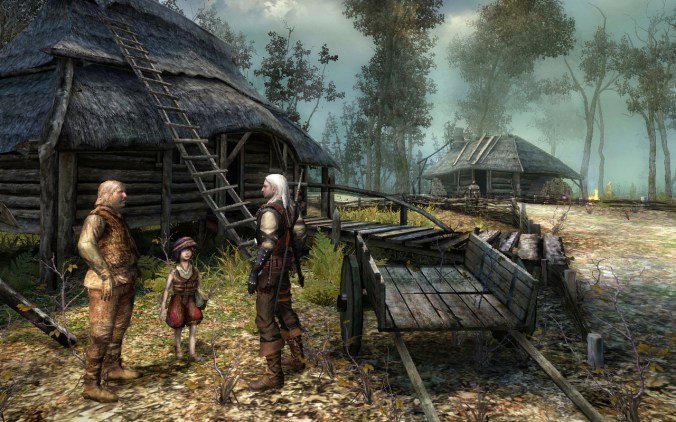
The Witcher is a medieval fantasy game in which you play a Geralt of Rivia, a professional monster hunter who suffers from amnesia and cannot recall any of his past experiences. The story told is based off of “The Witcher” novel series by Andrzej Sapkowski, a Polish author. It is one of mythical monsters, political intrigue, and general mystery. The game simply begins with a criminal organization stealing powerful potions from the witchers, and you must track them down. During this hunt, you unravel a web of secrets and learn the true motivations of the criminals that you have been pursuing. The adventure is filled with morally ambiguous choices, it often feels like you must choose between the lesser of two evils. I quite like the more gritty and difficult story choices that the game forces you into. In other RPGs like the Mass Effect series your options are plainly labeled as good and evil, but I prefer pondering about my actions and their consequences. The tale it tells is grim and gritty, it is filled with death, war, sex, politics, and monsters. As a whole, I felt as if The Witcher was more setting up a world and narrative layout for future titles. It starts off slow and lets the player absorb information about the world and it progressively gets more intriguing. Even the ending obviously is setting up the next title in the series. As a standalone story The Witcher is solid, but it evidently is more concerned for preparing to tell a much larger story.

4

The major issue with The Witcher lie within its gameplay, and most notably, its combat. The Witcher feels antiquated even for a game that was released in 2007. The controls are slow and unwieldy and the interfaces are unintuitive. As an open world RPG, it felt like the developers wanted the player to take no shortcuts. There is very limited fast travel, walking from area to area is a slog, and you must grind through hordes of monsters that respawn every time you load into the area. The Witcher puts a lot of emphasis on preparation and the role-playing aspect of the game rather than the combat. You must collect herbs and create potions to give you an edge in combat, because your skill alone will not get you through any encounters. One of the biggest oversights is how you go about creating potions, leveling up, or just waiting. In order to perform these tasks, you must find a campfire to meditate at, which sounds fine on the surface but in reality, there are so few of these campfires scattered throughout the game. This is especially aggravating as many quests require the player to talk to another character at a specific time of day. Often, I found myself talking to a character, realize that I can’t talk to them at night, run to a campfire, rest until day, run back, talk to the character again who gives me a quest that can only be completed at nighttime, run to a campfire, rest until night, and then finally start the quest. All of those steps could have been avoided if you could just rest or wait in place rather than at a campfire. The Witcher is filled with irritants that just blatantly waste the players time, but nothing can compare to its abhorrent combat.

2

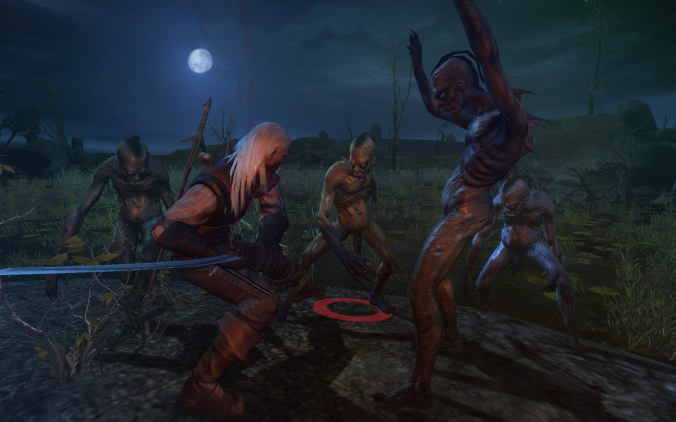
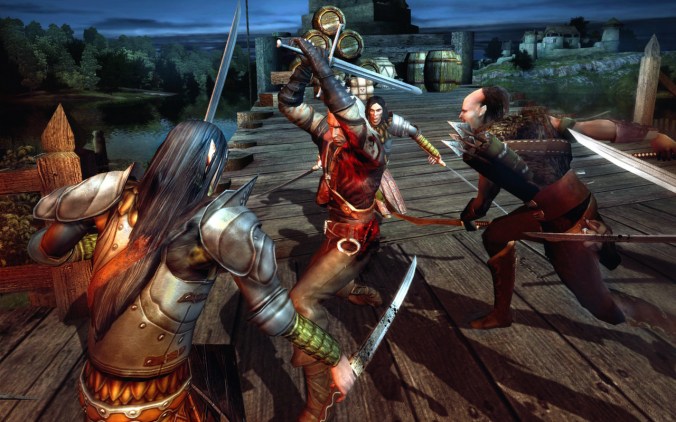
Every game has its flaws, and I certainly commend CD Projekt Red for being so ambitious with its first title (which I’m sure they learned many lessons from to become the revered studio they are today), but the combat in The Witcher may be one of the single worst experiences I’ve had in a video game. Essentially, you must pick a combat “style” (fast, strong, or group), click on an enemy, and hope for the best. As Geralt goes through the animations, you can click again at a specific timing to increase your damage. It is remarkably simple, and honestly it could have worked in a game like this that focuses on preparation like your skills, potions, and selecting the right combat style. The issue is that there are a ridiculous number of instances where the combat just falls apart. The first issue is with large groups of enemies, you just pop some potions, select group style, and pray that you kill the enemies before they completely surround and annihilate you. The next issue is with enemies with any sort of immobilizing effects like blinds, stuns, or knockdowns. You are immobilized for a ridiculous amount of time, and enemies can even chain these effects together to keep the player permanently immobilized until they die. Moreover, some singular enemies that are just too strong, you can’t use skill to beat them, and I often used cheesy tactics like kiting them around the arena while my health regenerated before going in for a singular hit. On top of all that, the controls are just unwieldy, the game doesn’t always register your commands correctly as you are in the middle of a “combo”. Often, I would try to back off from enemies to regain some health, but Geralt just wouldn’t budge. Furthermore, there is just so much randomness in the combat with dodges, parries, stuns, and inconsistencies with the enemy AI. Some encounters took me 4-5 tries, but there is really no alternative tactics you can use other than to prepare better, so I felt like I was bashing my head against a wall at times. Like I said earlier, this simple, preparation based, point-and-click combat could work, but there were just so many frustrating instances. The developers should have known that their combat mechanics were weak and should have toned down the amount of action that was in the game and how grandiose the battles were. At times it felt like The Witcher was trying to be a hack-and-slash, but as a point-and-click RPG it was just painful.

3

After slogging my way through The Witcher, I am excited to play the next game in the series. Partially because it is a universally lauded title, partially to see what this story has been building up to, and partially to see how much CD Projekt Red improved. The story was definitely interesting so I would like to see more, but the gameplay needs drastic improvements. Combat needs an overhaul and the rest of the game just needs a lot of polish. The foundations for a great series are certainly there, the developers just have to refine it. Unless you are a fan of The Witcher series or if you want to start from the beginning, I do not recommend The Witcher, it is just too janky and clunky, I recommend starting with a future title in the series and just reading a summary of the first game.

Guacamelee! (2013)

Metroidvanias are perhaps my favorite genre as a whole. Furthermore, indie developers have made some of the greatest games in this genre as Ori and the Blind Forest as well as Hollow Knight. In fact, it was after completing Hollow Knight that I was inspired to delve deeper into the genre, and that is how I happened upon Guacamelee (Super Turbo Championship Edition). Guacamelee is an indie metroidvania heavily inspired by Mexican culture. It draws its inspirations from luchadores and the day of the day.

1

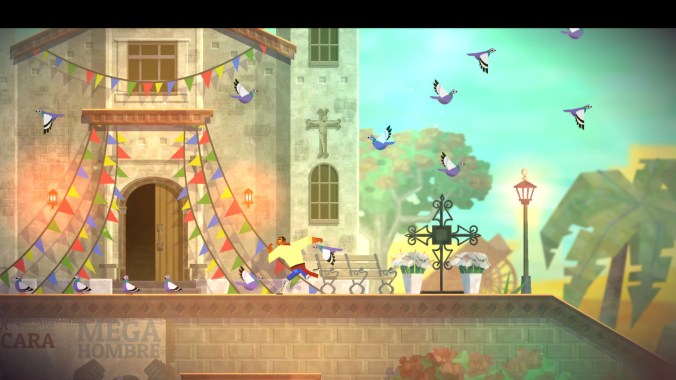
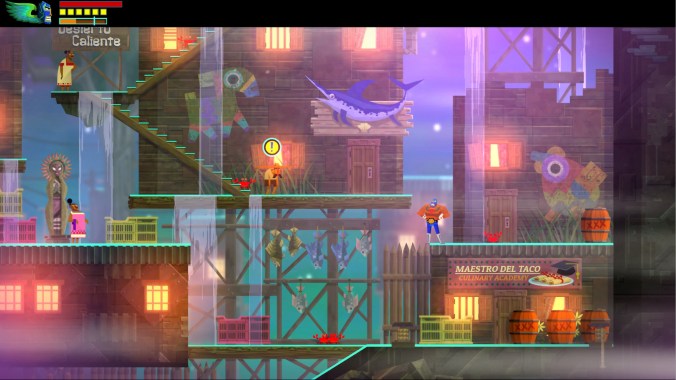
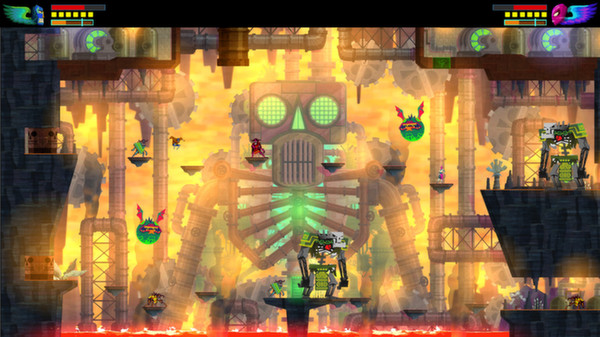
I quite enjoyed this Mexican themed adventure and all its uniqueness. You play as Juan, an agave farmer turned luchador who aims to rescue his love from evil. The antagonist aims to usher in a permanent day of the dead in which everybody is turned into spirits. You frequently swap between the real world and the spirit world to find new paths and progress along in this journey. Visually, Guacamelee is incredibly colorful and vibrant, filled with bright lights and flashing decorations. Additionally, Guacamelee not only draws inspiration from Mexican culture, but also from video-game culture. Constant references to Metroid, Super Mario Brothers, and other classic titles are scattered throughout Guacamelee. Furthermore, Guacamelee is a light-hearted and humorous adventure. The player is bombarded with jokes and merry dialogue. This is a well appreciated change of pace as opposed to the doom and gloom of games in the same genre.

2

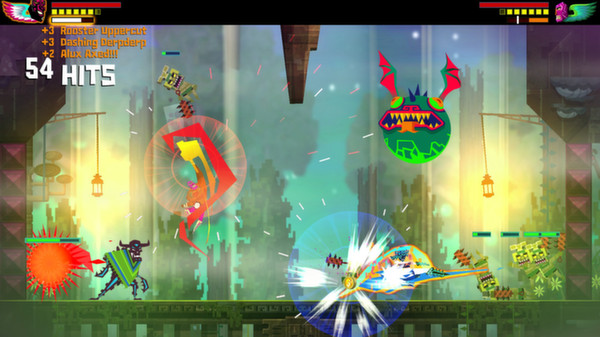
At the heart of Guacamelee is its combat. The player is handed an arsenal of tools to string together combos. The addition of a combo counter does wonders at keeping the player engaged in combat. Dodging enemies and keeping that combo going keeps combat invigorating. The issue I have is that most of the player’s combat tools are locked away from the player at the start of the game. Many metroidvanias follow this philosophy, you start bare-boned and unlock combat and exploration abilities throughout the course of the game. The issue in Guacamelee is that the combat and exploration abilities are one in the same, you use your new combat moves to unlock new areas. Most game quickly give the player new tools in combat early on to keep it exciting and fresh but Guacamelee can’t do that. If they give you all the combat powers that means they’ve given you everything you need to explore the whole map, so they have to do it piecemeal. The developers cannot give the player all the combat tools until the very end of the game. The player does not get to experience the full grace of the Guacamelee’s combat until the final area in the game. It is a shame because there is a huge focus on combos and beating down enemies, but that system is neutered at the beginning and only slowly progresses and becomes interesting.
3

Since Guacamelee is a metroidvania it is expected to have a heavy emphasis on exploration. I like to think of metroidvanias as labyrinths that you must navigate and subconsciously memorize its layout as you become acquainted with the maze. When you acquire a new ability, you remember where it would come in handy in the web of hallways. Guacamelee does not really fit that description very well. It is extraordinarily more linear than games in the same genre. Most areas are very straightforward, it does not invoke the feeling of being in a labyrinth. This is exacerbated further because there is fast-travel in Guacamelee. You can teleport between areas, meaning you rarely backtrack or revisit areas, which is a pillar of the metroidvania design philosophy. Fast-travel can work in the genre and is certainly welcome if used scarcely and if the world map is incredibly large. A perfect example of this is Hollow Knight. The map in Hollow Knight is humongous and only has a few fast-travel locations, so the player still has to intelligently navigate the map and its diverse areas. Guacamelee on the other hand is short and as such has a small map. Combine this with the numerous fast-travel points and it felt like I was never revisiting or exploring previous areas.

4

As a whole Guacamelee feels like a metroidvania who are not familiar with the genre. It has a gratifying combat system that does not get to shine until the end of the game. The vibrant atmosphere and Mexican themes certainly make Guacamelee a unique experience. If you are looking for a short and light-hearted game, Guacamelee might just be what you are looking for. It is not a traditional metroidvania and it certainly has some flaws, but it is still a fun and quirky little game.