I’ve quickly found the Yakuza series to become like a comfort food to me. Exploring the dense downtown of Tokyo, completing silly side quests, visiting various establishments, and watching the plot of the gritty criminal underworld unfold. Yakuza Kiwami 2 is a remake of the original Yakuza 2, and it is a great modernization. I’m playing the games in chronological order, making this my 3rd foray into the series, and I’ve found every entry to be distinct despite their shared characters and world. While I don’t think Yakuza Kiwami 2 quite reaches the heights of Yakuza 0, I found it far less frustrating than the first Yakuza Kiwami. I recommend reading my reviews of Yakuza 0 and Yakuza Kiwami to get the full context for this review.
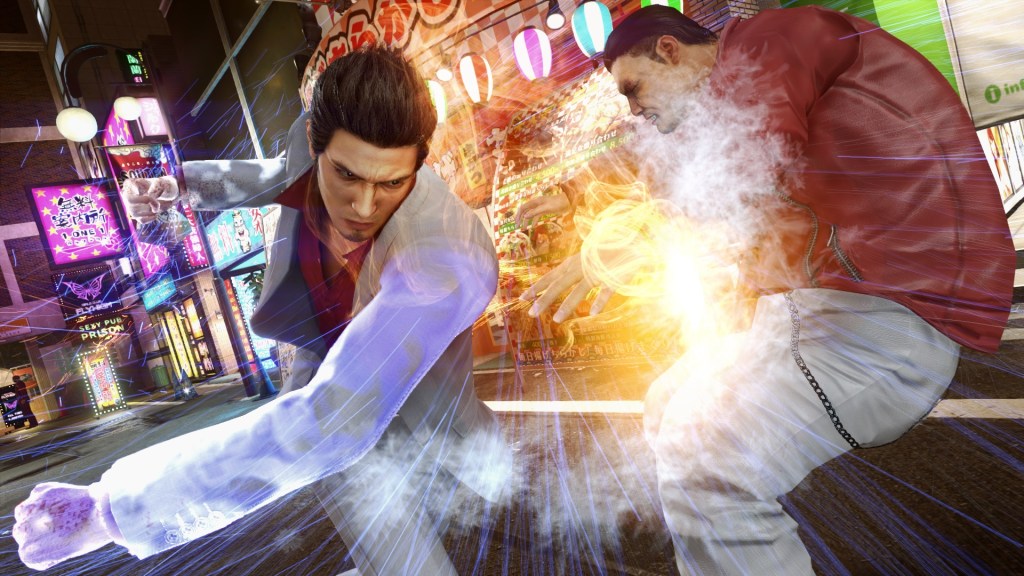
Similarly to its predecessors, Yakuza Kiwami 2 is a tale about the criminal underground of Japan. The protagonist, Kiryu, has left that world behind and appointed his friend Terada to lead the Tojo clan. Unfortunately, Terada is assassinated by a rogue faction of a rival organization, the Omi alliance. Kiryu steps in to keep the Tojo clan from falling apart, becoming their interim leader as he pursues his friend’s killers. The game explores the themes of blood feuds, family ties, and the cycle of revenge.
Truthfully, I found the plot to be a little disappointing. The game reuses many plot points and ideas repeatedly, even the game’s big twist gets repeated five times. The game has a lot of dull chapters where not much of consequence happens, and I can barely remember most of the game’s characters outside of a few key players. Luckily, that handful of key characters is the story’s strength.
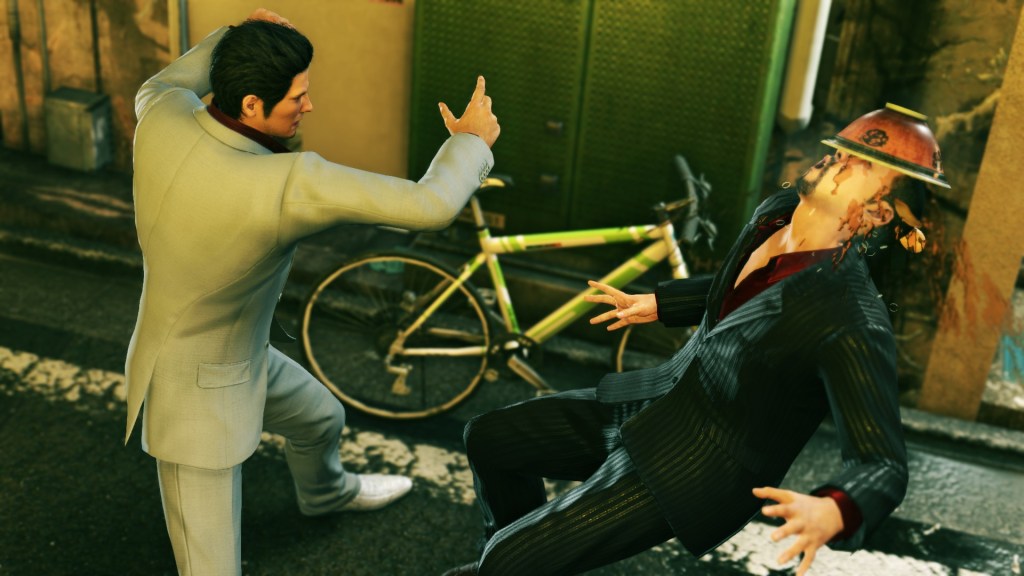
Kiryu is an iconic character for a reason, a boss of the criminal underworld who is steadfast in his values and justice. Ryuji, the main antagonist, is an arrogant and brawny up-and-comer who values strength over all else, and has no tolerance for underhanded tactics. But perhaps my favorite aspect of the story was watching the growth of the relationship of Kiryu and Sayama, a detective in Osaka’s crime division. She begrudgingly teams up with Kiryu as she is assigned to protect him, but their shared ideals and backgrounds leads them both opening up and sharing their vulnerabilities. Watching Kiryu, a perpetual bachelor, develop a romantic interest is not what I expected going into Yakuza Kiwami 2, but I do appreciate the additional depth to his character.
If you are playing the game in chronological order like I am, one of the more noticeable aspects of Yakuza Kiwami 2 is the new Dragon Engine. I don’t want to attribute this improvement to this game as Yakuza 6 was the first title to actually implement the brand-new technology, but it’s a huge improvement to the visuals and immersive elements. The graphical jump from Yakuza Kiwami to Yakuza Kiwami 2 is astronomical, but my favorite element of the engine is the effect it has had on exploration. Previously, entering a building required a brief loading screen. Now, you can go into stores, arcades, restaurants, and other places seamlessly. It seems like a small change, but having exploration be uninterrupted by loading screens is a massive boon to immersion.
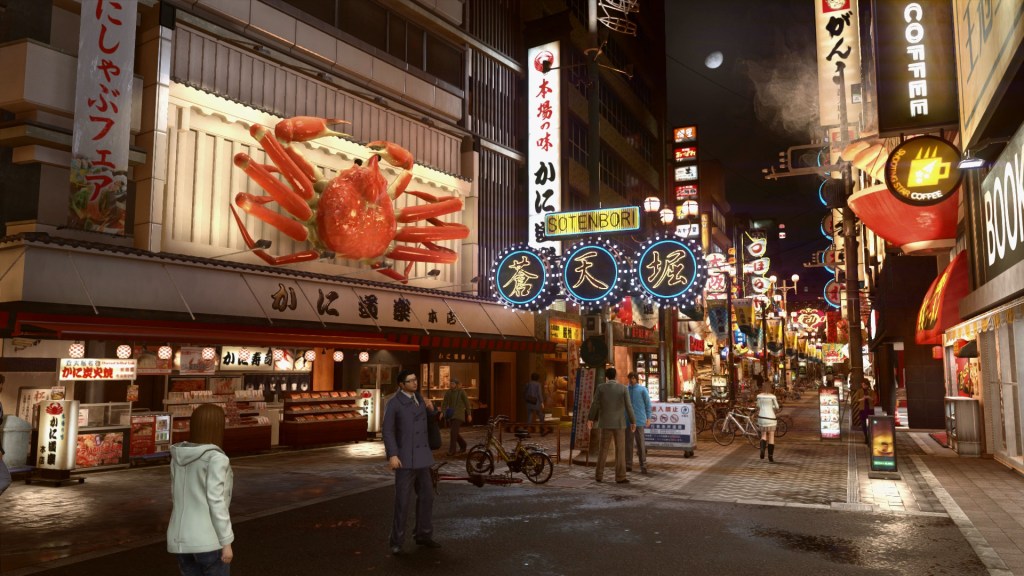
Unfortunately, the Dragon Engine also comes with a few downsides. Combat has been majorly overhauled and simplified. Previously you could swap between 4 fighting styles, each with their own distinct abilities and movesets. For Yakuza Kiwami 2, the fighting styles have all been mashed together to a singular style. I miss being able to choose between the different options, for example Rush was great against singular enemies, while Beast was great for crowd-control and shrugging off enemy hits. There was a lot of skill expression to choose the right style, swapping styles mid-fight, and each style had a wide variety of abilities to unlock. At the very least it was fun to be able to change up the way you fought if you’ve been sticking to one style for too long. Now, there’s no decisions to be made, there’s far fewer attack possibilities to utilize, and it can get enormously boring doing hundreds of basic fights using the same basic combos.
Part of the problem with combat is how cumbersome it is to unlock new abilities. Every skill is unlocked using experience, and experience is fairly hard to come by. Regular battles and side quests give a pittance of experience. The best way to earn experience is to eat meals at restaurants, but that is gated by your hunger gauge. If you’re full, you will gain no experience. And I often found myself focused on doing side quests or the main story, forgetting to stop at restaurants for the chunk of experience. If you want to unlock all the attacks, your best bet is to stock up on special medicine that reduces your fullness. But it’s pretty boring to spend 20 minutes cycling between picking sushi dishes from a menu and popping pills. I’d rather experience being better distributed through major activities like side quests and combat.

Part of what makes the Yakuza franchise so enjoyable is its wealth of goofy side quests and minigames. Yakuza Kiwami 2 is no exception to this rule. After battling dozens of yakuza goons and watching an ally be dramatically killed, there’s nothing better than stumbling across a man stuck in a public restroom asking you to bring him a fresh pair of underwear. Or taking up a voice acting gig for some extra cash only to have to repeat lewd phrases because Kiryu didn’t ask what role he’d actually be acting for. There are even more serious and heartfelt quests of regular people looking for meaning and validation in the world, such as the director who was forced to take over a beloved franchise. There’s a ton of instant classic side quests in Yakuza Kiwami 2.
Of course, there’s also a plethora of minigames to discover across the city. There’s a standard golf, darts, baseball, mahjong, and arcade cabinets. Every game in the series has more involved minigames as well, and Cabaret Club management makes a return here. There are practically no changes to the original format, which makes it a bit disappointing. I do enjoy getting to know the hostesses and following their character development arcs, but the minigame itself is just a repeat from Yakuza 0. The other major minigame is Majima Construction, which is brand new. It’s similar to a tower defense game or real-time strategy game as you place henchmen of different types to protect your construction equipment. It’s not my favorite of the Yakuza minigames because I found the UI a bit cumbersome and it was difficult to select specific units in the heat of battle. But it was funny having your workers sing a song dedicated to Majima.

As a whole, I think Yakuza Kiwami 2 is a solid game. There’s nothing that I can point out as being downright bad, even if there are a handful of areas where the game is noticeably weaker than its predecessors. It’s got a competent story with some memorable characters, an immersive world full of funny side quests and minigames, and passable combat that can be satisfying even if it was overly simplified. Even if it doesn’t reach incredible heights, I still appreciate it for its consistency. Exploring the dense streets of Tokyo in Yakuza has become my comfort in gaming, something I can always fall back on if I don’t know what to play next. And I am looking forward to revisiting the world and its characters in Yakuza 3.
 stephensopinions