Shortly after the success of the original Max Payne, the development of a sequel began. Upon first glance, it seems like Max Payne 2: The Fall of Max Payne is just more of the same, leveraging the mechanics, setting, and characters that made the first game so iconic. But there’s a lot of subtle changes to gameplay and the writing that elevates the sequel above its predecessor in many ways. I recommend reading my review on the original Max Payne to get full context for the remainder of this review.
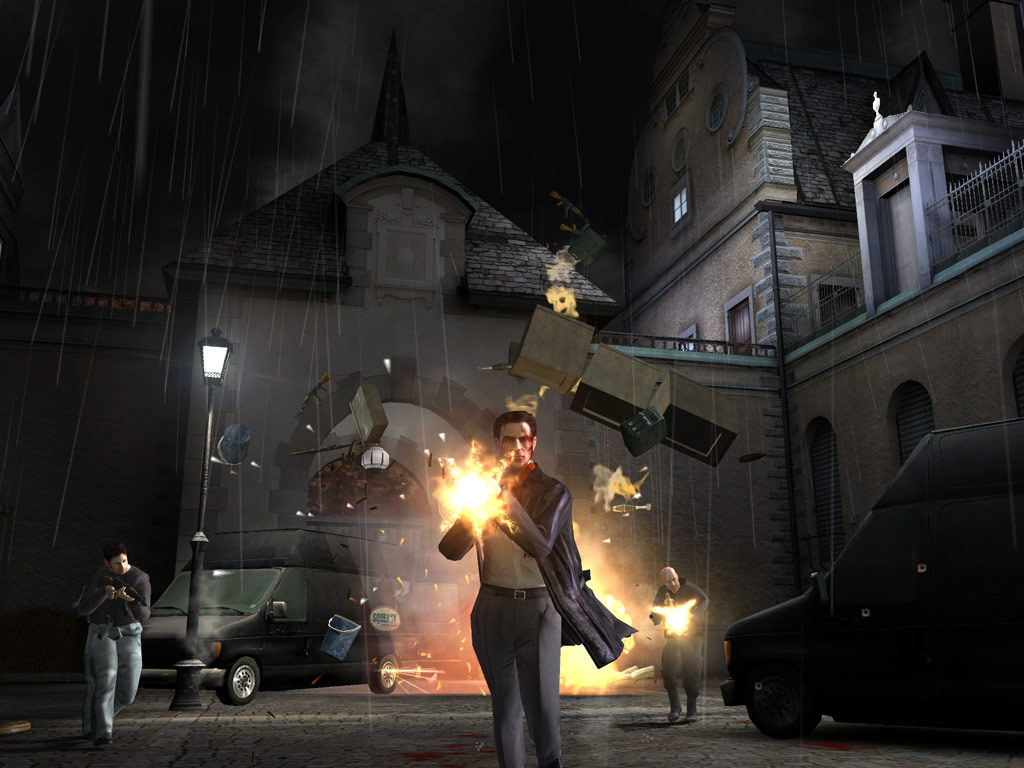
Where the first game was a fairly straightforward revenge tale with some conspiracy and psychological aspects thrown in, the sequel’s approach to storytelling is more nuanced and focuses on its characters and their relationships. It takes place a couple years after the events in the original game with Max as a police detective. He gets pulled into the underground yet again because he stumbles onto a murder crime scene and runs into Mona Sax. As Max digs deeper into the web of conspiratorial organizations, the player also gets a glance into the broken psyche of Max Payne.
Despite getting his revenge on every person responsible for his wife and child’s death two years prior, Max is obviously still deeply unwell. Vengeance was a brief respite from the darkness, but the hole in Max’s spirit still remains. Seeing Mona again sends Max spiraling, and he desperately tries to chase her despite her ties to criminal organizations. At first, I was shocked by how quickly Mona and Max fell in love considering their only connection was from a brief encounter two years ago. But they met because they had both lost a loved one and were seeking revenge, and it becomes apparent that Mona and Max have a toxic dependency on one another. They clung to the first person that showed compassion and assisted them in their quests, and their relationship is their attempt at filling in the hole that their loved one left.
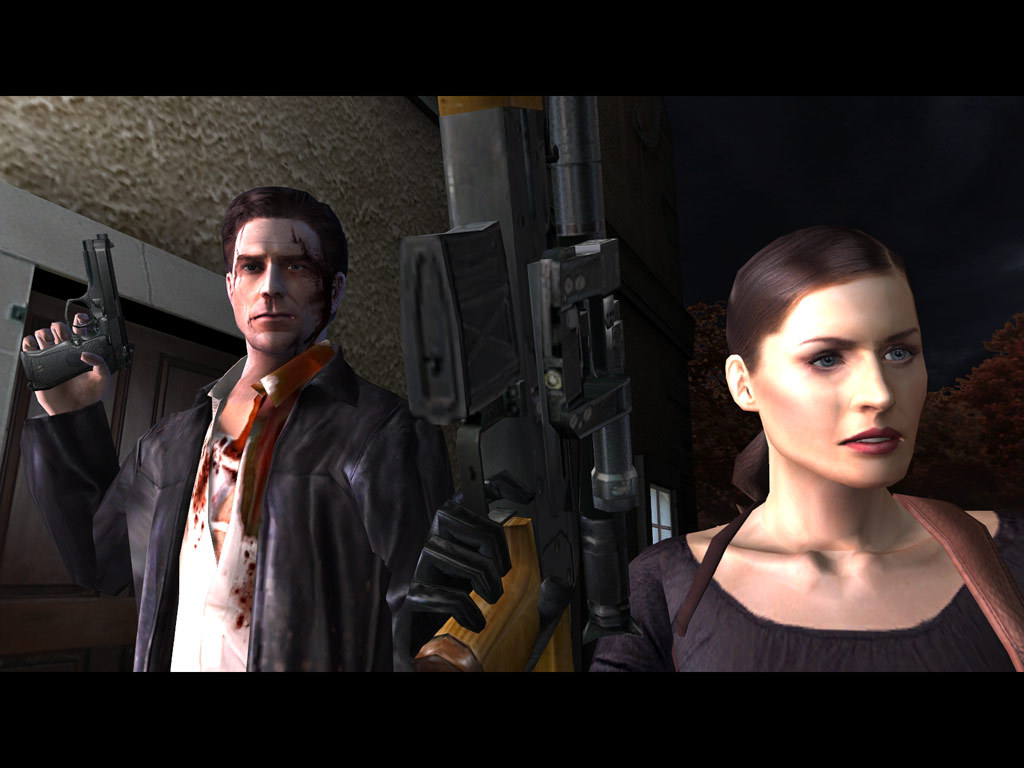
The character-driven story is a more mature and thought-provoking approach to storytelling compared to the straightforward thriller that the original Max Payne was. The writing noticeably improved in the sequel, there’s a lot less camp and cheesy lines. But there’s still hints of levity such as infamous gangster Vinnie Gognitti’s obsession with comic strip hero Baseball Bat Boy. Or the snippets of in-game TV show Dick Justice being an obvious parody of the original game. Revisiting Max and examining his mental state years after the death of his family and accomplishing his revenge was brilliant. And it culminates in the closing line with one of the most haunting yet hopeful quotes in any game that I’ve played.
The story isn’t the only obvious advancement made in Max Payne 2: The Fall of Max Payne. Gameplay wise, the sequel cleans up many of the rough edges of the original. Enemy placement is decidedly less cheap, enemies are no longer hiding in corners or nooks ready to one-shot you with a shotgun. The adaptive difficulty aspect also feels smoother, even as the game got tougher, I never ran into those moments from the original game where I would shoot a basic foe point blank numerous times only for them to instantly kill me with a single pistol shot. These improvements went a long way to make the game less frustrating.
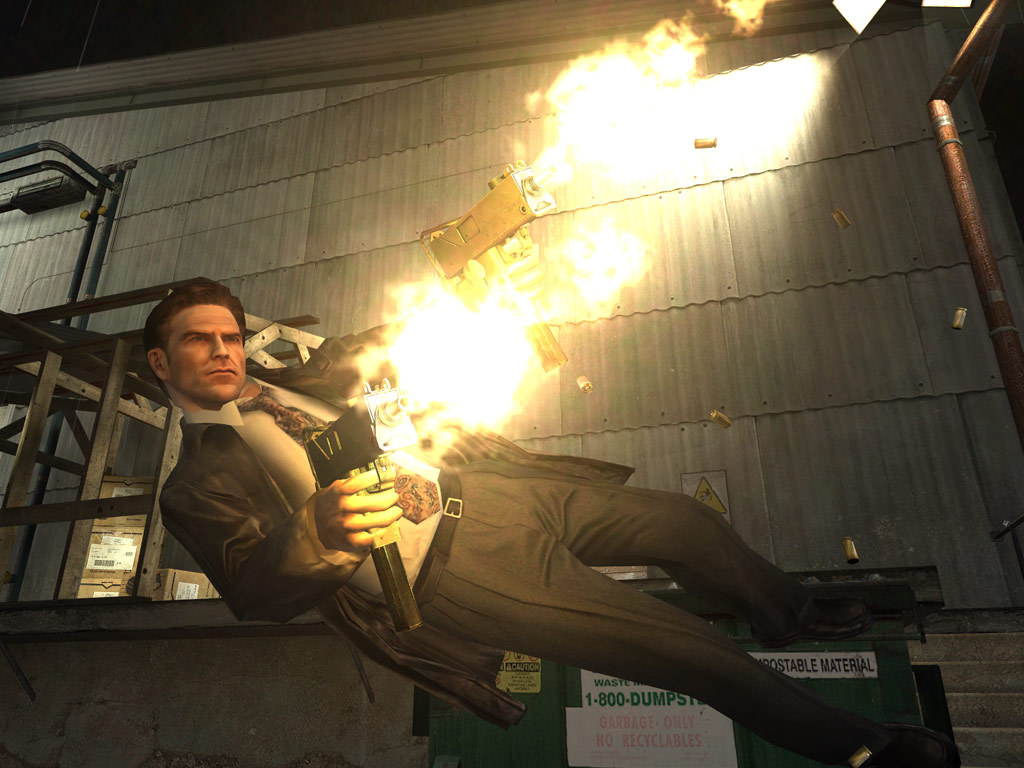
Another aspect of note is the improved physics engine. Disposing of enemies causes them to ragdoll across the screen and collide spectacularly with all sorts of objects in slow motion. There’s also a higher reliance on the use of bullet time. Killing enemies while in bullet time increases its potency, letting you move quickly while the world slows down. This lets you activate bullet time and clear out whole rooms while spinning around in slow-motion, dodging bullets and raining lead. While I do think putting more emphasis on bullet time, the unique feature of Max Payne, is great, I do think it was a tad overdone here. I liked that bullet time was an occasional treat in the original game. You had to earn your right to use it and you had to decide when the best time to make use of it was. In Max Payne 2: The Fall of Max Payne, you can be in bullet time so often the novelty can wear thin.
Atmospherically, I think the original game is far more iconic than the sequel. Walking the silent streets of New York City in a blizzard was chilling and moody. The apartments were grimy and disturbing to spend time in. Max Payne 2: The Fall of Max Payne in comparison spends a lot of time in dull warehouses. The most interesting location is the fun house, and I do enjoy how it is revisited multiple times, letting you trigger traps on unsuspecting enemies as you learn the layout. But I missed the snow-covered streets and freezing cold that the original game conveyed so perfectly.
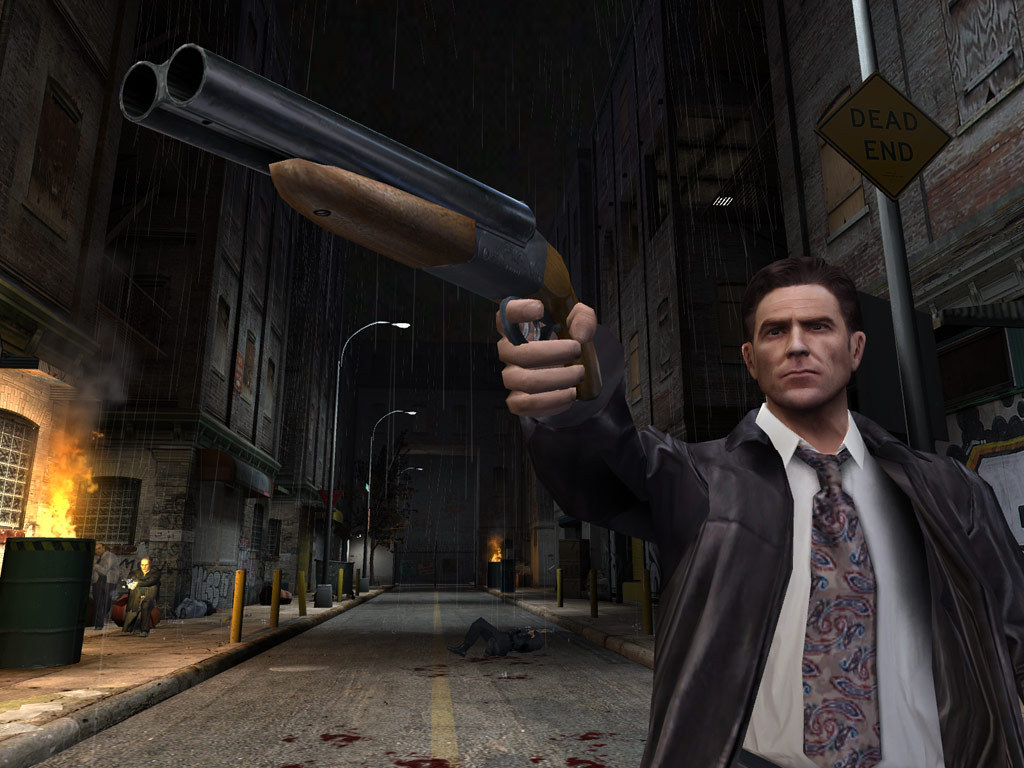
Overall, I think Max Payne 2: The Fall of Max Payne improved over its predecessor in numerous ways. The more mature themes, the refined writing, the smoother gameplay experience, there’s no doubt that Max Payne 2: The Fall of Max Payne is a technically better game than the original. But when I think of Max Payne, I think of wandering the frozen hellscape of Manhattan with the only respite being the graffitied and abandoned apartments filled with mumbling drug-addicts and grime. Even if I do think Max Payne 2: The Fall of Max Payne is a better experience as a whole, I can’t help but remember the original more fondly.
 stephensopinions