I’ve quickly found the Yakuza series to become like a comfort food to me. Exploring the dense downtown of Tokyo, completing silly side quests, visiting various establishments, and watching the plot of the gritty criminal underworld unfold. Yakuza Kiwami 2 is a remake of the original Yakuza 2, and it is a great modernization. I’m playing the games in chronological order, making this my 3rd foray into the series, and I’ve found every entry to be distinct despite their shared characters and world. While I don’t think Yakuza Kiwami 2 quite reaches the heights of Yakuza 0, I found it far less frustrating than the first Yakuza Kiwami. I recommend reading my reviews of Yakuza 0 and Yakuza Kiwami to get the full context for this review.
Similarly to its predecessors, Yakuza Kiwami 2 is a tale about the criminal underground of Japan. The protagonist, Kiryu, has left that world behind and appointed his friend Terada to lead the Tojo clan. Unfortunately, Terada is assassinated by a rogue faction of a rival organization, the Omi alliance. Kiryu steps in to keep the Tojo clan from falling apart, becoming their interim leader as he pursues his friend’s killers. The game explores the themes of blood feuds, family ties, and the cycle of revenge.
Truthfully, I found the plot to be a little disappointing. The game reuses many plot points and ideas repeatedly, even the game’s big twist gets repeated five times. The game has a lot of dull chapters where not much of consequence happens, and I can barely remember most of the game’s characters outside of a few key players. Luckily, that handful of key characters is the story’s strength.
Kiryu is an iconic character for a reason, a boss of the criminal underworld who is steadfast in his values and justice. Ryuji, the main antagonist, is an arrogant and brawny up-and-comer who values strength over all else, and has no tolerance for underhanded tactics. But perhaps my favorite aspect of the story was watching the growth of the relationship of Kiryu and Sayama, a detective in Osaka’s crime division. She begrudgingly teams up with Kiryu as she is assigned to protect him, but their shared ideals and backgrounds leads them both opening up and sharing their vulnerabilities. Watching Kiryu, a perpetual bachelor, develop a romantic interest is not what I expected going into Yakuza Kiwami 2, but I do appreciate the additional depth to his character.
If you are playing the game in chronological order like I am, one of the more noticeable aspects of Yakuza Kiwami 2 is the new Dragon Engine. I don’t want to attribute this improvement to this game as Yakuza 6 was the first title to actually implement the brand-new technology, but it’s a huge improvement to the visuals and immersive elements. The graphical jump from Yakuza Kiwami to Yakuza Kiwami 2 is astronomical, but my favorite element of the engine is the effect it has had on exploration. Previously, entering a building required a brief loading screen. Now, you can go into stores, arcades, restaurants, and other places seamlessly. It seems like a small change, but having exploration be uninterrupted by loading screens is a massive boon to immersion.
Unfortunately, the Dragon Engine also comes with a few downsides. Combat has been majorly overhauled and simplified. Previously you could swap between 4 fighting styles, each with their own distinct abilities and movesets. For Yakuza Kiwami 2, the fighting styles have all been mashed together to a singular style. I miss being able to choose between the different options, for example Rush was great against singular enemies, while Beast was great for crowd-control and shrugging off enemy hits. There was a lot of skill expression to choose the right style, swapping styles mid-fight, and each style had a wide variety of abilities to unlock. At the very least it was fun to be able to change up the way you fought if you’ve been sticking to one style for too long. Now, there’s no decisions to be made, there’s far fewer attack possibilities to utilize, and it can get enormously boring doing hundreds of basic fights using the same basic combos.
Part of the problem with combat is how cumbersome it is to unlock new abilities. Every skill is unlocked using experience, and experience is fairly hard to come by. Regular battles and side quests give a pittance of experience. The best way to earn experience is to eat meals at restaurants, but that is gated by your hunger gauge. If you’re full, you will gain no experience. And I often found myself focused on doing side quests or the main story, forgetting to stop at restaurants for the chunk of experience. If you want to unlock all the attacks, your best bet is to stock up on special medicine that reduces your fullness. But it’s pretty boring to spend 20 minutes cycling between picking sushi dishes from a menu and popping pills. I’d rather experience being better distributed through major activities like side quests and combat.
Part of what makes the Yakuza franchise so enjoyable is its wealth of goofy side quests and minigames. Yakuza Kiwami 2 is no exception to this rule. After battling dozens of yakuza goons and watching an ally be dramatically killed, there’s nothing better than stumbling across a man stuck in a public restroom asking you to bring him a fresh pair of underwear. Or taking up a voice acting gig for some extra cash only to have to repeat lewd phrases because Kiryu didn’t ask what role he’d actually be acting for. There are even more serious and heartfelt quests of regular people looking for meaning and validation in the world, such as the director who was forced to take over a beloved franchise. There’s a ton of instant classic side quests in Yakuza Kiwami 2.
Of course, there’s also a plethora of minigames to discover across the city. There’s a standard golf, darts, baseball, mahjong, and arcade cabinets. Every game in the series has more involved minigames as well, and Cabaret Club management makes a return here. There are practically no changes to the original format, which makes it a bit disappointing. I do enjoy getting to know the hostesses and following their character development arcs, but the minigame itself is just a repeat from Yakuza 0. The other major minigame is Majima Construction, which is brand new. It’s similar to a tower defense game or real-time strategy game as you place henchmen of different types to protect your construction equipment. It’s not my favorite of the Yakuza minigames because I found the UI a bit cumbersome and it was difficult to select specific units in the heat of battle. But it was funny having your workers sing a song dedicated to Majima.
As a whole, I think Yakuza Kiwami 2 is a solid game. There’s nothing that I can point out as being downright bad, even if there are a handful of areas where the game is noticeably weaker than its predecessors. It’s got a competent story with some memorable characters, an immersive world full of funny side quests and minigames, and passable combat that can be satisfying even if it was overly simplified. Even if it doesn’t reach incredible heights, I still appreciate it for its consistency. Exploring the dense streets of Tokyo in Yakuza has become my comfort in gaming, something I can always fall back on if I don’t know what to play next. And I am looking forward to revisiting the world and its characters in Yakuza 3.
I feel like 2024 was the first year where I at least tried to keep up with recent releases. I wanted to highlight the games from this year that were my absolute favorites. Of course, as someone with a full-time job, a family, and other hobbies, I didn’t get to play every major release of this year. There were plenty of games on my radar that I didn’t get around to such as Indiana Jones and the Great Circle, Lorelai and the Laser Eyes, and the remake of Silent Hill 2. Here are all the 2024 releases that I managed to play:
UFO 50 is a truly unique experience and we may never see anything like it ever again. It’s a collection of 50 retro games made by the fictional company UFO Soft. It’s an absolutely astonishing collection in both breadth and depth. Every classic genre is included, but no entry is a simple imitation of an actual retro game. Every game has a unique twist. There are so many gems in the collection. You could easily sink hundreds of hours into UFO 50 and still have games you’ve barely touched. The creators behind UFO 50 describe it as a blend of retro aesthetics with modern game design knowledge, and they absolutely nailed that aspiration. Read my full review here.
Astro Bot
Astro Bot may not be the most innovative game out there, but damn is it fun. The joy I got from exploring its wonderfully detailed levels was reminiscent of playing Super Mario Galaxy as a kid. Every level had some sort of set piece, theme, or unique power-up that had me smiling. And I loved visiting the hub world to try to identify all the robots dressed up as classic Playstation characters. Astro Bot is just wholesome fun. Read my full review here.
Balatro
Balatro is the most addicting game on my list. In this roguelite deck-builder you play poker hands to score points. As you progress through a run, you can modify your deck in a multitude of ways. The main way to increase your score is by acquiring jokers which vary wildly in their effects. The sheer randomness of Balatro is what makes it shine. There are so many different ways to build a successful run and every time you play, you’ll think you found a new overpowered combo. Read my full review here.
Animal Well
Animal Well is a surreal metroidvania. It’s a labyrinth full of mystery. Figuring out how to explore and interact with the world and the animals was enthralling. Without any guidance, the world is up to you to discover. Secrets upon secrets are layered atop each other, some requiring a dedicated community to unearth. It’s one of the most atmospheric games that I’ve ever played with ethereal visuals and echoey auditory effects. Read my full review here.
You stumble across a dusty cardboard box in an abandoned storage unit, inside is a retro video game console along with 50 games from a company you’ve never heard of. That’s UFO 50. A collection of 50 retro games from an alternate universe, each showing the progression of the fictional developers UFO Soft. The games range from platformers, to sports games, to fighting games, to shmups (shoot-‘em-ups), to puzzle games, to strategy games, each with a unique twist or gimmick. The real developers of the UFO 50, Mossmouth, claim that these are retro games with modern design sensibilities, which I think is a perfectly apt description.
Retro games are notoriously difficult and are oftentimes clunky to play. UFO 50 does a fantastic job at maintaining a reasonable level of difficulty without making these games frustrating to play. Many of the games in the collection have slow movement, punishing mechanics, or initially uncomfortable control schemes. But it doesn’t take long for each title to click, and once you figure out how to play the smart design begins to unveil itself.
Each game in the collection has something that makes it stand out. There’re no straight up clones of actual retro games, although some of the games do feel at least inspired by classic titles. Take one of the earlier games in the collection for example, Magic Garden. It takes elements from Snake and Pacman as you lead friendly slimes to safety and use power-ups to clear out evil slimes. But Magic Garden is its own game, shepherding slimes to the scoring zone and collecting power-ups has intricacies as you are encouraged to take risks and let a ton of slimes occupy the board before chaining together multiple power-ups for an exponential score increase. There’s an edge of risk and reward if you want to maximize your points.
There’s an absurd level of variety available in UFO 50. I’m extremely confident that there is a game in the collection for everybody. And for $25, you really can’t go wrong. And don’t think that these are just short little arcade games either. There are fully fledged RPGs and metroidvanias that take hours to complete. Many of these titles could easily be standalones. Mini & Max for example is a genius little metroidvania in which you try to escape a supply closet by shrinking down and exploring the shelves and talking to the micro-civilizations that are invisible to the naked eye. Grimstone is a turn-based RPG that is over a dozen hours from start to finish. You could play UFO 50 for 100 hours and barely scratch the surface. If you truly want to 100% complete the collection, you are looking at 300ish hours. Personally, I have not clocked even remotely close to that number but this is a game that I am planning to play and revisit for a long, long time.
A smart decision was made to give every game some reasonable milestones to achieve. Every game has a simple challenge to earn a “gift” which goes into the little house on the console which is cute. You earn a gold trophy for beating each game. And you can earn the “cherry” by completing whatever additional challenge there is after completing the game, usually this is getting a high score or something along those lines. I think these tiers of achievements makes every game more approachable and presents attainable goals as you slowly get better at each game.
I loved the dedication to the fictional company of UFO Soft. Each game has a short blurb about its development and it’s fun to recognize the fictional names of the developers in the credits of each game. There’s a handful of sequels across the collection, and I enjoyed the references to the company’s other games as I played. It was interesting to watch UFO Soft evolve in design and technology. It was a brave decision by Mossmouth to have the first game in the collection be Barbuta, an esoteric metroidvania with no music, no color, painfully slow movement, unfair traps, and no quality-of-life features. But it was the perfect origin to the UFO Soft mythos. A game developed by a sole employee with extreme technical limitations and no game design experience. Following the evolution of UFO Soft is a journey of its own, and there’s a layer of secrets to be discovered for dedicated players.
The presentation of the collection is fantastic the whole way through. Mossmouth had to make sure every game fit its respective era and chronological place in the collection. All the games look good for being retro games and have distinctive designs and characters. But what I really want to highlight is the music. Oh my god. There are so, so many excellent tracks in this game. In the alternate universe where UFO Soft is real, I could easily see these tunes being as memorable as classics like the Super Mario Bros theme is to us.
I think that the size and breadth of the collection is the greatest strength and weakness of UFO 50. While it is exciting to boot up the game and choose from 50 games, not having to commit to any given game, I also found myself treating each one as disposable. Since the games are difficult and often have unconventional control schemes, I found it very easy to not give each game a fair chance. Dusting off a cartridge and playing for 5 minutes before exiting and trying something else was a common occurrence initially. After noticing this pattern, I forced myself to try to give every game more attention. I’m still working through the majority of the collection, but I am glad that I slowed down to really appreciate each game. The downside is that some of the games never do click, even after putting time into them. Planet Zoldath and Combatants are examples of games that I think are just not very good.
Since I think that it can be a bit intimidating to know where to start with such a massive collection, I wanted to share some of my favorite games that I’ve played so far. While part of the beauty of UFO 50 is that everyone has different favorites, I did want to highlight these five games. Hopefully these suggestions can give you some options to try if you have trouble choosing where to begin.
Party House is the first game in the collection that really clicked with me. It’s a deck builder where you are trying to throw the ultimate party. By spending popularity to add new guests to your rolodex you try to accumulate more popularity and cash every night. After 25 nights you have to have 4 “starred” guests attend your party to win. There’s a good amount of decision making involved, but what makes Party House interesting is its “push your luck” mechanics. Troublemaker guests typically earn more popularity and money, but more than two of them at once will cause the cops to show up. And there’s also the decision of when to stop spending popularity on normal guests and when to start acquiring the “starred” ones. There’s a lot of delicate choices to balance, and Party House is a ton of fun.
Night Manor is a point-and-click horror game that takes place in a disarrayed mansion filled with trash and fungus. You have to figure out a way to escape while avoiding the zombie-like man infected with fungus who is hunting you. If you run into him, your cursor jitters to simulate the terror your character feels, making it harder to click on doors to escape as he chases you through the manor. Old point-and-click games often have moments of ridiculous leaps in logic, but Night Manor avoids this with its puzzles. I found that everything made sense and I couldn’t put the game down until I played through the whole thing over the course of a few hours. There’s also a story to uncover through notes of what happened at the manor which was fun to discover.
Seaside Drive is a stylish shmup, but you can only move left and right as you drive your car down the road. As you dodge projectiles and enemies you have to move back and forth quite a bit to keep up your meter. You build up charge by skidding to the left, and expend charge by shooting and driving right. The higher the meter, the more damage your shoots do. I love this game because it seems crazy difficult at first, but I quickly learned how to maneuver and overcome the challenge. It’s so satisfying to clear the stages that were giving you a hard time without getting hit at all. Seaside Drive also has incredible aesthetics and one of my favorite songs in the whole collection. It’s a slick, stylish, and fun to play shmup with perfectly tuned difficulty.
Devilition is my favorite puzzle game of the collection that I’ve played so far. A grid is filled with villagers and demons and you have to place pieces that kill the demons. The twist is that your pieces have to act like a chain reaction, each one can only be set off if hit by another. You have to keep track of what pieces you’ve placed and how to connect the chain. There’s 10 rounds and any pieces that you don’t use carry over to the next round, encouraging you to be efficient in your placement. I enjoyed watching the Rube Goldberg machine go off and clear the demons off the board as I prayed that I didn’t mess up and miss a crucial link in the chain.
Waldorf’s Journey is a platformer that takes place entirely within the dream of a walrus. It’s reminiscent of a golf game as you charge up and launch Waldorf the walrus across gaps and try to precisely maneuver him to land on tiny patches of ice. You really have to master the momentum as you use your flight meter to propel Waldorf forward. It’s tempting to fly as far as you can on every jump, but it becomes incredibly difficult to slow down enough to safely land. There’s a few different power-ups and items to help you along as you inch towards revelation at the end of the dream. I also love the visuals, music, and minimalist story in this game as well.
I think UFO 50 is a game that I am going to be playing for the rest of my life. Or at least for a very long time. The breadth and depth of this collection is unmatched. After dozens of hours played, I’ve barely scratched the surface of what UFO 50 has to offer. The fictional history of UFO Soft ties the whole thing together beautifully. It is for these reasons that I give UFO 50 a 9.5/10. UFO 50 is a paradise for fans of retro games with its dedication to melding retro gaming experimentation with modern design considerations.
I usually stay away from massive JRPGs unless I really am hooked by the premise. It’s hard for me to want to sink 80+ hours into any game as an adult with a family, job, other hobbies, and a massive backlog of other games I want to play. But Metaphor: ReFantazio caught my eye. I loved my time with Atlus’ Persona 5 so a similar game set in a more mature fantasy world sounded right up my alley. Metaphor: ReFantazio presents a fantastical world and delivers on a phenomenal turn-based combat system. Unfortunately, as a lengthy story-driven game I was quite let down by the lack of nuance in the plot and the writing in general.
The world of Metaphor: ReFantazio is one filled with discontent. The country is thrown into chaos when the king is assassinated and his successor, the prince, has been missing for a decade. A military general, Louis, admits to killing the king and attempts to seize power for himself but is thwarted when a magical force using the voice of the late king announces that the next king will be chosen via the will of the people. Whoever has the most support after a few months will be king and wielder of the powerful royal scepter.
Racial strife, religious fanaticism, and national security are the most prevalent drivers of this world’s electorate. Louis promises to use his military might to protect the country from monster attacks and proposes a form of social Darwinism such that only strength matters rather than race. Forden, the leader of the church, is the other most prominent candidate. He appeals to people’s religious beliefs and seems to want to uphold the status-quo. The main character joins the royal tournament and is motivated by a fantasy book presenting a utopian society. He wants to join people of all tribes together regardless of class and race and create a utopia.
I quite enjoyed the ideas behind the political themes of Metaphor: ReFantazio. The portrayal of how people are driven to support politicians based on anxiety, fear, and anger felt especially apt as elections are taking place around the world. An objectively evil person such as Louis could become a front-runner because people are afraid for their security and want to overthrow the rotten status-quo no matter what it takes. And Forden uses his position of power in the church to manipulate people, not to mention his involvement in a shadow government that tries to rule the country from behind the scenes. But unfortunately, I think these themes never get explored past surface-level political analysis.
There’s a lack of nuance and thought-provoking questions that makes the world too black-and-white. It is obvious that Louis is a chaotic and evil villain. And Forden, despite appearing orderly, is highly manipulative and power-hungry. On the other hand, the main character is presented as perfectly righteous. It’s never in question if Louis or Forden are correct. The main character never has to answer how they will solve any of the difficult problems in the world. He repeats ad nauseam how everyone must come together. His vision of a utopia is nice, but I wish there was some actual nuance here.
I think the story would have been improved by not having Louis and Forden be so comically evil. Obviously sacrificing the weak so the strong can thrive is bad, but if Louis presented his social Darwinism as a merit-based system that anyone can succeed in it would be more nuanced. Moreover, if Forden leaned more into maintaining the status-quo, despite its faults, to maintain order and peace then we could analyze if that goal is worthwhile. And the main character’s utopian views needed some sort of flaws such as their difficulty to achieve. There should be some actual question to what is best for the country. A chaotic revolution that destroys social norms, the status-quo being upheld no matter what, or an idealistic utopia that struggles to answer hard questions. If I’m going to spend 80 hours engaging in a story, I want that story to make me think. And the lack of nuance in Metaphor: ReFantazio led to it not being very thought-provoking.
The issue with the storytelling is made worse by the repetitive writing. I understand these kinds of games are supposed to be story heavy but there were times I was mentally begging the characters to shut up. It’s rare that anything of substance is said, and most of the time characters are just repeating information that you already know. I can’t imagine counting how many times a character said something along the lines of “we have to stop Louis” or “we need to help everybody”. It’s cheesy, repetitive, and I am utterly exhausted by the power-of-friendship trope.
There are some exciting story sequences that showcased the potential that Metaphor: ReFantazio had. There are plenty of twists and turns that motivated me to see the game through to the end. The plot massively accelerates in the final quarter. The middle chapters of the game in comparison were slow and uninteresting. One of the earlier chapters takes place in the desert town of Martira where children have been going missing. This particular sequence was my favorite in the game as it was excellently paced and was a self-contained story with clever writing. The following couple of chapters were boring, forgettable, and lacked any sort of personality. Ultimately, the game is at its best in the beginning and at the end as it drags massively during the middle sections.
The strongest aspect of Metaphor: ReFantazio is its combat. I know turn-based combat isn’t for everyone, but I personally love a game when a game makes me think and strategize. What stands out to me about the combat in Metaphor: ReFantazio is the versatility. You have four characters on the battlefield, each with their own class and moveset. You get four actions per turn, but if you hit an enemy weakness or pass a character’s action it will only consume half an action. Moreover, there are synthesis skills that require two characters of specific classes that are highly impactful but cost two actions. Between basic attacks, single-target attacks, multi-target attacks, synthesis skills, buffs, debuffs, status effects, support skills, passing, and blocking there are so many potential ways to plan out a single turn. Which is important because battles often only last that long.
I played the game on hard difficulty and I found it to be vital to try to win most basic battles in a single turn. The combat is extremely volatile, meaning it is as easy for the enemies to kill you as it is for you to kill them. I found that letting the enemies have even a single turn could be catastrophic. Every battle became a puzzle of how to defeat all the enemies before they could retaliate, and to do so while using a minimal number of resources such as mana and items. Bosses are the exception to the single-turn combat as they have higher health but tend to telegraph their assaults. They often have multi-turn setup that can be interrupted or dealt with via debuffs and taunts. I enjoyed how every fight felt like it was on a knife’s edge, a single blunder could lead to a party wipe. But the versatility of tools that game gives you makes it so these tense encounters rarely feel unfair.
Part of what makes the combat so enjoyable is the adaptability brought by the class system. It may genuinely be my favorite class system in any game ever. There are over a dozen base classes, each with higher tiers that can be unlocked. Any character can be any class, and you are heavily encouraged to experiment with the different classes. Every character can inherit any skills they’ve unlocked from any class. If you want to inherit some elemental magic on your knight to give them some offensive options, go right ahead. If you want some healing spells on your buffing character, no problem. Every character levels up their class mastery independent from their actual level, making it easy to switch around and make use of the flexibility that the system affords.
There’s a lot of smart quality-of-life features that prevent potential frustration. When you max out a class’s level, any additional experience gained creates an item to be used freely on other classes. This prevents the issue of feeling the need to switch classes the moment you hit max level on a class so experience doesn’t go to waste. You can also switch classes and inherit skills freely, not needing to go somewhere specific. You are only constrained by a resource called Magla, which prevents you from unlocking every class and inheriting every skill but I never came close to running out of Magla. Another major quality-of-life feature is the existence of overworld combat.
When exploring a dungeon, you can strike enemies before engaging them in turn-based combat. If you are significantly higher leveled than the enemy, they will be defeated instantly without having to spend time in turn-based combat. This is a huge time-saver and I’m extremely grateful for its inclusion. If you aren’t a much higher level, hitting enemies enough will trigger an ambush, dealing a big chunk of damage and stunning them to start the battle. Conversely, if an enemy hits you then you will be ambushed instead, letting the enemies have a turn before you. Because of the volatile combat, being ambushed is extremely catastrophic and often leads to just having to reload from the last save. While I appreciate the benefits from overworld combat, I wish getting a hit a single time didn’t effectively lead to a game over. The third-person action isn’t fantastic, and it doesn’t need to be, but a lot of emphasis is placed on it which I find odd.
My other major issue is with some of the late game boss battles. Many of these bosses have ways to give themselves a ton of extra actions per turn, making them extremely dangerous without hyper specific strategies to counter them. They also are effectively immune to most status effects and can clear any debuffs and buffs easily, further pigeonholing what you can do. I found myself relying on setting up a 1-shot (or close to it) to attempt to burst the boss down before they could do any of their ridiculousness. There are also a few late-game abilities that feel almost necessary to counter the wealth of actions that these bosses can have.
Atlus’ style of JRPG is famous for their emphasis on time-management via the calendar. Metaphor: ReFantazio follows this trend and ultimately makes some great improvements. Every major section of the game gives the player a limited number of days to complete the main dungeon before the story continues. Any time not spent doing the main dungeon can be spent doing side quests, conversing with followers to improve your relationship, improving your “royal virtue” character traits, and travelling between locations. I generally enjoy this format as it makes downtime feel valuable rather than a chore. Choosing what to focus on and optimizing your time is a form of gameplay rather than just feeling like a checkbox.
What makes Metaphor: ReFantazio stand out compared to Atlus’ previous titles is the game’s road trip structure. You and your party are a globetrotting crew in your magical legged landship, called a Gauntlet Runner. Traveling from a major hub city to towns and dungeons takes time, so you have to plan your routes and time your departure based on weather and other factors. The Gauntlet Runner also serves as a cozy hub during travels where you can cook, read, and converse with allies. I quite liked the structure opposed to staying in a more static location like Tokyo in Persona 5.
Another improvement that I am happy about is that improving follower relationships no longer relies on choosing the “correct” answers during conversations. You get bonus Magla for doing so, but you don’t feel the need to look up a guide to make sure you don’t mess up and waste time by picking the wrong dialogue choices. Moreover, the game is fairly lenient with time in general, and unless you majorly mess up you should have plenty of time by the end of the game to do every side quest and max out every relationship. The major downside to the calendar system, in every Atlus game, is that there tends to be a lot of downtime. Time between dungeons and story sequences can get tiresome if you have too many days in a row of talking to followers and doing other miscellaneous stuff. I would have appreciated a brisker pace in some sections of the game.
I was a little disappointed by the presentation of Metaphor: ReFantazio. The orchestral soundtrack is solid, and I particularly enjoyed the inclusion of Esperanto chanting. I do prefer the jazzier soundtrack of Persona 5, but I can’t complain about the music in Metaphor: ReFantazio. Unfortunately, I cannot say the same about the visuals. I think the character designs are wonderful, and the animated cutscenes are also incredibly well done, but the graphical quality during normal gameplay is awful. Everything just looks muddied and dull. Many dungeons take place in the same environments rather than unique and memorable locations. Which is a shame because the world is conceptually interesting. There are plenty of wondrous places that aren’t conveyed properly through the outdated visuals.
Ultimately, Metaphor: ReFantazio is a lengthy story-driven game. And while the story has some good ideas, it ultimately failed to provoke thought or inspire nuanced political analysis. Luckily, the game does deliver on strategic combat and a wonderfully adaptable class system. It is for these reasons that I give Metaphor: ReFantazio a 7/10. Metaphor: ReFantazio is a great JRPG. The problem is that I don’t think this genre is for me.
Growing up, Paper Mario: The Thousand-Year Door was one of my favorite games to play. To this day many of its imaginative areas stick out in my mind as hallmarks of excellence. I was excited for the remaster to be released so I could revisit a staple of my childhood. Playing through the game now resolidified my confidence that Paper Mario: The Thousand-Year Door is one of the greatest RPGs of all time. The game oozes charm, character, and creativity from every crevice.
In classic Mario fashion, the game opens with Peach getting kidnapped, but not by Bowser this time. The mysterious X-Nauts have captured her as Peach found a map to the legendary treasure underneath the city of Rogueport. The treasure is behind the locked Thousand-Year Door which can only be opened by collecting the 7 Crystal Stars. The game follows Mario as he hunts down the Crystal Stars in a variety of locales. And what a fantastic set of locales they are.
From the very start of the game, it is apparent how creative Paper Mario: The Thousand-Year Door is. Rogueport is a run-down, grimy, and crime ridden city that serves as your hub. The city center has a few establishments but the gallows in the middle makes it abundantly clear what kind of city this is. The art, atmosphere, and slimy characters make Rogueport a standout location. And that’s just the beginning. As the game progresses you will encounter a handful of unique and charming areas. Glitz Pit is one of my favorite areas in any video game. This flying wrestling arena begins innocuously as you climb the ranks to claim the champion’s belt, but it slowly injects mystery and intrigue into its cramped halls. Paper Mario: The Thousand-Year Door is full of creative ideas and memorable places, each with their own episodic story to tell.
Part of what makes Paper Mario: The Thousand-Year Door so charming is its cast of characters and writing. Through your adventures you will encounter a ton of characters brimming with personality. Each of Mario’s partners has their own distinct character traits and motivations. Even side characters that don’t have a ton of relevance to the story feel genuine. The writing is just filled with charm and wit. While the game relies plenty on humor, it does have its serious moments of bravery, introspection, and self-sacrifice. And the character’s expressive animations go the extra mile to bring life to these paper cutouts.
A common complaint that many people have with turn-based RPGs is that the combat is boring. Oftentimes it can boil down to selecting your most powerful attack and watching animations ad nauseam. While Paper Mario: The Thousand Year Door might not have incredible levels of depth it does have one key thing going for it: interactivity. Mario and his partners have a variety of attacks, each with their own button prompts to execute for better results. It may be as simple as pressing the “A” button at the right time, or holding back on the analog stick and letting it snap back at the apex of a hammer swing, but there is a fantastic tactile feeling to the otherwise simplistic combat. The timings are fairly generous but I think that is a good thing because of the necessity of landing these bonuses. You are going to have a very hard time if you don’t learn these prompts and fail to execute. I like that because even though choosing an attack may be fairly straightforward, you aren’t relegated to just watching an animation play. You have to be actively engaged to maximize your output.
Aside from the active aspect of combat, I also love how customizable your strategy can be. A prominent component of this is the badge system. As you explore, you collect a variety of badges that can be equipped at the cost of BP (which can be earned on level-up). These BP can range from extra defense when you are low HP, to special attacks that cause status effects such as sleep, to a raw damage buff. The more generalist and powerful badges cost a ton of BP so it can be fun to experiment with different builds. Moreover, there are a handful of different partners to fight alongside to choose from. While you can swap them around as you please, I think many people are going to have one or two favorites that they default to. Between badges and partner selection, there’s a solid amount of customization to how you approach combat.
Apart from combat, another aspect that many RPGs get wrong that Paper Mario: The Thousand-Year Door gets right is pacing. Many RPGs are notoriously long games that could take months of regular play to complete. Paper Mario: The Thousand-Year Door is a relatively brisk adventure comparatively. But it doesn’t feel rushed either. A complaint that I had about Super Mario RPG was that while I appreciated how quick it moved from place to place, it often felt rushed and I had no time to truly soak in the world. Paper Mario: The Thousand-Year Door sits in the Goldilocks zone of pacing; every chapter is just right in length. There’s enough time to become familiar with every area and to tell an interesting story in every chapter, but it never overstays its welcome either. Overall pacing is something that is crucial yet incredibly hard to perfect, but Paper Mario: The Thousand-Year Door does a great job at it.
Unfortunately, a pacing problem is also my sole issue with Paper Mario: The Thousand-Year Door. While every chapter and the game itself is paced wonderfully on the whole, I do think there are some moment-to-moment drags. Structurally, many chapters play out similarly: opening with Mario venturing into a new area, learning about the area, discovering the antagonist, fighting through a bunch of bad guys to reach the boss, resolving that chapter’s conflict, and then closing out by seeing what Peach and Bowser have been up to in the meantime. The problem is that all the combat is packed right into the middle of the chapter.
I typically want there to be a healthy mix of combat, story, and exploration throughout but all the talking bits are concentrated at the beginning and end of every chapter. Completing one chapter, the in between sections, and then starting a new chapter can often feel like ages have passed without any combat. And even if I think the combat is solid for an RPG, it can get repetitive if it’s all I’m doing in the middle of a chapter. I wanted story to break up the combat. And I wanted combat to break up the story. I think this issue is minor in the grand scheme of things, but I definitely would’ve liked to have story and combat less isolated from one another.
When I played the game this time around, I tried the remaster that was released for the Nintendo Switch. I can confidently say that this is the definitive way to play the game. The game’s presentation has been improved with improved visual fidelity and new expressive character animations. The soundtrack has been wonderfully redone but there is also the option to use the old version if that’s what you prefer. There’s some great new quality of life changes such as quick swapping partners while exploring and an increased inventory size. Some areas have a new shortcut to cut down on tedious backtracking. And there are new optional bosses for players who don’t want the adventure to end. It’s an all-around excellent remaster with some nice touches.
There’s a reason that Paper Mario: The Thousand-Year Door is a legendary RPG. It’s a game that looms over the rest of the genre as the benchmark for excellence. Paper Mario as a series in particular has had a hard time living up to this peak. It’s charming cast of characters, creative locales, and intriguing episodic chapters make for an unforgettable adventure. The combat allows for some customization and its active nature keeps it from being a turn-based snooze fest. If you are a fan of RPGs, Paper Mario: The Thousand-Year Door is a game that you cannot miss.
Yakuza Kiwami is a remake of the original Yakuza game from 2005. Being a remake of a PS2-era beat ‘em up definitely limits how much the developers can do to improve an antiquated experience while simultaneously remaining faithful to the original design. After playing Yakuza 0, I was excited to see how the developers could leverage the new engine and combat to modernize the original Yakuza experience (read my Yakuza 0 review for further context). Unfortunately, I feel like there were a few key missteps in combat and side-quest design that were completely unrelated to being a remake. Still, Yakuza Kiwami is a fun romp through the nightlife district of Tokyo for fans of the series.
The game’s prologue starts with everyone’s favorite protagonist Kiryu taking the blame for the murder of the Dojima family patriarch. Not only does Kiryu land himself in jail for 10 years, but he is on the hit list of all Yakuza in the area for killing a high-ranking member of their crime organization. The game starts in earnest when Kiryu is released from jail and a civil war breaks out among the Yakuza families.
The story of Yakuza Kiwami isn’t quite as gripping as Yakuza 0, but much of that is just due to the era of the original’s release. There’s a lot of random sequences and wild goose chases that break up the pace of the story. That being said, Yakuza Kiwami is helped by virtue of now having a prequel to develop many of its characters. Knowing more about Kiryu, Nishiki, Majima, Shimano, and the rest of the cast goes a long way to make me more emotionally invested in the story. Still, I definitely wasn’t sitting on my edge of seat for the climax like I was during the finale of Yakuza 0.
The main appeal of the Yakuza games is the incredibly dense open world. I loved revisiting Kamurocho and seeing how the world I’d become so familiar with had changed with this installment. For the most part, the city is largely the same as it was 20 years prior aside from a few new Cabaret clubs and of course the Millenium Tower where the empty lot used to be. The game has plenty of callbacks and humorous moments referencing the side-stories of Yakuza 0.
Unfortunately, I felt that the tie-ins to Yakuza 0 were my favorite side-stories in Yakuza Kiwami. What I love about side-stories in Yakuza is how silly they are in comparison to the serious nature of the main story. Yakuza Kiwami lacks any truly memorable goofy moments. Most of the side-stories are some variations of somebody trying to scam Kiryu. Some of the schemes are a little crude and it’s fun to watch Kiryu’s reactions, but it never reaches the heights of zaniness that Yakuza 0 had.
Even though the side-stories were a bit of a letdown, I still think that the open world is a strength of Yakuza Kiwami. There is so much to do and get distracted by in such a tightly crafted city. Of course, there are a variety of mini-games to go along with the side stories. I spent more time than I should have racing toy cars, fighting in the coliseum, and playing inappropriate Pokemon against elementary schoolers. I’m not partial to the plethora of gambling mini-games but there are a ton of them for fans of them. I really did have fun running around the city and seeing what I could do, but I think my favorite twist is the Majima Everywhere system.
After the events of Yakuza 0, Majima has pretty much lost his mind. He roams around the city, searching for Kiryu. Majima craves a good fight and relishes in helping Kiryu gain his skills back after spending a decade in jail. Every time you encounter Majima, you are locked into a boss fight with him. As you repeatedly defeat him, you will unlock new abilities in the Dragon of Dojima fighting style. My favorite aspect of this system is not the boss fights, but how Majima will show up as you play mini-games or as a taxi driver or as a bartender. Seeing Majima put on costumes and surprise Kiryu across the city is the lighthearted goofiness that I felt Yakuza Kiwami was sorely lacking.
Even though I enjoyed the encounters with Majima, I got a little tired of fighting him by the end of the game. And this is in large part due to the combat of Yakuza Kiwami. When you compare the combat in Yakuza 0 to the combat in Yakuza Kiwami, they may seem indistinguishable from each other, but there are some crucial differences that I think absolutely ruin many of the encounters in the game. Like Yakuza 0, the game is an action brawler where you beat the hell out of goons with 4 different styles that you can switch between. What made the combat of Yakuza 0 fun to me was contextual. Playing as Kiryu, the disgraced badass with unimpeachable morals and fighting against the scummy Yakuza who wronged you was greatly satisfying. While it often was easy and simplistic, I had fun. Yakuza Kiwami makes encounters more challenging, but in a frustrating fashion.
The first major difference in Yakuza Kiwami is its enemy design. Baddies in this game are far more likely to block and dodge out of your attacks. Even during the middle of your combos they can turn around and start blocking. I never really found a good way of dealing with this other than just to continue wailing on them to get the occasional hit in. Using grabs and throws seems like it should be the natural counter to blocking, but most enemies just dodge out of grabs and many of them will actually deal damage to you if you grab them.
Bosses in particular are very slippery and hard to hit. They also have uninterruptible combos that will ignore hitstun if you attempt to attack them during that time. Trading blows with enemies seems to make sense in the world of Yakuza, but for some inexplicable reason Kiryu was made to be much more fragile. Taking any hit will cause a brief hitstun and interrupt whatever you are doing. Getting knocked to the ground is a common occurrence. Fighting groups of enemies is a nightmare because it’s so likely that you will get interrupted every time you try to attack. I was sorely disappointed that even in Beast style, the fighting stance specifically designed to deal with groups, Kiryu has no additional resistance to hitstun and a light breeze will prevent him from attacking.
Another annoyance is the addition of the Kiwami mechanic. When bosses get low on health, they begin glowing a colored aura and rapidly heal. To interrupt this, you have to swap to the style that matches the color and use a special heat move on them. Swapping to the correct style takes time. And if you don’t have enough heat you have to use an item or hit them a bunch which takes time. And during this time, they continue healing. I feel like this mechanic was supposed to be a cinematic way of dealing big damage to the bosses, but most of the time I was lucky to break even after they had healed for a few seconds. They can do this multiple times per fight, and using the same heat move in the same battle deals reduced damage. Which is a massive oversight considering that you only have the one heat move to interrupt Kiwami healing. This mechanic is utterly pace breaking and annoying to deal with.
All of these issues make the combat in Yakuza Kiwami painfully slow and tedious. The combination of enemies constantly blocking and dodging, Kiryu having trouble getting off significant hits, and bosses healing massive amounts multiple times throughout a single fight just makes combat take forever. On normal difficulty the game still isn’t “difficult”, you can carry a dozen healing items with you and can take a hefty beating before going down. It’s just tedious to slowly whittle away at enemy health and popping a healing item whenever you get low. I don’t need the combat to be deep or challenging, I just want it to feel good to smack around bad guys as the indomitable Kiryu.
I was shocked how many steps backwards Yakuza Kiwami took from Yakuza 0. I can look past the dated story since the game is a remake, but the bland side stories and tedious combat surprised me. It’s still a fun enough game, exploring the city and getting distracted by the plethora of mini-games is essential to the series. If you played Yakuza 0 and want more, then Yakuza Kiwami is the next logical step. But definitely don’t start with Yakuza Kiwami even though it is a remake of the first game in the series. And if Yakuza 0 didn’t click with you, then Yakuza Kiwami definitely won’t. Unfortunately, it is a worse game in every way. I’m still looking forward to the rest of the series, and I hope that this was just a low point.
Elden Ring is one of the most awe-inspiring adventures ever made. Its grandiose scope paired with wonderfully varied environments, naturally occurring vistas, and absurd array of characters and enemies is something that may never be surpassed. In many ways, Elden Ring is the natural evolution of FromSoftware’s Dark Souls franchise. It streamlines many of the more controversial aspects while doubling down on action and spectacle. And while I do love Elden Ring, I think something was lost in that evolution. Moreover, Elden Ring is often a victim of its scope. The game is gargantuan and undeniably runs out of steam towards the end.
What Elden Ring does best is the jaw-dropping moments of environmental reveals. The game has so many different classic fantasy areas such as magnificent castles, rolling plains, snow-capped mountains, desolate and rocky badlands, and dense forests. But it also has plenty of its own imaginative areas such as the rotting and malaised hellscape of Caelid. The sheer wonder I felt when I discovered the luminous skies in Siofra River is a high point that mirrored the first time I stepped foot in Anor Londo a decade ago when I first played Dark Souls.
It’s all the more impressive that Elden Ring manages to be full of these grandiose landscapes and creative environments when considering the scope of the game. The game is truly massive. In the first area of the game there’s a good chance you’ll be teleported to the other side of the map which serves as a shocking revelation that the big area that you’ve spent hours exploring is nothing but a miniscule slice of the world. Aside from the main dungeons and attractions in each area, there are plenty of enemy encampments, roaming bosses, side dungeons, and other secrets to uncover. While some may argue that the big world can feel a bit empty at times, I’d propose that blank space is vital. It makes the world feel genuine and real. The settlements and points of interest are spread out so you can spend a few minutes riding your horse and appreciating the landscapes.
To go along with its massive world, Elden Ring also boasts the most build variety of any of its predecessors. There’s a plethora of weapons, shields, spells, talismans, ashes of war, spirit ashes, and other items to find that can dramatically change the way you play. Aside from dealing high damage, heavy weapons deal a good amount of hitstun and also build up stagger which can allow you to land a critical strike every so often. Light weapons hit fast and let you hit the boss in the middle of their combos. Magic is better than ever for anyone who wants to play as a sorcerer. Status effects such as bleed and frost are also viable as they deal big chunks of a boss’s health bar. There’re tons of ways to modify your build to match your playstyle, which I think is fantastic.
Unfortunately, with so many options come quite a few issues as well. The sheer quantity of builds has three main flaws: exploration rewards, the upgrade system, and balance. In such a big world, you want to be rewarded for exploring every nook and cranny. Battling through a dungeon is a reward in and of itself, but most players want some sort of relevant trinket or item to help them along their journey. The problem in the case of Elden Ring is that the vast, vast majority of things that you find will be completely irrelevant to your build. If you want to play as a knight with a sword, pretty much every spell, weapon, and most talismans you find do absolutely nothing for you. To make matters worse, the game often rewards you with random material and cookbooks used in its crafting system, which most players don’t truly engage with. Sure, you get rewarded in the form of experience points just for defeating enemies. But the “fun” stuff such as new weapons and gear will be unusable for most players.
This problem is made much worse by the restrictive upgrading system. If players actually had the freedom to experiment with all of the new weapons and tools that they find then these would be sufficient rewards. But the reality is that because of how stingy the game is with upgrade materials (smithing stones), you won’t have enough material to test all the weapons you want to use. Moreover, it’s impossible to compare the effectiveness of a new weapon to your current one, as there is no way you will have enough material to fully upgrade the new weapon to the same tier as your current one. Most players are just going to stick with one or two weapons that they like and not experiment too much as it is cost prohibitive to do so.
There are plenty of open world games out there to play. The gorgeous and somber world is without a doubt one of its main appeals. But what truly makes the game stand out among its peers is its combat. Most big open world games have fairly rudimentary combat systems. While Elden Ring doesn’t quite have the complexity of Devil May Cry or Bayonetta, it still boasts challenging encounters that are begging to be mastered. FromSoftware has progressively made its Souls-style games more and more action-y, and Elden Ring is the natural progression of that trend. For better, and for worse.
Aside from the sheer variety that new weapons and magic affords, Elden Ring also boasts other tools to be used in combat. One major one is Ashes of War. All weapons have a default skill that can be used at the cost of some mana. These skills range from simple buffs, to whirling combos, to front-flipping slams with your sword. As you adventure and find Ashes of War which can be used to override your weapon’s skill with a new one. And if you are using a shield, you can perform a guard counter after blocking an attack for big damage. Having these skills at your disposal does open up combat a bit more from the standard light and heavy attacks that we’ve become familiar with.
Weapon skills and guard counters also highlight an important new mechanic: stance breaking. Like in Sekiro: Shadows Die Twice, you deal stance damage to enemies and bosses as you hit them. Light attacks do little stance damage, heavy attacks do big stance damage, and guard counters/skills can deal massive stance damage. If you deal enough stance damage in a short window of time the enemy will become stance broken allowing you to land a critical strike on their weak point. Not only does this do big damage, but it also gives you a moment of breathing room where you can heal, regenerate stamina, cast buffs, or attack a couple extra times for free.
I quite like the addition of this mechanic as it encourages players to remain aggressive and keep up dealing stance damage whenever possible. My one issue with this is that unlike in Sekiro: Shadows Die Twice, the stance bar is invisible. I have no idea whether or not I’m close to a stance break which influences my decision making. If a boss was close to being stance broken, I may up my aggression, or the opposite case may be true if they regenerated all of their stance. I really don’t understand why this was kept hidden from the player when they had no problem displaying the stance bar in Sekiro: Shadows Die Twice.
A major addition to the game is the jump button. While it may seem like it is mostly useful in short platforming sections, it turns out that jumping is absurdly powerful in combat. It may cost a chunk of stamina, but the jumping attack does a ton of damage both to health and stance. It also feels more reliable to execute than a normal heavy attack in many cases. Another huge benefit is that many attacks in the game are jumpable. I often found that I avoided attacks when going for a jumping attack of my own. While I do appreciate the inclusion of the jumping, I do think it has a few flaws.
First and foremost, the jump attack feels too powerful. This is especially true for builds with slow and heavy weapons as they rely on dealing stance damage. Moreover, the jump attack’s reliability makes it easier to execute than a charged heavy attack. It looks and feels a little silly to be jumping around constantly. My other issue with jumping is that it feels unreliable as a defensive option. While plenty of attacks are jumpable, the visual cues for these attacks feel inconsistent. Low sweeping attacks and ground slams may be obviously jumpable, but there are also many attacks that do not look like you can jump over them even though you can. Conversely, there are a handful of attacks that you cannot jump over even though you can’t such as ground eruptions. This led to frustration, trial and error, and ultimately, I stopped relying on jumps to dodge unless I knew for sure that something was jumpable.
Combat in Elden Ring is faster than most of its predecessors. While the series has been known for high-commitment actions with careful stamina management, Elden Ring gives the player much more stamina and quicker animations. You still have to be careful to not spam actions too much and run out of stamina, but generally it’s a far less present threat than in a game like Dark Souls. Of course, the reduction of these limitations on the player also means that the developers can afford to crank up the speed and relentlessness of the enemies as well.
All of these changes have undoubtedly increased the combat depth of Elden Ring. While it’s no Bayonetta, Elden Ring blows its open-world peers out of the water. In most open-world RPGs you just kind of have to accept that the combat is going to be underwhelming, but fighting enemies in Elden Ring is genuinely engaging. Even basic enemies can be threatening if you get swarmed. And stronger foes pose a real challenge. There’s a ton of creative visual design and a variety of enemies that will keep the player on their toes. But I have two major issues with the combat in Elden Ring: Spirit Ashes and boss fights.
The most impactful and controversial addition to Elden Ring is Spirit Ashes. These let you summon helpful allies to fight alongside you at the cost of some mana or health. I don’t hate the idea here. These summons help you deal with groups of enemies and provide some breathing room against bigger foes such as bosses. Summoning can make the game feel more dynamic as fights feel like real skirmishes. They also can be fun if you are roleplaying, summoning a horde of skeletons, knights, or wolves can make sense depending on your character.
My primary issue with Spirit Ashes is the enemy AI seems incapable of dealing with multiple foes. Most bosses can be trivialized by simply having a summoned buddy that draws the boss’s attention away from you. Encounters can be made stupidly easy because you get plenty of extra time to heal, regenerate stamina, cast spells, and get free hits in while the boss is attacking your summon. This is made worse by the fact that many Spirit Ashes are egregiously overpowered and are often capable of defeating bosses on their own without any intervention from the player.
You can make the argument that the player isn’t required to use Spirit Ashes if they don’t want to. But there’s a few problems with this. First and foremost, Spirit Ashes and their upgrade materials are a common reward for completing dungeons. They are undoubtedly a core component of the game, and it feels bad to just ignore them altogether. Moreover, FromSoftware is famous for never including an easy mode in their games. They have always been adamant that having a singularly designed and fine-tuned experience is how they want to make their games.
Part of the reasoning for lacking difficulty options is so that players can all discuss their experiences with the game on an equal level. Everyone can enter the discussion from the same place and understanding. That’s not the case with Elden Ring. Build diversity and Spirit Ashes dramatically change how you engage with the game. I found it immensely disheartening when I looked online after playing the game to see how other players fared against certain bosses and an exceedingly common response was “it’s easy if you use Spirit Ashes”. The game’s discourse has been entirely warped around them and if you used them or not which is frustrating when there is so much to talk about.
I think my biggest problem with Spirit Ashes is that there isn’t a middle ground. You either use them or you don’t. When using them many of the game’s encounters become trivially easy. When not using them, Elden Ring is the hardest FromSoftware title with relentlessly aggressive enemies. I don’t know what the intended experience is here. Neither option feels good. Bosses movesets feel like they are tuned for fighting multiple foes but their AI just can’t handle it. Bosses often cross the boundary into being more frustrating than fun.
FromSoftware has long been in an accelerating arms race with its player base. Their reputation for making difficult games combined with players’ skill naturally increasing means that every game has to be harder than the last. But there’s a problem there: difficulty can’t perpetually escalate. At some point, encounters become too challenging and take too long to learn, and I think that Elden Ring has surpassed that threshold in many places. Obviously, you can use Spirit Ashes to turn that tables and demolish these encounters but I find that unsatisfying as explained previously.
The bosses in Elden Ring feel like the designers are throwing the kitchen sink at the player. It feels like every boss is insanely aggressive, has multiple area of effect (AoE) attacks, high mobility, delayed attacks, long combos, branching combos, gap closers, ranged options to interrupt healing, multiple phases, and high damage. The extent of the new boss’s movesets makes them far more complex than the simpler bosses from days past. You have to memorize a bunch of different combos, attack timings, dodge directions, and punish windows. When it works, it’s great. Fights can be an adrenaline-filled dance where you play on a knife’s edge. When it doesn’t work, it feels genuinely awful. Bosses can feel like they don’t give you any opportunity for retaliation as they relentlessly spam dozens of attacks.
It’s common to treat FromSoftware’s bosses as puzzles. Players learn the ins and outs of every attack and how to respond to them. Experimenting with a variety of timings and positionings is necessary to maximize success. The end result is a mechanical mastery in which they have a reaction for every action that the boss takes. My issue with this approach in Elden Ring is that the bosses are so complex that it takes an absurd amount of time to master them. What would require a handful of attempts in previous games now can stretch into the dozens or hundreds. Personally, I don’t want to spend hours upon hours on a single boss, especially when there are so many of them in the game.
The way I fought most of the bosses in Elden Ring was not by mastering them, but by taking risks and accepting that I would be getting hit. On one hand, taking on the fights by using instinct can make for an adrenaline pumping experience. Scraping by with a sliver of health as you land the killing blow is exhilarating. But on the other hand, beating a fight without truly understanding it can be ungratifying. You never feel like you mastered the encounter. To make matters worse, bosses can feel unfair if you never fully master how to interact with them. The bosses in Elden Ring have a tendency to feel relentlessly aggressive with little breathing room to land attacks of your own. While many of these bosses have opportunities in the middle of their combos to retaliate, only players that truly master the fights can take advantage of those openings.
Many players will take advantage of the plethora of tools that Elden Ring introduces. The wide variety of weapons, ashes of war, spells, and summons that the game provides are all there to be used. There’s nothing wrong with this and I want to make it clear that gatekeeping players because they used an “easy” or “overpowered” build is obnoxious. Having said that, it is important to acknowledge that using certain tools does dramatically decrease the games difficulty, sometimes to the point of absurdity. Spirit Ashes are one example of this, but there are a handful of weapons and spells that can similarly trivialize even the game’s hardest bosses. I think there is plenty of validity to theorizing your own builds and coming up with a powerful strategy, but I don’t think that’s what a vast majority of players do. And for good reason.
For a game that focuses so heavily on exploration and progression, Elden Ring can be actively hostile towards players wanting to experiment with new equipment. A huge chunk (maybe even the majority) of the game’s weapons, spells, and ashes of war are garbage and not worth using. This wouldn’t be so bad except for the fact that the upgrade system is keeping players from testing out weapons on equal footing. You’ll never have enough materials to test and upgrade everything, so you just have to guess which weapons are good or look up a guide. It’s no surprise to me that if you watch a random stream or clip of a player playing the game that they are almost always using similar loadouts. It’s difficult to blindly commit to a weapon in a game with hundreds of choices, so players just look up the best options. I applaud players that use creativity and knowledge to craft specialized builds and strategies to take down difficult bosses, but I don’t want to just Google the best builds just so I can stand a chance against an endgame boss.
In some ways, these more complex bosses are good. There’s a reason people mention bosses like Nameless King, Orphan of Kos, and Sword Saint Isshin as their favorite bosses from previous titles. They are extreme tests of your skill and push the player to mastery. But when every boss is on that level of complexity the game gets exhausting. I crave more variety and originality. I’m certain that FromSoftware is aware of its player base’s reactions to certain fights. They know that players universally love the three bosses that I just mentioned, so they have been steadily making every boss fight into something resembling them. An intense one-on-one battle with high difficulty, multiple phases, punishing attacks, crazy spectacle, a wide-open arena, and a crescendoing orchestra. It may sound like it’s obvious to give the player more of what they want, but I think there’s more value in having contrast between the boss battles.
Players often bemoan “gimmick” bosses or any encounter that cause them to step out of their comfort zone, but I think it’s important to think of the game as a whole rather than a collection of individual bosses. When every encounter is similar, they blend together and become forgettable. But when every encounter is unique, they stand out in their own ways and enhance each other. Ice cream is great, but if you eat ice cream for every meal a hundred days in a row, you’ll get sick of it.
There’s no doubt that FromSoftware has mastered the spectacle of boss fights. But the emotional impact of the bosses is dampened by their repetitive nature. A boss with multiple phases used to be a genuine surprise. Now it’s an expectation. Musical scores used to be somber as you defeated the husks of dying gods as they’ve clung to fragments of life for thousands of years. Now every song is a bombastic orchestra. Plenty of bosses used to have unique arenas that you had to think about how to use to your advantage. Now every boss is in a wide-open room so that nothing gets in between you and the “duel”. There used to be plenty of anti-climactic boss fights that highlighted the nature of the dying world. Now every boss is an all-out action-packed climax.
I’m sad that the days of not knowing what was coming are gone. The unique experiences provided by Demon’s Souls and Dark Souls boss fights have been disregarded for a purer sense of action. Now when I step up to a boss fog door, I know almost exactly the type of fight I am in for. Sure, I don’t know the exact moveset or attack patterns that the boss employs, but I know that the developers are about to throw the kitchen sink at me while I roll a bunch until I memorize the attack patterns. There are whispers of FromSoftware’s old design here with bosses like Rennala, Starscourge Radahn, and Mimic Tear providing unique and memorable experiences. I just wish there was more of it rather than dozens upon dozens of spectacle fights that ultimately blend into one another.
This problem is made worse by the scope of Elden Ring. While boasting a massive map and setting moments of jaw-dropping reveal are a strength of Elden Ring, it also hampers so many aspects of the game. Many of the game’s bosses are frequently repeated. Side dungeons and caves become boring detours as you progress through the game. Enemy variety and balance plummets as you approach the final third of the game.
Elden Ring is a game that peaks early on, the first area of the game is the best holistic experience. You are thrust into a beautiful yet dangerous world without many resources. Exploration is genuinely difficult as you haven’t acquired any great equipment or gained a significant number of levels yet. Furthermore, you only have a handful of healing flasks to utilize per checkpoint. As a result, every enemy poses a threat to your success and you have to play carefully. Even a basic foot soldier can disrupt your travels. But you are encouraged to explore and engage with all the content because that is how you find new equipment and gain experience. Moreover, at this point in the game everything is fresh and new and surprising. Not to mention the fact that the beginning area’s capstone dungeon is one of the best that FromSoftware has ever made with intricate yet realistic level design.
As the game progresses every new area is less surprising. It’s easy to fall into a routine of riding from point of interest to point of interest to collect whatever rewards they have in store. Basic enemies lose their potency as healing flasks become plentiful. The game is still a fun time, it can even be downright cozy as you explore the somber world that FromSoftware has created. But there’s no questioning that the experience can be quite repetitive after dozens of hours. Legacy dungeons and other bits of unique content are great, but the act of exploring simple enemy encampments, ruins, and caves loses its luster quickly. Not to mention how the endgame is poorly balanced with bosses that can devastate the player with a single hit or two.
I do love Elden Ring. I wouldn’t have played this massive game twice if I didn’t. Exploring its world for the first time is a magical experience. The evolution of combat mechanics is a welcome change. Build variety and new tools allow even more players to experience the game and play however they want. The sheer scope never ceased to surprise me as I wandered into a new area. The grandiose spectacle of the game is something that may never be matched. But it did make concessions to achieve all of this. Balance went out the window to accommodate new builds and combat. Exploration can become rote after many, many hours. Scope and spectacle are great, but mechanically the game doesn’t surprise the player with interesting bosses or arenas. It is for these reasons that I give Elden Ring a 9/10. While I enjoyed my time with Elden Ring, I am feeling worn out on the standard Souls formula and am hoping that FromSoftware has something completely new in the works.
Turn-based RPGs are often some of the longest video games that exist. They can easily exceed dozens of hours, if not hundreds. I’m often put off from many of these games as I feel they are bloated with repetitive content and grinding. But Super Mario RPG is the rare case of an RPG that went in the opposite direction. It’s an intentionally short and sweet experience. You move so quickly through the zones and dungeons that there’s no chance to be overcome by tedium. It’s a game that relies on novelty rather than a grandiose story and scope.
Super Mario RPG is a wacky game. There’s plenty of goofy characters, ridiculous situations, and slapstick comedy. While many RPGs focus on slowly building up an ever-escalating story, Super Mario RPG moves at a breakneck pace through silly scenarios and never gets tiresome. A giant sword has fallen from the sky and destroyed Bowser’s castle and the army of sentient weapons is threatening to steal all the Star Pieces to prevent any wishes from coming true. It’s not a super engaging story, but it is helped by the characters.
There’s a ton of unique characters introduced in Super Mario RPG, the main ones being Geno and Mallow. Geno is a stalwart spirt from space that inhabits a wooden doll, while Geno is a young emotional cloud who was adopted by the Frog Sage. Bowser also gains his signature braggadocious personality as he assists Mario and company on their journey. While the story itself won’t keep you on the edge of your seat, the characters and their goofy interactions makes the adventure far more charming. After playing this game, I hope that Nintendo allows future RPGs set in the Mario world to create new characters, as that bizarre decision something that has been holding back the Paper Mario series for years.
The biggest strength of Super Mario RPG is just how snappy everything is. From the story, to the progression, to the battles. The battles in particular are a blessing. First and foremost, there are no random encounters. You can just walk past enemies that you don’t want to deal with. Despite being turn-based, the battles themselves are remarkably fast-paced. Animations and text boxes are snappy, health pools aren’t overinflated, and there isn’t too much fanfare that slows things down. I often get in and out of the easier encounters in 30 seconds to a minute.
Thankfully, this is not a game that you have to grind for experience to complete. I found that I naturally gained plenty of levels and equipment from just playing normally to beat the game. The game is definitely on the easier side, the only major hurdles are the bosses. I enjoyed the simplicity of basic bosses but I also appreciated when I had to use a little more strategy during the elongated boss fights. The combat is fairly basic, but I appreciated the simplicity of straightforward attacks and abilities.
One aspect that I enjoyed about combat in Super Mario RPG is that it is interactive despite being turn-based. By timing button-presses during tight windows of opportunity during animations you can increase your own damage or block damage from enemy attacks. I liked learning all the timings for the different weapons, abilities, and enemies. The game has a system that hints towards the correct timings if you miss it too many times, but the hint goes away once you start succeeding again.
Progressing through the game is absurdly fast. The game is maybe 12-15 hours long, but it’s crazy how many areas they crammed into the game. I never got exhausted in any zone as they just went by so fast. Every area has its own little story and characters like a typical RPG, but it doesn’t drag anything out. I think this is mostly to the games benefit, but some of the areas and towns I would have liked to spend a bit more time in. It’s hard to really get invested in any of the side characters, stories, or areas when you only spend 30 minutes to an hour there. Still, I’d rather be left wanting more than feel exhausted at the end of a game.
My only major complaint about Super Mario RPG is the janky mini-games and platforming. Many of the game’s side activities are mini-games such as Yoshi racing, minecart riding, or drifting down a river in a barrel. I think all these are all wonderfully fun ideas, but I never quite got a hang of them. They often feel like they go on for far too long and have underwhelming rewards. Anything platforming related in particular just felt awkward do the camera angles.
I never played the original Super Mario RPG: Legend of the Seven Stars that this game was based on. However, from what I can tell Super Mario RPG is a fairly faithful remake. It added a lot of quality-of-life features like more frequent saves and being able to quick-swap party members. Additionally, the player has access to powerful special attacks after filling up a gauge as a reward for successfully timing attacks and blocks. I will say that while all these features are nice, they do make an already pretty easy game even easier. Personally, I didn’t mind the easier experience but perhaps more hardcore RPG fans might be let down by the lack of challenge.
Aside from the quality-of-life updates, the most important change that the remake made was to the visuals. Super Mario RPG does a phenomenal job of modernizing the original art style while keeping its toy-like feel. The games vibrant visuals and bright color palette make it feel like a wonderland. There’s also a handful of cutscenes in the same style that look great.
Overall, I was pleasantly surprised by Super Mario RPG. It was a rollercoaster of goofy characters and classic environments. It’s not an RPG that you should reach for if you want a crazy story with twists and turns, but its smaller scope lets it speed through content at a breakneck pace. It goes to show that not every RPG needs to be a hundred hours long and that people can appreciate a more concise adventure. It is for these reasons that I give Super Mario RPG an 8/10. It’s not a grand adventure, but it is a fun one.
As a lover of tactical RPGs, I am upset that I let Mario + Rabbids Kingdom Battle sit on my shelf for nearly 7 years. While the game seems like a bizarre concept, it is an incredibly well-made game. It innovates on common systems such as hit rates, movement, and special abilities to make for a surprisingly deep tactical experience. While playing it safe is often the key to success in other tactics games, Mario + Rabbids Kingdom Battle encourages aggression and fast-paced play. And while I still think the concept is odd, it somehow works.
When this game was announced as a mash-up of Mario and Rabbids in which they would use guns in turn-based tactics battles, I thought there was no way it would be good. It felt like 3 diametrically opposed things being merged into some bizarro concoction. But it actually works. Mario and his pals team up with a handful of Rabbids cosplaying as Mario characters to take down the out-of-control virus that is corrupting everything.
The Mushroom Kingdom, as always, is a fun backdrop for the adventure. It’s bright, colorful, and has a set of classic areas to explore. Walking around the world only serves as a breather between battles, but I enjoyed soaking in all the wacky details. The invasion of Rabbids has left the Mushroom Kingdom and its denizens in chaos. And the Rabbids are strewn about, causing mayhem with their signature brand of physical comedy. Luckily, I think the Rabbids were toned down a bit in terms of their obnoxiousness. They are infamous for how annoying their schtick can be, so I’m glad that it was reduced to more reasonable levels.
Aside from the concept, Mario + Rabbids Kingdom Battle surprised me in how many smart ideas it had. One of the biggest examples of this is the 0/50/100% hit rate system. In most other tactical RPGs, whenever an attack is initiated, there is a complex formula to calculate the odds of the attack landing. This is a core mechanic to games like XCOM in which the player tries to optimize their odds of success while staying in a safe position to minimize enemy hit rates. But the issue I’ve always had with XCOM is how outrageously bad it feels to carefully enact a strategy that relies on a 97% shot, but it fails and you are severely punished. It’s just how odds work, but that doesn’t stop it from feeling terrible.
In order to combat this feeling of getting unlucky, Fire Emblem implements its own system. It amplifies the percentages under the hood, so a high percentage like 90% is really closer to 98%, while a low percentage like 20% is more like 8%. While it is directly lying to the player about odds, I think it works wonderfully because the player shouldn’t be basing their strategies on low percentage attacks. It just makes the game feel better and doesn’t make you feel like you got unlucky as people are notoriously bad at estimating odds. Mario + Rabbids Kingdom Battle gets around this conundrum entirely by boiling down hit rates to 3 categories: 0%, 50%, and 100%. If attacking an enemy fully behind covered, you will not hit them. If they are partially behind cover, you have a 50/50 shot. And if they are in the open or you flank them, you a guaranteed to land a hit.
I think this system is genius because of how simple it is. You are encouraged to flank enemies, as you can’t reliably hit them otherwise. There’s no frustration in missing a high-percentage attack because they simply don’t exist. You almost always know beforehand whether the attack will hit, and hitting 50/50s should be seen as a bonus, not a core part of your strategy. You can’t blame luck when you miss a coin flip. There are other forms of statistics in the game, like weapons that have a range of damage they can inflict and can occasionally trigger special effects. But like with the 50/50 shots, you shouldn’t rely on special effects or max damage attacks as they are uncommon. If playing well, you always know when an attack will hit and the base amount of damage it will do, anything on top of that is a bonus. This simplified hit system is such an intelligent mitigation technique of the player feeling unlucky when playing tactical games.
Even though the hit system is simplified, Mario + Rabbids Kingdom Battle has a surprising amount of depth. The battles are small, you only can control 3 characters in relatively compact maps against a handful of foes. But each turn brings so many possibilities that it’s staggering. Each character has two weapons, two special abilities, and some extreme mobility. On a single turn for a single character, you will be able to move, dash through an enemy or two to deal damage, jump off a teammate for extended movement, attack an enemy with your weapon of choice (which also have a reasonable chance to trigger special effects), and decide if you want to use a special ability. And you can take these actions in any order you want. The breadth of options here is immense.
All of the possibilities available to both the player and the opposition make for some extremely dynamic battles. The extreme mobility and combat capabilities paired with destructible environments make it difficult to predict exactly how any given turn will play out. This encourages aggressive play. You should maximize your own capabilities to take out as many enemies as possible before they get the chance to retaliate. Every turn feels like a mini-puzzle as to how to get the most out of your character’s actions. Moreover, if you want to get a “perfect” score on every stage then you have to complete the battle in a set number of turns, further encouraging you to play aggressively. I love that flanking and going on the offensive is the best strategy, as many other tactical games encourage turtling and playing overly safe.
Mario + Rabbids Kingdom Battle can actually be pretty tricky at times. Enemies can easily flank and position themselves to deal massive damage. Boss fights are multi-staged affairs with unique mechanics. And there’s tons of enemy variety sporting different weapons and effects to watch out for. This makes for some fun challenges as you learn how to utilize your characters effectively. The upgrade system encourages you to specialize your characters to bring out their strengths.
My only complaint about the gameplay is that I wish it encouraged more experimentation with party members. You can only have 3 in any given battle, and 1 of those is required to be Mario, leaving only 2 options for other members. All the characters were unique and had some interesting abilities to be utilized, but I never really strayed from my core party because I didn’t need to. My setup of Mario, Luigi, and Rabbid Luigi was more than capable of taking on any of the main campaign and all of the bonus levels. Maybe if the game didn’t have such restrictive limitations on my party, I would’ve tried different characters. Another option is if there were challenges that encouraged the use of members that you haven’t utilized that showcased each character’s niche.
Aside from gameplay, I did have a handful of minor gripes about the user interface and user experience. The camera during battle left a lot to be desired. I wish you could freely rotate it and zoom out to see the entire battlefield. It wasn’t a huge deal as most maps are tiny, but some of the missions are massive and it can be difficult to grasp which route to take to the goal. Another improvement that I would’ve liked to see is the ability to toggle enemy movement and attack ranges. You can do this for a single enemy in a special menu, but there’s no way to leave it on for when you are actually making a move. You just have to memorize their range if you are trying to keep a character out of harm’s way.
The biggest issue I had with the user experience is just how long everything takes. There’s a panning camera shot at the beginning of the battle, a celebratory animation when you win, and a ton of seemingly random cinematic animations that occur during battle. These cinematic animations can happen anytime, whether you are just sliding for a little bit of damage, attacking normally, or triggering an ability. They do look nice, but this is a fairly lengthy game with a ton of battles. You are going to be seeing the same animations over and over and over. The battles themselves are only a few turns long, but they can take a while simply because there are so many actions and superfluous animations. You can speed up enemy turns which is a great feature, but I would’ve liked options to be able to speed up all animations and disable the cinematic animations altogether.
Overall, I was shocked how much I enjoyed Mario + Rabbids Kingdom Battle. I thought the game would be too simplistic to be engaging, but I was proved completely wrong. Every turn has so many dynamic possibilities that lends to aggressive play. The 0/50/100 hit percentage system was a genius method of alleviating frustration and encouraging flanking maneuvers. Despite a few little UI hiccups, Mario + Rabbids Kingdom Battle is a phenomenal strategy game. If you are like me and have Mario + Rabbids Kingdom Battle sitting on your shelf, do yourself a favor and give it a try.
As a fan of FromSoftware’s catalog, Demon’s Souls has long been my white whale. Dark Souls is in contention for my favorite game of all time, yet I never got the opportunity to play its predecessor. Being the progenitor of one of the most successful and influential franchises of games makes Demon’s Souls an incredibly important title. Yet, the original game has only ever been released on the Playstation 3. Which is why I was so excited about the remake of Demon’s Souls, bringing it to the Playstation 5. I really did want to play the original game first before reviewing the remake to compare the differences, but unfortunately, I didn’t get the chance. From what I can tell, this is a faithful recreation of the game, including all the weird, archaic, and unforgiving ideas that were removed from subsequent Soulsborne games. And I love Demon’s Souls for that.
I think Demon’s Souls unfortunately has a bad reputation for being a bit unforgiving with its design. There’s a lot of mechanics and ideas present in Demon’s Souls that never carried over to its successors, and many claim that is for the better. But I feel like playing Demon’s Souls was refreshing. There are many aspects of Demon’s Souls that I wish would make a return in modern releases, especially after playing Dark Souls III and Elden Ring. In short, I felt as if Demon’s Souls was a far more cerebral game, opposed to later titles which rely more on fast-paced action. Demon’s Souls is unforgiving and punishing, leading the player to be cautious and think carefully about their next course of action. To compliment this, combat and bosses are generally far easier to mechanically execute, as long as you come up with a reasonable strategy. What really makes Demon’s Souls shine is how its unforgiving nature contributes to its impeccable atmosphere and worldbuilding.
The world of Demon’s Souls is surprisingly grounded. With many of FromSoftware’s games, I take in the world and its locations, but I’m not quite sure how it all fits together due to the obscured nature of the storytelling. Demon’s Souls only ever lets the player have a fragmented understanding of the world, but I found it enthralling. There are five main locations that the player can visit, and each one is supplemented by some short text passages on their entrance. These brief backgrounds, along with environmental storytelling, were enough to make sense of their respective locales.
Take the Valley of Defilement for example. It’s a narrow valley with poisonous sludge at its base. Its inhabitants have resorted to rickety shacks on the ledges and in the crevices of the walls. Narrow planks that overhang the darkness are the streets of the shoddily built shanty towns. The creatures who live here are all but forgotten, left to suffer in this vile mire. Yet, they make due. They defend their home, using its dark crevices as an advantage to sneak up on invaders. And they do so because the saintly Maiden Astraea lies at the heart of the swamp, and she has resolved to free the valley’s souls of suffering. They worship her, and she protects them. Through almost purely environmental storytelling, Demon’s Souls paints a vivid image of its world and how Valley of Defilement came to be what it is. It’s not just a dirty swamp of vile monsters for the player to slay, it’s a fully realized location that makes sense.
Demon’s Souls is often maligned for being unforgiving, but I don’t think this is an entirely fair perspective. I think the unrelenting challenge and inconveniences are crucial to building tension. The lack of checkpoints is often seen as inconvenient and tedious, but I think that having long gaps between safety is critical in a grim game such as Demon’s Souls. Each level only has a single checkpoint at the start, and many levels open up a shortcut or two as the player progresses. But even the shortcuts never lead directly to the boss. There’s always obstacles and danger blocking your path. I think this is fantastic because it ups the anxiety and tension of exploration and combat. A single misstep means you have to repeat large chunks of the level. This also encourages the player to not only to defeat enemies, but to master besting them in combat so that you can repeatedly bypass them. The added pressure of death works wonderfully with the boss battles in Demon’s Souls.
I frequently read that Demon’s Souls has the worst bosses in the series because they are easy and often gimmicky. But I disagree. The bosses are easier to execute then later games because they have fewer attack patterns and generally attack in a slower, more telegraphed manner. But many of the bosses have a trick to them that the player has to figure out. They have unique arenas, weak spots that must be focused, or potent attacks that you have to figure out how to counter. While it’s true that the bosses may be on the easier side, I think each one provides a unique experience that is distinct and memorable. Moreover, easier bosses make sense when the player has to overcome a gauntlet of challenging enemies just to give the boss another shot. It would be enormously frustrating to have to replay the whole level dozens of times because the boss is monstrously difficult.
I think over the years Soulsborne has focused on making bosses more and more difficult. While games like Elden Ring nail the spectacle of boss fights, I do think they often go too far with the bosses moveset. Demon’s Souls bosses are relatively simple in comparison, but I find them to be more memorable because they are all so different. Not just visually different, but mechanically different. While there are some straight up one-on-one duels, there is often more to contend with than just the basic combos that the boss can throw out. The bosses having a “gimmick” is what makes them interesting and memorable.
Not every fight should follow the routine of learning how to dodge every attack the boss has, finding safe times to attack, then getting a hit or two in. Variety is what keeps the game fresh and interesting. While fast-paced duels are often the pinnacle of boss fights, they are even more impactful and memorable if they are kept as an occasional treat. Having some more “gimmicky” fights interspersed throughout the game is a breath of fresh air. And Demon’s Souls bosses are memorable because they behave so differently than many other bosses in the series.
While I do love Demon’s Souls eccentricities, there are some aspects of the game that do feel archaic. The most obvious example is the healing system. In Demon’s Souls, the player collects a variety of consumable moon grasses which restore health. These are collected through exploration, combat, or you can straight up purchase them from certain merchants. While I do think it’s a good idea to limit how much the player can heal, it’s too easy to abuse this system. I often carried dozens of moon grass items, so as long as I didn’t make an egregious mistake I could always heal up to max health with little threat. Conversely, worse players may often run out of moon grass and have to farm enemies to replenish their stock, which is obnoxious. Dark Souls immensely improved on this by only providing a few chugs of their healing flask per checkpoint. That way, players would never have too much or too little.
Demon’s Souls has a unique mechanic which changes the world depending on your actions, called tendency. I think this is actually kind of a nice idea, but its implementation is esoteric. Good actions will make your tendency “white”, while performing bad actions skews it towards “black”. Certain secrets open up depending on your tendency, enemies may get stronger but provide better rewards, and there may even be additional enemies. My issue is how poorly explained this all is. It’s very easy to unknowingly perform an action which makes you move towards black tendency, which ultimately makes the game more difficult. I suppose the learning process can be seen as fun and interesting, but mending your tendency after it plummets is unreliable.
There are a few other archaic systems in Demon’s Souls such as the upgrade system and inventory encumbrance that I don’t want to delve too deep into. But an area that I do think is important to discuss is what FromSoftware is famous for: world and level design. The levels of Demon’s Souls are actually quite condensed, which I think is a positive. It’s tempting to fully explore each area because of this. Mechanically, I also think that the levels are quite good. There’s a variety of scenarios and encounters that the player has to not only use their skills to overcome, but to use their brain as well. There’s a lot of traps and obstacles that encourage caution and thoughtful exploration.
I do think that Demon’s Souls shows its age a bit in some of its levels. There is an abundance of narrow corridors, ledges, and groups of enemies that show the weaknesses of the game. Combat is stunted in cramped spaces like corridors and ledges because your weapon often hits the wall instead of enemies. I get the realism factor here, but enemies don’t seem to follow this rule and inherently have an advantage in these spaces. Furthermore, groups of enemies are famously difficult to deal with in Soulsborne games, and Demon’s Souls has a ton of these groups. The slower pace of combat doesn’t work well when you have to contend with many foes and it’s easy to get stunlocked into death.
As for the world design of Demon’s Souls, I quite enjoy the areas individually but I wish they were not completely disconnected from each other. There are five major areas in the game, each with a handful of levels. But these major areas are not connected with each other, the only way you can access them is through the hub area. I think this is unfortunate in a game that otherwise is impressively immersive. Constantly sitting in load screens and fast traveling around is just not nearly as captivating as having a singular, connected world.
As previously mentioned, I haven’t had the opportunity to play the original game so my perspective on Demon’s Souls as a remake is limited. From my research, it seems as though the gameplay is extremely faithful. Visually, the remake is stunning. However, when compared to the original game’s environments, the remake is showier. The simple Eastern European style simple castles are more ornate. Moreover, the sun beams and impressive lighting do impose a sense of grandeur that wasn’t present in the original game. Gone is the dirty and eerie faint glow of lighting. I don’t think the visual differences are a huge deal as the atmosphere retains its somber mood. I think the bigger change is the music.
After listening to both soundtracks, I think it’s a shame that the spirit of the original was lost in the transition. Particularly in the boss fights. As previously mentioned, the boss fights in Demon’s Souls aren’t always epic one on one duels, many are somber, depressing, or disturbing. The original soundtrack captures these differences quite well. The Fool’s Idol piece is a stark example of how drastically the music was changed. Don’t get me wrong, the music is beautiful. But not like every boss fight needs to be a grand duel, not every song needs to have a dramatic choir with full orchestral backing.
Playing Demon’s Souls put the whole series in perspective for me. It makes me long for a time where Soulsborne games emphasized memorable experiences rather than just difficult ones. Conversely, Demon’s Souls also made me realize how far the series has come. There are many archaic and esoteric aspects to Demon’s Souls, and I am glad that the remake let me experience it all faithfully. It is for these reasons I give Demon’s Souls an 8/10. I encourage everyone to give Demon’s Souls a fair shot. It was a risky title when it was originally released, and not every idea was a hit, but there’s a sense of magic and authenticity that arise from the game’s bold choices.
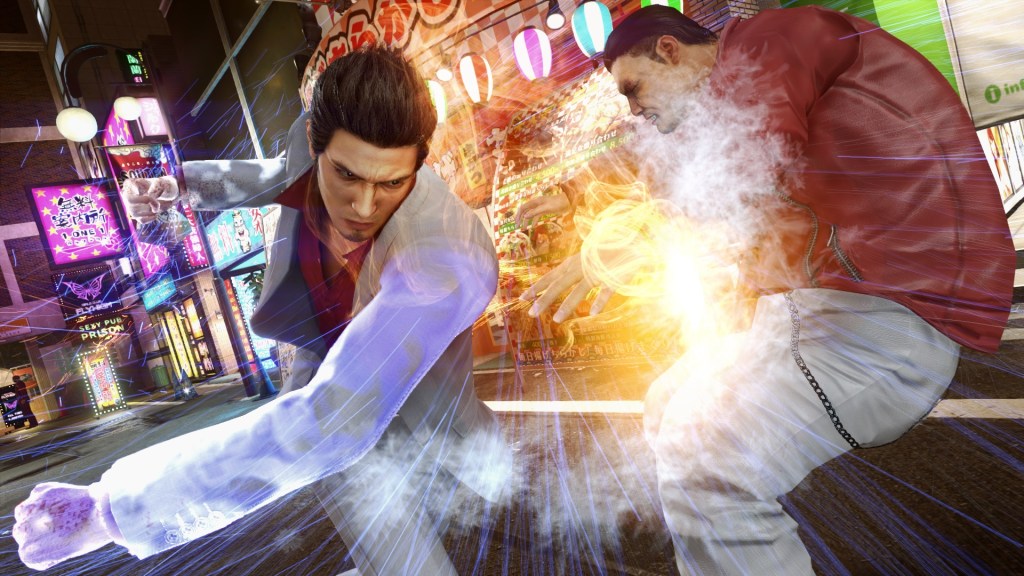
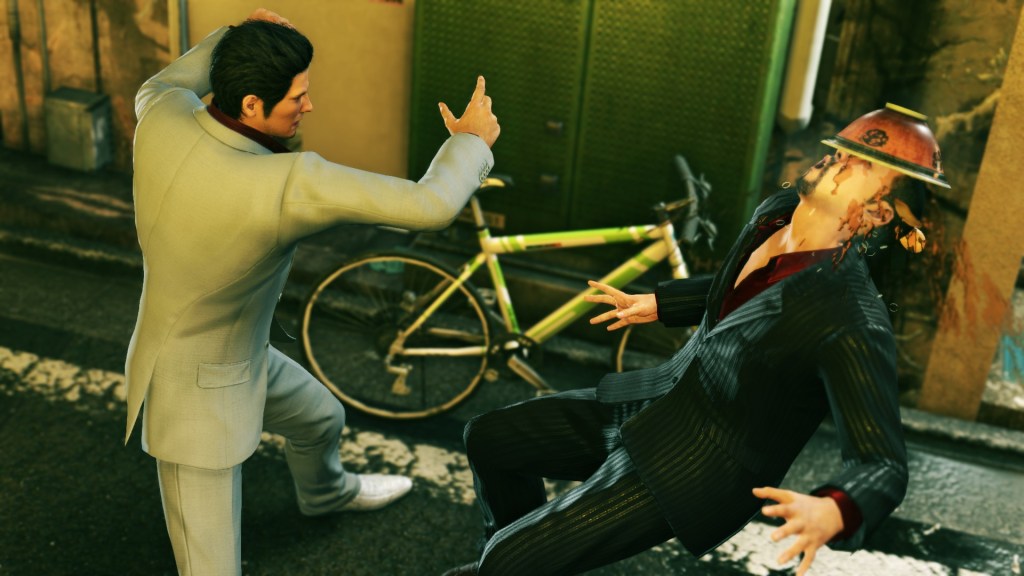
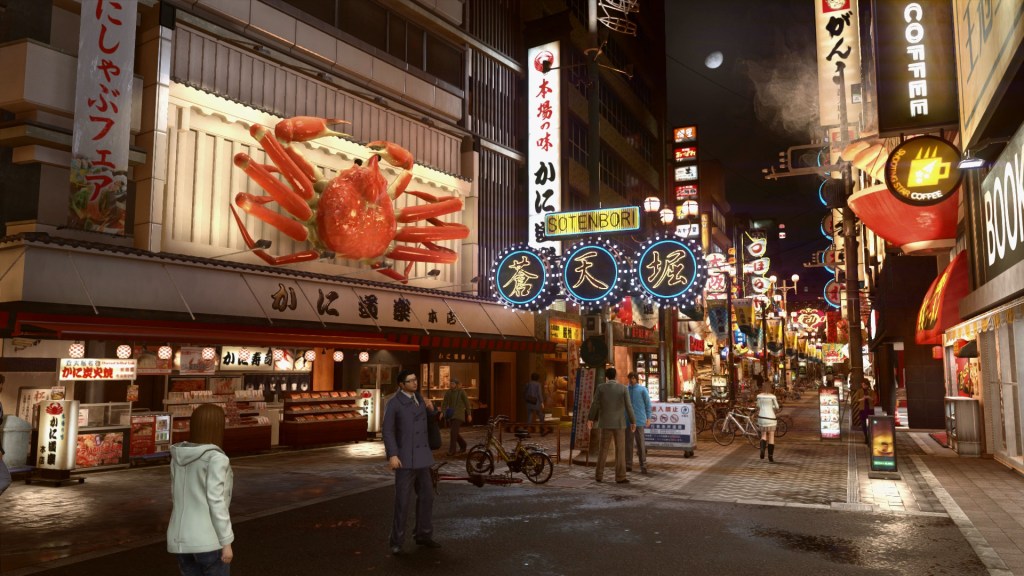

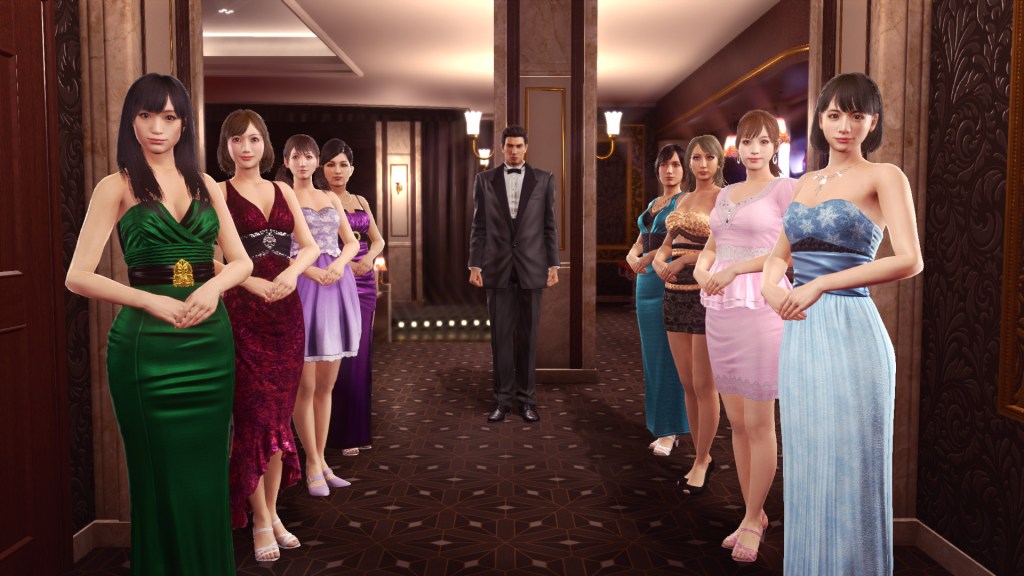
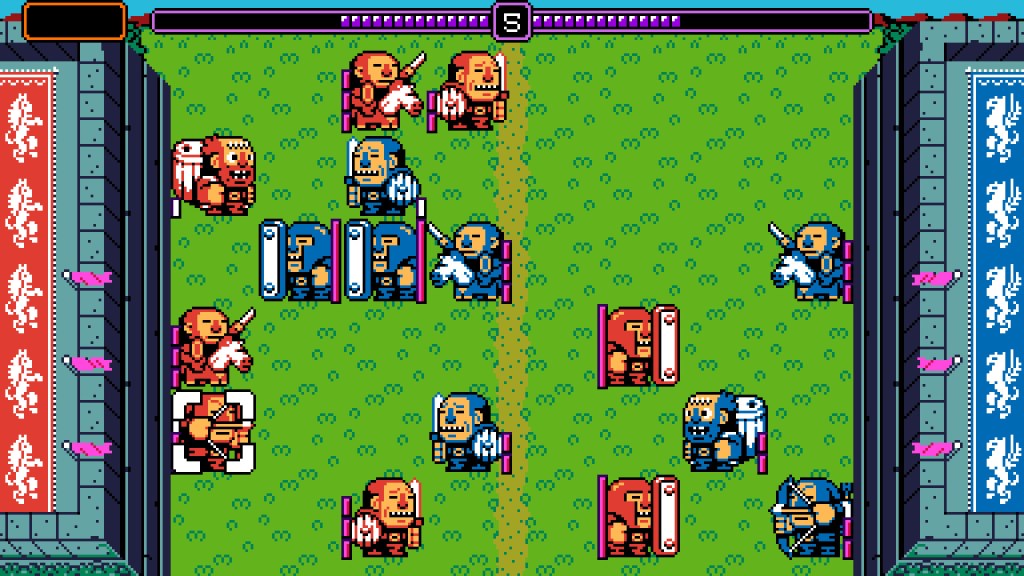
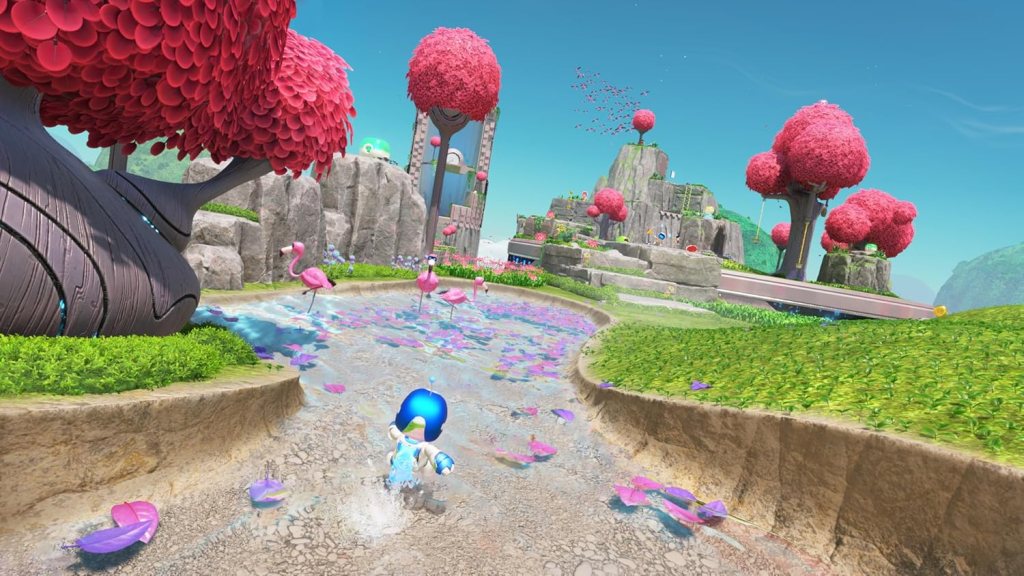
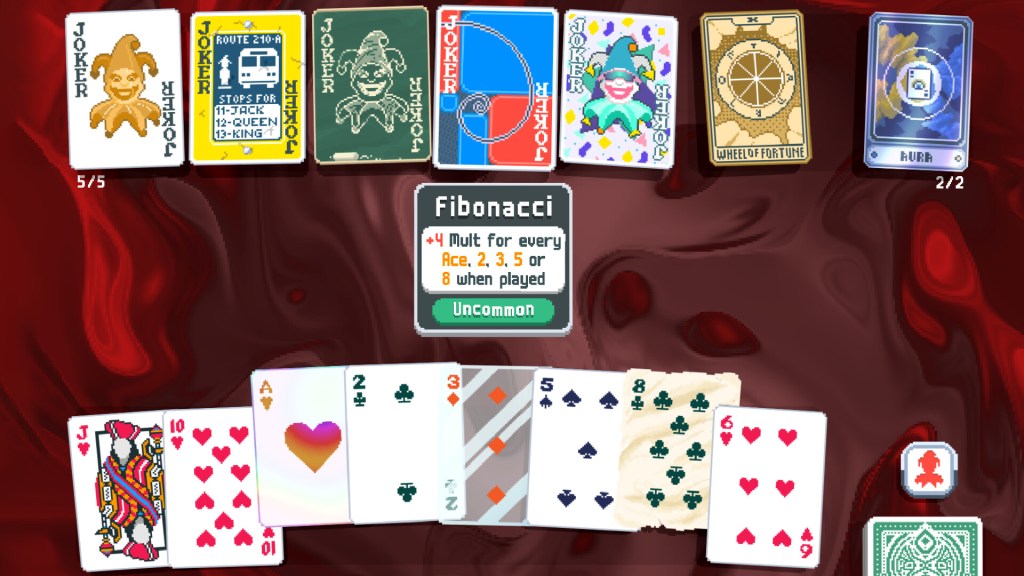
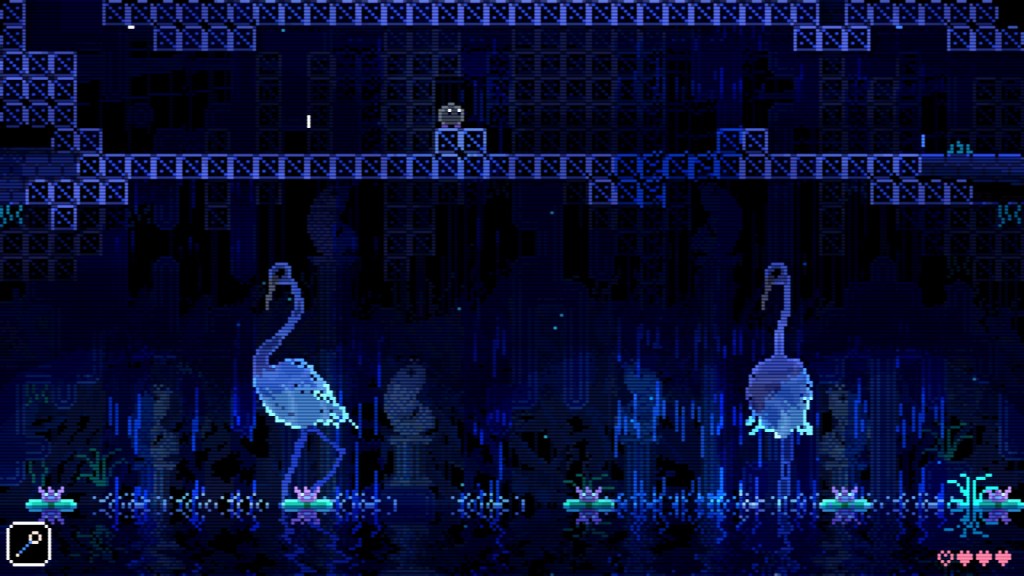

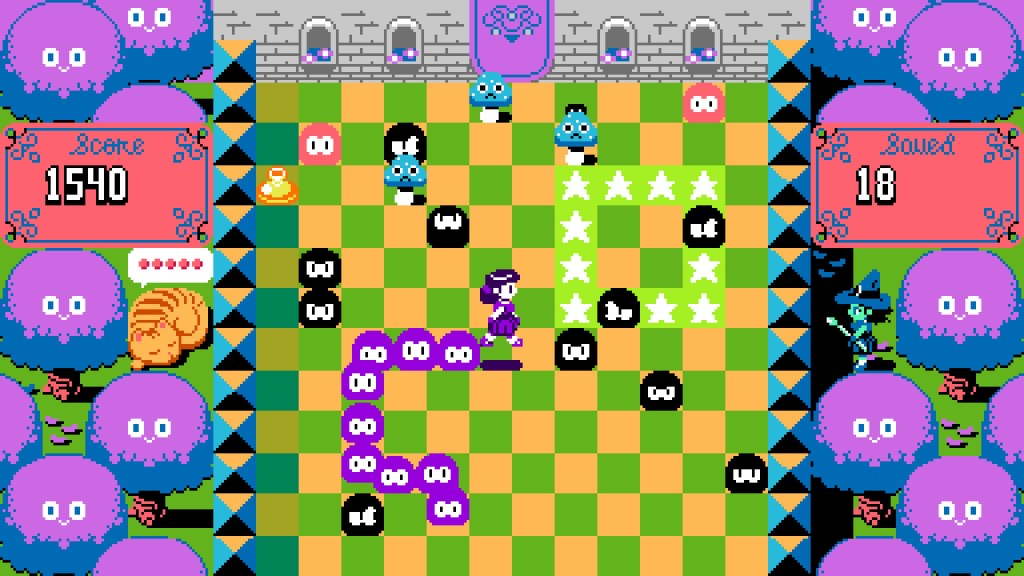
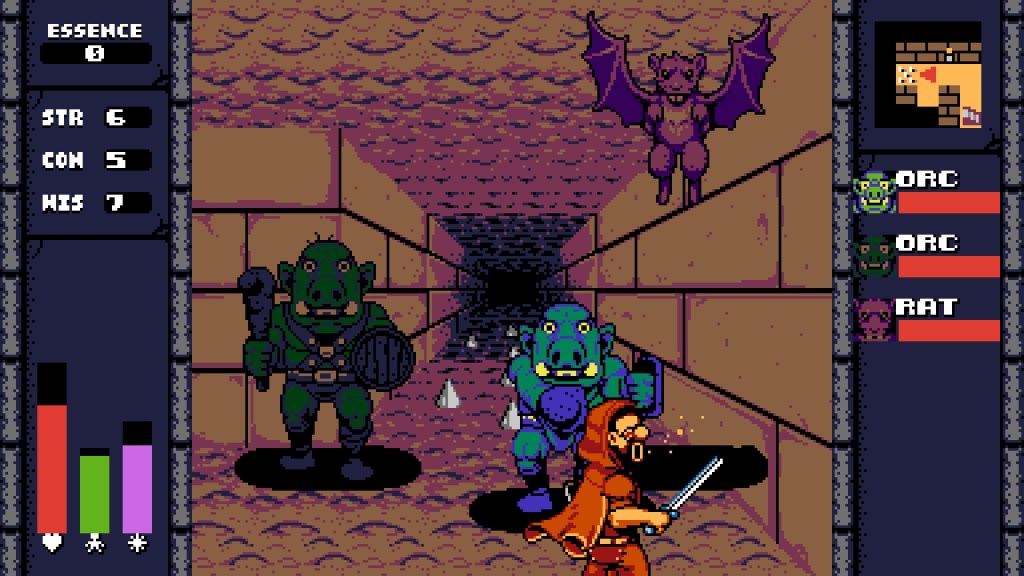
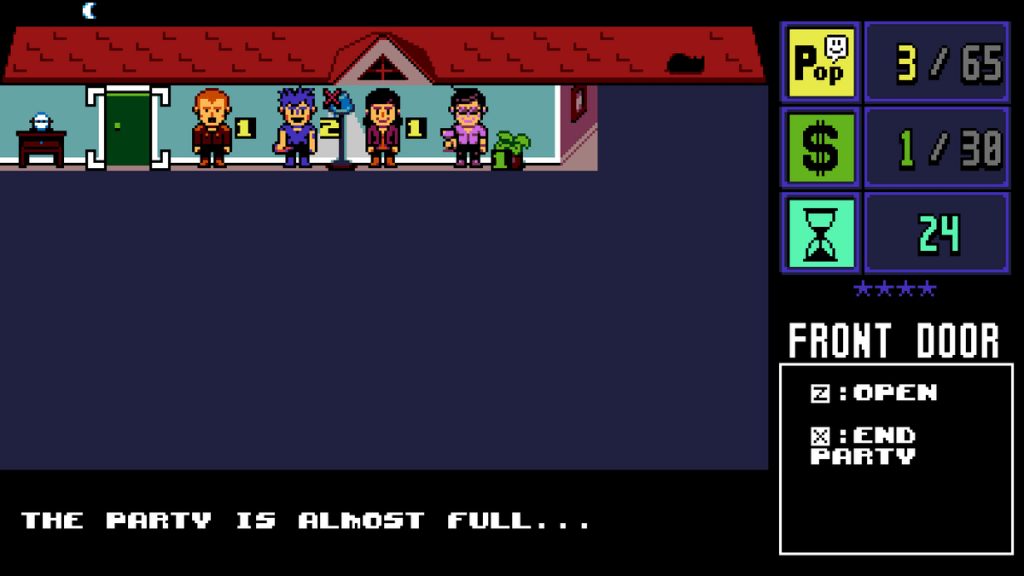
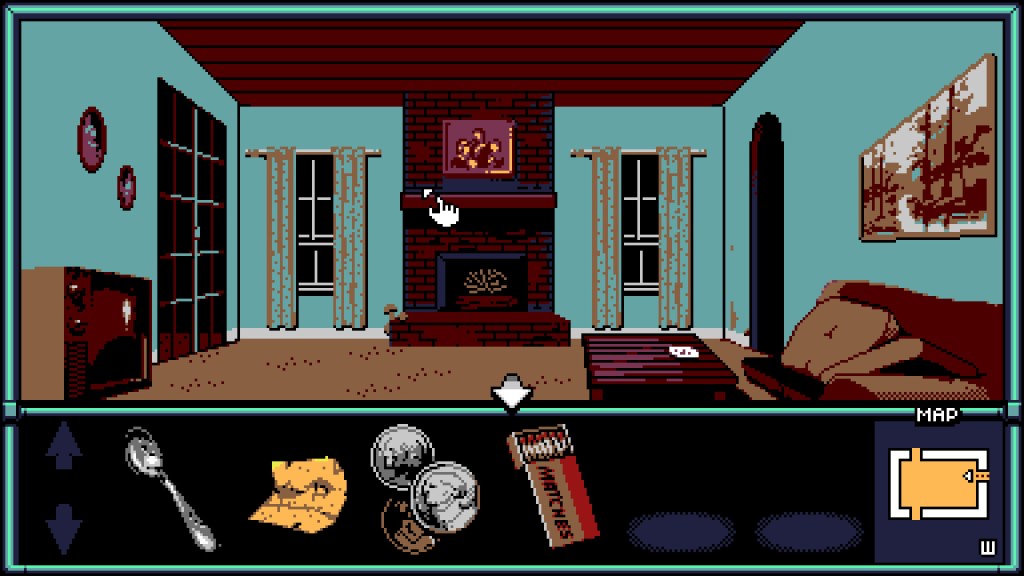

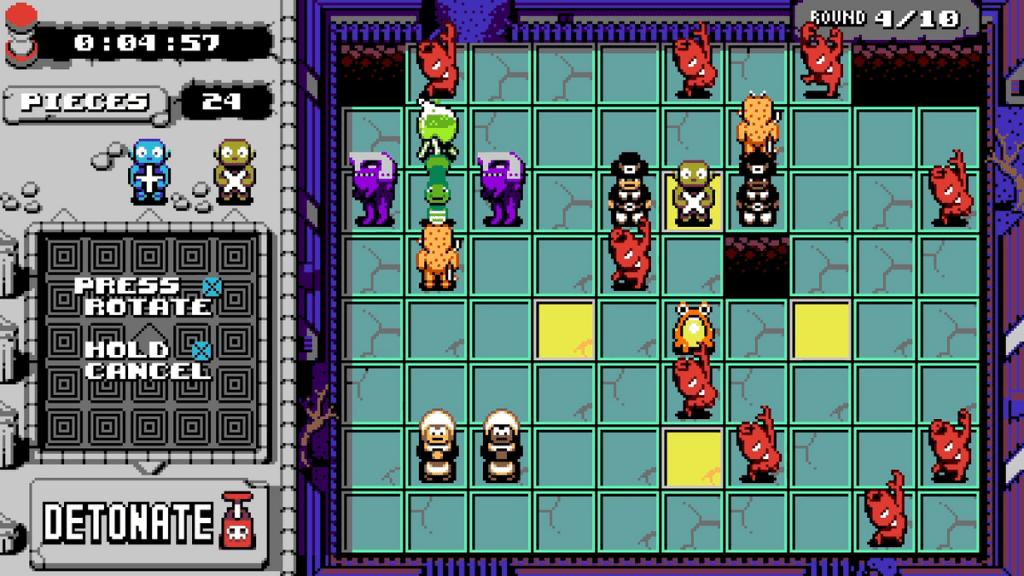
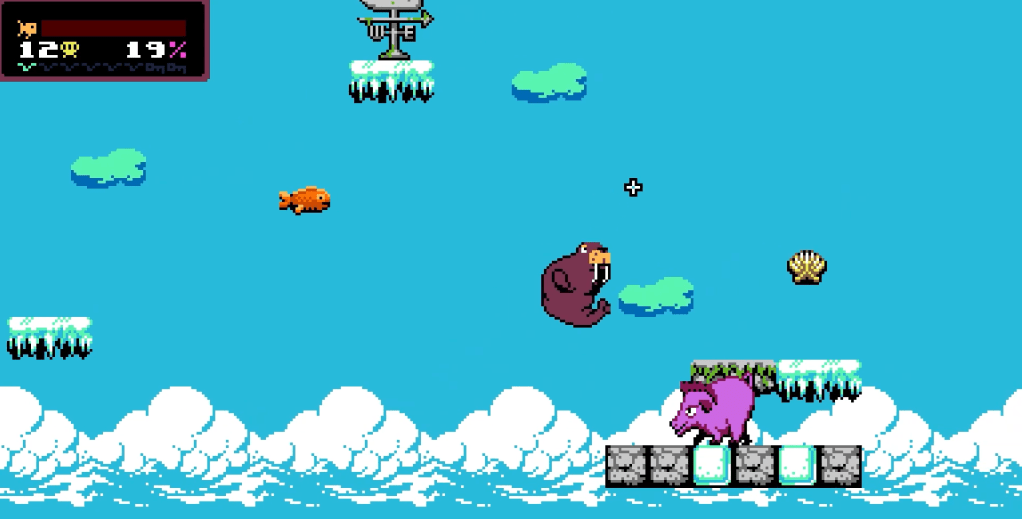
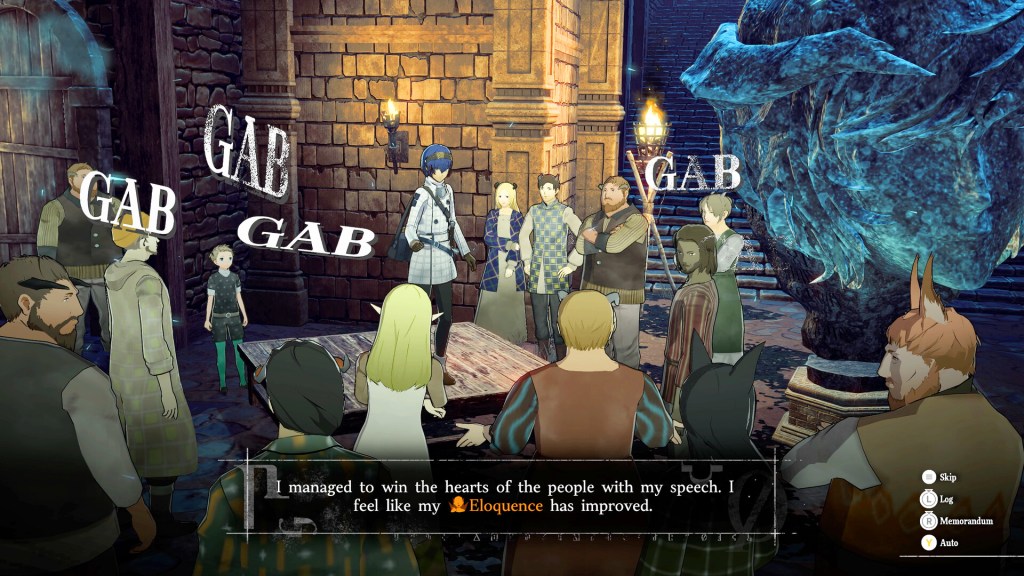
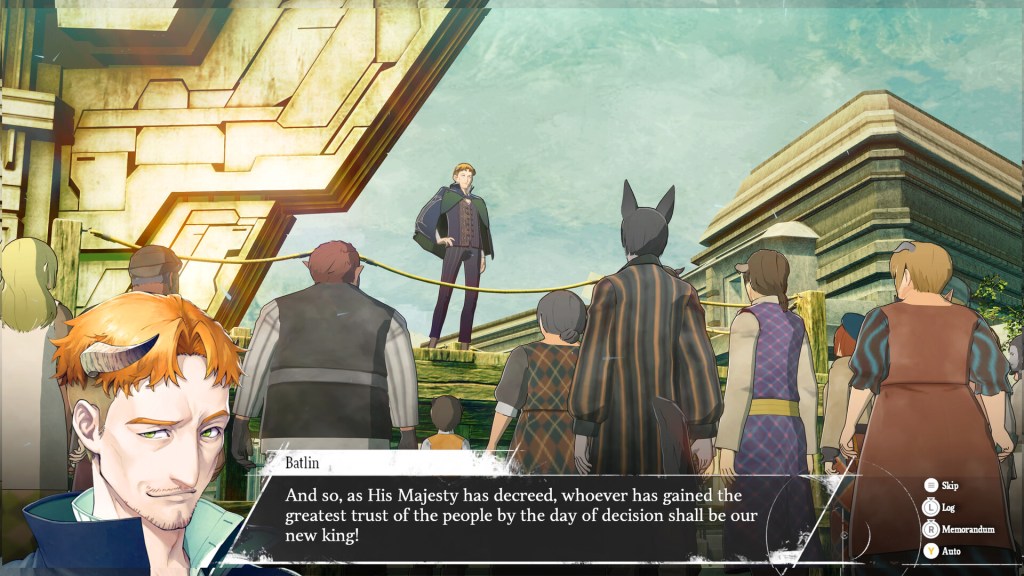
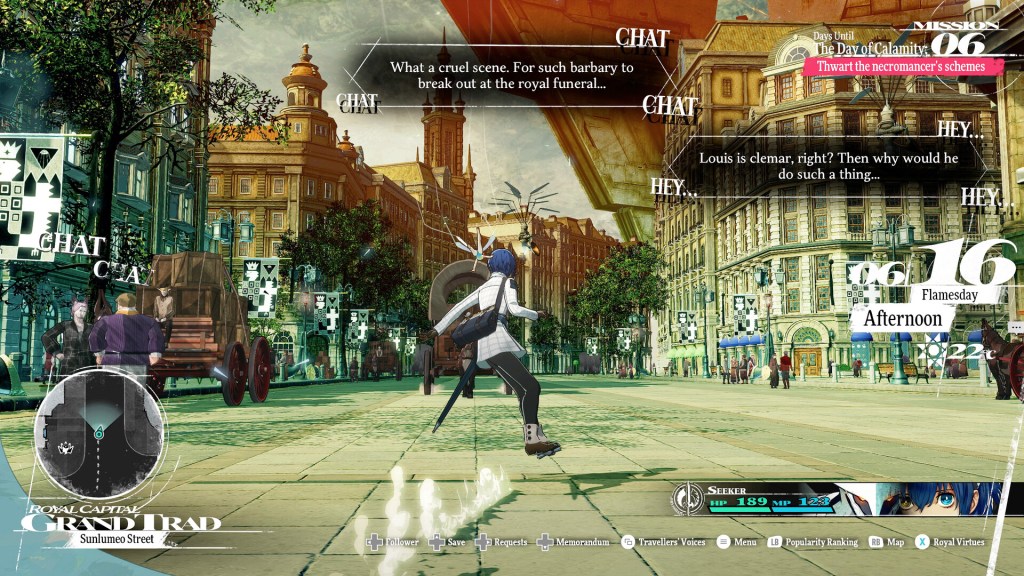
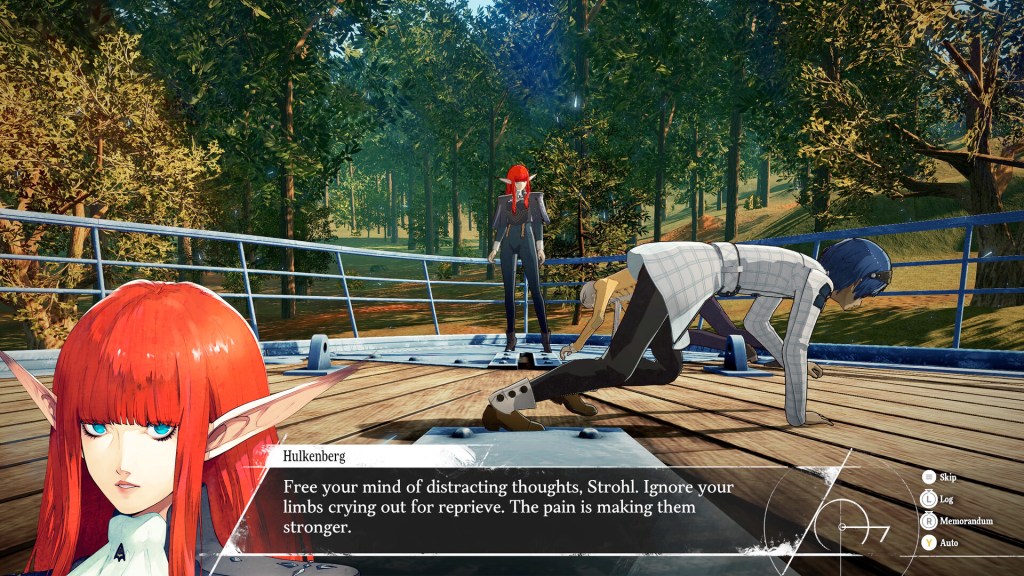

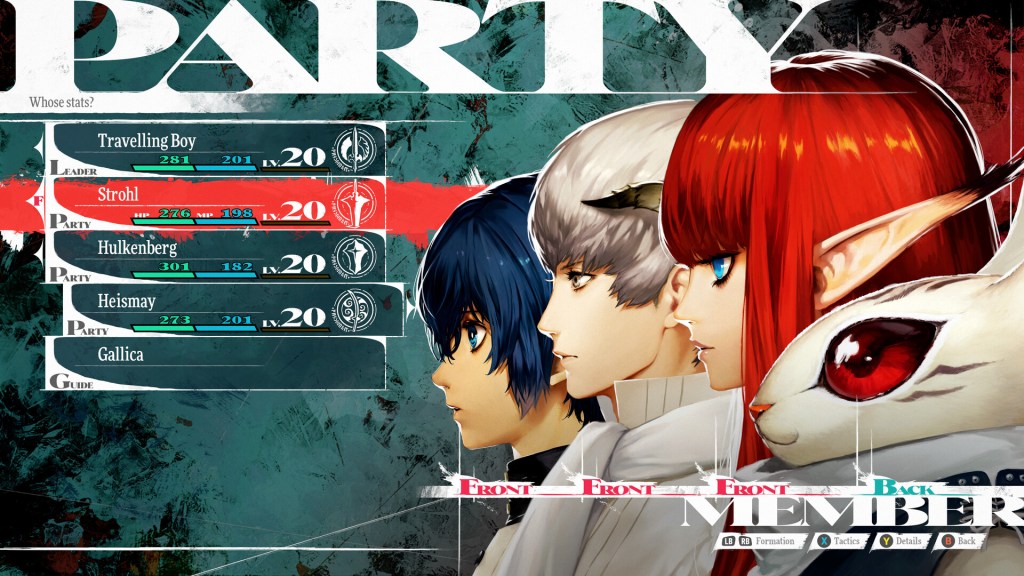

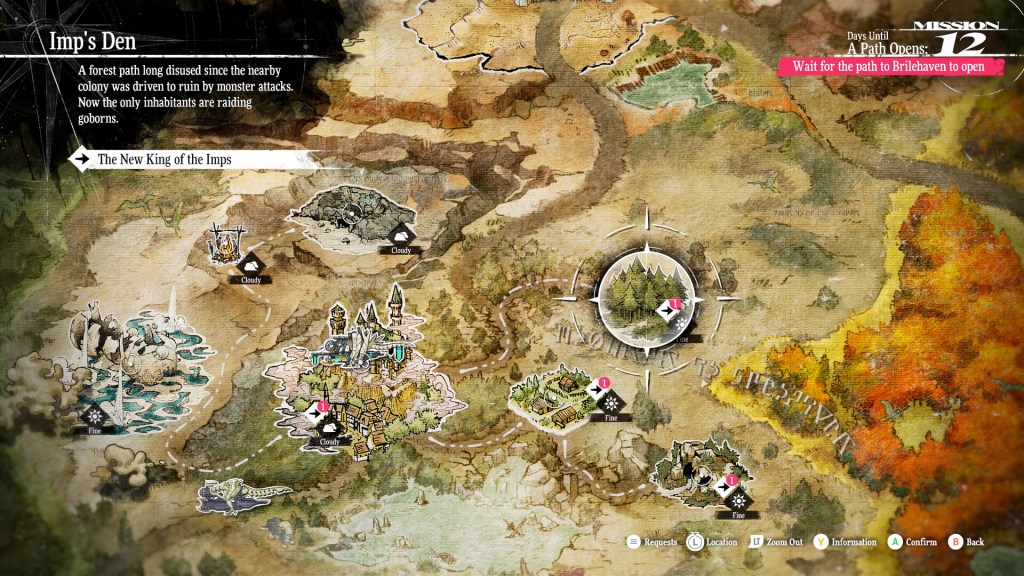
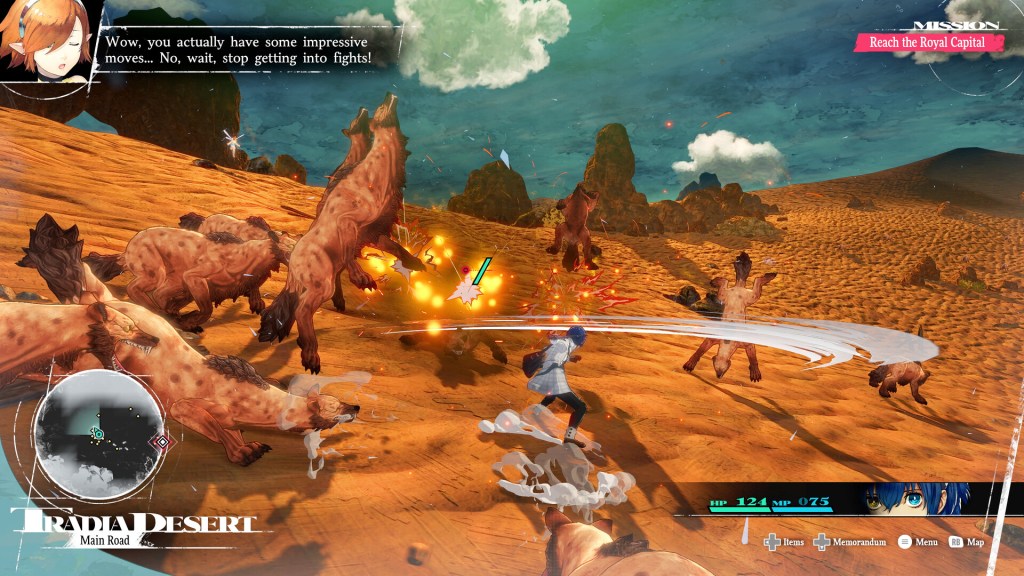
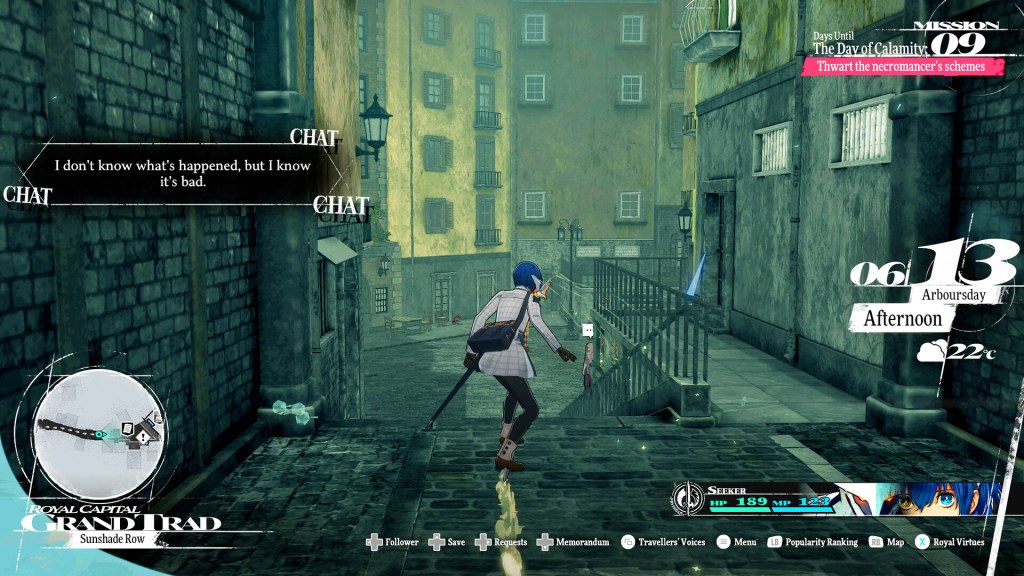
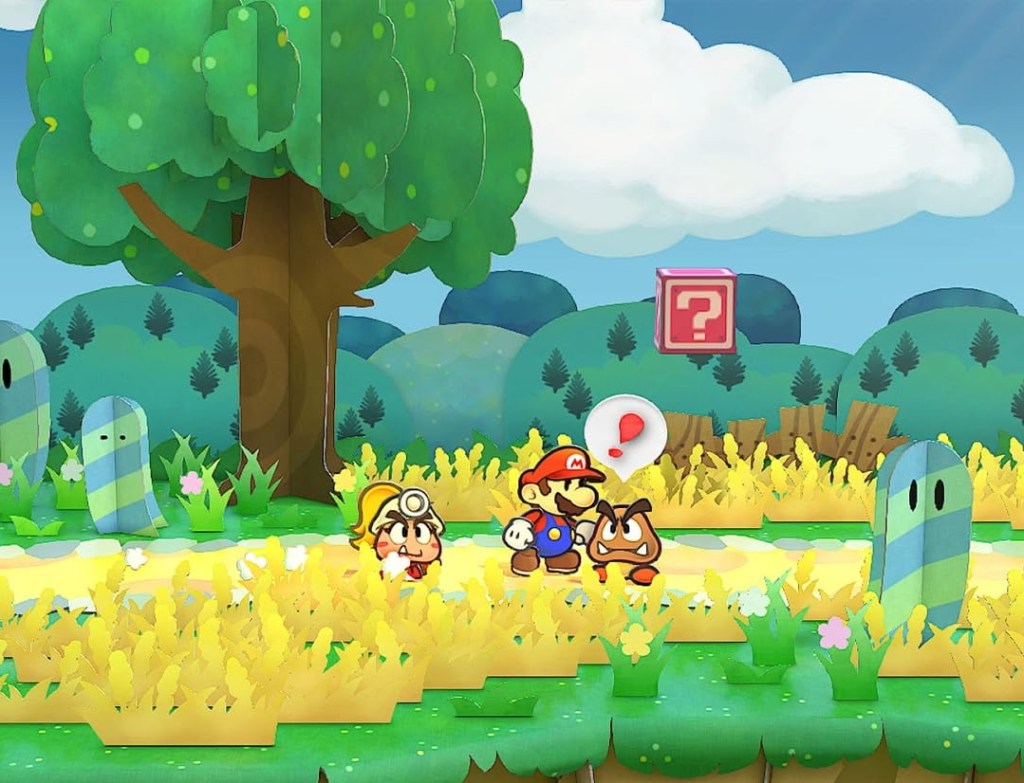

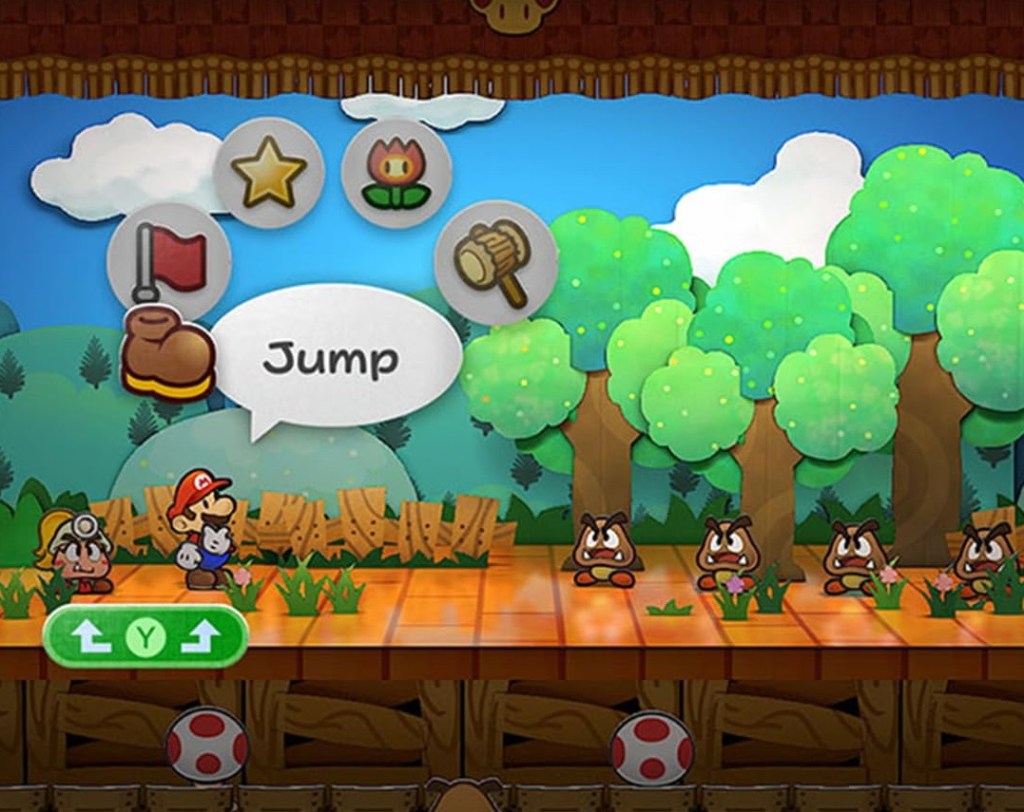
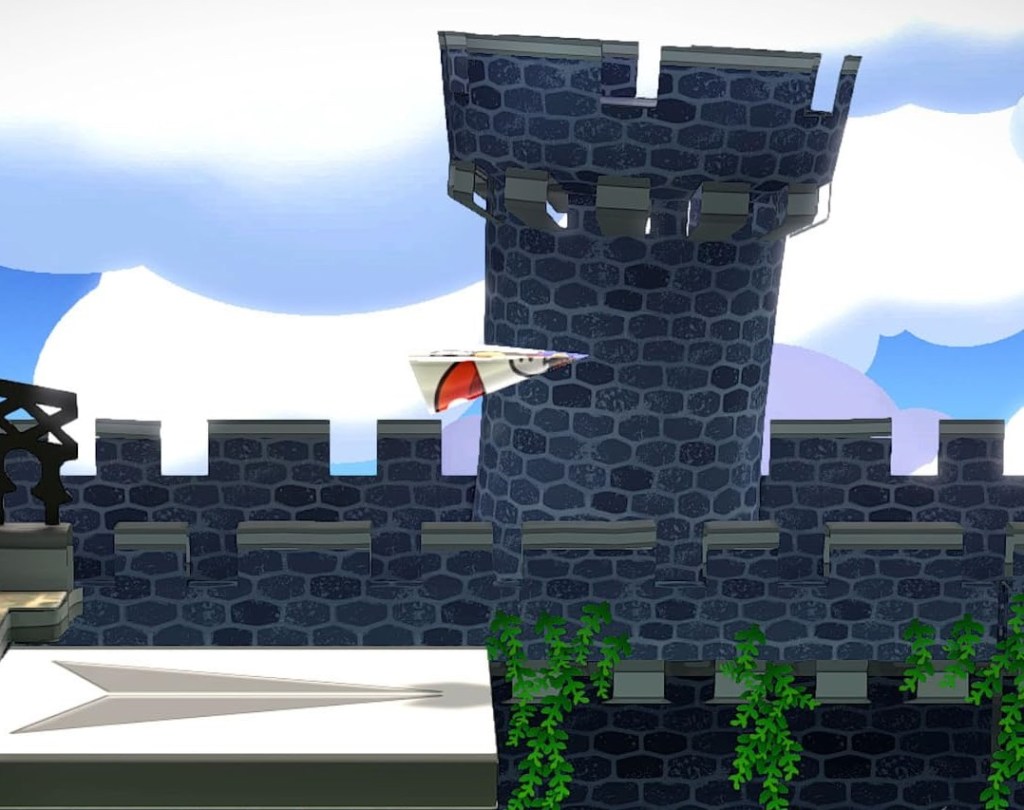
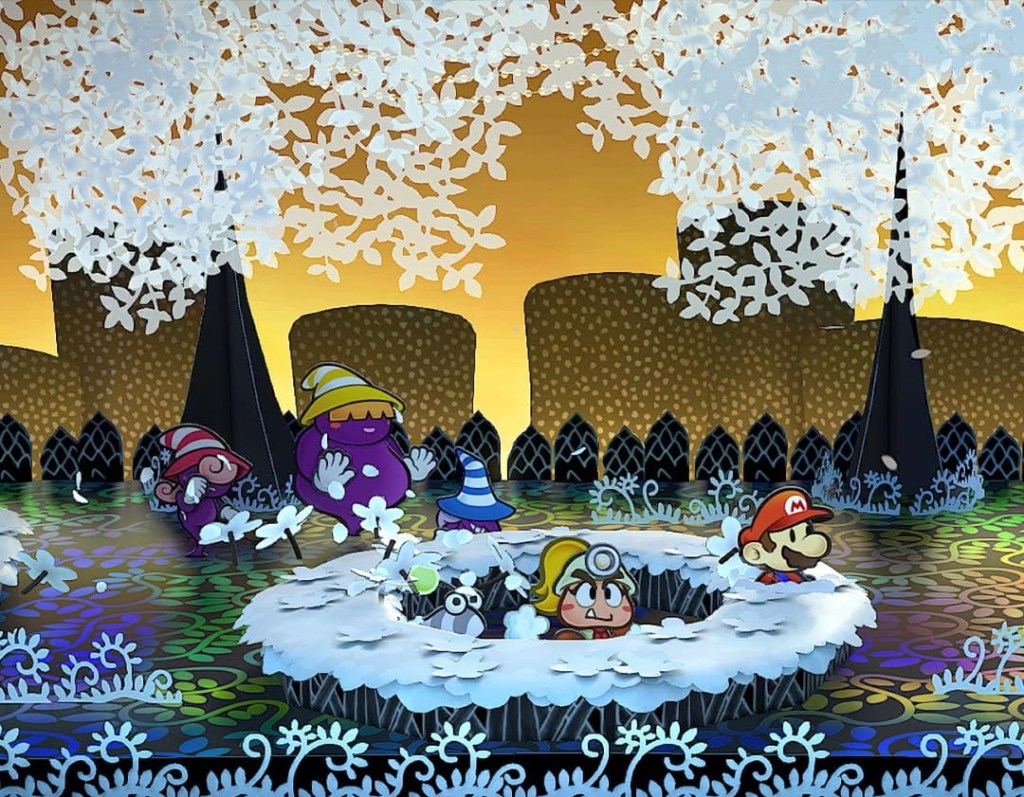
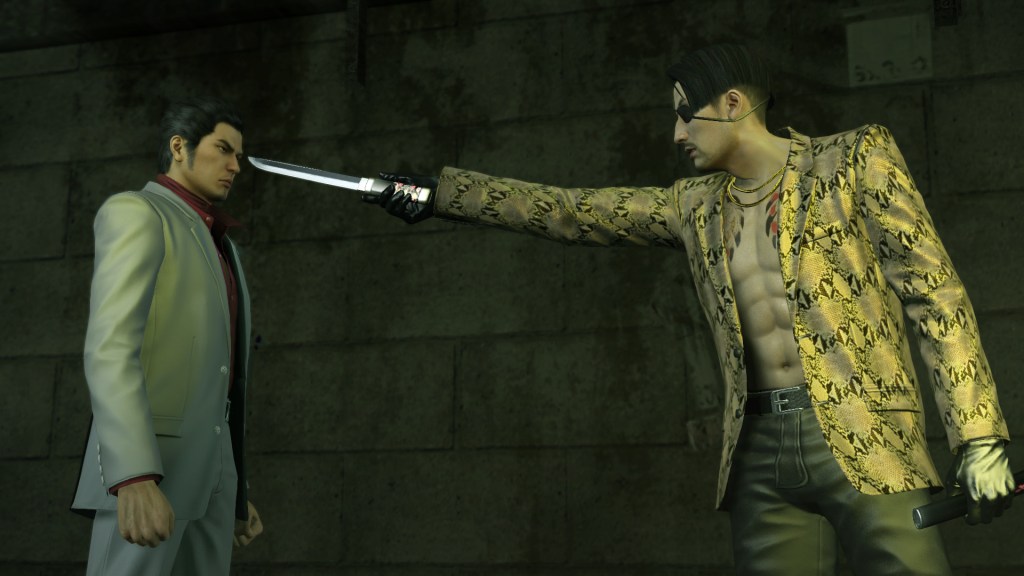
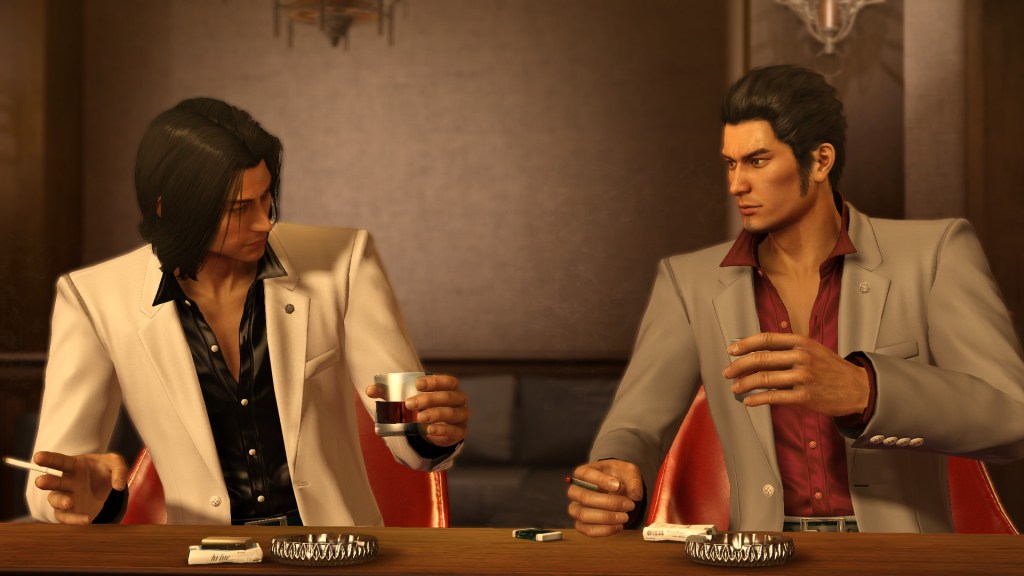
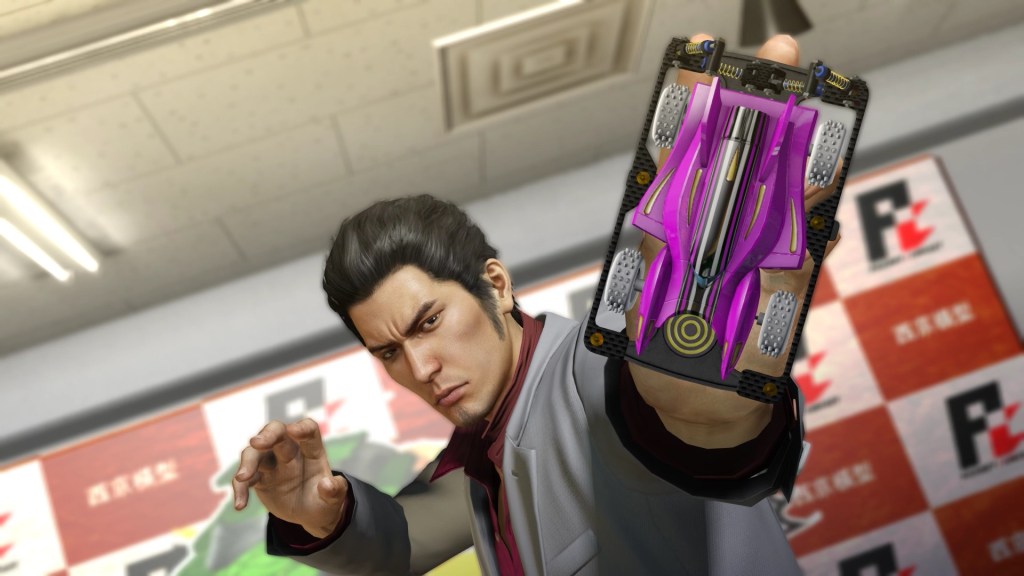
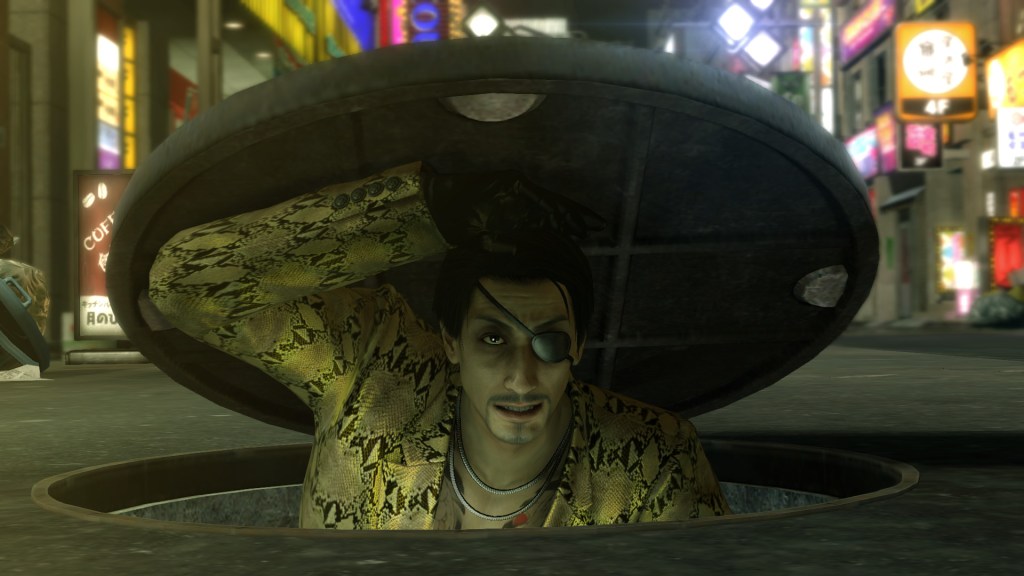
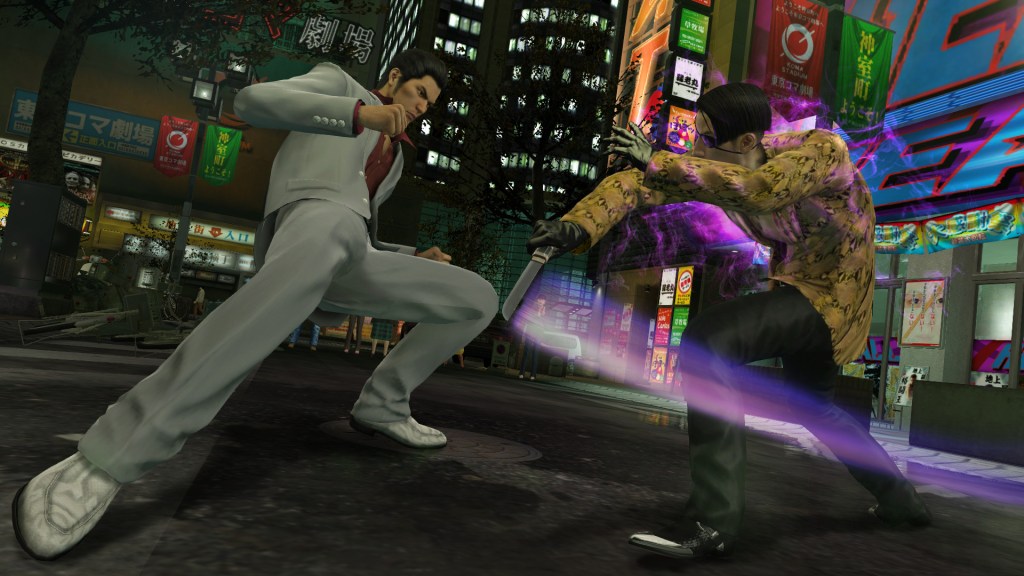
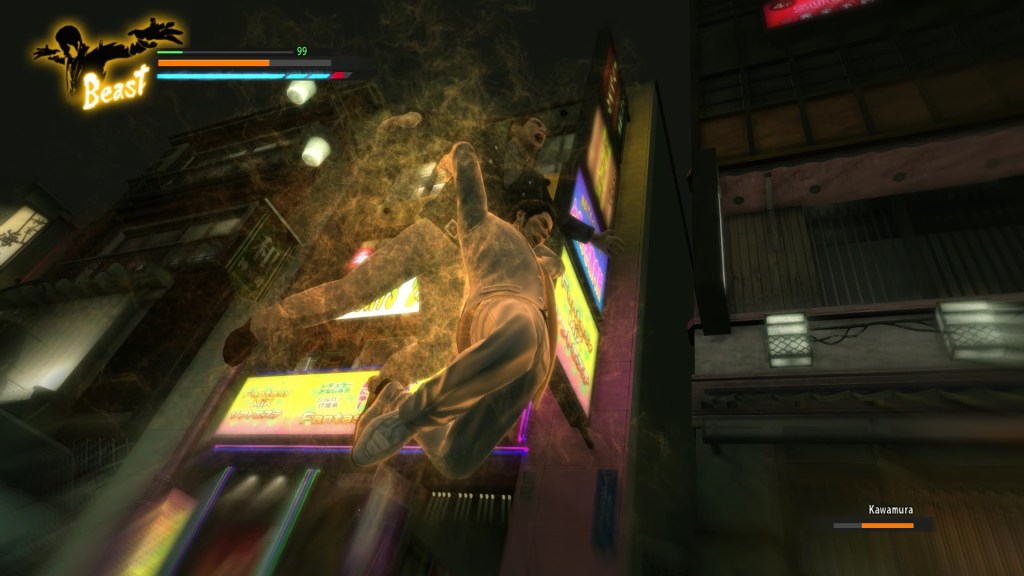
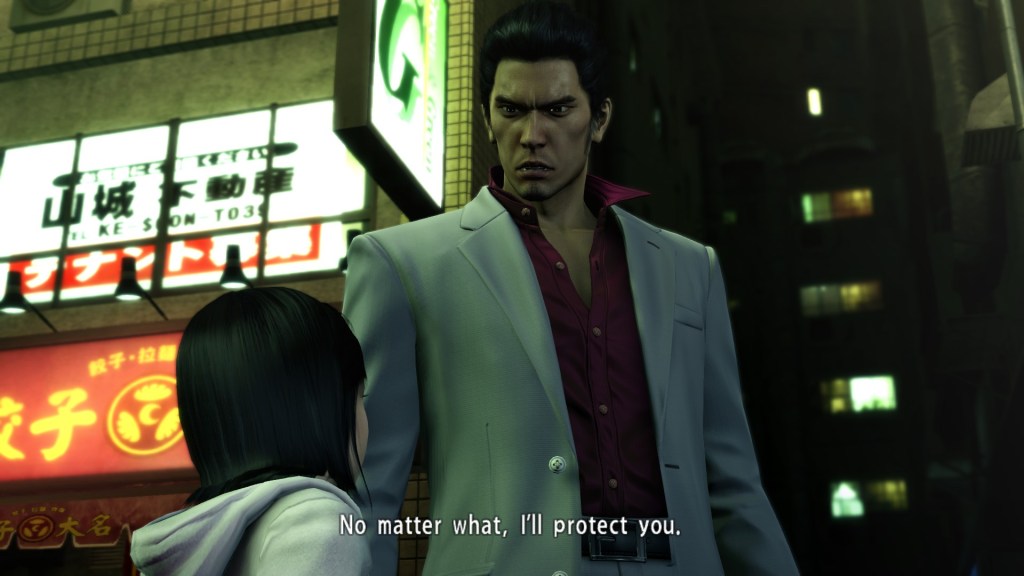
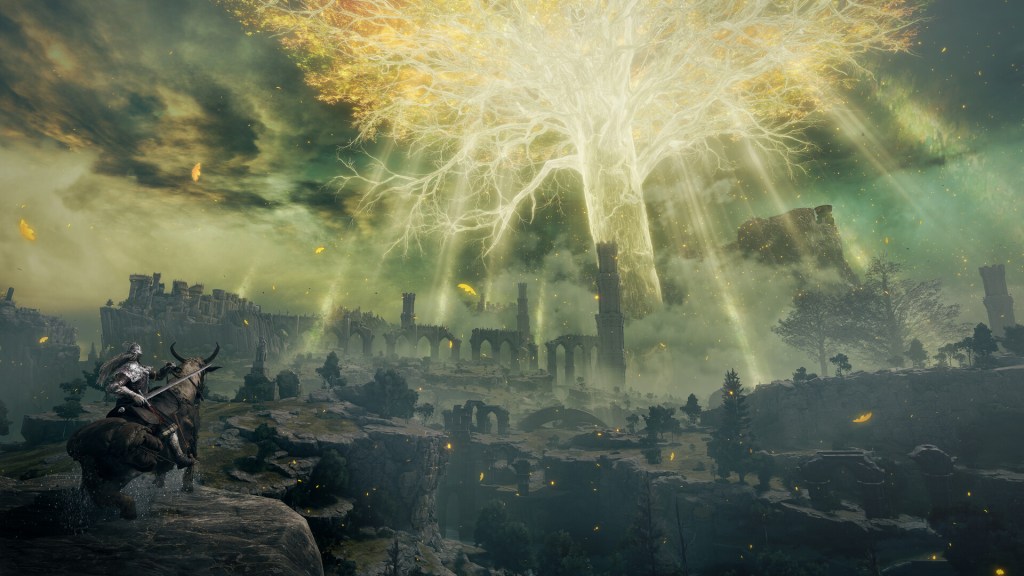

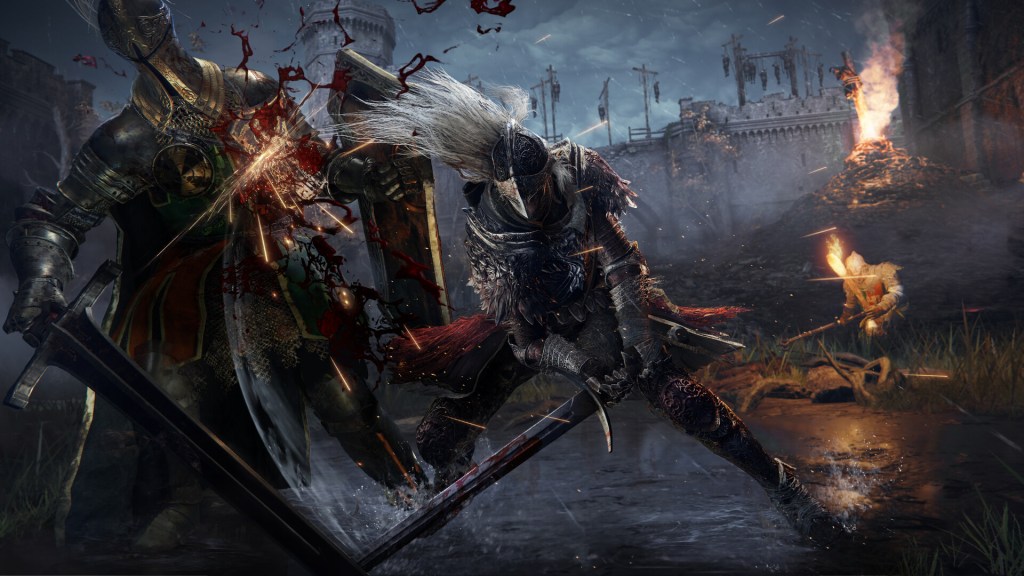
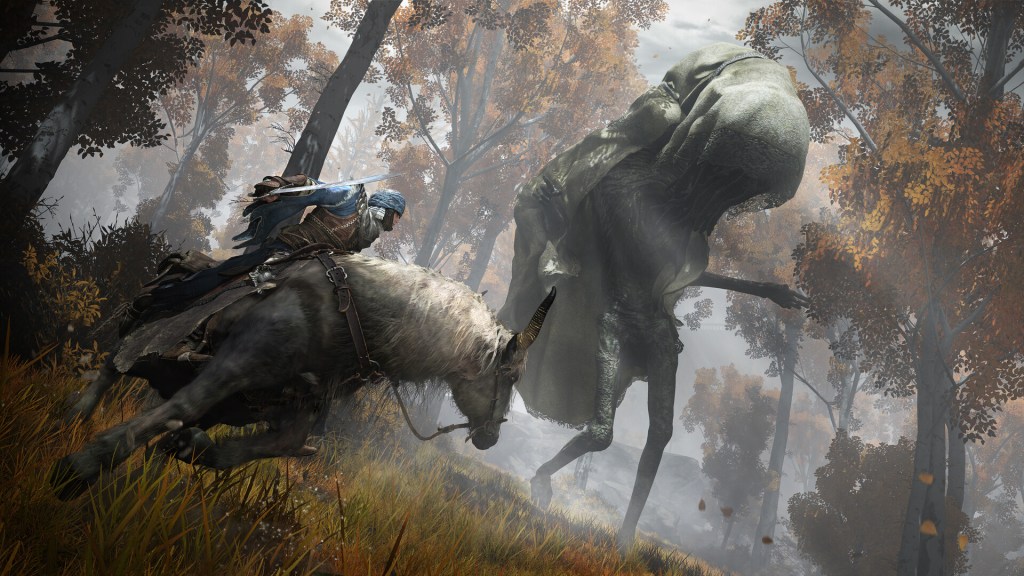
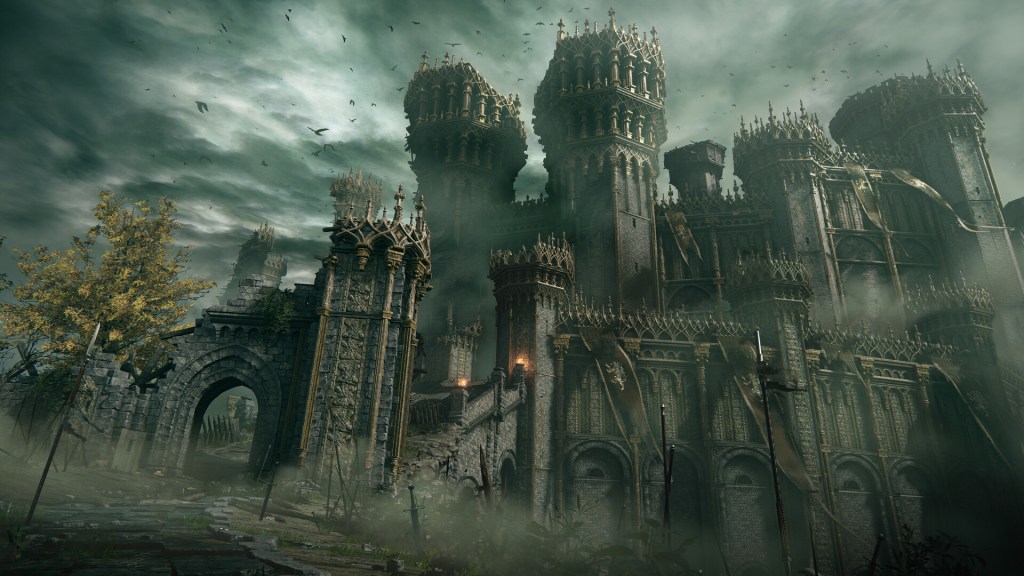
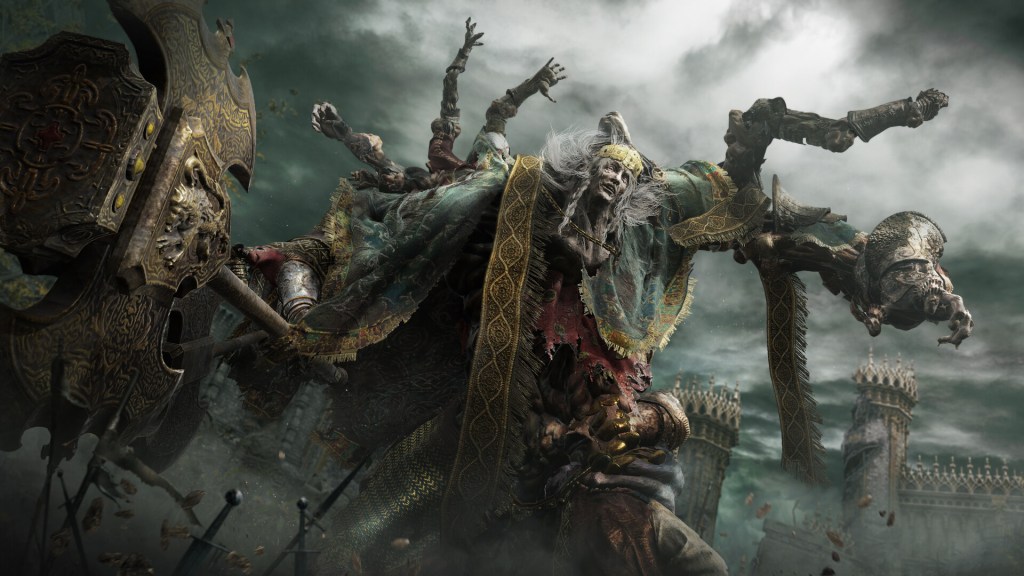
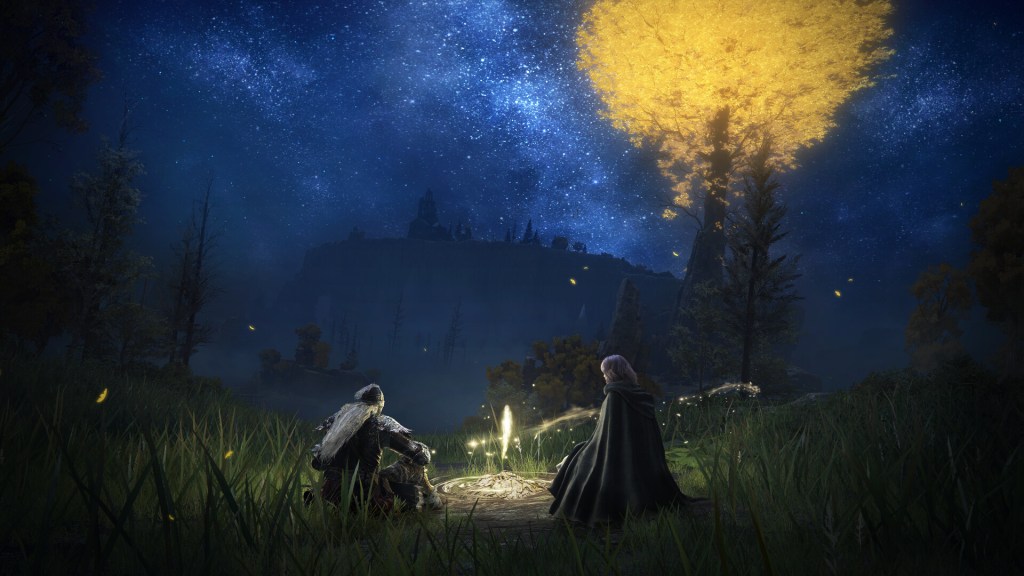
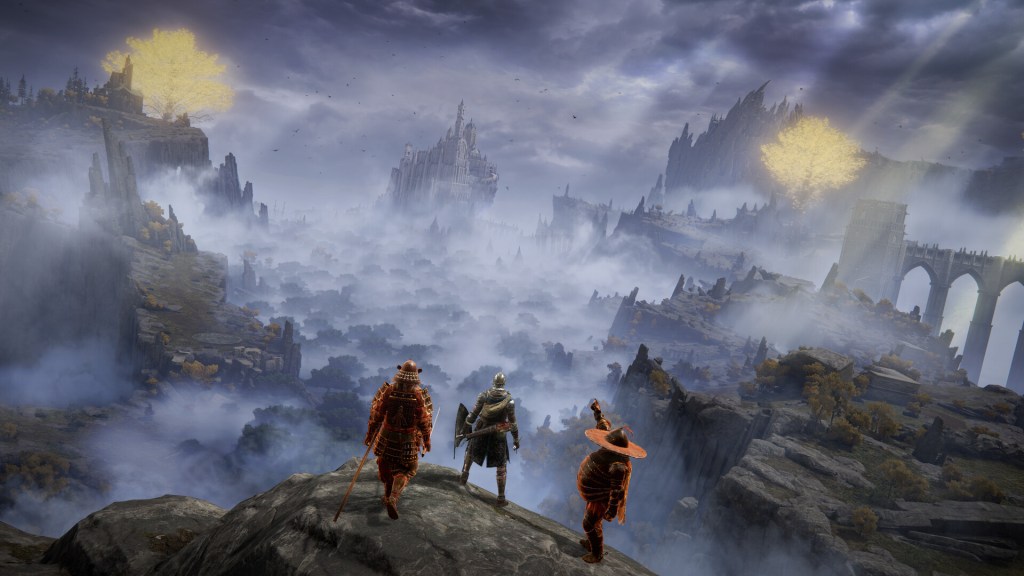
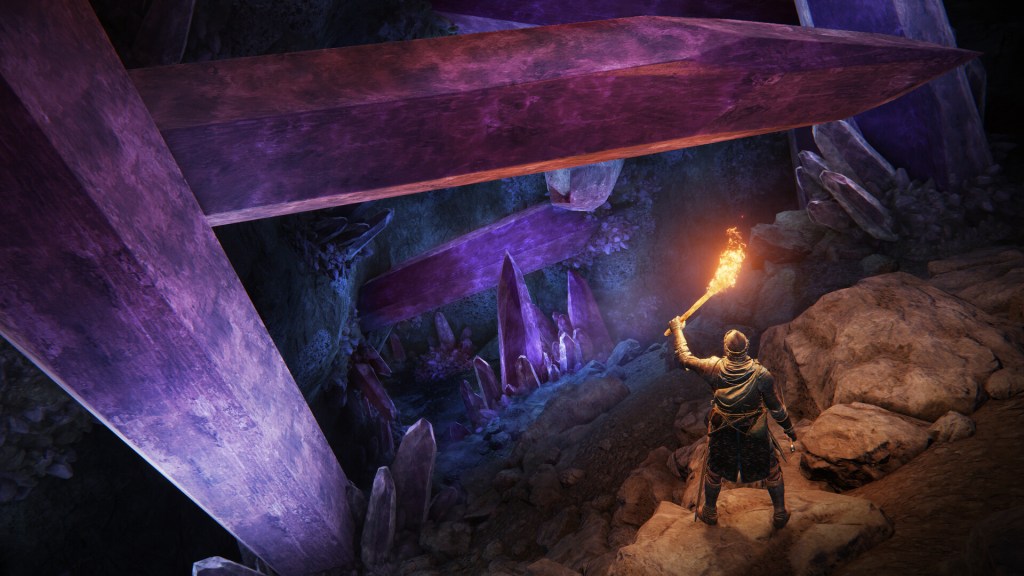
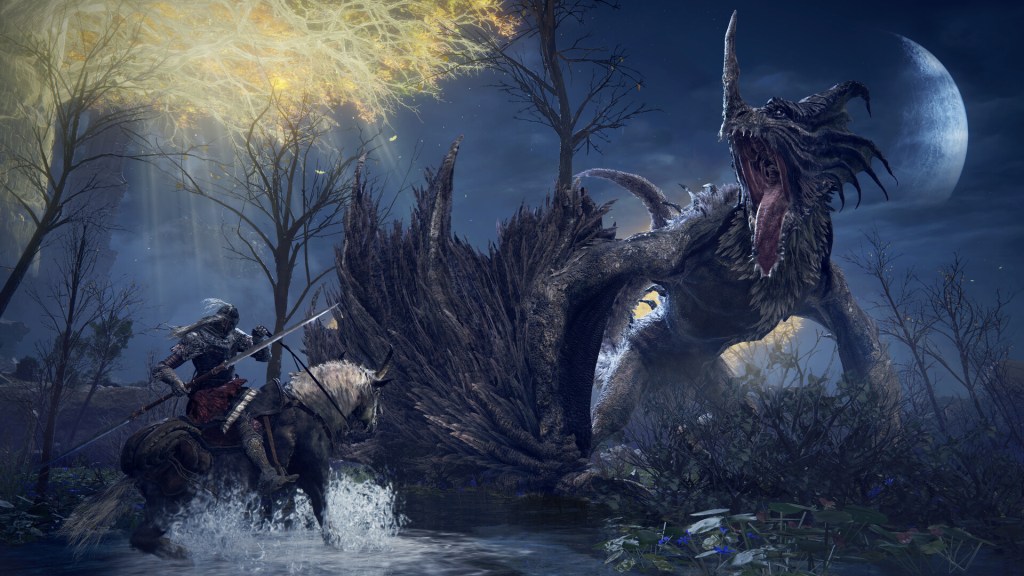

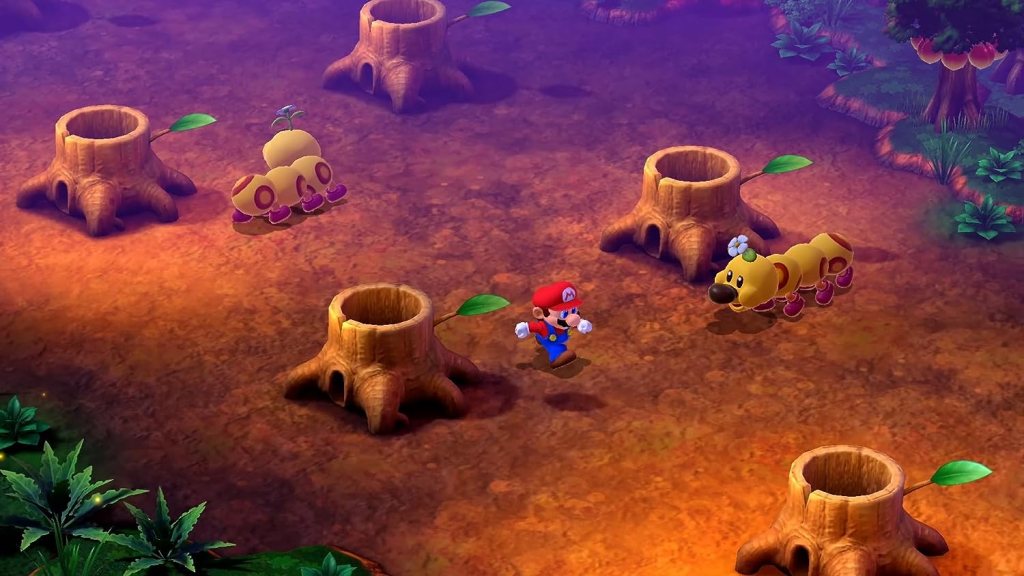
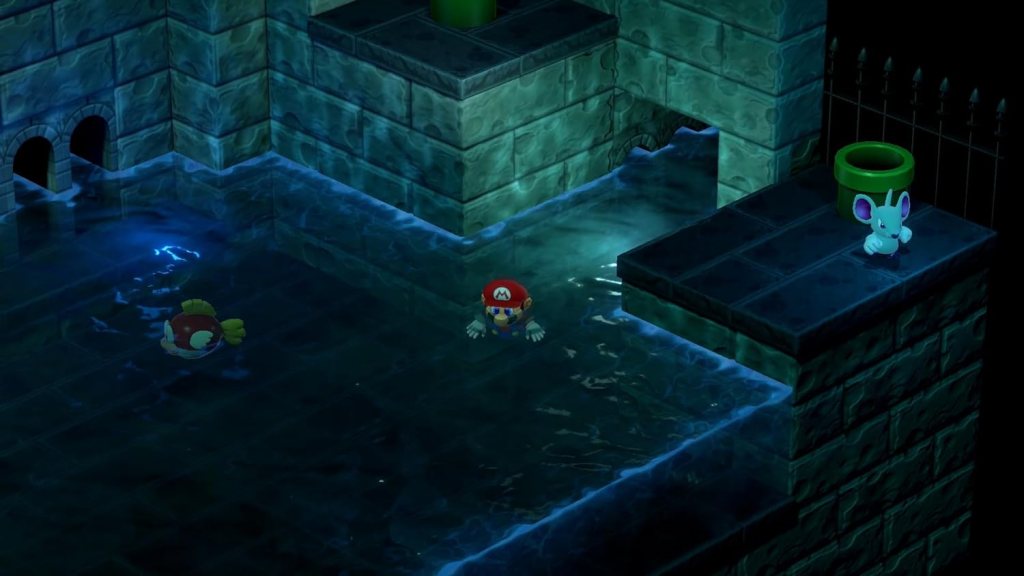

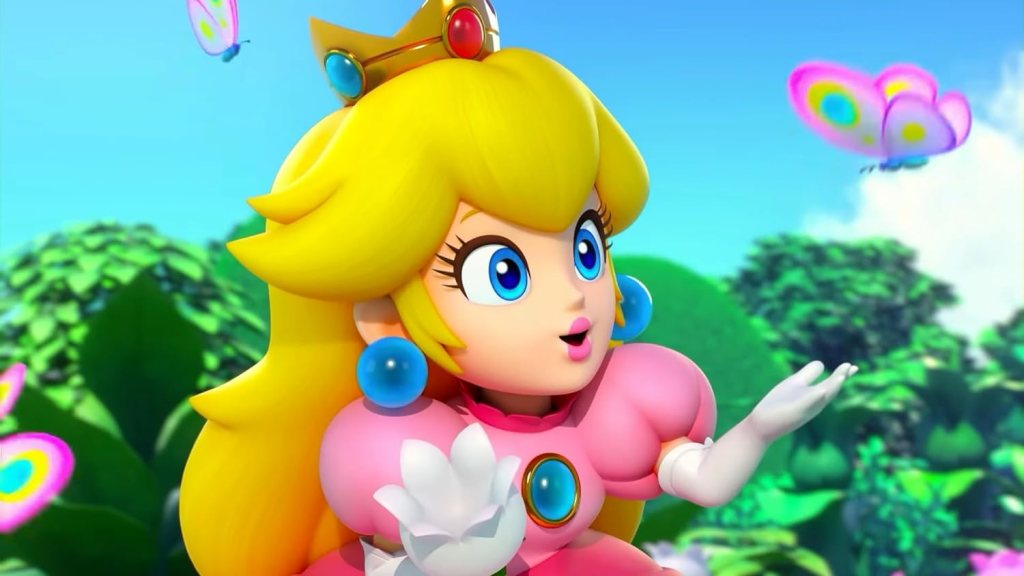
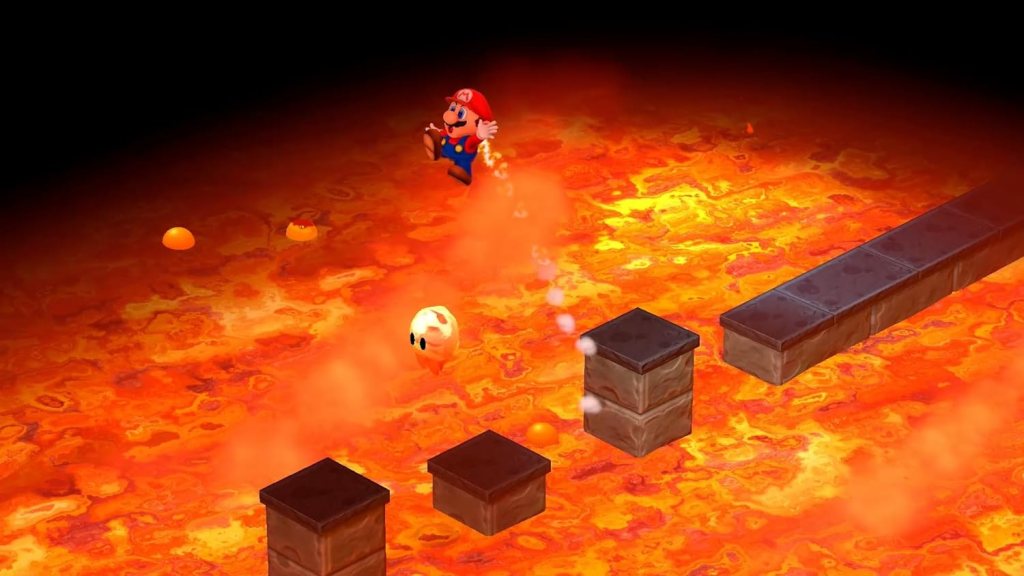
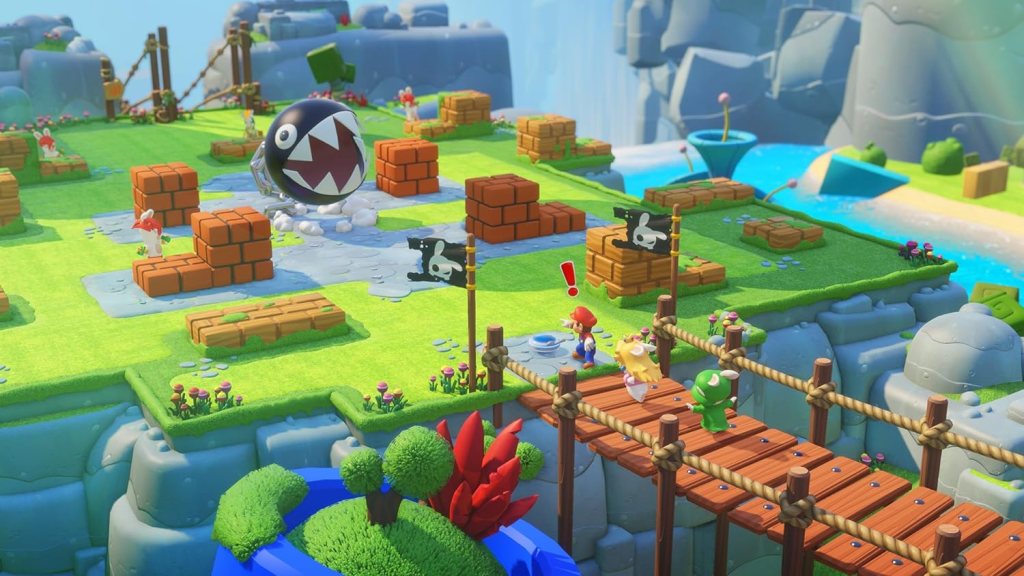
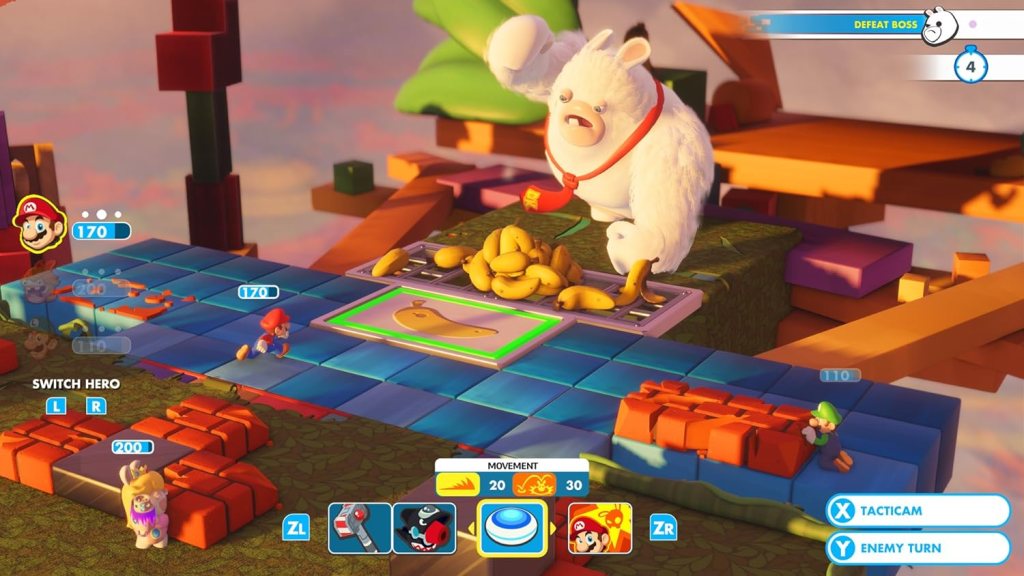
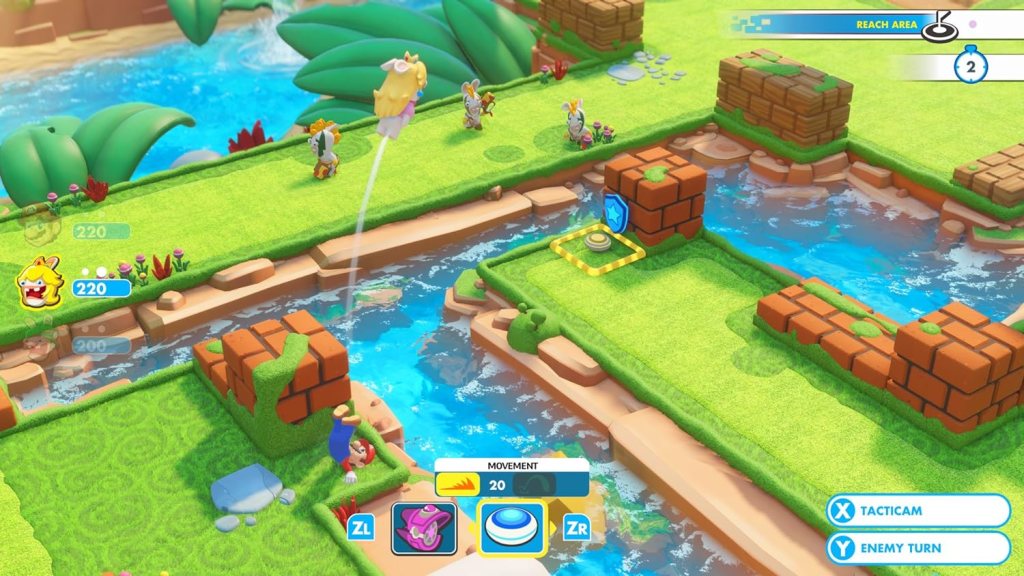
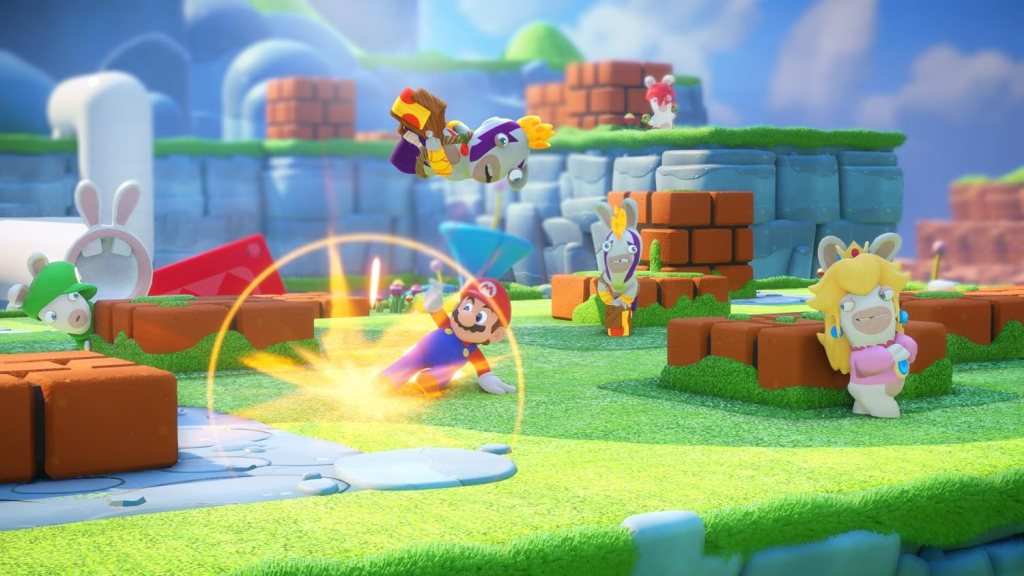
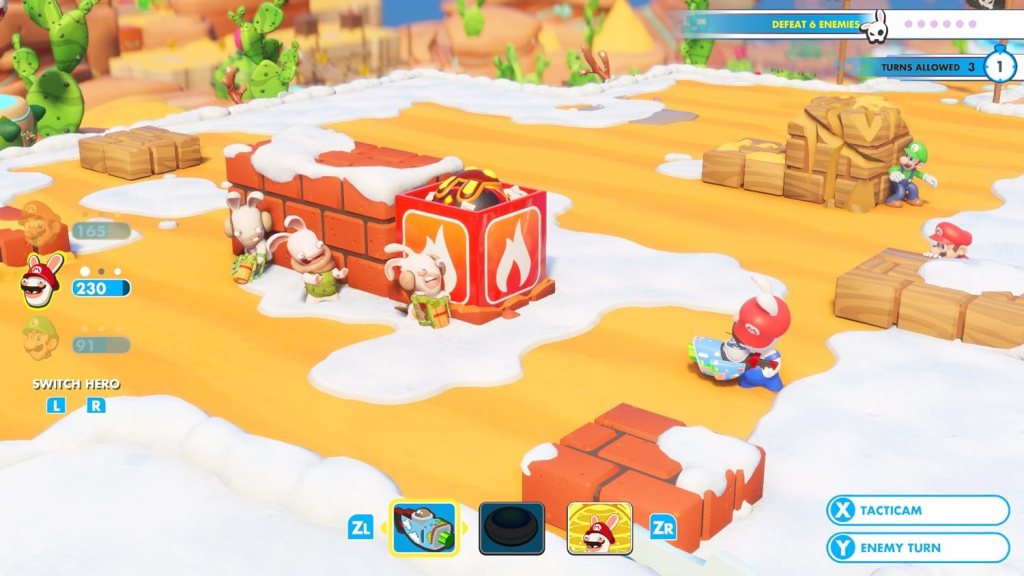
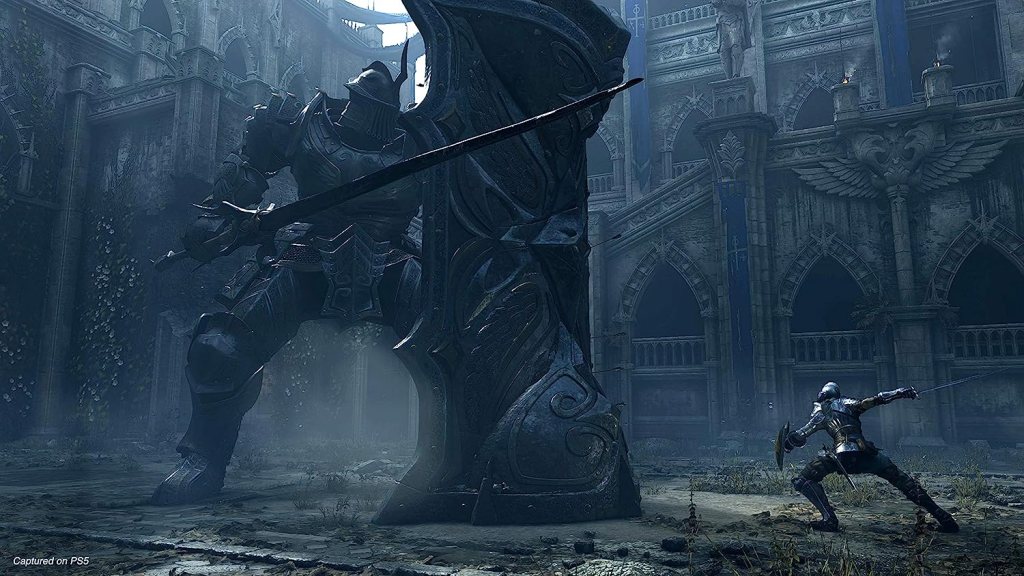
 stephensopinions