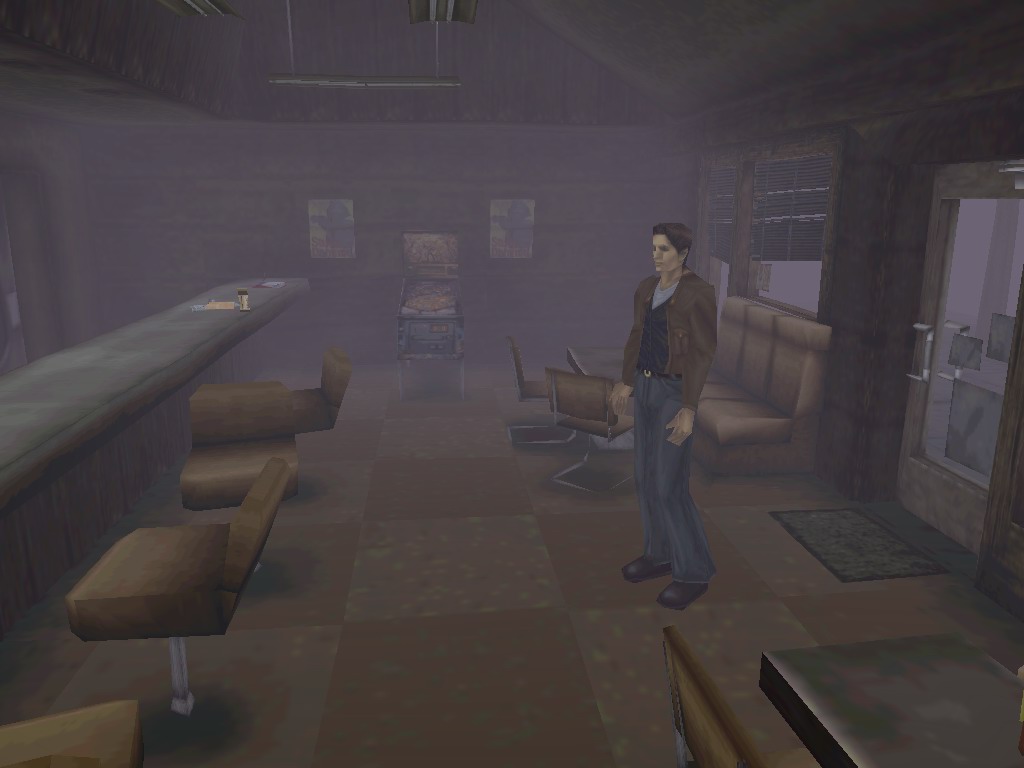
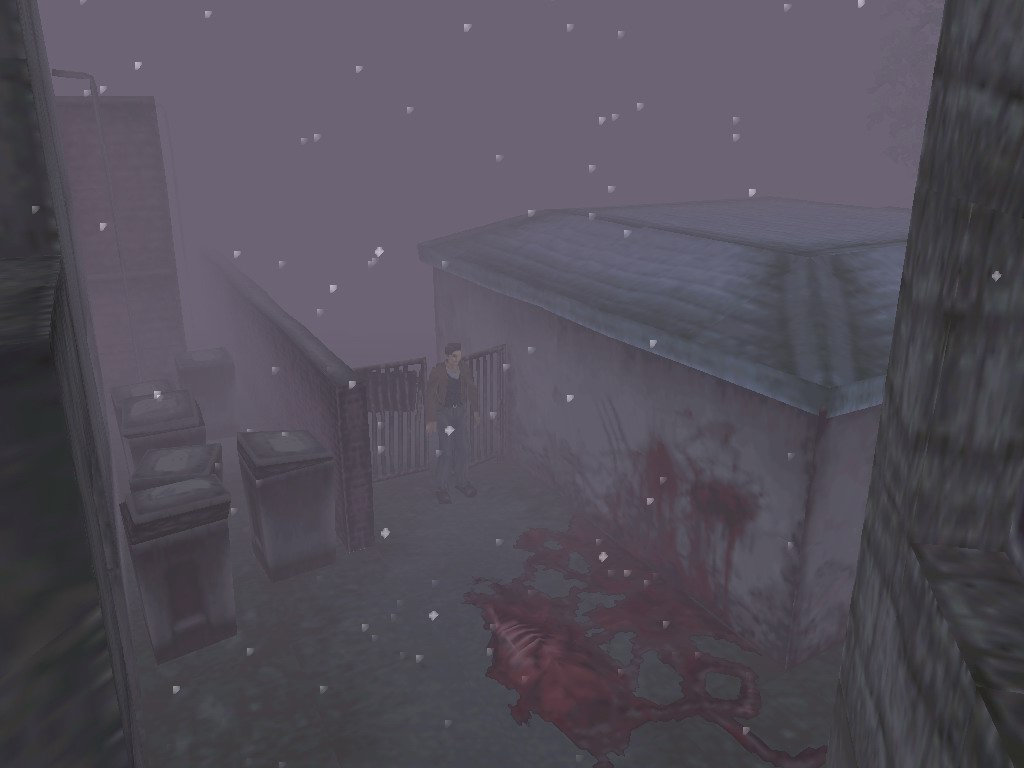
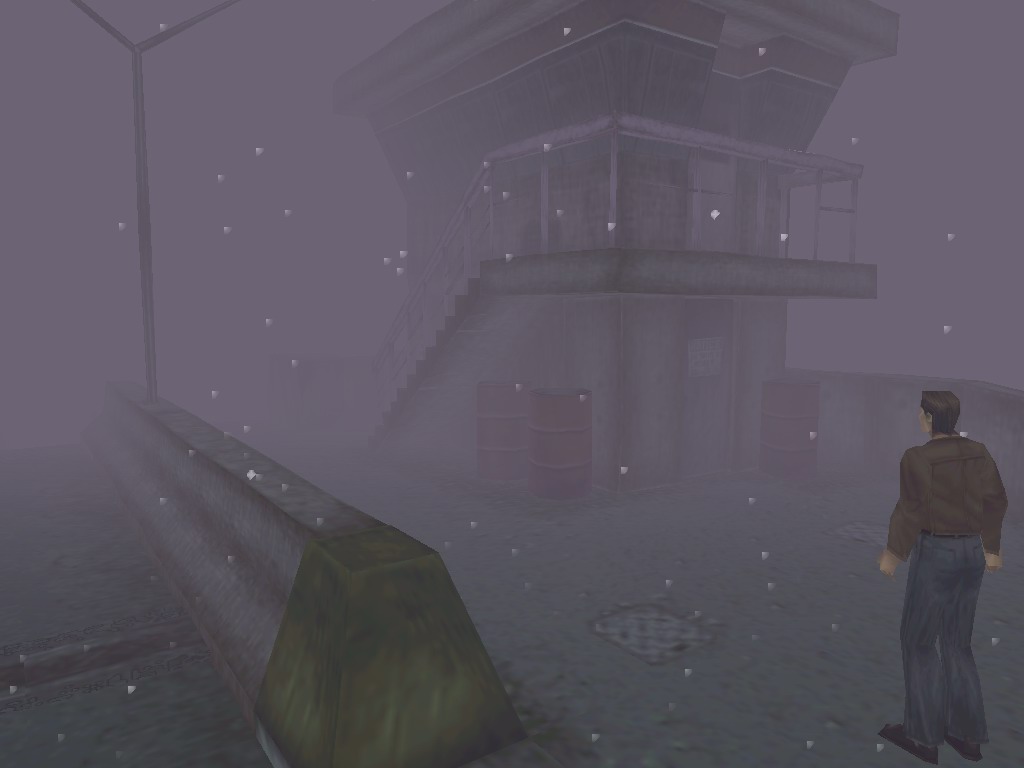
Horror and terror are not the same emotion. Horror is the shocking, revulsed feeling after witnessing a heinous event. Games like Resident Evil thrive on the sort of disgust caused by its horrifying mutants. Terror, on the other hand, the sense of dread and building anxiety when you know something awful is about to happen. It’s the deep-seated instinct meant to warn you that something is wrong and that you are in danger, even if you can’t see it yet. Terror is the focus of Silent Hill. The thick mist covering the abandoned town, the static of the radio, the disquieting music; everything about the game puts you on edge.
Silent Hill begins with a car crash on a wooded road in the fog. Harry Mason wakes up in a small-town cafe, separated from his young daughter, Cheryl. It’s immediately apparent that something strange is happening, as there are no residents in the town other than the policewoman who rescued him. Harry sets out to explore the town shrouded in fog, with ominous craters blocking the roads and bizarre monsters stalking him.
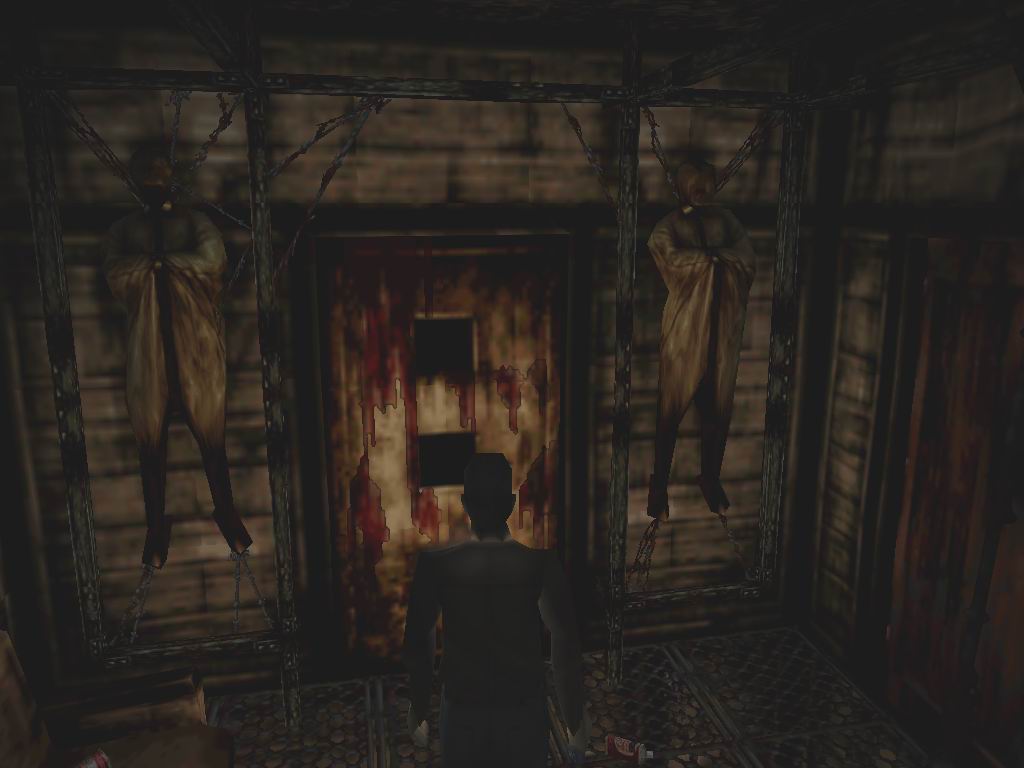
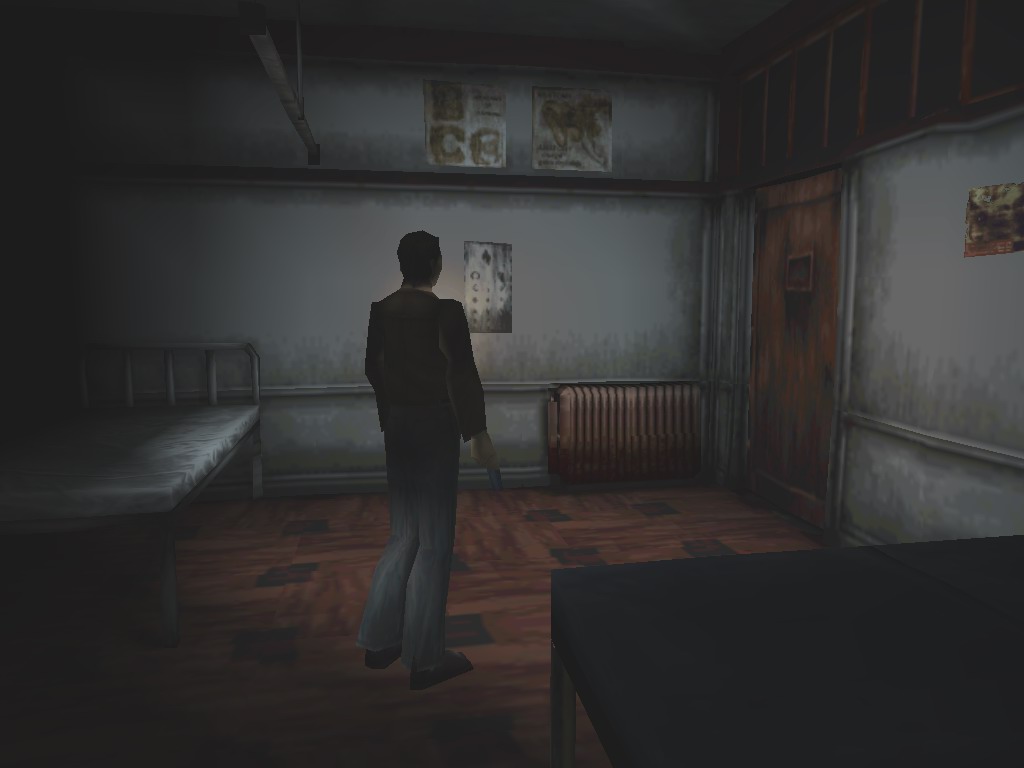
As you progress through the game, you uncover hints as to the cultish conspiracy that has engulfed the town. Demonic symbols are scrawled on the ground and riddles are scrawled in blood on the walls. The few residents that remain whisper of the occult and insinuate sins that swallowed the sleepy town. You track Cheryl to the school, the hospital, the amusement park, and through the eerie streets. The world transforms into a nightmarish reflection of itself, filled with rusty and grimy metal surfaces. The metallic tinkling footsteps and distorted, echoing music is deeply disquieting.
The story of Silent Hill is solid, especially when compared to its contemporaries such as the early Resident Evil games. The supernatural world and psychological horror are so much more compelling than straightforward zombie or monster plot. You intrinsically know that something is deeply wrong with the town, and there is some connection to Cheryl. The locations you visit seem to indicate traumatic memories, despite never having been to the town before. Every aspect of the game is disturbing and atmospherically oppressive.
At its core, Silent Hill is a survival horror game. You explore the world, collecting resources such as health packs, ammunition, weapons, and items to solve puzzles. The streets are filled with enemies such as rabid dogs, flying leathery screamers, and knife-wielding ghouls. There are far more enemies than there are bullets, meaning you will have to think carefully when you want to fight back and engage the enemy. The game encourages the use of melee weapons such as crowbars and sledgehammers to conserve ammo, but it forces you to get up close to the monsters, risking damage or being overrun with multiple enemies.
While the individual enemies are somewhat easily avoided, there’s a constant anxiety due to the scarcity of resources. Moreover, the game’s visual and audio design further cause unease. The thick fog obscures your vision; you can’t see more than a few feet in front of you. You have a radio that emits static when an enemy is nearby. You know that there are enemies all around you, but you can’t see them. You have to roam the town filled with dead-ends and maze-like corridors with the persistent knowledge that monsters are right outside your field of vision. The anxiety is further heightened by the distorted and disturbing soundtrack constantly thrumming in your ears.
Silent Hill also contains a handful of cryptic puzzles. These are woven into the themes of the game by using occult symbols, macabre visuals, and strange riddles. These are much more cerebral than the lock-and-key puzzles featured in the early Resident Evil games. You have to discern meaning from seemingly nonsensical texts. While I do enjoy these kinds of puzzles, there was one in particular that I thought was very tricky to work out with many different ways that the hint could be interpreted.
The thing about playing older games like Silent Hill is that you have to be prepared for some clunky controls. Moving around 3D spaces was still in its infancy, and control schemes were not universal. Silent Hill utilizes tank controls, making movement a bit clumsy if you aren’t used to having to rotate to move in different directions. Luckily, the camera does follow the player quite a bit, making it a bit easier to deal with the movement rather than the jarring transitions of the fixed camera angles from Resident Evil. Still, the tank controls are a relic of the past that can be tricky to deal with.
Silent Hill is the terror counterpart to the horror of Resident Evil. Instead of zombies and gore and bombastic action, there’s a thick fog, static-filled radio, and cryptic riddles scrawled in blood. It’s an incredibly unsettling game, and every decision was made to achieve that goal. It has an uncanny ability to unnerve and cause panic with its masterful atmosphere and hellish soundscape. Despite its age, Silent Hill is a piece of art. It is the video game manifestation of a nightmare.
You stumble across a dusty cardboard box in an abandoned storage unit, inside is a retro video game console along with 50 games from a company you’ve never heard of. That’s UFO 50. A collection of 50 retro games from an alternate universe, each showing the progression of the fictional developers UFO Soft. The games range from platformers, to sports games, to fighting games, to shmups (shoot-‘em-ups), to puzzle games, to strategy games, each with a unique twist or gimmick. The real developers of the UFO 50, Mossmouth, claim that these are retro games with modern design sensibilities, which I think is a perfectly apt description.
Retro games are notoriously difficult and are oftentimes clunky to play. UFO 50 does a fantastic job at maintaining a reasonable level of difficulty without making these games frustrating to play. Many of the games in the collection have slow movement, punishing mechanics, or initially uncomfortable control schemes. But it doesn’t take long for each title to click, and once you figure out how to play the smart design begins to unveil itself.
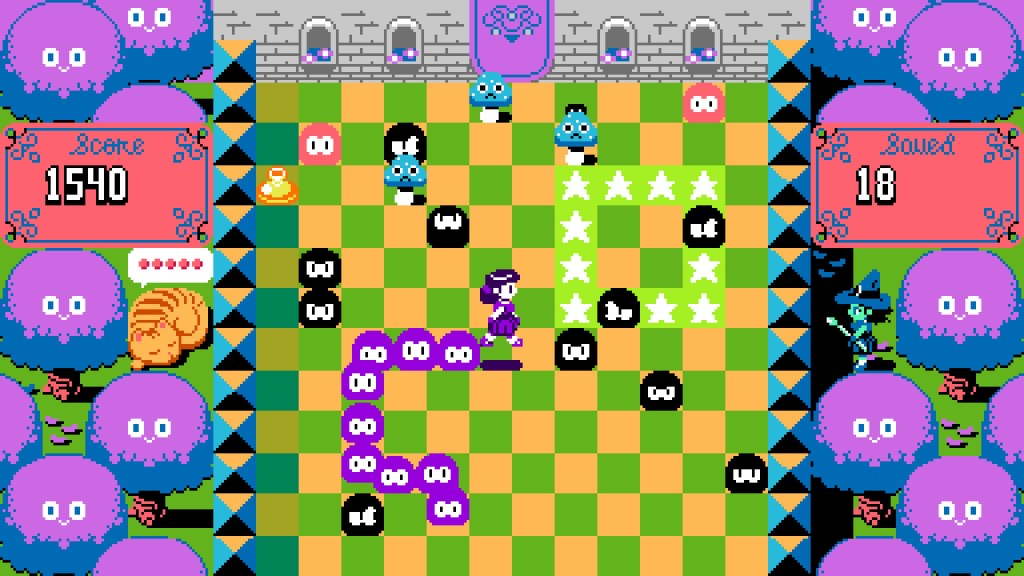
Each game in the collection has something that makes it stand out. There’re no straight up clones of actual retro games, although some of the games do feel at least inspired by classic titles. Take one of the earlier games in the collection for example, Magic Garden. It takes elements from Snake and Pacman as you lead friendly slimes to safety and use power-ups to clear out evil slimes. But Magic Garden is its own game, shepherding slimes to the scoring zone and collecting power-ups has intricacies as you are encouraged to take risks and let a ton of slimes occupy the board before chaining together multiple power-ups for an exponential score increase. There’s an edge of risk and reward if you want to maximize your points.
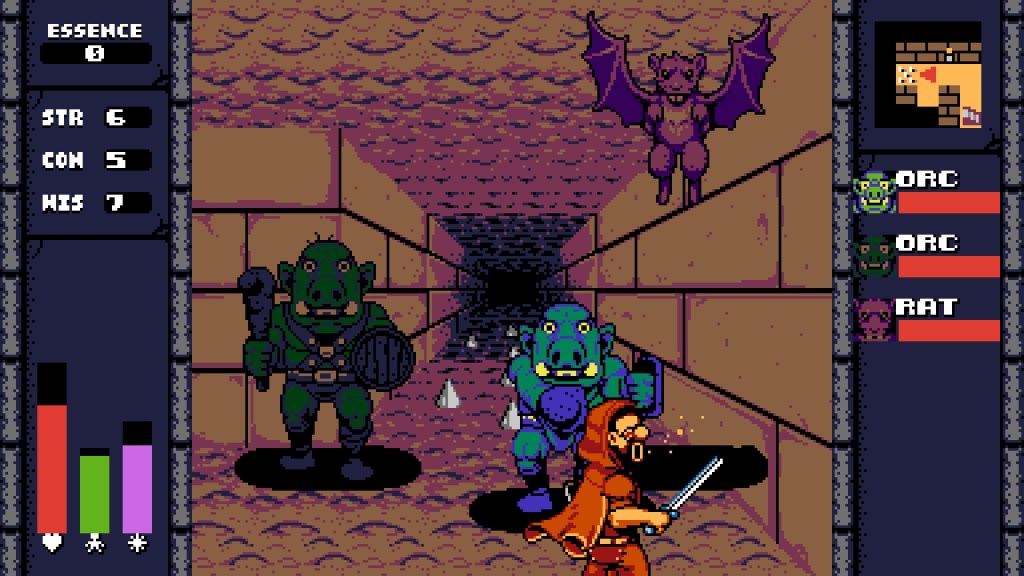
There’s an absurd level of variety available in UFO 50. I’m extremely confident that there is a game in the collection for everybody. And for $25, you really can’t go wrong. And don’t think that these are just short little arcade games either. There are fully fledged RPGs and metroidvanias that take hours to complete. Many of these titles could easily be standalones. Mini & Max for example is a genius little metroidvania in which you try to escape a supply closet by shrinking down and exploring the shelves and talking to the micro-civilizations that are invisible to the naked eye. Grimstone is a turn-based RPG that is over a dozen hours from start to finish. You could play UFO 50 for 100 hours and barely scratch the surface. If you truly want to 100% complete the collection, you are looking at 300ish hours. Personally, I have not clocked even remotely close to that number but this is a game that I am planning to play and revisit for a long, long time.
A smart decision was made to give every game some reasonable milestones to achieve. Every game has a simple challenge to earn a “gift” which goes into the little house on the console which is cute. You earn a gold trophy for beating each game. And you can earn the “cherry” by completing whatever additional challenge there is after completing the game, usually this is getting a high score or something along those lines. I think these tiers of achievements makes every game more approachable and presents attainable goals as you slowly get better at each game.
I loved the dedication to the fictional company of UFO Soft. Each game has a short blurb about its development and it’s fun to recognize the fictional names of the developers in the credits of each game. There’s a handful of sequels across the collection, and I enjoyed the references to the company’s other games as I played. It was interesting to watch UFO Soft evolve in design and technology. It was a brave decision by Mossmouth to have the first game in the collection be Barbuta, an esoteric metroidvania with no music, no color, painfully slow movement, unfair traps, and no quality-of-life features. But it was the perfect origin to the UFO Soft mythos. A game developed by a sole employee with extreme technical limitations and no game design experience. Following the evolution of UFO Soft is a journey of its own, and there’s a layer of secrets to be discovered for dedicated players.
The presentation of the collection is fantastic the whole way through. Mossmouth had to make sure every game fit its respective era and chronological place in the collection. All the games look good for being retro games and have distinctive designs and characters. But what I really want to highlight is the music. Oh my god. There are so, so many excellent tracks in this game. In the alternate universe where UFO Soft is real, I could easily see these tunes being as memorable as classics like the Super Mario Bros theme is to us.
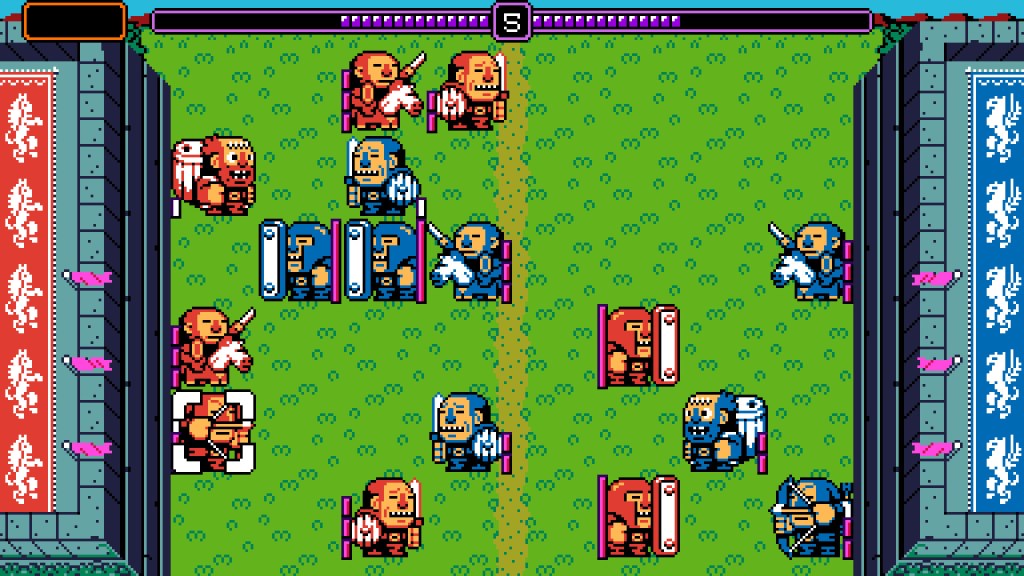
I think that the size and breadth of the collection is the greatest strength and weakness of UFO 50. While it is exciting to boot up the game and choose from 50 games, not having to commit to any given game, I also found myself treating each one as disposable. Since the games are difficult and often have unconventional control schemes, I found it very easy to not give each game a fair chance. Dusting off a cartridge and playing for 5 minutes before exiting and trying something else was a common occurrence initially. After noticing this pattern, I forced myself to try to give every game more attention. I’m still working through the majority of the collection, but I am glad that I slowed down to really appreciate each game. The downside is that some of the games never do click, even after putting time into them. Planet Zoldath and Combatants are examples of games that I think are just not very good.
Since I think that it can be a bit intimidating to know where to start with such a massive collection, I wanted to share some of my favorite games that I’ve played so far. While part of the beauty of UFO 50 is that everyone has different favorites, I did want to highlight these five games. Hopefully these suggestions can give you some options to try if you have trouble choosing where to begin.
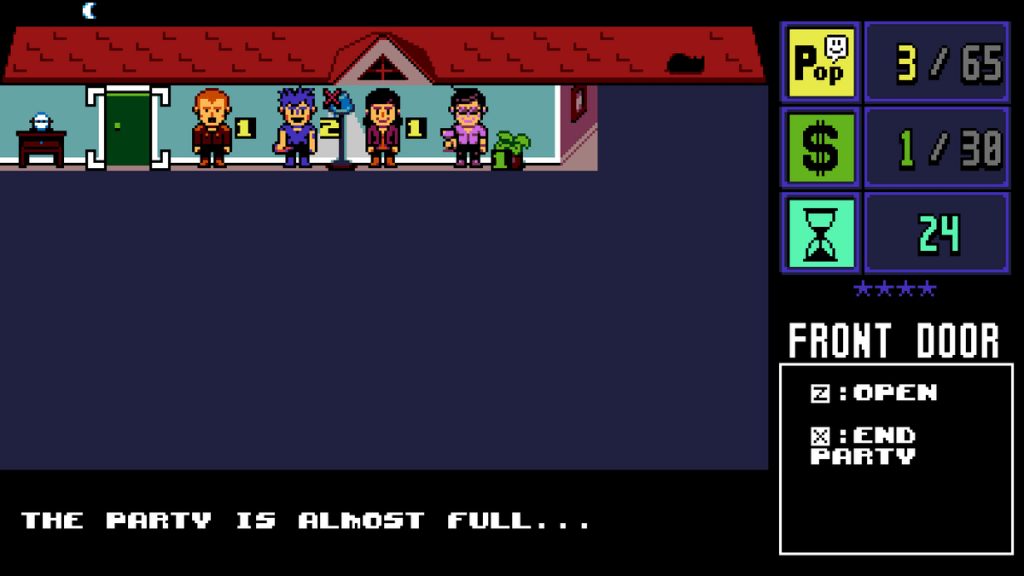
Party House is the first game in the collection that really clicked with me. It’s a deck builder where you are trying to throw the ultimate party. By spending popularity to add new guests to your rolodex you try to accumulate more popularity and cash every night. After 25 nights you have to have 4 “starred” guests attend your party to win. There’s a good amount of decision making involved, but what makes Party House interesting is its “push your luck” mechanics. Troublemaker guests typically earn more popularity and money, but more than two of them at once will cause the cops to show up. And there’s also the decision of when to stop spending popularity on normal guests and when to start acquiring the “starred” ones. There’s a lot of delicate choices to balance, and Party House is a ton of fun.
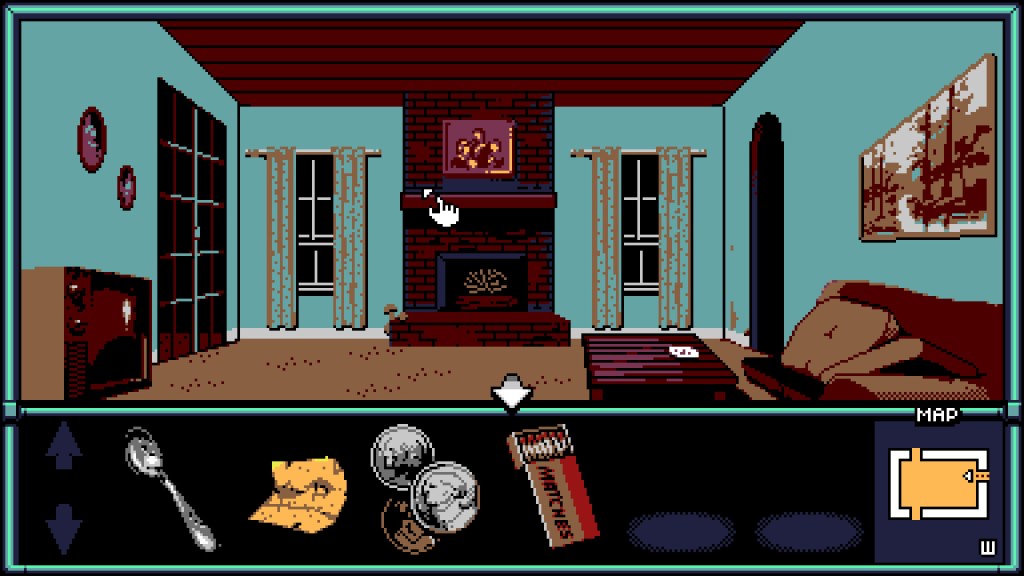
Night Manor is a point-and-click horror game that takes place in a disarrayed mansion filled with trash and fungus. You have to figure out a way to escape while avoiding the zombie-like man infected with fungus who is hunting you. If you run into him, your cursor jitters to simulate the terror your character feels, making it harder to click on doors to escape as he chases you through the manor. Old point-and-click games often have moments of ridiculous leaps in logic, but Night Manor avoids this with its puzzles. I found that everything made sense and I couldn’t put the game down until I played through the whole thing over the course of a few hours. There’s also a story to uncover through notes of what happened at the manor which was fun to discover.
Seaside Drive is a stylish shmup, but you can only move left and right as you drive your car down the road. As you dodge projectiles and enemies you have to move back and forth quite a bit to keep up your meter. You build up charge by skidding to the left, and expend charge by shooting and driving right. The higher the meter, the more damage your shoots do. I love this game because it seems crazy difficult at first, but I quickly learned how to maneuver and overcome the challenge. It’s so satisfying to clear the stages that were giving you a hard time without getting hit at all. Seaside Drive also has incredible aesthetics and one of my favorite songs in the whole collection. It’s a slick, stylish, and fun to play shmup with perfectly tuned difficulty.
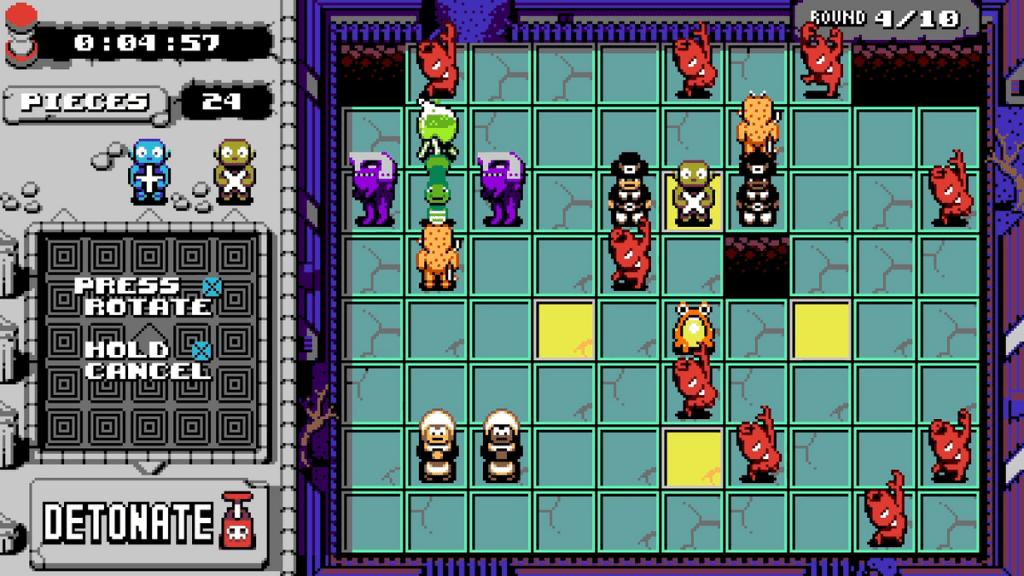
Devilition is my favorite puzzle game of the collection that I’ve played so far. A grid is filled with villagers and demons and you have to place pieces that kill the demons. The twist is that your pieces have to act like a chain reaction, each one can only be set off if hit by another. You have to keep track of what pieces you’ve placed and how to connect the chain. There’s 10 rounds and any pieces that you don’t use carry over to the next round, encouraging you to be efficient in your placement. I enjoyed watching the Rube Goldberg machine go off and clear the demons off the board as I prayed that I didn’t mess up and miss a crucial link in the chain.
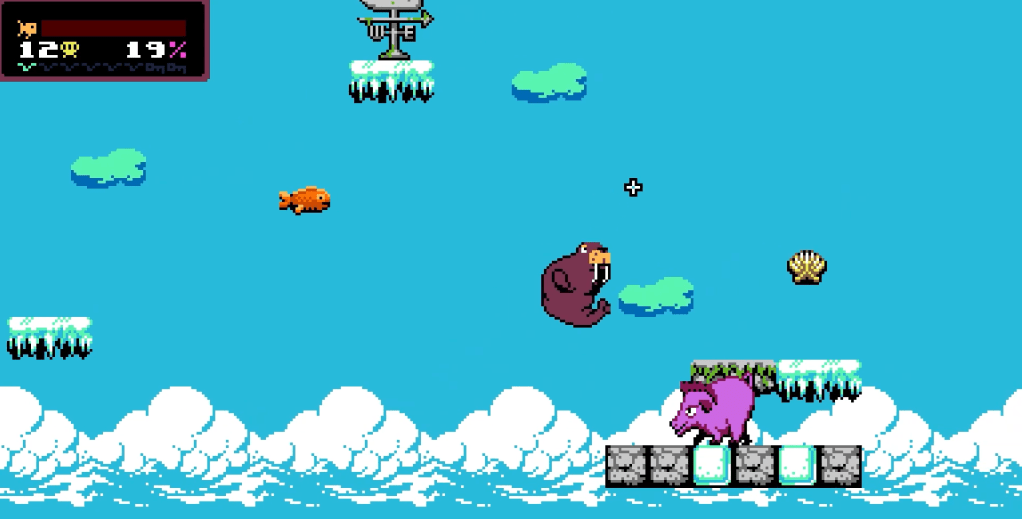
Waldorf’s Journey is a platformer that takes place entirely within the dream of a walrus. It’s reminiscent of a golf game as you charge up and launch Waldorf the walrus across gaps and try to precisely maneuver him to land on tiny patches of ice. You really have to master the momentum as you use your flight meter to propel Waldorf forward. It’s tempting to fly as far as you can on every jump, but it becomes incredibly difficult to slow down enough to safely land. There’s a few different power-ups and items to help you along as you inch towards revelation at the end of the dream. I also love the visuals, music, and minimalist story in this game as well.
I think UFO 50 is a game that I am going to be playing for the rest of my life. Or at least for a very long time. The breadth and depth of this collection is unmatched. After dozens of hours played, I’ve barely scratched the surface of what UFO 50 has to offer. The fictional history of UFO Soft ties the whole thing together beautifully. It is for these reasons that I give UFO 50 a 9.5/10. UFO 50 is a paradise for fans of retro games with its dedication to melding retro gaming experimentation with modern design considerations.
Turn-based RPGs are often some of the longest video games that exist. They can easily exceed dozens of hours, if not hundreds. I’m often put off from many of these games as I feel they are bloated with repetitive content and grinding. But Super Mario RPG is the rare case of an RPG that went in the opposite direction. It’s an intentionally short and sweet experience. You move so quickly through the zones and dungeons that there’s no chance to be overcome by tedium. It’s a game that relies on novelty rather than a grandiose story and scope.
Super Mario RPG is a wacky game. There’s plenty of goofy characters, ridiculous situations, and slapstick comedy. While many RPGs focus on slowly building up an ever-escalating story, Super Mario RPG moves at a breakneck pace through silly scenarios and never gets tiresome. A giant sword has fallen from the sky and destroyed Bowser’s castle and the army of sentient weapons is threatening to steal all the Star Pieces to prevent any wishes from coming true. It’s not a super engaging story, but it is helped by the characters.
There’s a ton of unique characters introduced in Super Mario RPG, the main ones being Geno and Mallow. Geno is a stalwart spirt from space that inhabits a wooden doll, while Geno is a young emotional cloud who was adopted by the Frog Sage. Bowser also gains his signature braggadocious personality as he assists Mario and company on their journey. While the story itself won’t keep you on the edge of your seat, the characters and their goofy interactions makes the adventure far more charming. After playing this game, I hope that Nintendo allows future RPGs set in the Mario world to create new characters, as that bizarre decision something that has been holding back the Paper Mario series for years.
The biggest strength of Super Mario RPG is just how snappy everything is. From the story, to the progression, to the battles. The battles in particular are a blessing. First and foremost, there are no random encounters. You can just walk past enemies that you don’t want to deal with. Despite being turn-based, the battles themselves are remarkably fast-paced. Animations and text boxes are snappy, health pools aren’t overinflated, and there isn’t too much fanfare that slows things down. I often get in and out of the easier encounters in 30 seconds to a minute.
Thankfully, this is not a game that you have to grind for experience to complete. I found that I naturally gained plenty of levels and equipment from just playing normally to beat the game. The game is definitely on the easier side, the only major hurdles are the bosses. I enjoyed the simplicity of basic bosses but I also appreciated when I had to use a little more strategy during the elongated boss fights. The combat is fairly basic, but I appreciated the simplicity of straightforward attacks and abilities.
One aspect that I enjoyed about combat in Super Mario RPG is that it is interactive despite being turn-based. By timing button-presses during tight windows of opportunity during animations you can increase your own damage or block damage from enemy attacks. I liked learning all the timings for the different weapons, abilities, and enemies. The game has a system that hints towards the correct timings if you miss it too many times, but the hint goes away once you start succeeding again.
Progressing through the game is absurdly fast. The game is maybe 12-15 hours long, but it’s crazy how many areas they crammed into the game. I never got exhausted in any zone as they just went by so fast. Every area has its own little story and characters like a typical RPG, but it doesn’t drag anything out. I think this is mostly to the games benefit, but some of the areas and towns I would have liked to spend a bit more time in. It’s hard to really get invested in any of the side characters, stories, or areas when you only spend 30 minutes to an hour there. Still, I’d rather be left wanting more than feel exhausted at the end of a game.
My only major complaint about Super Mario RPG is the janky mini-games and platforming. Many of the game’s side activities are mini-games such as Yoshi racing, minecart riding, or drifting down a river in a barrel. I think all these are all wonderfully fun ideas, but I never quite got a hang of them. They often feel like they go on for far too long and have underwhelming rewards. Anything platforming related in particular just felt awkward do the camera angles.
I never played the original Super Mario RPG: Legend of the Seven Stars that this game was based on. However, from what I can tell Super Mario RPG is a fairly faithful remake. It added a lot of quality-of-life features like more frequent saves and being able to quick-swap party members. Additionally, the player has access to powerful special attacks after filling up a gauge as a reward for successfully timing attacks and blocks. I will say that while all these features are nice, they do make an already pretty easy game even easier. Personally, I didn’t mind the easier experience but perhaps more hardcore RPG fans might be let down by the lack of challenge.
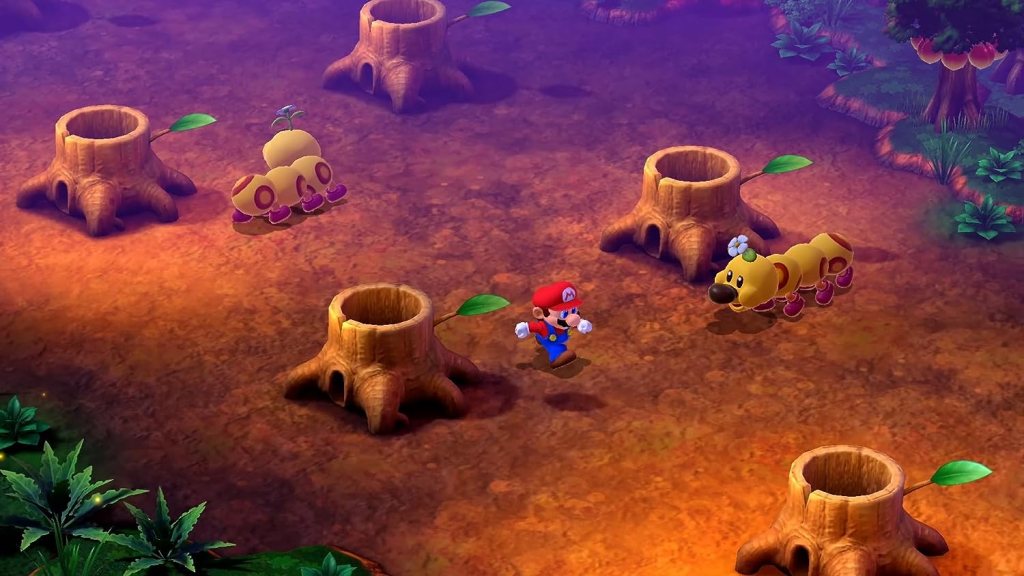
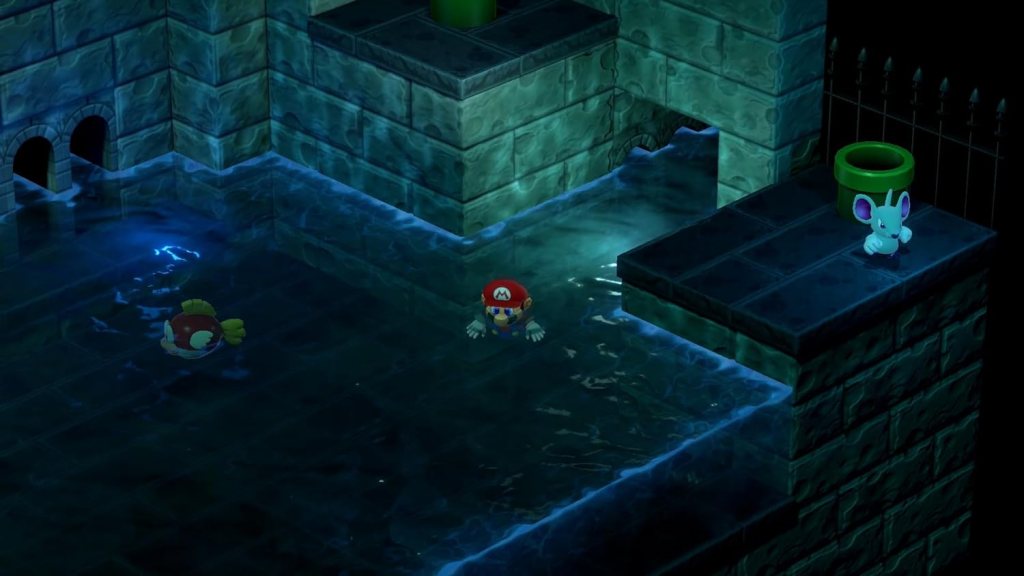
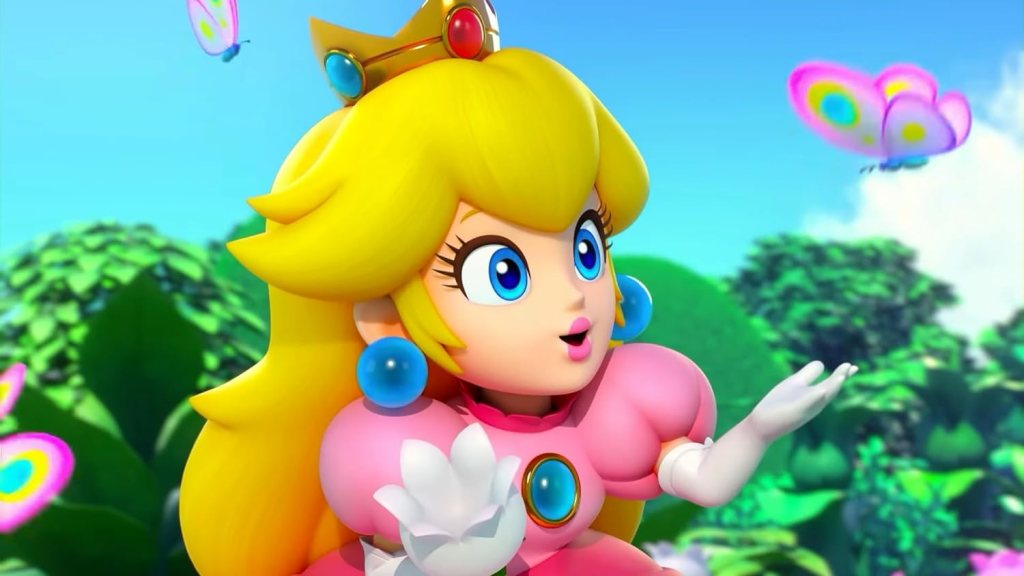
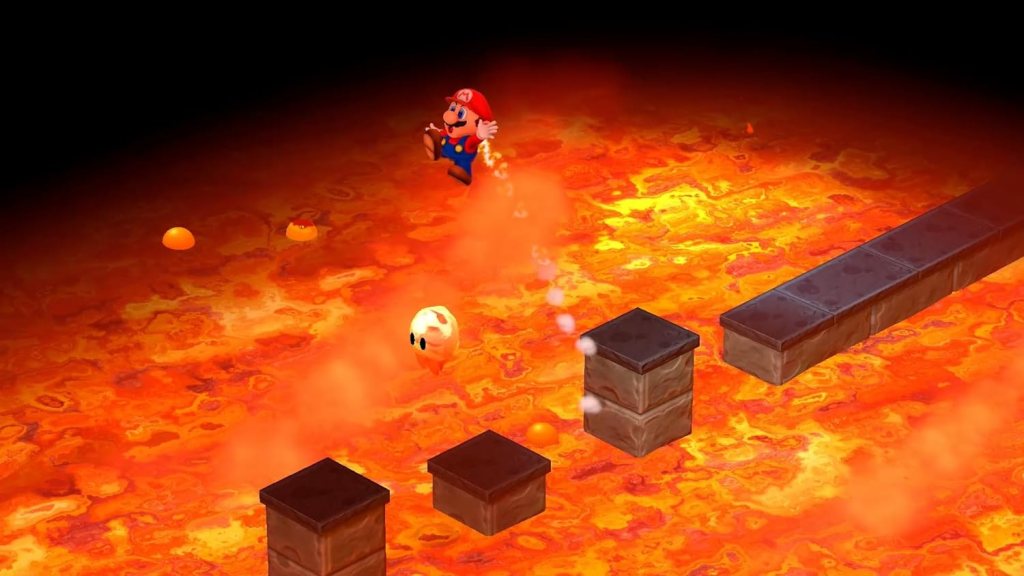
Aside from the quality-of-life updates, the most important change that the remake made was to the visuals. Super Mario RPG does a phenomenal job of modernizing the original art style while keeping its toy-like feel. The games vibrant visuals and bright color palette make it feel like a wonderland. There’s also a handful of cutscenes in the same style that look great.
Overall, I was pleasantly surprised by Super Mario RPG. It was a rollercoaster of goofy characters and classic environments. It’s not an RPG that you should reach for if you want a crazy story with twists and turns, but its smaller scope lets it speed through content at a breakneck pace. It goes to show that not every RPG needs to be a hundred hours long and that people can appreciate a more concise adventure. It is for these reasons that I give Super Mario RPG an 8/10. It’s not a grand adventure, but it is a fun one.
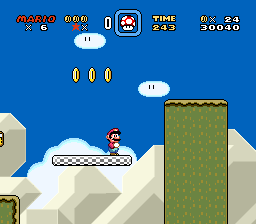
My earliest memories of playing video games were sitting in the back of the car on a road trip playing Super Mario World on my Game Boy Advance. While I hold more nostalgia towards GameCube games like The Legend of Zelda: The Wind Waker, Metroid Prime, and of course Super Mario Sunshine, there’s something about Super Mario World that is special to me. Surprisingly, I have never revisited the game over the years, but after replaying it recently I was blown away with how excellent it was. Many games from its era are dated, overly difficult, and hard-to-control relics that are better left in the past. But Super Mario World is a joyful masterpiece.
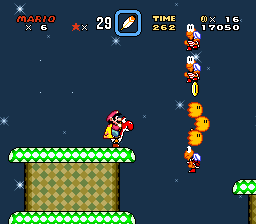
Everything about Super Mario World exudes charm and personality. Being the launch title of the SNES, it made use of the expanded color palette and sound system. There’s a plethora of enemies and characters, each wonderfully designed to fit their environment and taking on personalities of their own. Super Mario World was Yoshi’s first appearance, and there’s a reason why everybody loves Mario’s dinosaur companion.
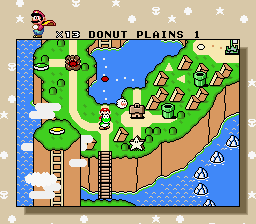
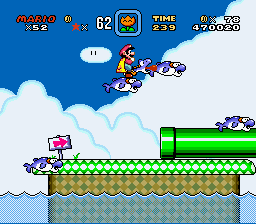
Yoshi is now an iconic character, and much of that can be attributed to how integral he was in Super Mario World. The game takes place in Dinosaur Land, the home of all different kinds of Yoshi. Mario travels from section to section, comedically toppling castles and rescuing Yoshi eggs. The world itself is vibrant, colorful, diverse, and full of secrets. While each world has an overall theme, the levels themselves also distinct archetypes. There are traditional levels, underwater adventures, fast-moving contraptions with ropes and saws, castles with lava and deadly smashers, and mysterious ghost houses. This variety keeps things fresh and avoids the repetition that may come from themed worlds.
Another aspect that really sets Super Mario World apart from its predecessors is how it handles secrets. While early Super Mario games did have secrets within levels, you could only hope to get some coins, a 1-Up, or to find a Warp Pipe to let you skip to future worlds. Super Mario World instead focuses on secret exits that reveal hidden levels. Finding all the secret levels is a great motivator for exploring and engaging with stages instead of blazing towards the finish line.
These secret levels make the overworld of Super Mario World feel more interconnected. Secret levels can open up alternative paths through the world, which is a great reward for discovering hidden exits. Moreover, there are five routes to Star World, which acts as a central hub that makes it faster to travel around the map.
For being an early SNES title, I was surprised with how smooth the gameplay was. The controls are fantastic as they balance precision and the momentum-based movement that Mario is known for. In the early Super Mario games, Mario would have a hefty amount of momentum, making precise jumps more difficult. While momentum is still present, it does not feel like you are slipping around on ice at all times anymore. Super Mario World is easier than its predecessors because of this, but I wouldn’t say the game is a pushover either. There are plenty of more challenging levels that will test your mastery of platforming.
The biggest strength of Super Mario World is its simplicity and charm. It makes full use of the expanded color palette and music capabilities that the SNES offered. It’s easy to take these things for granted today, but at the time Super Mario World was so much more vibrant, colorful, and visually pleasing than other games. The levels are absurdly creative, making use of a huge variety of enemies, obstacles, and settings. Every single level is memorable for its own reason, and there was not a single level that I disliked. Not to mention the music from Koji Kondo is masterful as always. The catchy and famous main melody of the game is frequently reused in recognizable but unique ways depending on the level’s setting. An echoey version is used in caves, a slower-tempo and grandiose version is used in castles, the athletic piano version that we all know as quintessential Mario is used in the obstacle courses.
While Super Mario World may seem simple by today’s standards, it set the gold standard for platformers going forward. It’s just pure fun to explore the levels, uncover secret bonus levels, and master the movement and courses so you can speed through. The vibrant visuals, memorable music, imaginative environments, and clean controls make Super Mario World the purest kind of game. It’s a classic game that has aged gracefully, and its one that everyone should experience.




 stephensopinions