Super Mario Bros. Wonder (2023)

We’ve waited nearly 30 years for the redemption of the 2D Super Mario series. I always found it odd that the last truly notable entries in the series were the Super Mario World games while the 3D Super Mario series has thrived with masterpiece after masterpiece of creative genius. But finally, there’s a return to form with Super Mario Bros. Wonder. Forgive my choice of words, but Super Mario Bros. Wonder is a wonderland of joyous ideas and imagination. 
I don’t want to harp too much on the past, but I think context is important. The last four entries in the 2D Super Mario series have been labeled as New Super Mario. These titles have been criticized for being remarkably similar to one another and lacking any sort of major innovation. While being serviceable platformers, they lacked the magic that Super Mario is known for.

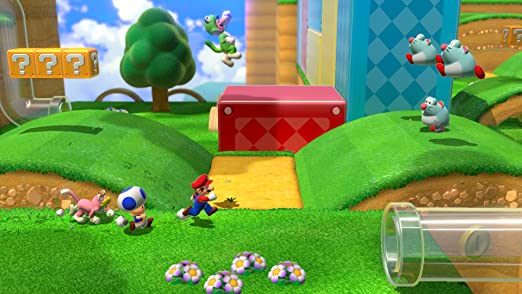
With Super Mario Bros. Wonder, the magic is back. There’s an unparalleled level of creativity on display here. Nearly every single level introduces a new idea. It doesn’t dwell on any single mechanic, but each one goes through a natural progression over the duration of a level. Whether it be a new enemy, new obstacle, or a new gimmick, Super Mario Bros. Wonder takes care to let the player safely interact with its ideas before amping them up. But as the level progresses that idea gets elevated and asks more of the player, and it culminates in a final crescendo: the Wonder Flower.  

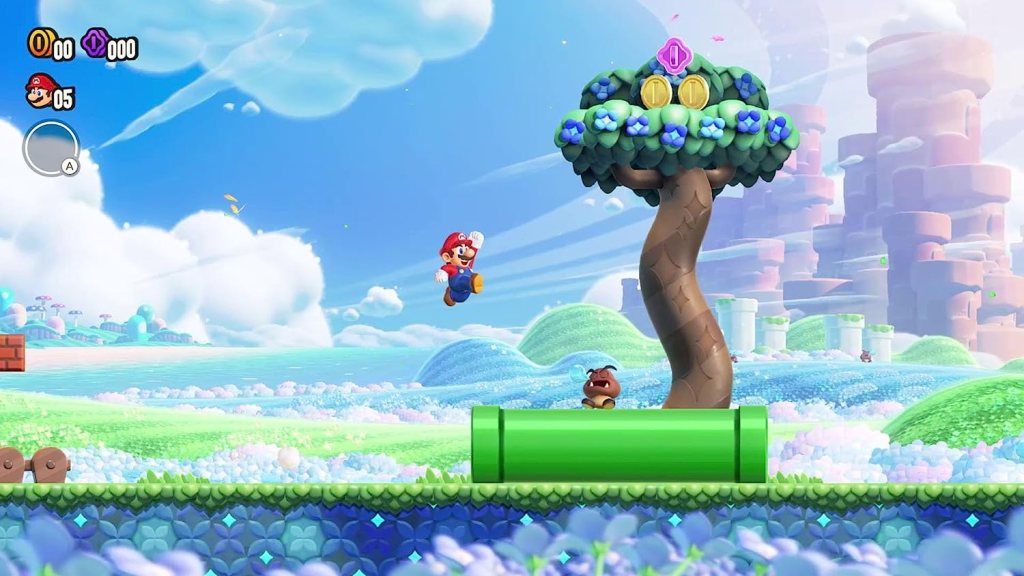
The Wonder Flower serves as the key mechanic in Super Mario Bros. Wonder. Every single standard level in the game has one, and they are wildly imaginative. Towards the end of every level, you can grab the Wonder Flower which transforms the level into something else entirely. Pipes come to life and wriggle around, Piranha Plants leave their pipes and sing, Mario turns into a fast-rolling ball of destruction, and that’s just the beginning. They are all wacky ideas that don’t fit in the classic Super Mario world that we know, but the nonsensical fun and unexpected surprise in every level is glorious. 

Super Mario Bros. Wonder is so jam-packed with creativity that it’s absurd. Just the base levels are plenty of fun on their own. Most levels introduce something entirely new to center its design around. And the Alice in Wonderland-esque nonsense that’s triggered when you grab a Wonder Flower serves as a bombastic evolution of the level with wondrous visual effects and marvelous mechanical switch-ups. I couldn’t wait to see what each level had in store for me, and I was always eagerly anticipating what the Wonder Flower would do next.
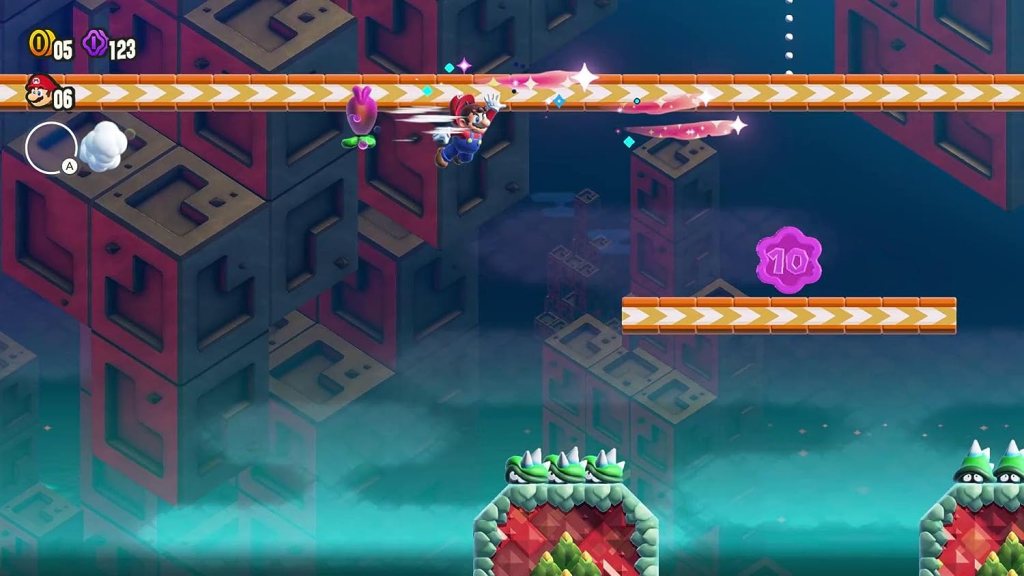
Apart from the level design, Super Mario Bros. Wonder lets the player express their own creativity with badges. You can equip a single badge to augment your abilities. Some of them provide simple passive bonuses like extra coins or a free power up, others give some additional abilities like being able to glide in the air briefly or get a small height boost when twirling. But there are also a few badges that majorly augment the way the game is played by having you bounce around like a spring, constantly run at high speed, or be invisible. I think the badges are fun options to mix up your abilities. They are never necessary outside of the occasional badge challenge level, which I appreciated. I stuck with a passive badge for most of the game as I felt the action badges would make the game too easy, but I appreciate that they exist for players who do want to have an additional ability. But I did love how badges were utilized for one-off challenges.

In between the non-stop barrage of creative levels there’s the occasional shorter bout. These can be combat focused K.O. arenas, short challenges utilizing badges, search party levels, a Wiggler race, or a celebratory break time. These are all fun little side missions to break up the longer courses. The badge challenges were my favorite as they serve as miniature training grounds to master using a specific badge. The only variant of these bite-sized levels that I didn’t enjoy were the search party levels in which the player has to probe the level for invisible secrets. I think these are meant to be played with friends, but as a solo player it leads to just a lot of jumping around for minutes at a time trying to find hidden blocks.
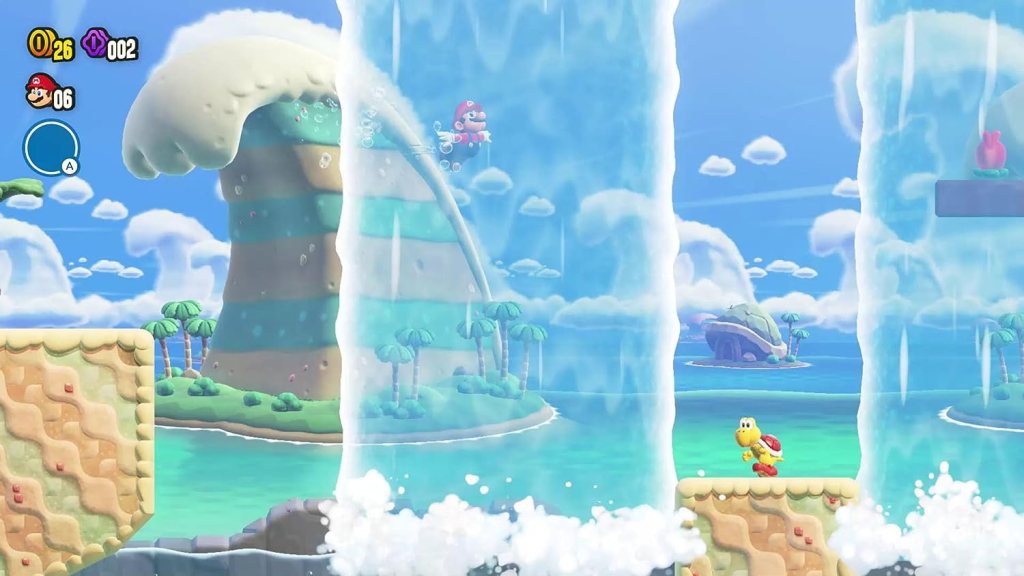
There’re only a few search party levels so it is not a particularly big issue. In fact, most of my complaints about Super Mario Bros. Wonder are very minor. I thought that the boss fights were a little underwhelming and could’ve made better use of Wonder Flowers. Additionally, while I enjoyed the themed overworld and searching for secret levels, I wish that more courses had secret exits like in Super Mario World. And the little flower guys that are in every level can be annoyingly positive and their plainly spoken English feels out of place in Super Mario

All of these gripes are minor. The only major thing that I would’ve loved to see in Super Mario Bros. Wonder was some more post-game content. There is a special world with some fantastic levels, but I wanted more of them. These levels were more challenging than the main campaign and often combined Wonder Flowers, badge challenges, and tricky design to make for some highly engaging levels. All things considered, if my biggest complaint about the game is that I wanted more of it, then that’s a pretty good indication of its quality.
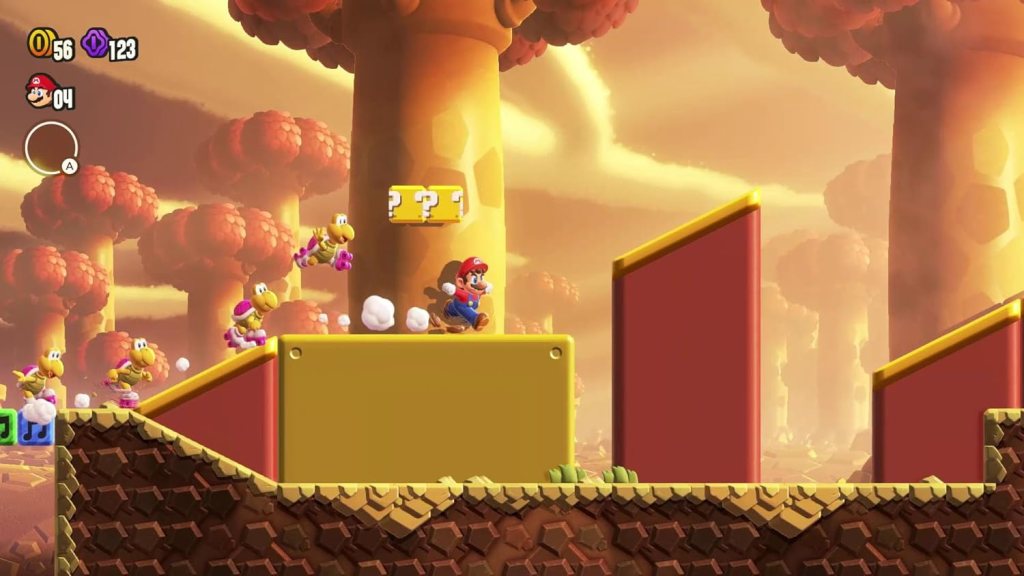
I was blown away with how consistently imaginative Super Mario Bros. Wonder was. It’s crammed with tons of brand-new ideas and tricks, and that’s before even touching the Wonder Flower. This is the first time in decades that a 2D Super Mario game has captured the magic, sense of joy, and creativity that oozes from its 3D counterparts. I just couldn’t put down this game, it was a platforming joyride the whole way through. It is for these reasons I give Super Mario Bros. Wonder a 9.5/10. If this is the direction for future Super Mario titles, I am ecstatic and am eagerly awaiting the next release.

A Short Hike (2019)

It’s not often that I play a game which causes me to reflect on how I perceive life. In a world where handheld dopamine hits are almost always available, it can be difficult to just appreciate the tranquility that comes from a simple walk in the park. It’s apt that a simple game like A Short Hike has reframed the meditative nature of moment-to-moment life for me. For what may appear to be an unremarkable game, there are some lessons to be gleaned about taking the time to appreciate what’s around you. At the very least, A Short Hike is a fantastic cozy adventure guaranteed to boost your mood.

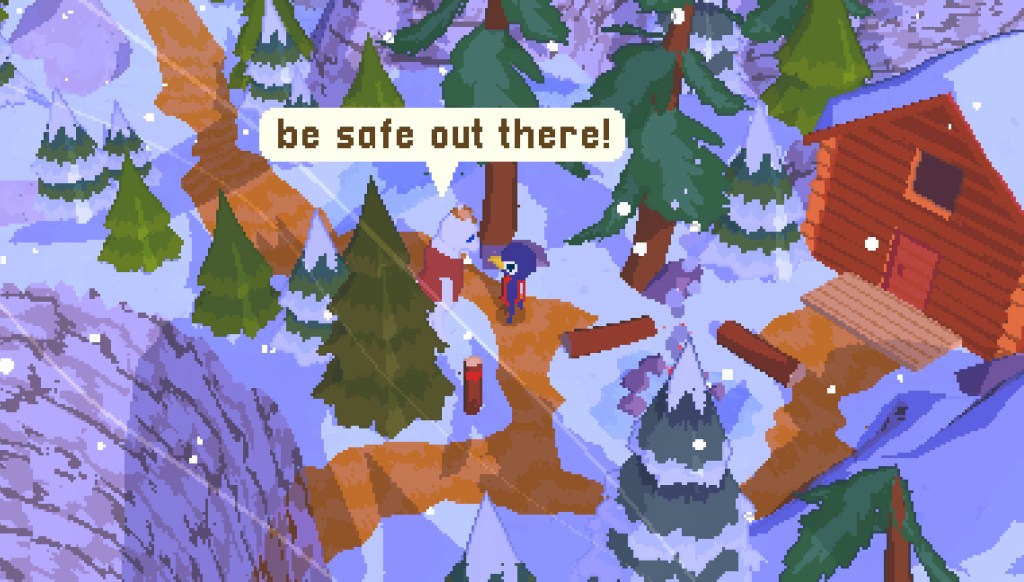
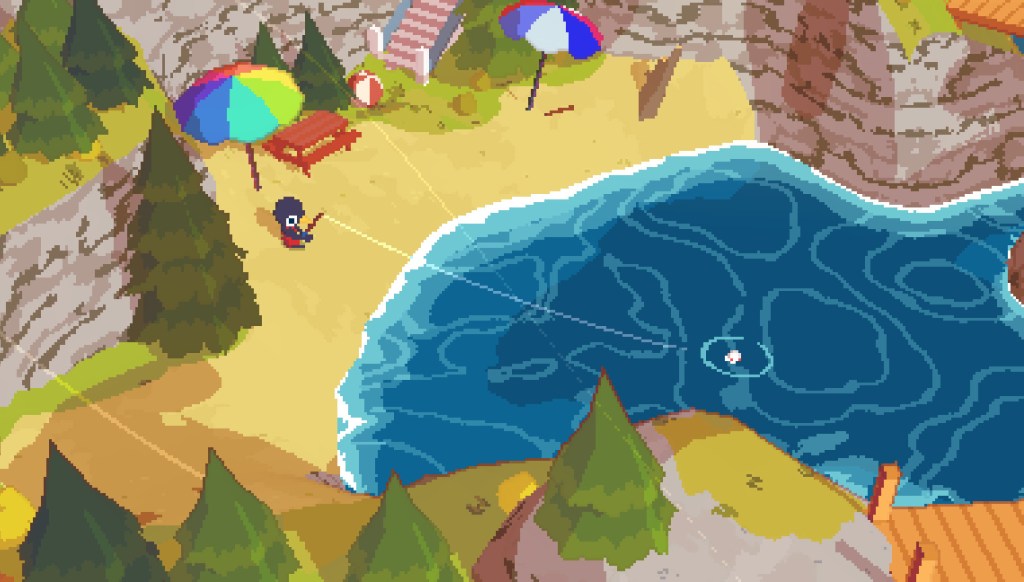
Like the title suggests, the goal of A Short Hike is to reach the peak of a mountain by hiking through some trails. The route is straightforward, and the objective is obvious. But it’s difficult not to stray off the path to explore and indulge in the homey island and converse with its wholesome inhabitants. You play as Claire, a young bird on a nature vacation. Gameplay consists of walking, jumping, climbing, and gliding to reach Claire’s destination of Hawk Peak.

The trek to the summit is meant to be taken at your own pace. A Short Hike is certainly not a difficult game. Aside from some light platforming, gameplay almost entirely insists of exploration. I found myself consistently deviating from the path to experience each area of the island. There are secrets, mini-games, beautiful views, and charming characters to converse with. I quite enjoyed the laidback nature of the game. My favorite aspect is that the exploration is almost entirely driven by the player’s own motivation.

While there are Golden Feathers to be found which act as additional stamina, I was far more interested in spending time in this adorable little world than rushing to the peak. If you really wanted to you could easily dash up the mountain, collecting only the requisite Golden Feathers and ignoring all the other extraneous activities. But I would find it sacrilegious to bypass all the alluring goings-on of Hawk Peak Provincial Park. I loved assisting the characters, playing the made-up game of Beachstickball, going on treasure hunts, or just gliding and taking in the sights. And it all culminates in a heartwarming conclusion.

While A Short Hike is by no means a revolutionary game with an abundance of new and groundbreaking ideas, I love it nonetheless. Other cozy and wholesome games such as Animal Crossing: New Horizons and Spiritfarer are often driven by extrinsic motivation such as unlocks and rewards for completing tasks. A Short Hike relies almost entirely on intrinsic motivation, the satisfaction from doing something just for the sake of doing it. There’s an important lesson here that is paralleled in real life. Not everything needs to be tied to rewards or immediate gratification. It’s often imperative to slow down and enjoy the scenery, literal or metaphorical.

When I downloaded A Short Hike, I expected a quick jaunt up a mountain. What I didn’t anticipate was the profound reminder to appreciate life’s simple pleasures. I was prompted to slow down and just enjoy things for the sake of it. While A Short Hike is assuredly not innovative, I cannot recommend it enough. It’s a refreshing, cozy, and heartwarming adventure that everybody should experience.

Ori and the Will of the Wisps (2020)

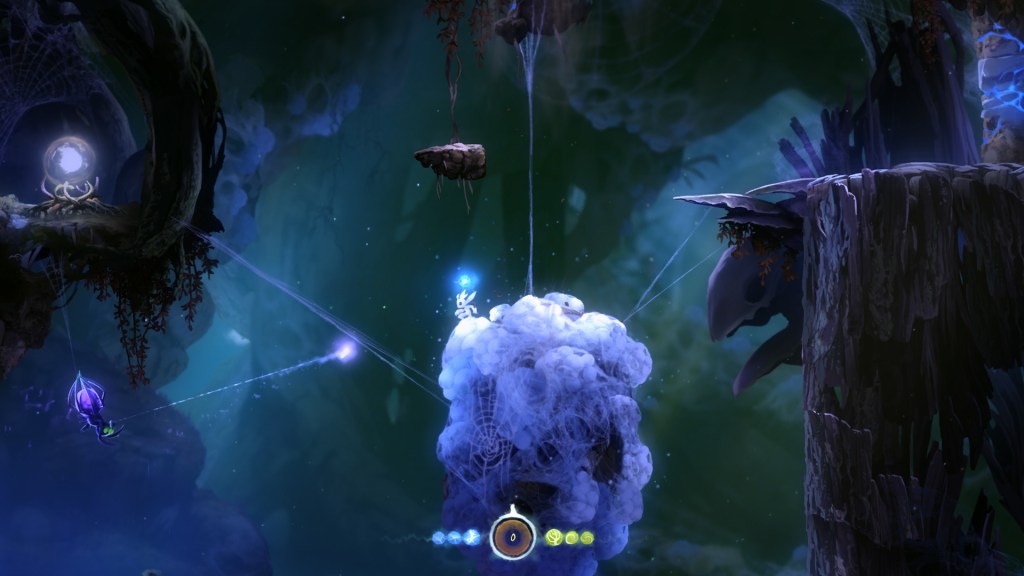
Ori and the Will of the Wisps is a rare case of a sequel that not only improves upon its predecessor, but also maintains the identity of the original. There’s no denying that Ori and the Blind Forest was an excellent game that influenced the indie industry. However, it had a few quirks like its saving system and underwhelming combat that could definitely use some improvement. Not only does Ori and the Will of the Wisps accomplish this, but it also establishes its own uniqueness that blends beautifully with what came before.

Taking place in a new land, Ori and the Will of the Wisps is remarkably similar to Ori and the Blind Forest narratively. The world that you inhabit is dying, as the light of the forest has been snuffed out. While Ori sets out to rescue their companion and restore life to the forest, a villain is intent on maintaining the darkness. Honestly, I was a little disappointed with how beat-for-beat Ori and the Will of the Wisps follows the original game in its narrative flow. Fortunately, Ori and the Will of the Wisps makes up for this with an abundance of charm.

I’m a sucker for a good hub in any game. Delfino Plaza, the Normandy, Firelink Shrine, Peach’s Castle, I love when there is a cozy space that feels like home. One that evolves and is bustling with characters. Ori and the Will of the Wisps has its own central hub of Wellspring Glades. This town serves as a safe-haven and last refuge for the creatures of the forest. As you resolve quests and spend resources, the town begins to become an active community full of life. I absolutely loved spending time in Wellspring Glades, and I was driven to restore the town and make it thrive.

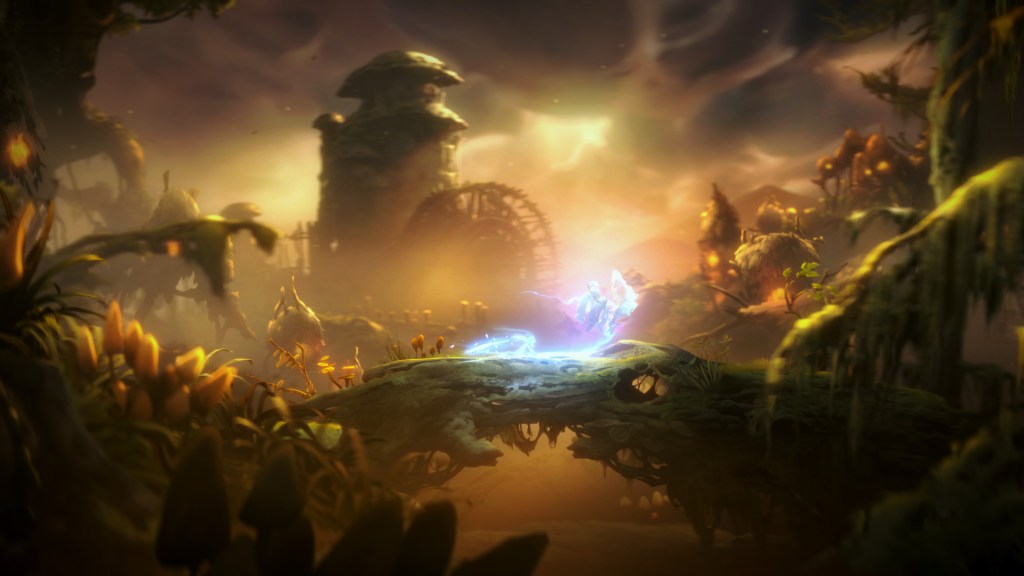
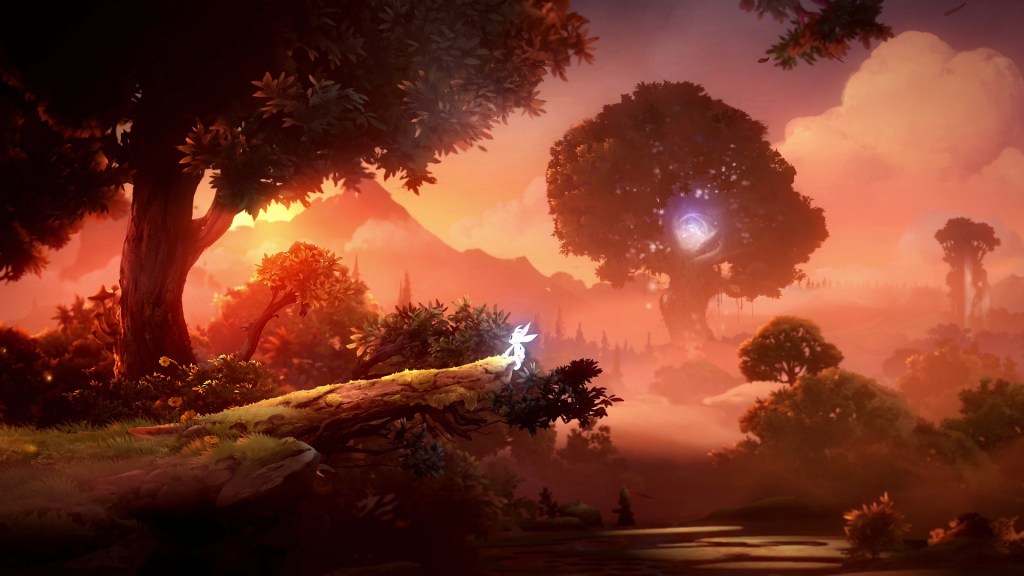
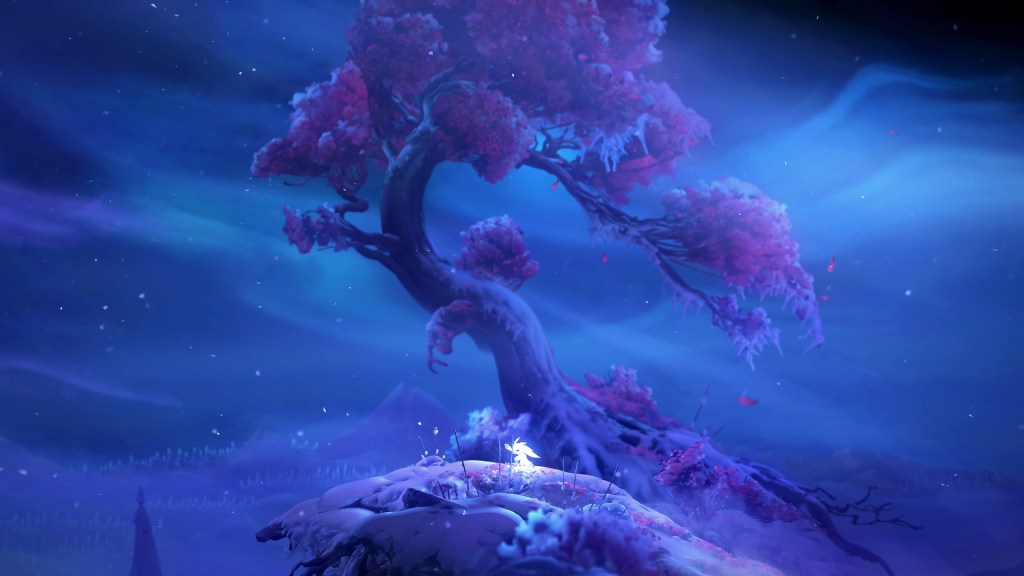
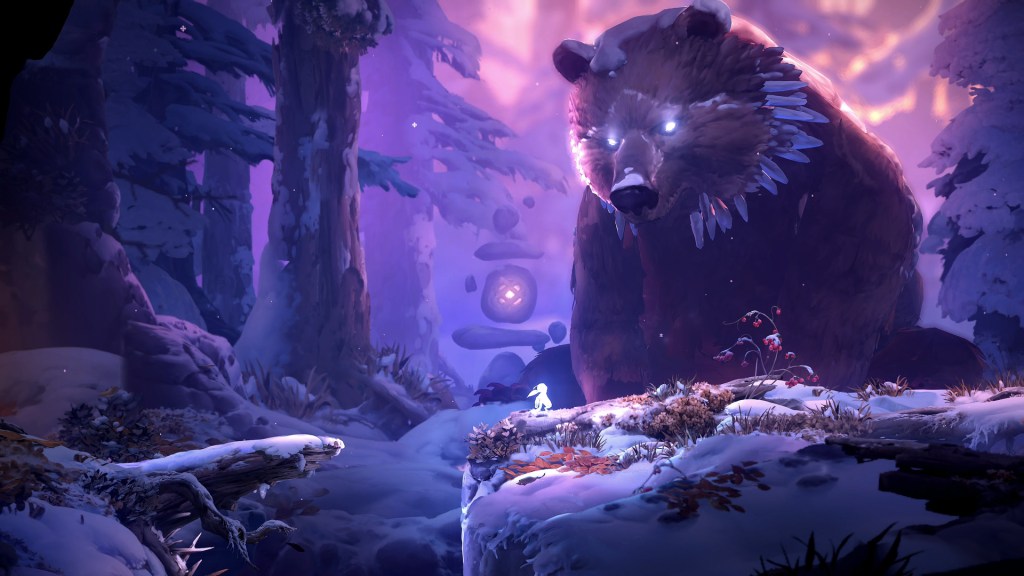
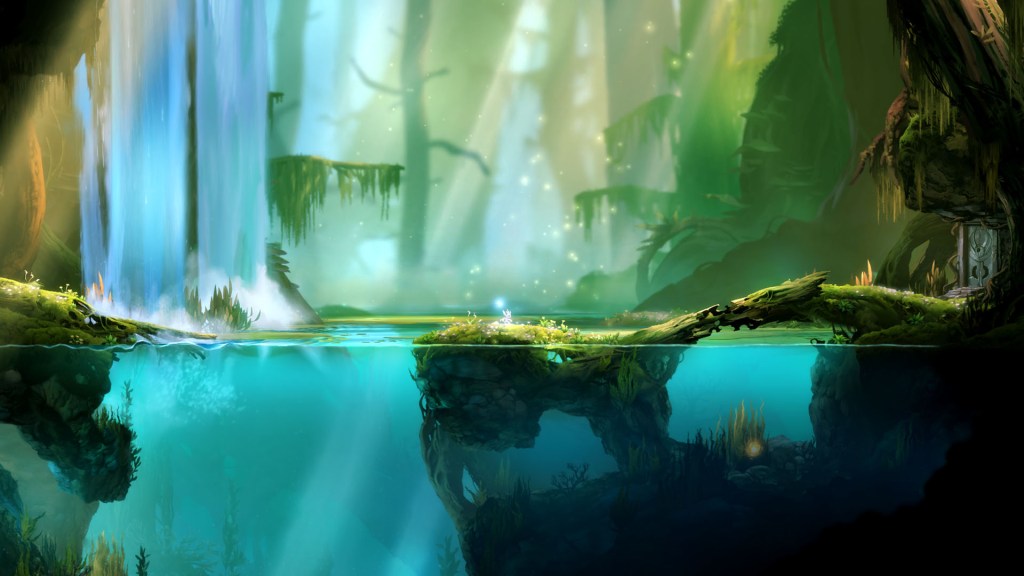
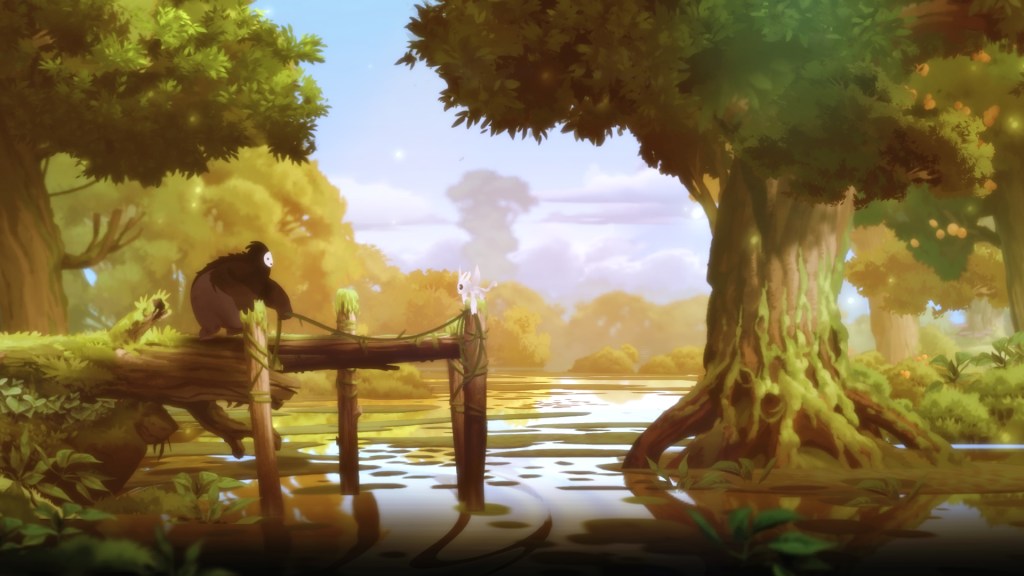
The charming appeal of Ori and the Will of the Wisps is also assisted by the stunning visuals and environment design. Somehow, the game looks even more lush than Ori and the Blind Forest. But what I found more important was how varied and unique the main areas were. I had to stop and admire the giant watermill looming in the background. Finally reaching the structure and delving inside to unblock the mechanism was an exceptional adventure. Areas like the tropically lush Luma Pools and arid Windswept Ruins are as visually interesting as they are mechanically. The integration of aesthetics and gameplay is extraordinary.

While bringing back all the classic abilities such as the iconic Bash, Ori and the Will of the Wisps also introduces a whole new arsenal of skills to master. They are cleverly designed as to be cohesive with the locale that they are unlocked in while also pairing well with existing abilities. For example, in the desert you unlock the ability to dive into pits of sand and burrow quickly through them like a missile. This leads to some exciting platforming sequences in which you juggle between using Bash and Burrow to quickly traverse obstacles and maneuver nimbly through the desert. The possibilities to be creative and combine Ori’s abilities to string together impressive agility feats is fantastic. To test your mastery of your moveset, the designers intelligently included optional time trials throughout the game, which I absolutely love.

While Ori and the Will of the Wisps retains the engaging nimble platforming that its known for, the developers greatly increased Ori’s combat arsenal as well. Instead of spamming targeted beams of light, the player has access to a few different weapons. There’s a decent variety of ranged and melee options, which is great for letting the player determine what playstyle suits them best. Personally, I quite enjoyed using big hammer to wallop foes and send them flying. Even though I originally didn’t think that Ori and the Blind Forest needed combat, it certainly is a ton of a fun to pulverize enemies and run circles around them using Ori’s innate agility.

With combat comes the occasional boss fight, which is something that was absent from the Ori and the Blind Forest. But don’t fret, the adrenaline pumping escape sequences also make a return. I really love that the designers had both of these events to serve as a climax to any given area. You never know if you’ll be thrown into an arena with a boss, or if you need to focus for a thrilling chase.  
The other direct improvement upon the original game is the removal of the decide-for-yourself checkpoint system. While I think it was an intriguing idea, the player has no idea what will be thrown at them next so they are a poor judge of when its appropriate to create a checkpoint. That’s why the inclusion of a standard checkpoint system is welcomed in Ori and the Will of the Wisps, as the designers have foresight and understand the right spacing and placing of checkpoints.

I think its necessary to mention that Ori and the Will of the Wisps takes a lot of queues from Hollow Knight. I think in some places it was unnecessary, but in all honesty, I think most of the adoptions were net positives. The removal of experience in exchange for badges, the hub town, the inclusion of quests, and the character who sells maps were all obviously inspired by the success of Hollow Knight. But the beauty here is that Ori and the Will of the Wisps and Hollow Knight, despite being metroidvanias with a few similar systems, are very different at their core.

Ori and the Will of the Wisps is vibrant and colorful, and is mostly concerned with fast-paced platforming with a hint of combat. Hollow Knight is a lot darker, and while it does have a couple of difficult platforming sections, the game is known for its boss fights. So, it doesn’t feel like Ori and the Will of the Wisps is aping Hollow Knight. Instead, all these features dramatically improve on an important aspect of the game: exploration.

Exploration is obviously vital in any metroidvania, and Ori and the Blind Forest did lack in some of its rewards and motivation to probe players into wanting to discover more. This felt completely solved in Ori and the Will of the Wisps, due to many of the systems that the designers took inspiration from Hollow Knight from. The badge system is far superior to experience, as it provides the player with more interesting rewards aside from some currency to be spent on upgrades. Experience still exists alongside badges, but it goes a long way to know that the possibility of uncovering a powerful and unique badge is present when you are exploring.

The reward that motivated me the most were the materials used to repair the hub town of Wellspring Glades. As I said, I loved the town and its cozy atmosphere. Naturally, I was excited whenever I discovered more ore or special seeds, as that could be used to improve the town. Ore lets the player build more houses and repair structures so that creatures can return. Additionally, special seeds can be planted to allow the player to use their traversal abilities to dash and swing around the town, reaching new heights and uncovering secrets. Helping restore the town serves as a functional reward as it grants experience, badges, and shortcuts. But more importantly, it’s the intrinsic reward of seeing this community grow and thrive that warms the soul.

The only major issue that I had with Ori and the Will of the Wisps was the performance. Even three years after its release, I had a few instances of stutters and momentary freezes. This mostly happened if I was zipping from screen to screen too quickly. Unfortunately, I also encountered a couple crashes. While not a pervasive issue, it still is an unwelcome occurrence that happened too many times to dismiss.

I was thoroughly impressed with how Ori and the Will of the Wisps managed to maintain its identity as an Ori game while simultaneously establishing tons of new ideas and mechanics that clashed with the first game’s design philosophy. I am ecstatic that the designers were able to ditch what didn’t work, build on what did work, and introduce brand new ideas that blend wonderfully with the existing mechanics. It is for these reasons that I give Ori and the Will of the Wisps a 9/10. Ori and the Will of the Wisps is an absolute joy, and I can’t believe that I waited as long as I did to experience it.

Ori and the Blind Forest (2015)

It’s no shock to anybody that metroidvanias are an incredibly popular genre in the indie world. But a title that stands above all as a paragon of quality is Ori and the Blind Forest. Every aspect of the game is cohesive. You are the lone forest spirit Ori, and you must revive the dying wilderness which was once a vibrant habitat for all manners of creatures.

Ori and the Blind Forest is not a game with a heavy emphasis on storytelling. Aside from a couple short sequences at the start and end of the game, there is not much focus on the narrative aspects of the game. While the story does pull on the heartstrings, I think it was a great decision not to lean heavily on dialog or cutscenes. You are the last spirit of the forest, and you have to traverse a hostile environment to recover the light which sustains the forest.

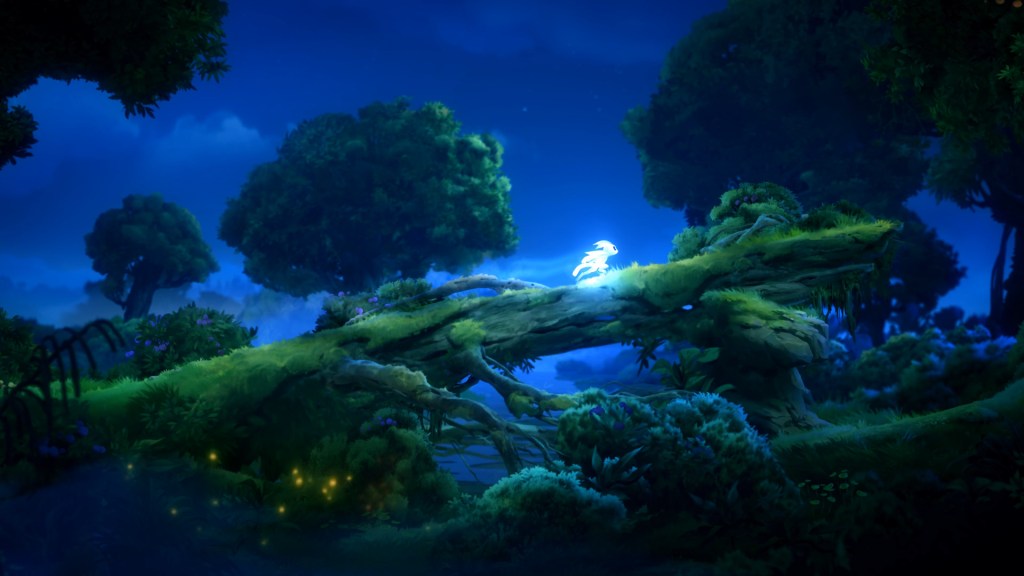
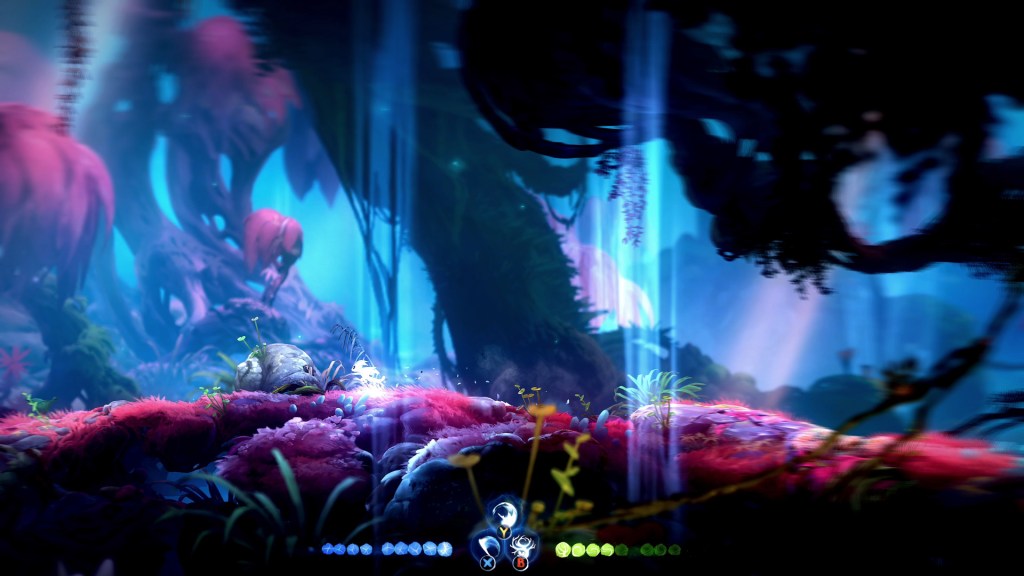
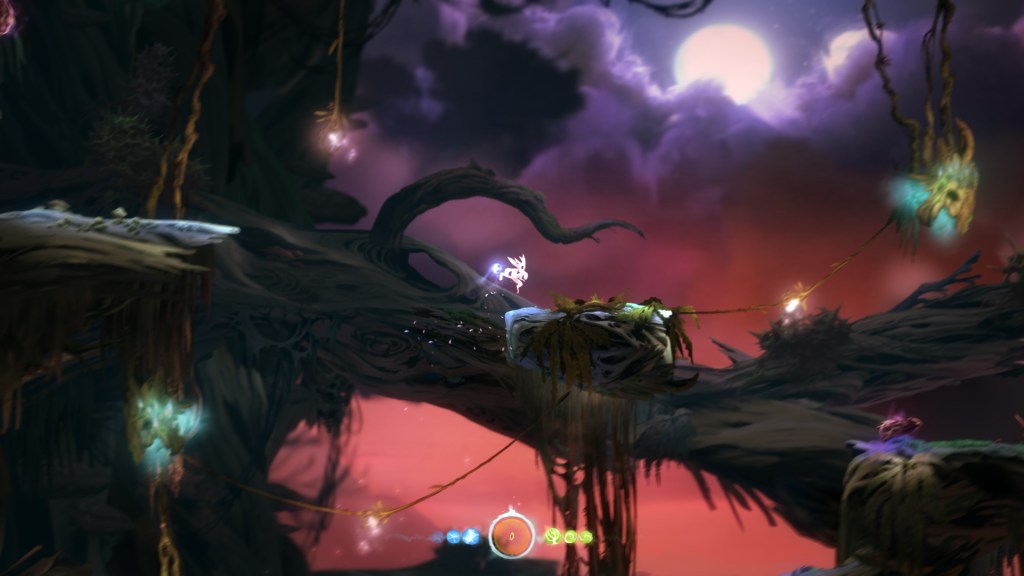
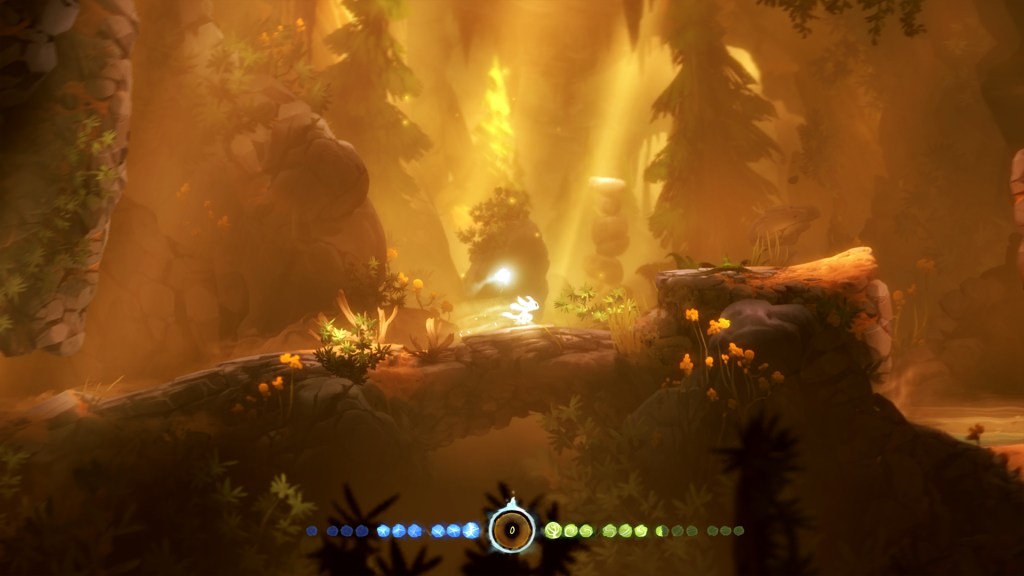
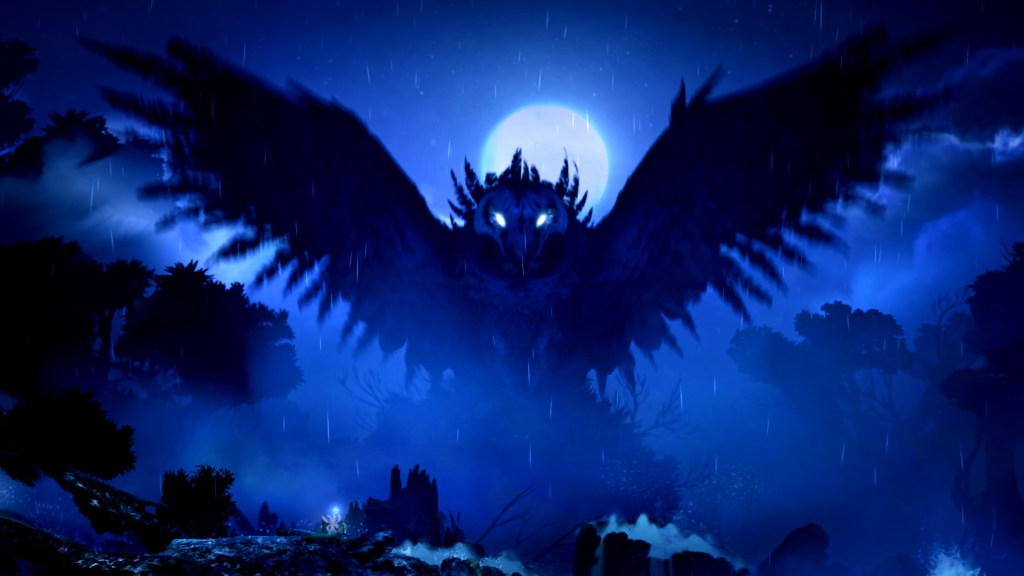
The forest is visually stunning. While many other side-scrollers opt for pixel art or other stylized techniques, Ori and the Blind Forest has gorgeously rendered environments. There is a great use of light and shadows that elicits the feeling of being in an ancient forest. There are so many beautiful effects and backgrounds that make Ori and the Blind Forest truly stand out among its contemporaries. Unfortunately, all the detailed visuals and glowing particle effects do come at a cost: visual clarity. I often times found it difficult to quickly parse the environment and decide what was a hazard, an enemy, a projectile, an experience orb, a blob of health, some energy, or any other possibility. I don’t think is a particularly brutal problem, but I often found myself mildly frustrated when what I thought was a safe spot actually damaged me.

Ori and the Blind Forest is unique among its Metroidvania contemporaries. It deemphasizes combat in favor of platforming. Combat is meant to be a last resort, and you’re much better off avoiding and slipping past enemies rather than engaging with them. Attacking is incredibly straightforward, clicking a button will unleash a flurry of low-damage light projectiles that do a little damage to enemies. There is also a charged blast attack that consumes some energy, but it often felt like a waste of a resource that could be better used elsewhere.

One of the key uses of energy is creating save points. A very unique facet of Ori and the Blind Forest is that the player is responsible for deciding where their checkpoints will exist. At any point in the game, you can spend an energy point to create a save point where you will respawn if you die. I think this is an incredibly unique idea, and it has interesting risk and reward potential. If you have a high amount of health, it may be unwise to spend a ton of energy to make frequent save points as you can afford to make some mistakes without dying. Conversely, if you are low on health, you may want to save after every little obstacle. But there is a danger in doing so.

It can be counterintuitive, but saving when you are low on health can be dangerous. I often found myself in situations where a gauntlet of challenges was on the horizon, but I had saved with a low amount of health. A single misstep could cause death. This can be frustrating because you are stuck in a difficult situation with no room for error in a game where taking damage is exceedingly common. While I appreciate the idea for a unique save system, by the end of the game I realized that I prefer the traditional checkpoints that most games have.

The main reason why I believe that a standard checkpoint system is superior to the system in Ori and the Blind Forest is that the game designers have foresight. They know when a difficult section is approaching. They know how long the gauntlet is. They know where there will be opportunities to recover health. The player knows none of this. This is problematic as it leads to guessing games of when you should expend your resources to save. If you know that a difficult section is upcoming, you may not be inclined to save with low health. If you know there’s five or six back-to-back platforming challenges, you may not want to spend your last energy point to save after the first one. Let the game designers use their knowledge to properly place and space out checkpoints for a more consistent experience.

Where Ori and the Blind Forest shines the most is in its platforming. Ori is remarkably nimble, which is cohesive with the character’s design. Interestingly, the player has very little vertical jump height, but this is made up with Ori’s long horizontal leaps and subsequent powers that are unlocked. Springing from wall to wall, climbing trees, gliding around on a leaf, and using enemies to redirect your momentum is a fantastic way to evoke the feeling of being a nimble forest nymph.

What makes the platforming in Ori and the Blind Forest really special stems from a single ability: Bash. This skill is gained relatively early on in the campaign, and it makes the gameplay far more dynamic. Bash allows the player to launch themselves off of enemies and projectiles, knocking them in the opposite direction. You can swiftly rocket through corridors using a mixture of regular platforming and Bash to dodge and use enemies to your advantage. Its this single ability that makes up for the lack of combat, as Bash begs the player to just dash through enemies and launch them into hazards rather than engage with them. It makes sense then why the developers opted to omit traditional boss fights in favor of epic escape sequences. These are adrenaline pumping sections that demand speed and mastery of your abilities, and I love the decision to include them.

As for its metroidvania aspects, I found Ori and the Blind Forest to be passable. There was a rapid pace of unlocking new traversal abilities to reveal new paths. While there wasn’t a ton of necessary backtracking or revisiting prior areas, there were plenty of secrets to be uncovered. Unfortunately, most of the secrets were somewhat uninteresting as they were mostly additional experience or health/mana upgrades. Even though there was a lack of backtracking ala Metroid, Ori and the Blind Forest scratched the exploration itch as it certainly was not linear. There were many branching paths and routes to traverse, making for some satisfying exploration.

It had been a long while since I originally played Ori and the Blind Forest, and I am so glad that I revisited it. There are so many unique ideas here such as the emphasis on platforming, the focus on horizontal movement, the save system, and the use of escape sequences in lieu of bosses. Despite its faults and missteps, Ori and the Blind Forest is a phenomenal metroidvania. There is good reason why even modern indie games are compared to Ori and the Blind Forest, even if few meet the high bar that it set.

Bowser’s Fury (2021)

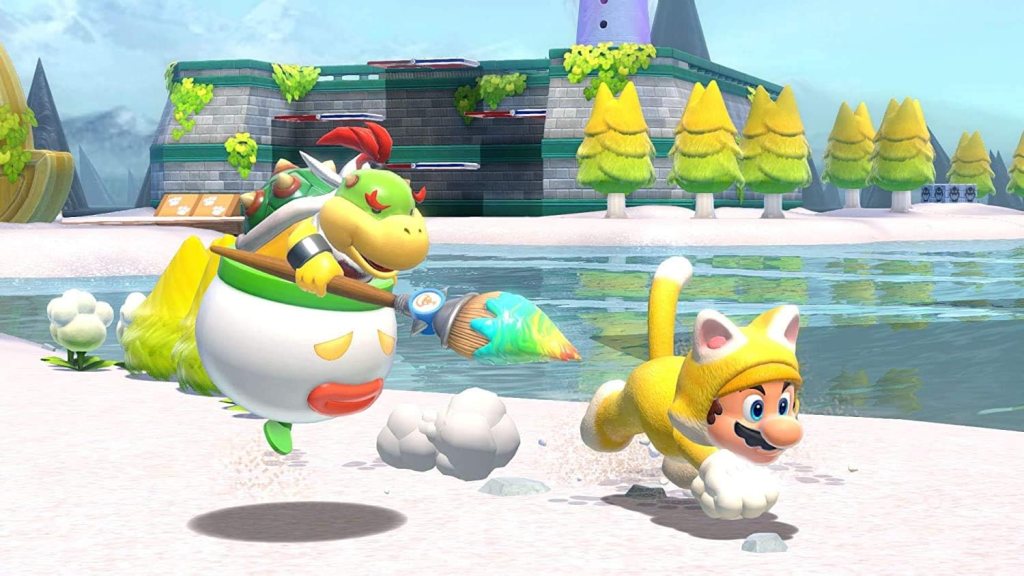
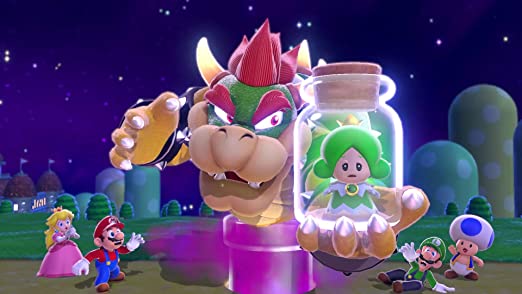
After playing Super Mario 3D World, my primary complaint was how disjointed the experience felt. Other 3D Super Mario games felt like a coherent adventure, while Super Mario 3D World feels a series of fun but unrelated obstacle courses. Bowser’s Fury is a game that was packaged alongside the Switch port of Super Mario 3D World, but that’s not the only game that it takes inspiration from. Bowser’s Fury is a glorious marriage between the platforming excellence of Super Mario 3D World and the open-ended collectathon adventure of Super Mario Odyssey. It’s a relatively short game, but Bowser’s Fury is a massive success.

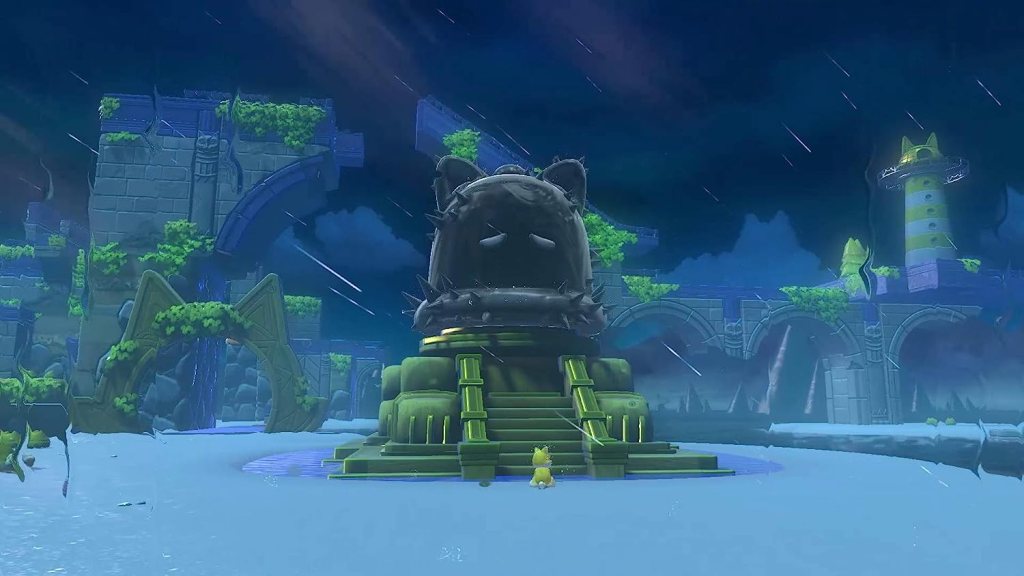
Bowser’s Fury is set in one giant area, an ocean dotted with islands and partially covered in black ink. Bowser has gone berserk and you have to collect Cat Shines to revert him to his usual self. Each island is like one of the levels from Super Mario 3D World, a short challenge that usually is focused on a unique gimmick. Additionally, the islands have five Cat Shines each, meaning the player gets to revisit each island multiple times. The islands morph with each subsequent level, retaining their core theme and gimmick but changing up the layout to accommodate for different objectives.

The ability and necessity to revisit areas is a massive improvement over Super Mario 3D World. Instead of every level being a one-and-done affair that is easily forgotten, the designers are able to evolve on the ideas and gimmicks that make each level unique. You get to fully explore these dense areas and really familiarize yourself with them. They feel like real locations rather than artificial obstacle courses.

Another aspect that contributes to the adventure of Bowser’s Fury is the world. As previously mentioned, the whole game takes place in a single area. While not all the islands are immediately accessible, you will quickly uncover them. Getting between the main islands is a breeze, as Plessie makes a return from Super Mario 3D World. Plessie acts as a mode of transportation across the giant body of water, and she is a ton of fun to ride. She’s fast, handles well, and is always available no matter where you are. She will pop up out of the water seamlessly, without any need for the player to summon her or go to limited predetermined locations where she resides.

Like many other 3D Super Mario games, many of the Cat Shines reside not only in the main levels, but in side challenges and secrets hidden around the map. These are usually quick trials like racing Plessie through an obstacle course or catching a rabbit running around on the lake. These little side missions also contribute to the feeling of cohesion, as you can find these little distractions while exploring the greater world.

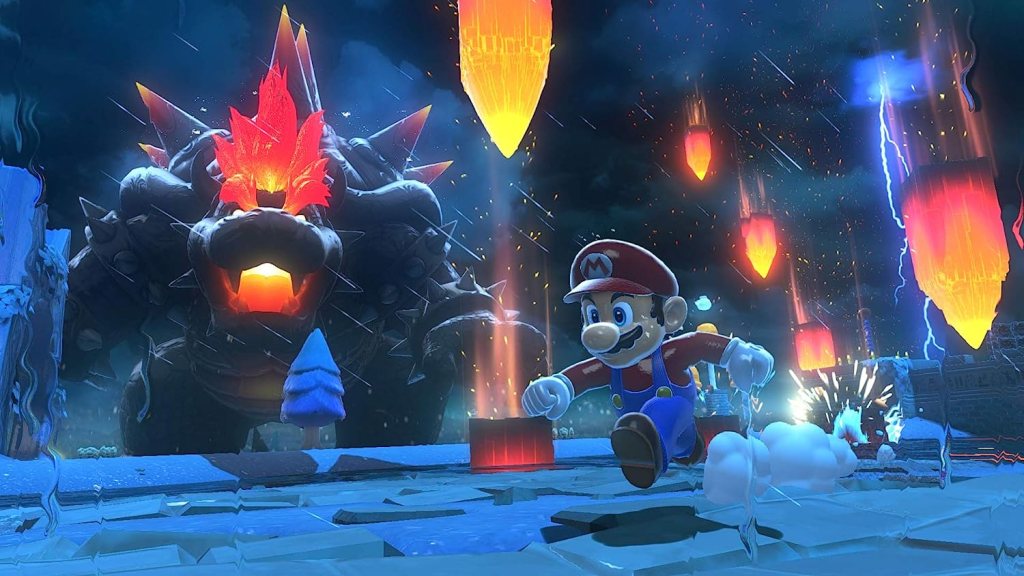
A central aspect of Bowser’s Fury is when Bowser gets furious. He is a behemoth in this game, always residing in the center of the map, occasionally awakening to cause terror. When Bowser emerges from his slumber, the sky goes dark in a torrential downpour and fire balls rain down as the colossal Bowser towers above you and spits his fiery breath at Mario. It really is a phenomenal sight to see, and it makes the game much more frantic while Bowser is awake.

While you could just hide from Bowser until he goes away, but I found it much more fun to engage with the more difficult platforming challenges that Bowser creates. Dodging the raining fireballs and fire breath make things more challenging, but Bowser also causes giant obelisks to be lodged in the ground. These can act as additional platforms and shields from his attacks. It can be fun to dodge all the chaotic madness using these temporary platforms, and after collecting a single Cat Shine Bowser will temporarily halt his rampage and go back to sleep.

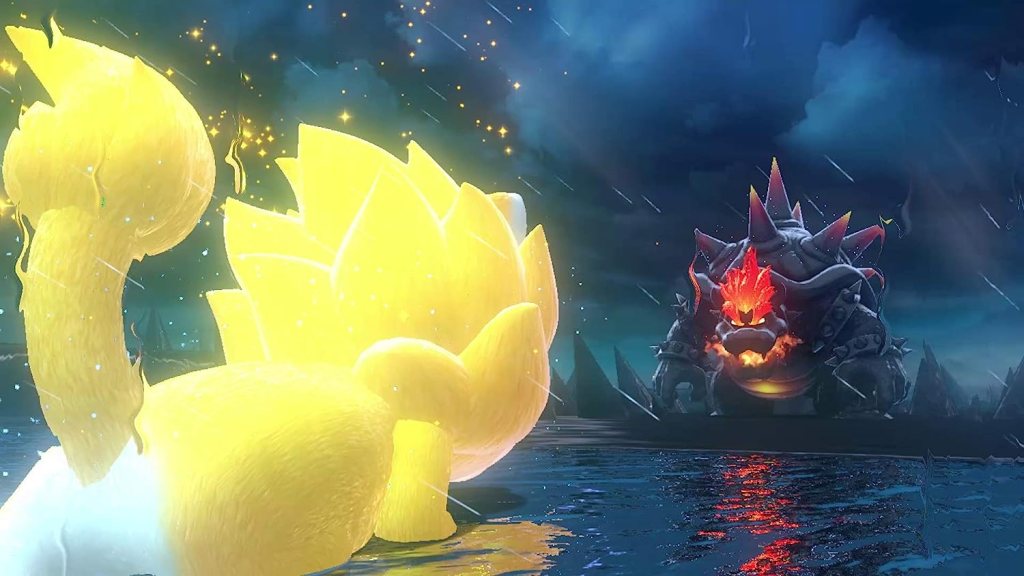
The other method of dealing with Bowser is to fight him directly. Across the world there are a few Giga Bells, power-ups that transform Mario into a giant to contend with his equally goliath foe. Battling with Bowser is enjoyable, and it slowly ramps up in complexity as the game progresses. These Kaiju battles visually fantastic, even if they are similar to Bowser battles from past games.

While I generally enjoyed Bowsers constant looming presence throughout the game, it also has a fair share of issues. The first being that Bowser can get irritating when he starts to appear more frequently at the end of the game. While I enjoy the additional challenge of dodging his attacks, sometimes it can get annoying when he seems to appear during every single level. On the flip side, many Cat Shines require Bowser’s presence to acquire. This is also frustrating as it led me to abandoning levels halfway through to scramble to get to where I needed to be for these time-limited Cat Shines. And at the end of the game, I had to literally just sit still and wait for Bowser to show up for the last five or so Cat Shines. Lastly, whenever Bowser appears there is noticeable performance drop.

I enjoy the inclusion of Bowser and his rampages; they definitely make for some fun platforming and cohesive theming across the game. I’m not sure how I would feel about it if Bowser’s Fury was a much longer game. It only took me a few hours to beat with couple more hours to 100% complete it, and a popular opinion that I have been seeing is that many people want the next Super Mario game to be an extended version of Bowser’s Fury. While I can agree that this is a great foundation to build off, I think the format would outlast it’s welcome if it was any longer than the short romp that was presented in Bowser’s Fury.

A totally open world Super Mario game with no world or level selection would be fantastic, but even in Bowser’s Fury I felt there was a lot of filler or repeated Cat Shines. For being such a short game, I was disappointed with how many of the objectives were identical to one another. There were so many Rabbit chases, Bowser blocks, Lucky Island Cat Shines, Plessie speed challenges, and so forth. There wasn’t a great balance between the number of core platforming levels and these side missions. I love exploring and completing optional tasks, but I think Bowser’s Fury just has too many of them in relation to how short the game is.

Bowser’s Fury is an immensely successful experiment. It meshes classic Super Mario platforming and the giant, open-ended exploration from Super Mario Odyssey. The singular area scattered with short levels is a fantastic formula. Bowser himself was a fun gimmick for a majority of the game, and I would love to see an expanded upon game with big areas and gimmicks similar to Bowser’s reign of terror. It is for these reasons that I give Bowser’s Fury a 9.5/10. While it had a few flaws, I think Bowser’s Fury is the sensational appetizer for what’s to come next.

Super Mario 3D World (2013)

In a series that is home to some of the greatest and more influential games of all time, Super Mario 3D World seems a little underwhelming at first glance. It’s less adventurous than Super Mario 64, less experimental than Super Mario Sunshine, and less grandiose than Super Mario Galaxy. What Super Mario 3D World does have going for it is its simplicity. In fact, it is the most direct translation of the 2D Super Mario titles into the 3D space. From start to finish, Super Mario 3D World is a smorgasbord of fun ideas and classic platforming.

There’s no denying that Super Mario 3D World is closer to the original 2D Super Mario games than its 3D counterparts. Every level is a one-and-done obstacle course that ends with a goalpost. This is in stark contrast to other 3D Super Mario games which almost always reuse the same areas for multiple levels. And many times, those levels aren’t straightforward obstacle courses, but require exploration and puzzle solving. But in Super Mario 3D World, pure platforming is the main focus of the game.

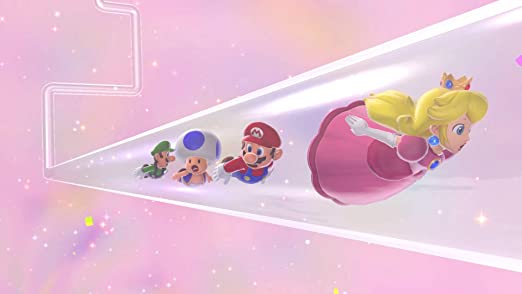
While there are a few collectibles in every level, three Green Stars and a stamp, the levels are short and linear. This is not a bad thing by any means, and it allows the team of developers to design a much more curated experience. There are nearly 120 levels in Super Mario 3D World, and almost every single one introduces a new idea or concept. While many of these ideas are borrowed from previous titles, there are a few stand out new inclusions. The Cat Suit is an important new power-up that is showcased. Captain Toad makes his first appearance in the short puzzle-platformer diorama levels. And the Double Cherry makes for some engaging challenges as you control multiple clones at once.

The most surprising aspect of Super Mario 3D World is just how good all the levels are. In a game brimming with ideas and content it’s crazy that not a single one is a clunker. The level of polish here is unfathomable. The gimmicks don’t necessarily feel gimmicky because they don’t change the way Mario is controlled. The game never strays away from the pure platforming bread-and-butter than it is so committed to. It’s an insanely well-curated collection of all the best concepts from the Super Mario series.

Part of the reason why levels could be so refined is partly due to Mario’s reduced movement options. The side-flip and long-jump were drastically reduced in effectiveness, while the triple-jump was removed altogether. These constraints allowed the designers to make levels with a much clearer intended path. You cannot use advanced movement techniques to skip obstacles, and levels are much more linear. While I do think that I enjoy how polished the levels feel as a result of these movement limitations, it ultimately comes down to preference if you enjoy this style compared to all the other 3D Super Mario games.

Levels in Super Mario 64, Super Mario Sunshine, and Super Mario Odyssey are free-roaming affairs. Many times, you don’t even know what your goal is. Exploring the environments was open-ended, and led to freestyling as to how you would approach the level. This is also reflected in how the camera works in these games, as you can rotate the camera to get a better look around. This is opposed to Super Mario 3D World which has locked camera angles so that there is never a doubt that the player has a good view of the action, but also is restrictive and prevents exploration.

While I did love playing Super Mario 3D World, it lacked the sense of adventure that makes the Super Mario series my favorite. I prefer the wide-open stages that you revisit many times and become intimately familiar with as opposed to the linear and restrictive levels that are present here. Moreover, Super Mario 3D World lacks cohesion and visual theming. While Super Mario Galaxy had mostly linear levels, it had the consistent context of exploring tiny planets. Levels made sense in that context, and they had visuals to support that theme. Super Mario 3D World just feels like a collection of artificial levels.

Most of the stages are floating islands of toy-like cubes. They don’t feel like real locales, and they lack the planetoid context of Super Mario Galaxy. I think having backgrounds and visual flair that made the levels feel more authentic would have gone a long way to making Super Mario 3D World a more immersive adventure. Moreover, while there is a world map to traverse, there is no cohesion within the worlds. The desert world doesn’t have mostly desert levels, the ice world doesn’t have more snowy levels than average, the worlds don’t group levels in a meaningful manner.

The most unique aspect of Super Mario 3D World is the inclusion of multiplayer. The fixed camera, simplified levels, and more basic controls all make a multiplayer experience possible. While it’s been a while since I played it with others, it can be a blast to partake in the sheer chaos of Super Mario 3D World multiplayer. I found that the game is much harder when trying to coordinate with your friends. And it can get competitive as you try to earn more points than your fellow players.

One thing that I felt I should mention is that in the recent Switch port of the game the movement speed has been noticeably increased for some reason. I don’t know why this decision was made, or if it was even intentional at all. But either way, you move much quicker than the original version of the game and this sometimes trivializes some speed-based obstacles. Additionally, you no longer have to collect Green Stars all in a single attempt but they are saved once you clear a level. While both of these changes make the game easier, I don’t think they are game-breaking.

Super Mario 3D World is the most consistent of the 3D Super Mario games. It’s a collection of some of the best ideas that the series has, and it’s executed superbly. The pure platforming may appeal to fans of the series who miss the old, 2D Super Mario days. Personally, I missed the sense of adventure and exploration that the other games in the series offered. While I had a lot of fun with Super Mario 3D World, it’s definitely my least favorite of the series. Of course, few games could ever compare to the excellence that is the Super Mario catalogue.

Astro’s Playroom (2020)

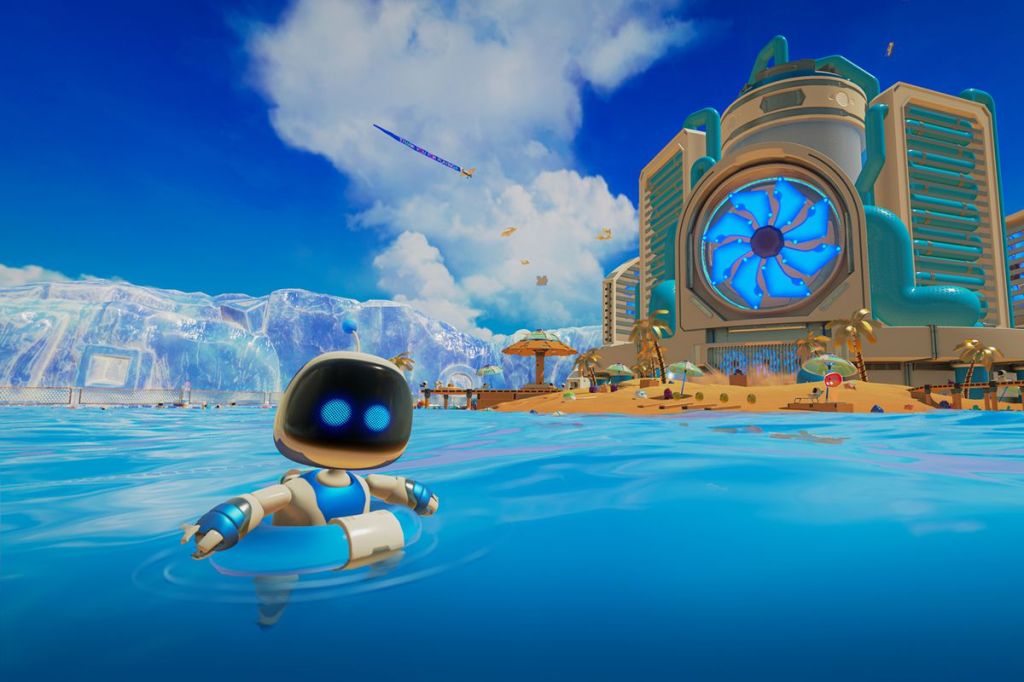
One of the biggest surprises when I started up my Playstation 5 for the first time was Astro’s Playroom. Not that the game existed, but simply how much effort and soul went into making it. I expected a short tech demo, showcasing the haptic feedback of the controller. Astro’s Playroom is much more than that, and despite it being a short game, it’s one that nobody who owns a PS5 should miss. 

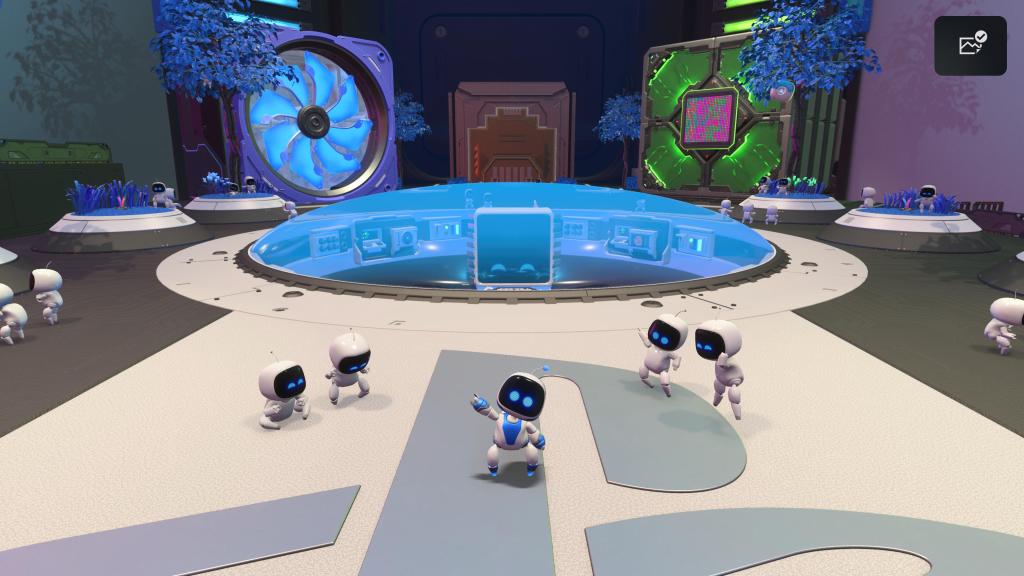
Astro’s Playroom is a celebration of everything Playstation. It’s a platformer with a few short levels, but each of these levels is packed with references and homages to Playstation’s past. There are a ton of cute little robots acting out scenes from classic and obscure games alike. There are tons of collectibles that showcase old Playstations and their respective peripherals. Finding puzzle pieces unlocks murals that celebrate Playstation throughout the years. 

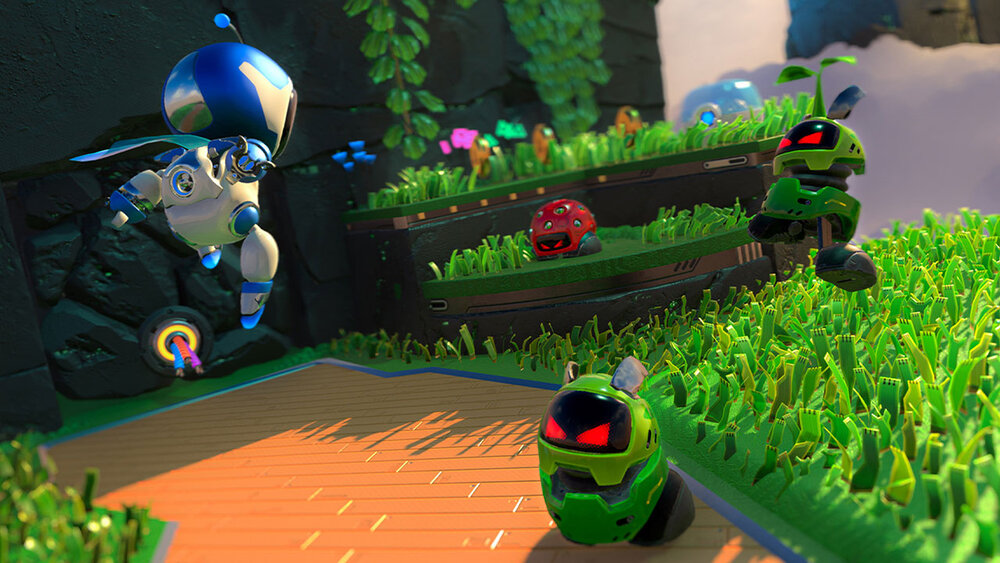
The levels themselves are creative, varied, and enjoyable to traverse. There are four main areas along with a small hub world and a final boss battle. Each of the main areas has four levels, and those levels alternate between traditional platformer and more gimmicky concepts. The levels are extremely short, but I found them to be great nonetheless. They are visually engaging and packed to the brim with secrets, collectibles, and fun scenes. The gimmick-based levels utilize the motion controls of the new controller in creative methods, and they work well.
I was impressed with how well Astro’s Playroom showcased the new features of the PS5’s controller. Even after playing a few more PS5 titles, few utilize the stellar haptic feedback like Astro’s Playroom. The dynamic rumbling can really add some phenomenal textural feedback to the player. I distinctly remember a certain part of the game when I was holding on to a moving platform because the rumble had a very distinctive clicking sensation. If it had just been a standard rumbling, it would not have stuck out in my mind at all.

Astro’s Playroom is a short game. It only took me a few hours to complete it and find all the collectibles. This is not a bad thing. It’s a short but sweet experience. I’d love to see a more expansive version of Astro’s Playroom, but there would need to be an overhaul of the movement mechanics. Movement is super simple, you can walk, jump, and briefly hover. This is fine for a quick and free title that comes included with the PS5. But to compete with other major 3D platformers, Astro would need more complex movement to keep traversal interesting.

Take for example the 3D entries of Super Mario. They are simple, approachable, and easy to grasp. However, there are plenty of extra mechanics like triple jumps, side flips, long jumps, slides, and momentum. Traversing the environments in Super Mario games is like exploring a playground. As you master the movement, you can find shortcuts and more easily navigate obstacles. Astro’s Playroom feels like it’s on rails in comparison. It’s not egregious since the game is so compact and there are plenty of gimmicky interludes to mix up the movement. If there were to be a longer sequel to Astro’s Playroom, I’d love to see some more intricate movement.

Overall, I was pleasantly surprised by Astro’s Playroom. It’s an approachable, charming, and enjoyable bite-sized game. Not every game needs to be an expansive behemoth, and I love when games have a more focused approach. While it doesn’t have complex movement, Astro’s Playroom is a joy to explore. It is for these reasons I give Astro’s Playroom an 7.5/10. It’s not a game that is going to revolutionize platformers, but Astro’s Playroom is an excellent romp through imaginative environments. 

Donkey Kong Country: Tropical Freeze (2014)

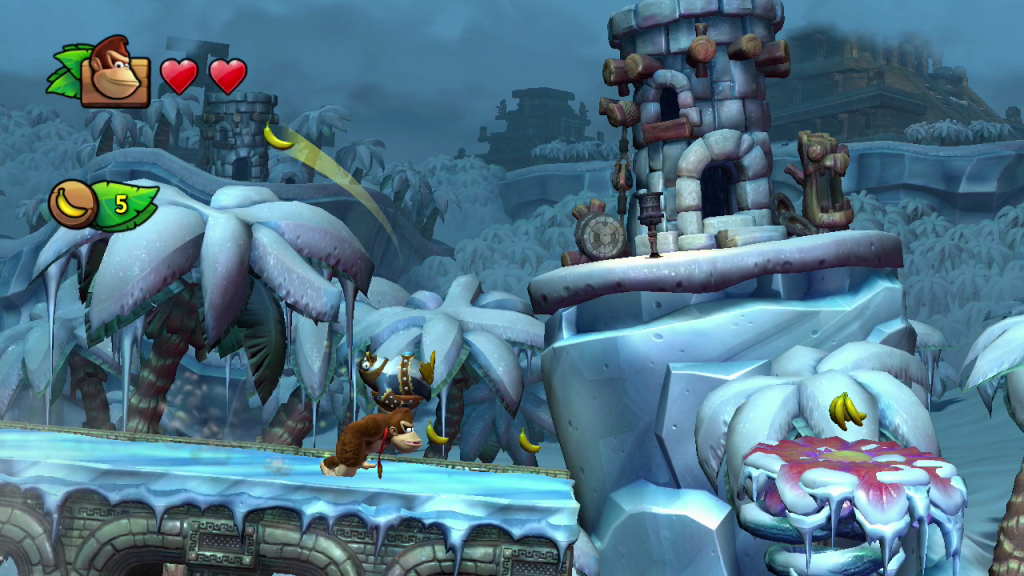
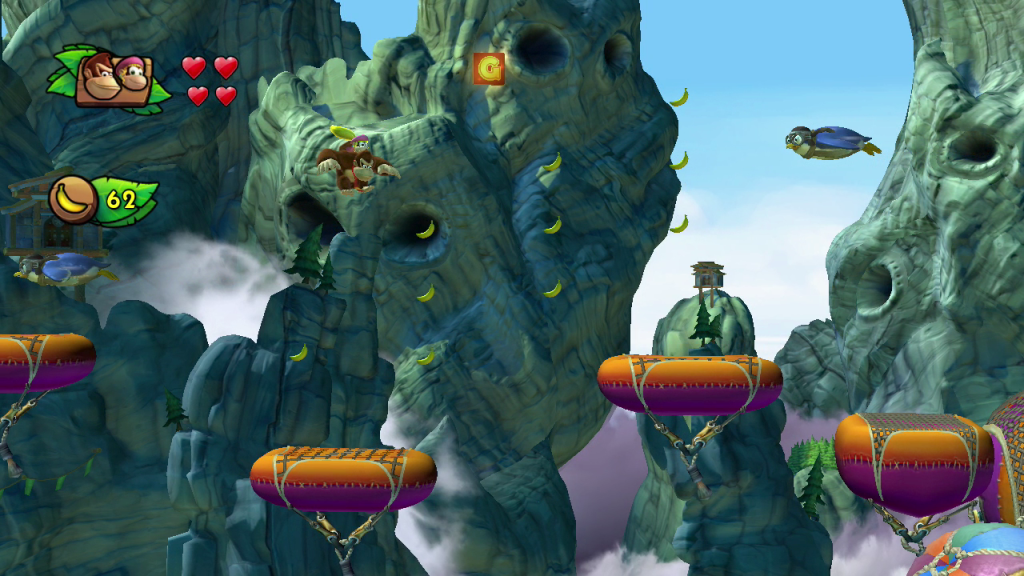
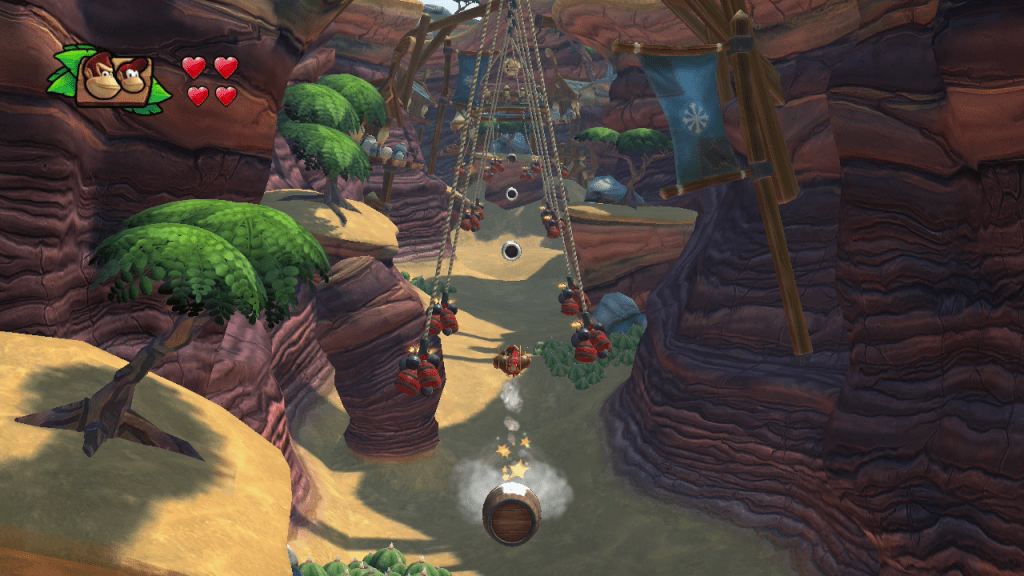
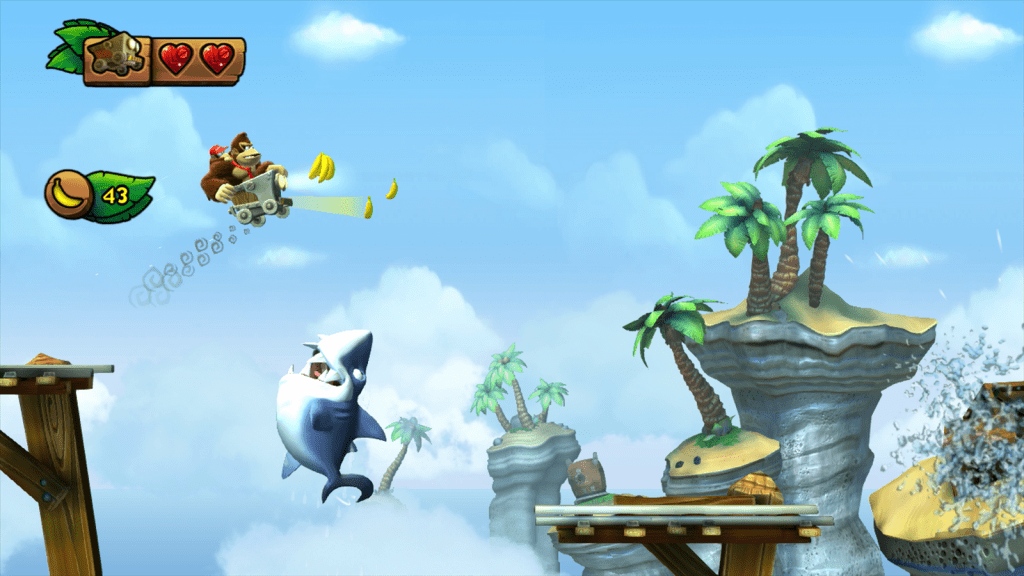
Great old school platformers can be tough to come by in modern gaming. While there are some retro gems out there like Celeste, Shovel Knight, Sonic Mania, and A Hat in Time, it feels like major studios have mostly abandoned the concept of a pure platformer. Sure, plenty of games have platforming aspects to them, but it is rarely the focal feature. When a game like Donkey Kong Country: Tropical Freeze comes along, anybody who is a fan of platformers should stop what they are doing and play it as soon as possible. It’s a fantastic game consisting of imaginative and fun visuals, superb difficulty, and tightly-crafted level design.

As far as Nintendo platformers go, Donkey Kong Country games have always been the most challenging of the bunch. That being said, I was impressed with how approachable Donkey Kong Country: Tropical Freeze was. The first zone of the game was fairly straightforward, and the difficulty of the game slowly ramped up as time progressed. There are tons of powerups that you can buy if you need an extra boost, and if you are really struggling there is a Funky Kong mode available on the Switch port that serves as an easy mode. But what’s more impressive is the numerous hidden aspects that can crank up the difficulty for experienced players looking for a challenge.

In each stage there are hidden puzzle pieces for completitionists to hunt down. While I ignored those for the most part, the more visible “K-O-N-G” letters were my main focus. The letters are easy to spot, but often require a more difficult or risky jump to collect. And if you collect all four letters in every level in a zone you unlock a secret stage. The secret stages are where the meat of the game’s challenge was for me. I found most of the regular levels to be tricky enough that I needed to play well, but not perfectly. The secret stages often required such precision and timing that I felt like I really needed to master them. And if you manage to conquer all the secret stages, you unlock a challenging hidden zone with three more devastatingly difficult levels. And if you succeed in that you unlock Hard Mode.

Of course, you can entirely ignore the puzzle pieces, letters, hidden exits, secret levels, the bonus zone, and Hard Mode entirely. But the fact that all of these things were included as extra little ways to incrementally tune up the difficulty was wonderful. Letting the player pick what is important to them is a great way to introduce some optional difficulty instead of just giving the player five different difficulty modes at the start. But the most impressive thing about Donkey Kong Country: Tropical Freeze was how the level design facilitated multiple styles of play.

A majority of the standard levels in Donkey Kong Country: Tropical Freeze are designed such that you can mostly take your time and think about what you are doing before you make the leap. While there some frantic and exciting sequences requiring you to move quickly, it’s a game that can be taken at whatever pace the player desires. But something interesting happens when you try to go as fast as possible through a level. You realize that everything lines up perfectly. As you bop from one enemy’s head to another to maintain your momentum, the platforms and enemies seem carefully placed to facilitate this level of speed. That’s because they are. While every level seems like a standard platforming stage at first glance, there is a deeper complexity behind the speed running curtain. I was extremely impressed by the level of thought and effort put into every single level in the game.

On top of the effort put into the gameplay and flow of each level, there was also a tremendous amount of care put into the visual experience. There are so many fun settings that make it feel like you are running and jumping through an animated movie. Not only is the background a spectacle, but the visuals tie into the gameplay. You can ride a rhino and dodge fireballs as a volcano erupts in the distance, or swing between decorative floats during a Lion King like celebration in the savannah, or jump between platforms as an avalanche sweeps away the platforms below you. There are tons of memorable stages that will go down as some of my favorite platforming levels of all time.

My only complaints with Donkey Kong Country: Tropical Freeze are fairly minor. It could be frustrating to get to the end of a level, notice that there is a secret exit, and realize that you have the wrong power-up to access it. This meant that you would have to restart the entire stage with a certain Kong partner and make it all the way to the end without dying or taking more than 2 hits of damage. I say this is minor because these are completely optional stages, but still, I rarely enjoy having to redo a level through no fault of my own.

Furthermore, I was not a huge fan of the boss fights at the end of each world. They were often pretty long with no checkpoints. They usually had three phases, getting progressively more challenging every three times that you hit them. But I found that the first and second phases were simple, and the final phase was fairly difficult. It could take a few attempts to learn the final phase patterns, and having to go through the entire boring lead-up every time could be a bit boring.

Overall, Donkey Kong Country: Tropical Freeze is an excellent platformer in a world deprived of the genre. It combines imagination, visual spectacle, and exciting gameplay to create a spectacular experience. The level of care put into the level design is astounding. Whether you are someone new to the genre or an experienced platformer player, you can definitely find what you are looking for in Donkey Kong Country: Tropical Freeze.

Yoshi’s Woolly World (2015)

Mario’s beloved dinosaur companion returns in this fuzzy platforming adventure. Nintendo has a large number of platforming IPs, each main character having a unique array of abilities to set the games apart. To go along with that, they all have drastically different difficulty levels. Starting with the slow and forgiving Kirby, Yoshi is the next step in difficulty, followed by Mario, and finally Donkey Kong. Kirby games tend to be introductory platformers and tend to bore more experienced players, so I was hoping to find the sweet spot of relaxing and difficult with Yoshi’s Woolly World. While the base levels of Yoshi’s Woolly World are fairly simple, there is a high variance in the difficulty of the game depending on many of the collectibles you try to obtain.

1

Like most other Nintendo platformers, trying to collect the collectibles scattered throughout each level is a way of stepping up the difficulty for players who are looking for an additional challenge. Yoshi’s Woolly World takes this concept to the next level. Each level has 4 main collectibles for the player to find, and each has an individual purpose. There are yarns, flowers, stamps, and hearts, the two most important are the yarns and flowers. The plot of Yoshi’s Woolly World is that evil wizard Kamek unravels all of the Yoshis, who are made of yarn and scatters them across the land. Collecting all the yarns in a specific level essentially rescues one of those Yoshis and lets you play using their unique color scheme. If you collect every flower in all 8 levels of a specific world, you unlock a hidden bonus level, which is a shame because these bonus levels were generally my favorite and it is unfortunate that they are hidden behind collectibles. Stamps and hearts do not provide much for the player, but if you go through the trouble of getting all the yarns and flowers, you might as well go for 100% and get a golden star for finding everything. Personally, I generally like collectibles in games, but I feel like Yoshi’s Woolly World went about them the wrong way.

5

Gathering collectibles in games is an optional task, and is best left that way because not all players love collecting. In Yoshi’s Woolly World, the player is heavily incentivized to collect things to save their Yoshi companions and to unlock hidden levels. Unfortunately, I do think that the collectibles were handled properly.  In a platformer, collectibles should be gated behind a platforming challenge, maybe a set of tough, consecutive jumps. Or in the case of Yoshi, whose special ability is that he can throw eggs, maybe have collectibles be an aiming challenge. Occasionally, there could be hidden areas that the player can spot if they are perceptive which hide collectibles. In Yoshi’s Woolly World, the vast majority of the collectibles are hidden in those secret types of areas. It even goes further than that, many collectibles are hidden inside invisible clouds or walls that the player cannot spot unless they physically touch it. So, if you are looking for collectibles you essentially have to constantly jump around and bump into every wall, ceiling, and touch every inch of the screen if you want to find these invisible objects. This is not ok, it slows down the pace of the game tremendously and makes progressing through levels tedious rather than entertaining. And if you miss something you have to go through the whole level again doing the same thing just to find one missing item. Most of the time I had to replay levels 2 or 3 times before I found the invisible final item nonsensically floating in the middle of the sky somewhere. It turns the game from a platformer into some sort of treasure hunt, where the treasures are hidden illogically and with the sole intention of wasting your time.

3

Perhaps I hurt the experience for myself by going for the 100% completion, but I am not sure if I would have been engaged without searching for the collectibles. My suggestion for newer players is to hunt for whatever collectibles are on screen, but do not obsess over them as they are a giant time sink. It is a shame because then you won’t get to save Yoshis friends and you won’t get to play the great bonus levels, but they are not worth the time required to unlock them. If you complete the game regularly and want more, then definitely go back and try to 100% every level, but don’t ruin the game for yourself by going for all the collectibles right off the bat.

6

The levels of Yoshi’s Woolly World are fairly easy, as I would expect from a Yoshi game, which is why I was going for the collectibles in the first place. What I liked about the level design was that every single level was unique. Every level had a sort of gimmick in place that was the central theme of the level. Ropes that you grab and swing on, bubbles that you bounce on, creating your own platforms by tossing eggs,  these are just a few examples but every single level has some sort of twist to it. I liked this as the game constantly felt fresh and there were no “throw away” levels that are there just to pad the content. My big issue was that everything just felt kind of slow. Outside of the secret levels, all but a few of the levels you just kind of waddle along at your own pace without immediate threats or danger. I guess I should have expected this out of easier platforming game, but I feel like this is how collectibles could have been used to improve the experience. Maybe collectibles could disappear after some time has passed as a way of speeding up the player, or have a series of optional jumps that increase difficulty for experienced players. I felt stuck in a sort of limbo, the game was too easy and not engaging when just played normally, but was a tedious scavenger hunt when I went for the collectibles.

4

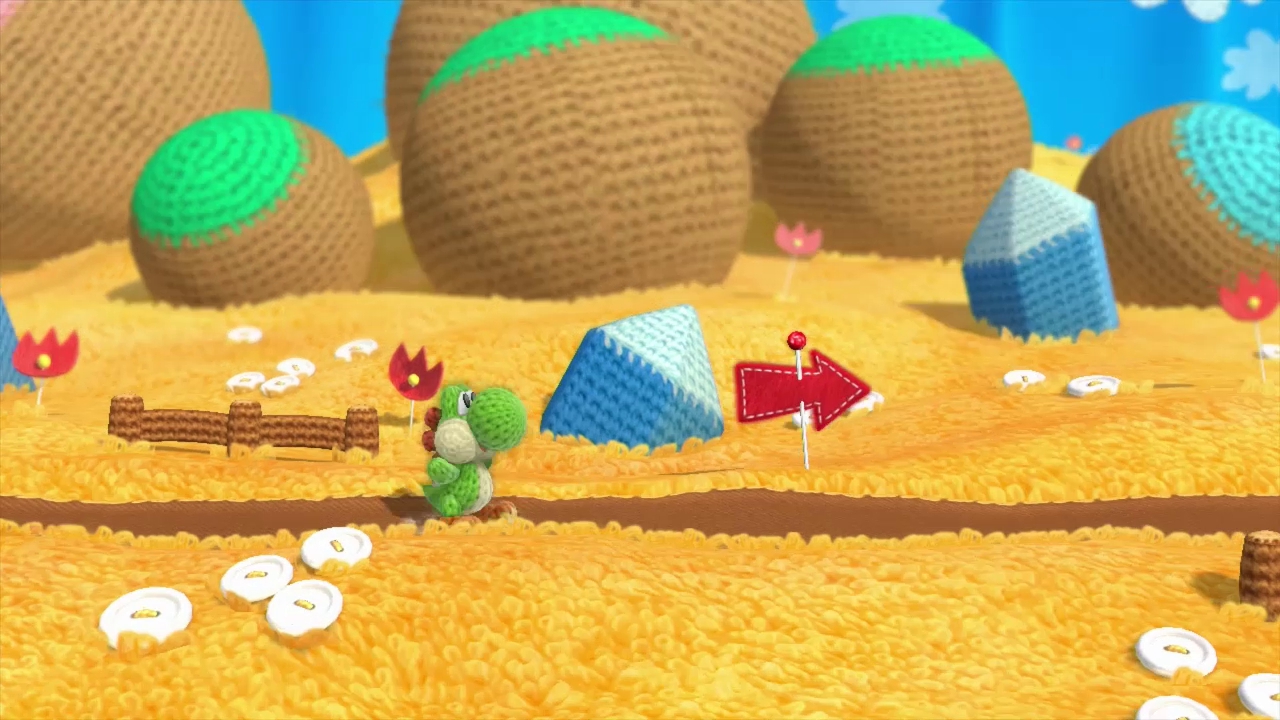
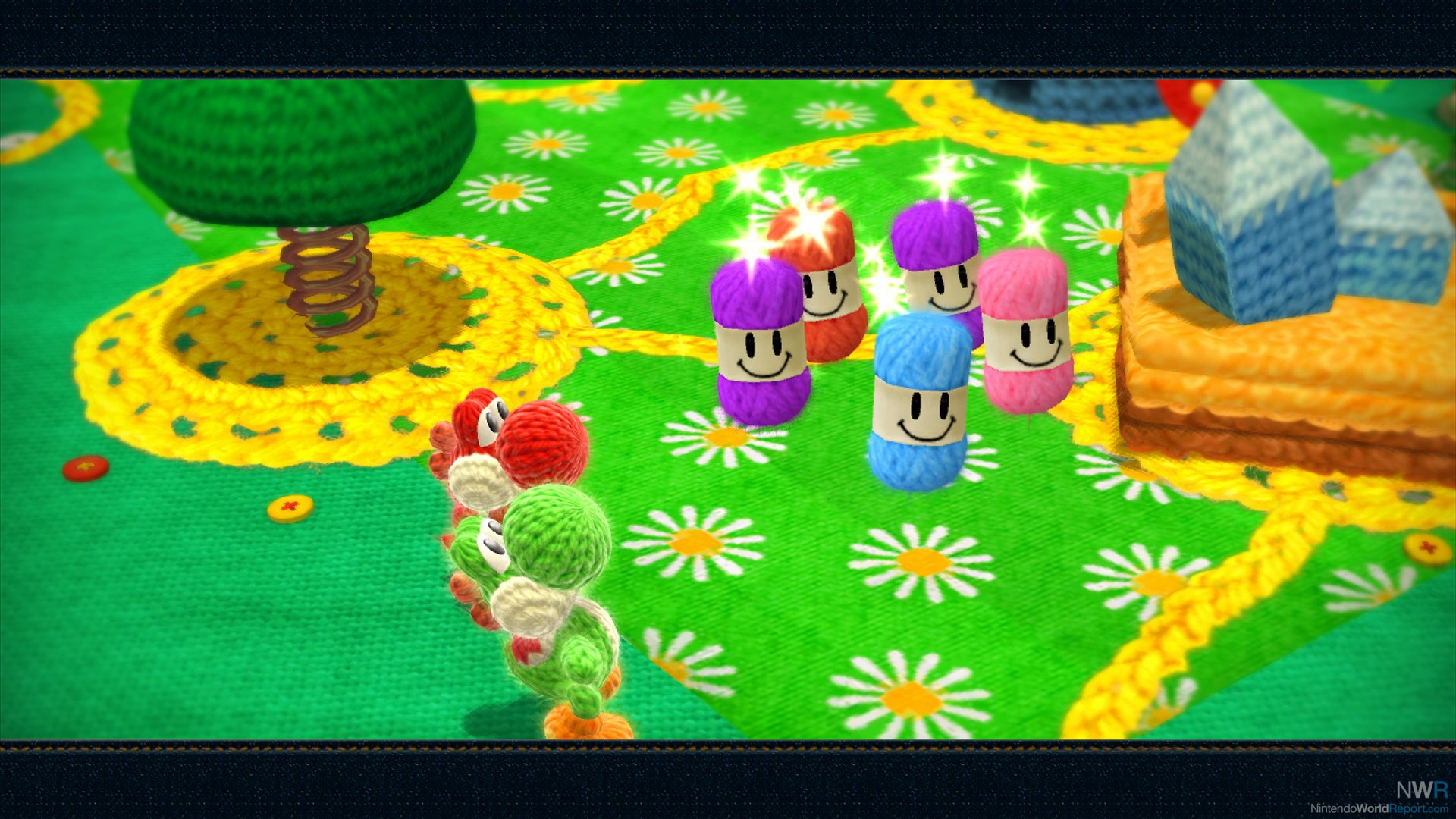
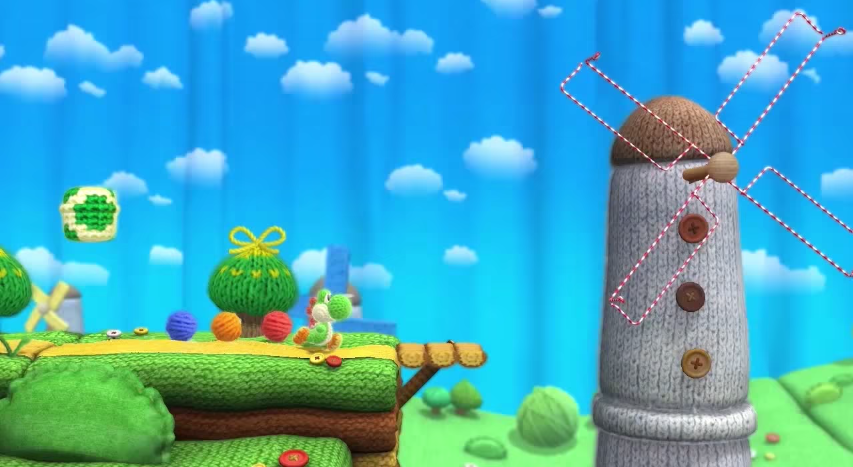
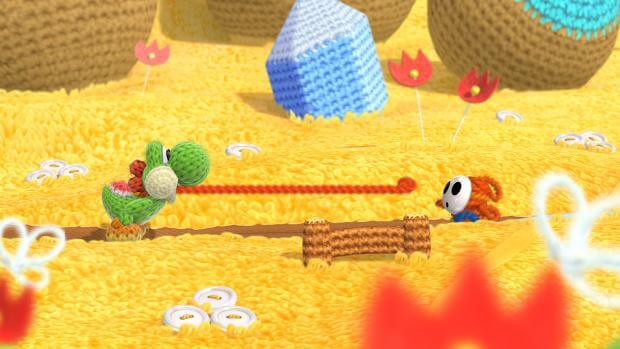
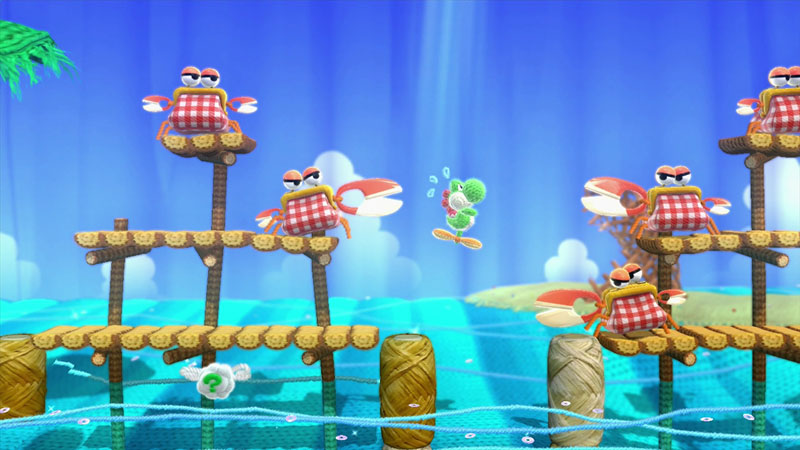
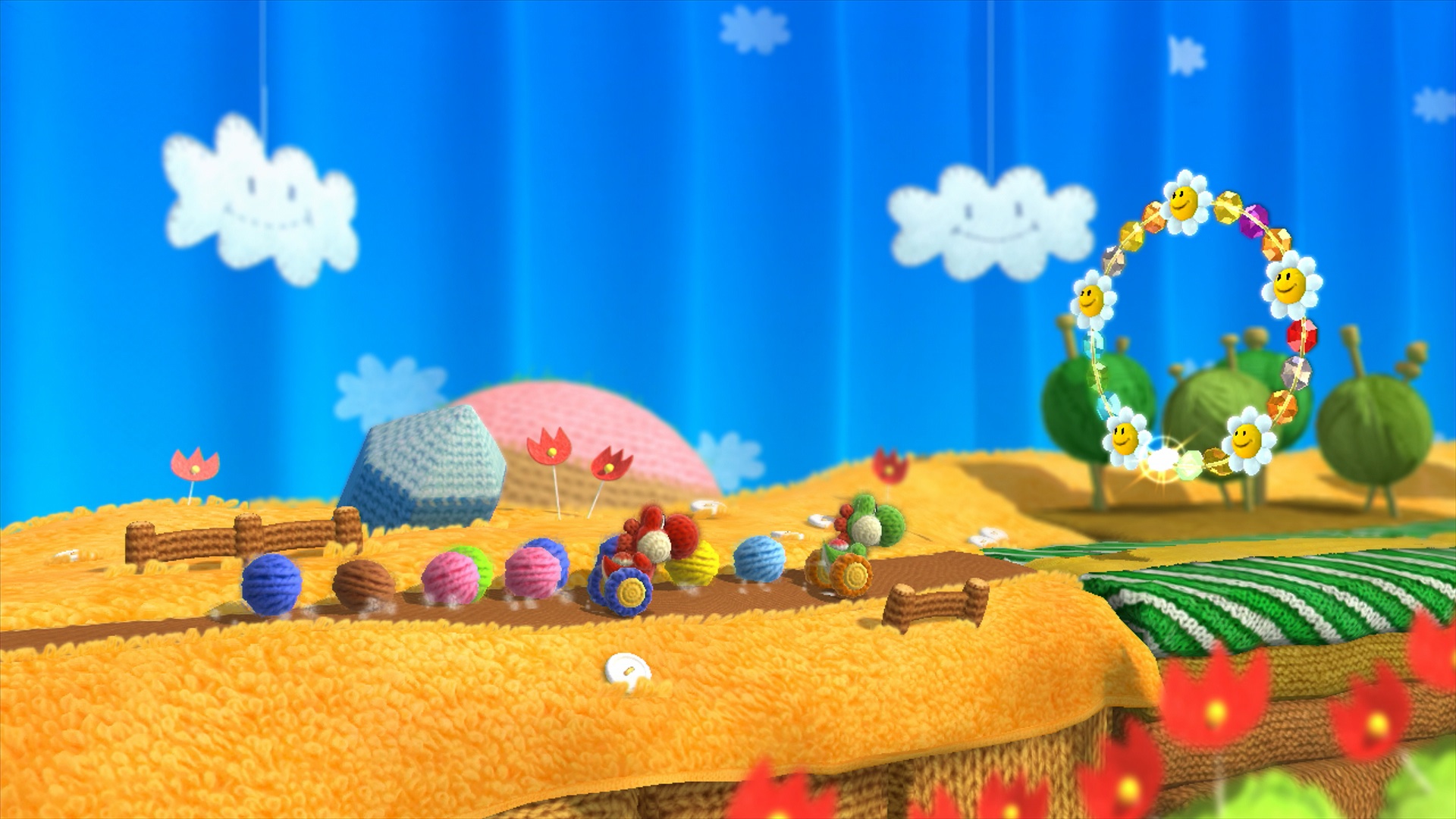
Outside of the uniquely and memorable gimmicks in every level, there are a few other features to this game that make it appealing. First, and most obviously, is the phenomenal art direction. Taken straight out of Kirby’s Epic Yarn, I absolutely love the visuals of this game. Everything is made of woven yarn and wool, and there is a ton of attention to detail to keep it all looking like it was handcrafted. These knitted characters and worlds are adorable, whimsical, and charming, it is probably my favorite feature of the game. It is especially cute whenever you get to play alongside Yoshi’s new canine pal Poochy, I mean who doesn’t love a good dog?  There is also a co-op mode so you can play with a friend, or maybe your kid as this a good platformer for beginners. Another cool feature is the ability to buy power-ups through gems that you collect in the levels. You will have an overabundance of these gems and it could be pretty fun to spend them to give Yoshi powerful abilities. Lastly, I think this game is probably an appropriate difficulty level for young kids. It is definitely a little tougher than Kirby games, but not as hard as Mario or Donkey Kong. I just think that there should have been a good way of stepping up the difficulty for more experienced players. I absolutely loved the hidden levels of this game, they were fast, fun, and had some challenging platforming. If the whole game had similar level design this would have been a must play game in my opinion, but there are so few of these levels and they are hidden behind an irritating collectible system.

2

Overall, I think Yoshi’s Woolly World is a decent game. While I spent a lot of time ranting over its obnoxious collectible system, I don’t think most players will even attempt to collect most of them. And while for someone who is more familiar with platformers the game is slow and easy, it is the perfect difficulty for its intended audience. As someone who grew up playing the original Yoshi’s Island, maybe I expected too much out of this game, but I felt seriously stuck between the game being too easy when played normally, and flat out annoying when playing for collectibles. Still, the whimsical charm and creativity of Yoshi’s Woolly World is sure to impress. For these reasons, I give Yoshi’s Woolly World a 6.5/10. It is great as an introductory platformer, but I feel that it offers little outside of that.