Pikmin has always been a series that has had underwhelming sales numbers. The cutesy aesthetics paired with the horrific reality that you will lead your squad of adorable little guys to their brutal demise means that the audience for these games is limited. I suspect people are discouraged by the time limit or the stress of having your pikmin get eaten, electrocuted, lit on fire, or otherwise killed. After the long hiatus following the release of Pikmin 3, it feels like Pikmin 4 is an attempt to appeal to a larger audience. In some ways, this is a fantastic thing. Pikmin 4 is the biggest, most complete game in the series. On the other hand, the concessions made in hopes of attracting new players actively harm the game.
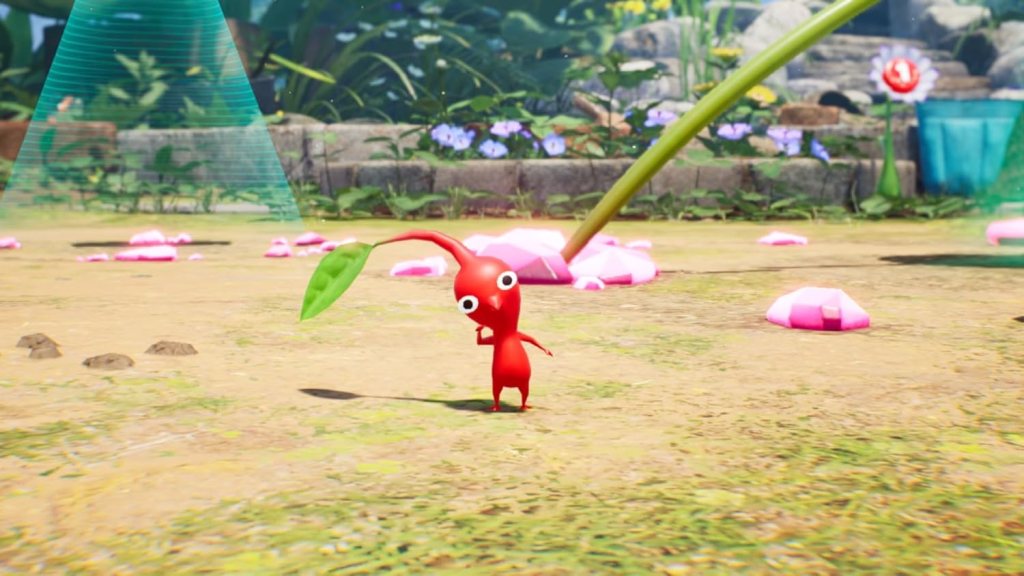
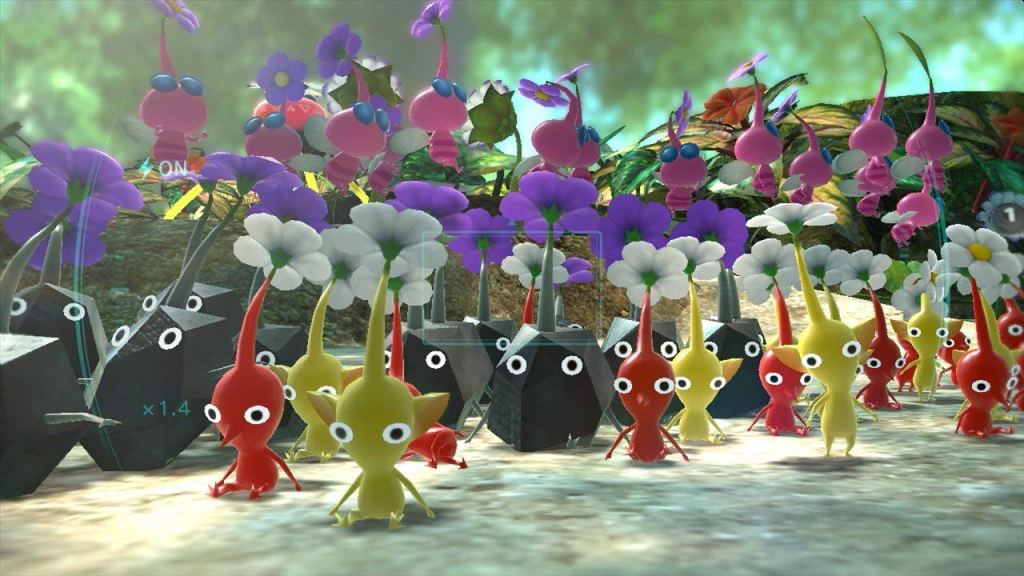
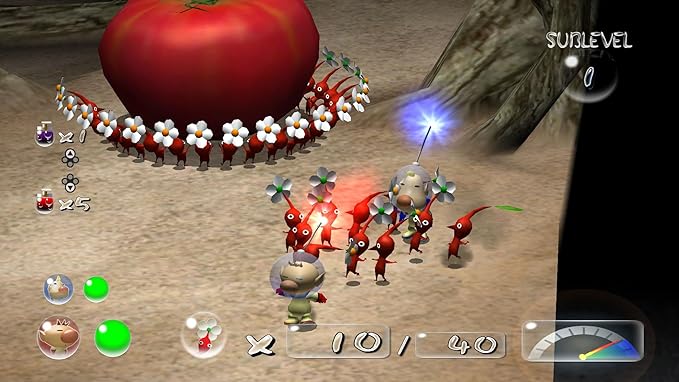
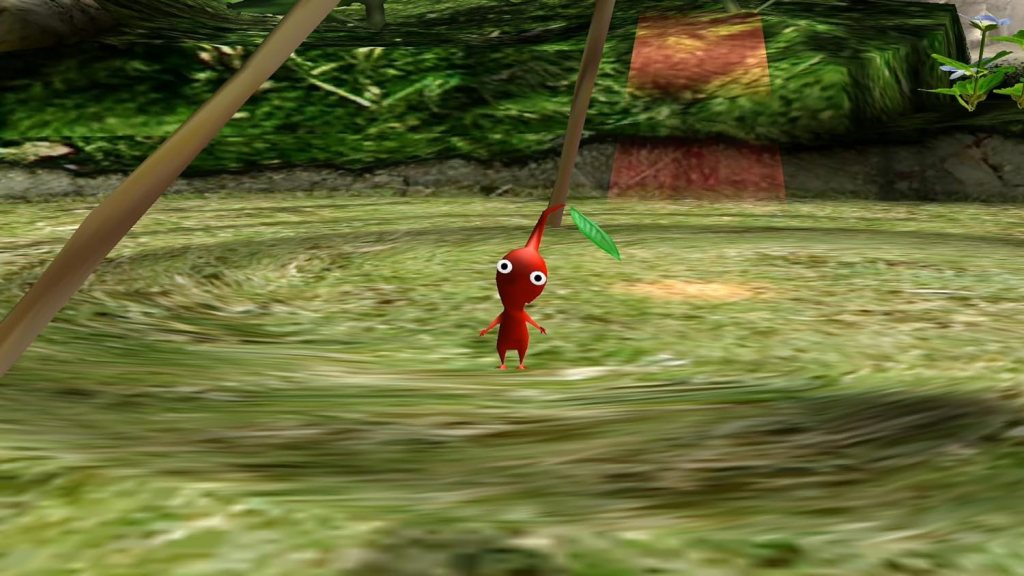
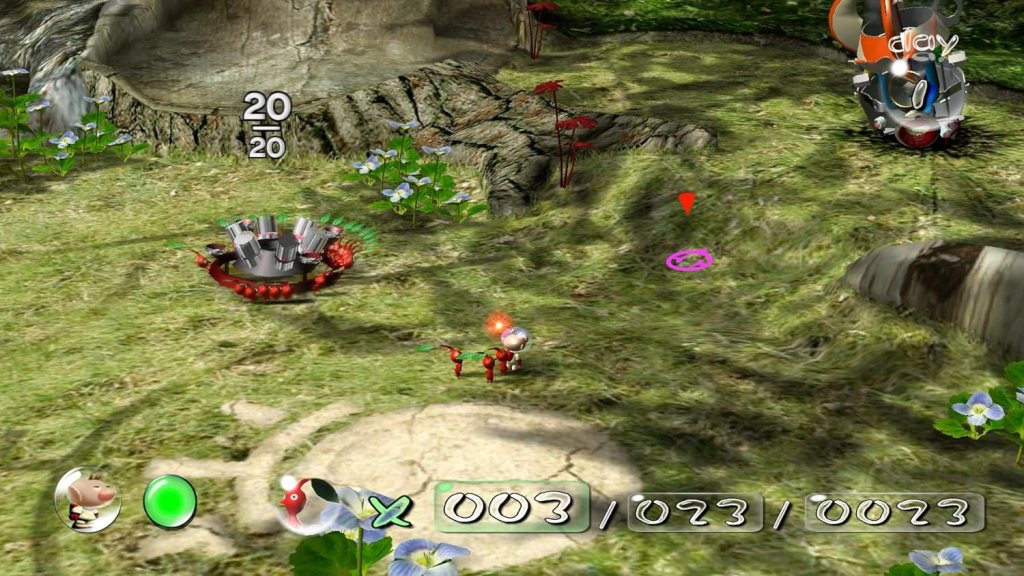
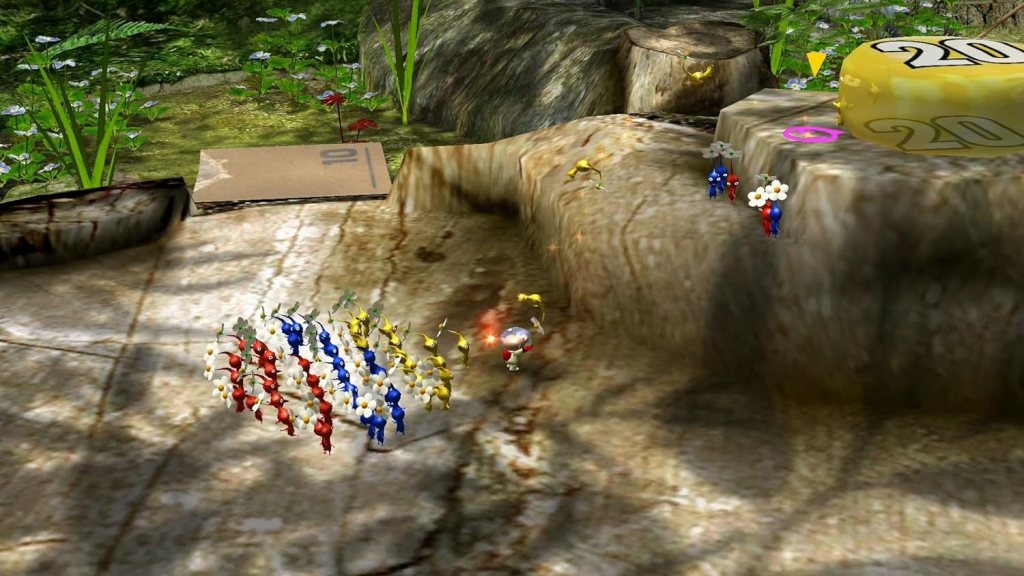
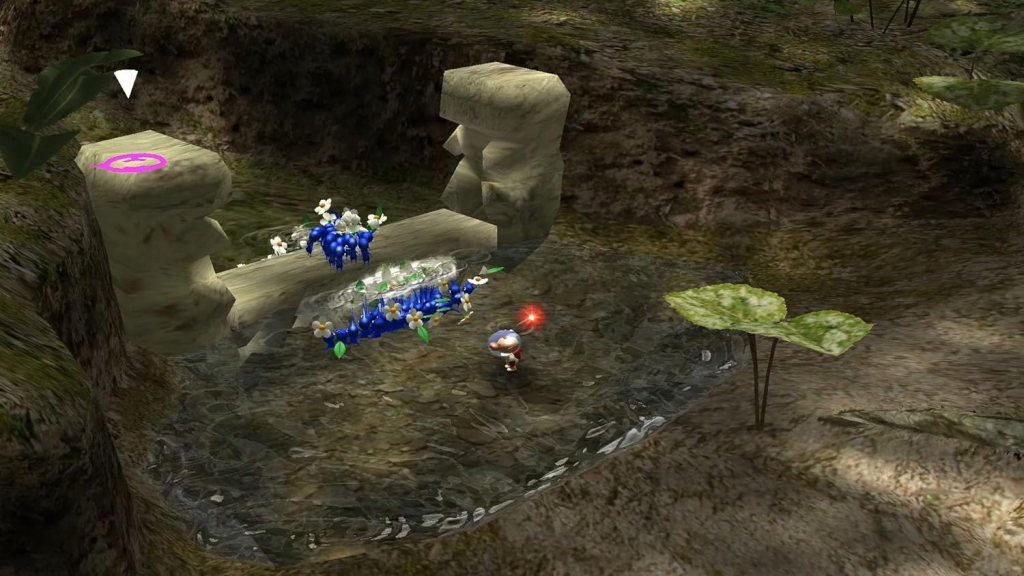
Like every other game in the series, Pikmin 4 is a real-time-strategy game where you grow hordes of cute creatures known as pikmin to complete tasks for you. They are fairly brainless, so they form a symbiotic relationship with the player. You lead them around and command them to fight enemies, retrieve treasures, and carry pellets back to base so that more pikmin can sprout. Individually, each pikmin is weak, but as an intelligent swarm they can conquer the environment and tackle massive foes.
The most impressive aspect of Pikmin 4 is its scale. This game is bigger than its three predecessors combined. And it combines all the elements from the previous games to deliver the most complete experience. Every zone is a sprawling playground to explore with dozens of treasures to find. Caves make a return from Pikmin 2, but are intentionally designed rather than relying on randomized layouts. Challenges from Pikmin 3 are now woven into the main campaign and are honestly my favorite aspect of the whole game. Every type of pikmin makes an appearance. It’s genuinely impressive how much they managed to squeeze into this game.
The larger areas don’t feel overwhelming as they are somewhat split into smaller zones. As you explore there are predetermined spots for you to move your ship and the pikmin’s onion to, making it easier to haul treasures and grow more pikmin without having to run all the way back to the original landing site. Much of the game’s content is also found in the caves. While I wasn’t a fan of caves in Pikmin 2 due to their repetitive nature and random layouts, I think Pikmin 4 executes on the idea much better. They have intentional design to challenge the player on their puzzle-solving, combat, and navigation skills. I still much prefer the open surface areas to caves, and I do think that Pikmin 4 has a handful too many caves, but the dungeon-crawling they provide is a fun detour from the open-ended exploration.
Aside from caves, there are also Dandori challenges to be discovered as you explore. Dandori is the art of strategizing and executing a plan for maximum efficiency. To me, this is one of the strongest aspects of the Pikmin series. Dandori challenges come in two forms: time trials and battles. The time trials are 5–10-minute challenges in a small arena where you have to strategize how to get all the treasure as fast as possible. I loved solving each of these challenges like it was a puzzle. Figuring out where I should start, which pikmin to pluck, which enemies to defeat, and what order to do things was quintessential Pikmin. Getting all the platinum medals on these time trials was challenging but achievable, and it was my absolute favorite aspect of Pikmin 4.
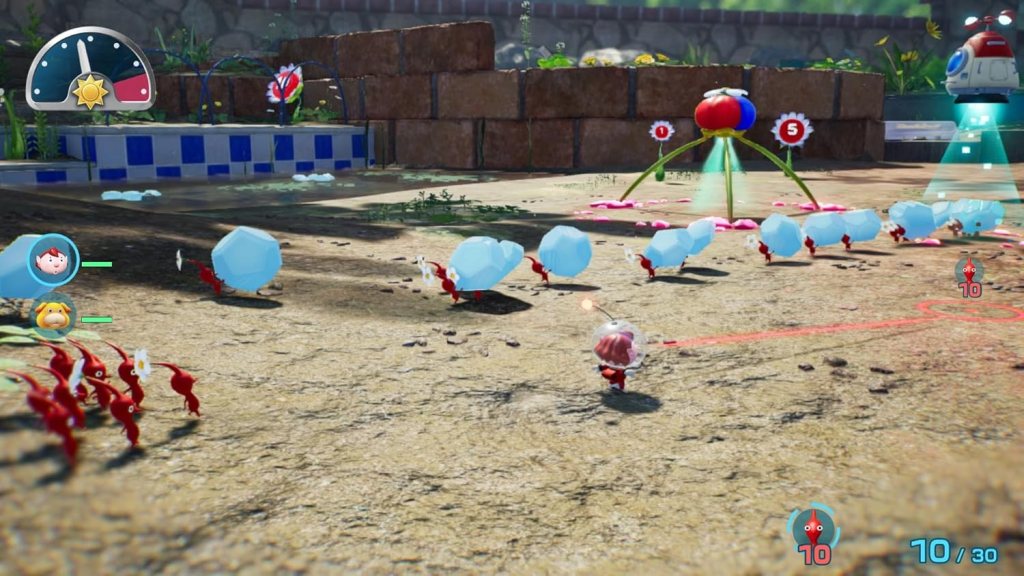
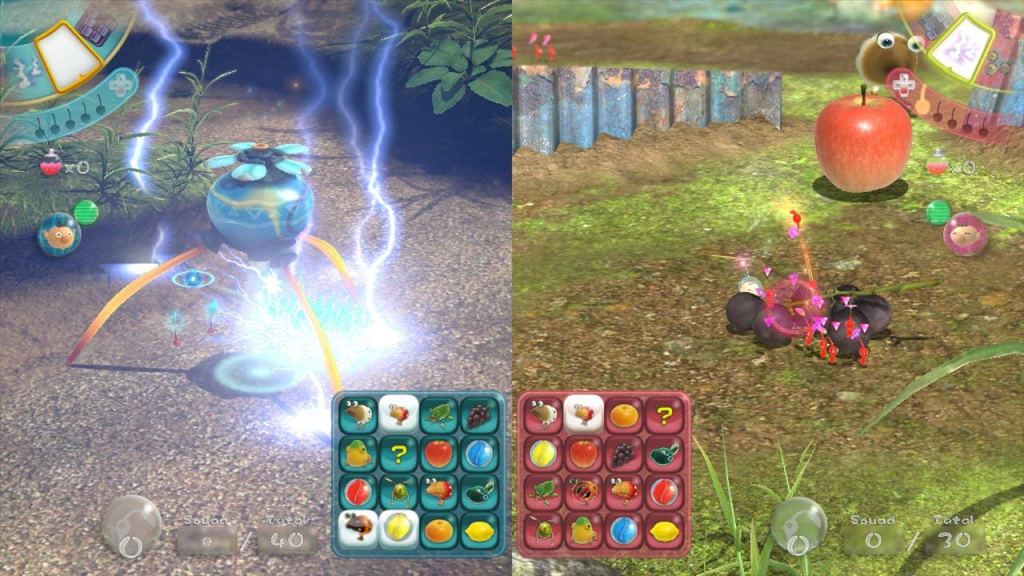
The Dandori battles on the other hand had a major flaw in their execution. These battles are similar to the time trials, but you are facing an opponent with their own army of pikmin. You both try to collect treasures to gain points, and it is a frantic experience as treasures and enemies frequently respawn. There’s also power-ups and items to sabotage your foe. I really like the idea behind these battles and there is an extra layer of depth as you have to consider which treasures are worth fighting over. But the big issue I have is that for some reason these battles have a split screen view. Half the screen is dedicated to the AI opponent’s point-of-view. It makes playing these battles feel super claustrophobic and hard to tell what’s going on. I don’t think I ever looked at the opponent’s screen to see what they were doing. At the very least, this should have been a toggleable feature so I could turn it off and focus on my own strategy.
Another major shakeup to traditional Pikmin gameplay is the inclusion of night expeditions. These are missions solely focused on defending your base from enemies. You command a new variety of pikmin, called glow pikmin, which excel at combat. These missions are fairly short and aren’t particularly difficult, but I did enjoy taking a break from normal daytime exploration to partake in some frantic defense. Ultimately, I think Pikmin 4 attempts to appease every aspect of the series’ fanbase. Between the combat focused night expeditions, optimization heavy Dandori challenges that require multitasking, dungeon crawling caves, and the laidback exploration of regular areas there is something for everyone to enjoy.
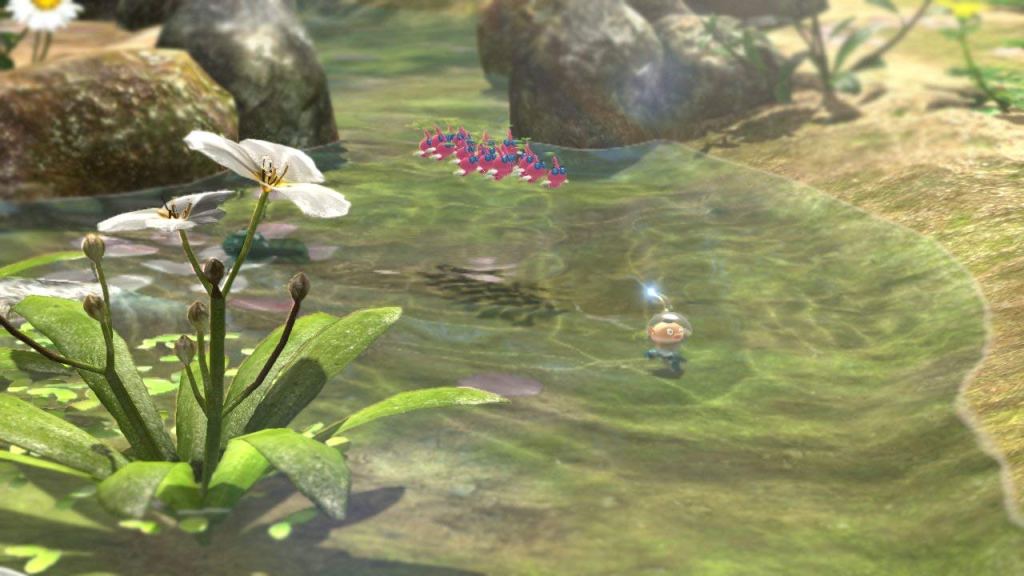
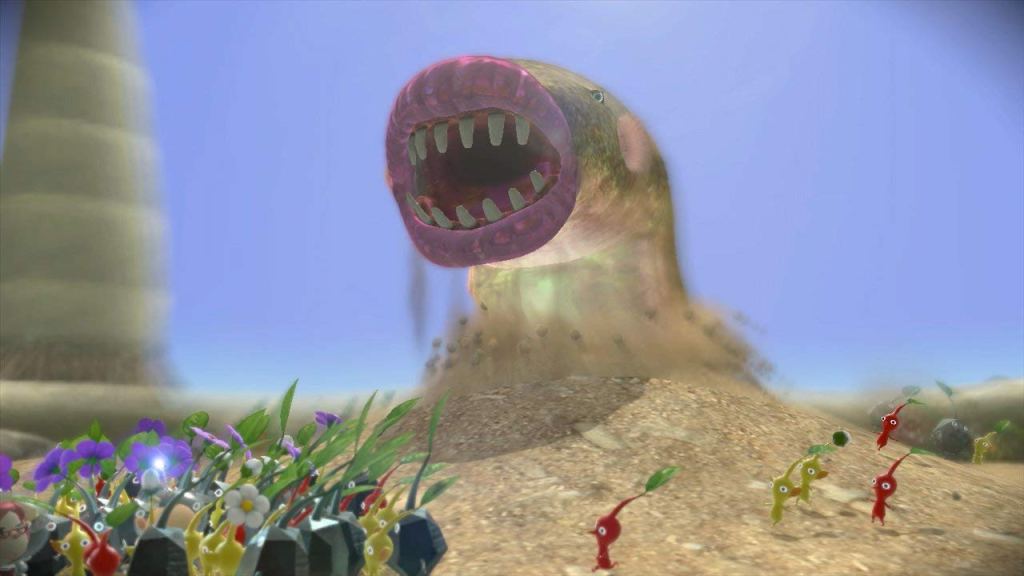
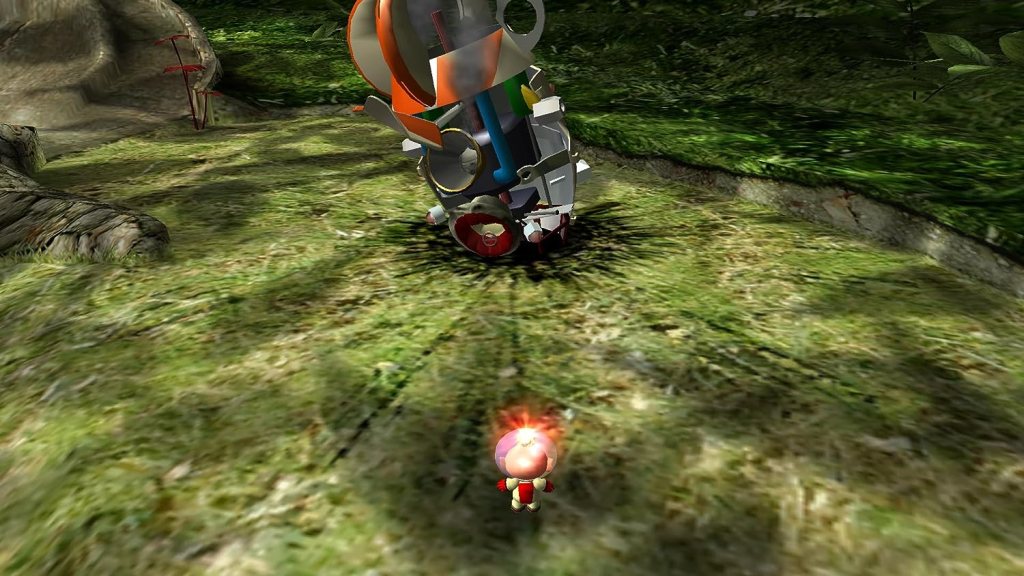
Not only does Pikmin 4 impress with the scope of its gameplay, but it also is one of the best-looking games on the Nintendo Switch. The environments, characters, and creatures all look fantastic. More importantly, I love the environments of the game. Every area is obviously inspired by micro-slices of Earth. A backyard garden becomes a massive area to explore. The shifting tide on the beach leads you to climb a sandcastle. My favorite area is the inside of a house. Figuring out how to navigate the furniture in the living room and kitchen is a great mix-up from the more naturalistic environments that Pikmin is known for. I really do love the focus on the environments created by humanity. It inspires imagination about what sort of life exists at the micro scale on our planet. Who knows, maybe there are little aliens running around collecting bottle caps and buttons when we aren’t looking.
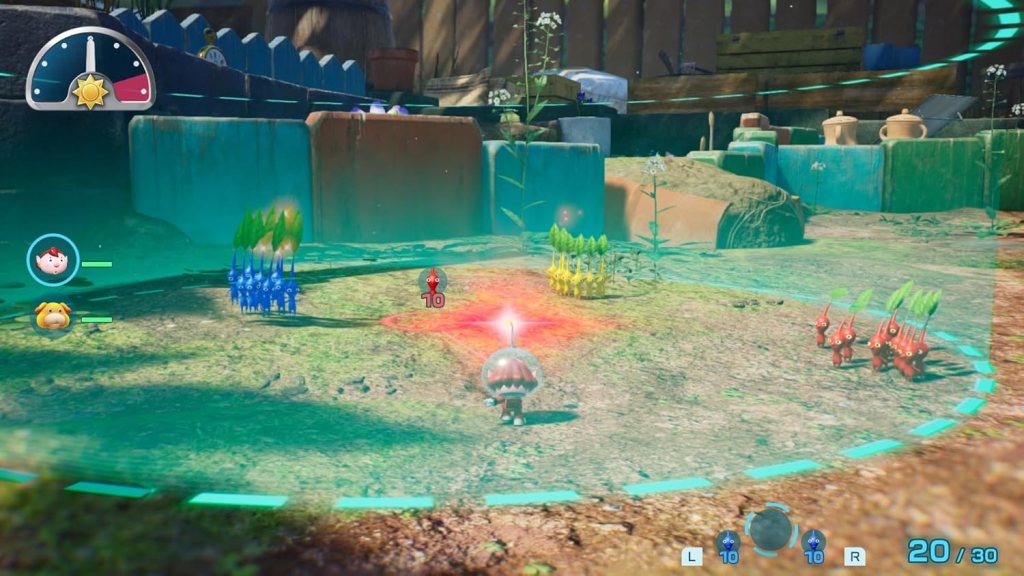
Despite everything that Pikmin 4 does right, it also makes a ton of mistakes in an effort to appease new players. The issues are immediately apparent from the start as Pikmin 4 has one of the most painful tutorials I’ve ever played. The game takes forever to let the player start playing. And when it does, it constantly wrests control away from you to give you a tutorial on even the most straightforward of mechanics. Even after the tutorial the game throws giant text boxes on the middle of the screen during gameplay. After playing for 30 hours, I don’t need my vision obstructed by a tip telling me that there are pikmin at my base ready to be plucked.
There’s just too much talking in general. The original Pikmin was an isolated, alien experience. After every day the characters talk on and on about nothing. Despite the large cast of characters, I can’t remember anything about any of them. In Pikmin 4 you take the role of a member of the rescue corps on a mission to rescue characters stranded on Earth. The rescue corps sets up a base where everyone you rescue hangs out. I appreciate the idea of having a cozy hub to hang out in, but it’s extremely barren and all the characters just feel like they are stapled on. I wish some temporary buildings or structures would be built as you progressed. Like having shops for items, upgrades, and cosmetics rather than just having those characters stand around in the open. I would have loved it if this hub had some personality.
Gameplay wise, there’s a wealth of issues. First and foremost is the control scheme. The game forces automatic lock-on on the player, with no way of toggling it off. The result is that many combat encounters are dumbed down to a single button press. You no longer have to aim your cursor; the game takes that skill out of the equation and guarantees that your thrown pikmin will land on target. The mechanic also becomes unwieldy during late-game encounters with many enemies because the automatic lock-on is incredibly “sticky”. A frequent annoyance is trying to prioritize a high-threat enemy but the game decides to prioritize random treasure or other tasks.
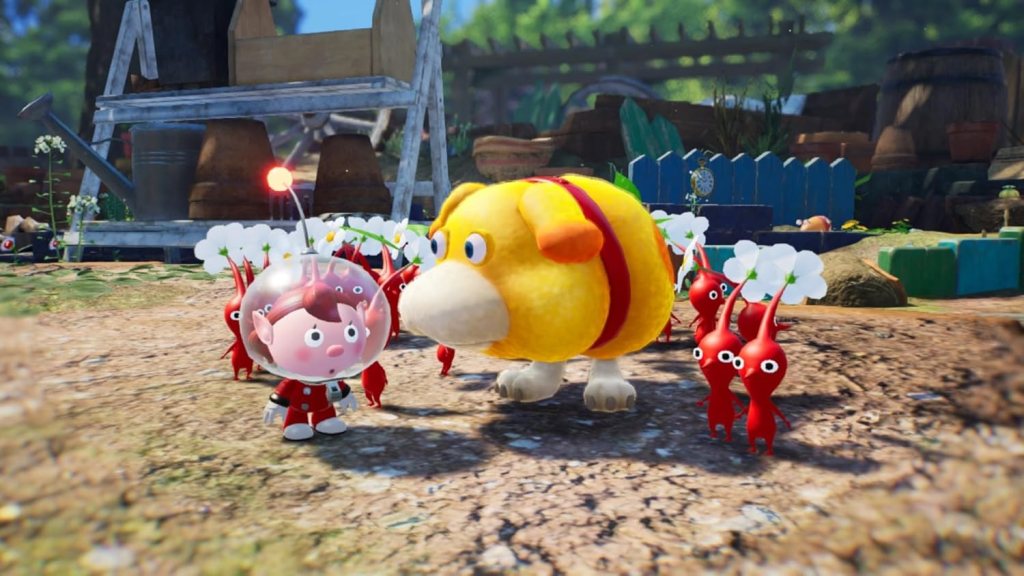
Pikmin 4 provides the player with a massive toolset. There’s a robust upgrade system that not only increases your health and elemental resistances, but also provides utility such as calling all idle pikmin to your side. There’re purchasable items such as bombs and stunning lightning to be used on tougher enemies. But the biggest addition to your arsenal is Oatchi. Oatchi is an alien dog trained to assist in rescue missions. Listen, I love dogs, and it’s hard not to love Oatchi, but Oatchi borderline breaks the game.
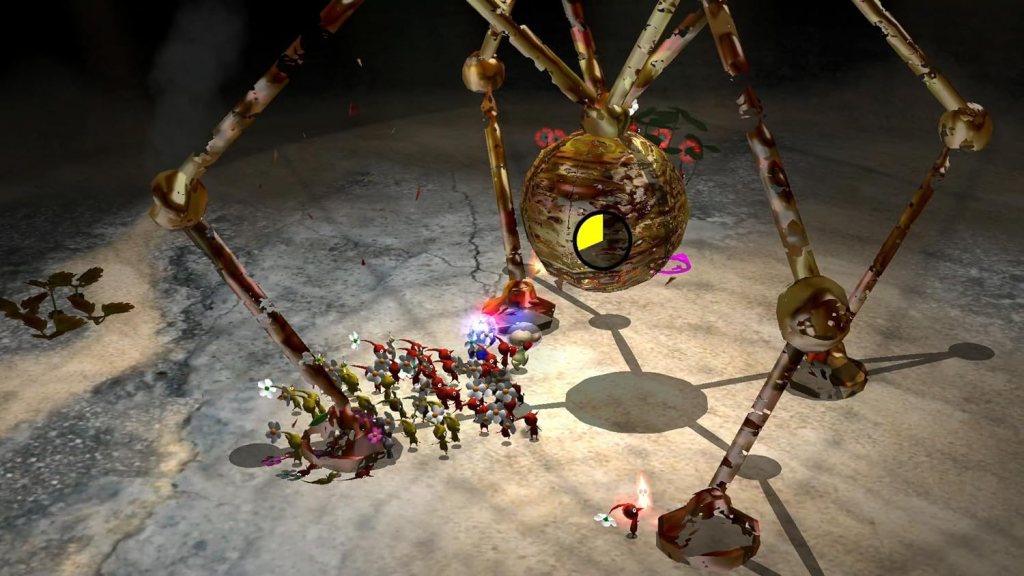
The problem with Oatchi is that Oatchi is too good at everything. Oachi can fight enemies and can defeat most of them single handedly. Oatchi can carry heavy objects. You can ride on Oatchi’s back with your squad of pikmin. This is particularly useful because it makes it remarkably simple to have your squad of pikmin avoid enemy attacks. In previous games, having a squad of 100 pikmin could be unwieldy to control, but now it’s a breeze with Oatchi. You can also charge at enemies which deals damage, stuns them, and flings your entire squad of pikmin on their back. The vast majority of enemies are decimated by the combo of being stunned and having 100 pikmin attacking them. It genuinely feels like the game isn’t designed for the havoc that Oatchi can wreak. It’s until the final boss of the post-game that I encountered an enemy that felt designed with Oatchi in mind.
Aside from Oatchi, another major addition is the inclusion of ice pikmin. This new type of pikmin can freeze bodies of water if enough of them are occupying it. This is a great strategic addition as it creates traversable paths for your squad, but at the temporary cost of dozens of pikmin. In combat, ice pikmin are extremely overpowered as they can rapidly freeze enemies. This is balanced by having ice pikmin do less damage, but just a handful of them is enough to freeze enemies while the rest of the squad deals the damage. They are at least somewhat kept in check by the fact that your supply of ice pikmin is limited until very late in the game.
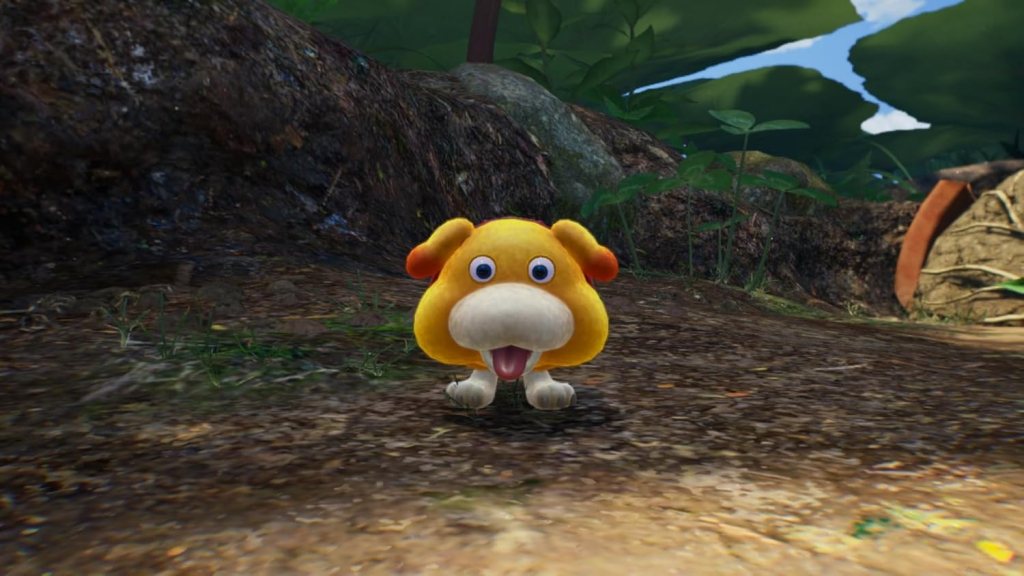
I think there was massive potential with providing the player all these overpowered options such as items, Oatchi, and ice pikmin. It could be framed that beating the game is a foregone conclusion, but maximizing your efficiency to do it quickly is the point. There’s only one Oatchi, so choosing what to have them do could be an interesting decision. Picking the optimal place to use items to save time could be fun. Ice pikmin would be more balanced by their lack of damage if you had to go quickly. But unfortunately, I don’t think Pikmin 4 does a good job at encouraging this efficiency by default.
For a game that emphasizes the concept of Dandori, there is very little need for speed outside of the Dandori challenges. There is no day limit in Pikmin 4. Every individual day has a timer, but it’s irrelevant since you can just end the day and start a new one rather than risking running out of time while doing a task. Dandori challenges and some of the post-game content are my favorite aspects of the game because they do put some pressure on the player. Having to think about the best way to use the tools available to you and what route to take is engrossing even if the combat is on the easier side.
The major flaw of Pikmin 4 is that it lacks an edge. There’s no element to provide friction that inhibits the player from just steamrolling the whole game. The wealth of new tools makes most combat encounters easy. Without a time limit there is no need to optimize and think about how to tackle exploration efficiently. There’s not even a significant number of puzzles like were present in Pikmin 3. As I played, I often felt that I was just going through the motions, that the game just kind of plays itself. I really would’ve appreciated something that made the moment-to-moment gameplay a tad more thoughtful. I’m ok with the game being relatively easy, but there still needs to be a threat to keep the player engaged.
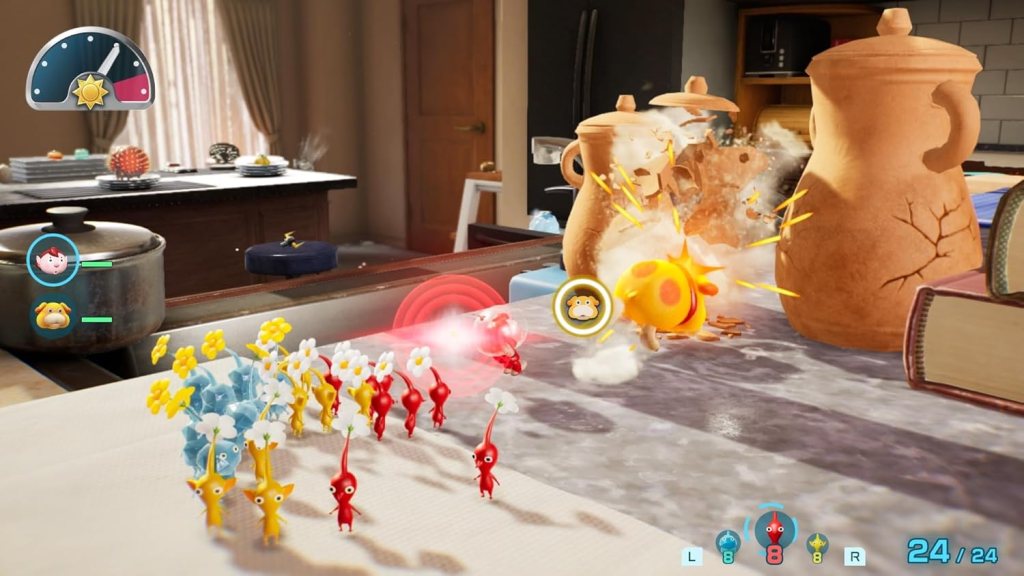
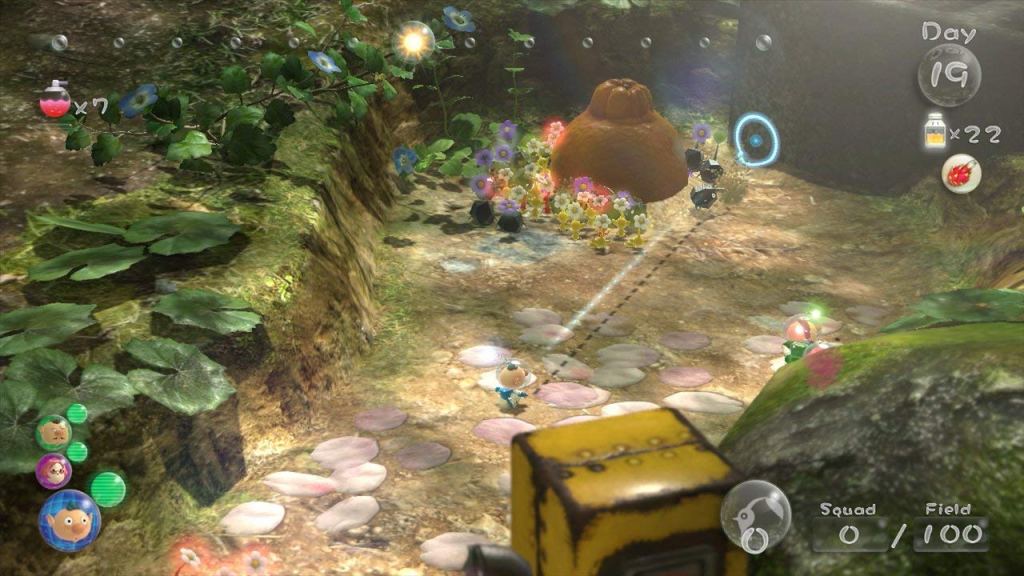
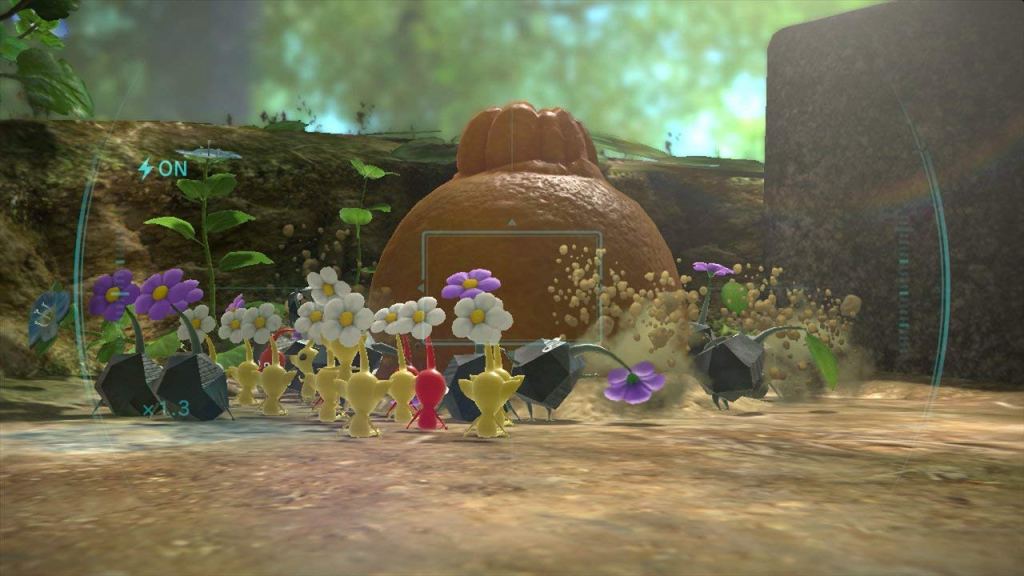
The Pikmin series is one of evolution. You could never say that it’s stagnating or failing to implement new ideas. I love the grandiosity of Pikmin 4; it certainly feels like the ultimate Pikmin experience. But the lengths gone to attract new players makes the experience feel neutered. The automatic lock-on, the drawn-out tutorial, the lack of an overarching time limit, and the overpowered tools that the game provides all dull the edge that the series once had. It is for these reasons that I give Pikmin 4 a 7/10. Every game in the series has something to offer, and while Pikmin 4 may lack friction, it’s a solid collectathon with a ton of content.
 stephensopinions