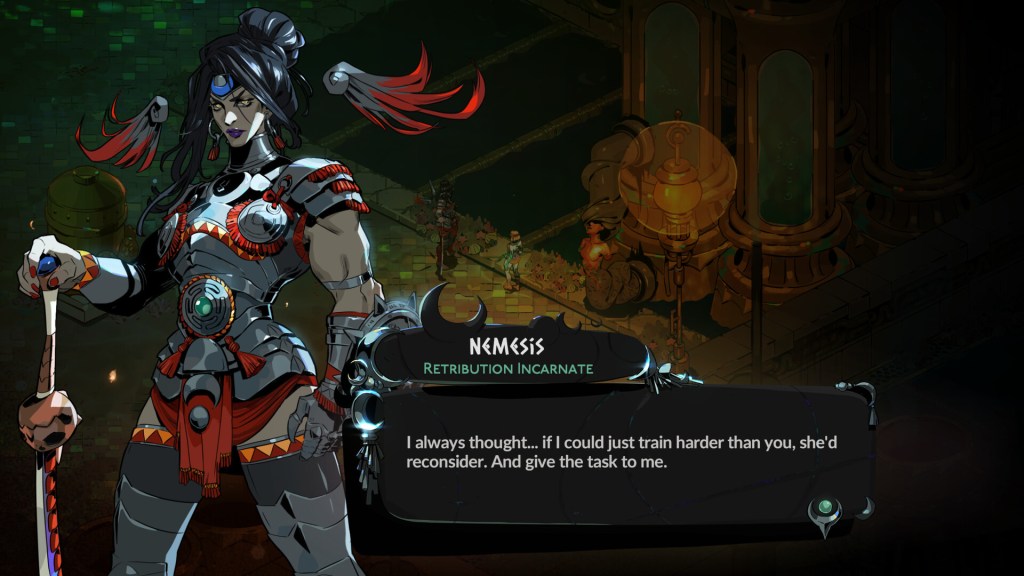
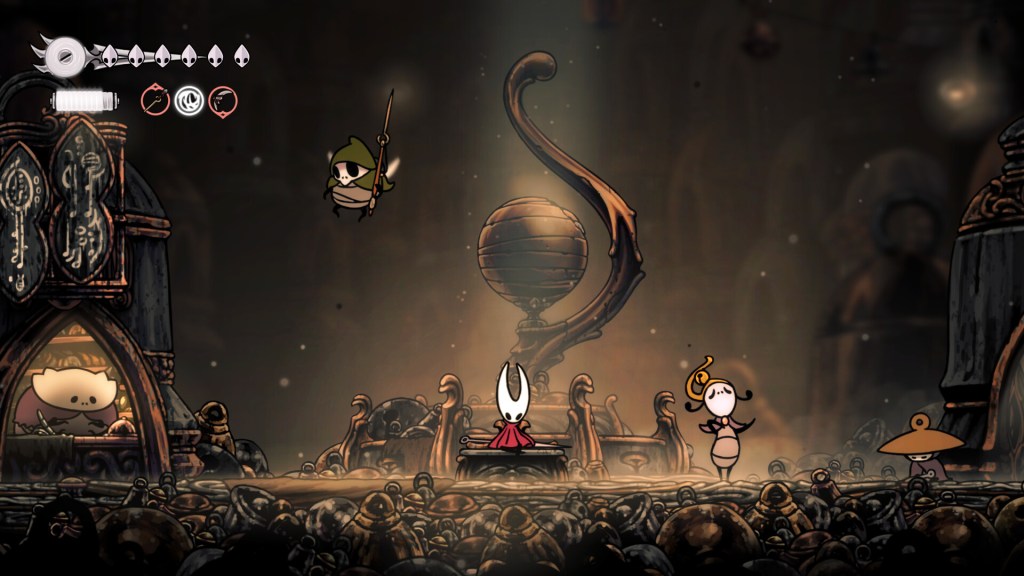
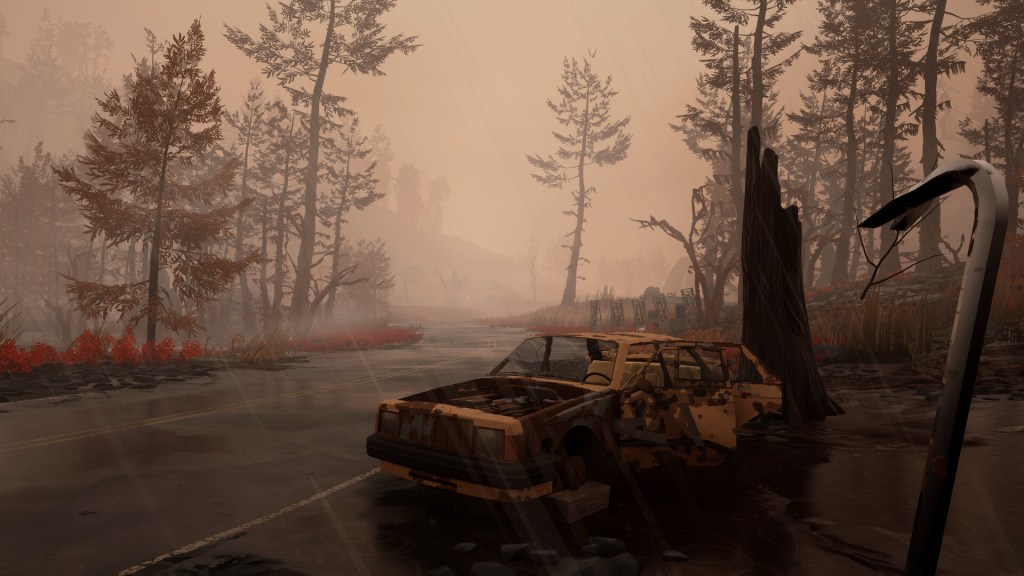
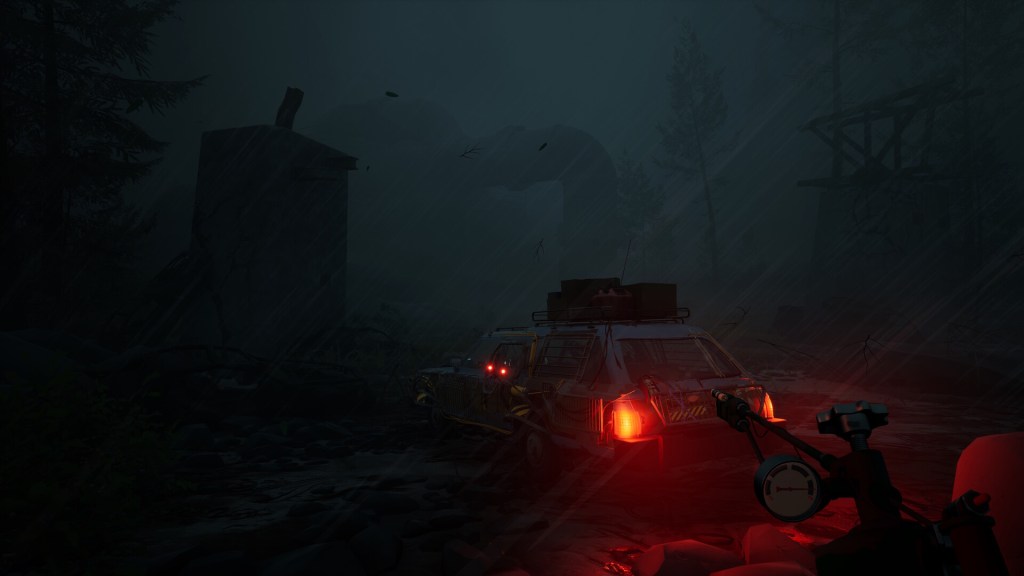
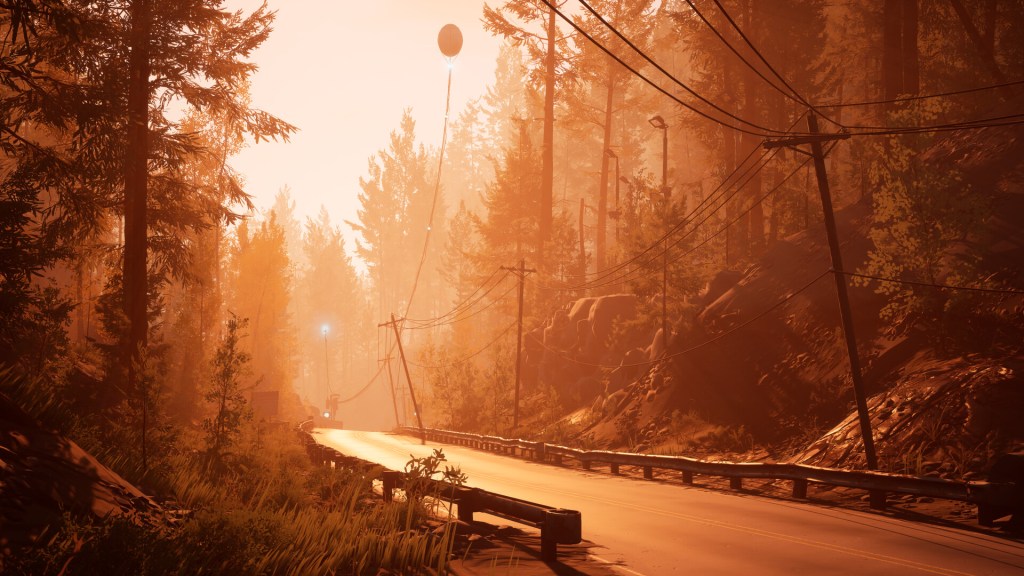
Hollow Knight: Silksong (2025)

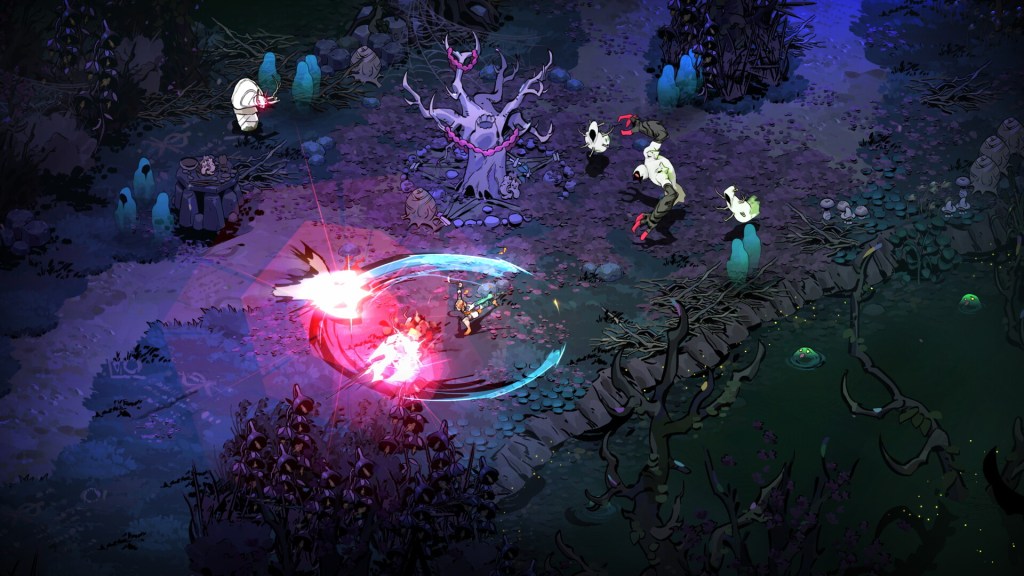
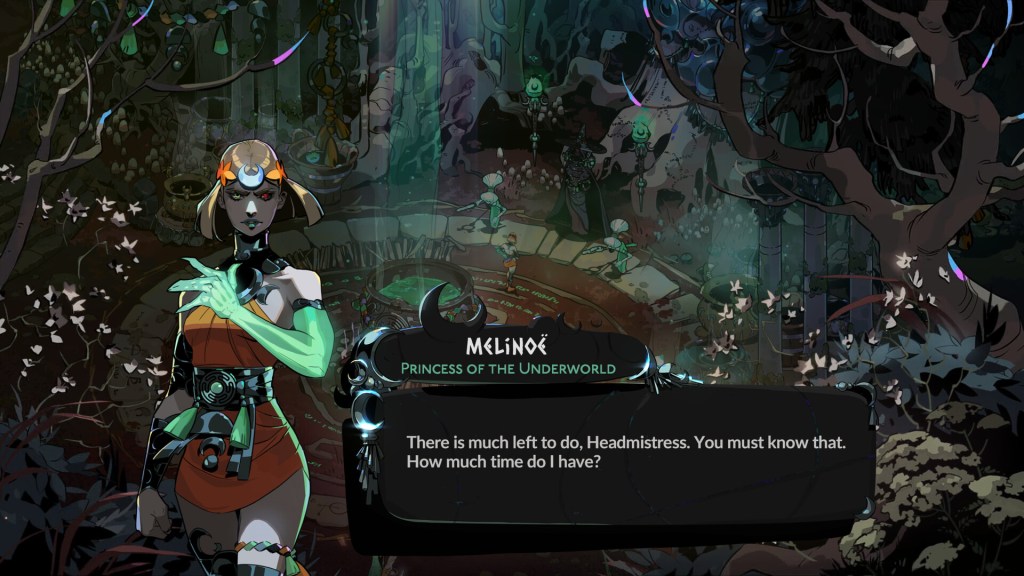
No game may have been more highly anticipated than Hollow Knight: Silksong. Team Cherry surprised the world in 2017 with the debut of Hollow Knight, and one of their Kickstarter funding goals promised a second playable character: Hornet. That promised DLC expanded in scope until it eventually became its own standalone game. It’s been over 6 years since the game was first revealed and after the long wait I wondered if the lightning-in-a-bottle of the original could be recreated. But after playing the game, I can confidently say that Silksong picks up right where Hollow Knight left off. For my thoughts on Hollow Knight, check out my review from when the original was released.

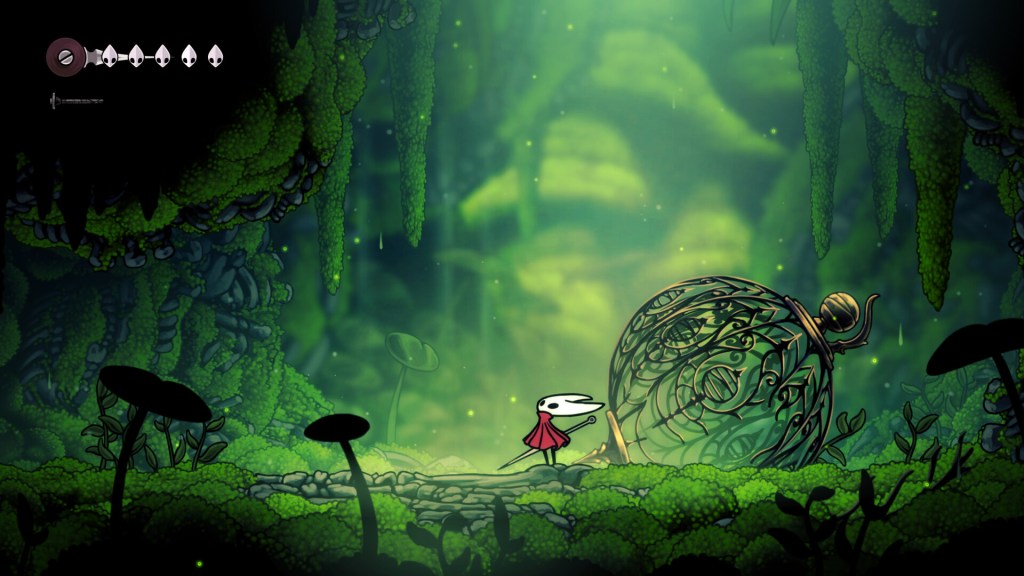
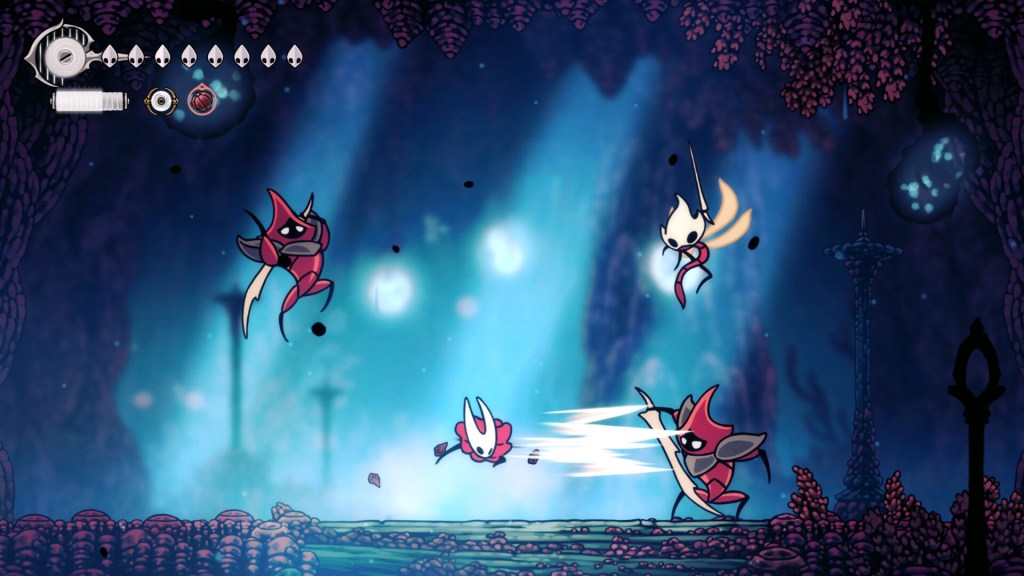
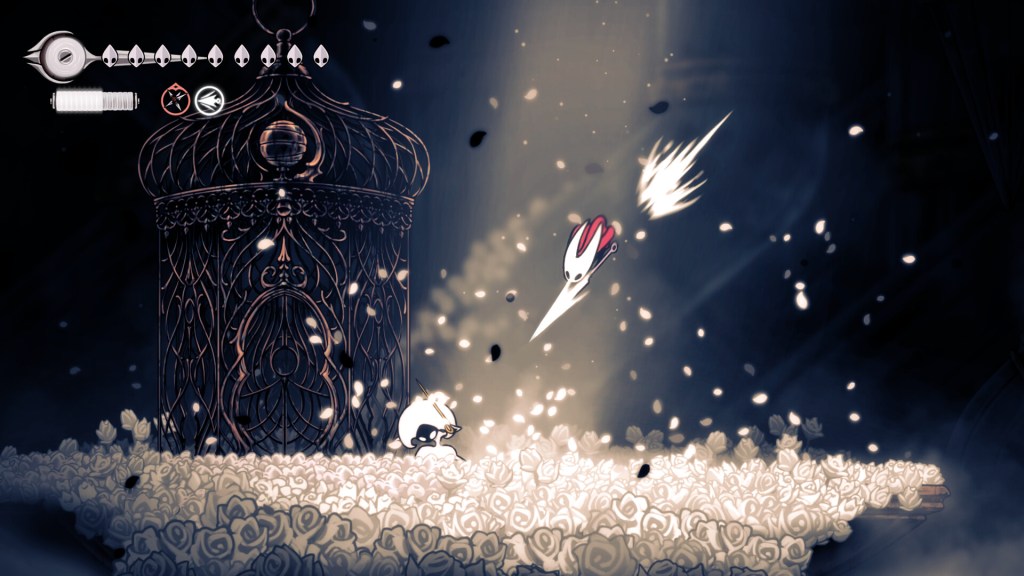
The brilliance of Silksong begins with its world. Kidnapped by religious zealots, Hornet arrives in the land known as Pharloom. It’s inhabited by numerous varieties of bugs, but the common thread connecting them is religious devoutness. It’s clear that Pharloom is a kingdom that has crumbled into dust, only whispers and tradition carry the travelers to summit the peaks where the holy Citadel stands.

As a metroidvania, Silksong frees its players to explore and discover organically. With nothing but the nebulous goal of reaching the Citadel as your guide, you set out on a blind journey. Silksong takes inspiration from the storytelling of FromSoftware’s games such as Dark Souls and Elden Ring. Taking in the dying world around you, piecing together the puzzle of what happened through vague texts and environmental storytelling. Nothing is directly told to you, but the world and its artistry wonderfully communicate what kind of place Pharloom once was.

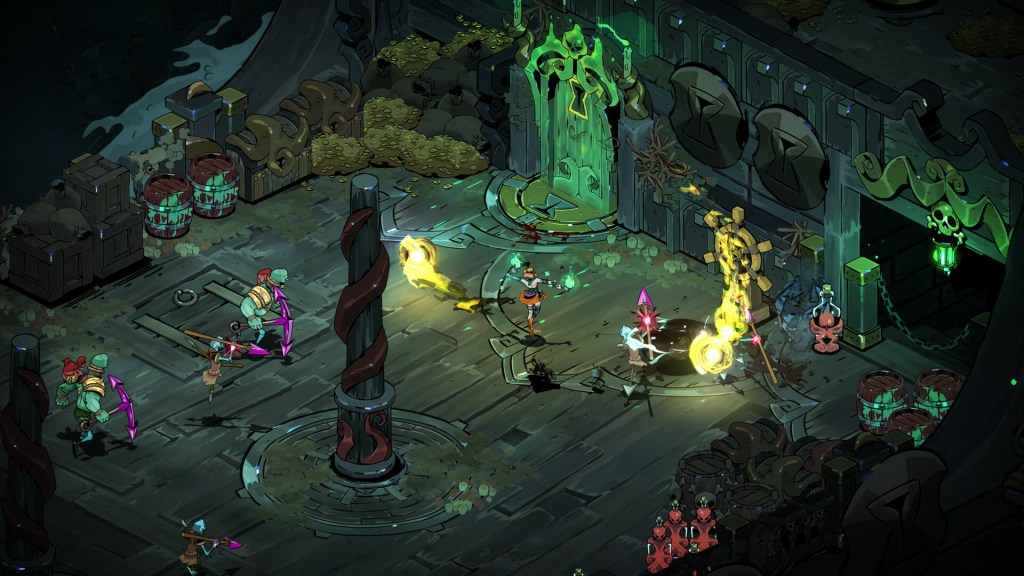
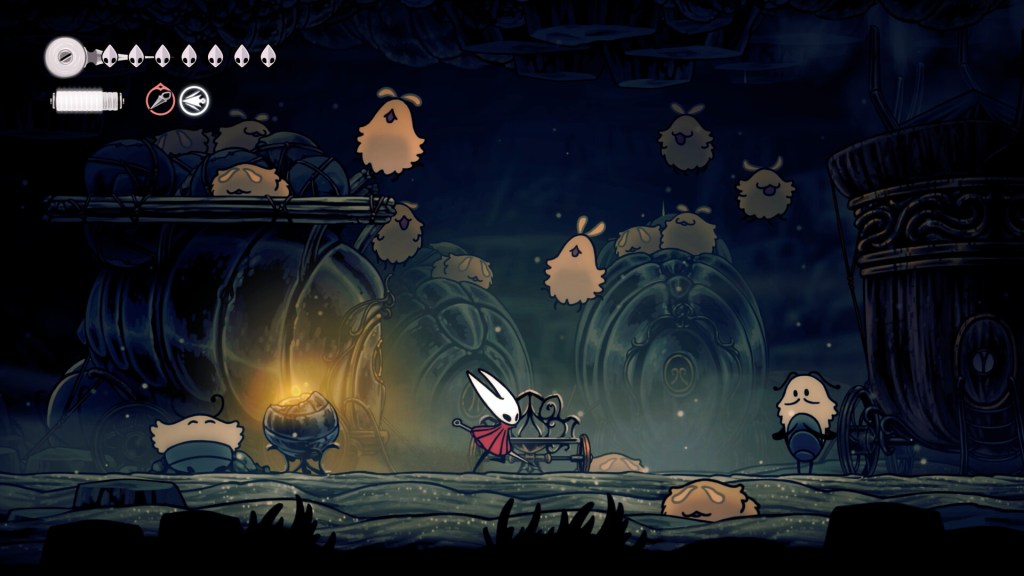
Take for instance the Underworks, a mechanical nightmare of pipes, gears, and valves beneath the Citadel. The opulence of the Citadel is powered by these dingy chambers. It is here where workers tirelessly labor to maintain the holy grounds that they never see. When they attack you for your intrusion, they only drop a pittance of rosaries, the currency of Pharloom. As you’ve progressed through the game you’ve gained increasingly more rosaries in each area from tougher foes, but the Underworks represent the poor dregs of the Citadel. There’s even a hidden room in which you can run on a treadmill to generate power, only to be rewarded with a single rosary for the effort. And it is here in the Underworks where the benches which have been the universal sign of rest and have acted as your checkpoints of safety incur a cost of 15 rosaries for a single use. Without any dialogue or text, Silksong portrays a dystopian society where a class is exploited and drained to fuel the grandiosity of an empty cathedral.
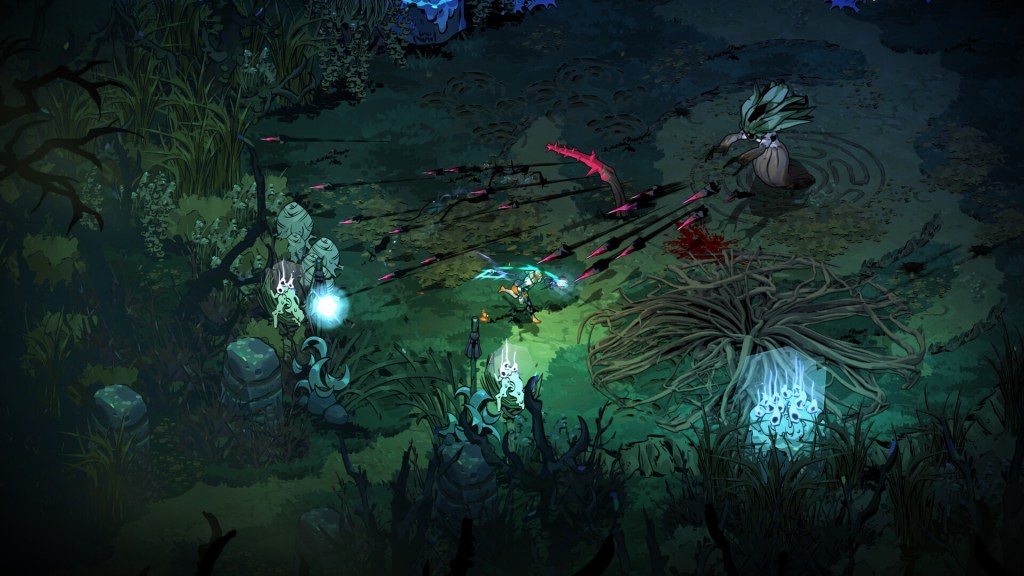
It’s these vignettes and partial truths of the past that make exploring Pharloom so compelling. The art and sound design of Silksong is also top-notch. An enormous amount of care was put into making each area distinct and filled with details. It’s from these details where the hidden stories are filled with life. The music is equally compelling, often harboring somber moods as you explore this crumbling kingdom. Yet frantic melodies make an appearance when engaging with any of the numerous bosses of Silksong.

The gameplay of Silksong is that of traditional 2D metroidvania. You explore massive areas, fighting enemies, platforming across dangerous pits, and collecting hidden boons to increase your power. The major upgrades that you find act as keys that unlock new paths in the world, as well as being purposeful in combat. What I love about Silksong is its non-linearity and its reluctance to guide the player. It is up to you to figure out where to go, often you have to choose at random between forks in the road. When you enter a new area, you are blind, there is no map until you find the mapmaker. You’re forced to rely on instinct and curiosity. I find this more compelling than being given explicit directions. Each path has something to be discovered, but the further you wander from a resting place, the more risk you incur.

Pharloom is a harsh place, filled with enemies, obstacles, and traps. Resting at a bench acts as a checkpoint, restoring your health and letting you respawn there if you die. And if you die, you lose all the currency you are holding, and you only get a single chance to reclaim it. The game design makes the world incredibly dangerous, and you can take nothing for granted. Every time you hit an enemy, you generate a single pip of silk, and nine pips of silk are required to heal. Getting hit at all is costly, and extreme caution is warranted when traversing Pharloom. I personally love this feeling of playing on a knife’s edge. You can never let your guard down or brute force your way through obstacles. You have to master your movement and your arsenal.

What makes Silksong stand out from its predecessor is the number of tools available to the player. Hornet is a much nimbler protagonist than Ghost from the first Hollow Knight. She acquires many different tools to dodge and evade. But this agility comes at a cost, as she is also much more fragile than Ghost. As the game progresses, many enemies and traps deal two ticks of damage rather than one. This happens fairly early on in the game. While there has been an uproar online about this steep spike in difficulty, I wasn’t offput by this at all. I thought the difficulty was well-balanced to provide an adequate level of challenge. Silksong is the sequel to Hollow Knight, and it was originally intended as DLC. It makes sense that it picks up where Hollow Knight left off. Furthermore, Hornet is swift and has so many more tools at her disposal to make encounters easier. Making use of these tools makes the game so much more approachable.

Not only do you unlock various movement options, but spells, crests, and tools also can be found to customize your moveset. Spells are powerful abilities that cost silk to use. Tools come in the form of both equipped passive bonuses and accessories that you can deploy in combat such as throwing needles or caltrops. And crests are complete game-changers as they entirely alter Hornet’s attacks and innate abilities. For example, the Beast crest modifies the basic heal to instead be a life-stealing effect when you claw at enemies. I found that tinkering with the different options and finding combinations that I liked was immensely enjoyable.

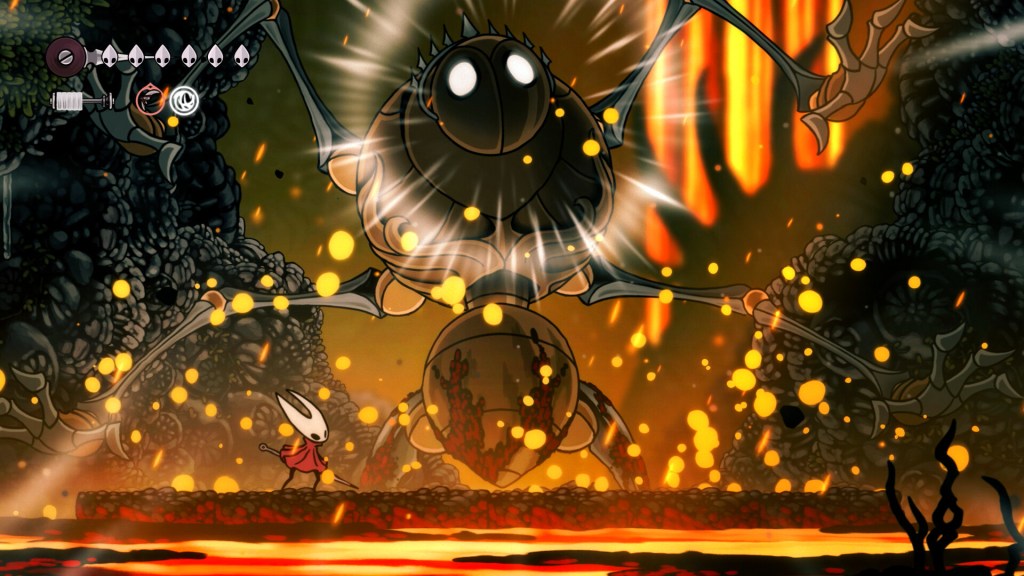
The boss fights of Silksong are the cherry on top of the already excellent gameplay. They all have distinct attack patterns and arenas that make them stand out from one another. But I was most impressed by the lack of restraint shown by Team Cherry. Most bosses only have 3 or 4 attacks, limiting the number of tells and timings that you have to memorize. I was able to easily find openings and gain confidence on the tougher foes, transforming the fights into a dance as Hornet nimbly evades blows and returns damage with her needle. The design of these fights has a knack to seem intimidating at first, but quickly become manageable once you learn the patterns.

As a metroidvania, discovery is a key aspect of the gameplay loop. Finding secrets, uncovering new areas, and remembering where to use your new abilities are part of the fun. For the most part, Silksong nails this. The lack of guidance makes these discoveries more organic and rewarding. But I do have a minor gripe with some of these well-kept secrets. I don’t mind when minor rewards such as health upgrades or tools are well-hidden, they are bonuses for having a keen eye. But I was disappointed by how many major areas were so incredibly concealed. I missed a handful of these areas initially, and only found them when I was aiming for 100% completion. One or two of these areas being secret is fine, but Silksong is a massive game and finding the fake walls leading into these secret zones is like finding a needle in a haystack.

My other minor issue with Silksong is its propensity for dull fetch quests. There are dozens of quests in the game, many of them being fun journeys that result in a boss fight or extra bit of lore. But there are also many repetitive fetch quests that have you slay some number of nearby enemies. The majority of the time these enemies are the same ones you’ve been fighting for hours at this point. These kinds of quests are just dull and act as padding, which the game doesn’t need at all since it is already so huge.

After such a long wait, I was a bit nervous that Silksong wasn’t going to live up to its sky-high expectations. But I was thoroughly impressed with the immersive world and tight gameplay. It is a continuation of Hollow Knight, but it doesn’t feel totally derivative because Hornet plays so differently from Ghost. The ability for the artistry of the world to tell a wordless story is truly special. It is for these reasons that I give Hollow Knight: Silksong a 9.5/10. If you haven’t played either of the Hollow Knight games, do yourself a favor and play the best metroidvanias of the last couple decades.

Stephen’s Favorites of 2024

I feel like 2024 was the first year where I at least tried to keep up with recent releases. I wanted to highlight the games from this year that were my absolute favorites. Of course, as someone with a full-time job, a family, and other hobbies, I didn’t get to play every major release of this year. There were plenty of games on my radar that I didn’t get around to such as Indiana Jones and the Great Circle, Lorelai and the Laser Eyes, and the remake of Silent Hill 2. Here are all the 2024 releases that I managed to play:

Now let’s get into my favorites of the year.

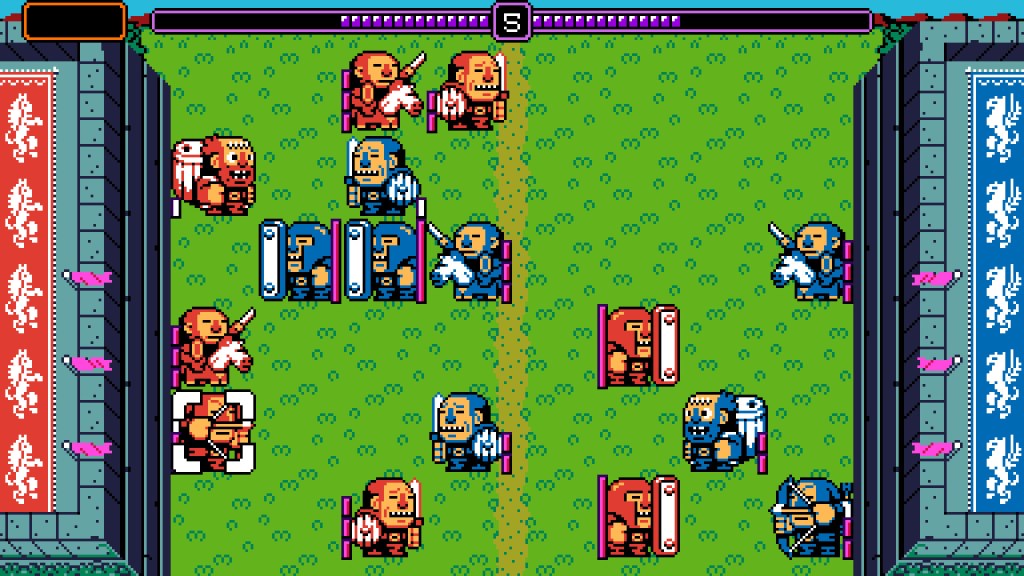
UFO 50

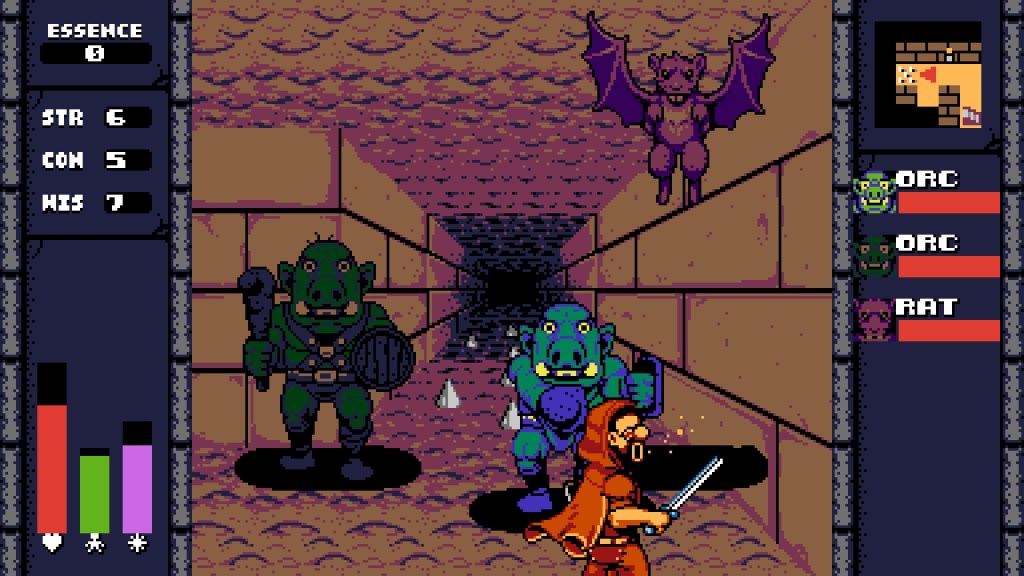
UFO 50 is a truly unique experience and we may never see anything like it ever again. It’s a collection of 50 retro games made by the fictional company UFO Soft. It’s an absolutely astonishing collection in both breadth and depth. Every classic genre is included, but no entry is a simple imitation of an actual retro game. Every game has a unique twist. There are so many gems in the collection. You could easily sink hundreds of hours into UFO 50 and still have games you’ve barely touched. The creators behind UFO 50 describe it as a blend of retro aesthetics with modern game design knowledge, and they absolutely nailed that aspiration. Read my full review here.

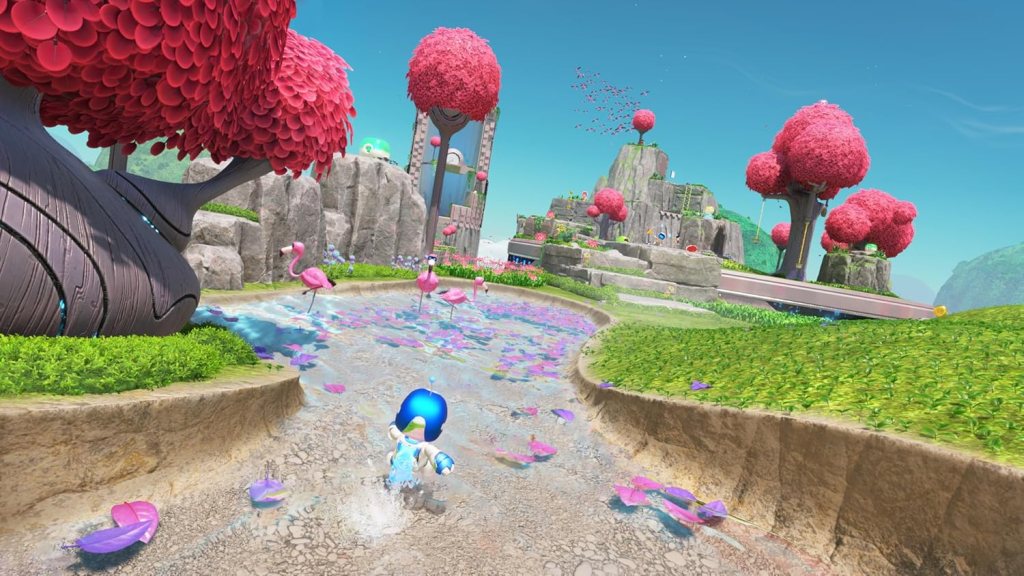
Astro Bot

Astro Bot may not be the most innovative game out there, but damn is it fun. The joy I got from exploring its wonderfully detailed levels was reminiscent of playing Super Mario Galaxy as a kid. Every level had some sort of set piece, theme, or unique power-up that had me smiling. And I loved visiting the hub world to try to identify all the robots dressed up as classic Playstation characters. Astro Bot is just wholesome fun. Read my full review here.

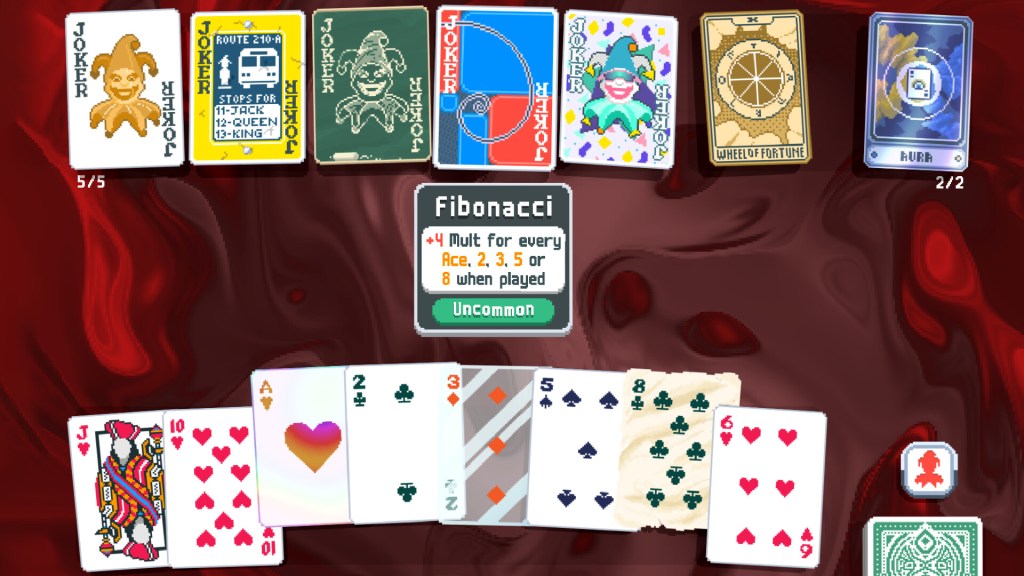
Balatro

Balatro is the most addicting game on my list. In this roguelite deck-builder you play poker hands to score points. As you progress through a run, you can modify your deck in a multitude of ways. The main way to increase your score is by acquiring jokers which vary wildly in their effects. The sheer randomness of Balatro is what makes it shine. There are so many different ways to build a successful run and every time you play, you’ll think you found a new overpowered combo. Read my full review here.

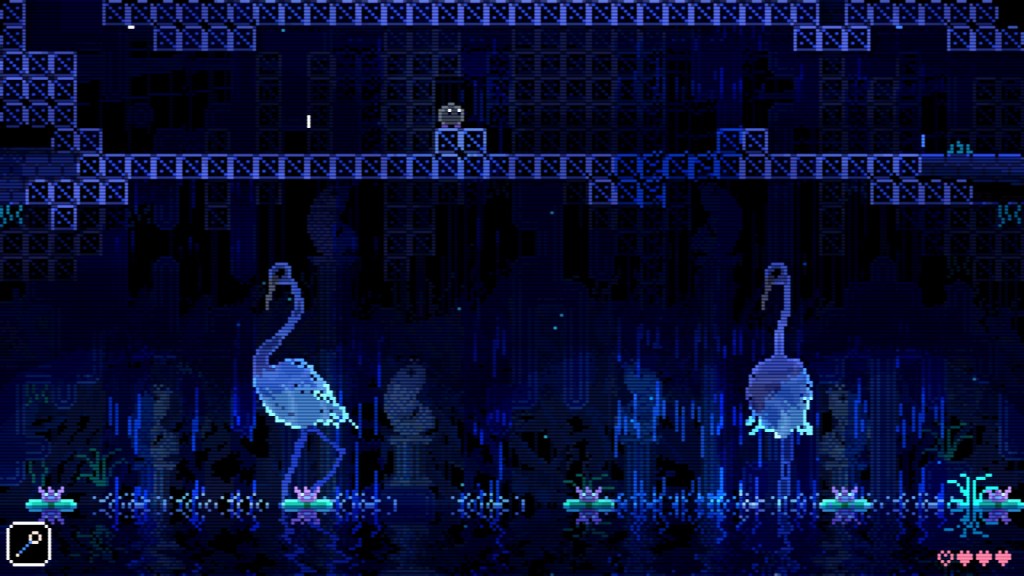
Animal Well

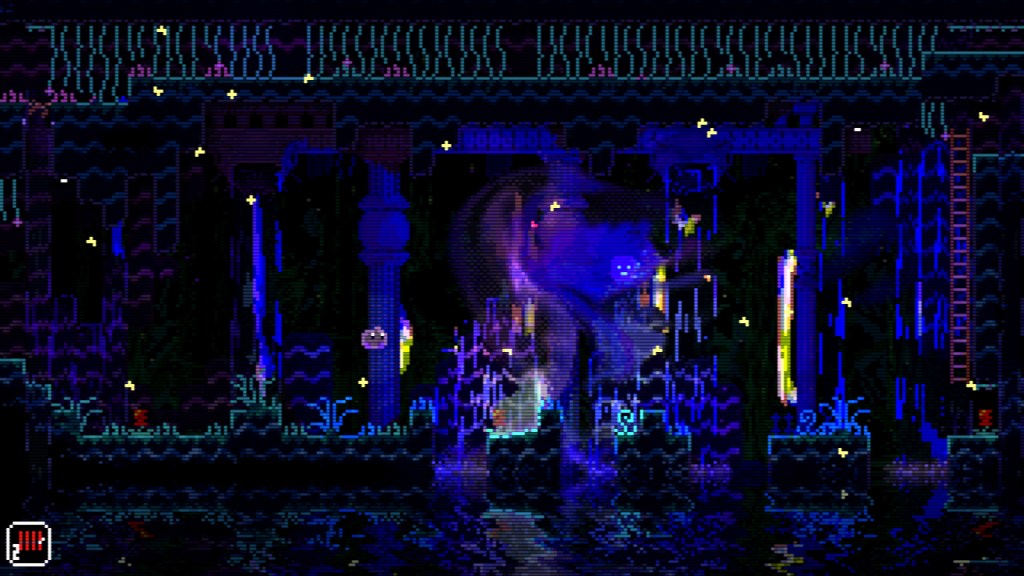
Animal Well is a surreal metroidvania. It’s a labyrinth full of mystery. Figuring out how to explore and interact with the world and the animals was enthralling. Without any guidance, the world is up to you to discover. Secrets upon secrets are layered atop each other, some requiring a dedicated community to unearth. It’s one of the most atmospheric games that I’ve ever played with ethereal visuals and echoey auditory effects. Read my full review here.

UFO 50 (2024)

You stumble across a dusty cardboard box in an abandoned storage unit, inside is a retro video game console along with 50 games from a company you’ve never heard of. That’s UFO 50. A collection of 50 retro games from an alternate universe, each showing the progression of the fictional developers UFO Soft. The games range from platformers, to sports games, to fighting games, to shmups (shoot-‘em-ups), to puzzle games, to strategy games, each with a unique twist or gimmick. The real developers of the UFO 50, Mossmouth, claim that these are retro games with modern design sensibilities, which I think is a perfectly apt description.

Retro games are notoriously difficult and are oftentimes clunky to play. UFO 50 does a fantastic job at maintaining a reasonable level of difficulty without making these games frustrating to play. Many of the games in the collection have slow movement, punishing mechanics, or initially uncomfortable control schemes. But it doesn’t take long for each title to click, and once you figure out how to play the smart design begins to unveil itself. 

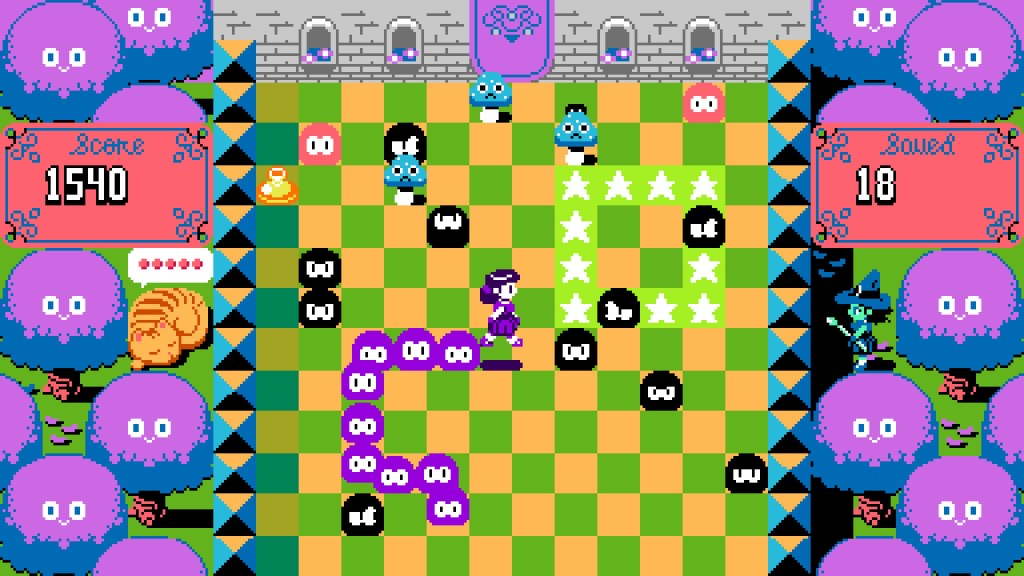
Each game in the collection has something that makes it stand out. There’re no straight up clones of actual retro games, although some of the games do feel at least inspired by classic titles. Take one of the earlier games in the collection for example, Magic Garden. It takes elements from Snake and Pacman as you lead friendly slimes to safety and use power-ups to clear out evil slimes. But Magic Garden is its own game, shepherding slimes to the scoring zone and collecting power-ups has intricacies as you are encouraged to take risks and let a ton of slimes occupy the board before chaining together multiple power-ups for an exponential score increase. There’s an edge of risk and reward if you want to maximize your points.

There’s an absurd level of variety available in UFO 50. I’m extremely confident that there is a game in the collection for everybody. And for $25, you really can’t go wrong. And don’t think that these are just short little arcade games either. There are fully fledged RPGs and metroidvanias that take hours to complete. Many of these titles could easily be standalones. Mini & Max for example is a genius little metroidvania in which you try to escape a supply closet by shrinking down and exploring the shelves and talking to the micro-civilizations that are invisible to the naked eye. Grimstone is a turn-based RPG that is over a dozen hours from start to finish. You could play UFO 50 for 100 hours and barely scratch the surface. If you truly want to 100% complete the collection, you are looking at 300ish hours. Personally, I have not clocked even remotely close to that number but this is a game that I am planning to play and revisit for a long, long time.

A smart decision was made to give every game some reasonable milestones to achieve. Every game has a simple challenge to earn a “gift” which goes into the little house on the console which is cute. You earn a gold trophy for beating each game. And you can earn the “cherry” by completing whatever additional challenge there is after completing the game, usually this is getting a high score or something along those lines. I think these tiers of achievements makes every game more approachable and presents attainable goals as you slowly get better at each game.

I loved the dedication to the fictional company of UFO Soft. Each game has a short blurb about its development and it’s fun to recognize the fictional names of the developers in the credits of each game. There’s a handful of sequels across the collection, and I enjoyed the references to the company’s other games as I played. It was interesting to watch UFO Soft evolve in design and technology. It was a brave decision by Mossmouth to have the first game in the collection be Barbuta, an esoteric metroidvania with no music, no color, painfully slow movement, unfair traps, and no quality-of-life features. But it was the perfect origin to the UFO Soft mythos. A game developed by a sole employee with extreme technical limitations and no game design experience. Following the evolution of UFO Soft is a journey of its own, and there’s a layer of secrets to be discovered for dedicated players.

The presentation of the collection is fantastic the whole way through. Mossmouth had to make sure every game fit its respective era and chronological place in the collection. All the games look good for being retro games and have distinctive designs and characters. But what I really want to highlight is the music. Oh my god. There are so, so many excellent tracks in this game. In the alternate universe where UFO Soft is real, I could easily see these tunes being as memorable as classics like the Super Mario Bros theme is to us.

I think that the size and breadth of the collection is the greatest strength and weakness of UFO 50. While it is exciting to boot up the game and choose from 50 games, not having to commit to any given game, I also found myself treating each one as disposable. Since the games are difficult and often have unconventional control schemes, I found it very easy to not give each game a fair chance. Dusting off a cartridge and playing for 5 minutes before exiting and trying something else was a common occurrence initially. After noticing this pattern, I forced myself to try to give every game more attention. I’m still working through the majority of the collection, but I am glad that I slowed down to really appreciate each game. The downside is that some of the games never do click, even after putting time into them. Planet Zoldath and Combatants are examples of games that I think are just not very good. 

Since I think that it can be a bit intimidating to know where to start with such a massive collection, I wanted to share some of my favorite games that I’ve played so far. While part of the beauty of UFO 50 is that everyone has different favorites, I did want to highlight these five games. Hopefully these suggestions can give you some options to try if you have trouble choosing where to begin.

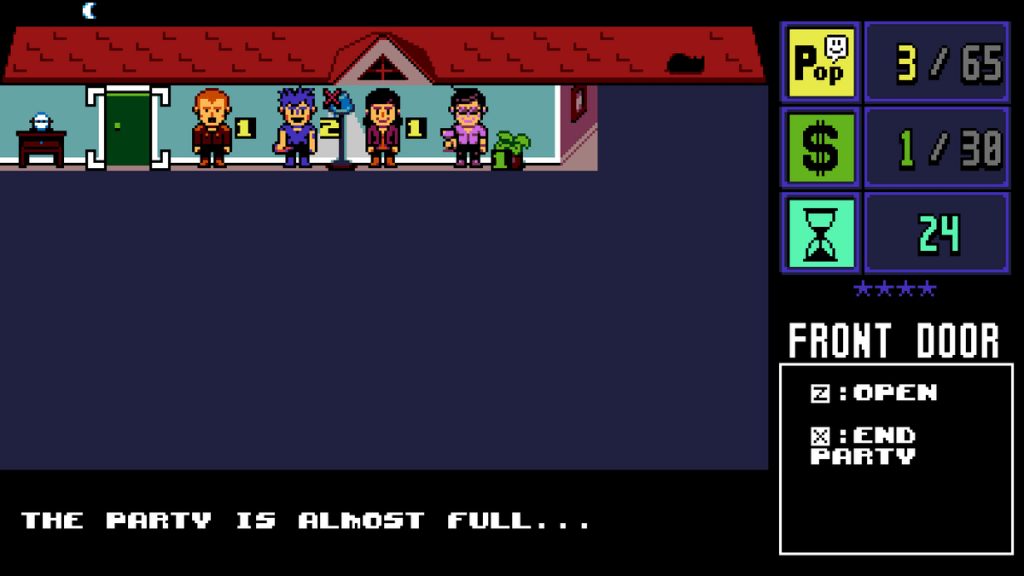
Party House is the first game in the collection that really clicked with me. It’s a deck builder where you are trying to throw the ultimate party. By spending popularity to add new guests to your rolodex you try to accumulate more popularity and cash every night. After 25 nights you have to have 4 “starred” guests attend your party to win. There’s a good amount of decision making involved, but what makes Party House interesting is its “push your luck” mechanics. Troublemaker guests typically earn more popularity and money, but more than two of them at once will cause the cops to show up. And there’s also the decision of when to stop spending popularity on normal guests and when to start acquiring the “starred” ones. There’s a lot of delicate choices to balance, and Party House is a ton of fun.

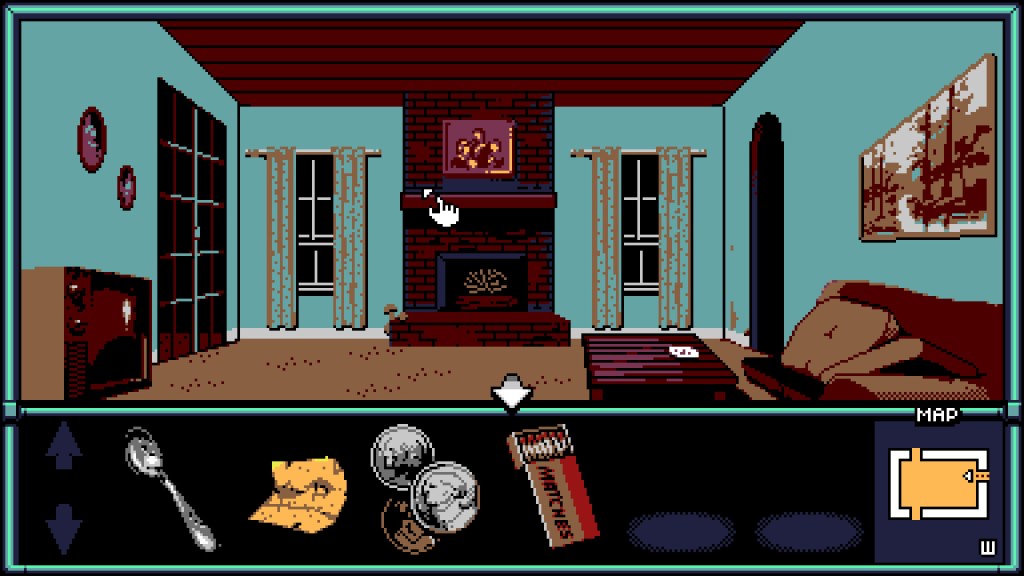
Night Manor is a point-and-click horror game that takes place in a disarrayed mansion filled with trash and fungus. You have to figure out a way to escape while avoiding the zombie-like man infected with fungus who is hunting you. If you run into him, your cursor jitters to simulate the terror your character feels, making it harder to click on doors to escape as he chases you through the manor. Old point-and-click games often have moments of ridiculous leaps in logic, but Night Manor avoids this with its puzzles. I found that everything made sense and I couldn’t put the game down until I played through the whole thing over the course of a few hours. There’s also a story to uncover through notes of what happened at the manor which was fun to discover.

Seaside Drive is a stylish shmup, but you can only move left and right as you drive your car down the road. As you dodge projectiles and enemies you have to move back and forth quite a bit to keep up your meter. You build up charge by skidding to the left, and expend charge by shooting and driving right. The higher the meter, the more damage your shoots do. I love this game because it seems crazy difficult at first, but I quickly learned how to maneuver and overcome the challenge. It’s so satisfying to clear the stages that were giving you a hard time without getting hit at all. Seaside Drive also has incredible aesthetics and one of my favorite songs in the whole collection. It’s a slick, stylish, and fun to play shmup with perfectly tuned difficulty.

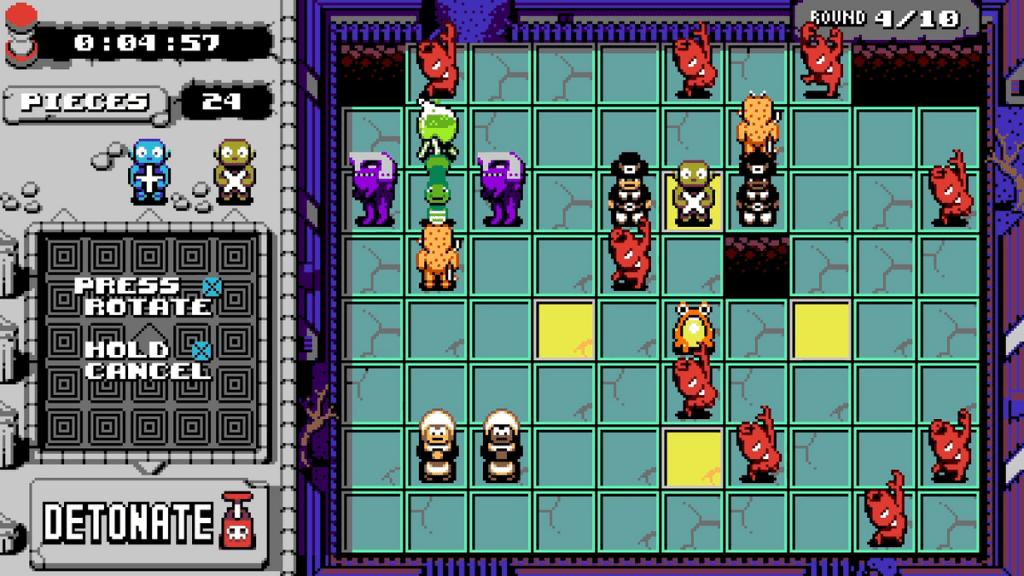
Devilition is my favorite puzzle game of the collection that I’ve played so far. A grid is filled with villagers and demons and you have to place pieces that kill the demons. The twist is that your pieces have to act like a chain reaction, each one can only be set off if hit by another. You have to keep track of what pieces you’ve placed and how to connect the chain. There’s 10 rounds and any pieces that you don’t use carry over to the next round, encouraging you to be efficient in your placement. I enjoyed watching the Rube Goldberg machine go off and clear the demons off the board as I prayed that I didn’t mess up and miss a crucial link in the chain. 

Waldorf’s Journey is a platformer that takes place entirely within the dream of a walrus. It’s reminiscent of a golf game as you charge up and launch Waldorf the walrus across gaps and try to precisely maneuver him to land on tiny patches of ice. You really have to master the momentum as you use your flight meter to propel Waldorf forward. It’s tempting to fly as far as you can on every jump, but it becomes incredibly difficult to slow down enough to safely land. There’s a few different power-ups and items to help you along as you inch towards revelation at the end of the dream. I also love the visuals, music, and minimalist story in this game as well. 

I think UFO 50 is a game that I am going to be playing for the rest of my life. Or at least for a very long time. The breadth and depth of this collection is unmatched. After dozens of hours played, I’ve barely scratched the surface of what UFO 50 has to offer. The fictional history of UFO Soft ties the whole thing together beautifully. It is for these reasons that I give UFO 50 a 9.5/10. UFO 50 is a paradise for fans of retro games with its dedication to melding retro gaming experimentation with modern design considerations.

Balatro (2024)

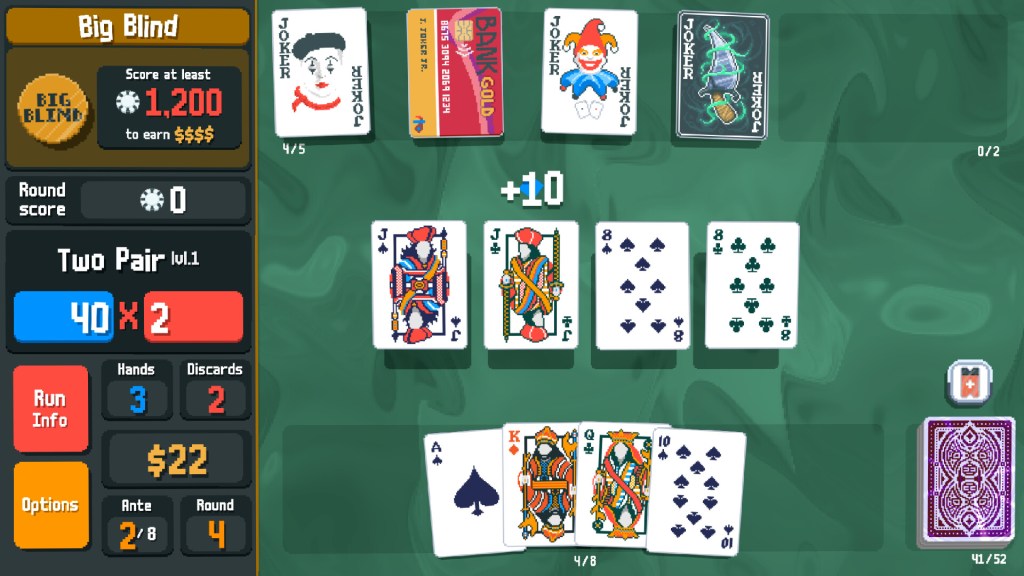
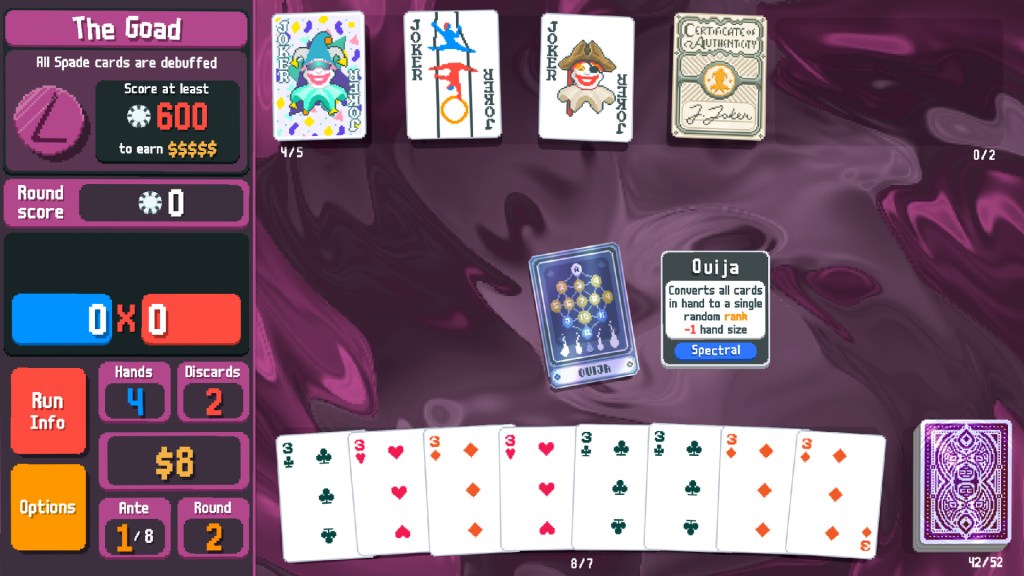
Balatro is the video game equivalent of crack. Every aspect of this game makes it hard to put down. It’s easy to spin it up for “one quick round” and look at the clock to realize that hours have passed. Balatro is a roguelite deck-builder that is about playing poker hands to score points, as well as using a variety of modifiers to multiply those points. There’s a wonderful level of random chance that influences every run that influences the player to experiment with all sorts of different builds. Even after spending dozens of hours playing poker hands, I still feel the draw of Balatro to see what kind of strategy I can cook up.

The structure of the game is that you play poker hands to try to accumulate points and surpass a threshold to complete a round. Typically, you get 4 hands to play per round and 3 discards to try to put together higher scoring hands. After each round, you visit the shop to spend money earned on modifying cards to increase your points. The cornerstone of these modifications are the joker cards. You can hold 5 joker cards that vary wildly in the bonuses that they provide. From simple bonuses like multiplying your hand’s score or giving you extra discards, to more specific bonuses like increasing the base chips and multiplication of Aces or Fibonacci numbers. 

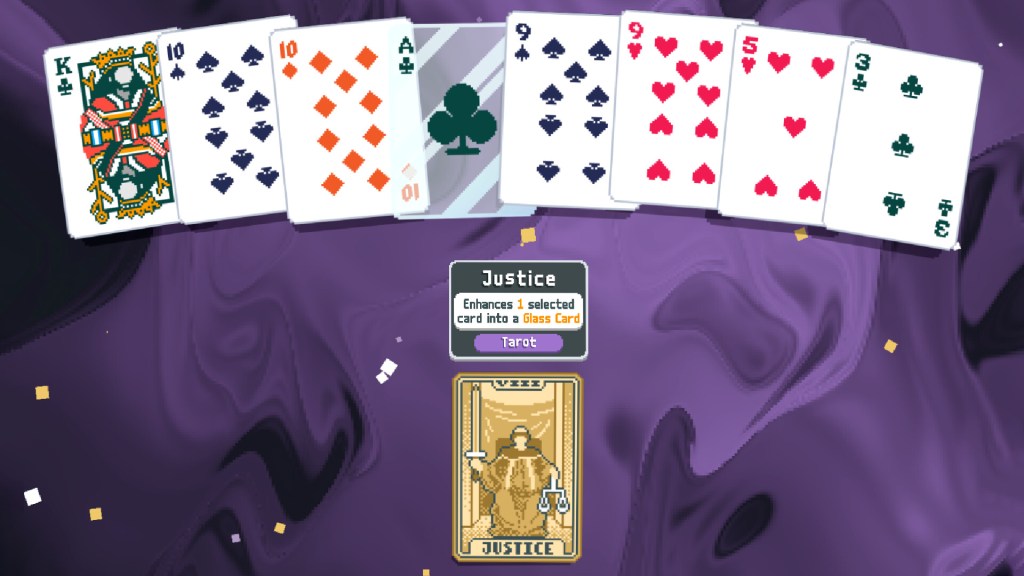
There are so many jokers to stumble on and it is incredibly engaging to try to find the synergies between them. My highest scoring run consisted of a multiplicative joker that increased its multiplier every time a card was added to the deck along with another joker that added a card at the start of every round. This was further enhanced by two of my other jokers that copied the effects of other jokers, leading to a rapidly climbing multiplier. Aside from jokers, there are also planet cards that permanently increase the base point value of certain poker hands. There’re tarot cards that provide a variety of effects from buffing individual cards to giving you more money.

All these options provide a fantastic system for decision making. Every time you visit the shop after a round you have to weigh what bonuses you want and whether or not you want to gamble on booster packs and hope there is something good inside. You want to have a healthy amount of money to earn interest and allow for big purchases later. There’re so many factors at play that you have to consider. Sometimes you have to make short-term purchases just to get you through the next few rounds while hoping you stumble upon better options. The randomness isn’t frustrating, it’s what makes the game so compelling. Every time you get a run going, it feels powerful. Being forced to experiment with whatever the game throws at you leads to incredible moments.

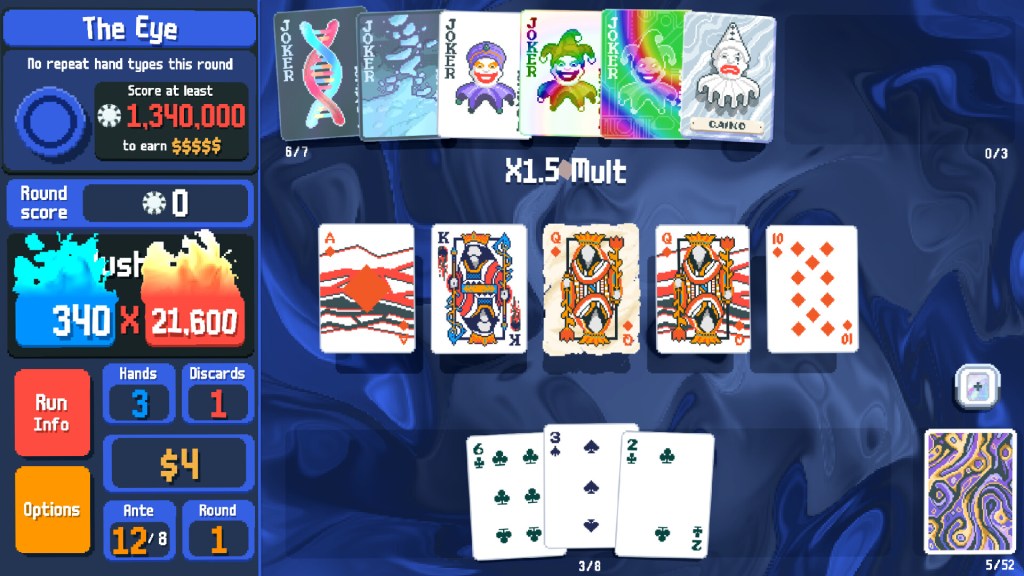
Each run is structured into 8 “antes”, each ante having 3 rounds of increasing point requirements, the last of which being a “boss” with special effects. After completing the 8th ante, there’s an option to continue with your deck in endless mode. Initially, I found myself always going into endless mode to see how far I could take my deck. I discovered that the score requirements quickly begin to scale exponentially, leading to most of my runs sputtering out around ante 11 or 12, no matter how good they were. At first, I was frustrated by this, but I soon realized it is a blessing that the endless mode scales exponentially. At some point, your build is essentially complete so you are just going through the motions every round. Most of the fun decision making happens much earlier in the run, so dragging out the endless mode wouldn’t be enjoyable. And having a concrete goal of completing the 8th ante means you can take short-term risks and attempt non-optimal builds as you don’t need to scale exponentially to win.

The one problem that I have with the gameplay of Balatro is that the early rounds are fairly boring and repetitive. You need to save up money before you can buy anything, so you are often stuck playing high-value hands like flushes and straights to clear the first few rounds. You are at the mercy of the shop to have some decent jokers to get you through ante 2. You don’t have the money to reroll or gamble on booster packs unless you are truly desperate. It’s hard to alleviate this issue without the developer placing a finger on the scale and tipping the odds in the player’s favor early on. My suggestion would be to have the cost of rerolls scale by ante. That way players can actually afford to reroll the shop a few times early on to fish for usable jokers while simultaneously increasing the difficulty in later antes.

The issue with the early game is only made worse as you turn up the difficulty. There are eight difficulties and over a dozen decks to choose from. I mostly enjoy how the difficulties were designed as they rarely equate to “score more points”. Many of the difficulties add modifications to jokers that make them unsellable, or cost money every turn, or expire after 5 rounds. This adds an additional layer of decision making on which jokers you want to purchase. The problem is that on the highest difficulties you really need everything to go right early on to have a successful run. I don’t think it’s the end of the world because it is still a ton of fun to try to scrape by with suboptimal choices, but I do wish there was something to make the first couple antes more engaging.

Part of what makes Balatro so addicting is its presentation. The game looks great, even on mobile platforms. I love looking at the distinctive design of all the jokers. But the animations and sound effects are really what makes Balatro tick. Watching the game emphasize every card and joker as the score climbs up is addicting. Your deck becomes a Rube Goldberg machine of multiplying bonuses that is fun just to watch unfold. The game cleverly doesn’t tell the player the final point value of the hand they are about to play, leaving the player to watch and wait with bated breath as the score rapidly grows. I particularly love that when a single hand surpasses the total point value necessary for a given round, the score display lights on fire. It’s a really satisfying touch.

It’s hard to explain why Balatro is so addicting, but beware how difficult it is to break free from the grasp of Balatro. The pure variety and allure of creating an overpowered deck fires all the right synapses in my brain. The dopamine of watching the score skyrocket is addicting. There’s so many different decks, difficulties, and challenges that force you to play with all the different options available. It is for these reasons that I give Balatro a 9/10. I would say it’s the perfect game to play a quick run when you have time to spare, but it’s so fun that I’d have a hard time putting it down after a single run. 

Kena: Bridge of Spirits (2021)

Kena: Bridge of Spirits is a game that’s better than the sum of its parts. Which is really important because none of the individual aspects of the game are standouts. There’s perfectly serviceable combat, platforming, exploration, and story, but there aren’t really any surprises or “wow” moments. It’s a game that feels reminiscent of classic, Playstation 2 era, adventure games. While being fairly derivative, Kena: Bridge of Spirits somehow feels endearing. I actually enjoyed my time with the game which can be partially attributed to the game’s smaller scope and wholesome vibes.

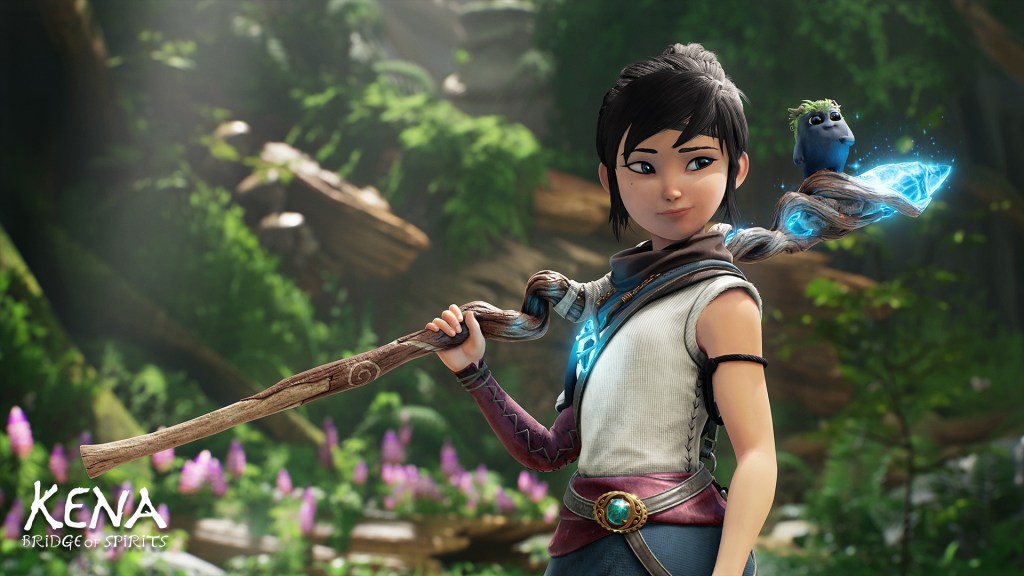
The game follows Kena, a spirit guide on a journey to learn more about her abilities to usher spirits into the afterlife. She travels to a remote village beset by famine and magical corruption. The populace has been entirely wiped out, and only spirits remain. It’s Kena’s duty to clear the corruption and guide the regretful spirits into the afterlife to help restore the natural order of life. I thought it was a touching story that dealt with loss, regret, and acceptance. There’s a sense of melancholy as you explore what was once a bustling town full of life, and moments of sadness as you learn the fates of the spirits that you’ve been assisting. But it’s also uplifting and endearing as you are ultimately helping the spirits accept and move on.

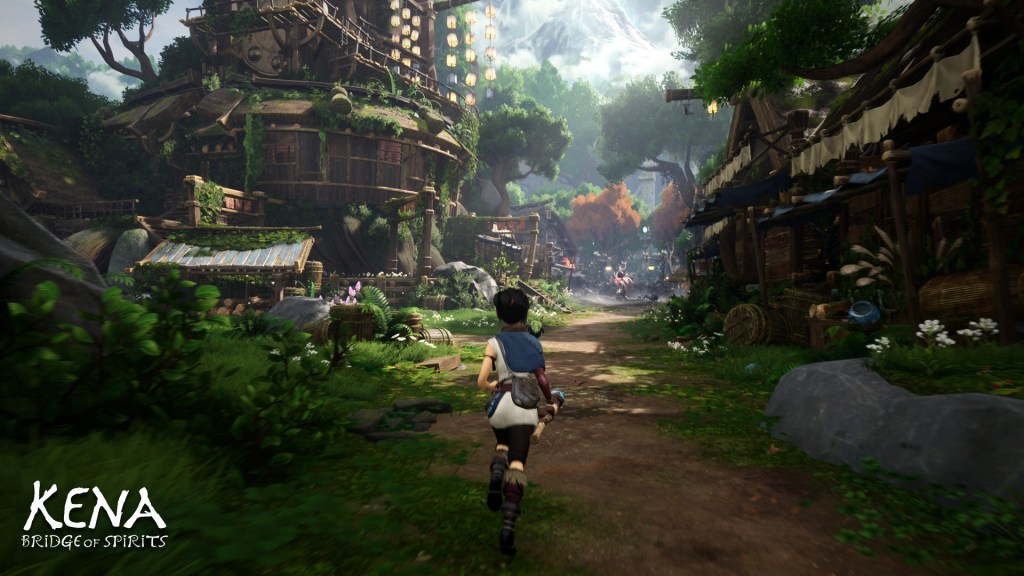
The most striking aspect of Kena: Bridge of Spirits is undoubtedly its visuals. The world is an absolute treat to look at. Towering canopies, twisted roots, rushing waterfalls, and dense underbrush are intertwined in a way that feels like a genuine forest. The world feels serene and natural thanks to its thoughtful environmental design. The lighting is also superb as streaks of light cut through the trees and illuminate the path during a thunderstorm. Graphically, the game has the Pixar movie-esque style to it that is wonderfully animated and rendered beautifully, especially in cutscenes. There’s no question that the presentation is the most impressive aspect of Kena: Bridge of Spirits.

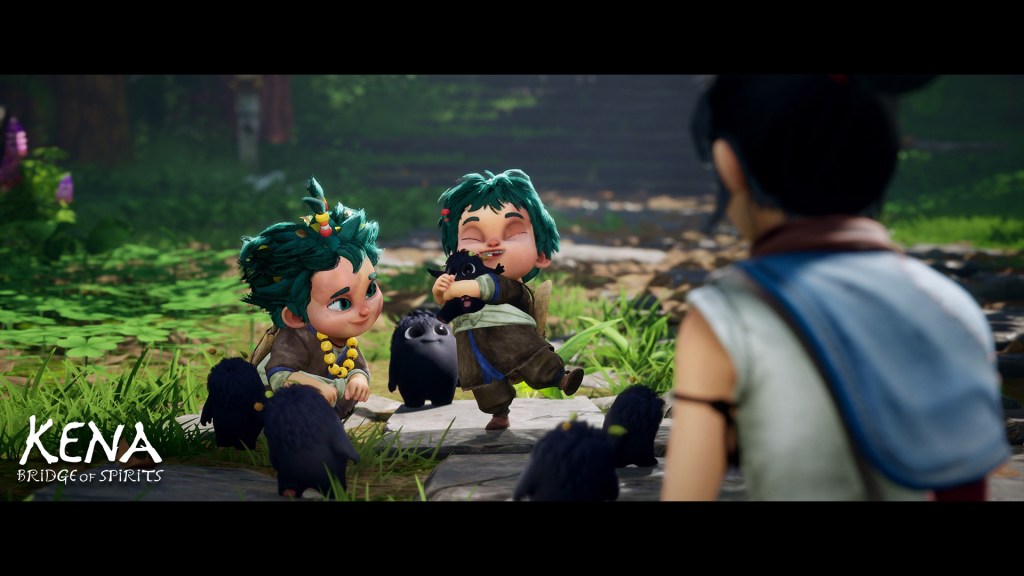
Gameplay wise, Kena: Bridge of Spirits has a healthy mix of combat, exploration, platforming, and puzzle solving. While all these components were competent, they each had their own flaws. The only aspect that tried to do something new was how puzzles used the cute creatures called Rot. The Rot are little black puffballs that follow you around and assist you as you free them. You can command them to move blocks around and can occasionally fuse them together to create a spiritual dragon to clear away corruption. I loved seeing the little creatures but I felt that they were underutilized in puzzles. I didn’t feel like there was a meaningful difference between having the Rot move a stone block instead of just doing it as the player character like in most games. As a whole, the puzzles were extremely simple.

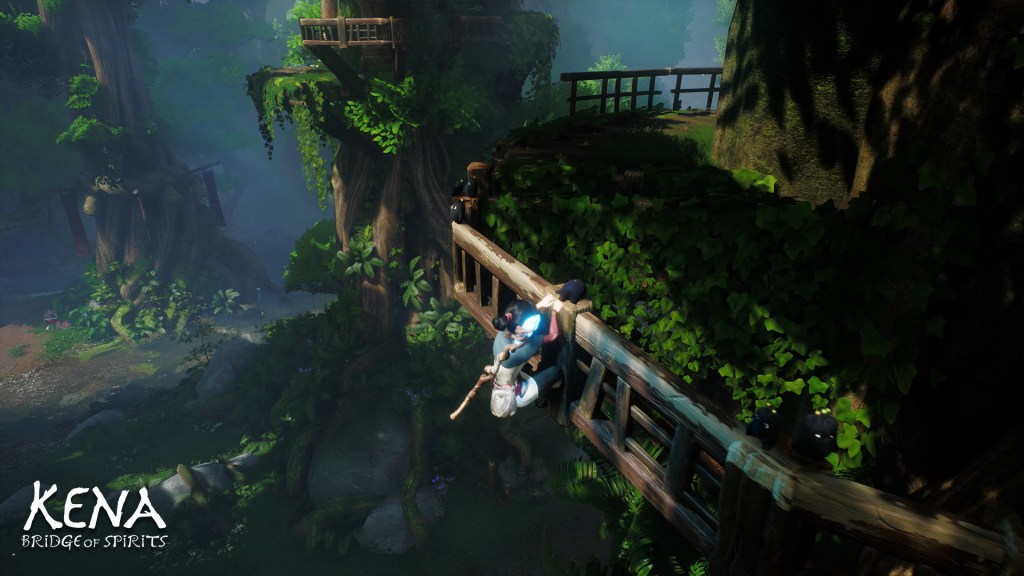
Platforming faced a similar issue of simplicity. There was some potential here as the game introduced some fun ideas such as using your bow to slingshot you to glowing flowers, rotating floating blocks so that you could use them as platforms, and introducing a dash that sends you through spiritual portals. There were moments that I felt like there could’ve been some excellent race-against-time sections as you rapidly used your tools to levitate blocks, dash through portals, and sling across gaps. Or there could’ve been more puzzle-platforming focused sections of rotating platforms in the correct order. But those moments never really came to fruition unfortunately. Moreover, double-jumping feels awkward because the second jump almost entirely halts your momentum. It makes it easy to misjudge jumps and honestly just feels bad.

I found exploration to be mostly enjoyable because of the environments. There’s a good amount of stuff to find without feeling overwhelming. But a lot of the rewards were fairly disappointing. Meditation spots are thematically nice and increase your total health which is great. Finding hidden Rot around the world also feels good and collecting a bunch gives you more energy to use in combat, great. But I honestly didn’t care for finding the dozens of different hats that you can put on your Rot. Sure, it’s a cute touch. But it is purely cosmetic and I couldn’t help but be deflated whenever I found a secret passageway only to be rewarded with a random hat. Worse still, the most common reward is money. And money’s only use in the game is to purchase hats. So, if you don’t care too much for these trinkets then a majority of the game’s rewards are going to be meaningless for you.

The one exploration reward that I thought was interesting was the Spirit Mail. Collecting these allows you to enter homes in the village that have been beset by corruption. You can clear out the evil energy, restoring that home and the surrounding area to a more serene state. I wish they did more with this. I love the idea of reviving the village, but aside from getting rid of some evil vines and bramble there isn’t any gameplay element tied into this. There are some static blue spirits standing around but they don’t move and you can’t interact with them in any way. 

Imagine this: after cleansing a building in the village, spirits are freed that act as shops to spend your money. It was such an obvious idea to me that I’m shocked it’s not in the game. It solves a multitude of issues that I had. The village would feel more alive, Spirit Mail would feel more rewarding, you’d have actual upgrades and equipment to spend your money on, and combat progression would feel better with these upgrades. I even think it’d increase the emotional impact of the game’s ending as you free these spirits that have been stranded instead of moving on to the afterlife. Maybe the developers didn’t want players to have weapon upgrades to spend money on, but I found it so odd that 3 of the major collectibles in the game (Spirit Mail, hats, and money) had no gameplay implication whatsoever. I genuinely think adding some shops as a reward for finding Spirit Mail would have been a major improvement.

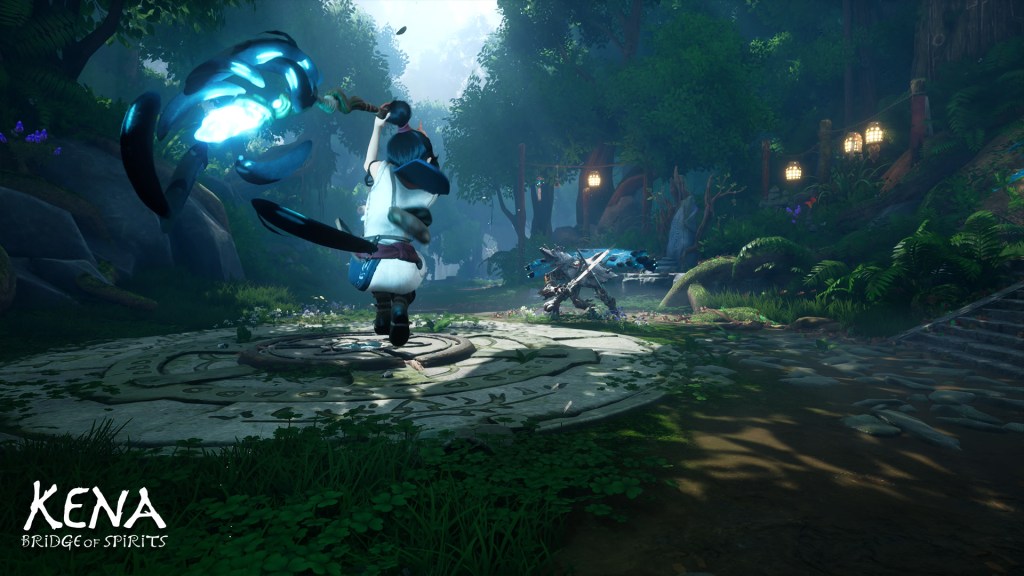
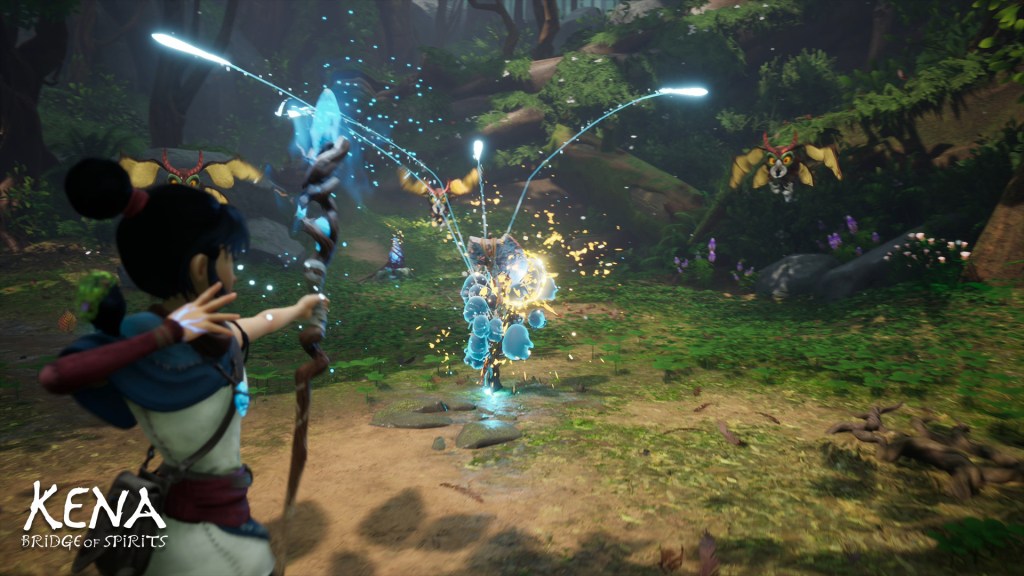
The most fleshed out aspect of Kena: Bridge of Spirits is easily its combat. Kena has the classic options of light attack, heavy attack, dodge, and shield. As you progress through the game a few more options become available such as the bow, bomb, and dash. Furthermore, you can spend experience to unlock bonus attributes such as a stronger shield, more arrows, or bombs releasing mini-bombs upon detonation. But the best way to deal massive damage is through the Rot abilities. As you hit enemies with your basic attacks you will build up a resource called confidence. One confidence can be spent to unleash a devastating melee attack, a piercing arrow, a time-slowing bomb, or it can be used to consume limited health flowers scattered around the arena. 

All of these considerations play into the flow of combat in Kena: Bridge of Spirits. I found it enjoyable to dodge, block, and parry enemies along with dealing some damage with all my tools while building up confidence to burst down enemies with Rot abilities. Enemy design is also quite varied so that you are always on your toes. You really have to make use of all your tools to dispose of the variety of threats the game throws at you. It sounds silly, but I was impressed that even with a large roster of foes there was not a single one that I thought was annoying or poorly designed. But where I think combat really shines is the boss battles.

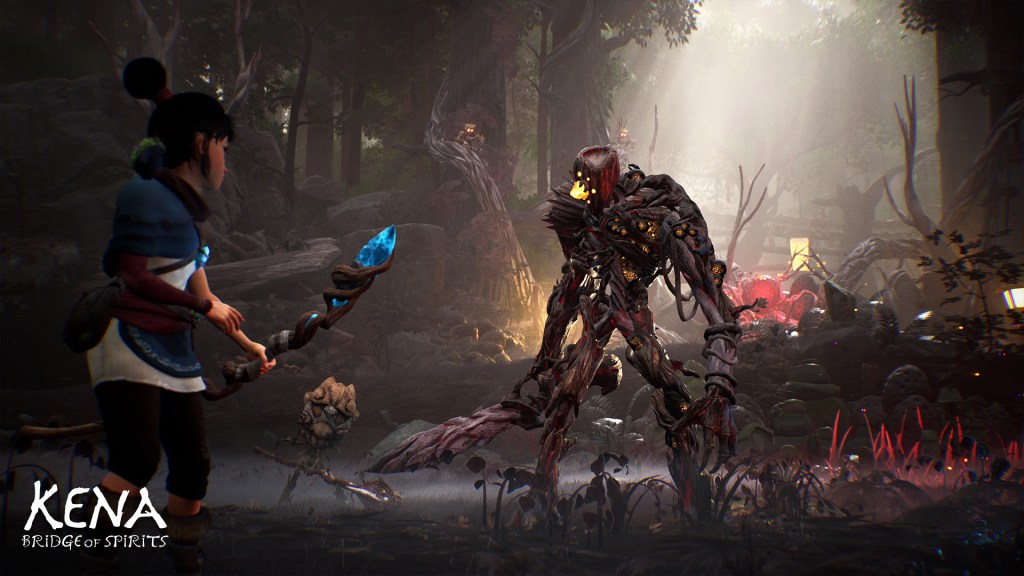
I think the difficulty curve pertaining to the boss battles is going to be a huge negative for many players. For a game that presents itself like a Pixar movie, the bosses can be quite challenging. Don’t go into Kena: Bridge of Spirits thinking it is a game for little kids as the bosses will humble you, even on the “normal” difficulty. But it’s hard for me to begrudge these unexpected difficulty spikes because the bosses were my favorite part of the game. They follow the same flow of regular combat but are much more challenging. Additionally, most bosses have some briefly exposed weak points that you can target to temporarily incapacitate them. It’s a great way to encourage the player to stay perceptive and get rewarded with small windows to deal big damage.

Even though I did have fun with the combat, I do have a few small complaints. For one, the camera can get a bit annoying with multiple enemies. It has the tendency to soft-lock itself onto the nearest enemy which isn’t always what I want. I think the camera should’ve stayed in control of the player for the most part. My other issue is a lack of progression for melee attacks. Towards the end of the game it felt like basic light and heavy attacks did pitiful damage to bosses to the point it wasn’t worth the risk of getting close. I defaulted to using arrows and bombs until I could stun the boss and then used Rot abilities to deal the majority of damage. I think the idea of having a blacksmith or something in the village like I mentioned earlier could’ve allowed players to specialize into stronger melee attacks.

There’s something about Kena: Bridge of Spirits that feels like an adventure game from the Playstation 2. And not in a bad way. I think it may be because so many modern adventure games put more emphasis on story and massive scope. Kena: Bridge of Spirits feels more personal and endearing. It has a story, but it doesn’t talk at the player for hours on end. It has an open world, but it’s much smaller and more segmented than most modern games. And I appreciated that the game wasn’t bloated with unnecessary junk. It’s maybe a dozen hours long and quickly moves through new areas, enemies, bosses, and tools. In a landscape filled with 50-hour open world games, I’m glad to have smaller scoped adventures like Kena: Bridge of Spirits.

While Kena: Bridge of Spirits doesn’t do anything particularly groundbreaking, I still had a great time with the game. I looked forward to cozy mornings with a cup of coffee and exploring its gorgeous natural landscapes with my crew of Rot buddies. I think there are clear improvements to be made across all gameplay aspects, but as an entire package I think Kena: Bridge of Spirits is fun. It is for these reasons that I give Kena: Bridge of Spirits a 7.5/10. If you are tired of grandiose open worlds and dialogue heavy adventure games, Kena: Bridge of Spirits presents a tighter and more personal quest.   

Animal Well (2024)

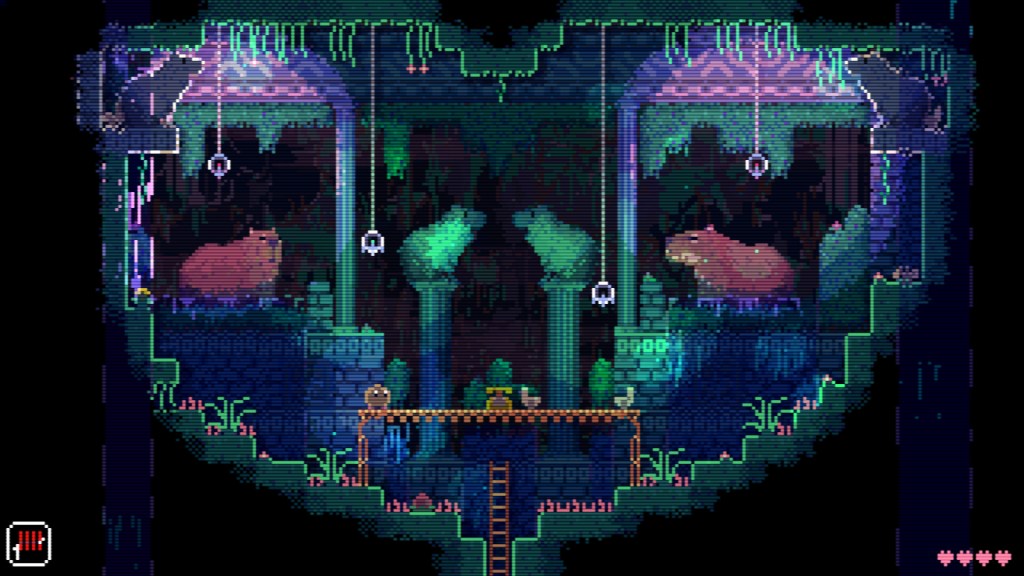
Animal Well is a special game. It’s a game that begs the player to get lost in its atmosphere and labyrinthian level design. It’s a game that has no tutorials or guiding text, the player has to experiment with ideas and explore the world to figure out what to do. It’s a game that transported me into its ethereal world filled with mystery, spooky vibes, and of course, animals. It’s a game that I think everybody is capable of completing, yet it has much deeper secrets that require a dedicated community to uncover. It’s a game that I think you should play.

Metroidvanias are exceedingly common in the indie gaming landscape, but Animal Well stands apart from its peers. There is no combat and it doesn’t really focus on platforming either. Instead, Animal Well is about navigation and thinking. You have to figure out where you can go and how to get there using the tools at your disposal. After a short introductory area, you emerge into a great cavern with four pedestals and matching statues. There are four primary directions to choose from and a handful of other branching paths. It’s up to the player’s curiosity to lead them in a direction.

You may stumble across roadblocks and have to poke around in different directions to see what is accessible. But that is part of the magic of Animal Well. It is a real labyrinth that requires the player to be inquisitive about the world. I often went in a direction and had to turn around and find a different way to go, but I never felt discouraged or stuck. The cogs in my brain were always turning and thinking of where to go next and how to progress. The game’s dream-like atmosphere and gorgeously stylized visuals ensured that I wanted to stay in its world as long as possible.

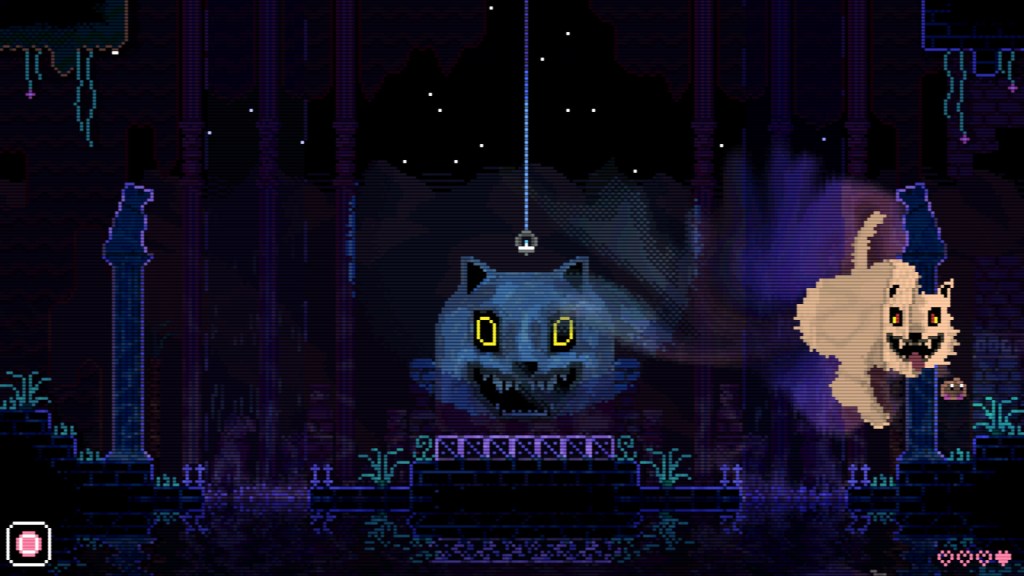
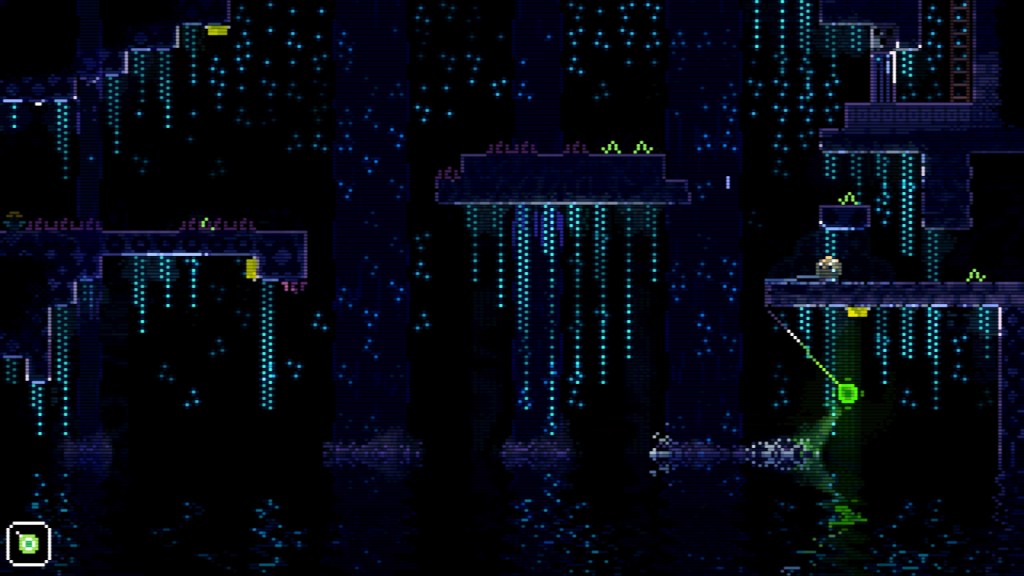
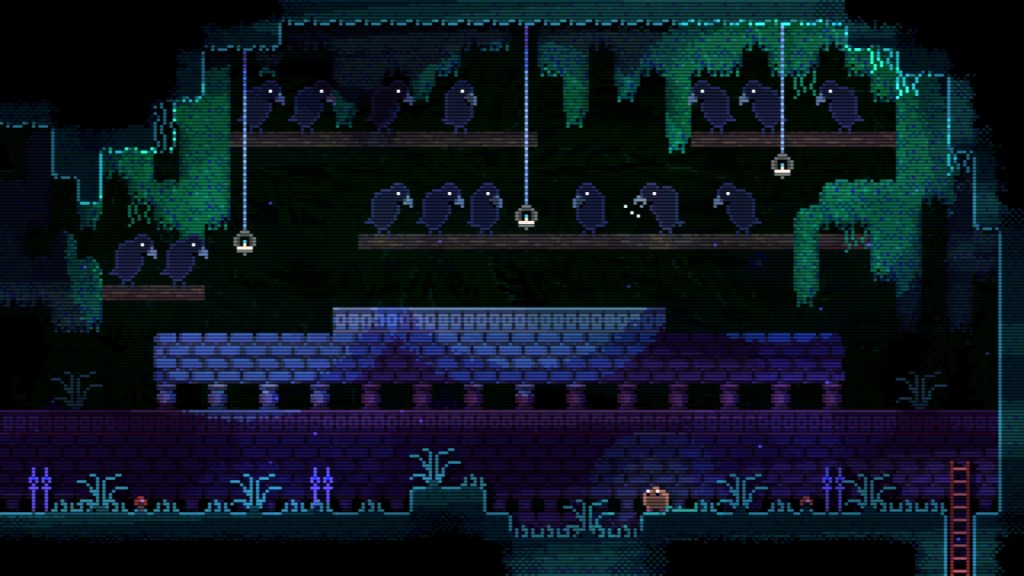
I’ve never seen a game that looks quite like Animal Well. Its cutesy pixel art paired with simulated lighting and fluid effects is truly remarkable. The world is dark, mysterious, and ominous at times. There are even moments of outright terror. But the faint light from lanterns and fireflies provides a comforting glow. Firecrackers provide flickering illumination as well as a hazy smoke effect to distort the environment. The ambient darkness and the understated soundtrack go a long way to make Animal Well immersive. This is further assisted by its cast of creatures.

One of my favorite aspects of Animal Well is of course the animals. The world is populated by cute, charming, and sometimes ferocious creatures. From little chinchillas that you can ride atop, to dogs that chase you down, to a whale that shoots jets of water at you, the animals aren’t just set dressing. They feel like real residents of this world with their own personalities and behavior. Figuring out how to avoid or use the animals to solve puzzles is not only satisfying, but intuitive.

The commitment to crafting an ethereal world filled with animals is further reflected in the playful toolset of Animal Well. You never acquire the classic double jump or explosive item to blast open walls, instead the things that you find are more interesting. The player will most likely come across the Bubble Wand and Frisbee as their first couple of items. Figuring out how these seemingly mundane and silly tools can be useful is very enjoyable. Experimenting with how to use these gadgets to traverse the world, solve puzzles, and interact with animals is wonderful.

The only potential hiccup in the main part of the game is the existence of a handful of awkward jumps. I don’t feel like Animal Well really is a platformer. Of course there is platforming in the game, but it rarely asks the player to make a series of difficult jumps. Which makes it odd when there is a particularly awkward jump seemingly out of nowhere. This is made more frustrating because oftentimes when you miss a jump you fall to a previous screen or even get reset at a checkpoint. I think having real stakes when exploring is great, but I can see how some players may get frustrated if they miss a particularly tricky jump a few times in a row and lose their progress.

Animal Well is known for being a “layered” game. From the moment you start to the first time you see the credits roll is the main part of the game and is known as “Layer 1”. There are 3 deeper layers, each with increasing obscurity and there are secrets that still haven’t been found months after release. I strongly disagree with a common sentiment that “the real game doesn’t start until after the credits”. To me, Layer 1 is the most enjoyable due to the exponential growth of complexity and obscurity that the deeper layers require.

I was able to complete Layer 2 and made some progress in Layer 3 before I called it quits. Layer 2 is a fairly straightforward completionist egg hunt. You have to dig through the nooks and crannies of the world to find 64 hidden eggs. I think this is mostly fine, but hunting down those last few eggs can be a little painful as you have no idea where they could be. I spent hours running around the map in circles looking for those last few secrets. Layer 3 is where things quickly get insane. There are 16 bunnies hidden across the map and simply finding them requires a ton of dedication and observational skills. To actually solve the puzzles and acquire the bunnies often requires extreme out-of-the-box thinking. I don’t think that these puzzles are unfair or unsolvable, but I’d be shocked if anybody got all 16 bunnies without outside help. I didn’t even touch Layer 4 and I assume it is only for the most dedicated of puzzlers.

I admire how layers upon layers of secrets are built on top of one another. I love the feeling when you discover something that was expertly hidden right in front of your eyes. While I gave up early on in Layer 3, I appreciate that there are deeper and more obscure puzzles for players who want them. I think the downside of this is that the game will almost always end on a limp note for many players. At some point you are going to reach your limit of obscurity and throw in the towel. It doesn’t feel great to have a great experience end because you had to quit. There’s not really a way to avoid this in a “layered” game like Animal Well. It’s a necessary tradeoff to allow for the iceberg of secrets that the game hides.

Animal Well really is a game that you just have to experience. It’s hard to describe how gripping its dreamlike world is. Exploring the depths of the well and uncovering its secrets is something that I had a hard time stepping away from. Even though I wasn’t able to peel back all the layers, the first layer by itself is spectacular. It is for these reasons that I give Animal Well a 9/10. It’s an experience with unparalleled atmosphere, thoughtful puzzles, and has a mix of memorable moments that are charming and terrifying. 

Tchia (2023)

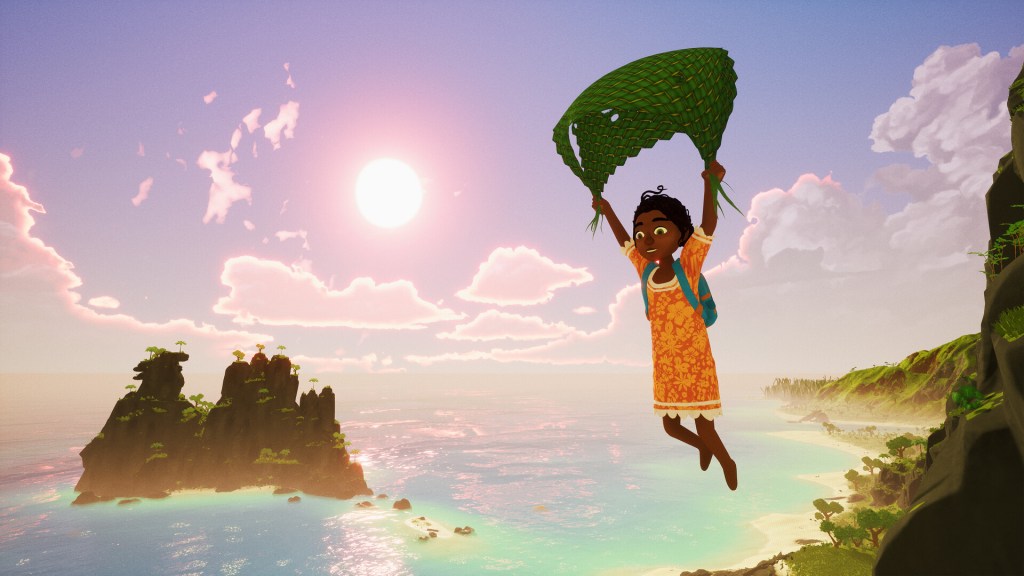
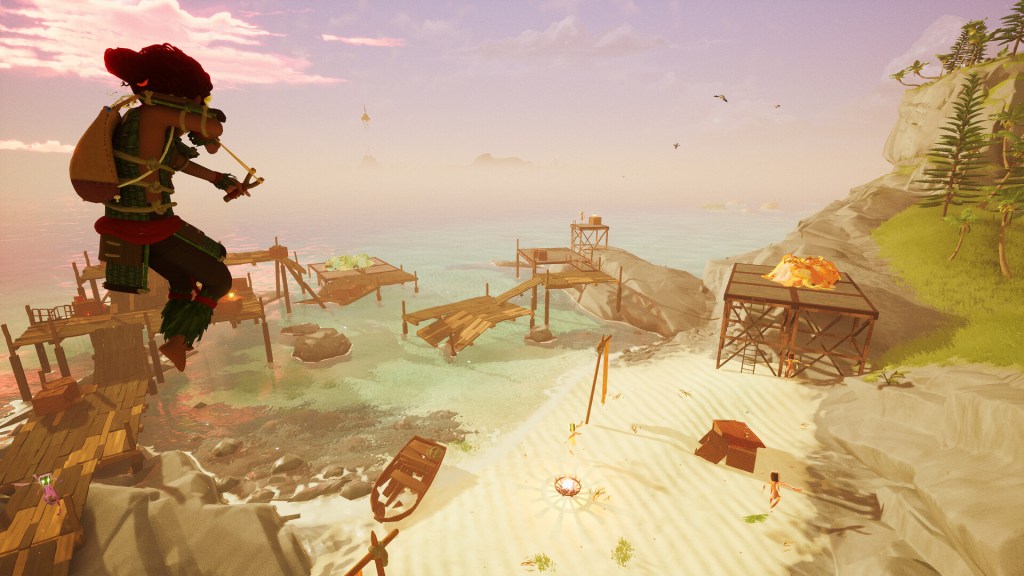
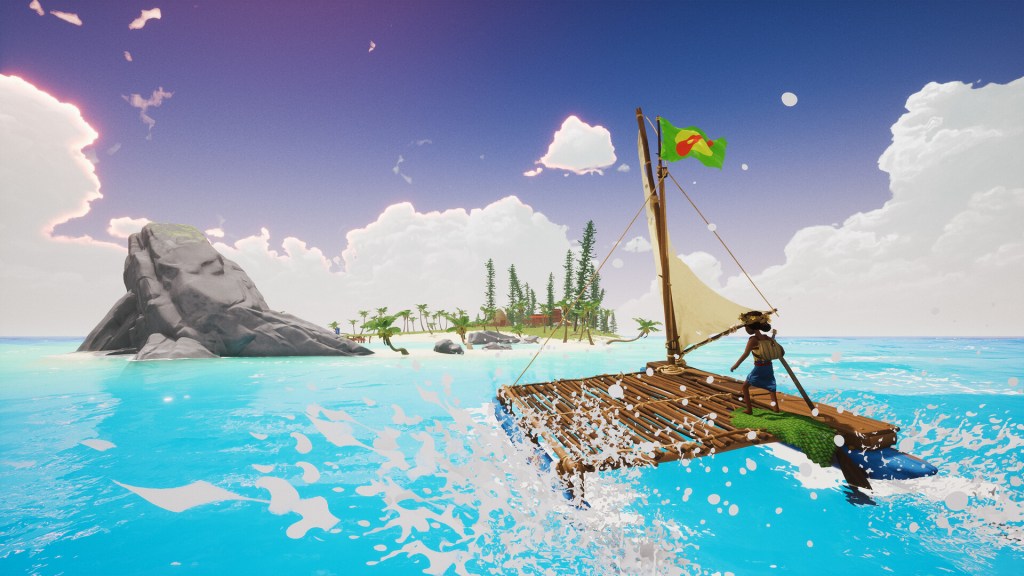
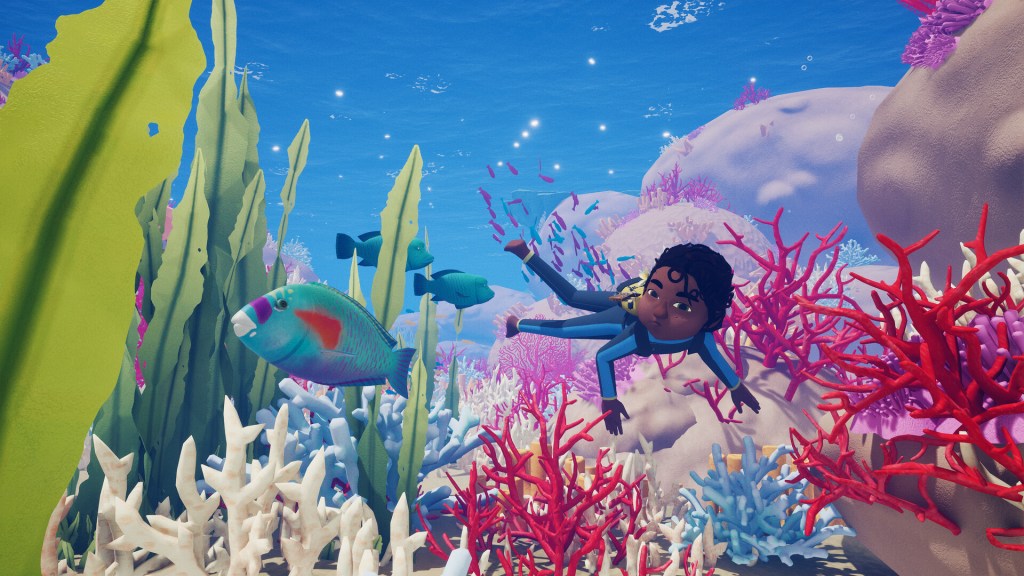
Tchia is a love letter to New Caledonia. From the outset it is obvious that the developers wanted to share the culture, music, landscapes, and peoples of this Pacific Island. Tchia is a heartfelt adventure with a variety of small gameplay elements that contribute to the greater whole. While no aspect in particular is remarkable, I had a good time just exploring the island and messing around with its various ideas.

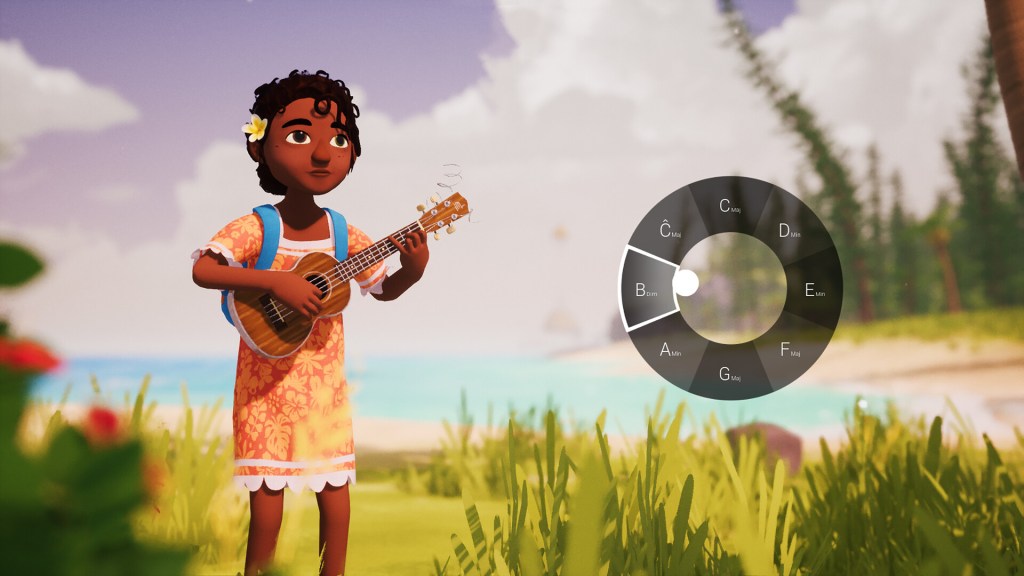
The game follows the story of a young girl who lives on a tiny island with her father. When her father is kidnapped by a local warlord, the girl realizes that she has a special power to briefly possess objects and animals. You play as the titular girl as she sets out to rescue her father. The story itself is cute as you get to visit a bunch of small towns and peoples as you make friends. Every group you meet is seemingly accompanied by a jam session on your trusty ukulele. 

Interestingly, the story takes a pretty dramatic tonal shift about halfway through as you start to learn more about the backstory and villain. While the main character and setting remain cheerful, the narrative gets pretty dark and disturbing. Honestly, I enjoyed this dramatic shift as it will forever stick out in my mind as opposed to if the game remained 100% wholesome for the entire duration.

Tchia is first and foremost an open-world exploration game. While I’ve grown a little exhausted from these types of games, I think Tchia still manages to be fun because it is a more compact experience. The map is small and the game is short. While the game crams in a ton of side activities and points of interest, I didn’t feel obligated to do them all. I stuck to the stuff that I enjoyed and things that happened to be on the path where I was going.

The main gameplay hook is the possession mechanic. You can briefly possess any animal that you come across as well as a handful of inanimate objects. The animals behave as you would expect, and you can fling the inanimate objects as a projectile as you release your possession. The animals are fun to mess around with as they are mainly used for traversal. The islands are small, but the main character is quite slow. Possessing a bird, a deer, or a dolphin to get around greatly expedites exploration. Some animals such as the crab or dog have special uses for puzzles to snip and dig for treasure. 

The other place where possession comes in handy is combat. There isn’t much combat in the game, but there are a handful of enemy camps spread around. The enemies are made of possessed cloth, so your main form of attack is to launch objects such as oil lanterns, explosive rocks, or flaming branches at them. The smaller enemy camps are a bit of frantic fun as you quickly swap between possessions and take out enemies on the fly. The bigger enemy camps at the end of the game are a bit tedious as you end up having to wander around for a while to find any opposition and oftentimes there isn’t any flammable material nearby to possess. I had to carry around a ton of explosive rocks in my backpack to take out for these occasions but it just wasn’t as fun as looking around and possessing objects strewn about the camps.

Aside from combat, Tchia has a handful of mini-games and challenges to play with. There’re timed races with different animals, shooting galleries with your slingshot, musical rhythm sections using the ukulele, traditional platforming, stealth, acrobatic diving challenges, claw machines, boating, and photography. There’s so much variety here that it’s hard to feel bored of any particular element. None of these gameplay segments are revolutionary or amazingly executed, but they are fun enough to fuel exploration.

Exploration is the core of Tchia. Whether you walk, boat, or possess a bird to get around there is a beautiful island to discover. Aside from possession, the main form of traversal is similar to that of The Legend of Zelda: Breath of the Wild, stamina-based climbing and gliding. Between the mountains, crispy blue waters, dense jungles, and cozy towns there is a real natural allure to the environment. As I previously mentioned, the world is absolutely packed with collectibles and challenges if you want to engage with those. One aspect of exploration that I enjoyed was that there was no constantly-updating reference point on the mini-map. You had to infer where you are based on landmarks and directional knowledge. This was nice as it lets you appreciate the environment and look for ways to discern your location rather than relying on a 2D projection.

Part of what makes Tchia so charming is its dedication to New Caledonia. While the world of Tchia is fictional, it bases itself heavily off of the people, culture, and landscapes of New Caledonia. It is a place that I barely knew existed, and now I find myself researching its history and culture to learn more. Everything in the game pays homage to the culture in a respectful way. It doesn’t feel like it’s just using the setting as a backdrop, but rather it’s really immersing the player in the way of life of New Caledonia’s people.

As far as performance goes, Tchia is serviceable. I personally didn’t run into any bugs, frame-rate drops, or slow loading times. Graphically, however, Tchia isn’t the best game to look at. I love the environments and setting of the game, but the hyper-stylized art style looks a little too generic and cartoony. The character models in particular look off to me. I am usually an advocate for stylized art styles as opposed to hyper-realistic graphics, but the art style of Tchia just feels outdated and worn-out. All that being said, I don’t think it’s a huge detractor from the game considering that the environments still look nice.

Tchia isn’t anything revolutionary, and that’s ok. If you are exhausted of open-world exploration games, Tchia isn’t for you. But if you do want a charming trek through a small-but-dense island then Tchia does have a lot to offer. There’s a ton of variety in the activities and mini-games to play with. The heartfelt homage to New Caledonia is what really makes the game standout, as it lets us have a window into a culture that most people are entirely unfamiliar with. It is for these reasons that I give Tchia a 7/10. It didn’t blow me away with new ideas or mechanics, but it was a much needed relaxing and wholesome adventure.

Terra Nil (2023)

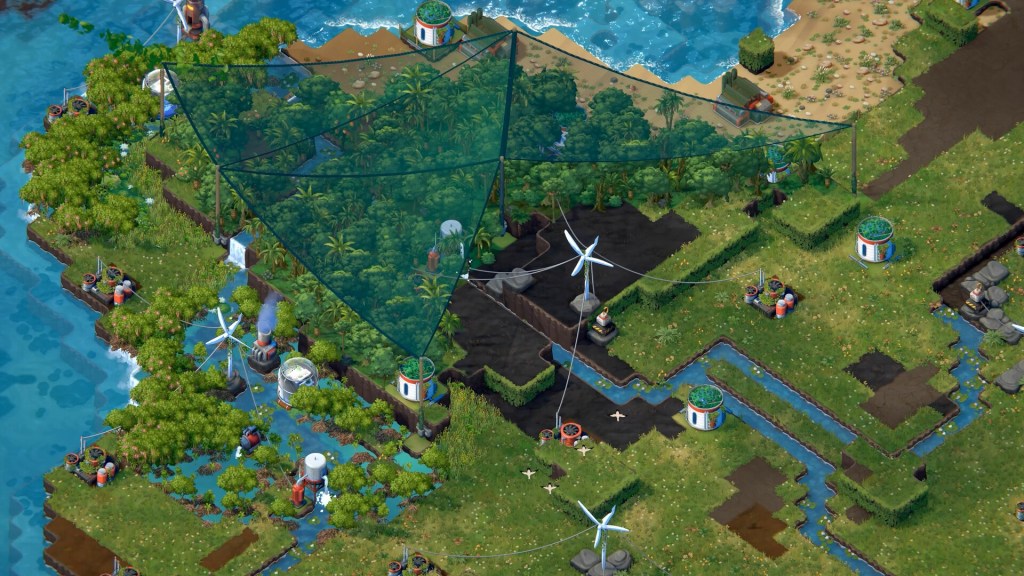
City builders are a genre all about optimization. Laying out districts and infrastructure in a logical manner is necessary to grow into a bustling metropolis. Terra Nil is labeled as a reverse city builder, you aren’t tasked with building sprawling cities. Instead, you have to cleanse a planet that has been ecologically destroyed. It’s not a game about careful planning or building, but of restoring the planet to its natural state which can be messy and unorganized. I liked what Terra Nil was trying to do, but I felt like it was missing something. 

The concept of Terra Nil is superb. It not only is a game about cleaning up the devastation caused by humanity, but emphasizes this idea as a genre reversal of city builders. In city builders you often are searching for ways to optimize your city, exploiting every resource and inch of space that you have to support endless growth. But in Terra Nil you don’t have to be optimal. Everything that you build is a temporary fixture meant to restore the ecosystem and will be eventually recycled.

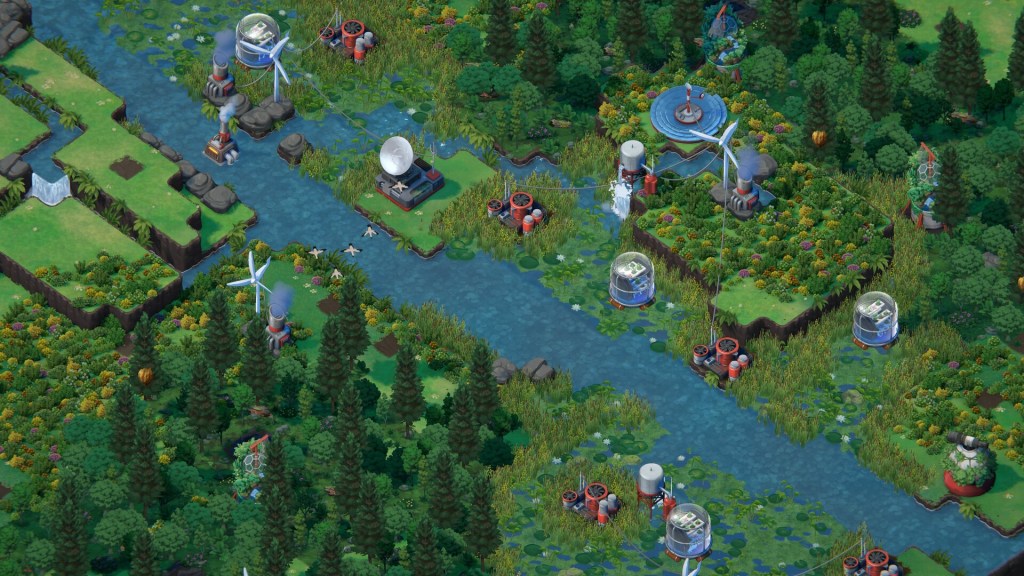
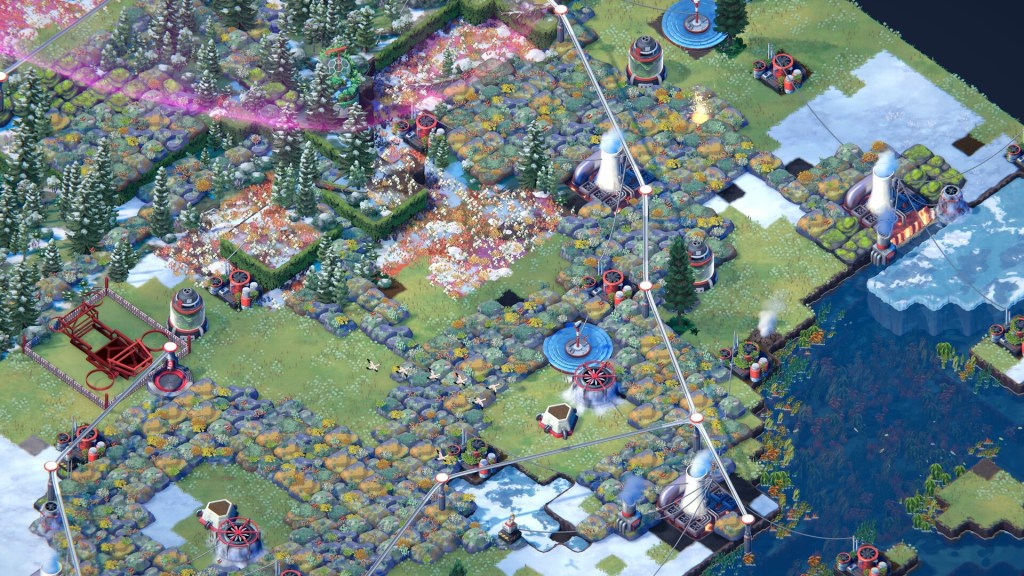
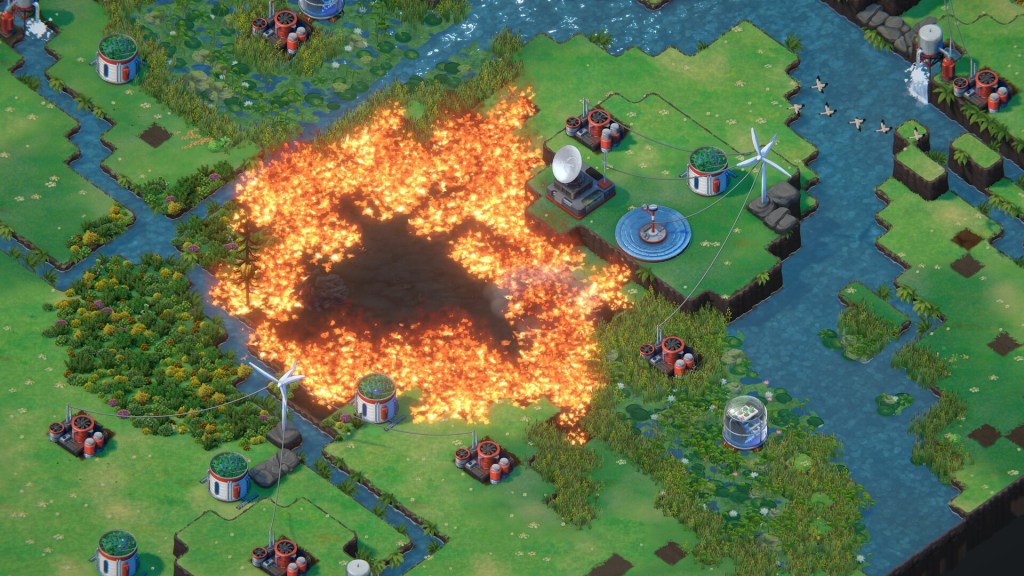
Restoring nature in Terra Nil comes in stages. When you visit an area, your initial goal is to generate some electricity through windmills and other renewable energy sources to power toxin scrubbers to rid the land of chemicals. The next stage is where things get more interesting. You begin to seed forests, rivers, wetlands, tundra, jungles, and whatever other biomes are appropriate for the part of the world that you are working in. There’s a bit of a puzzle element to this, as each biome has requirements to thrive such as needing certain levels of humidity, elevation, or access to water. Some even require you to do a controlled burn to enrich the soil before planting.

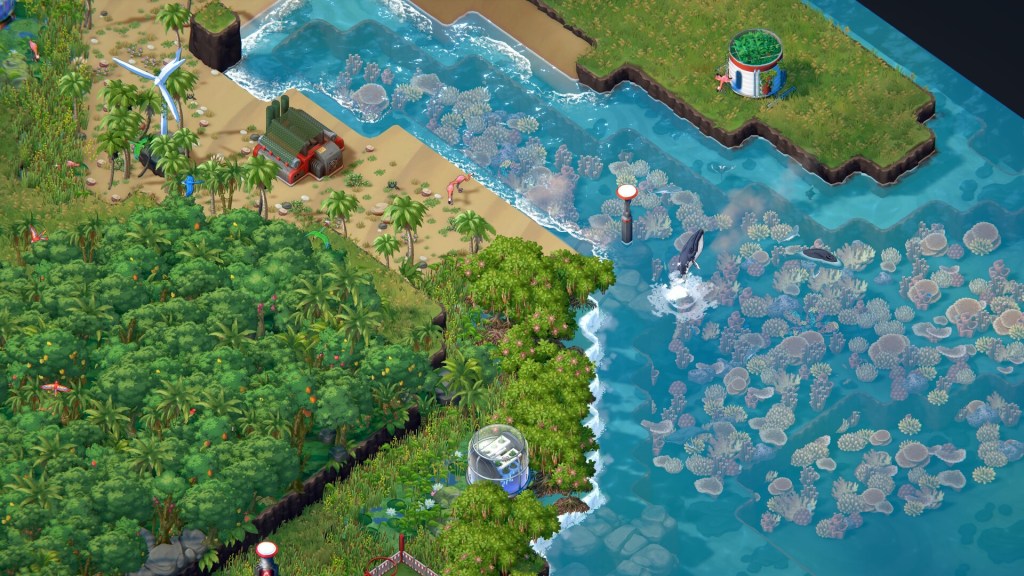
The biome planting phase is definitely where the game shines. You have a single resource: a pool of points to spend on buildings. You get additional points fairly rapidly as your biomes grow. Moreover, you get extra points for completing certain tasks like reaching certain temperatures or humidity levels through weather manipulation. I quite enjoyed these little side tasks not just because they gave points, but also because they had a visual effect on the world such as dragonflies and algae showing up in the wetlands. Rain is the first major milestone in any area as it cleanses any remaining polluted land. Watching as the desolated land slowly transforms into an ecological paradise of different biomes is immensely gratifying. It’s pretty simple but there are light puzzle and strategy elements to plan where you are putting the buildings and biomes.

Once your biomes have been created, identifying where wildlife can thrive is the next step. There’s a handful of species in each area that you are supposed to find, you have to scan small areas that match that species’ habitable requirements. I think this part of the game can be a little tedious as there is a lot of guesswork to figure out what each requirement is. It also can be a bit finicky even when you know the requirements as the radius of the scan is fairly small and it has a lot of trouble when certain species require multiple biomes or a food source. I loved watching animals be reintroduced to the ecosystem, but mechanically it was a bit unsatisfying. 

Finally, after you are done planting biomes and identifying fauna it is time to pack up and leave for the next area. You absorb every building into recycling pods and setup collection systems to pick up those pods. In some areas you set up pylons and ziplines that connect to one another and collect the pods from there. In areas with more water, you send out little drone boats that will pick up the recycling pods. It’s a pretty straightforward phase of the game. While I did like cleaning up after myself and fully getting rid of all the buildings to let nature take over, the recycling phase is mechanically just a little barebones.

Being mechanically simplistic is one of the biggest hesitations that I have with Terra Nil. Most phases of the game don’t require much decision making or problem solving, just following a series of predefined steps. The biome creation phase is definitely the most engaging part of the game as you have some decisions about how and where you will attempt to create the biomes. But every other phase is just… too rigid. I don’t think that it is an inherently bad thing to have simpler games. I understand that one of the design philosophies of Terra Nil is to be Zen. But I would’ve liked to see at least some more expression and decision making afforded to the player during the cleansing, fauna, and recycling phases.  

That’s not to say the game lacks difficulty. I wouldn’t say it’s a challenging game, but it is possible to run out of points and fail in the 3rd and 4th zones. But once you get over the initial hurdle then you are simply playing out the scenario without much thinking needed. I don’t think the game needs to be more challenging, as it does offer different difficulty options and running out of points is a real issue in harder areas. But depth doesn’t necessarily have to be difficult, Terra Nil does lack depth.

While most phases of the game lack depth and freedom, I will say I was impressed with the variety provided by the different zones. There’re 4 main areas, each with 2 scenarios to play. Aside from having their own unique biomes and fauna, you have to contend with different methods of power generation and terraforming. You will be creating new land in the tropical archipelago, restoring glaciers in the tundra, and repurposing building foundations in decaying urban centers. Terra Nil is on the shorter side, but I am glad that they didn’t repeat the same ideas over and over.

I played the game on the Nintendo Switch and while I was happy that it was available on the platform, I had some noticeable performance issues. Obviously, the Switch is not a computing powerhouse but I did not expect Terra Nil to require a powerful console. Loading screens took a long time, the game crashed once or twice, but the real complaint that I have is that graphical quality is just not great on Switch. This is not meant to be a complaint against Terra Nil, I just wish I knew beforehand that it had a major visual downgrade on the platform. Part of the appeal of the game is watching the beauty of nature as it blossoms, which didn’t look as crisp as it should have on Switch. I recommend getting this game on PC or a more powerful console for a better experience. 

Terra Nil succeeds in being the Zen reverse city builder that it set out to be. City builders that demand optimization and ruthless resource utilization are fun, but I enjoyed seeing the reversal of that genre. The quick turnaround of desolate wastelands to thriving ecosystems was fantastic. I wish that most of the phases of that transformation were more mechanically engaging. It is for these reasons that I give Terra Nil a 7/10. If you approach Terra Nil as an ecological Zen Garden, you will have a great time. If you are looking for depth or intertwined gameplay systems you may be let down by its simplicity.

Pacific Drive (2024)

Pacific Drive is not what I expected it to be. And unfortunately, after playing the game, I can’t help but feel like the game I expected would have been better than the game Pacific Drive actually was. It’s certainly not a bad game. Pacific Drive does many things very well, and I hope other games take inspiration from its successes. But even aside from not being what I expected, there are some other major issues that I have with the game.

What I expected was an ominous road trip across the Pacific coast. I thought I’d be looking for bastions of safety to spend the night away from some sort of eerie threat as I made my way across the country. And that is the general idea of Pacific Drive. But instead of being a straightforward road trip with a start and destination, the game takes on a looping format. You plan a route from the safety of the garage, collect resources while avoiding sci-fi dangers, and then drive into a wormhole to return back to the garage where you can upgrade your car and tools. While the vibes here are immaculate and exactly what I expected, I found the roguelite looping structure to have a few aspects that I wasn’t a fan of. 

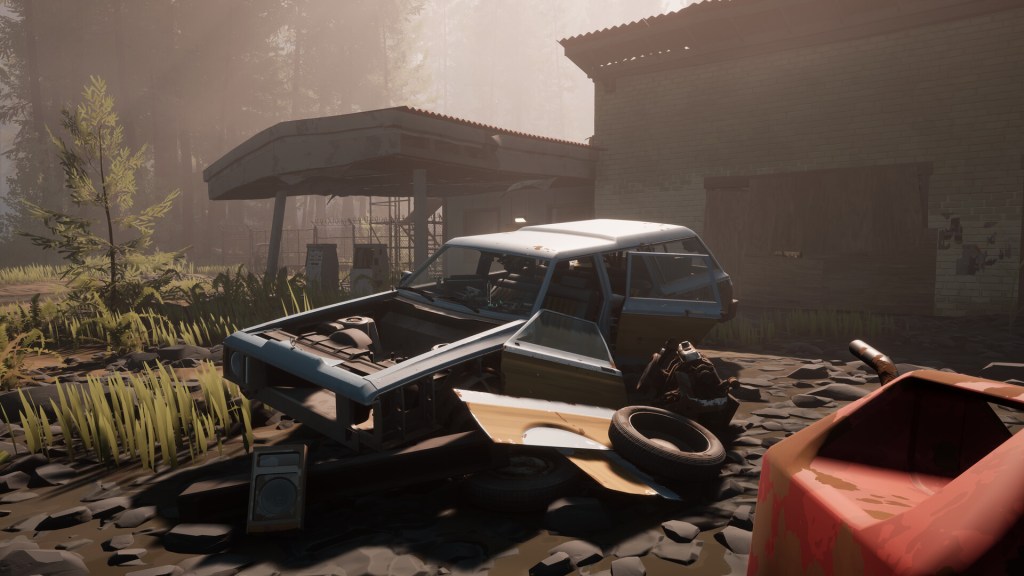
While Pacific Drive didn’t turn out to be exactly what I wanted, I can’t deny that the game does a ton of things right. First and foremost, I love a good safehouse and Pacific Drive has one of the best in gaming. After a stress-inducing journey I loved rolling into the shop to do some repairs on my car. There’s an ever-present checklist of tasks to accomplish: filling up the gas tank, charging the battery, healing up, restocking survival tools, organizing loot, swapping out beat-up car components, and spending resources to upgrade. It may be a little repetitive after a while but I feel like the calm and safe environment itself is the reward for a successful trip into the wild.

The car itself is an extension of the player’s character. It starts out as a piece of junk that can barely make it down the road without falling apart. But as you play you will unlock upgrades to the panels, doors, engine, bumpers, trunk storage, as well as being able to slap on some special additions. Going from a car that’s panels that are duct-taped together to a radiation-shielded vehicle with wind turbines on the side, extra batteries in the back, and a radar on roof is a satisfying progression. Driving in this game is wonderfully terrible. This isn’t a racing game, and you have to take care of your surroundings as it is easy to lose traction and slip down a hill and crash into trees and rocks. All the time you spend with your car, upgrading it, learning its ins-and-outs, mastering the driving, detailing it, and repairing it makes the car an excellent tool that you really feel attached to.

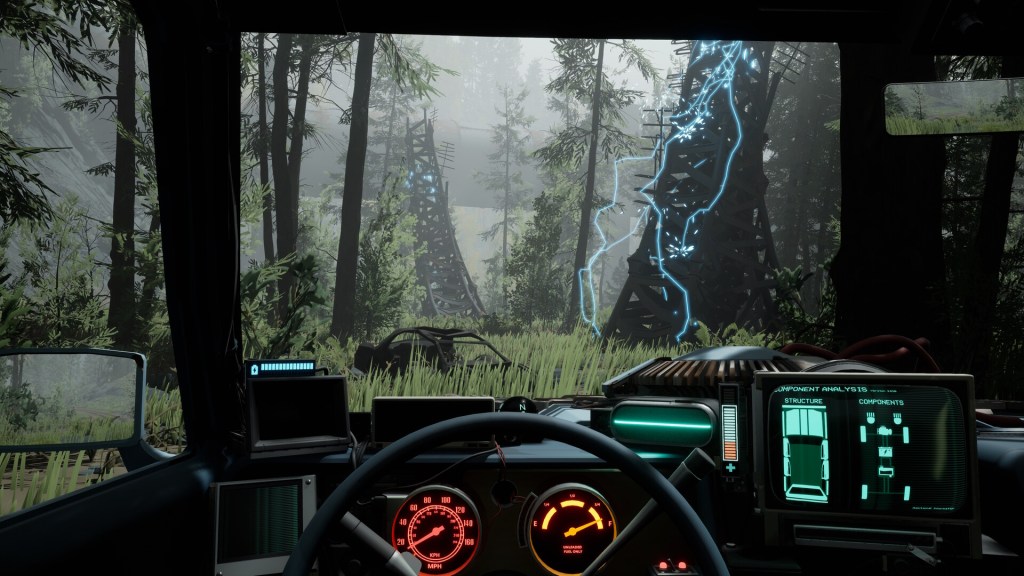
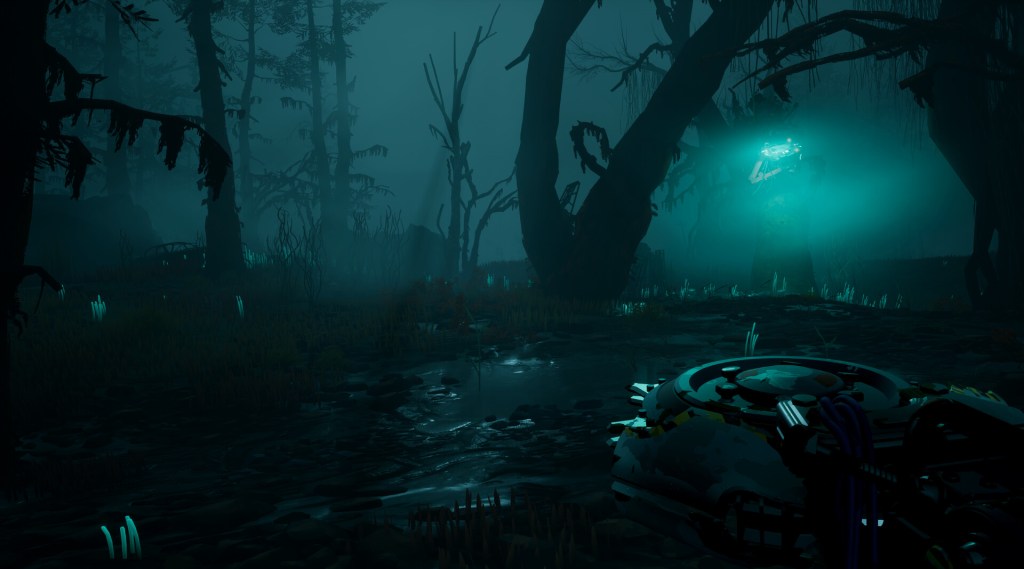
What Pacific Drive really excels at is the vibe and atmosphere. It’s a wonderfully isolated experience. You don’t meet any other humans outside of limited radio interaction. You simply drive around the lonely landscapes of the Pacific Northwest and avoid dangerous anomalies. The anomalies themselves aren’t really sentient beings or scary monsters, just unnaturally occurring science-fiction phenomenon. It’s a tense but oddly relaxing experience. It distills the feeling of a solo road trip as you listen to the radio, navigate back roads, and try to make it to your next safe stop without running off the road and getting some dings on your car. 

I appreciate that Pacific Drive was committed to environmental threats rather than enemies. You aren’t running from monsters, just avoiding puddles of radiation, explosive mannequins, and electrical towers. The hilly and densely forested landscape can make it a tricky problem to go off-roading to avoid these obstacles, but I enjoyed the environmental threats. Moreover, I think Pacific Drive does a great job at maintaining tension throughout the experience. The game never loses its teeth, even as you upgrade your car’s defenses. You always have to play cautiously and keep a watchful eye on your fuel, battery, and other resources to make sure you can make it back home.

I found that Pacific Drive had distinct issues in its beginning, middle, and end. The start of the game is arguably when the game is at its best. You are dropped into a terrifying world and have to figure out how to survive. Your car is a rinky-dink piece of junk that constantly needs its parts swapped and it struggles to go up a mild hill. You have to navigate through a variety of hazards and sci-fi phenomena to gather materials. Upgrades come fast and the learning process is fun, but I do think the game has some problems when teaching the player about its systems.

The game introduces you to 3 characters over radio who spend much of the early portions of the game technobabbling in your ear. Much of it is nonsense, some of it is story related, and a little of it tries to teach you how to play. But it’s hard to spend your brain’s bandwidth listening and discerning what is important while also anxiously navigating the world’s environment. The game is very punishing early on, and certain resources are exceedingly scarce. I was annoyed when the game encouraged me to fully repair all the car’s crappy components with the fairly expensive repair putty item. I also had no idea about the game’s “storm” system which encloses the map in extremely dangerous radiation if you take too long in any given area. It’s a good way to give some urgency to the player, but I don’t remember it being taught to me, maybe I missed it in the waterfall of technobabble. Regardless, I was enormously frustrated when my first encounter with the storm was an anomalous “fast storm” which closed faster than usual and caused me to die. 

Once you’ve gotten comfortable in the world of Pacific Drive, you’ve entered the middle of the game. Despite how frustrating the beginning can be, the constant tension and process of learning and upgrading can be rewarding. The middle of the game is unfortunately far more repetitive. The game devolves into a monotonous cycle of collecting materials, returning to base, repairing and upgrading, and then doing it again. I get that this is the standard survival gameplay loop, but I feel that it’s particularly unrewarding in Pacific Drive. My favorite survival game is Subnautica, which has a mixture of upgrades, exploration, and story to keep the game interesting as you repeatedly dive for resources. Pacific Drive doesn’t really excel at any of those aspects.

After getting the basics at your garage and in your car, the upgrade system in Pacific Drive is a little underwhelming. I never felt particularly thrilled when I could finally upgrade my panels to gain some radiation resistance, or my doors to be insulated from a little electrical damage. These never felt like big momentous bonuses that would allow me to do things I didn’t do before. Just that it would give me a little protection when I made a mistake. I would have loved if upgrades fed more into exploration, but unfortunately the game’s roguelite format squanders a lot of opportunity there.

It would be phenomenal if there were areas that were in permanent thunderstorms that required components insulated from electrical damage. Or areas that were heavily radiated that needed lead shielding. And if those areas had huge rewards and lore drops it would be a great incentive to want to visit these areas. The game does have a single example of this, an area that is permanently shrouded in darkness that also rapidly saps electricity. I enjoyed planning for this area as it presented a unique challenge and made me think about what upgrades and tools I needed to bring. So much of the game is randomized and it results in many runs feeling same-y, I wish there were more zones that had unique layouts, anomalies, and conditions to plan for.

The late game of Pacific Drive is fairly short, which is probably a good thing because by the time I got there I was feeling burnt out on the gameplay loop. The final area is pretty tiny and there’s only one or two story missions there. I didn’t get a single late game upgrade because they weren’t necessary and by the time you get to the final zone, the game is basically over. Again, I’m actually kind of glad that this is the case because it’s a major pain to traverse all the way to the deep zone and I was already ready to be done with the game. My real issue with the late game is that the story has no climactic payoff. I wasn’t super invested in the story in the first place, but there are a few excellent and emotional moments building up to the finale. Things start to make more sense; you understand the characters more and get attached to them. But the actual ending just kind of… happens. It doesn’t really resolve most of the game’s major plot points and it ultimately just feels disappointing. 

If I had my way, Pacific Drive wouldn’t be a roguelite at all. I still would like to play a version of this game where you don’t warp back to the same garage but instead drive across the Pacific Northwest on a long journey and try to find sanctuary in gas stations, rest stops, and cabins along the way. Regardless, I had other issues with Pacific Drive other than its genre. Some better teaching in the early game, better rewards and exploration in the mid game, and a better conclusion would have done a lot to make Pacific Drive more enjoyable for me. I will say that Pacific Drive does so much right. The atmosphere, the garage, the environmental hazards, the car’s handling, and the lonely vibes are aspects that I hope other games can learn from. It is for these reasons that I give Pacific Drive a 7/10. It’s not the game I expected, but I appreciated its unique approach to the survival game genre.

Pepper Grinder (2024)

Pepper Grinder is a wonderfully retro game. Its detailed pixel art, gorgeous environmental backdrops, charming cast of characters, and focus on fun gameplay concepts made me feel like I was playing a classic SNES platformer.  Pepper Grinder may be short, and it may not do anything revolutionary, but it is remarkably polished and is purely distilled fun. There’s no fat on this game, every level has its own ideas and mechanics that put a twist on the drilling and digging platforming.

 The key mechanic in Pepper Grinder is the drill. You tunnel through sand, earth, and snow, avoiding obstacles along the way. As you pop out of the ground you can boost yourself and launch yourself from platform to platform. It’s a remarkably smooth mechanic that the entire foundation of the game is built upon. Digging through the ground is intuitive to control, fast-paced, and allows for some creative level design. And Pepper Grinder delivers that in spades.

While it may be a short game, Pepper Grinder makes up for that with the sheer variety in its levels. Every level is distinct in some way. There are grapple points to swing between patches of earth, falling chunks of snow to flow through, cannons that blast you across the sky, gatling guns to mow down enemies, and a variety of locations to explore. One minute you’ll be gunning down goons in a volcano and the next you will be diving in shark-infested waters and splitting boats in half.

What makes Pepper Grinder feel like a retro game is its charm. There’s no dialogue or much of a narrative at all. The main character, Pepper, washes up on shore and has her treasure stolen. The rest of the adventure is just using her newfound drill to hunt down her missing treasure. But what makes the game so endearing is the visual story that is told. Traveling through the lands and encountering a handful of friendly faces like a farmer mole and a friendly giant is reminiscent of SNES era games such as Super Mario World and Super Mario World 2: Yoshi’s Island. And this retro influence is also obviously present in the art style of Pepper Grinder.

The game is full of lovingly crafted pixel art and animations. The levels, environments, and characters all come to life in its high-fidelity pixel art style. Even with the bright colors and fast-paced platforming, I felt that visual clarity was extremely good. I never lost track of where I was or where I was supposed to be going. The presentation is further bolstered by a great soundtrack of mixed genres: jazz, rock, drum and bass, and even drum and bass. 

There’s no arguing that Pepper Grinder is a short game. There’s only two dozen or so levels and each can be completed in 5-10 minutes. But I don’t think being short is necessarily negative. The developer obviously did not want to pad that game out with repetitive levels or filler content, which can be seen from how every level has its own gimmick or trick. Additionally, there are 5 hidden coins in every level to be found if you are interested in collectible hunting. And I found quite a bit of fun in the time trial mode, trying to get the gold medal on every level. It never felt overly challenging, but I loved finding shortcuts or optimizations to spare a few seconds.

The only major flaw with Pepper Grinder is the boss fights. There are only four of them, but none of them are particularly fun. They are neat concepts, but are unfortunately in cramped arenas that feel awkward to maneuver in. The last boss in particular is a huge difficulty spike, I could see tons of players giving up before seeing the credits because of how frustrating that fight can be. And to make matters worse, if you are doing the time trial mode you will have to deal with 30-second unskippable cutscenes on every single attempt of every boss. Truly maddening.

Pepper Grinder definitely isn’t a revolutionary game. It doesn’t dwell on any of its ideas or mechanics. If you are looking for a platformer that slowly evolves as the player gets better, Pepper Grinder may not be for you. It’s a game that delivers on a fun and fluid base movement system while throwing a bunch of different ideas at the player. Sure, many of those ideas could be explored further and expanded upon, but I appreciate the brevity of the game. And if you are looking to master the game’s mechanics, time trial mode can provide a decent but reasonable challenge.

I love when a game focuses on just being fun. And that’s what Pepper Grinder is. It may be on the shorter side, but that’s only because there is not any fat on this game whatsoever. Every level is its own idea. And the basic drilling movement is just pure fun. Although it doesn’t do anything revolutionary it manages to feel nostalgic and reminiscent of classic Nintendo platformers. It is for these reasons that I give Pepper Grinder a 7.5/10. Definitely give this game a shot if you want a quick burst of platforming fun.