Tchia is a love letter to New Caledonia. From the outset it is obvious that the developers wanted to share the culture, music, landscapes, and peoples of this Pacific Island. Tchia is a heartfelt adventure with a variety of small gameplay elements that contribute to the greater whole. While no aspect in particular is remarkable, I had a good time just exploring the island and messing around with its various ideas.
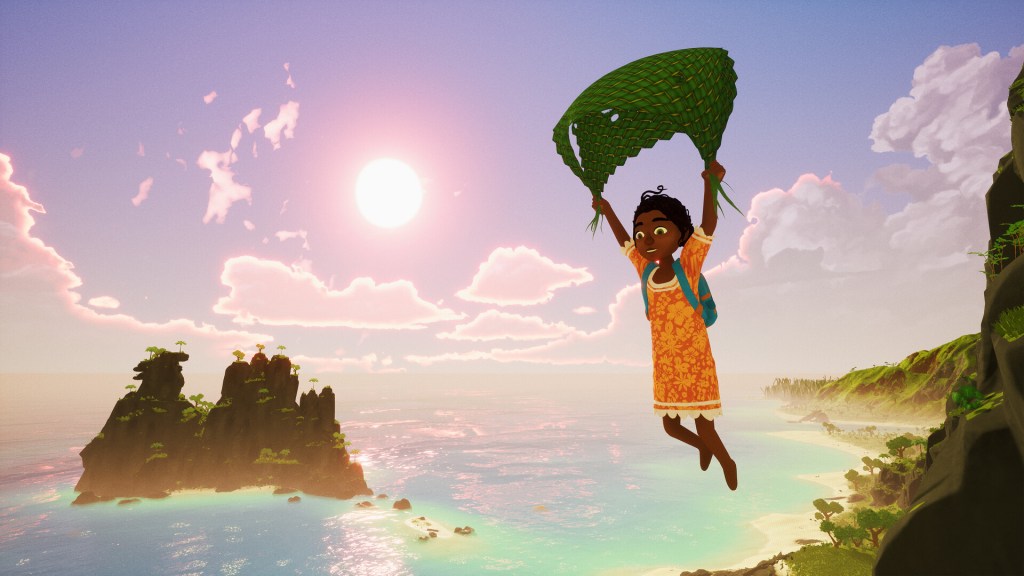
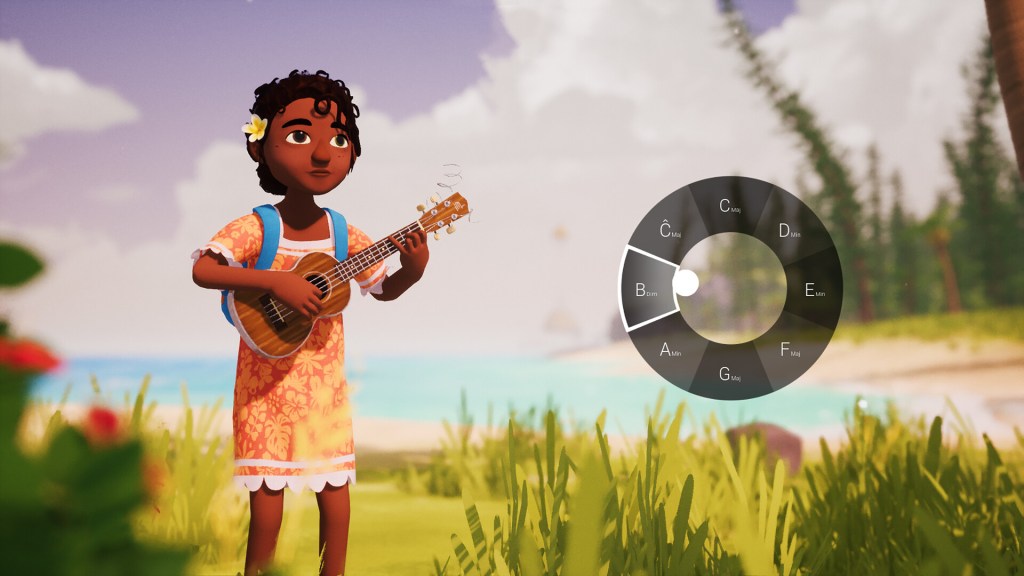
The game follows the story of a young girl who lives on a tiny island with her father. When her father is kidnapped by a local warlord, the girl realizes that she has a special power to briefly possess objects and animals. You play as the titular girl as she sets out to rescue her father. The story itself is cute as you get to visit a bunch of small towns and peoples as you make friends. Every group you meet is seemingly accompanied by a jam session on your trusty ukulele.
Interestingly, the story takes a pretty dramatic tonal shift about halfway through as you start to learn more about the backstory and villain. While the main character and setting remain cheerful, the narrative gets pretty dark and disturbing. Honestly, I enjoyed this dramatic shift as it will forever stick out in my mind as opposed to if the game remained 100% wholesome for the entire duration.
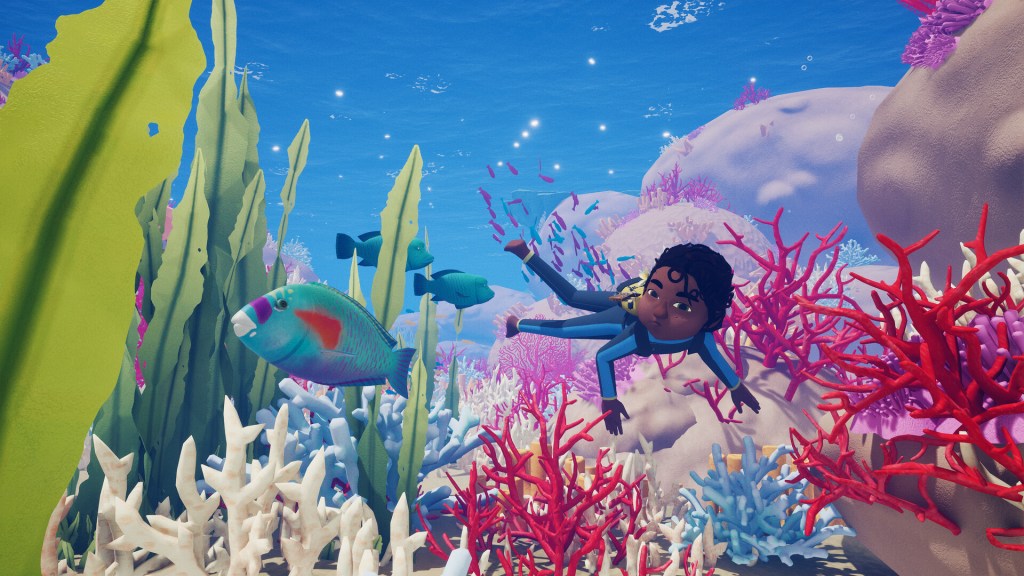
Tchia is first and foremost an open-world exploration game. While I’ve grown a little exhausted from these types of games, I think Tchia still manages to be fun because it is a more compact experience. The map is small and the game is short. While the game crams in a ton of side activities and points of interest, I didn’t feel obligated to do them all. I stuck to the stuff that I enjoyed and things that happened to be on the path where I was going.
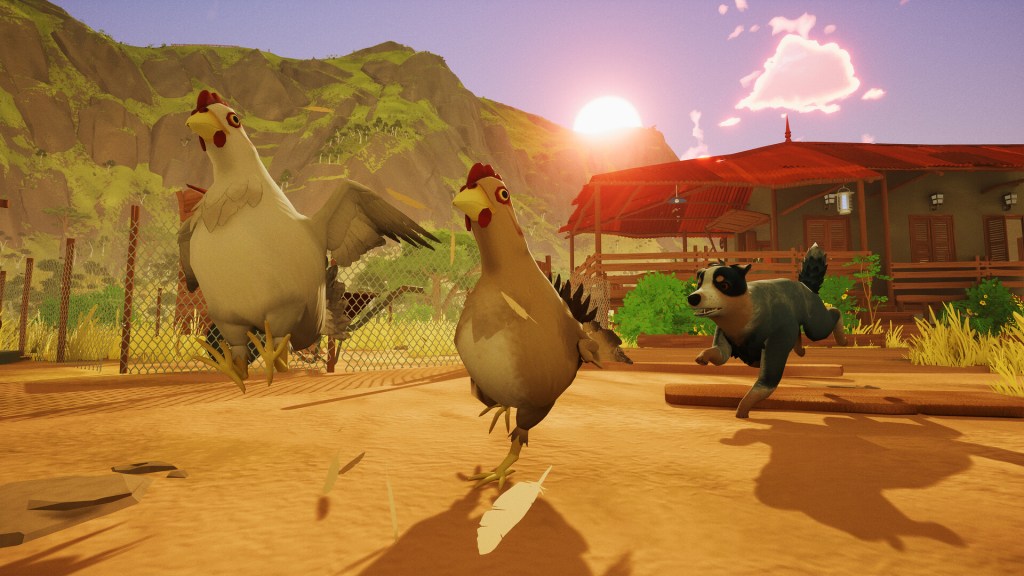
The main gameplay hook is the possession mechanic. You can briefly possess any animal that you come across as well as a handful of inanimate objects. The animals behave as you would expect, and you can fling the inanimate objects as a projectile as you release your possession. The animals are fun to mess around with as they are mainly used for traversal. The islands are small, but the main character is quite slow. Possessing a bird, a deer, or a dolphin to get around greatly expedites exploration. Some animals such as the crab or dog have special uses for puzzles to snip and dig for treasure.
The other place where possession comes in handy is combat. There isn’t much combat in the game, but there are a handful of enemy camps spread around. The enemies are made of possessed cloth, so your main form of attack is to launch objects such as oil lanterns, explosive rocks, or flaming branches at them. The smaller enemy camps are a bit of frantic fun as you quickly swap between possessions and take out enemies on the fly. The bigger enemy camps at the end of the game are a bit tedious as you end up having to wander around for a while to find any opposition and oftentimes there isn’t any flammable material nearby to possess. I had to carry around a ton of explosive rocks in my backpack to take out for these occasions but it just wasn’t as fun as looking around and possessing objects strewn about the camps.
Aside from combat, Tchia has a handful of mini-games and challenges to play with. There’re timed races with different animals, shooting galleries with your slingshot, musical rhythm sections using the ukulele, traditional platforming, stealth, acrobatic diving challenges, claw machines, boating, and photography. There’s so much variety here that it’s hard to feel bored of any particular element. None of these gameplay segments are revolutionary or amazingly executed, but they are fun enough to fuel exploration.
Exploration is the core of Tchia. Whether you walk, boat, or possess a bird to get around there is a beautiful island to discover. Aside from possession, the main form of traversal is similar to that of The Legend of Zelda: Breath of the Wild, stamina-based climbing and gliding. Between the mountains, crispy blue waters, dense jungles, and cozy towns there is a real natural allure to the environment. As I previously mentioned, the world is absolutely packed with collectibles and challenges if you want to engage with those. One aspect of exploration that I enjoyed was that there was no constantly-updating reference point on the mini-map. You had to infer where you are based on landmarks and directional knowledge. This was nice as it lets you appreciate the environment and look for ways to discern your location rather than relying on a 2D projection.
Part of what makes Tchia so charming is its dedication to New Caledonia. While the world of Tchia is fictional, it bases itself heavily off of the people, culture, and landscapes of New Caledonia. It is a place that I barely knew existed, and now I find myself researching its history and culture to learn more. Everything in the game pays homage to the culture in a respectful way. It doesn’t feel like it’s just using the setting as a backdrop, but rather it’s really immersing the player in the way of life of New Caledonia’s people.
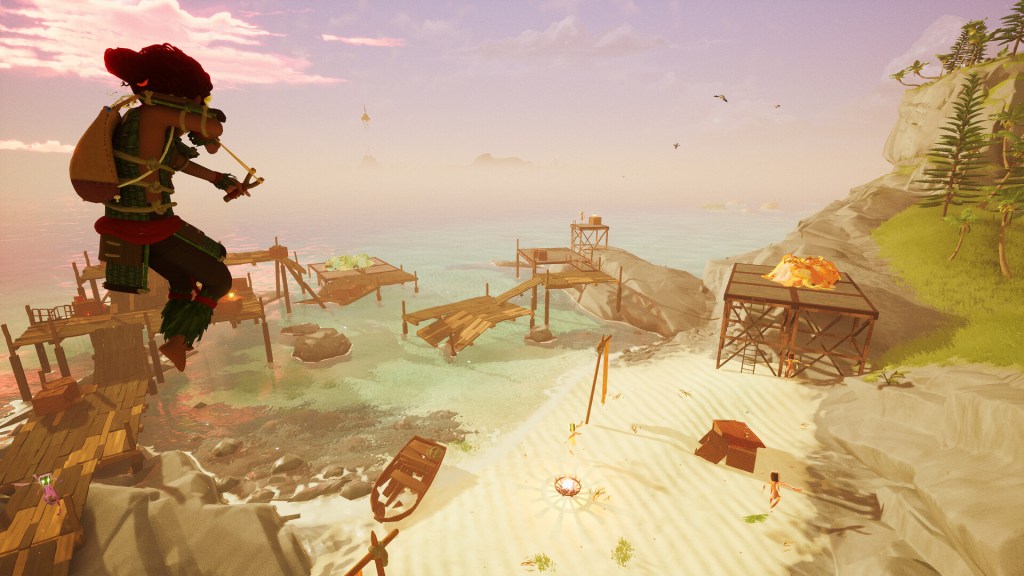
As far as performance goes, Tchia is serviceable. I personally didn’t run into any bugs, frame-rate drops, or slow loading times. Graphically, however, Tchia isn’t the best game to look at. I love the environments and setting of the game, but the hyper-stylized art style looks a little too generic and cartoony. The character models in particular look off to me. I am usually an advocate for stylized art styles as opposed to hyper-realistic graphics, but the art style of Tchia just feels outdated and worn-out. All that being said, I don’t think it’s a huge detractor from the game considering that the environments still look nice.
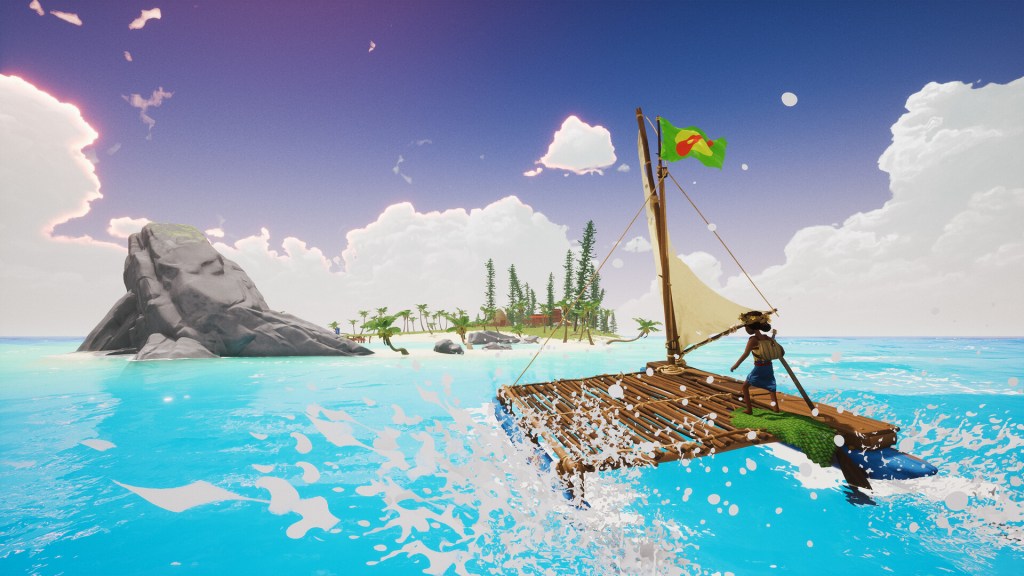
Tchia isn’t anything revolutionary, and that’s ok. If you are exhausted of open-world exploration games, Tchia isn’t for you. But if you do want a charming trek through a small-but-dense island then Tchia does have a lot to offer. There’s a ton of variety in the activities and mini-games to play with. The heartfelt homage to New Caledonia is what really makes the game standout, as it lets us have a window into a culture that most people are entirely unfamiliar with. It is for these reasons that I give Tchia a 7/10. It didn’t blow me away with new ideas or mechanics, but it was a much needed relaxing and wholesome adventure.
 stephensopinions