You stumble across a dusty cardboard box in an abandoned storage unit, inside is a retro video game console along with 50 games from a company you’ve never heard of. That’s UFO 50. A collection of 50 retro games from an alternate universe, each showing the progression of the fictional developers UFO Soft. The games range from platformers, to sports games, to fighting games, to shmups (shoot-‘em-ups), to puzzle games, to strategy games, each with a unique twist or gimmick. The real developers of the UFO 50, Mossmouth, claim that these are retro games with modern design sensibilities, which I think is a perfectly apt description.
Retro games are notoriously difficult and are oftentimes clunky to play. UFO 50 does a fantastic job at maintaining a reasonable level of difficulty without making these games frustrating to play. Many of the games in the collection have slow movement, punishing mechanics, or initially uncomfortable control schemes. But it doesn’t take long for each title to click, and once you figure out how to play the smart design begins to unveil itself.
Each game in the collection has something that makes it stand out. There’re no straight up clones of actual retro games, although some of the games do feel at least inspired by classic titles. Take one of the earlier games in the collection for example, Magic Garden. It takes elements from Snake and Pacman as you lead friendly slimes to safety and use power-ups to clear out evil slimes. But Magic Garden is its own game, shepherding slimes to the scoring zone and collecting power-ups has intricacies as you are encouraged to take risks and let a ton of slimes occupy the board before chaining together multiple power-ups for an exponential score increase. There’s an edge of risk and reward if you want to maximize your points.
There’s an absurd level of variety available in UFO 50. I’m extremely confident that there is a game in the collection for everybody. And for $25, you really can’t go wrong. And don’t think that these are just short little arcade games either. There are fully fledged RPGs and metroidvanias that take hours to complete. Many of these titles could easily be standalones. Mini & Max for example is a genius little metroidvania in which you try to escape a supply closet by shrinking down and exploring the shelves and talking to the micro-civilizations that are invisible to the naked eye. Grimstone is a turn-based RPG that is over a dozen hours from start to finish. You could play UFO 50 for 100 hours and barely scratch the surface. If you truly want to 100% complete the collection, you are looking at 300ish hours. Personally, I have not clocked even remotely close to that number but this is a game that I am planning to play and revisit for a long, long time.
A smart decision was made to give every game some reasonable milestones to achieve. Every game has a simple challenge to earn a “gift” which goes into the little house on the console which is cute. You earn a gold trophy for beating each game. And you can earn the “cherry” by completing whatever additional challenge there is after completing the game, usually this is getting a high score or something along those lines. I think these tiers of achievements makes every game more approachable and presents attainable goals as you slowly get better at each game.
I loved the dedication to the fictional company of UFO Soft. Each game has a short blurb about its development and it’s fun to recognize the fictional names of the developers in the credits of each game. There’s a handful of sequels across the collection, and I enjoyed the references to the company’s other games as I played. It was interesting to watch UFO Soft evolve in design and technology. It was a brave decision by Mossmouth to have the first game in the collection be Barbuta, an esoteric metroidvania with no music, no color, painfully slow movement, unfair traps, and no quality-of-life features. But it was the perfect origin to the UFO Soft mythos. A game developed by a sole employee with extreme technical limitations and no game design experience. Following the evolution of UFO Soft is a journey of its own, and there’s a layer of secrets to be discovered for dedicated players.
The presentation of the collection is fantastic the whole way through. Mossmouth had to make sure every game fit its respective era and chronological place in the collection. All the games look good for being retro games and have distinctive designs and characters. But what I really want to highlight is the music. Oh my god. There are so, so many excellent tracks in this game. In the alternate universe where UFO Soft is real, I could easily see these tunes being as memorable as classics like the Super Mario Bros theme is to us.
I think that the size and breadth of the collection is the greatest strength and weakness of UFO 50. While it is exciting to boot up the game and choose from 50 games, not having to commit to any given game, I also found myself treating each one as disposable. Since the games are difficult and often have unconventional control schemes, I found it very easy to not give each game a fair chance. Dusting off a cartridge and playing for 5 minutes before exiting and trying something else was a common occurrence initially. After noticing this pattern, I forced myself to try to give every game more attention. I’m still working through the majority of the collection, but I am glad that I slowed down to really appreciate each game. The downside is that some of the games never do click, even after putting time into them. Planet Zoldath and Combatants are examples of games that I think are just not very good.
Since I think that it can be a bit intimidating to know where to start with such a massive collection, I wanted to share some of my favorite games that I’ve played so far. While part of the beauty of UFO 50 is that everyone has different favorites, I did want to highlight these five games. Hopefully these suggestions can give you some options to try if you have trouble choosing where to begin.
Party House is the first game in the collection that really clicked with me. It’s a deck builder where you are trying to throw the ultimate party. By spending popularity to add new guests to your rolodex you try to accumulate more popularity and cash every night. After 25 nights you have to have 4 “starred” guests attend your party to win. There’s a good amount of decision making involved, but what makes Party House interesting is its “push your luck” mechanics. Troublemaker guests typically earn more popularity and money, but more than two of them at once will cause the cops to show up. And there’s also the decision of when to stop spending popularity on normal guests and when to start acquiring the “starred” ones. There’s a lot of delicate choices to balance, and Party House is a ton of fun.
Night Manor is a point-and-click horror game that takes place in a disarrayed mansion filled with trash and fungus. You have to figure out a way to escape while avoiding the zombie-like man infected with fungus who is hunting you. If you run into him, your cursor jitters to simulate the terror your character feels, making it harder to click on doors to escape as he chases you through the manor. Old point-and-click games often have moments of ridiculous leaps in logic, but Night Manor avoids this with its puzzles. I found that everything made sense and I couldn’t put the game down until I played through the whole thing over the course of a few hours. There’s also a story to uncover through notes of what happened at the manor which was fun to discover.
Seaside Drive is a stylish shmup, but you can only move left and right as you drive your car down the road. As you dodge projectiles and enemies you have to move back and forth quite a bit to keep up your meter. You build up charge by skidding to the left, and expend charge by shooting and driving right. The higher the meter, the more damage your shoots do. I love this game because it seems crazy difficult at first, but I quickly learned how to maneuver and overcome the challenge. It’s so satisfying to clear the stages that were giving you a hard time without getting hit at all. Seaside Drive also has incredible aesthetics and one of my favorite songs in the whole collection. It’s a slick, stylish, and fun to play shmup with perfectly tuned difficulty.
Devilition is my favorite puzzle game of the collection that I’ve played so far. A grid is filled with villagers and demons and you have to place pieces that kill the demons. The twist is that your pieces have to act like a chain reaction, each one can only be set off if hit by another. You have to keep track of what pieces you’ve placed and how to connect the chain. There’s 10 rounds and any pieces that you don’t use carry over to the next round, encouraging you to be efficient in your placement. I enjoyed watching the Rube Goldberg machine go off and clear the demons off the board as I prayed that I didn’t mess up and miss a crucial link in the chain.
Waldorf’s Journey is a platformer that takes place entirely within the dream of a walrus. It’s reminiscent of a golf game as you charge up and launch Waldorf the walrus across gaps and try to precisely maneuver him to land on tiny patches of ice. You really have to master the momentum as you use your flight meter to propel Waldorf forward. It’s tempting to fly as far as you can on every jump, but it becomes incredibly difficult to slow down enough to safely land. There’s a few different power-ups and items to help you along as you inch towards revelation at the end of the dream. I also love the visuals, music, and minimalist story in this game as well.
I think UFO 50 is a game that I am going to be playing for the rest of my life. Or at least for a very long time. The breadth and depth of this collection is unmatched. After dozens of hours played, I’ve barely scratched the surface of what UFO 50 has to offer. The fictional history of UFO Soft ties the whole thing together beautifully. It is for these reasons that I give UFO 50 a 9.5/10. UFO 50 is a paradise for fans of retro games with its dedication to melding retro gaming experimentation with modern design considerations.
Older games are often rough around the edges, and I was concerned when I needed to download a 3rd-party mod to even run Max Payne. But the little bit of research that I had to do to get the game running was well worth it, because Max Payne is an absolute classic. It’s an old-school FPS that makes you feel like an action movie hero, while simultaneously gripping you in its noir narrative and setting. For its time, it was a technically impressive game that made clever decisions to hide its shortcomings. Despite a few hiccups with the difficulty design, Max Payne is an excellent game, even to this day.
After his wife and infant child were killed by drug addicts in a burglary a couple years ago, Max becomes an undercover DEA agent. He gets a lead on the source of the drug known as Valkyr, a mysterious substance that makes people enter a zombie-like state. Max hunts for the truth during a historic blizzard in New York City. It escalates from mob drug war to full-blown conspiracy as Max spirals in his quest for vengeance.
As the plot unfolded, layer by layer, I was also impressed by the thematic consistency. The weight of the guilt that Max carries because of the murder of his family turns him into a relentless hunter. He is haunted by hallucinatory dreams where he is the one pulling the trigger during the tragedy. As the blizzard progressively worsens, so does Max’s mental condition and grip with reality. The narrative benefits from its noir styling. Max narrates the events with melodramatic descriptions and the presentation embodies the dreamlike yet brutal characteristics of classic noir films.
Despite its age, Max Payne visuals hold up remarkably well. 3D graphics were still in their infancy, so the developers decided to forgo cutscenes for comic panels. This was a clever choice because these stylized comics have aged so much better than cutscenes from that era. It also plays wonderfully into the noir theming and surreal elements of the plot. The setting is also quite memorable. New York City in a blizzard is one of my favorite environments to explore. The snow-covered rooftops, empty streets, icy docks, and rundown apartments are wonderfully atmospheric and filled with little details. I quite liked how many of the locations had radios or televisions that gave news updates on the “historic storm”. These little flourishes gave the world more credibility.
The presentation and story aren’t the only elements that are impressive despite their age, the gameplay also holds up well. It’s a classic FPS, shooting waves of goons as you move from room to room. But what makes it special is the inclusion of bullet time. At the press of a button, you can slow down time to dodge bullets and return fire. You also can quickly roll or dive in all different directions. Combining the dodge with bullet time can make for some cinematic moments as you burst through doors, diving in slow-motion and raining bullets on mobsters. It also adds a layer of fun complexity to otherwise simple gunplay. Bullets have actual velocity rather than instantly doing damage when the trigger is pulled. Staying in motion, utilizing bullet time, and leading your shoots is crucial to success. I found this fast-paced action to be very fun.
My only complaint about the gameplay is the adaptive difficulty implementation. I don’t hate the idea of tuning the difficulty based on how the player is doing, but in Max Payne it can drastically affect the experience. The game adjusts enemy damage, enemy health, player health, and other factors to extreme degrees based on how frequently the player dies. I found if I was doing too well basic enemies would suddenly become superhuman threats. The game flow is dramatically altered when multiple shotgun blasts from point blank can’t fell a single foe, but a single shot from their rifle kills you instantly. Luckily, you can save and reload as frequently as you want, so after a few deaths and reloads the enemies become manageable again. But still, it’s jarring to experience such sharp spikes in difficulty.
I was pleasantly surprised by my time with Max Payne. Every element was well done. The exciting story, the meaningful and thoughtful themes, the memorably moody setting, and the thrilling gameplay were all impressive. Despite the questionable inclusion of adaptive difficulty, I genuinely had a ton of fun with Max Payne. Which is not something I can say for many other games from its era.
Kena: Bridge of Spirits is a game that’s better than the sum of its parts. Which is really important because none of the individual aspects of the game are standouts. There’s perfectly serviceable combat, platforming, exploration, and story, but there aren’t really any surprises or “wow” moments. It’s a game that feels reminiscent of classic, Playstation 2 era, adventure games. While being fairly derivative, Kena: Bridge of Spirits somehow feels endearing. I actually enjoyed my time with the game which can be partially attributed to the game’s smaller scope and wholesome vibes.
The game follows Kena, a spirit guide on a journey to learn more about her abilities to usher spirits into the afterlife. She travels to a remote village beset by famine and magical corruption. The populace has been entirely wiped out, and only spirits remain. It’s Kena’s duty to clear the corruption and guide the regretful spirits into the afterlife to help restore the natural order of life. I thought it was a touching story that dealt with loss, regret, and acceptance. There’s a sense of melancholy as you explore what was once a bustling town full of life, and moments of sadness as you learn the fates of the spirits that you’ve been assisting. But it’s also uplifting and endearing as you are ultimately helping the spirits accept and move on.
The most striking aspect of Kena: Bridge of Spirits is undoubtedly its visuals. The world is an absolute treat to look at. Towering canopies, twisted roots, rushing waterfalls, and dense underbrush are intertwined in a way that feels like a genuine forest. The world feels serene and natural thanks to its thoughtful environmental design. The lighting is also superb as streaks of light cut through the trees and illuminate the path during a thunderstorm. Graphically, the game has the Pixar movie-esque style to it that is wonderfully animated and rendered beautifully, especially in cutscenes. There’s no question that the presentation is the most impressive aspect of Kena: Bridge of Spirits.
Gameplay wise, Kena: Bridge of Spirits has a healthy mix of combat, exploration, platforming, and puzzle solving. While all these components were competent, they each had their own flaws. The only aspect that tried to do something new was how puzzles used the cute creatures called Rot. The Rot are little black puffballs that follow you around and assist you as you free them. You can command them to move blocks around and can occasionally fuse them together to create a spiritual dragon to clear away corruption. I loved seeing the little creatures but I felt that they were underutilized in puzzles. I didn’t feel like there was a meaningful difference between having the Rot move a stone block instead of just doing it as the player character like in most games. As a whole, the puzzles were extremely simple.
Platforming faced a similar issue of simplicity. There was some potential here as the game introduced some fun ideas such as using your bow to slingshot you to glowing flowers, rotating floating blocks so that you could use them as platforms, and introducing a dash that sends you through spiritual portals. There were moments that I felt like there could’ve been some excellent race-against-time sections as you rapidly used your tools to levitate blocks, dash through portals, and sling across gaps. Or there could’ve been more puzzle-platforming focused sections of rotating platforms in the correct order. But those moments never really came to fruition unfortunately. Moreover, double-jumping feels awkward because the second jump almost entirely halts your momentum. It makes it easy to misjudge jumps and honestly just feels bad.
I found exploration to be mostly enjoyable because of the environments. There’s a good amount of stuff to find without feeling overwhelming. But a lot of the rewards were fairly disappointing. Meditation spots are thematically nice and increase your total health which is great. Finding hidden Rot around the world also feels good and collecting a bunch gives you more energy to use in combat, great. But I honestly didn’t care for finding the dozens of different hats that you can put on your Rot. Sure, it’s a cute touch. But it is purely cosmetic and I couldn’t help but be deflated whenever I found a secret passageway only to be rewarded with a random hat. Worse still, the most common reward is money. And money’s only use in the game is to purchase hats. So, if you don’t care too much for these trinkets then a majority of the game’s rewards are going to be meaningless for you.
The one exploration reward that I thought was interesting was the Spirit Mail. Collecting these allows you to enter homes in the village that have been beset by corruption. You can clear out the evil energy, restoring that home and the surrounding area to a more serene state. I wish they did more with this. I love the idea of reviving the village, but aside from getting rid of some evil vines and bramble there isn’t any gameplay element tied into this. There are some static blue spirits standing around but they don’t move and you can’t interact with them in any way.
Imagine this: after cleansing a building in the village, spirits are freed that act as shops to spend your money. It was such an obvious idea to me that I’m shocked it’s not in the game. It solves a multitude of issues that I had. The village would feel more alive, Spirit Mail would feel more rewarding, you’d have actual upgrades and equipment to spend your money on, and combat progression would feel better with these upgrades. I even think it’d increase the emotional impact of the game’s ending as you free these spirits that have been stranded instead of moving on to the afterlife. Maybe the developers didn’t want players to have weapon upgrades to spend money on, but I found it so odd that 3 of the major collectibles in the game (Spirit Mail, hats, and money) had no gameplay implication whatsoever. I genuinely think adding some shops as a reward for finding Spirit Mail would have been a major improvement.
The most fleshed out aspect of Kena: Bridge of Spirits is easily its combat. Kena has the classic options of light attack, heavy attack, dodge, and shield. As you progress through the game a few more options become available such as the bow, bomb, and dash. Furthermore, you can spend experience to unlock bonus attributes such as a stronger shield, more arrows, or bombs releasing mini-bombs upon detonation. But the best way to deal massive damage is through the Rot abilities. As you hit enemies with your basic attacks you will build up a resource called confidence. One confidence can be spent to unleash a devastating melee attack, a piercing arrow, a time-slowing bomb, or it can be used to consume limited health flowers scattered around the arena.
All of these considerations play into the flow of combat in Kena: Bridge of Spirits. I found it enjoyable to dodge, block, and parry enemies along with dealing some damage with all my tools while building up confidence to burst down enemies with Rot abilities. Enemy design is also quite varied so that you are always on your toes. You really have to make use of all your tools to dispose of the variety of threats the game throws at you. It sounds silly, but I was impressed that even with a large roster of foes there was not a single one that I thought was annoying or poorly designed. But where I think combat really shines is the boss battles.
I think the difficulty curve pertaining to the boss battles is going to be a huge negative for many players. For a game that presents itself like a Pixar movie, the bosses can be quite challenging. Don’t go into Kena: Bridge of Spirits thinking it is a game for little kids as the bosses will humble you, even on the “normal” difficulty. But it’s hard for me to begrudge these unexpected difficulty spikes because the bosses were my favorite part of the game. They follow the same flow of regular combat but are much more challenging. Additionally, most bosses have some briefly exposed weak points that you can target to temporarily incapacitate them. It’s a great way to encourage the player to stay perceptive and get rewarded with small windows to deal big damage.
Even though I did have fun with the combat, I do have a few small complaints. For one, the camera can get a bit annoying with multiple enemies. It has the tendency to soft-lock itself onto the nearest enemy which isn’t always what I want. I think the camera should’ve stayed in control of the player for the most part. My other issue is a lack of progression for melee attacks. Towards the end of the game it felt like basic light and heavy attacks did pitiful damage to bosses to the point it wasn’t worth the risk of getting close. I defaulted to using arrows and bombs until I could stun the boss and then used Rot abilities to deal the majority of damage. I think the idea of having a blacksmith or something in the village like I mentioned earlier could’ve allowed players to specialize into stronger melee attacks.
There’s something about Kena: Bridge of Spirits that feels like an adventure game from the Playstation 2. And not in a bad way. I think it may be because so many modern adventure games put more emphasis on story and massive scope. Kena: Bridge of Spirits feels more personal and endearing. It has a story, but it doesn’t talk at the player for hours on end. It has an open world, but it’s much smaller and more segmented than most modern games. And I appreciated that the game wasn’t bloated with unnecessary junk. It’s maybe a dozen hours long and quickly moves through new areas, enemies, bosses, and tools. In a landscape filled with 50-hour open world games, I’m glad to have smaller scoped adventures like Kena: Bridge of Spirits.
While Kena: Bridge of Spirits doesn’t do anything particularly groundbreaking, I still had a great time with the game. I looked forward to cozy mornings with a cup of coffee and exploring its gorgeous natural landscapes with my crew of Rot buddies. I think there are clear improvements to be made across all gameplay aspects, but as an entire package I think Kena: Bridge of Spirits is fun. It is for these reasons that I give Kena: Bridge of Spirits a 7.5/10. If you are tired of grandiose open worlds and dialogue heavy adventure games, Kena: Bridge of Spirits presents a tighter and more personal quest.
Yakuza Kiwami is a remake of the original Yakuza game from 2005. Being a remake of a PS2-era beat ‘em up definitely limits how much the developers can do to improve an antiquated experience while simultaneously remaining faithful to the original design. After playing Yakuza 0, I was excited to see how the developers could leverage the new engine and combat to modernize the original Yakuza experience (read my Yakuza 0 review for further context). Unfortunately, I feel like there were a few key missteps in combat and side-quest design that were completely unrelated to being a remake. Still, Yakuza Kiwami is a fun romp through the nightlife district of Tokyo for fans of the series.
The game’s prologue starts with everyone’s favorite protagonist Kiryu taking the blame for the murder of the Dojima family patriarch. Not only does Kiryu land himself in jail for 10 years, but he is on the hit list of all Yakuza in the area for killing a high-ranking member of their crime organization. The game starts in earnest when Kiryu is released from jail and a civil war breaks out among the Yakuza families.
The story of Yakuza Kiwami isn’t quite as gripping as Yakuza 0, but much of that is just due to the era of the original’s release. There’s a lot of random sequences and wild goose chases that break up the pace of the story. That being said, Yakuza Kiwami is helped by virtue of now having a prequel to develop many of its characters. Knowing more about Kiryu, Nishiki, Majima, Shimano, and the rest of the cast goes a long way to make me more emotionally invested in the story. Still, I definitely wasn’t sitting on my edge of seat for the climax like I was during the finale of Yakuza 0.
The main appeal of the Yakuza games is the incredibly dense open world. I loved revisiting Kamurocho and seeing how the world I’d become so familiar with had changed with this installment. For the most part, the city is largely the same as it was 20 years prior aside from a few new Cabaret clubs and of course the Millenium Tower where the empty lot used to be. The game has plenty of callbacks and humorous moments referencing the side-stories of Yakuza 0.
Unfortunately, I felt that the tie-ins to Yakuza 0 were my favorite side-stories in Yakuza Kiwami. What I love about side-stories in Yakuza is how silly they are in comparison to the serious nature of the main story. Yakuza Kiwami lacks any truly memorable goofy moments. Most of the side-stories are some variations of somebody trying to scam Kiryu. Some of the schemes are a little crude and it’s fun to watch Kiryu’s reactions, but it never reaches the heights of zaniness that Yakuza 0 had.
Even though the side-stories were a bit of a letdown, I still think that the open world is a strength of Yakuza Kiwami. There is so much to do and get distracted by in such a tightly crafted city. Of course, there are a variety of mini-games to go along with the side stories. I spent more time than I should have racing toy cars, fighting in the coliseum, and playing inappropriate Pokemon against elementary schoolers. I’m not partial to the plethora of gambling mini-games but there are a ton of them for fans of them. I really did have fun running around the city and seeing what I could do, but I think my favorite twist is the Majima Everywhere system.
After the events of Yakuza 0, Majima has pretty much lost his mind. He roams around the city, searching for Kiryu. Majima craves a good fight and relishes in helping Kiryu gain his skills back after spending a decade in jail. Every time you encounter Majima, you are locked into a boss fight with him. As you repeatedly defeat him, you will unlock new abilities in the Dragon of Dojima fighting style. My favorite aspect of this system is not the boss fights, but how Majima will show up as you play mini-games or as a taxi driver or as a bartender. Seeing Majima put on costumes and surprise Kiryu across the city is the lighthearted goofiness that I felt Yakuza Kiwami was sorely lacking.
Even though I enjoyed the encounters with Majima, I got a little tired of fighting him by the end of the game. And this is in large part due to the combat of Yakuza Kiwami. When you compare the combat in Yakuza 0 to the combat in Yakuza Kiwami, they may seem indistinguishable from each other, but there are some crucial differences that I think absolutely ruin many of the encounters in the game. Like Yakuza 0, the game is an action brawler where you beat the hell out of goons with 4 different styles that you can switch between. What made the combat of Yakuza 0 fun to me was contextual. Playing as Kiryu, the disgraced badass with unimpeachable morals and fighting against the scummy Yakuza who wronged you was greatly satisfying. While it often was easy and simplistic, I had fun. Yakuza Kiwami makes encounters more challenging, but in a frustrating fashion.
The first major difference in Yakuza Kiwami is its enemy design. Baddies in this game are far more likely to block and dodge out of your attacks. Even during the middle of your combos they can turn around and start blocking. I never really found a good way of dealing with this other than just to continue wailing on them to get the occasional hit in. Using grabs and throws seems like it should be the natural counter to blocking, but most enemies just dodge out of grabs and many of them will actually deal damage to you if you grab them.
Bosses in particular are very slippery and hard to hit. They also have uninterruptible combos that will ignore hitstun if you attempt to attack them during that time. Trading blows with enemies seems to make sense in the world of Yakuza, but for some inexplicable reason Kiryu was made to be much more fragile. Taking any hit will cause a brief hitstun and interrupt whatever you are doing. Getting knocked to the ground is a common occurrence. Fighting groups of enemies is a nightmare because it’s so likely that you will get interrupted every time you try to attack. I was sorely disappointed that even in Beast style, the fighting stance specifically designed to deal with groups, Kiryu has no additional resistance to hitstun and a light breeze will prevent him from attacking.
Another annoyance is the addition of the Kiwami mechanic. When bosses get low on health, they begin glowing a colored aura and rapidly heal. To interrupt this, you have to swap to the style that matches the color and use a special heat move on them. Swapping to the correct style takes time. And if you don’t have enough heat you have to use an item or hit them a bunch which takes time. And during this time, they continue healing. I feel like this mechanic was supposed to be a cinematic way of dealing big damage to the bosses, but most of the time I was lucky to break even after they had healed for a few seconds. They can do this multiple times per fight, and using the same heat move in the same battle deals reduced damage. Which is a massive oversight considering that you only have the one heat move to interrupt Kiwami healing. This mechanic is utterly pace breaking and annoying to deal with.
All of these issues make the combat in Yakuza Kiwami painfully slow and tedious. The combination of enemies constantly blocking and dodging, Kiryu having trouble getting off significant hits, and bosses healing massive amounts multiple times throughout a single fight just makes combat take forever. On normal difficulty the game still isn’t “difficult”, you can carry a dozen healing items with you and can take a hefty beating before going down. It’s just tedious to slowly whittle away at enemy health and popping a healing item whenever you get low. I don’t need the combat to be deep or challenging, I just want it to feel good to smack around bad guys as the indomitable Kiryu.
I was shocked how many steps backwards Yakuza Kiwami took from Yakuza 0. I can look past the dated story since the game is a remake, but the bland side stories and tedious combat surprised me. It’s still a fun enough game, exploring the city and getting distracted by the plethora of mini-games is essential to the series. If you played Yakuza 0 and want more, then Yakuza Kiwami is the next logical step. But definitely don’t start with Yakuza Kiwami even though it is a remake of the first game in the series. And if Yakuza 0 didn’t click with you, then Yakuza Kiwami definitely won’t. Unfortunately, it is a worse game in every way. I’m still looking forward to the rest of the series, and I hope that this was just a low point.
Elden Ring is one of the most awe-inspiring adventures ever made. Its grandiose scope paired with wonderfully varied environments, naturally occurring vistas, and absurd array of characters and enemies is something that may never be surpassed. In many ways, Elden Ring is the natural evolution of FromSoftware’s Dark Souls franchise. It streamlines many of the more controversial aspects while doubling down on action and spectacle. And while I do love Elden Ring, I think something was lost in that evolution. Moreover, Elden Ring is often a victim of its scope. The game is gargantuan and undeniably runs out of steam towards the end.
What Elden Ring does best is the jaw-dropping moments of environmental reveals. The game has so many different classic fantasy areas such as magnificent castles, rolling plains, snow-capped mountains, desolate and rocky badlands, and dense forests. But it also has plenty of its own imaginative areas such as the rotting and malaised hellscape of Caelid. The sheer wonder I felt when I discovered the luminous skies in Siofra River is a high point that mirrored the first time I stepped foot in Anor Londo a decade ago when I first played Dark Souls.
It’s all the more impressive that Elden Ring manages to be full of these grandiose landscapes and creative environments when considering the scope of the game. The game is truly massive. In the first area of the game there’s a good chance you’ll be teleported to the other side of the map which serves as a shocking revelation that the big area that you’ve spent hours exploring is nothing but a miniscule slice of the world. Aside from the main dungeons and attractions in each area, there are plenty of enemy encampments, roaming bosses, side dungeons, and other secrets to uncover. While some may argue that the big world can feel a bit empty at times, I’d propose that blank space is vital. It makes the world feel genuine and real. The settlements and points of interest are spread out so you can spend a few minutes riding your horse and appreciating the landscapes.
To go along with its massive world, Elden Ring also boasts the most build variety of any of its predecessors. There’s a plethora of weapons, shields, spells, talismans, ashes of war, spirit ashes, and other items to find that can dramatically change the way you play. Aside from dealing high damage, heavy weapons deal a good amount of hitstun and also build up stagger which can allow you to land a critical strike every so often. Light weapons hit fast and let you hit the boss in the middle of their combos. Magic is better than ever for anyone who wants to play as a sorcerer. Status effects such as bleed and frost are also viable as they deal big chunks of a boss’s health bar. There’re tons of ways to modify your build to match your playstyle, which I think is fantastic.
Unfortunately, with so many options come quite a few issues as well. The sheer quantity of builds has three main flaws: exploration rewards, the upgrade system, and balance. In such a big world, you want to be rewarded for exploring every nook and cranny. Battling through a dungeon is a reward in and of itself, but most players want some sort of relevant trinket or item to help them along their journey. The problem in the case of Elden Ring is that the vast, vast majority of things that you find will be completely irrelevant to your build. If you want to play as a knight with a sword, pretty much every spell, weapon, and most talismans you find do absolutely nothing for you. To make matters worse, the game often rewards you with random material and cookbooks used in its crafting system, which most players don’t truly engage with. Sure, you get rewarded in the form of experience points just for defeating enemies. But the “fun” stuff such as new weapons and gear will be unusable for most players.
This problem is made much worse by the restrictive upgrading system. If players actually had the freedom to experiment with all of the new weapons and tools that they find then these would be sufficient rewards. But the reality is that because of how stingy the game is with upgrade materials (smithing stones), you won’t have enough material to test all the weapons you want to use. Moreover, it’s impossible to compare the effectiveness of a new weapon to your current one, as there is no way you will have enough material to fully upgrade the new weapon to the same tier as your current one. Most players are just going to stick with one or two weapons that they like and not experiment too much as it is cost prohibitive to do so.
There are plenty of open world games out there to play. The gorgeous and somber world is without a doubt one of its main appeals. But what truly makes the game stand out among its peers is its combat. Most big open world games have fairly rudimentary combat systems. While Elden Ring doesn’t quite have the complexity of Devil May Cry or Bayonetta, it still boasts challenging encounters that are begging to be mastered. FromSoftware has progressively made its Souls-style games more and more action-y, and Elden Ring is the natural progression of that trend. For better, and for worse.
Aside from the sheer variety that new weapons and magic affords, Elden Ring also boasts other tools to be used in combat. One major one is Ashes of War. All weapons have a default skill that can be used at the cost of some mana. These skills range from simple buffs, to whirling combos, to front-flipping slams with your sword. As you adventure and find Ashes of War which can be used to override your weapon’s skill with a new one. And if you are using a shield, you can perform a guard counter after blocking an attack for big damage. Having these skills at your disposal does open up combat a bit more from the standard light and heavy attacks that we’ve become familiar with.
Weapon skills and guard counters also highlight an important new mechanic: stance breaking. Like in Sekiro: Shadows Die Twice, you deal stance damage to enemies and bosses as you hit them. Light attacks do little stance damage, heavy attacks do big stance damage, and guard counters/skills can deal massive stance damage. If you deal enough stance damage in a short window of time the enemy will become stance broken allowing you to land a critical strike on their weak point. Not only does this do big damage, but it also gives you a moment of breathing room where you can heal, regenerate stamina, cast buffs, or attack a couple extra times for free.
I quite like the addition of this mechanic as it encourages players to remain aggressive and keep up dealing stance damage whenever possible. My one issue with this is that unlike in Sekiro: Shadows Die Twice, the stance bar is invisible. I have no idea whether or not I’m close to a stance break which influences my decision making. If a boss was close to being stance broken, I may up my aggression, or the opposite case may be true if they regenerated all of their stance. I really don’t understand why this was kept hidden from the player when they had no problem displaying the stance bar in Sekiro: Shadows Die Twice.
A major addition to the game is the jump button. While it may seem like it is mostly useful in short platforming sections, it turns out that jumping is absurdly powerful in combat. It may cost a chunk of stamina, but the jumping attack does a ton of damage both to health and stance. It also feels more reliable to execute than a normal heavy attack in many cases. Another huge benefit is that many attacks in the game are jumpable. I often found that I avoided attacks when going for a jumping attack of my own. While I do appreciate the inclusion of the jumping, I do think it has a few flaws.
First and foremost, the jump attack feels too powerful. This is especially true for builds with slow and heavy weapons as they rely on dealing stance damage. Moreover, the jump attack’s reliability makes it easier to execute than a charged heavy attack. It looks and feels a little silly to be jumping around constantly. My other issue with jumping is that it feels unreliable as a defensive option. While plenty of attacks are jumpable, the visual cues for these attacks feel inconsistent. Low sweeping attacks and ground slams may be obviously jumpable, but there are also many attacks that do not look like you can jump over them even though you can. Conversely, there are a handful of attacks that you cannot jump over even though you can’t such as ground eruptions. This led to frustration, trial and error, and ultimately, I stopped relying on jumps to dodge unless I knew for sure that something was jumpable.
Combat in Elden Ring is faster than most of its predecessors. While the series has been known for high-commitment actions with careful stamina management, Elden Ring gives the player much more stamina and quicker animations. You still have to be careful to not spam actions too much and run out of stamina, but generally it’s a far less present threat than in a game like Dark Souls. Of course, the reduction of these limitations on the player also means that the developers can afford to crank up the speed and relentlessness of the enemies as well.
All of these changes have undoubtedly increased the combat depth of Elden Ring. While it’s no Bayonetta, Elden Ring blows its open-world peers out of the water. In most open-world RPGs you just kind of have to accept that the combat is going to be underwhelming, but fighting enemies in Elden Ring is genuinely engaging. Even basic enemies can be threatening if you get swarmed. And stronger foes pose a real challenge. There’s a ton of creative visual design and a variety of enemies that will keep the player on their toes. But I have two major issues with the combat in Elden Ring: Spirit Ashes and boss fights.
The most impactful and controversial addition to Elden Ring is Spirit Ashes. These let you summon helpful allies to fight alongside you at the cost of some mana or health. I don’t hate the idea here. These summons help you deal with groups of enemies and provide some breathing room against bigger foes such as bosses. Summoning can make the game feel more dynamic as fights feel like real skirmishes. They also can be fun if you are roleplaying, summoning a horde of skeletons, knights, or wolves can make sense depending on your character.
My primary issue with Spirit Ashes is the enemy AI seems incapable of dealing with multiple foes. Most bosses can be trivialized by simply having a summoned buddy that draws the boss’s attention away from you. Encounters can be made stupidly easy because you get plenty of extra time to heal, regenerate stamina, cast spells, and get free hits in while the boss is attacking your summon. This is made worse by the fact that many Spirit Ashes are egregiously overpowered and are often capable of defeating bosses on their own without any intervention from the player.
You can make the argument that the player isn’t required to use Spirit Ashes if they don’t want to. But there’s a few problems with this. First and foremost, Spirit Ashes and their upgrade materials are a common reward for completing dungeons. They are undoubtedly a core component of the game, and it feels bad to just ignore them altogether. Moreover, FromSoftware is famous for never including an easy mode in their games. They have always been adamant that having a singularly designed and fine-tuned experience is how they want to make their games.
Part of the reasoning for lacking difficulty options is so that players can all discuss their experiences with the game on an equal level. Everyone can enter the discussion from the same place and understanding. That’s not the case with Elden Ring. Build diversity and Spirit Ashes dramatically change how you engage with the game. I found it immensely disheartening when I looked online after playing the game to see how other players fared against certain bosses and an exceedingly common response was “it’s easy if you use Spirit Ashes”. The game’s discourse has been entirely warped around them and if you used them or not which is frustrating when there is so much to talk about.
I think my biggest problem with Spirit Ashes is that there isn’t a middle ground. You either use them or you don’t. When using them many of the game’s encounters become trivially easy. When not using them, Elden Ring is the hardest FromSoftware title with relentlessly aggressive enemies. I don’t know what the intended experience is here. Neither option feels good. Bosses movesets feel like they are tuned for fighting multiple foes but their AI just can’t handle it. Bosses often cross the boundary into being more frustrating than fun.
FromSoftware has long been in an accelerating arms race with its player base. Their reputation for making difficult games combined with players’ skill naturally increasing means that every game has to be harder than the last. But there’s a problem there: difficulty can’t perpetually escalate. At some point, encounters become too challenging and take too long to learn, and I think that Elden Ring has surpassed that threshold in many places. Obviously, you can use Spirit Ashes to turn that tables and demolish these encounters but I find that unsatisfying as explained previously.
The bosses in Elden Ring feel like the designers are throwing the kitchen sink at the player. It feels like every boss is insanely aggressive, has multiple area of effect (AoE) attacks, high mobility, delayed attacks, long combos, branching combos, gap closers, ranged options to interrupt healing, multiple phases, and high damage. The extent of the new boss’s movesets makes them far more complex than the simpler bosses from days past. You have to memorize a bunch of different combos, attack timings, dodge directions, and punish windows. When it works, it’s great. Fights can be an adrenaline-filled dance where you play on a knife’s edge. When it doesn’t work, it feels genuinely awful. Bosses can feel like they don’t give you any opportunity for retaliation as they relentlessly spam dozens of attacks.
It’s common to treat FromSoftware’s bosses as puzzles. Players learn the ins and outs of every attack and how to respond to them. Experimenting with a variety of timings and positionings is necessary to maximize success. The end result is a mechanical mastery in which they have a reaction for every action that the boss takes. My issue with this approach in Elden Ring is that the bosses are so complex that it takes an absurd amount of time to master them. What would require a handful of attempts in previous games now can stretch into the dozens or hundreds. Personally, I don’t want to spend hours upon hours on a single boss, especially when there are so many of them in the game.
The way I fought most of the bosses in Elden Ring was not by mastering them, but by taking risks and accepting that I would be getting hit. On one hand, taking on the fights by using instinct can make for an adrenaline pumping experience. Scraping by with a sliver of health as you land the killing blow is exhilarating. But on the other hand, beating a fight without truly understanding it can be ungratifying. You never feel like you mastered the encounter. To make matters worse, bosses can feel unfair if you never fully master how to interact with them. The bosses in Elden Ring have a tendency to feel relentlessly aggressive with little breathing room to land attacks of your own. While many of these bosses have opportunities in the middle of their combos to retaliate, only players that truly master the fights can take advantage of those openings.
Many players will take advantage of the plethora of tools that Elden Ring introduces. The wide variety of weapons, ashes of war, spells, and summons that the game provides are all there to be used. There’s nothing wrong with this and I want to make it clear that gatekeeping players because they used an “easy” or “overpowered” build is obnoxious. Having said that, it is important to acknowledge that using certain tools does dramatically decrease the games difficulty, sometimes to the point of absurdity. Spirit Ashes are one example of this, but there are a handful of weapons and spells that can similarly trivialize even the game’s hardest bosses. I think there is plenty of validity to theorizing your own builds and coming up with a powerful strategy, but I don’t think that’s what a vast majority of players do. And for good reason.
For a game that focuses so heavily on exploration and progression, Elden Ring can be actively hostile towards players wanting to experiment with new equipment. A huge chunk (maybe even the majority) of the game’s weapons, spells, and ashes of war are garbage and not worth using. This wouldn’t be so bad except for the fact that the upgrade system is keeping players from testing out weapons on equal footing. You’ll never have enough materials to test and upgrade everything, so you just have to guess which weapons are good or look up a guide. It’s no surprise to me that if you watch a random stream or clip of a player playing the game that they are almost always using similar loadouts. It’s difficult to blindly commit to a weapon in a game with hundreds of choices, so players just look up the best options. I applaud players that use creativity and knowledge to craft specialized builds and strategies to take down difficult bosses, but I don’t want to just Google the best builds just so I can stand a chance against an endgame boss.
In some ways, these more complex bosses are good. There’s a reason people mention bosses like Nameless King, Orphan of Kos, and Sword Saint Isshin as their favorite bosses from previous titles. They are extreme tests of your skill and push the player to mastery. But when every boss is on that level of complexity the game gets exhausting. I crave more variety and originality. I’m certain that FromSoftware is aware of its player base’s reactions to certain fights. They know that players universally love the three bosses that I just mentioned, so they have been steadily making every boss fight into something resembling them. An intense one-on-one battle with high difficulty, multiple phases, punishing attacks, crazy spectacle, a wide-open arena, and a crescendoing orchestra. It may sound like it’s obvious to give the player more of what they want, but I think there’s more value in having contrast between the boss battles.
Players often bemoan “gimmick” bosses or any encounter that cause them to step out of their comfort zone, but I think it’s important to think of the game as a whole rather than a collection of individual bosses. When every encounter is similar, they blend together and become forgettable. But when every encounter is unique, they stand out in their own ways and enhance each other. Ice cream is great, but if you eat ice cream for every meal a hundred days in a row, you’ll get sick of it.
There’s no doubt that FromSoftware has mastered the spectacle of boss fights. But the emotional impact of the bosses is dampened by their repetitive nature. A boss with multiple phases used to be a genuine surprise. Now it’s an expectation. Musical scores used to be somber as you defeated the husks of dying gods as they’ve clung to fragments of life for thousands of years. Now every song is a bombastic orchestra. Plenty of bosses used to have unique arenas that you had to think about how to use to your advantage. Now every boss is in a wide-open room so that nothing gets in between you and the “duel”. There used to be plenty of anti-climactic boss fights that highlighted the nature of the dying world. Now every boss is an all-out action-packed climax.
I’m sad that the days of not knowing what was coming are gone. The unique experiences provided by Demon’s Souls and Dark Souls boss fights have been disregarded for a purer sense of action. Now when I step up to a boss fog door, I know almost exactly the type of fight I am in for. Sure, I don’t know the exact moveset or attack patterns that the boss employs, but I know that the developers are about to throw the kitchen sink at me while I roll a bunch until I memorize the attack patterns. There are whispers of FromSoftware’s old design here with bosses like Rennala, Starscourge Radahn, and Mimic Tear providing unique and memorable experiences. I just wish there was more of it rather than dozens upon dozens of spectacle fights that ultimately blend into one another.
This problem is made worse by the scope of Elden Ring. While boasting a massive map and setting moments of jaw-dropping reveal are a strength of Elden Ring, it also hampers so many aspects of the game. Many of the game’s bosses are frequently repeated. Side dungeons and caves become boring detours as you progress through the game. Enemy variety and balance plummets as you approach the final third of the game.
Elden Ring is a game that peaks early on, the first area of the game is the best holistic experience. You are thrust into a beautiful yet dangerous world without many resources. Exploration is genuinely difficult as you haven’t acquired any great equipment or gained a significant number of levels yet. Furthermore, you only have a handful of healing flasks to utilize per checkpoint. As a result, every enemy poses a threat to your success and you have to play carefully. Even a basic foot soldier can disrupt your travels. But you are encouraged to explore and engage with all the content because that is how you find new equipment and gain experience. Moreover, at this point in the game everything is fresh and new and surprising. Not to mention the fact that the beginning area’s capstone dungeon is one of the best that FromSoftware has ever made with intricate yet realistic level design.
As the game progresses every new area is less surprising. It’s easy to fall into a routine of riding from point of interest to point of interest to collect whatever rewards they have in store. Basic enemies lose their potency as healing flasks become plentiful. The game is still a fun time, it can even be downright cozy as you explore the somber world that FromSoftware has created. But there’s no questioning that the experience can be quite repetitive after dozens of hours. Legacy dungeons and other bits of unique content are great, but the act of exploring simple enemy encampments, ruins, and caves loses its luster quickly. Not to mention how the endgame is poorly balanced with bosses that can devastate the player with a single hit or two.
I do love Elden Ring. I wouldn’t have played this massive game twice if I didn’t. Exploring its world for the first time is a magical experience. The evolution of combat mechanics is a welcome change. Build variety and new tools allow even more players to experience the game and play however they want. The sheer scope never ceased to surprise me as I wandered into a new area. The grandiose spectacle of the game is something that may never be matched. But it did make concessions to achieve all of this. Balance went out the window to accommodate new builds and combat. Exploration can become rote after many, many hours. Scope and spectacle are great, but mechanically the game doesn’t surprise the player with interesting bosses or arenas. It is for these reasons that I give Elden Ring a 9/10. While I enjoyed my time with Elden Ring, I am feeling worn out on the standard Souls formula and am hoping that FromSoftware has something completely new in the works.
Prince of Persia: The Lost Crown is a game of two qualities. The meat of the gameplay, the combat and platforming, are superb and have an enjoyable flow to them. On the other hand, the game’s presentation, story, and exploration elements are woefully underdeveloped. It’s disappointing because Prince of Persia: The Lost Crown had a ton of potential, but I was ultimately underwhelmed by the experience as a whole.
You play as Sargon, one of the seven Persian immortals who go on a mission to rescue the prince from the cursed Citadel. Time flows strangely in the Citadel, some people age and turn to dust in the matter of hours, while others are seemingly immortal. The god of this land, the Simurgh, has been missing for 30 years and is somehow tied to the prince’s kidnapping. It’s a decent hook, especially considering how actual Persian mythology is woven into the game. But unfortunately, the actual story is just bland once the plot starts developing further. It’s predictable. And I found it difficult to care about anything when all the characters are just entirely forgettable, which isn’t helped by the uninspiring and unenthusiastic voice acting. Not to mention the handful of plot holes and obviously cut content that left me scratching my head. I don’t think a game like this needs an excellent story, but I’d rather minimize the story elements instead of placing a half-baked tale front and center.
When the central gameplay mechanics are so excellent, you don’t need a riveting story. Look at Super Mario or The Legend of Zelda for instance. While they have a story, it is often in the background as you adventure through a variety of creative areas. The environments and gameplay mechanics are at the forefront. I wish that were the case in Prince of Persia: The Lost Crown, as it does have a solid gameplay foundation. But the game is filled with boring cutscenes, mundane dialogue, uninteresting characters, and paragraphs and paragraphs of lore.
Combat in Prince of Persia: The Lost Crown is satisfying and fast-paced. The game encourages combos and juggling to wreck enemies. There’s a handful of ways to launch enemies into the air: upward swings, low trips, and kicking out of a dash. Keeping enemies airborne and within your attack range is a fun but rewarding method of fighting. An interesting decision about the combo system is that the final attack in the basic button-mashing combo is intentionally terrible. It’s slow, has a long recovery, can’t be canceled into a parry, and knocks enemies far away making it difficult to follow up with more attacks. I think this was smart as it encourages players to come up with their own strategies and combos. I personally loved getting some basic attacks, knocking an enemy up, hitting them a few more times, then knocking them to the ground and finishing the combo with a charged ground slam.
My one complaint about the combat is the boss fights. The game encourages players to parry enemies to create openings to unleash a combo. Unfortunately, most bosses don’t follow this pattern. The vast majority of their attacks are unable to be parried. Moreover, you can’t launch bosses into combos, you can usually only get a couple of basic hits off. Most fights boil down to just memorizing the boss’s patterns, learning how to dodge them, and then retaliating with a couple basic attacks. While this is usually completely normal for boss fights in games, I think it’s a little disappointing in Prince of Persia: The Lost Crown. I wish I could utilize more of the fast-paced and aggressive play that is encouraged by parries and juggling combos.
The Prince of Persia series has always been known for its platforming prowess, and Prince of Persia: The Lost Crown is no different. Stringing together wall-jumps, dashes, grapple-hooks, and time-bending shenanigans is a ton of fun. The game starts a little slow when it comes to platforming, but once you start unlocking abilities each challenge is almost like a fast-paced puzzle to determine the order you should be using these abilities in. It’s smooth, snappy, and just the right level of difficulty to feel tough but reasonable.
While combat and platforming are fun, I was exhausted by the unfulfilling exploration. Prince of Persia: The Lost Crown is a metroidvania, exploration is a key tenet to make these games enjoyable. When backtracking becomes tedious the genre falls apart. The issue with exploration in Prince of Persia: The Lost Crown is twofold: empty space and rewards. I felt like there was so much wasted space with no enemies or platforming that made getting around the map just boring. Running is slow in relation to how big each area is, and for some reason you have to re-click dash to run through every single screen transition which is annoying. I felt no desire to hunt down collectibles and go for 100% because it was slow and uninteresting to explore areas that I’d already been through. Moreover, the rewards for exploration were underwhelming. Getting steel to upgrade my weapon or health upgrades were nice, but there were so many lore items that I just didn’t care about. When the story of the game is dull, I have no desire to read further about the lore.
The biggest flaw of Prince of Persia: The Lost Crown is that it simply lacks personality. There’s so many fantastic metroidvanias to play, each with their own aesthetic. When you look at Ori, Hollow Knight, or Blasphemous these games are oozing with charm. Prince of Persia: The Lost Crown is bland all around. Visually, the game looks generic and cartoony, the characters remind me of something out of Fortnite. The environments look fine but are just uninteresting. The Raging Sea was the exception as it was a visual spectacle of a stormy ocean frozen in time. The soundtrack is Persian inspired but unfortunately forgettable. As previously mentioned, the story and characters are generic. There’s just nothing that makes Prince of Persia: The Lost Crown feel like it stands out amongst the pantheon of metroidvania greatness.
It’s a shame that a game that has such great gameplay misses on the rest of the execution. Even though combat and platforming were superb, the exploration, story, art style, and music were utterly forgettable. It’s like putting a nicely cooked steak atop a pile of mushy and bland oatmeal. It is for these reasons that I give Prince of Persia: The Lost Crown a 6/10. In a genre that is chock full of games brimming with personality, Prince of Persia: The Lost Crown doesn’t do much to stand out.
I’ve put off playing the Yakuza series for years because of its reputation of having a ton of side content. Most people see this as an inherent positive, but as I’ve gotten older, I have less time to game. I appreciate shorter, tighter experiences that trim the fat and only leave the good parts. When I see a game averages 50+ hours to complete, it feels daunting. Most of these behemoth open world games are padded out with repetitive quests and meaningless filler. But this is not the case in Yakuza 0. Indeed, Yakuza 0 is a lengthy game with a ton of side quests and minigames, but these distractions perfectly supplement the serious crime drama that is the main story.
Yakuza 0 is a game about the seedy underworld of Japan’s entertainment districts. You follow two protagonists who have both been expelled from their crime families for different reasons. Kazuma Kiryu is seeking to clear his name after being framed for murder and uncovers a proxy war between factions vying over a small piece of real estate worth billions of Yen. Goro Majima will do whatever it takes to be accepted back into his organization after disobeying a superior, even if it means humiliating himself as a pawn for his keepers.
What I appreciated most about the story was how it took time to establish its characters and make me care about them. Usually, I’m not a fan of long cutscenes or expositions, but nobody will be able to forget Majima’s 20-minute-long introduction. The characters have their own ideals, goals, friendships, and limits to what they are willing to do. The protagonists are lowly grunts who are relentlessly bullied by their higher ups, but withstand the brutality to do what they believe is right. The slow burn of character building and drama is what makes the story so compelling. And while it may be a little over the top at times, the organizations and drama feels entirely believable. Long cutscenes where family Lieutenants chat in an office and subtly make ploys to outplay each other for a 10ft-by-10ft piece of unoccupied real estate feels like something that is scarily plausible.
A good slow burn needs a satisfying payoff to make the players feel like the time they invested was worth it, and Yakuza 0 makes sure to have a ton of payoffs. The story is split into chapters, and every couple of chapters there is a massive story moment paired with amazing action sequences and set pieces. Sure, some of these action sequences can be a little silly and over-the-top, but they are fun and the game earned the right to get a tad carried away. However, I was a little disappointed with how frequently the game pulled its punches. There are definitely severe, often fatal consequences for characters, but there are also a ton of fake-out deaths and miraculously healing bullet wounds. A character unexpectedly surviving is fine, but not when it happens 5 times through the course of the game.
What really makes the Yakuza series unique is its ability to supplement its dark and violent crime drama story with ridiculously goofy side content. One moment you’ll be fighting through a building full of grunts for your life, have a man chop off his finger in front of you, and walk dejected through the bustling streets of Tokyo and the next moment you’ll be singing karaoke and having a dance battle with Michael Jackson. There are a ton of minigames and side quests to get distracted by, and there’s a few reasons why I love the side content in this game. The main reason is that it’s almost always hilarious. Like teaching a professional dominatrix how to humiliate her customer, or bowling a turkey and finding out your prize is a live chicken that you keep and turn into a manager at your real estate firm. All of the side quests are so silly and ultimately wholesome that it balances out the brutality of the main story.
The other reasons why I like the side content in Yakuza 0 all have to do with how unintrusive the side content is. First and foremost, while Yakuza 0 is an open world game, the map is incredibly dense. You can run a loop around the entire thing in maybe 5 minutes. This makes it so you don’t have to go out of your way to hunt down quests, you just naturally stumble upon them. Side quests are also typically very short. You can complete most of them in 10-15 minutes. They are good for a quick distraction and laugh, and you don’t have to commit hours to see one through to the end. Lastly, they typically don’t have many material rewards. You may get a small trinket or piece of gear, but most of the time the reward is inconsequential. I like this approach for Yakuza 0 as you never feel obligated to engage with side content, you only should do it if you feel like it.
All that being said, the biggest side quests in the game are the antithesis to all these observations. Each character runs a business, and engaging in those quest lines is the best way to make money in the game. Furthermore, doing these quests unlocks additional abilities in combat and a secret fighting style if you complete them entirely. This makes it feel necessary to spend time on these quests. The worst offender is the real estate business that Kiryu runs. It’s a huge time sink that consists of investing money in properties, waiting 15 minutes to collect payouts, and then immediately reinvesting that money to buy more properties. It’s a massive investment of time to complete this. Majima fares a little better here because he runs a cabaret club which at least consists of a short mini-game of running the club. It’s more engaging and less time-consuming, but both of these quest lines were fairly boring, extremely long, and felt necessary if you wanted cash or to unlock new combat abilities.
Combat in Yakuza 0 is solid, but it’s not the main appeal of the game. It’s a fairly simplistic beat em’ up action game with a handful of style variations. You have light attacks, heavy attacks, and guard breakers. Combos consist of 1-4 light attacks followed by a heavy attack. Each style has its own niche that can be fun to figure out and mess around with. The most enjoyable aspect of the combat is the context. Your opponents are often the scummiest men in the Yakuza who taunt, torture, and disrespect you. It was immensely satisfying to unleash some powerful combos on them. Moreover, attacks feel weighty as they stun enemies and knock them to the floor. You also build up a heat gauge which can be utilized on heat-attacks that do a ton of damage. I wouldn’t say the combat is amazing or revolutionary, but it is definitely fun.
Aside from combat, the other main bit of gameplay in Yakuza 0 is mini-games. Most mini-games aren’t even related to the main quest or numerous side quests, they just exist for the player to discover. While I didn’t spend a ton of time playing Mahjong or Shogi, I did become an expert at the various karaoke and dance songs. There’s also bowling, batting cages, various gambling games, toy car racing, a few arcade games, and of course fishing. They’re all simple enough to get the hang of quickly and serve as a nice distraction from the intensity of the main story.
Open world games often grow repetitive and outlast their welcome, but I didn’t feel that way about Yakuza 0. The map was so dense with mini-games, side quests, and main content that it never felt bloated with unused space. The rollercoaster of the deadly serious story about organized crime and the outrageously goofy side content is something that is entirely unique to Yakuza, and I loved it. I’m upset that I’ve waited so long to jump into this series, and Yakuza 0 has me wanting to play the rest of the games as soon as possible.
I don’t think I’ve ever been as disappointed in a game as I was with Deathloop. Its lack of commitment to its core ideas and its distrust in its players made me question what the developers were thinking. To be clear, I don’t think Deathloop is an unplayable mess. The basic stealth and action can be a little fun when you just want to turn off your brain and assassinate some targets. But Deathloop could have been so much more. As a massive fan of Arkane’s previous work, such as Dishonored and Prey, I was shocked how restrictive and uninspiring the game is.
The hook of Deathloop is that you are trapped in a 24-hour loop on a lawless island controlled by egotistical maniacs. You have to assassinate the 8 architects of the loop in a single day to escape the loop. You have to learn their habits, their schedules, their secrets, and utilize your knowledge to dispose of all the targets in a single loop. When I heard about this game, I imagined a fully explorable world, maybe separated into zones, in which time flowed continuously. Figuring out how to quickly maneuver between areas and learning when and where your targets were vulnerable would require experimentation and mastery. Instead, Deathloop is split up into 4 discrete time periods across 4 zones.
I understand that the choice to have fully separated time periods was probably one made for simplicity. It’s a lot easier to design levels around the static timeframes of morning, noon, afternoon, and evening, then having to have time continuously flow as the levels evolve throughout the day. It’s just far less interesting and immersive than it could be. That being said, the implementation of having just 4 discrete times could still work, but Deathloop is overly restrictive in its design.
Learning the ins-and-outs of each level at each time of day is still a promising concept. At first, each target appears in a single area at a single time, making it impossible to kill more than four in a single loop. You have to explore and delve for information that can be used to influence your targets to appear in the same place at the same time. Given the nature of Arkane’s experience with immersive sims, a genre known for freedom of choice and simulated systems, it’s shocking that Deathloop only has two ways to dispose of each target. There’s the initial time and location for each target, and the correct time and location that you can trick them into going to so you can kill multiple targets simultaneously. There is not a wealth of options or methods to employ, just a single correct strategy. It’s massively disappointing to stifle the player’s creativity, and it’s made even worse with how blatantly Deathloop holds the player’s hand through the whole process.
The first couple hours of the game are a form of tutorial hell. You are completely on rails, given no freedom and are constantly bombarded with text pop-ups and overly wordy tutorials for even the most basic of systems. This is just a taste of what Deathloop has in store. The game relies on text documents and audio logs to reveal information, which is fine, but it also beats you over the head to make sure you didn’t miss anything. Anytime something important is revealed a text pop-up summarizes it, the main character comments on it, a cutscene plays after the mission explaining in detail what to do next, the quest log drills it into your head, and of course the game provides objective markers pinpointing your next goal. The developers did not trust players to make deductions on their own, which is infuriating.
Deathloop had the potential to be a solid knowledge-based game. You progress through the same loop over and over, gaining knowledge to access new areas and influence the future. I would love this. But it doesn’t let the player learn things, experiment, and make deductions organically. Even when it is obvious what to do, Deathloop leads you by the nose and says “GO HERE NOW”. It’s obnoxious.
The structure of Deathloop is a major missed opportunity, and the gameplay doesn’t make up for it. The game encourages you to play stealthily if you want, but to feel free to go in guns blazing. One common gripe about Dishonored was that it heavily disincentivized combat as any form of lethality would give you the “bad” ending. The unfortunate consequence of punishing lethality was that half of the game’s mechanics wouldn’t be utilized by many players, and tons of players (myself included) would reload saves anytime they were spotted. I appreciate that combat was encouraged, but it has gone too far in the other direction as stealth feels unnecessary.
There’s virtually no reason to play stealthily. Positioning yourself in a corridor or on top of a building and going guns blazing is quicker, safer, and more entertaining. There’s no shortage of ammunition or health packs, so resource scarcity isn’t a reason to avoid combat. Even if you do die, you have 3 lives per zone so it never feels risky to engage in combat. Enemies don’t have particularly good AI, so they often just funnel into you as you pick them off. The audio and visual feedback from weapons isn’t great, but it can be dumb-fun to just annihilate enemies with overpowered weapons and powers. It gets old quickly though as there is only a single enemy type and 4 maps, at some point you’ve done the same exact fight dozens of times and just want to get through it quickly. The only time that gameplay felt appropriately tense was during the PVP invasions.
One of the more interesting aspects of Deathloop is how on select levels another player can load into your game as Julianna, your nemesis. They proceed to hunt you down and attempt to stop you from accomplishing your objective. This can be fun, as the key to success is to get the jump on the other player. Straight up shootouts aren’t common as there are so many avenues to sneak up on the other player. The person who is playing the campaign has the advantage because they have 3 lives, but Julianna has her own advantage in that the enemy goons are on her side. This actually made me play stealthily, as getting spotted by enemies would reveal me to the real threat: Julianna.
While I mostly enjoyed the invasions, there are a few points of contention. Sometimes I just want to progress towards my goal, especially towards the end of the game. These fights could be drawn out and take a while before you felt safe to go for an objective. I had multiple instances where I loaded into a level, Julianna invades, I sneak around the map, accomplish multiple objectives, get into multiple battles with normal enemies, turn off her antenna so I can escape, and leave the level without ever seeing the other player. The maps are huge with lots of nooks and crannies, and I feel like players just sit in a corner and hope their opponent walks past them unknowingly for an easy kill. I wish there was some sort of neutral objective that both players would desperately want to obtain so that they would have some reason to come out of hiding. My last issue with these invasions is less concrete: was the game simplified as a result of the inclusion of Julianna?
I’ve made it clear that the structure of the game felt like a simplified version of a better idea. But everything in the game follows that pattern. There’s only one enemy variety, stealth isn’t super complex, the powers aren’t super interesting, and the objectives are very straightforward. Moreover, while the levels do have some branching paths and alternative routes, they are never near as complex or interesting as the levels from Dishonored 2. I can’t help but wonder if Arkane held back on a lot of more interesting ideas as they would have conflicted with PVP invasions. Which would be a shame if that were the case.
Another aspect of Deathloop that feels off is its progression system. As you progress through loops, you collect weapons, trinkets, and slabs that you can infuse. Infusion lets you keep gear permanently, and anything that isn’t infused disappears when the loop resets. I think this is ok, but I personally got some powerful weapons very early on and didn’t feel the need to care after that point. The slabs are the most interesting aspect as they are unique powers that can be upgraded with additional effects. All other loot is tiered, so a rare shotgun is more powerful than a basic one. Tiered loot doesn’t work in Deathloop because it forces the player to spend a ton of time in menus sorting through crap and deciding what to infuse and what to scrap.
For a high-profile game that came out a couple years ago, I was shocked how many game-breaking issues I encountered. The game crashed on me a couple times, and there were also times that I got stuck in a menu and it wouldn’t close. And once the “X” button on my PS5 slowly stopped doing anything, forcing me to restart the game. This is all unacceptable on its own, but it’s particularly bad because it happened in the middle of exploring which then required me to replay the entire level. This altered my habits because I felt discouraged from exploring or spending a long time in levels as the threat of a crash was always looming.
The story of the game is fairly nonsensical. The main character, Colt, wakes up not remembering anything. He learns from floating text and other versions of himself that he should break the loop. It’s a neat idea that a colony of criminals and psychos have isolated themselves from the world by looping through the same day over and over. But why do only Colt and Julianna remember anything from the previous day? It’s a glaring plot contrivance. And it’s never properly explained why Colt came here in the first place, or why he betrays the other “visionaries” to break the loop. Maybe I missed something, but not much of anything is explained.
So, you may be thinking if there is anything about Deathloop that I did enjoy. For one, the art direction is definitely stylish. As previously mentioned, I do think that the game can be some mindless fun. It’s fun to go on a rampage and tear through enemies with the best weapons and slabs. It’s fun to methodically pick off enemies with headshots from my silenced gun. It’s fun to kick unsuspecting enemies off the side of cliffs. It’s fun to blast through the maps once you get familiar with them, and more so once you master them. And it’s fun when you eliminate Julianna after a particularly well-fought battle. But these aspects just get old rather quickly, and I was frustrated with how much potential was left on the table.
Deathloop isn’t a smart game. It wastes the fantastic idea of a looping assassination mystery by oversimplifying at every step. This could have been an innovative structural achievement, but instead it’s just a generic stealth-action game. It doesn’t give the players the freedom to indulge in some creative problem solving, and it doesn’t even trust its players to figure out the most basic of mysteries on their own. The middling gameplay doesn’t do much to save the game from its letdowns. It is for these reasons that I give Deathloop a 5/10. A single word summary of my time with Deathloop: disappointing.
As a fan of FromSoftware’s catalog, Demon’s Souls has long been my white whale. Dark Souls is in contention for my favorite game of all time, yet I never got the opportunity to play its predecessor. Being the progenitor of one of the most successful and influential franchises of games makes Demon’s Souls an incredibly important title. Yet, the original game has only ever been released on the Playstation 3. Which is why I was so excited about the remake of Demon’s Souls, bringing it to the Playstation 5. I really did want to play the original game first before reviewing the remake to compare the differences, but unfortunately, I didn’t get the chance. From what I can tell, this is a faithful recreation of the game, including all the weird, archaic, and unforgiving ideas that were removed from subsequent Soulsborne games. And I love Demon’s Souls for that.
I think Demon’s Souls unfortunately has a bad reputation for being a bit unforgiving with its design. There’s a lot of mechanics and ideas present in Demon’s Souls that never carried over to its successors, and many claim that is for the better. But I feel like playing Demon’s Souls was refreshing. There are many aspects of Demon’s Souls that I wish would make a return in modern releases, especially after playing Dark Souls III and Elden Ring. In short, I felt as if Demon’s Souls was a far more cerebral game, opposed to later titles which rely more on fast-paced action. Demon’s Souls is unforgiving and punishing, leading the player to be cautious and think carefully about their next course of action. To compliment this, combat and bosses are generally far easier to mechanically execute, as long as you come up with a reasonable strategy. What really makes Demon’s Souls shine is how its unforgiving nature contributes to its impeccable atmosphere and worldbuilding.
The world of Demon’s Souls is surprisingly grounded. With many of FromSoftware’s games, I take in the world and its locations, but I’m not quite sure how it all fits together due to the obscured nature of the storytelling. Demon’s Souls only ever lets the player have a fragmented understanding of the world, but I found it enthralling. There are five main locations that the player can visit, and each one is supplemented by some short text passages on their entrance. These brief backgrounds, along with environmental storytelling, were enough to make sense of their respective locales.
Take the Valley of Defilement for example. It’s a narrow valley with poisonous sludge at its base. Its inhabitants have resorted to rickety shacks on the ledges and in the crevices of the walls. Narrow planks that overhang the darkness are the streets of the shoddily built shanty towns. The creatures who live here are all but forgotten, left to suffer in this vile mire. Yet, they make due. They defend their home, using its dark crevices as an advantage to sneak up on invaders. And they do so because the saintly Maiden Astraea lies at the heart of the swamp, and she has resolved to free the valley’s souls of suffering. They worship her, and she protects them. Through almost purely environmental storytelling, Demon’s Souls paints a vivid image of its world and how Valley of Defilement came to be what it is. It’s not just a dirty swamp of vile monsters for the player to slay, it’s a fully realized location that makes sense.
Demon’s Souls is often maligned for being unforgiving, but I don’t think this is an entirely fair perspective. I think the unrelenting challenge and inconveniences are crucial to building tension. The lack of checkpoints is often seen as inconvenient and tedious, but I think that having long gaps between safety is critical in a grim game such as Demon’s Souls. Each level only has a single checkpoint at the start, and many levels open up a shortcut or two as the player progresses. But even the shortcuts never lead directly to the boss. There’s always obstacles and danger blocking your path. I think this is fantastic because it ups the anxiety and tension of exploration and combat. A single misstep means you have to repeat large chunks of the level. This also encourages the player to not only to defeat enemies, but to master besting them in combat so that you can repeatedly bypass them. The added pressure of death works wonderfully with the boss battles in Demon’s Souls.
I frequently read that Demon’s Souls has the worst bosses in the series because they are easy and often gimmicky. But I disagree. The bosses are easier to execute then later games because they have fewer attack patterns and generally attack in a slower, more telegraphed manner. But many of the bosses have a trick to them that the player has to figure out. They have unique arenas, weak spots that must be focused, or potent attacks that you have to figure out how to counter. While it’s true that the bosses may be on the easier side, I think each one provides a unique experience that is distinct and memorable. Moreover, easier bosses make sense when the player has to overcome a gauntlet of challenging enemies just to give the boss another shot. It would be enormously frustrating to have to replay the whole level dozens of times because the boss is monstrously difficult.
I think over the years Soulsborne has focused on making bosses more and more difficult. While games like Elden Ring nail the spectacle of boss fights, I do think they often go too far with the bosses moveset. Demon’s Souls bosses are relatively simple in comparison, but I find them to be more memorable because they are all so different. Not just visually different, but mechanically different. While there are some straight up one-on-one duels, there is often more to contend with than just the basic combos that the boss can throw out. The bosses having a “gimmick” is what makes them interesting and memorable.
Not every fight should follow the routine of learning how to dodge every attack the boss has, finding safe times to attack, then getting a hit or two in. Variety is what keeps the game fresh and interesting. While fast-paced duels are often the pinnacle of boss fights, they are even more impactful and memorable if they are kept as an occasional treat. Having some more “gimmicky” fights interspersed throughout the game is a breath of fresh air. And Demon’s Souls bosses are memorable because they behave so differently than many other bosses in the series.
While I do love Demon’s Souls eccentricities, there are some aspects of the game that do feel archaic. The most obvious example is the healing system. In Demon’s Souls, the player collects a variety of consumable moon grasses which restore health. These are collected through exploration, combat, or you can straight up purchase them from certain merchants. While I do think it’s a good idea to limit how much the player can heal, it’s too easy to abuse this system. I often carried dozens of moon grass items, so as long as I didn’t make an egregious mistake I could always heal up to max health with little threat. Conversely, worse players may often run out of moon grass and have to farm enemies to replenish their stock, which is obnoxious. Dark Souls immensely improved on this by only providing a few chugs of their healing flask per checkpoint. That way, players would never have too much or too little.
Demon’s Souls has a unique mechanic which changes the world depending on your actions, called tendency. I think this is actually kind of a nice idea, but its implementation is esoteric. Good actions will make your tendency “white”, while performing bad actions skews it towards “black”. Certain secrets open up depending on your tendency, enemies may get stronger but provide better rewards, and there may even be additional enemies. My issue is how poorly explained this all is. It’s very easy to unknowingly perform an action which makes you move towards black tendency, which ultimately makes the game more difficult. I suppose the learning process can be seen as fun and interesting, but mending your tendency after it plummets is unreliable.
There are a few other archaic systems in Demon’s Souls such as the upgrade system and inventory encumbrance that I don’t want to delve too deep into. But an area that I do think is important to discuss is what FromSoftware is famous for: world and level design. The levels of Demon’s Souls are actually quite condensed, which I think is a positive. It’s tempting to fully explore each area because of this. Mechanically, I also think that the levels are quite good. There’s a variety of scenarios and encounters that the player has to not only use their skills to overcome, but to use their brain as well. There’s a lot of traps and obstacles that encourage caution and thoughtful exploration.
I do think that Demon’s Souls shows its age a bit in some of its levels. There is an abundance of narrow corridors, ledges, and groups of enemies that show the weaknesses of the game. Combat is stunted in cramped spaces like corridors and ledges because your weapon often hits the wall instead of enemies. I get the realism factor here, but enemies don’t seem to follow this rule and inherently have an advantage in these spaces. Furthermore, groups of enemies are famously difficult to deal with in Soulsborne games, and Demon’s Souls has a ton of these groups. The slower pace of combat doesn’t work well when you have to contend with many foes and it’s easy to get stunlocked into death.
As for the world design of Demon’s Souls, I quite enjoy the areas individually but I wish they were not completely disconnected from each other. There are five major areas in the game, each with a handful of levels. But these major areas are not connected with each other, the only way you can access them is through the hub area. I think this is unfortunate in a game that otherwise is impressively immersive. Constantly sitting in load screens and fast traveling around is just not nearly as captivating as having a singular, connected world.
As previously mentioned, I haven’t had the opportunity to play the original game so my perspective on Demon’s Souls as a remake is limited. From my research, it seems as though the gameplay is extremely faithful. Visually, the remake is stunning. However, when compared to the original game’s environments, the remake is showier. The simple Eastern European style simple castles are more ornate. Moreover, the sun beams and impressive lighting do impose a sense of grandeur that wasn’t present in the original game. Gone is the dirty and eerie faint glow of lighting. I don’t think the visual differences are a huge deal as the atmosphere retains its somber mood. I think the bigger change is the music.
After listening to both soundtracks, I think it’s a shame that the spirit of the original was lost in the transition. Particularly in the boss fights. As previously mentioned, the boss fights in Demon’s Souls aren’t always epic one on one duels, many are somber, depressing, or disturbing. The original soundtrack captures these differences quite well. The Fool’s Idol piece is a stark example of how drastically the music was changed. Don’t get me wrong, the music is beautiful. But not like every boss fight needs to be a grand duel, not every song needs to have a dramatic choir with full orchestral backing.
Playing Demon’s Souls put the whole series in perspective for me. It makes me long for a time where Soulsborne games emphasized memorable experiences rather than just difficult ones. Conversely, Demon’s Souls also made me realize how far the series has come. There are many archaic and esoteric aspects to Demon’s Souls, and I am glad that the remake let me experience it all faithfully. It is for these reasons I give Demon’s Souls an 8/10. I encourage everyone to give Demon’s Souls a fair shot. It was a risky title when it was originally released, and not every idea was a hit, but there’s a sense of magic and authenticity that arise from the game’s bold choices.
Despite its faults, I gave the revival of God of War a glowing review. It was an excellent game in many regards and had masterful presentation. Four years later, I don’t feel nearly as positive about its sequel, God of War Ragnarök. While it’s not uncommon for a sequel to regress or diverge from the original, that’s not the case here. Instead, God of War Ragnarök is a victim of being overly safe and designed-by-committee, with little to give it an identity of its own. Sure, it’s a competent video game and it’s undoubtably well-made, but its lack of originality makes it unremarkable. Moreover, God of War Ragnarök is bloated and desperately needed more revisions and editing to make it a leaner and more cohesive experience.
Before I dive into the individual systems, I want to make clear that many of these exact same flaws also existed in God of War. While it feels unfair to judge the sequel harsher for the same faults, it’s important to recognize that games don’t exist in a vacuum. Context is important. Being a sequel, God of War Ragnarök should have its own identity but instead it just feels like more of the same. In the four years between the releases, I don’t feel like any significant improvements were made. The combat and RPG mechanics are slightly better than its predecessor, but the story and writing definitely took a dip in quality. The pacing in particular feels bizarre.
God of War Ragnarök starts off strong, throwing the player into a thrill ride of exciting story sequences culminating with a spectacular boss battle. After that, the game’s pacing takes a nose-dive. While the first game in this saga had some slow pacing at times, it was far more character driven than plot driven. The singular goal of reaching the top of the mountain always loomed, and everything in between served as a way for characters to grow and develop their bonds. God of War Ragnarök instead tries to cram many plot threads and events into a single game.
The main plot of God of War Ragnarök focuses on its namesake, Ragnarök. The characters of the game desperately attempt to avoid the fated event and its consequences. It introduces tons of new characters, motivations, relationships, and moving pieces. I think this Norse chapter of God of War would have benefited from being a trilogy instead of a duology. While I understand that the developers did not want to stretch this story over a decade of real time, I think the pacing of God of War Ragnarök would have benefitted heavily from this. The first game in the Norse saga was a slow burn, a character driven adventure, so most of the actual plot of the story had to be stuffed into God of War Ragnarök.
While I believe that God of War Ragnarök would have benefitted from having a sequel to scope its story, it admittedly has other bizarre pacing issues. While the game starts strong, it slows down tremendously for dozens of hours then races through the climax. It spends too long on these “slow-burn” character building moments that no time is left for the actual plot. I was let down by the abrupt ending, which was the result of dozens of hours of build-up culminating in a rather lackluster couple of boss fights.
Where God of War Ragnarök does make strides is its combat. While it does not reach the complexity of other character action series like Devil May Cry, Bayonetta, or even its predecessors in the God of War series, it does manage to be fun. There’s a beauty in simplicity, and God of War Ragnarök manages to keep things straightforward and approachable while also providing some advanced techniques for more experienced players. While the first game in the Norse saga was debatably too simple, God of War Ragnarök introduces some key changes and combat options. First in foremost, the player starts the game with multiple weapons unlocked, allowing for some more experimentation right at the beginning. Unlocking new techniques using experience makes a return, and you can disable certain techniques if they disrupt your flow.
Being able to stack elemental damage to inflict status effects is emphasized, encouraging the player to swap between their weapons for big damage. Runic attacks make a return but have much higher cooldowns, meaning that they are no longer a spammable win condition but instead supplement your moveset. The most important change wasn’t to the combat itself, but in the boss variety. God of War Ragnarök has tons of bosses. Fighting unique mythological beings is much more engaging than fighting the same troll mini-boss over and over again.
Unfortunately, there are a few returning problems in the combat. First and foremost being the camera. It follows the player too closely in an over-the-shoulder 3rd-person view. You can’t see anything behind you, and you have to rely on directional indicators for incoming attacks. These indicators are unreliable and it’s impossible to tell what kind of attack is incoming. Is it a projectile? Or an area-of-effect blast? Or an unblockable attack? Or a standard strike? All these things require different reactions but you never know which it is or how long it will take to reach you. Once you see one of these indicators you pretty much have to stop your combo and maneuver and dodge away from where you are standing. It interrupts the flow of combat pretty badly.
My other big issue is one that plays a larger role on the higher difficulties. Enemy hyper-armor. The ability for certain enemies to shrug off your attacks and continue as if you were a fly buzzing around them. Enemies that are a higher level than you are have the nasty tendency of being doused in hyper-armor, making it impossible to pull off combos on them. You have to rely on an overly safe style of play to defeat these foes. Moreover, it creates an inconsistent experience because a level 3 draugr will easily be combo’d by the player, but a level 5 draugr does not even react to your hits. This isn’t a huge issue on normal difficulty as you will most often be at similar levels to the enemies, but it quickly gets out of hand when attempting the higher levels of difficulty.
The concept of levels itself is strange in the context of God of War, and I maintain that the Norse saga would have been much better off leaving out the majority of its RPG elements. I think that God of War Ragnarök does better than its predecessor because it has streamlined the enchantments and accessories a tad bit. Furthermore, stats and set bonuses actually feel like they have an impact in combat. However, I still find all of this to be unnecessary in a game like God of War Ragnarök. Shoehorning in RPG elements doesn’t feel like it adds anything except for time wasted staring at your inventory menu. Quests are intrinsically rewarding if they have a fun boss or interesting story line, I don’t need a cooldown-boosting pair of pants to make it worth my while to explore.
One of the biggest sources of the game’s bloat is the traversal. Getting from Point A to Point B in God of War Ragnarök is painstakingly slow. Like its predecessor, God of War Ragnarök makes frequent use of walky-talky sections and wall-climbing to pad out the space in between combat encounters and major story moments. I don’t mind having characters talk to each-other during their adventures, but when time spent in combat is dwarfed by time spent mindlessly climbing walls, it’s gone too far.
I understand that some of these sections are meant to hide loading screens, but this was a poor choice. Consider that the amount of climbing and walking can never be shortened, but load times can be massively reduced by newer hardware. This is blatantly apparent as God of War Ragnarök can be run on both the PS4 and PS5, and the PS5 players have to suffer due to the PS4’s technical constraints. If it takes the PS4 one minute to load a new environment, they had to make the climbing section at least that long to compensate. The PS5 can load in half the time, but it doesn’t matter as the game was designed around the slower load times of the weaker hardware.
While I praised the first game in this saga for its use of the single-take cinematic shot, I think the novelty of this has worn off. The immersion that this effect brings is simply not worth the trade-offs. I think that you could argue that most of my complaints with the game could be attributed to the dedication of maintaining this single shot. The camera being too claustrophobic in combat may be because zooming out would break the consistent over-the-shoulder camera angle. Poor pacing could be a result of not being able to utilize traditional cutscenes to cut out lengthy filler and skip to the point. Traversal is frustrating because you have to go slowly in order to avoid loading screens as that would break the immersion.
Furthermore, the number of resources spent in development to maintain this effect and work around its pitfalls could have been spent elsewhere. More time could have been spent refining core systems rather than being so adamantly tied to a gimmick. In retrospect, I don’t think the cinematic benefit of this single-take camera shot was worth it in God of War either. However, at least that game can take credit for originality. God of War Ragnarök doesn’t have the benefit of being the first game to implement this effect. It’s something that we’ve seen before. It’s no longer new or unique. The effect is frequently broken anyway as the player will constantly being opening their menu at their quest log, gear, and map.
More than anything, God of War Ragnarök needed an editor. Simply put, it’s bloated. The unnecessary RPG mechanics, the time-wasting climbing, the poorly-paced story sequences that went on for far too long, the single-shot cinematic effect, the dozens of collectibles that litter the map; there’s just so much extraneous fluff. Realizing what components exist to serve the core domain and what features detract from the experience is a vital skill that’s necessary when creating any form of media. Addition by subtraction is a well-known concept. All these features could have been iterated on, refined, or outright removed for the betterment of the final product.
Despite all of this, God of War Ragnarök is still a good video game. But not a great one. It is still technologically impressive. It has gorgeous environments and stellar animations. The combat is weighty, flashy, varied, but deceptively simple. The setting and premise are intriguing. The writing, despite taking a step back from its predecessor, is still leagues better than most other games. The plot was captivating even if it was poorly paced and had a rushed final act. But I wish these positives were further elevated, rather than having to sift through hours of monotonous tedium to get to the soul of the game.
God of War Ragnarök is a victim of high aspirations and poor planning. There’s too many systems and ideas at work here, bloating the final experience. Cramming two games of plot into a single game resulted in poor pacing. The insistence on being cinematic hampered many gameplay elements. Solid combat isn’t enough to carry the game when the player has to climb dozens of literal walls to get to it. It is for these reasons I give God of War Ragnarök a 6/10. I wish there was further refinement and editing to remove superfluous aspects, as being a more focused title would have benefitted God of War Ragnarök greatly.

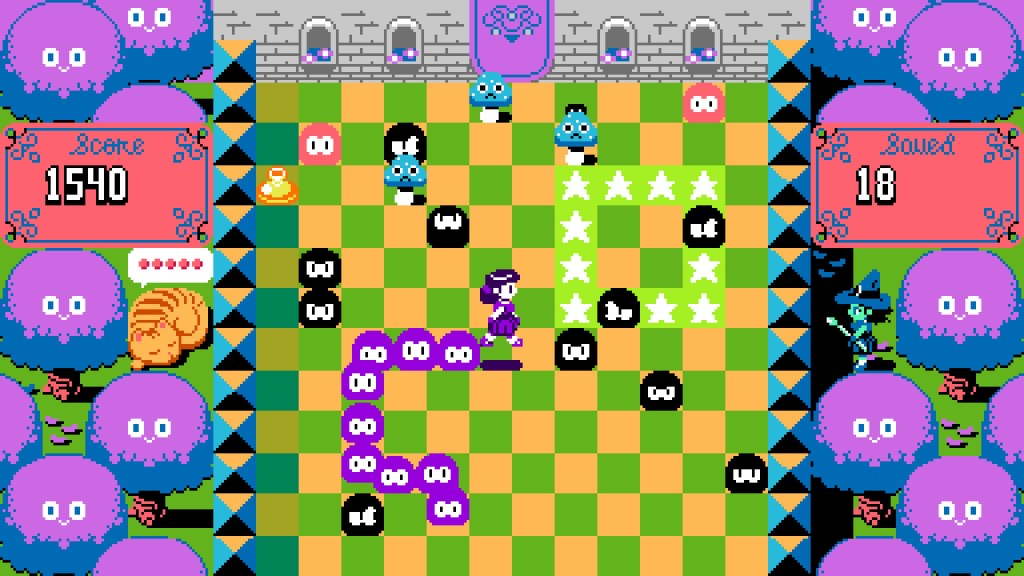
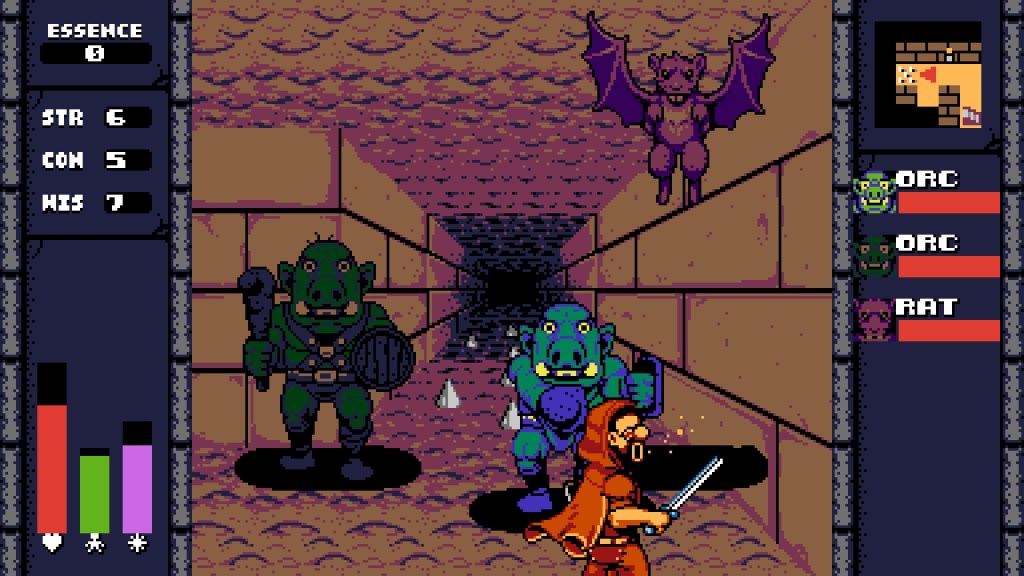
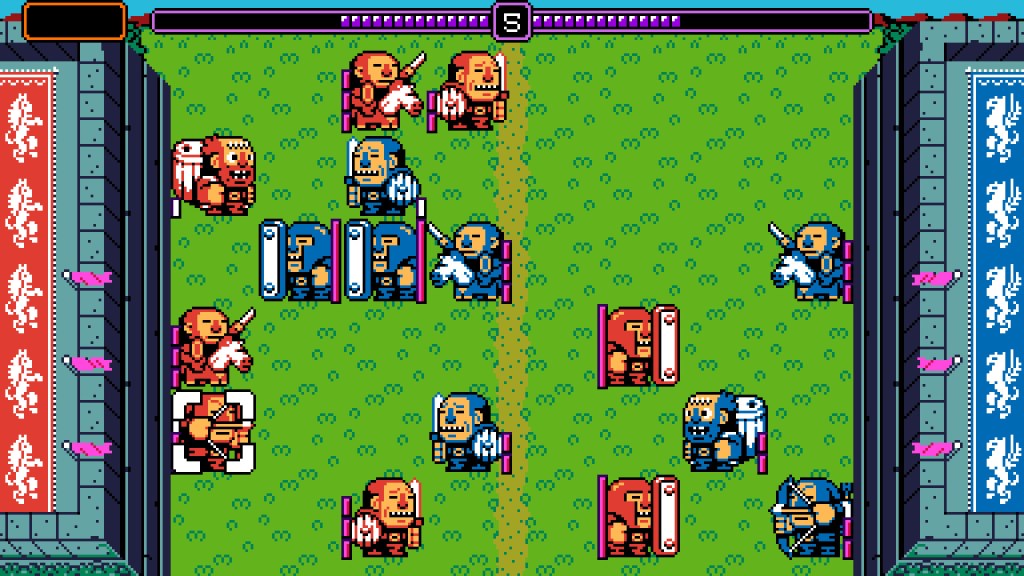
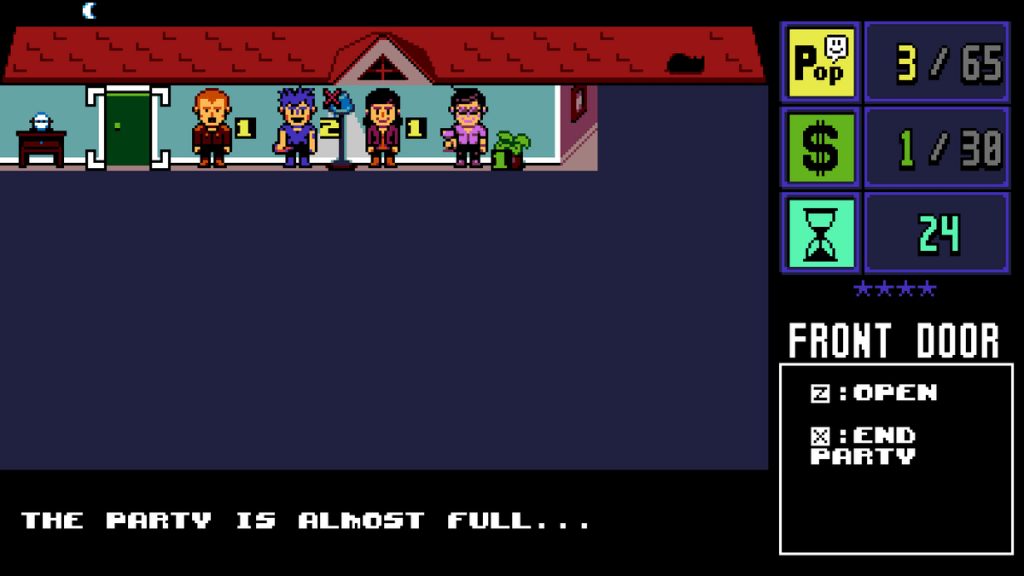
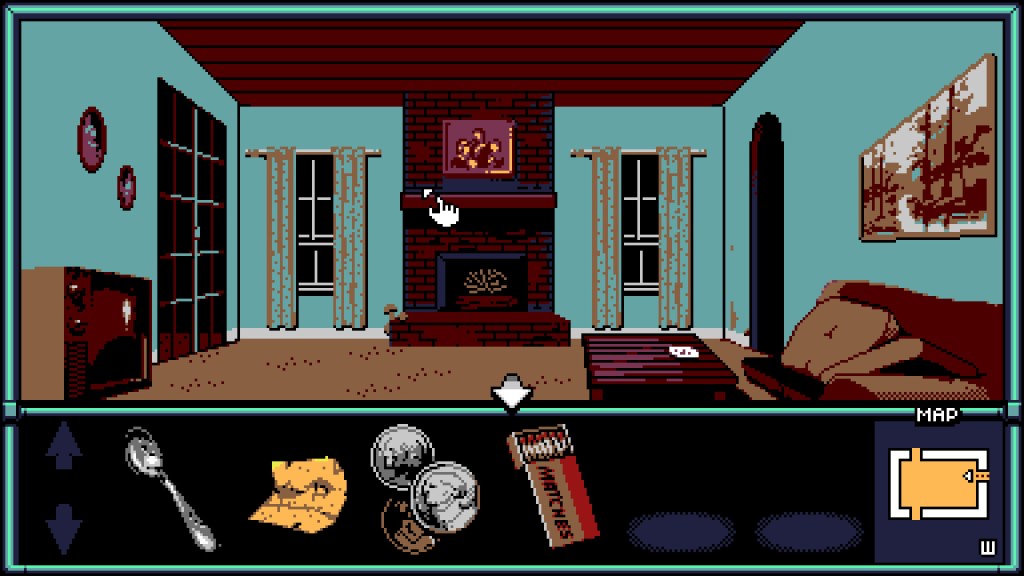

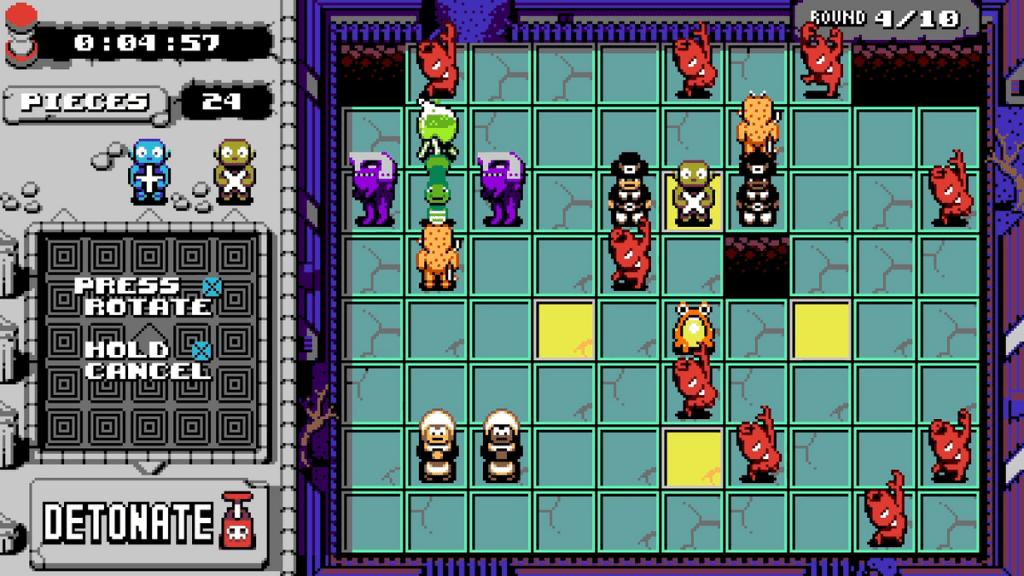
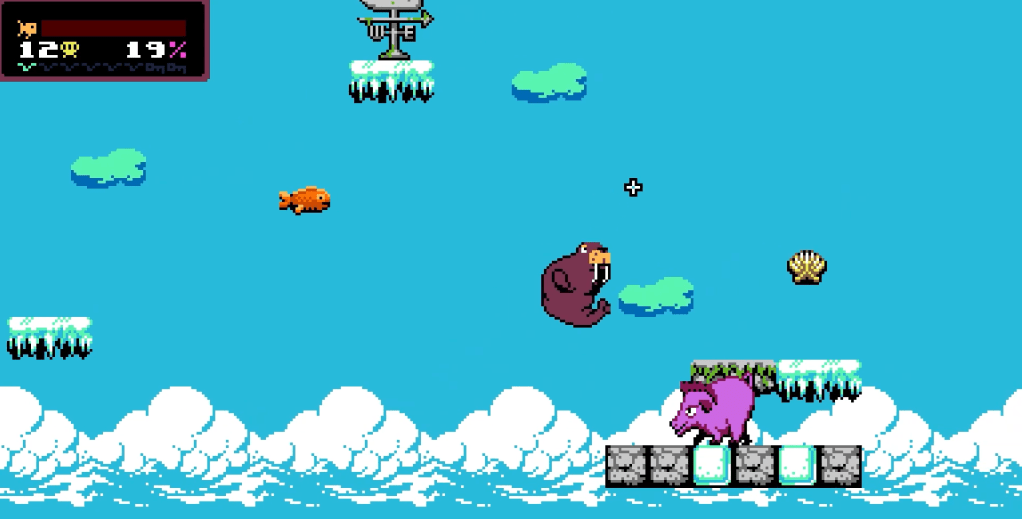
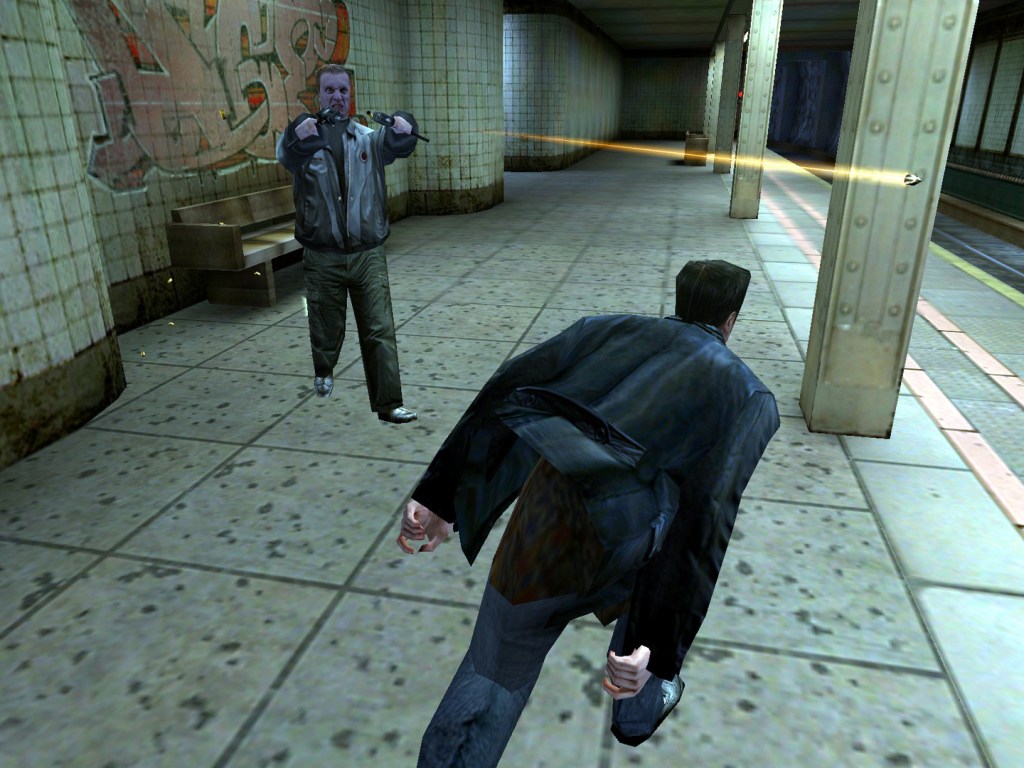
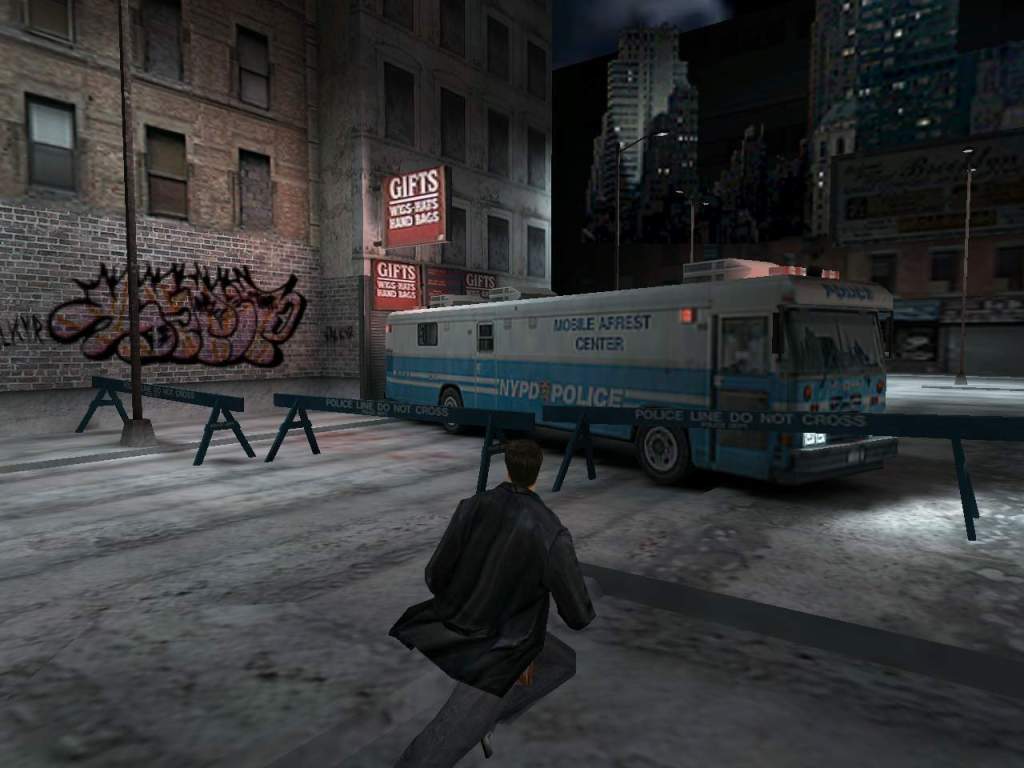
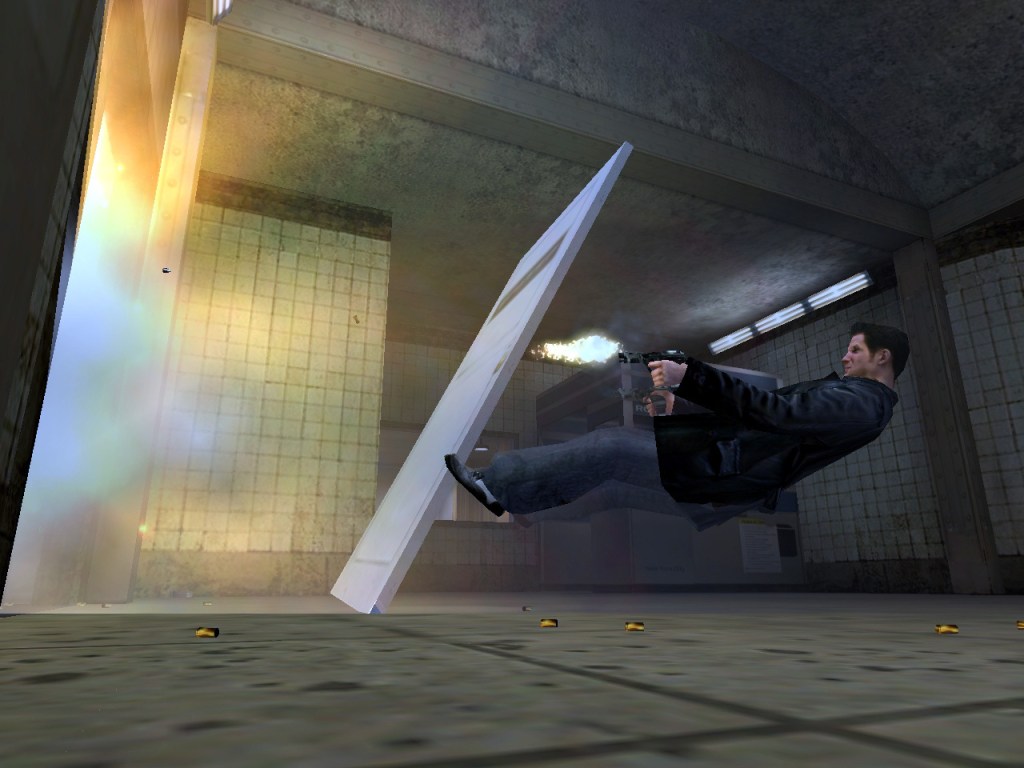
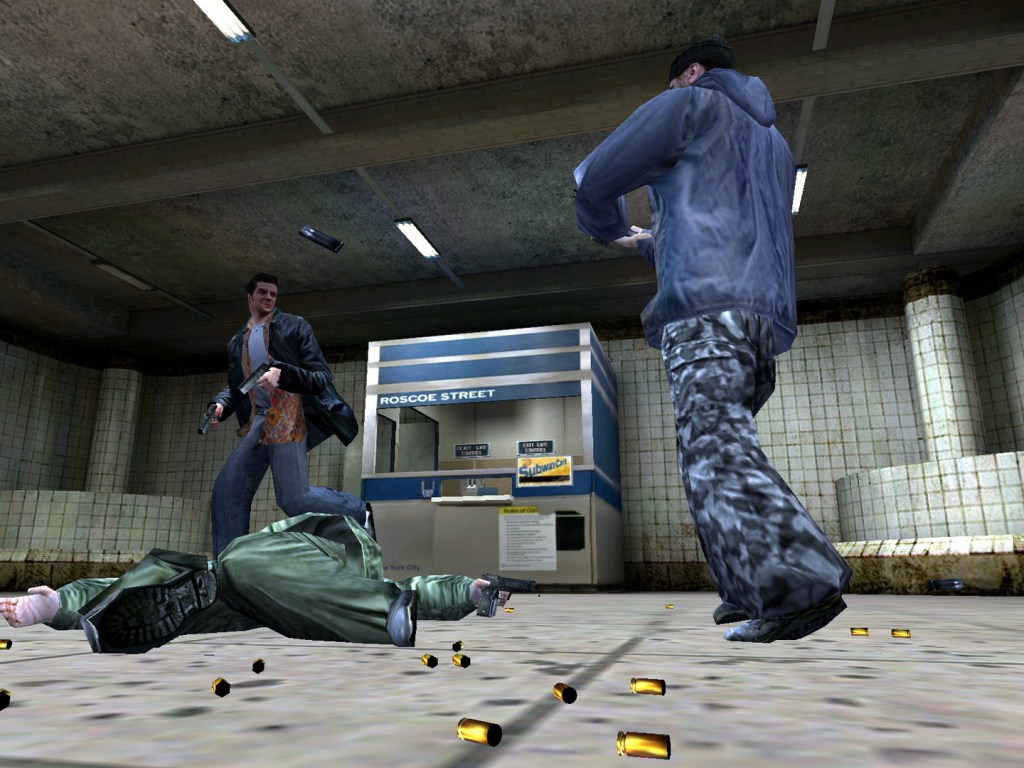
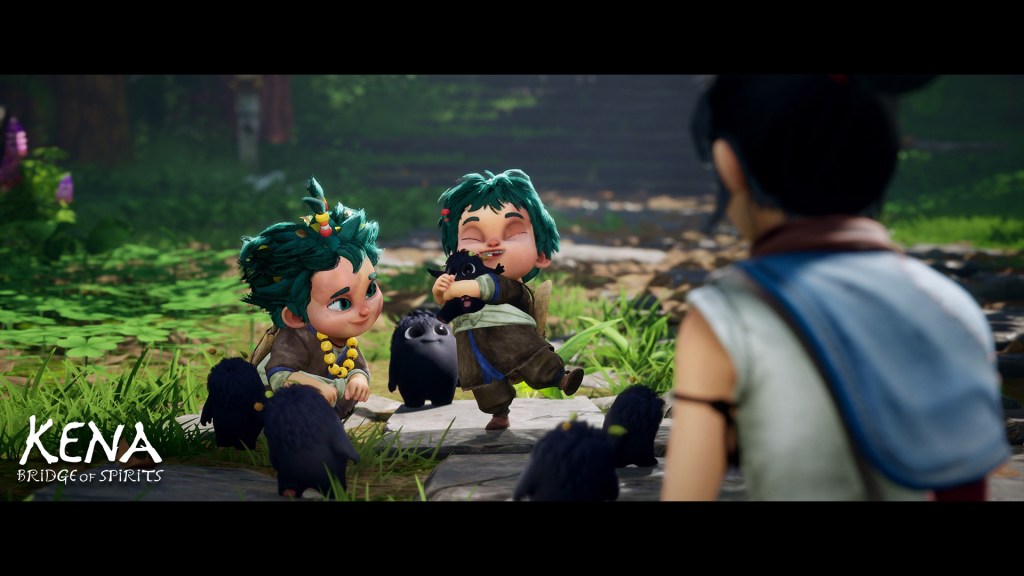
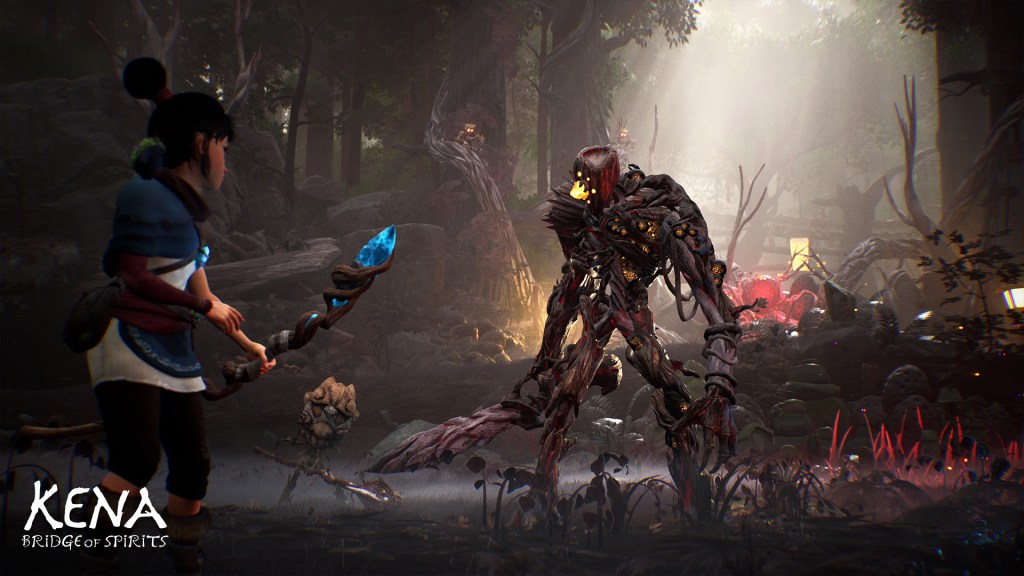
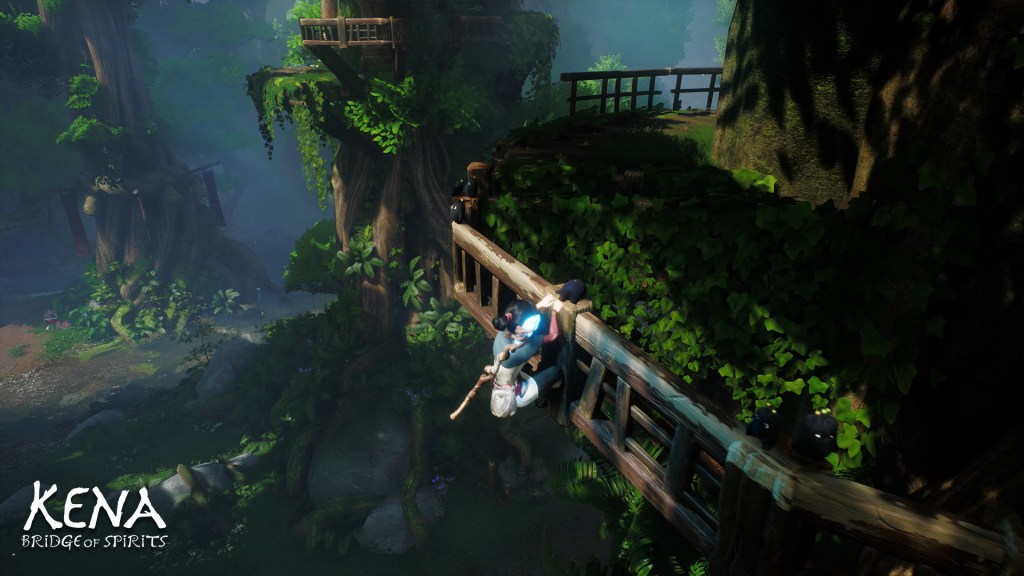
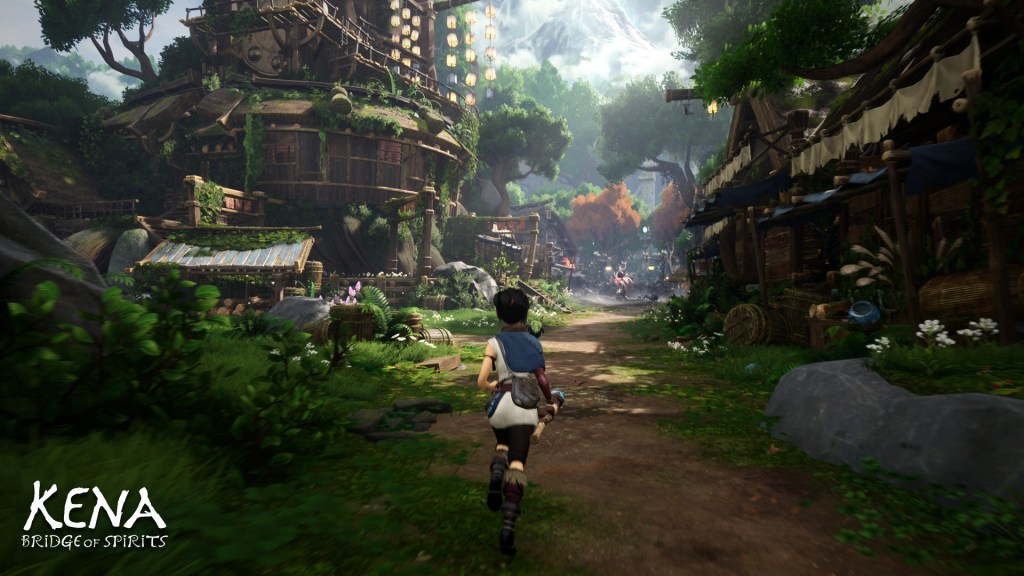
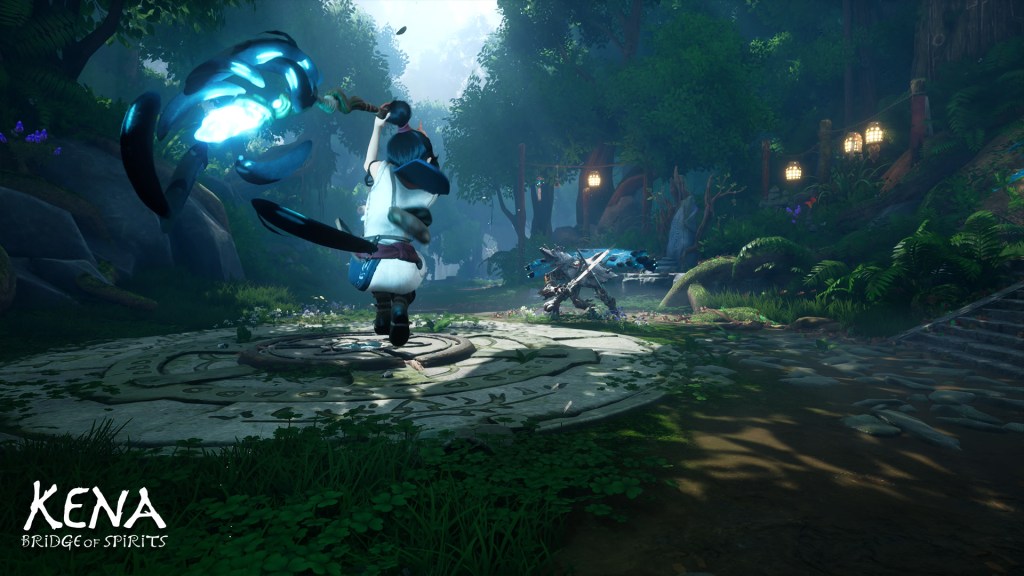
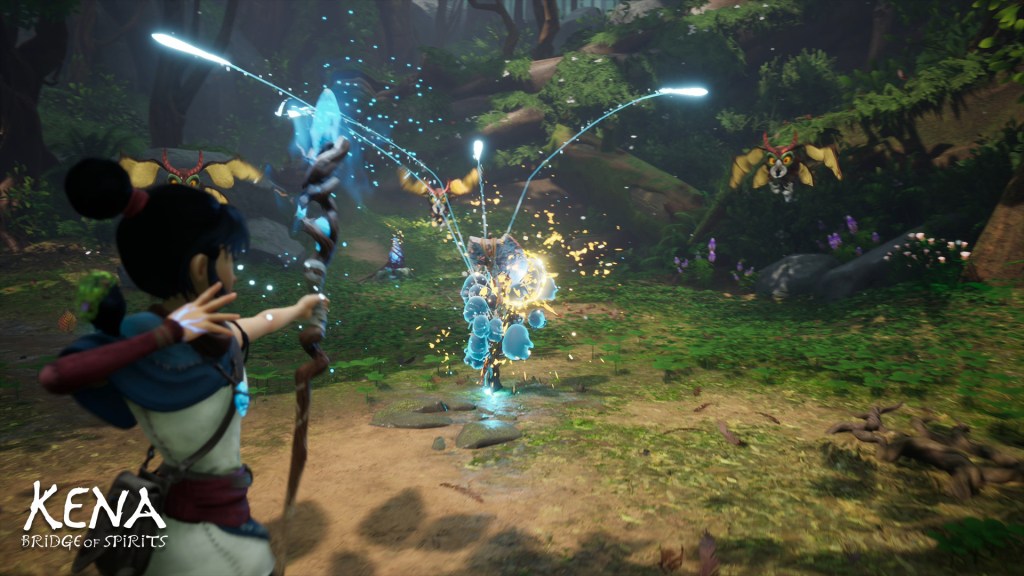
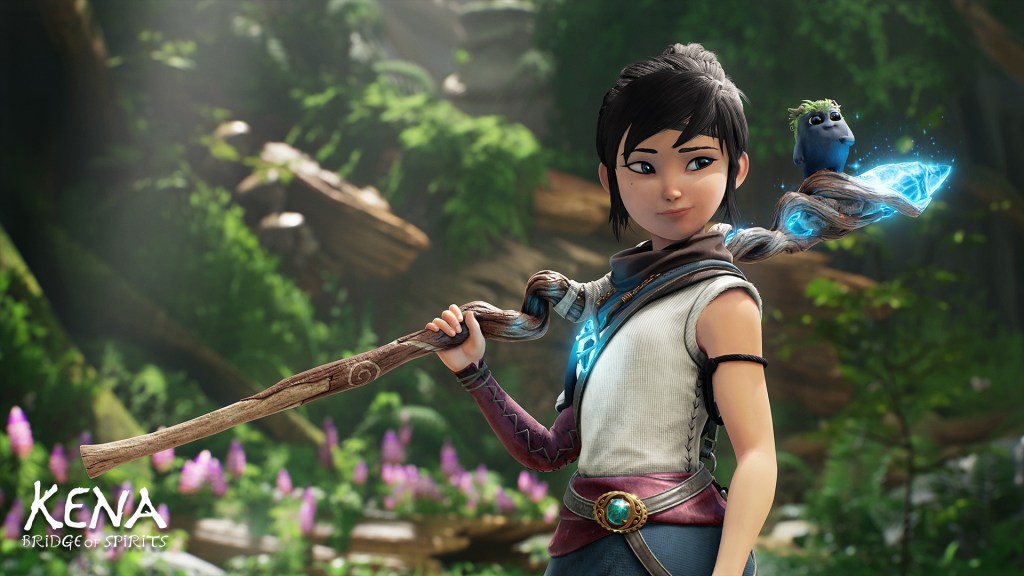
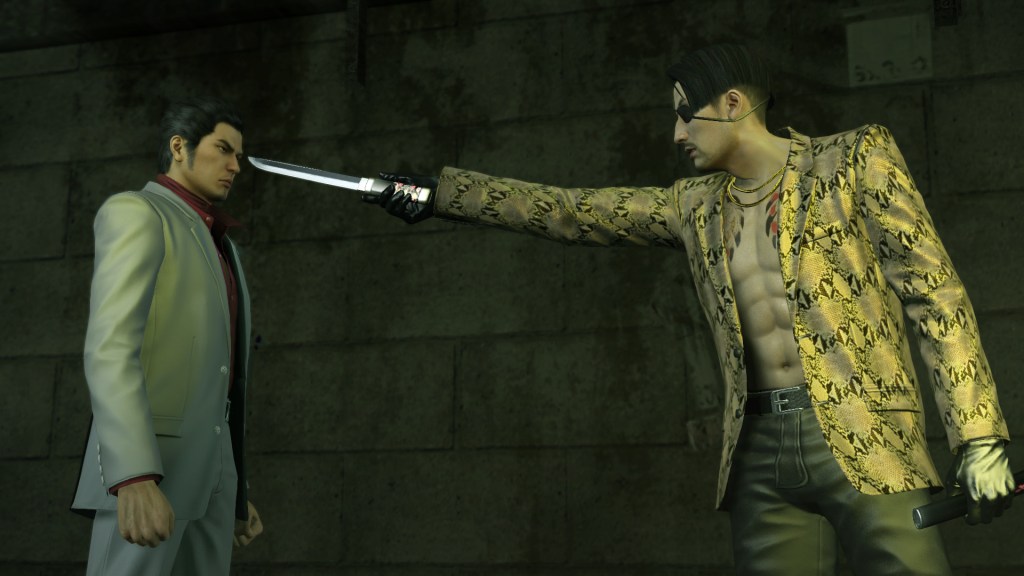
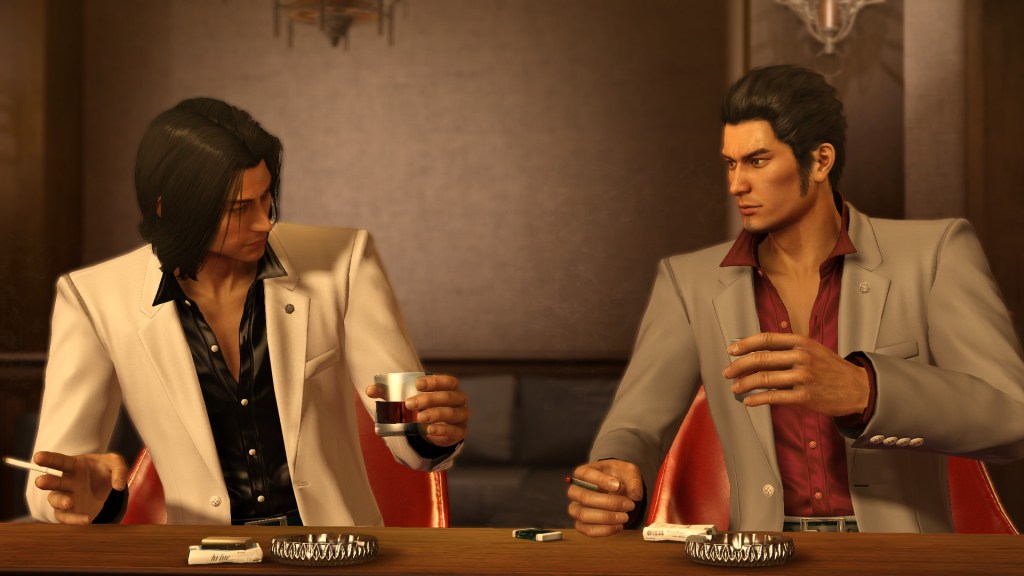
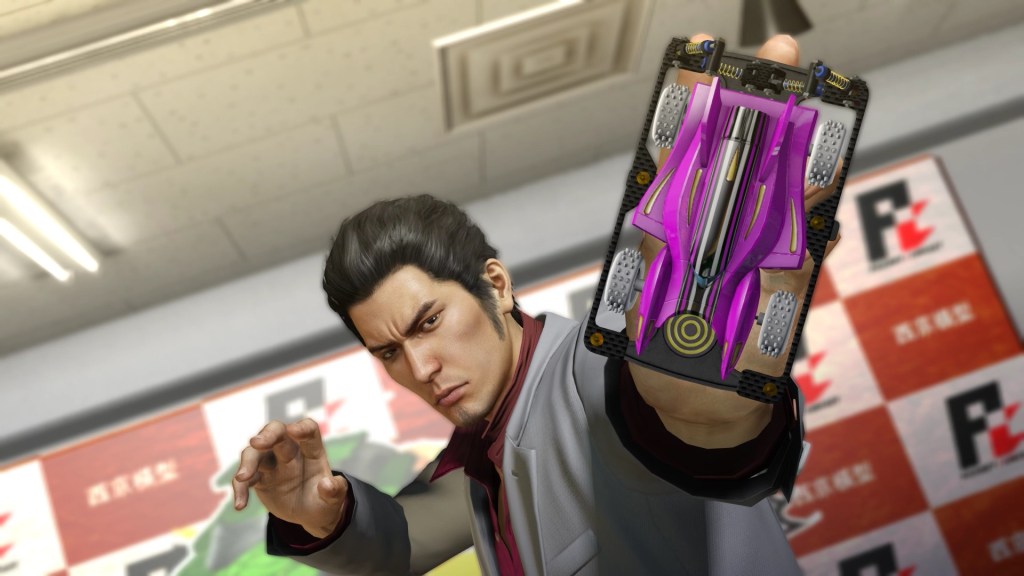
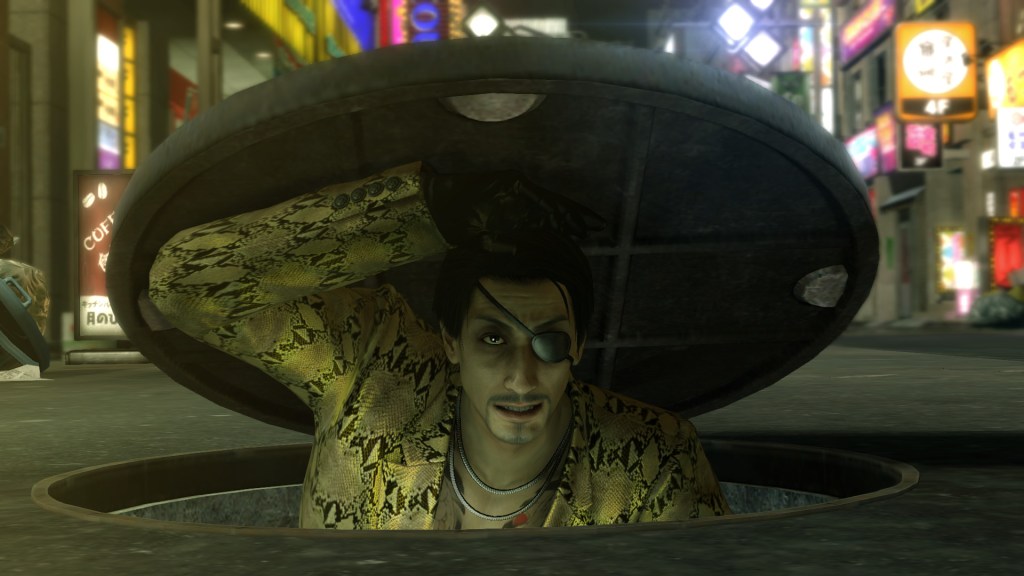
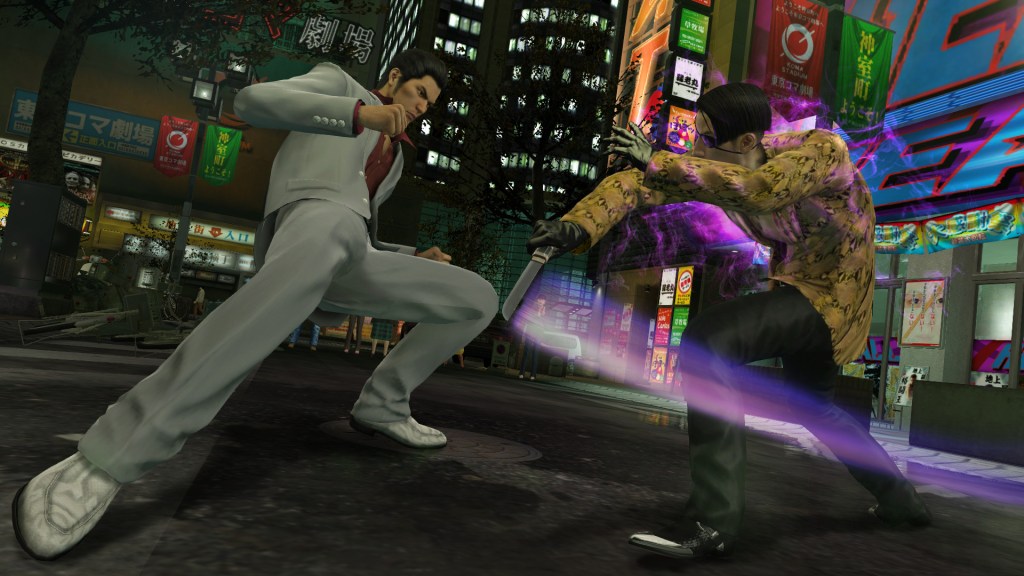
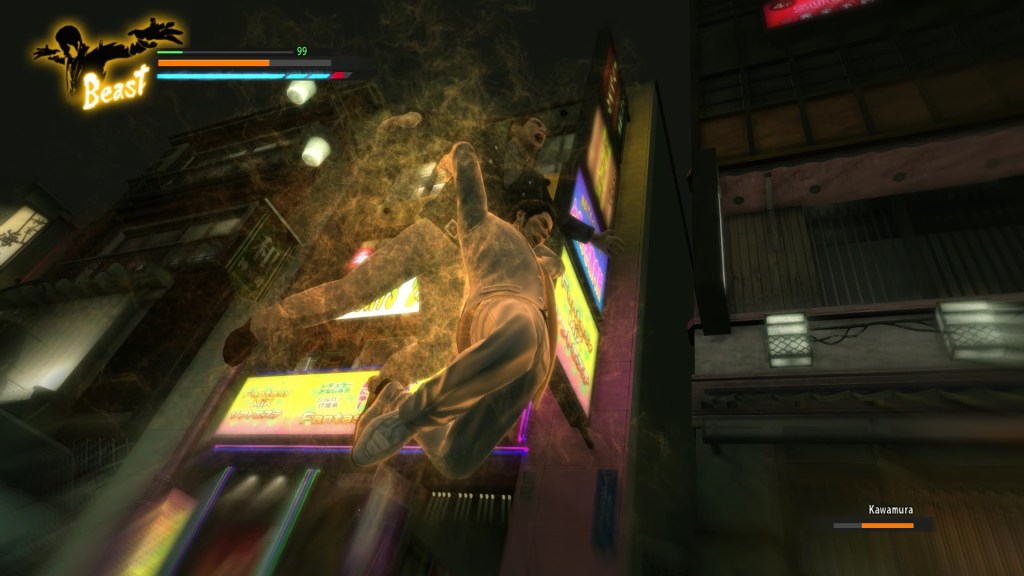
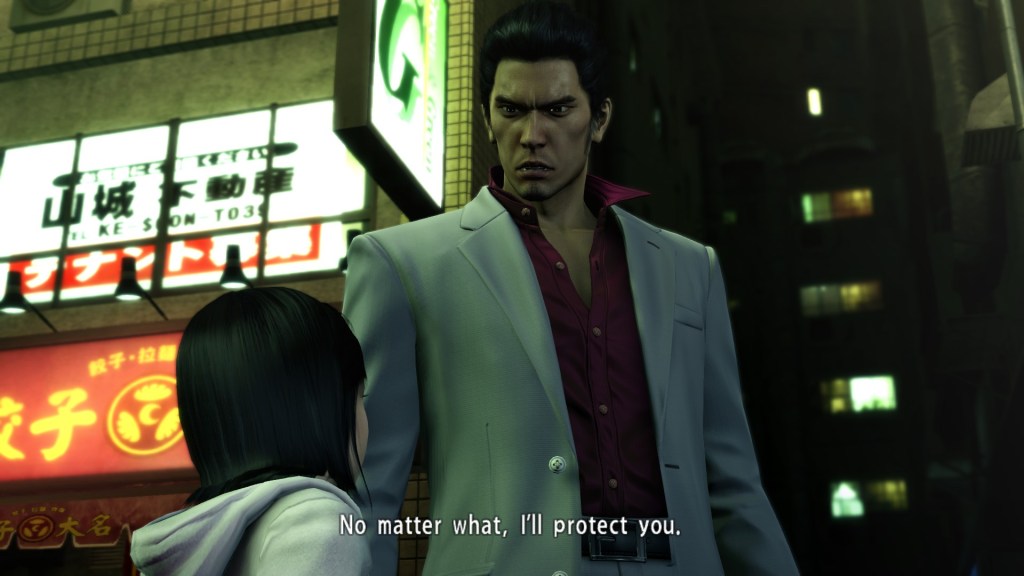
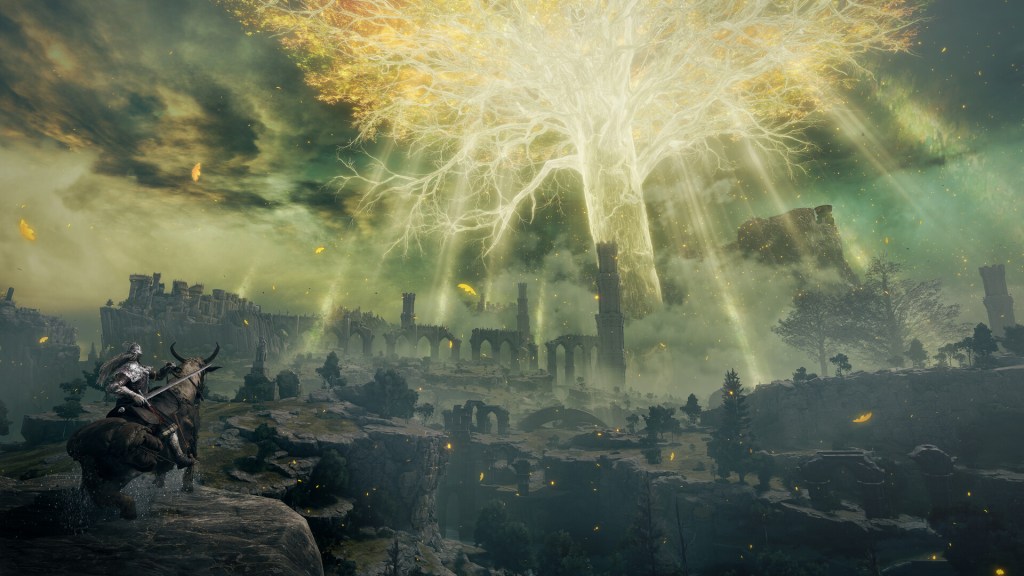

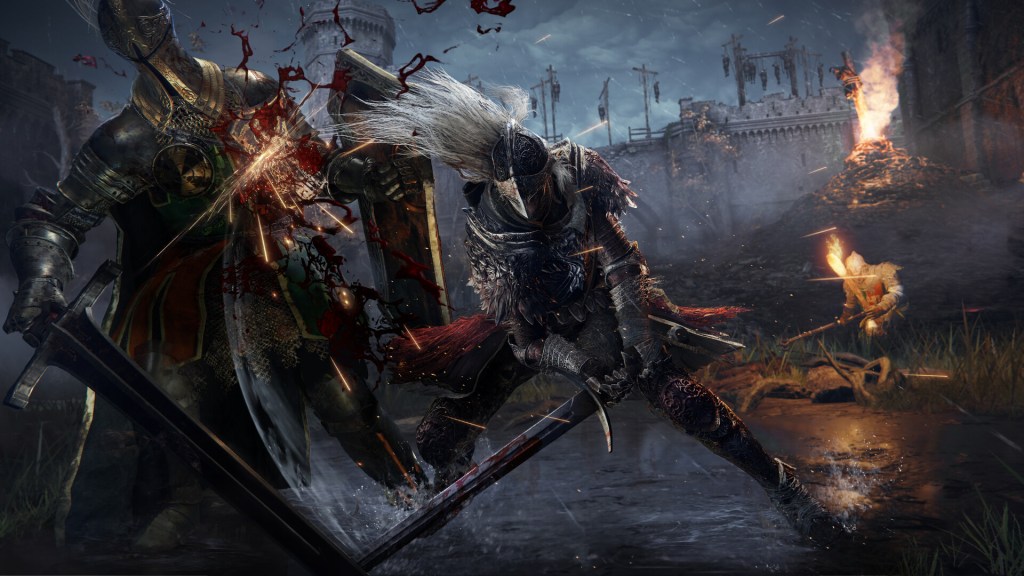
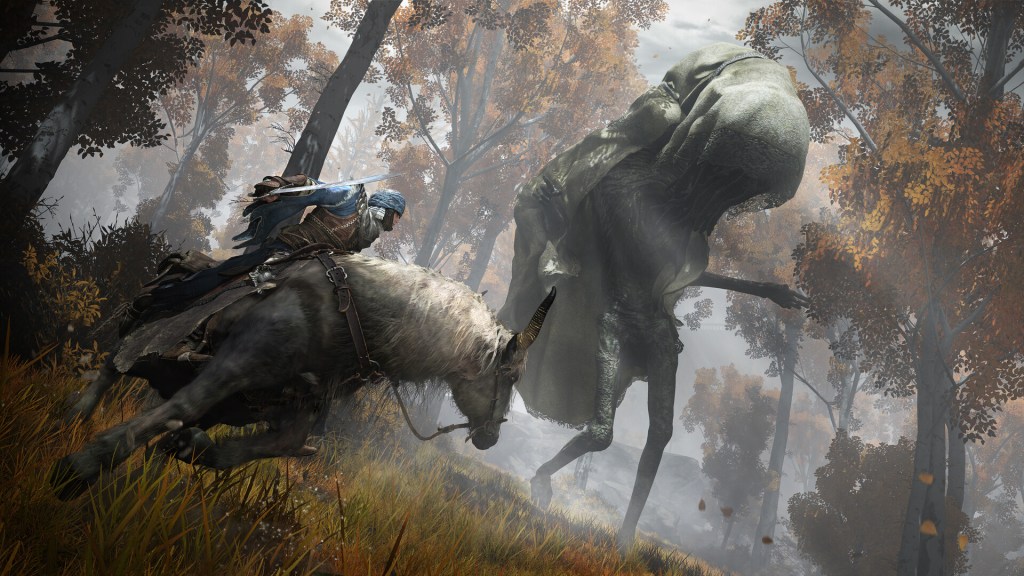
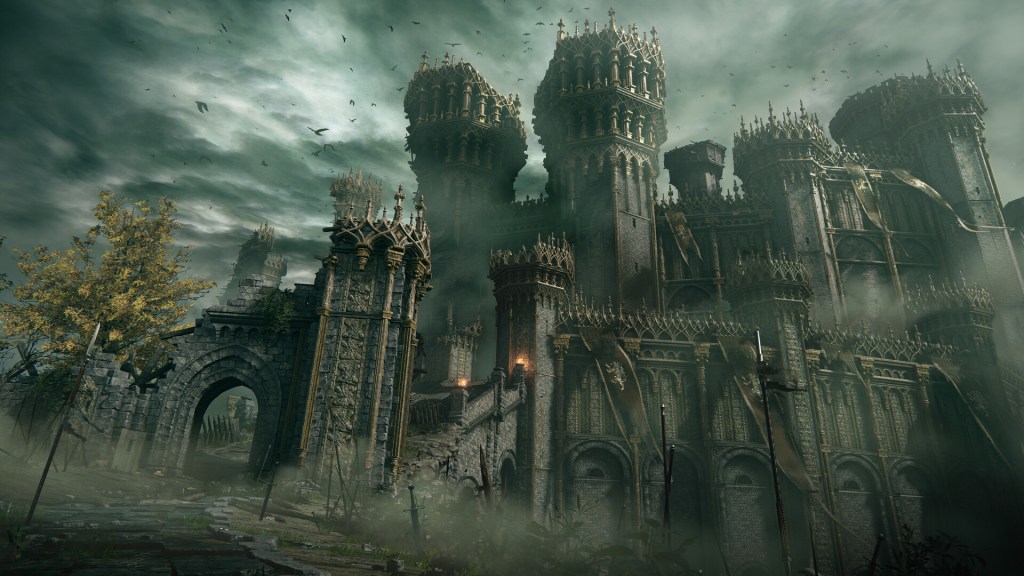
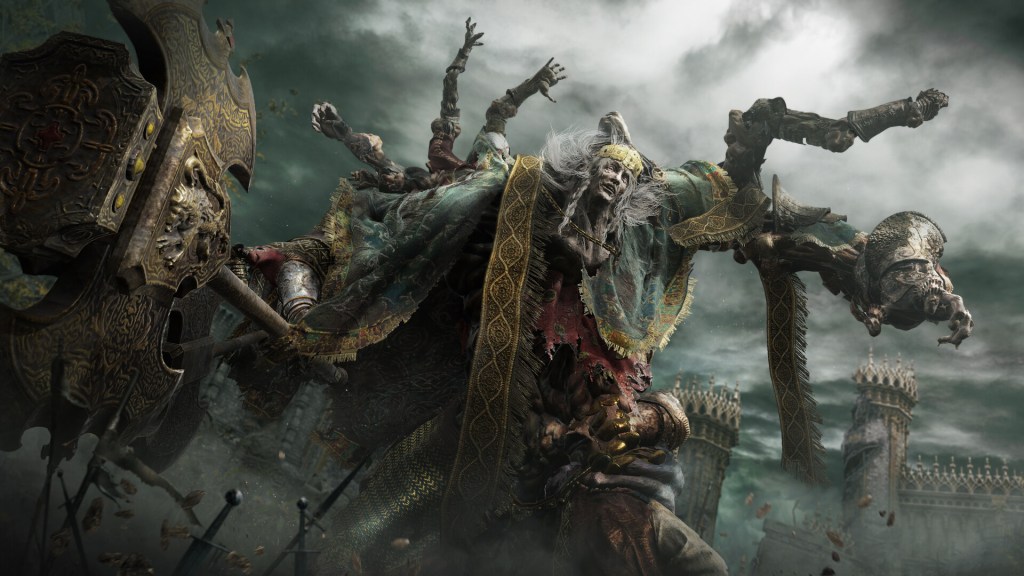
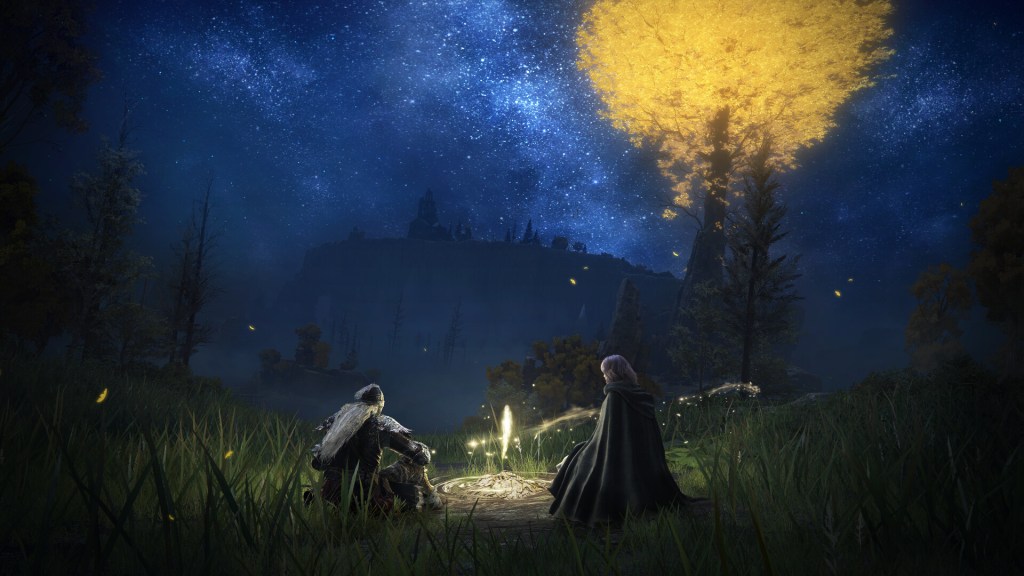
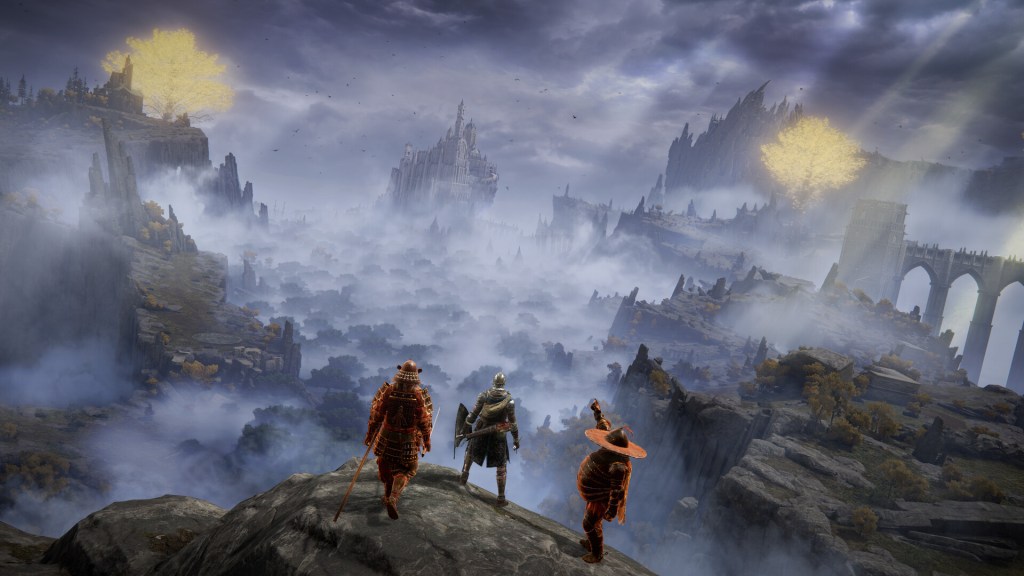
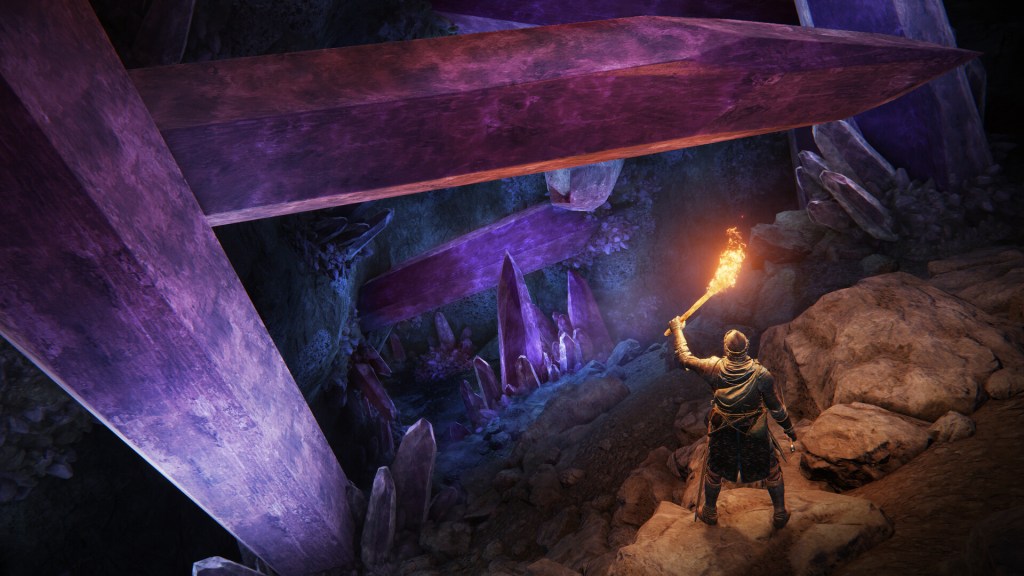
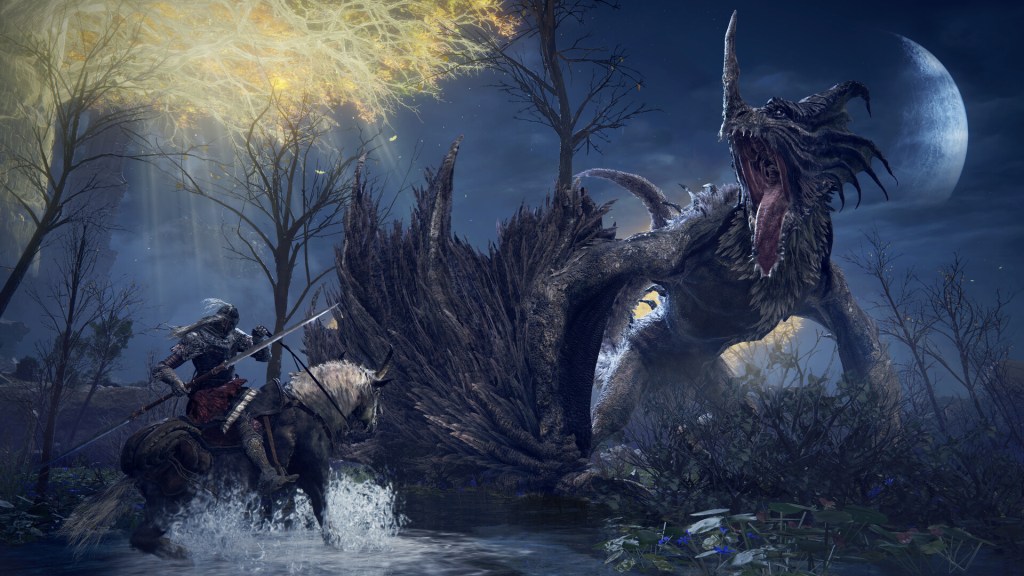
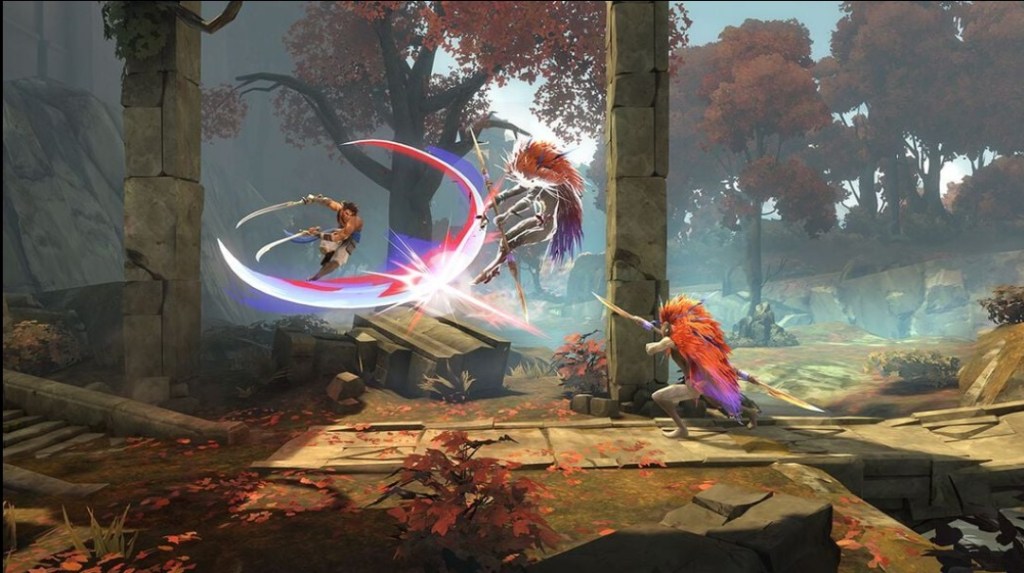
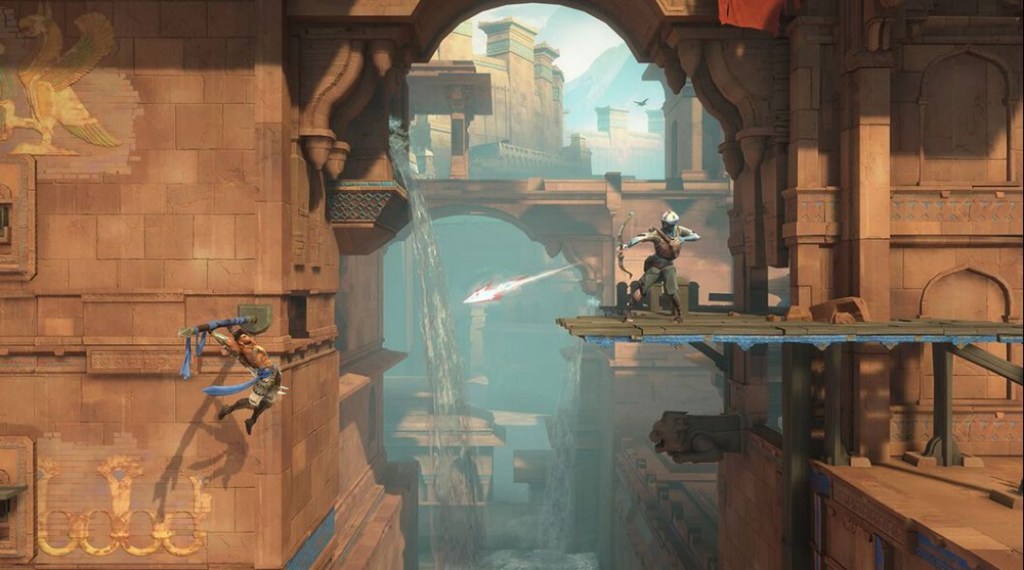
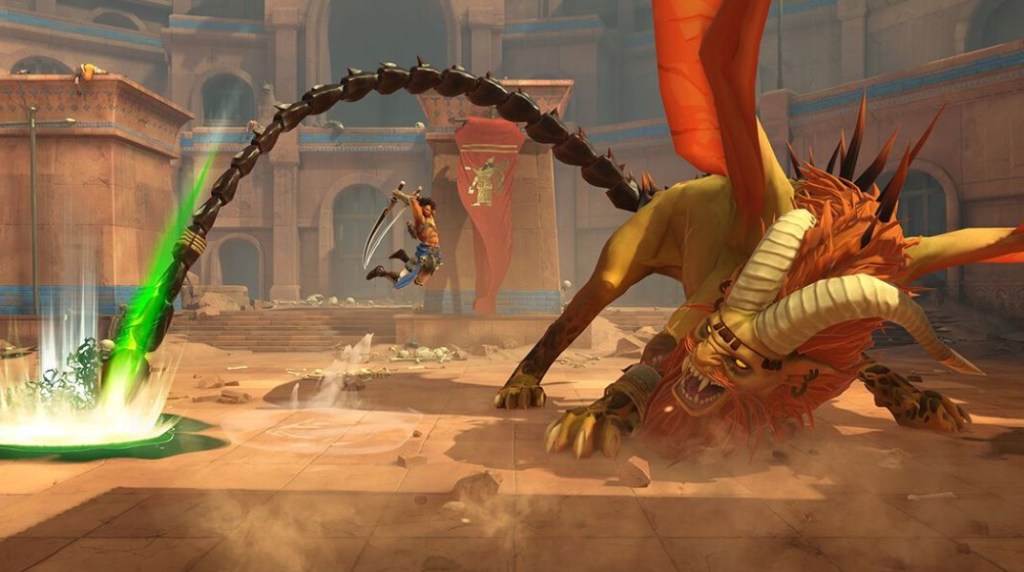

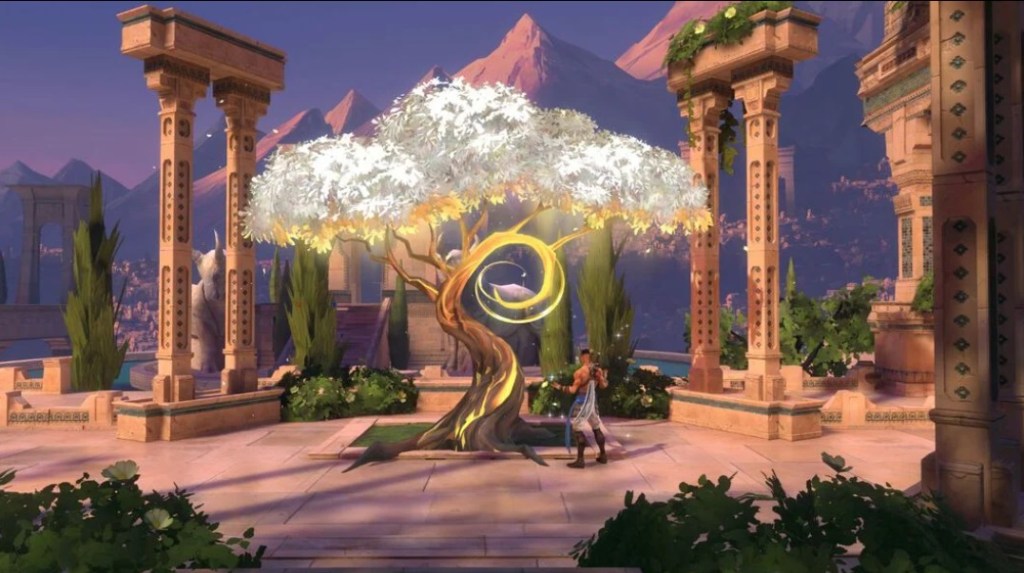
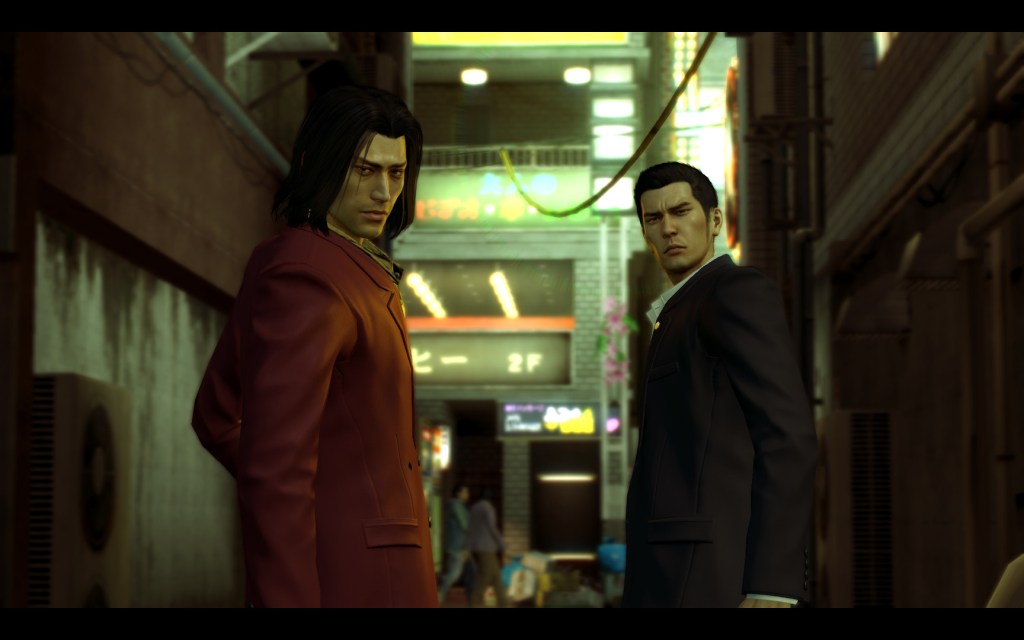
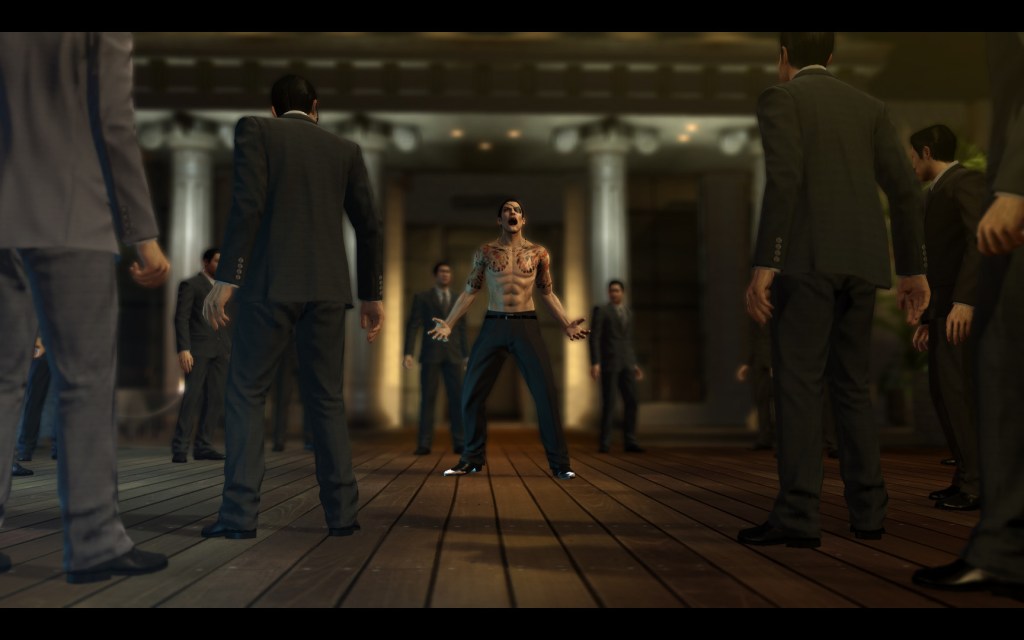
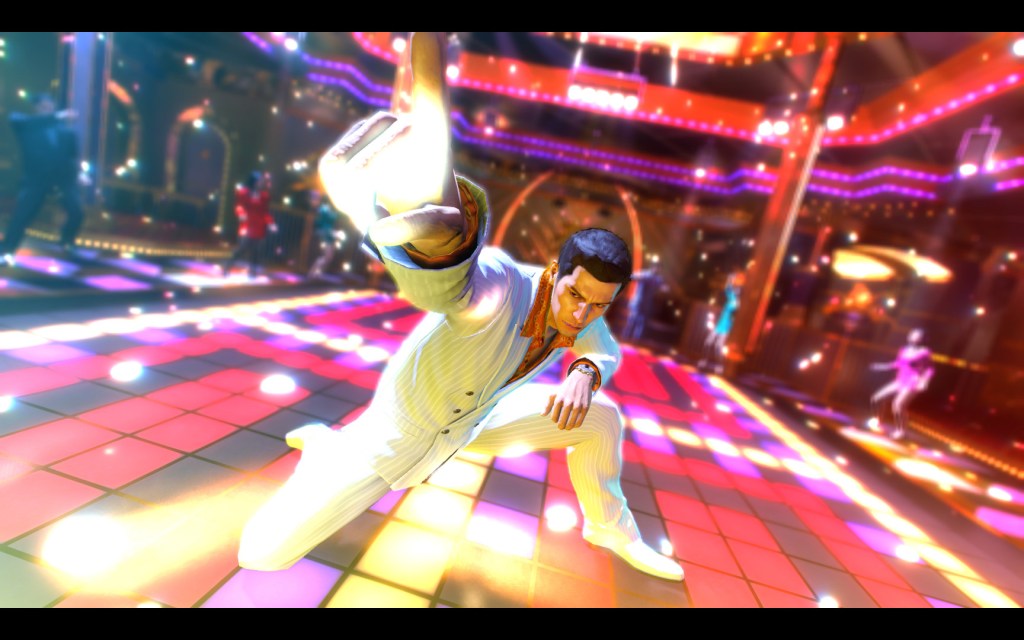
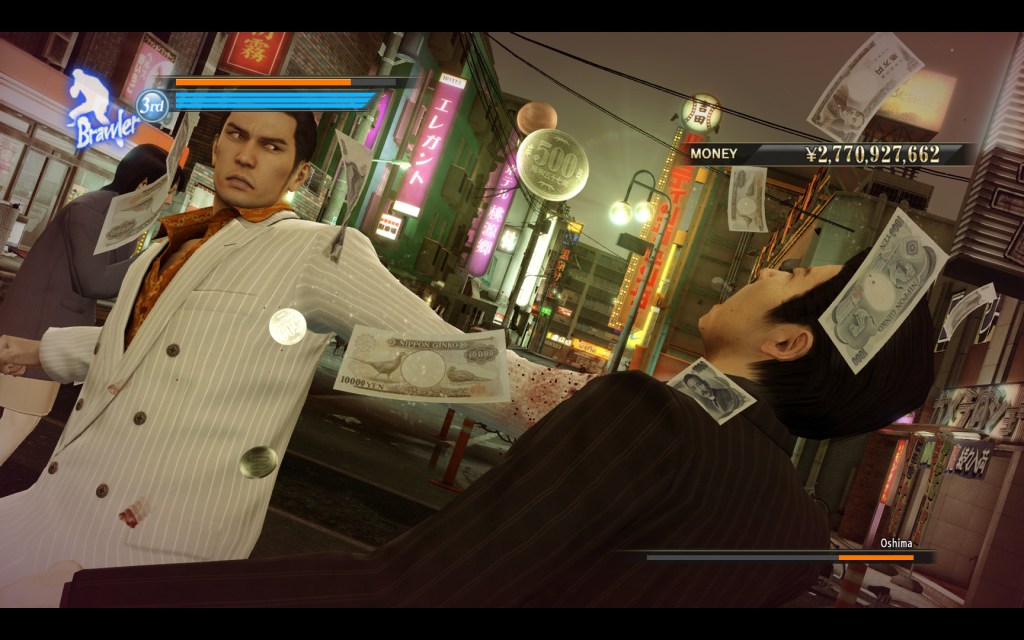
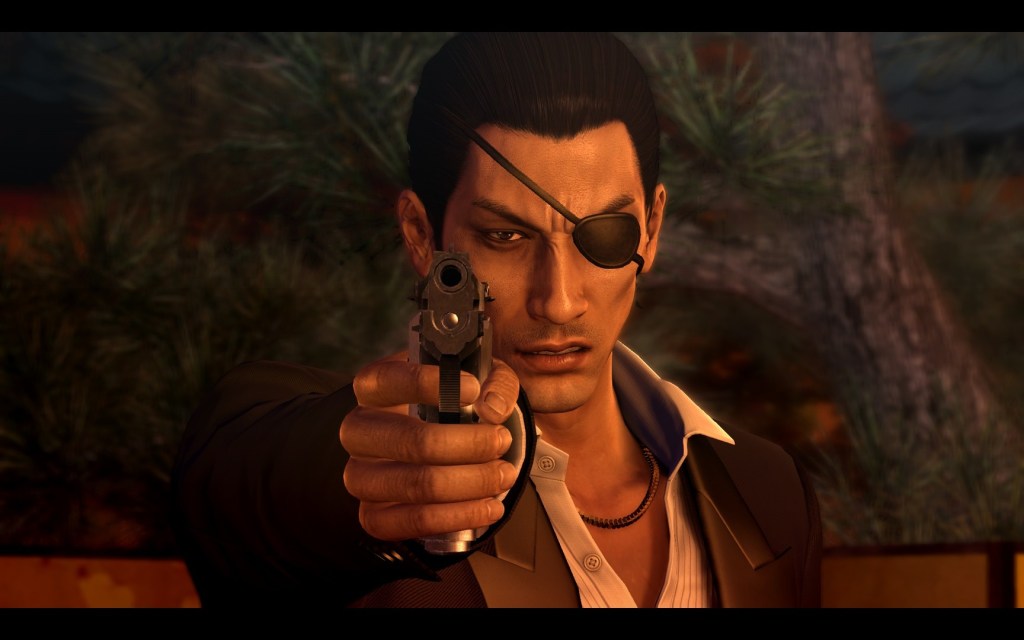
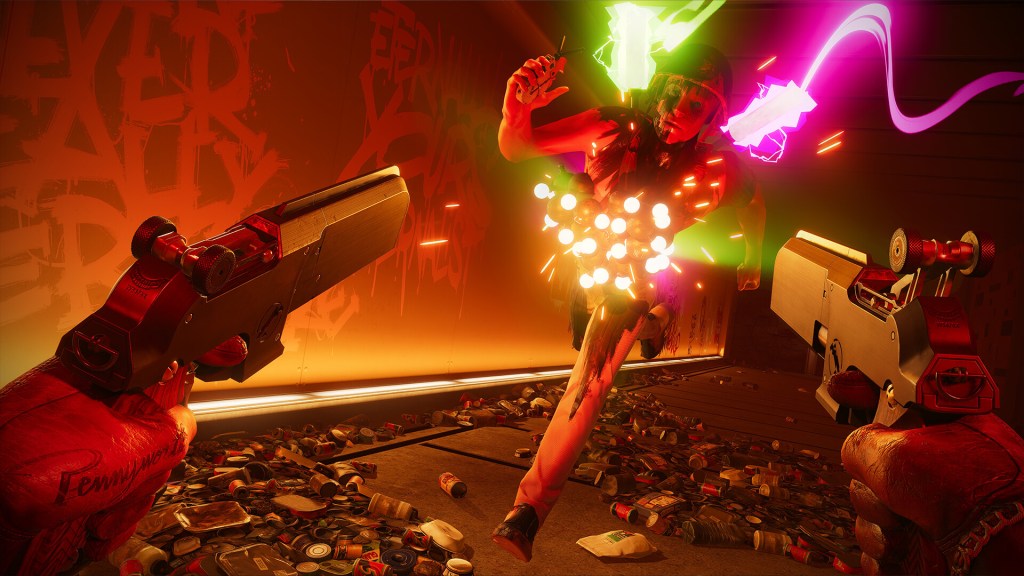
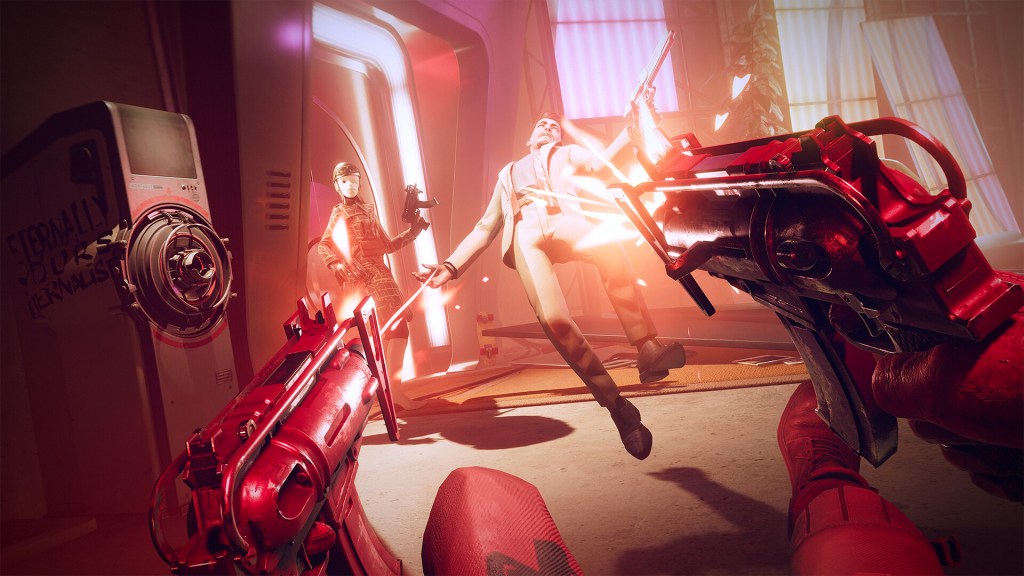
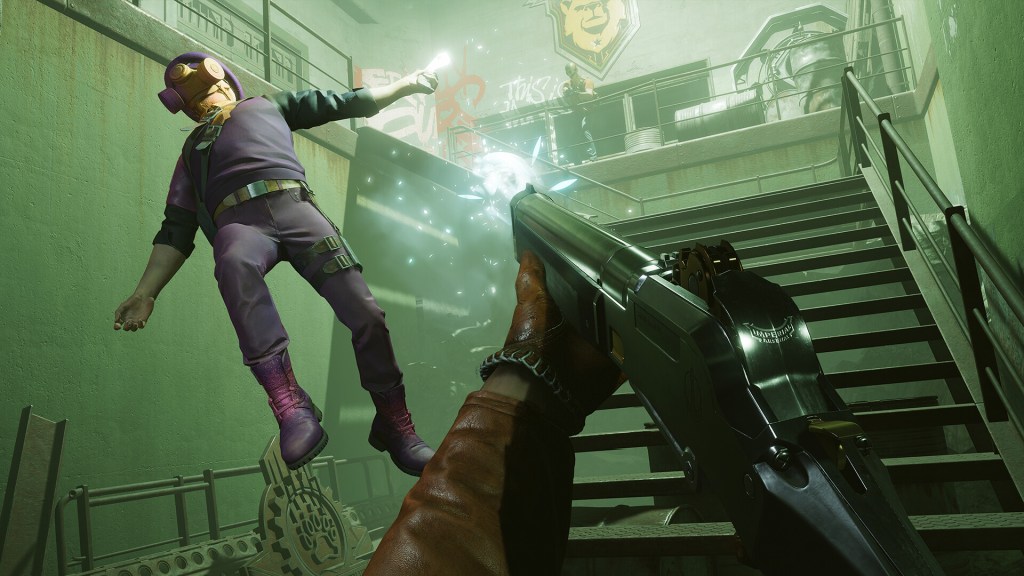
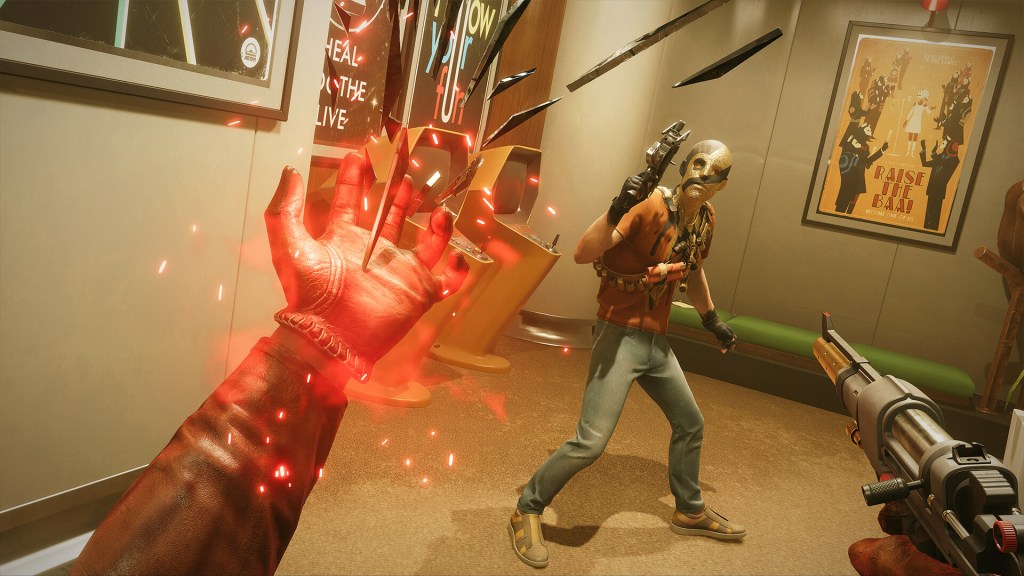

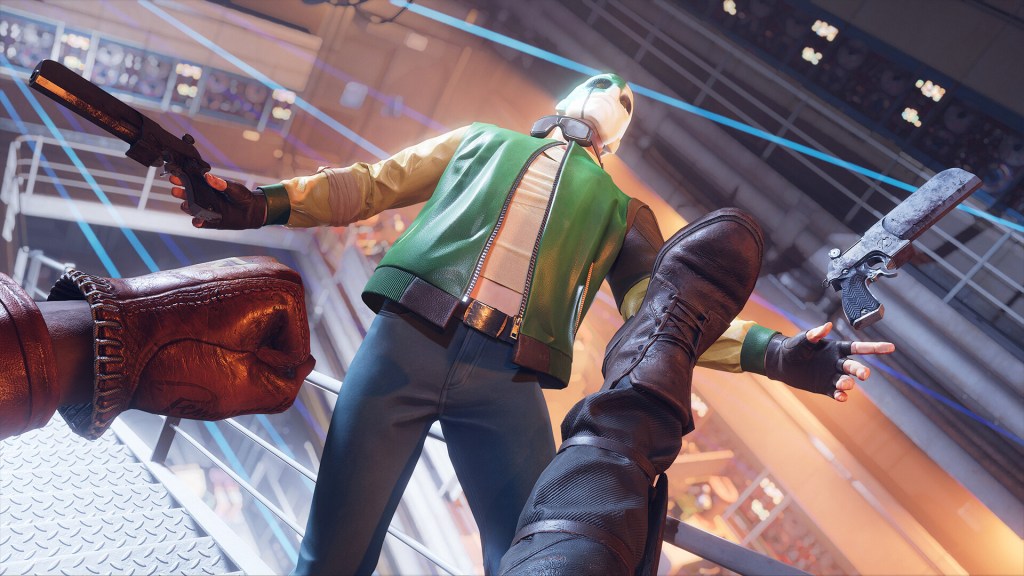
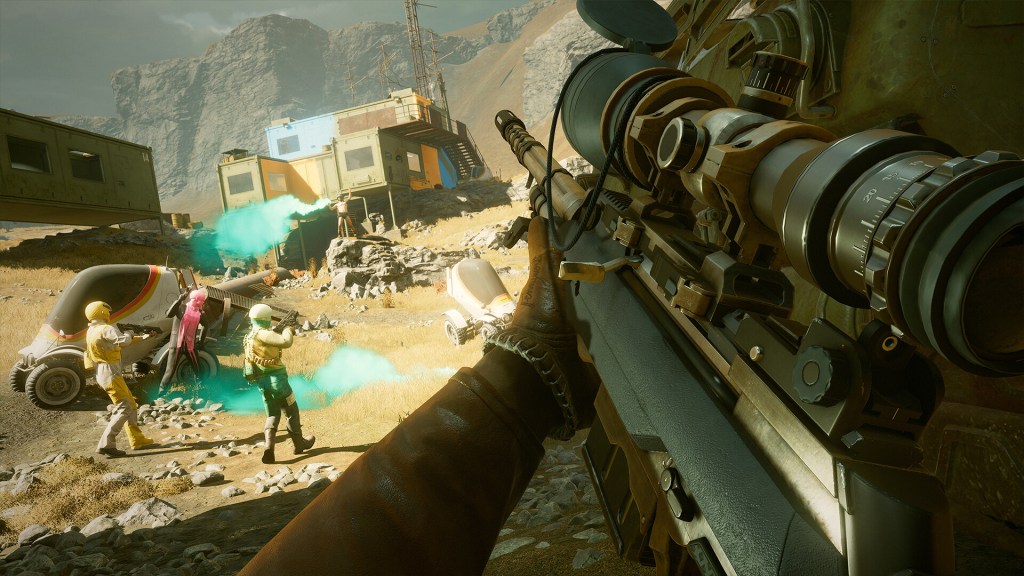
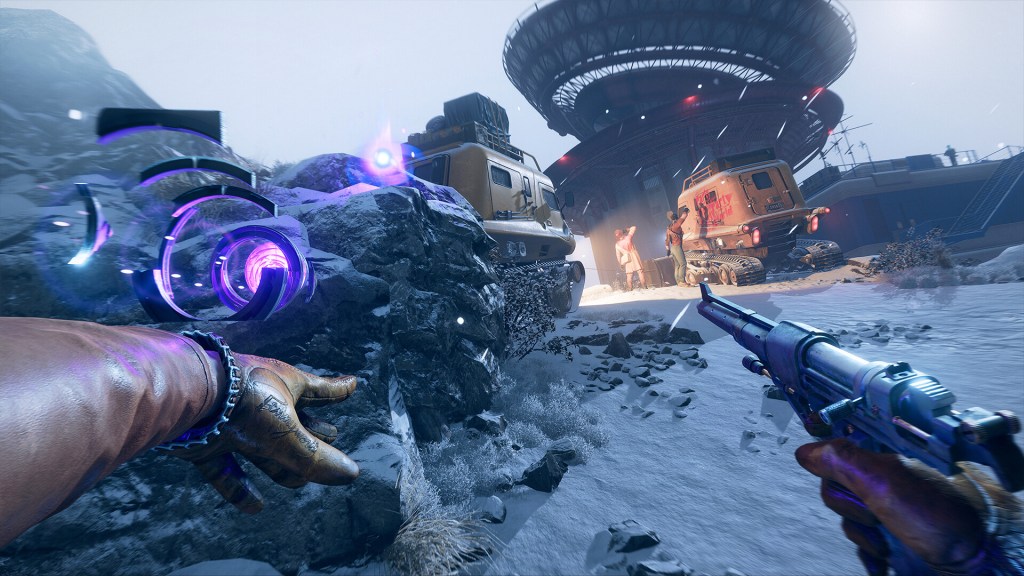
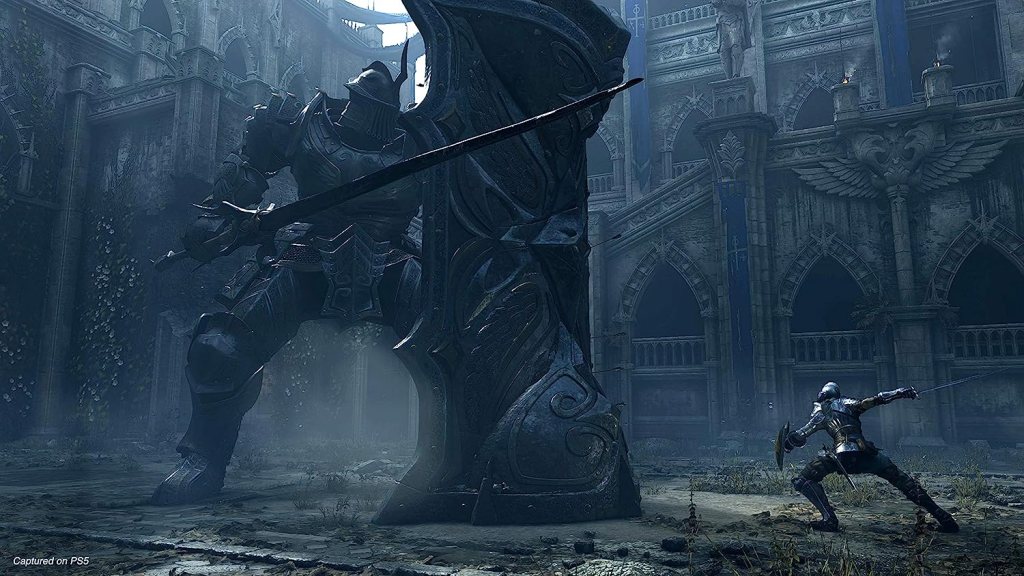
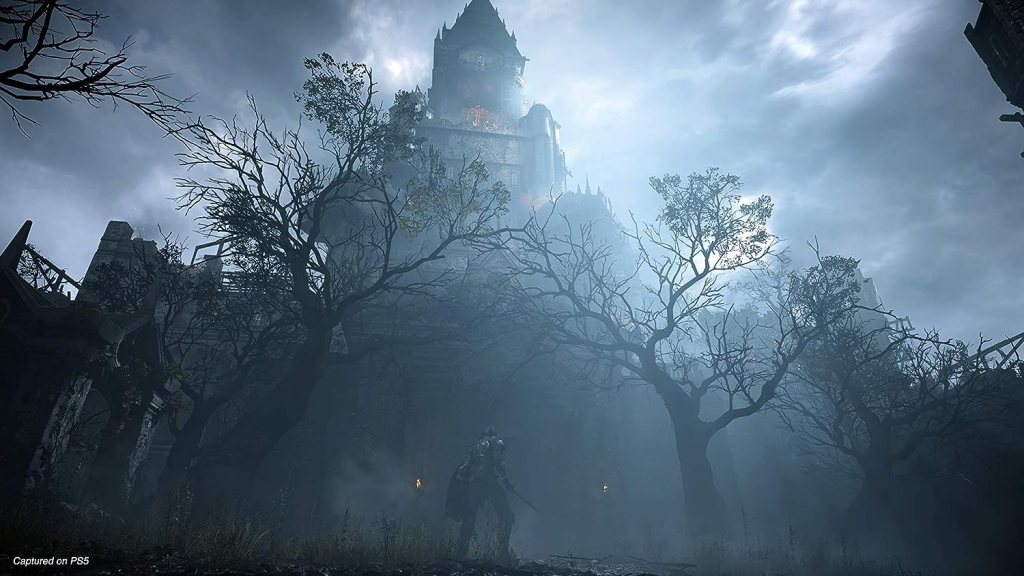
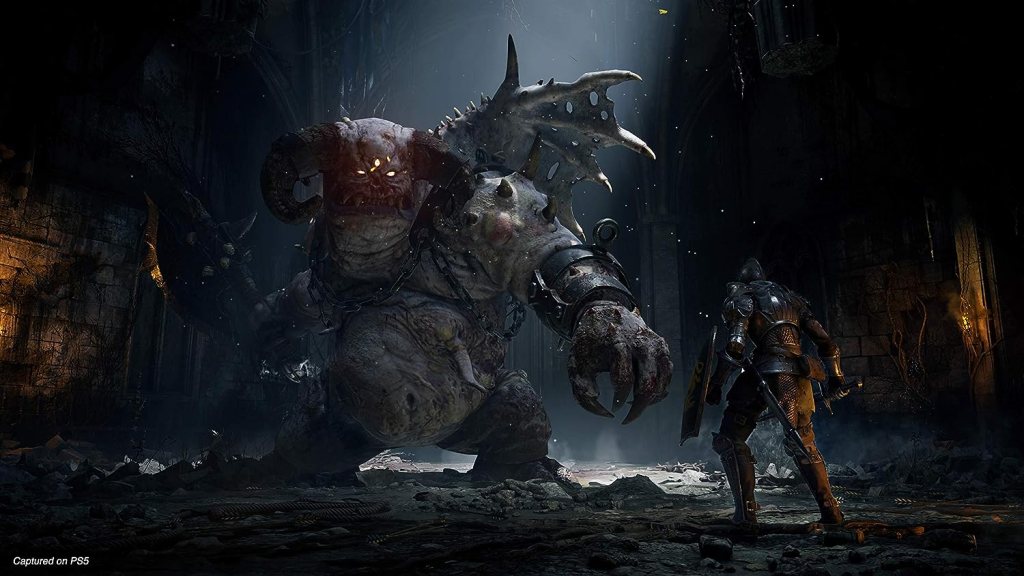
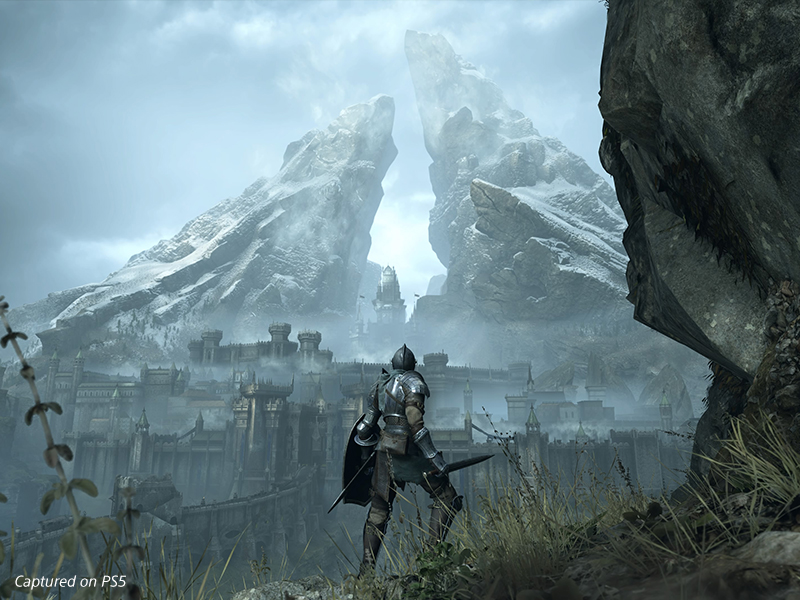
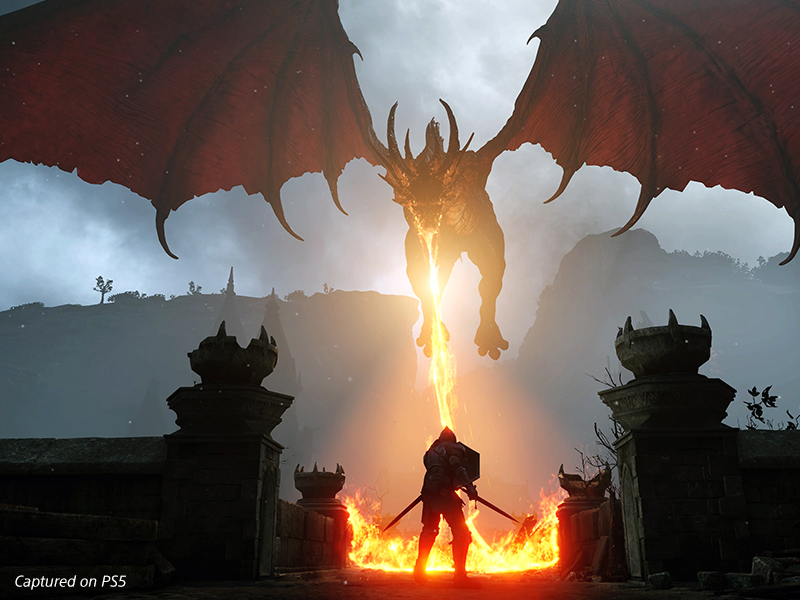
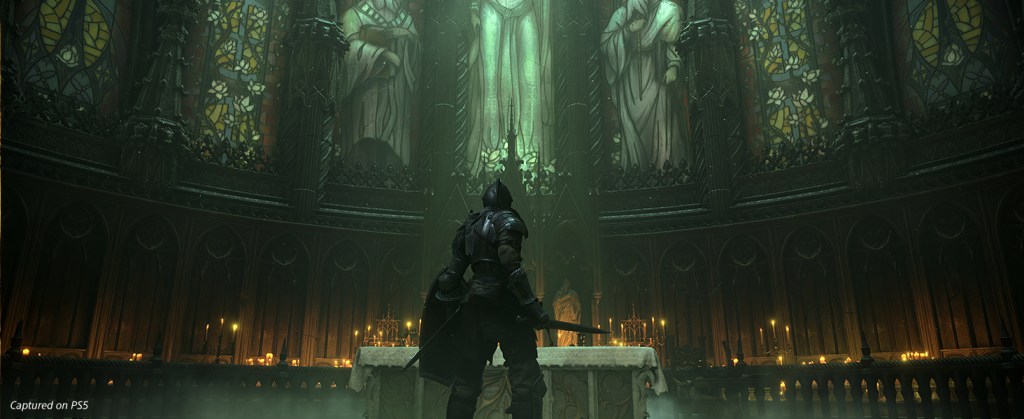
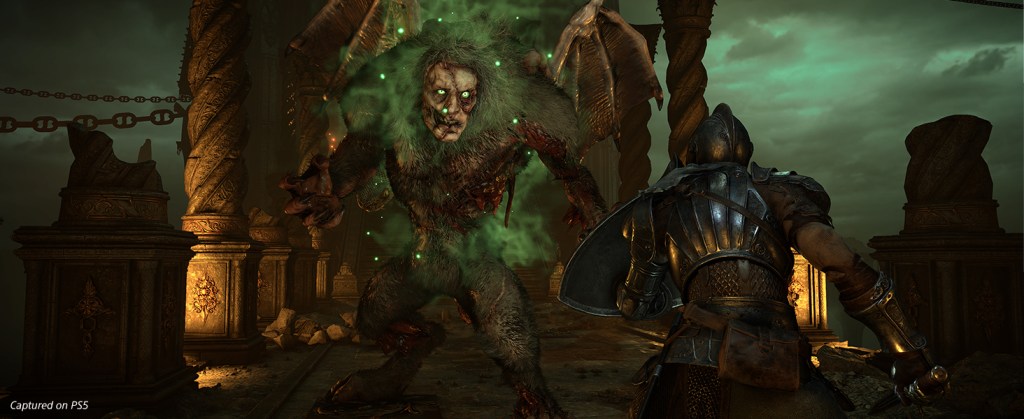
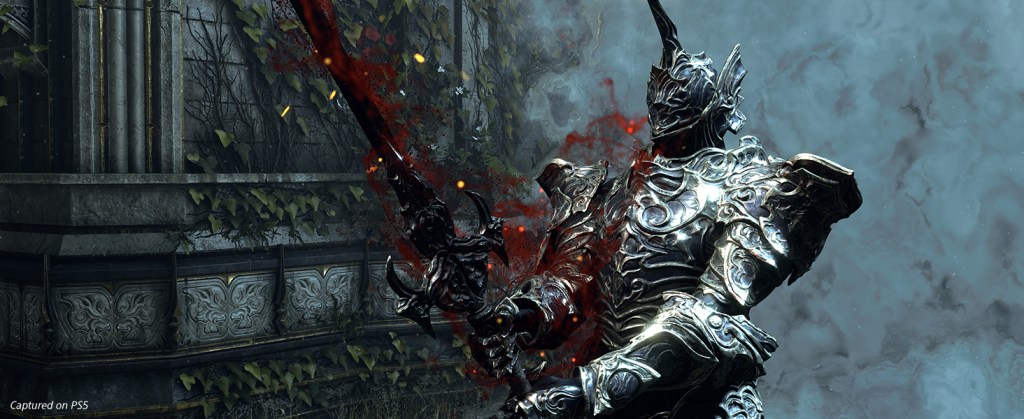
 stephensopinions