Pikmin (2001)

Growing up I loved Pikmin. I never beat the game until I was older, but I loved playing it nonetheless. Real-time strategy (RTS) games can be intimidating as they have steep learning curves and can brutally punish the player for mistakes. But not Pikmin. This is an approachable RTS, so much so that it’s accessible for children. Yet there were plenty of bold design decisions that shaped how Pikmin is played, and I think those risky choices ultimately are what make the game so fantastic.

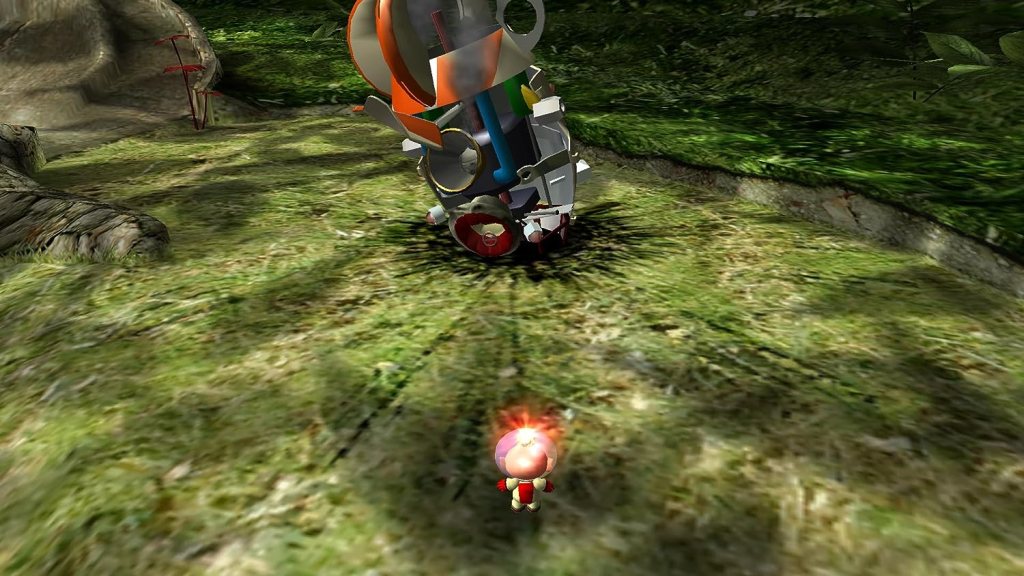
 You play as Captain Olimar, a funky little spaceman who crash landed on an alien planet. He only has 30 days of life support to sustain himself and you need to recover 30 missing spaceship components. Captain Olimar discovers a creature that he dubs Pikmin and he learns how to command and lead them so he can fix his ship and return home. It’s a simple premise, but there’s a few key aspects to take note of.

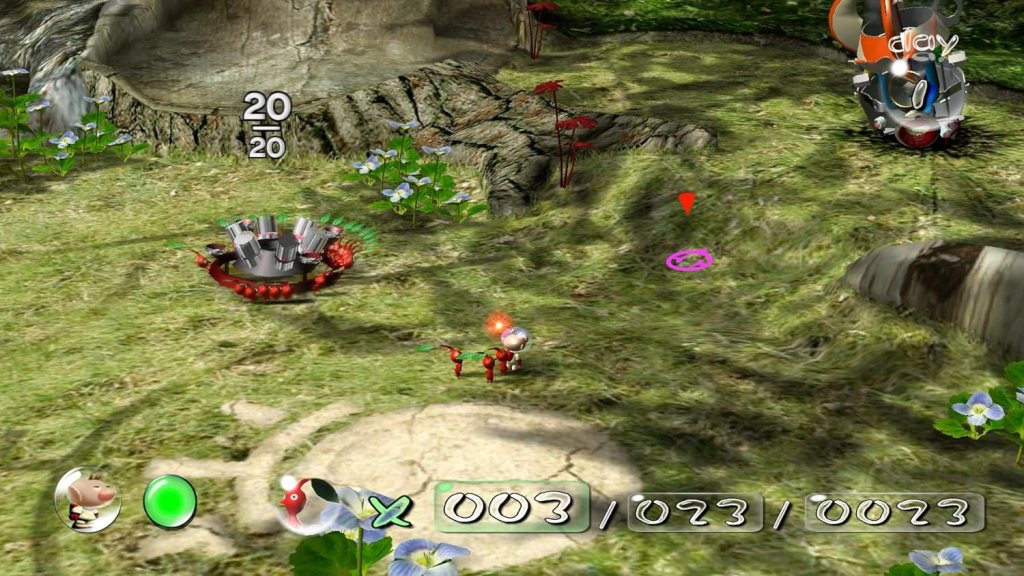
One of the first things that any player will notice about Pikmin is its setting. While Captain Olimar says he has landed on an alien planet, you’ll realize that the planet is only alien to him. The foliage and environmental design of Pikmin is obviously Earth from a microscopic perspective. Grass, stumps, and flowers tower over the player. Empty bottles and cardboard boxes are common obstacles. Most of the threatening fauna seem like evolved versions of common worms, flies, and ladybugs. I love this setting because it is immediately recognizable, but it does feel remarkably alien. Being scaled down makes the world feel monumentally different, and you have to learn how to survive.

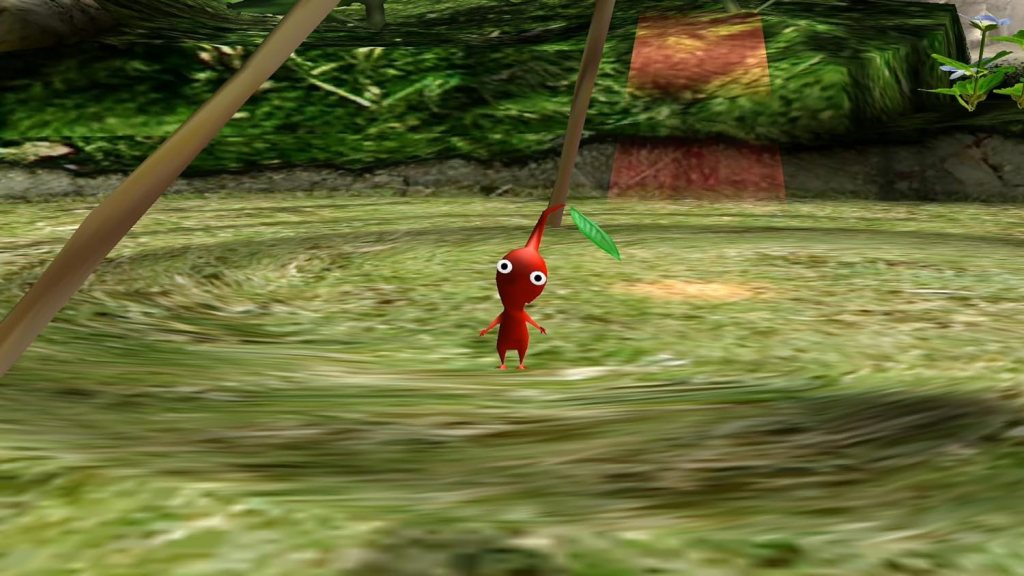
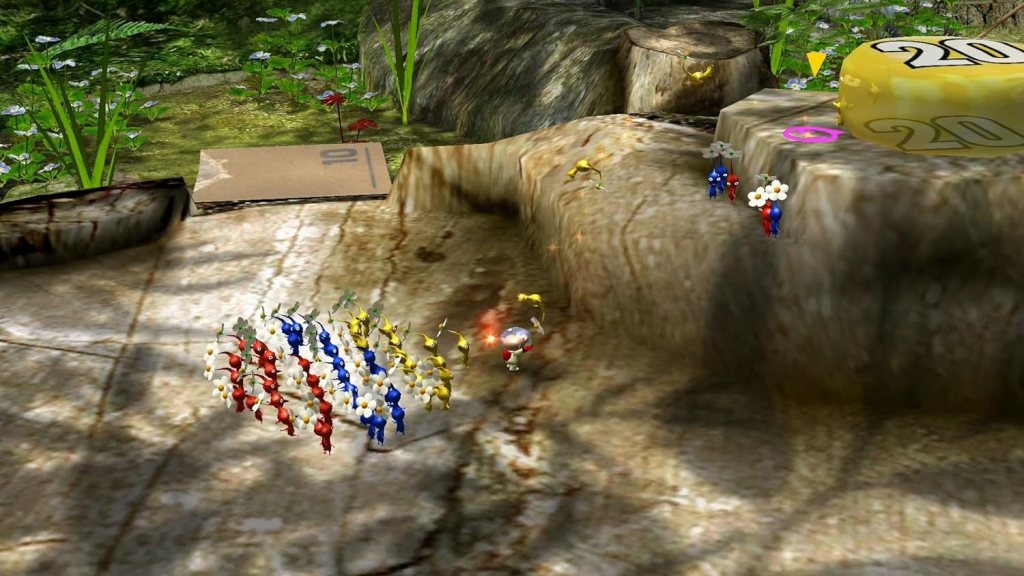
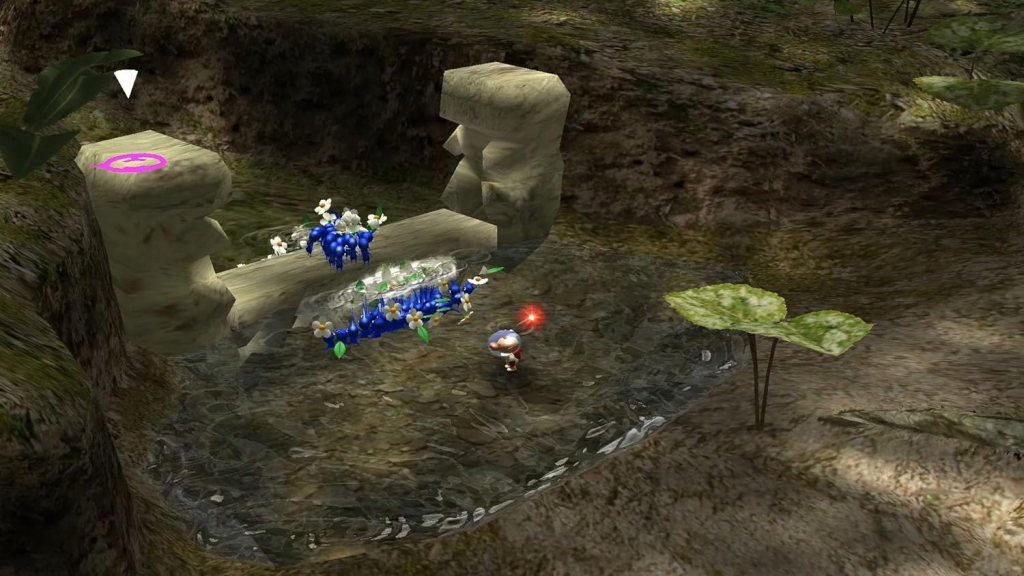
A key component to survival in this alien setting is learning how to utilize Pikmin. The game frames this excellently to compliment the context of learning how to persevere in an unfamiliar environment. There are three types of Pikmin, each with their own properties and niches to understand. The world is rife with hazards such as fire, water, and of course various enemies. I love how Captain Olimar makes observations like how the Pikmin respond to the whistle, or that the blue Pikmin have gills and may be able to swim. While it seems tempting to just bring a bunch of each type of Pikmin everywhere you go for every situation, that can be a risky proposition.

I love how many subtle decisions go into playing Pikmin. You can have 100 Pikmin in your legion at any time, but controlling a big group can be massively unwieldy. It’s easy for them to get caught going through corridors, get picked off by roaming enemies, or accidentally fall into a pit of water. There’s a sort of parental instinct that kicks in when you play Pikmin, they are cute little guys who you planted and raised, there’s no way you want to risk a single death if you can help it. I often only explored with smaller groups of Pikmin so that I could always account for each and every one of them. 

While the primary objective of the game is to recover ship parts, there’s a lot of preparatory work to achieve that goal. Walls need to be knocked down, bridges need to be built, you need to build up a force of Pikmin, you need to feed nectar to your Pikmin to empower them, and enemies need to be cleared out of the way. The game is a constant juggling act of small objectives, and it’s easy to feel accomplished with how quickly you progress.

Part of what fuels the rapid decision making of Pikmin is its most risky aspect: the time limit. It’s intimidating at first. 30 days to recover 30 parts. 1 part per day. And each day is only 13 minutes long. Truthfully, it’s a pretty generous limit. It’s often feasible to recover multiple parts every day, or at least make progress towards the next one. Nevertheless, the pressure of a time limit fuels the player to work quickly and attempt to multitask and make risky decisions. You can leave Pikmin to their own devices to take down walls or carry things back to base, but they are extremely vulnerable to predators. Moreover, any Pikmin left alone at the end of the day will be eaten. But if you want to get multiple parts in a day, you have to take that risk.

Time limits can often be off-putting by putting pressure on the player. But the time-crunch serves Pikmin well. You have to make decisions on the fly about what to do with your limited time. Whether it be planting new Pikmin, knocking down walls to serve as shortcuts, or just defeating enemies so they aren’t an issue for a few days, there’s always something to do. The time limit provides real tension and a sense of stake. But it isn’t oppressive as there’s an abundance of time to fully restore Olimar’s ship. 

If I had to complain about something about Pikmin, itis the artificial intelligence for the Pikmin themselves. I think it’s ok that they’re kind of dumb, as it contextually makes sense. They have a symbiotic relationship with Captain Olimar. They can use their overwhelming numbers to assist him, and he can use his brain to tell them what to do and help them reproduce. But at times they are just a little too dumb. Enough to be frustrating. It’s a pain to wrangle suicidal Pikmin who got distracted by grass or nectar. Or when throwing them at enemies to engage in combat I often found that the Pikmin would prioritize picking stuff up to carry home rather than attacking. I think it’s fine that they have a one-track mind, but when they actively ignore the player’s direction it can be frustrating.

Ultimately, Pikmin expertly marries its gameplay and narrative. From the somewhat-familiar alien setting, to the learning process of commanding Pikmin, to the parental responsibility that you feel for the titular creatures, to the impending doom that the time limit imparts, the game really does put the player in the shoes of Captain Olimar. And it does all this while remaining fun and accessible for all audiences. Pikmin has always been overlooked compared to other Nintendo juggernauts such as Super Mario and The Legend of Zelda, but in my opinion it’s just as classic.

Bugsnax (2020)

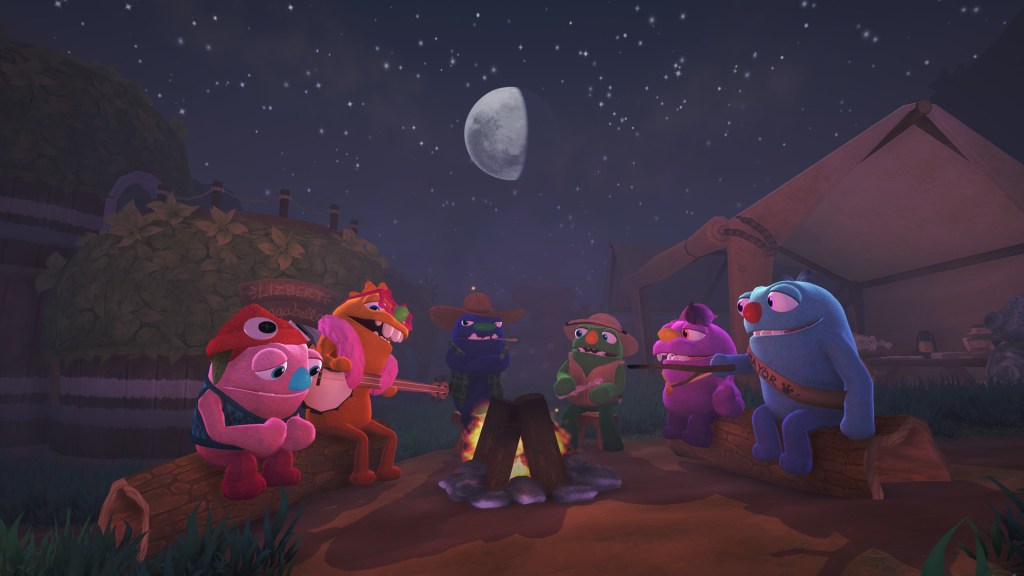
There’s something about Bugsnax that makes it feel nostalgic despite it being released in 2020. It feels like it belongs in the Gamecube/Playstation 2 era of wacky and cartoonish games. Visually, mechanically, and conceptually, Bugsnax feels like one of those weird games that I would play when I was a kid. There’s a certain sense of charm and creativity that is present throughout Bugsnax. Although I don’t consider it a flawless experience in any sense, it’s definitely a game that I enjoyed playing.

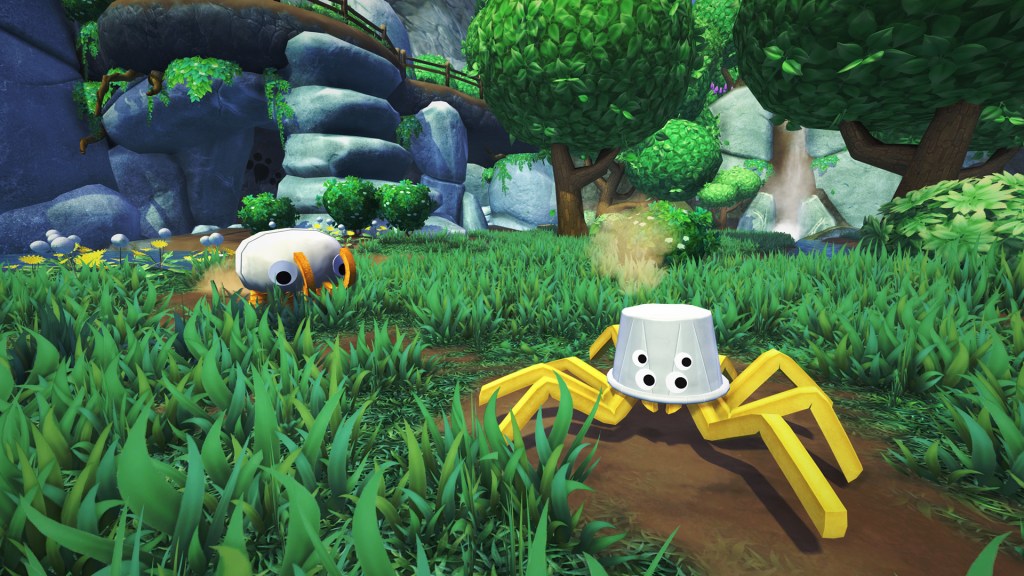
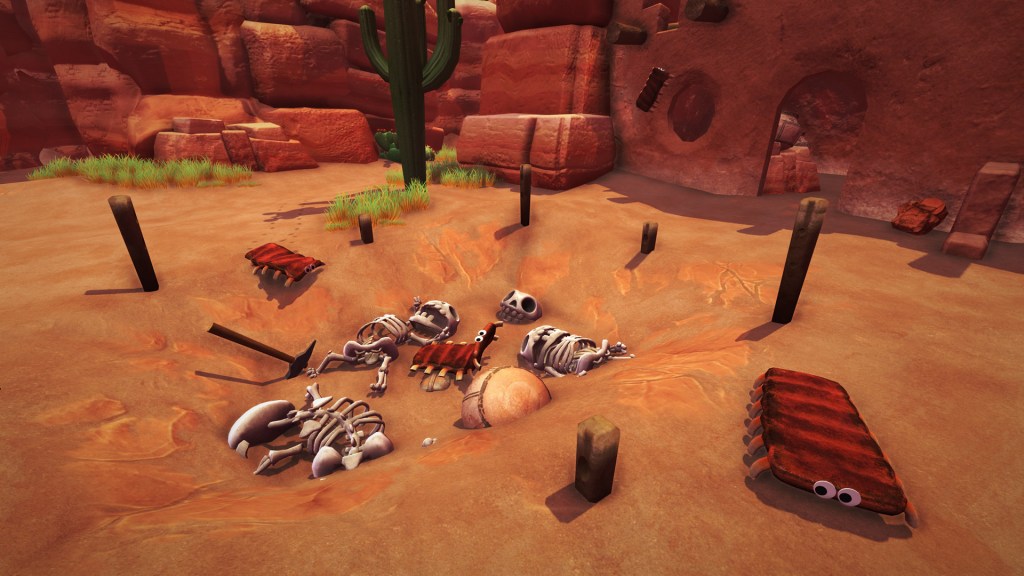
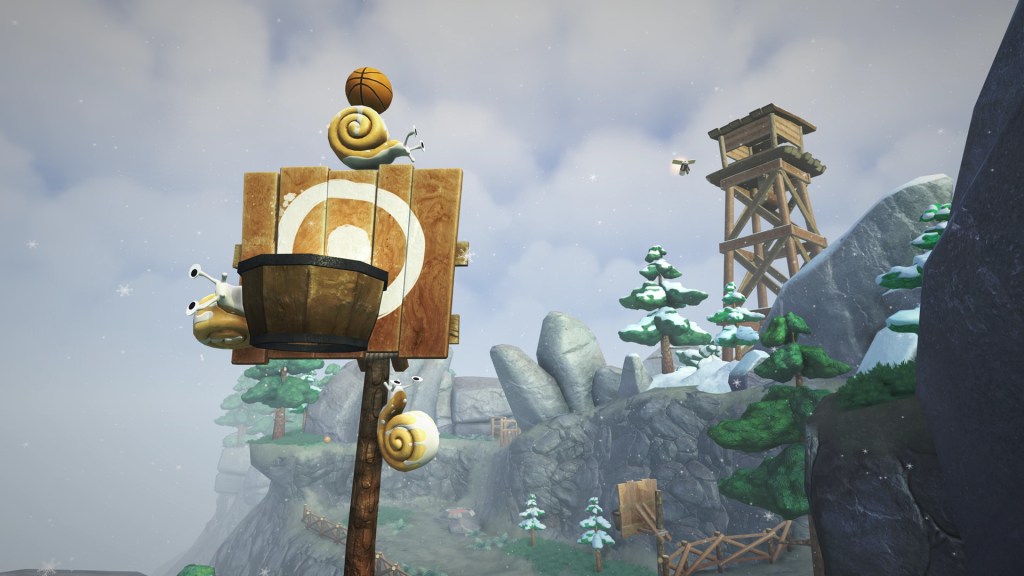
The idea behind Bugsnax is that you are a journalist investigating the disappearance of an adventurer on an unexplored island. A small group has taken up residence on this island because it is home to the titular species of creatures. These Bugsnax are animals that look like food: strawberries, hamburgers, tacos, etc. When you consume them, part of your body takes on traits of the Bugsnax. It is a frightening concept if taken out of the lens of the silly and carefree presentation of the game. When you arrive on the island, you realize that the group who had settled here has split up for some reason, and it is your job to get to the bottom of what happened.

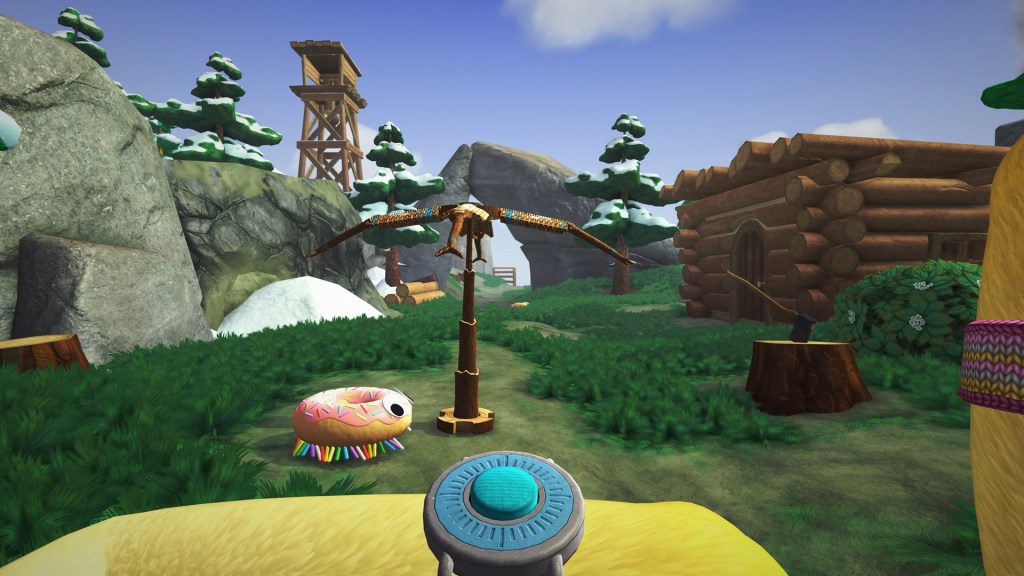
The core gameplay of Bugsnax is catching Bugsnax. As you progress through the game, you unlock tools, traps, and gadgets to wrangle the little critters. It starts out simple enough, such as setting net traps next to bushes while waiting for timid Bugsnax to poke their heads out. As the game progresses, you need to use tools in conjunction with one another as well as the environment and even other Bugsnax. At its core, Bugsnax is an adventure-puzzle game. Trying to figure out how to catch the different creatures was extremely enjoyable. It’s different, it’s unique, and it’s fun to figure out how to capture the trickier Bugsnax and add them to your collection.

While I do appreciate the unique concept and gameplay, I do wish it increased in complexity and depth as the game progressed. While some Bugsnax are trickier than others to capture, it feels like there is a lot of repetition to pad out the game’s cast of creatures. There are a lot of similar Bugsnax that are functionally identical to one another, they are just found in different parts of the map. This can get particularly tedious when trying to tackle many of the game’s sidequests, as they often are as simple as going to catch common Bugsnax around the island. Catching a dozen different variations of the Strabby is not really an engaging puzzle.

As the game progresses, there are some slightly more complex Bugsnax to catch. Some fly, some are frozen and can’t be touched, and others are on fire and will burn your traps. These are interesting the first couple times you encounter them, but once you realize how to handle these hurdles you can use the same strategy for all other similar Bugsnax. There are a few bosses which are unique and I enjoyed figuring out how to handle them, but they are few and far between. Bugsnax would have benefited from having fewer filler and repeat creatures, and more unique Bugsnax that require the user to engage in some problem solving.

Aside from the creature capturing, the appeal of Bugsnax is in the charming cast of characters. There is a central town where residents that you assist will return to. It’s quite cozy to hang out in town and visit with the seemingly silly characters. I was surprised as I kept playing by the depth of the cast.

For what seems like a childish game and concept, Bugsnax has some mature themes and character growth. The townspeople have complex motivations and interpersonal relations. The isolation and pressure of living in a false paradise led to arguments, tension, and distrust. As you progress each character’s story, they are led to resolve their conflicts in mature manners. I was impressed by how real and multi-faceted every character’s personality was.

The weakest aspect of Bugsnax is easily its presentation. Specifically, the visuals. The voice acting was solid, and I loved how the creatures would shout their own names like Pokémon. But visually, the game looks like it belongs in a different era. I like the choice of being cartoonish, but the execution is dated. Honestly, this isn’t a big deal, but it is funny considering that Bugsnax was a launch title for the graphically powerful PS5.

I wasn’t expecting to enjoy Bugsnax as much as I did. I had fun working out how to capture all the creatures. The variety of gadgets and tools makes for some fun puzzles, but I do wish that there were more unique Bugsnax rather than the multitude of different colored species. For a game that seems childish, there are some mature themes and lessons to be learned from the characters. It is for these reasons that I give Bugsnax a 6.5/10. I don’t think it will blow anyone’s mind, but Bugsnax is a fun little adventure nonetheless.

Dredge (2023)

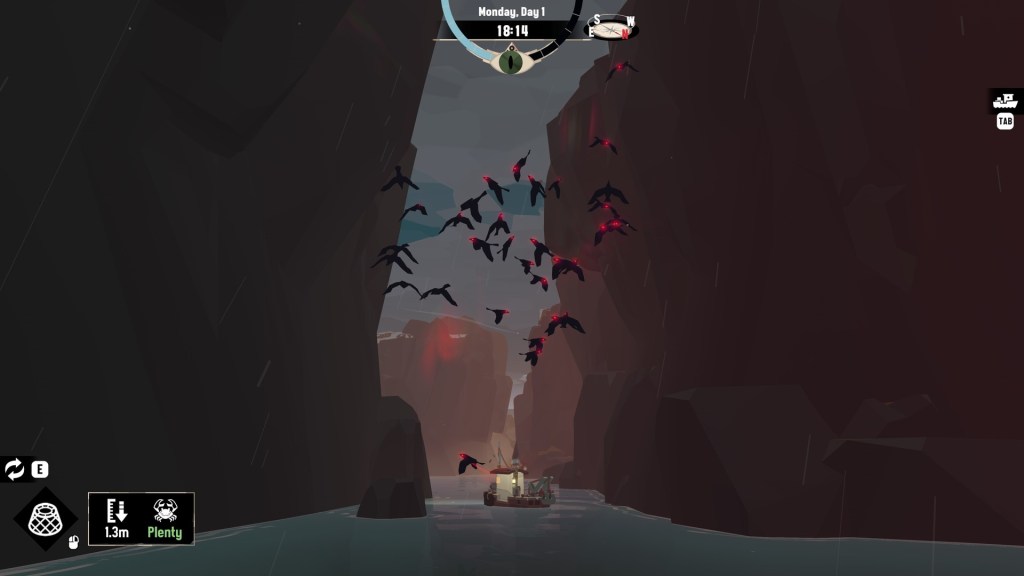
On the surface, Dredge does not appear to be anything special. Mostly, it’s a simple fishing game with some resource management and exploration. But Dredge is more than the sum of its parts. Its systems work together to create an addictive loop that it’s easy to sink hours into. But where Dredge really shines is in its quaint, yet unsettling atmosphere. 

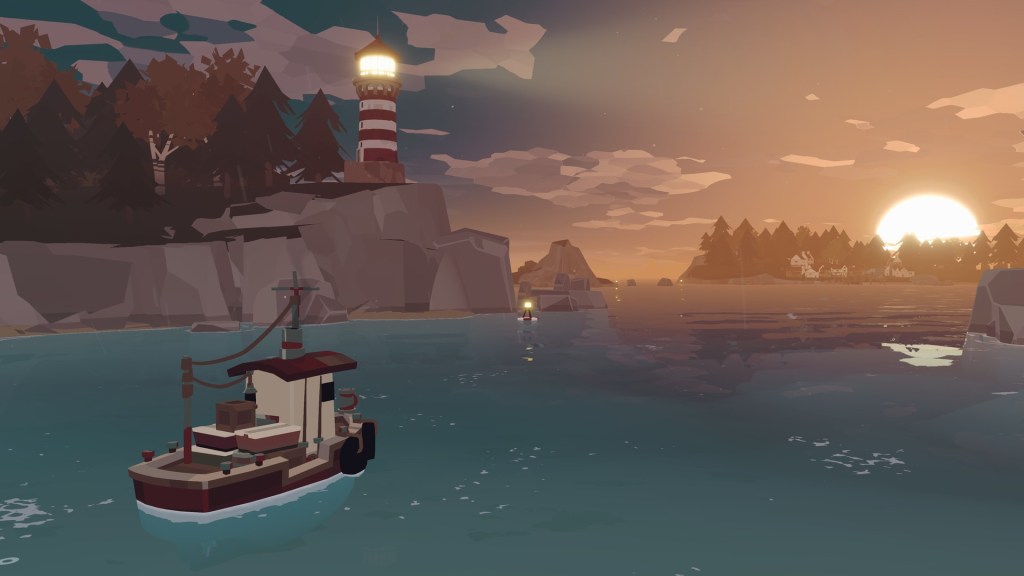
You play as a fisherman who has crashed along the shore of the small town of Greater Marrow. The mayor provides you with a boat, as long as you promise to sell your fish to the town to repay your debt. There’s something quite unsettling about the town, as inhabitants whisper about the previous mayor and fisherman who disappeared. Nevertheless, the town is a safe haven for your travels across the ocean. The lighthouse is an ever-present beacon, guiding the player back to the safety of the harbor no matter where you roam.

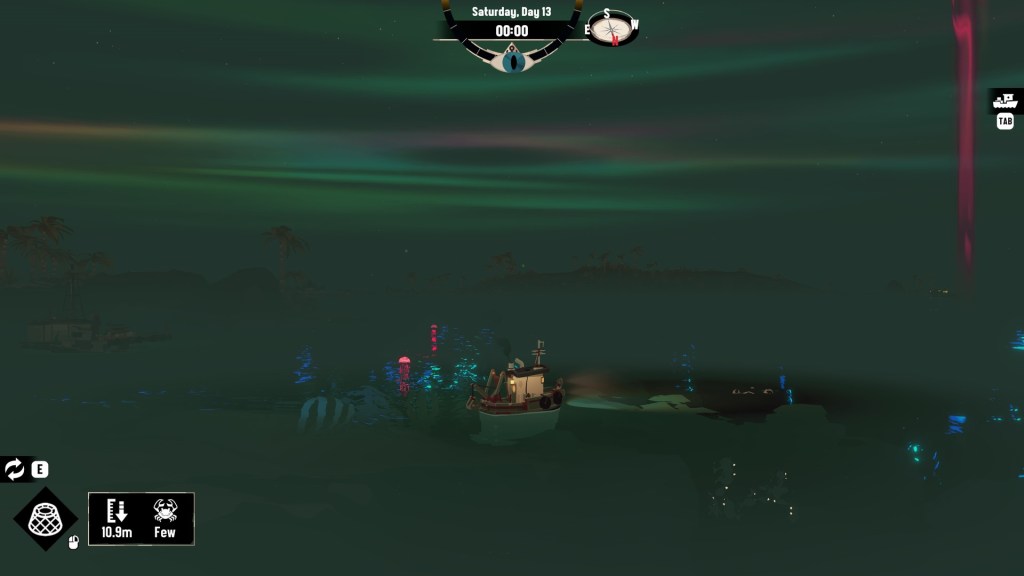
Traveling the seas is fairly relaxing most of the time, but if you aren’t watching the clock, you could find yourself in the pitch-black night. As you spend time away from the safety of a dock at night the panic meter quickly fills. Ghostly apparitions and eldritch abominations stalk your small ship, causing you to frantically navigate to a port. Yet in this panic it is easy to become hopelessly lost and crash upon the rocks. There’s an effect that I quite like when the panic meter fills in which terrain is often invisible until you get very close to it. This is excellent as it punishes the player for panicking and not cautiously steering, and it is thematically appropriate as a terrified captain is prone to making errors and splintering their vessel on the rocks.

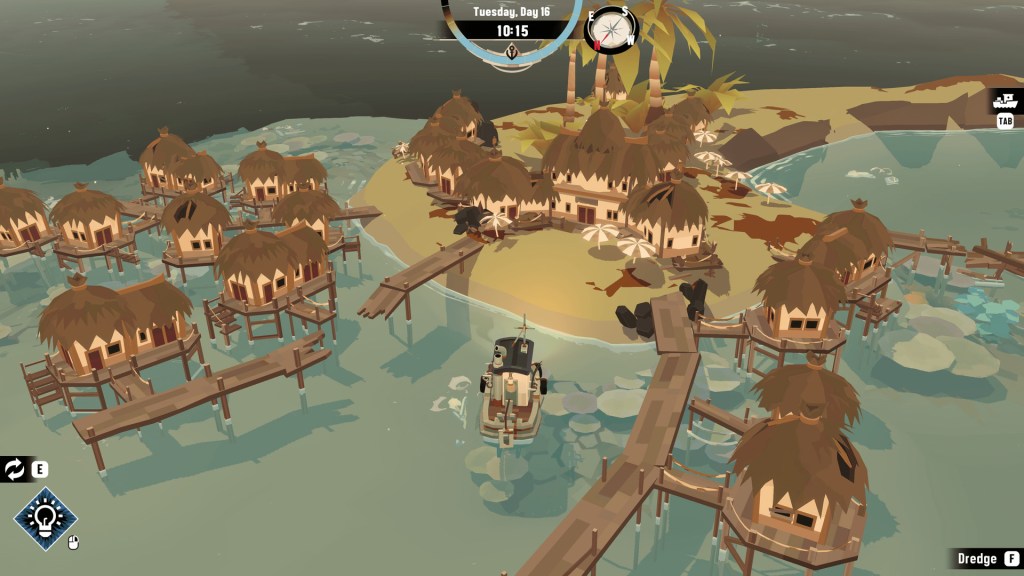
The juxtaposition of safe ports and disquieting darkness is something that I adore. There’s something charming about how a little bit of light and comfort can become such a powerful motivator when surrounded by uncertainty. Dredge is dotted by little towns and floating platforms that serve as shelter. The imposing aesthetic also fuels the contrast between the night and day of Dredge.

The art of Dredge is highly stylized, relying on low-poly silhouettes and shadows. This low-poly approach is utilized wonderfully to create cozy towns and calming waters. Yet, in an almost impressionist fashion, Dredge plays with light and shadows to create more ominous scenes and characters. The standard fish that you become familiar with often can be seen as “aberrations”, deformed and disturbing versions of themselves that suggest that there is something wrong with these waters.

While it’s obvious that Dredge nails the atmosphere and vibes of a spooky fishing game, I think its rudimentary gameplay systems also complement each other quite well to make for a game that’s hard to put down. There are four main components to gameplay: fishing, inventory management, upgrading, and exploration. All of these are relatively simple in isolation, but the quick cycling between them kept gameplay fresh.

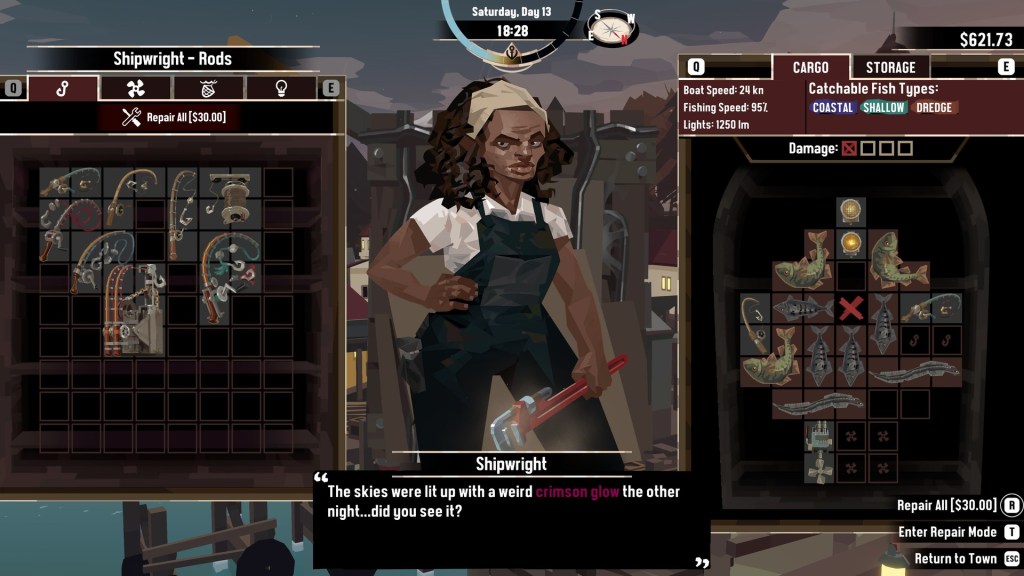
For a fishing game, the actual act of fishing is simple. It’s a minigame in which you time a button press to reel in the fish faster. There are some variations in what the timing wheel looks like and how it functions, but the basic idea is always the same. The only other mastery involved with fishing is identifying the silhouettes of the species of fish to know which one you’re reeling in. Inventory management is similarly straightforward. You have limited capacity on your boat and need to decide what equipment to bring. Moreover, you have to arrange any of your catches or plunder to maximize the relatively limited capacity of your cargo hold. It’s not necessarily difficult, but the awkward geometry of the fish and cargo hold does engage your brain to fit the pieces together. The other component to inventory management is just deciding what is even worth a spot in your hold, as it fills up quickly.

Through maximizing your inventory space and fishing efforts, there are numerous avenues to improve your boat. You can use your yields to upgrade your rods, engines, trawl nets, crab pots, lights, and cargo space. There are so many ways to improve that it always feels like you’re on the cusp of the next one. The upgrades feed into the other avenues of gameplay as it allows you to catch different varieties of fish, have a larger inventory, and explore new areas. While none of the gameplay aspects are complex or deep, they embrace the spirit of brevity to ensure that Dredge never gets stale. They feed into each other for a rapid feedback cycle that it’s easy to get sucked into.

My one desire for Dredge would be to lean more on the night-time terrors. The game rarely encourages the player to make the intimidating trek out into the treacherous night sea. The atmosphere at night is thick and eerie, but aside from a couple of night-only fish there’s rarely a reason to take the risk. Moreover, I wish that being out at night was slightly more threatening. While it’s initially anxiety-inducing, I quickly realized that it was only a little more treacherous than standard sailing. The Lovecraftian atmosphere and spooky vibes are only captivating if the world is actually dangerous. Once the illusion is broken, the game isn’t nearly as suspenseful.

In a year full of smash-hit indie games, I’m glad I chose to play Dredge this spooky season. Its ambience is impeccable. The warm and cozy feeling of taking port under the safety of the lighthouse after frantically evading terrifying monstrosities is magical. While the gameplay doesn’t do anything spectacular or novel, it all fits together quite nicely and knows not to overstay its welcome. It is for these reasons that I give Dredge an 8/10. Dredge has mastered the art of being relaxing while being disquieting, and I love that.

13 Sentinels: Aegis Rim (2020)

I was apprehensive when I decided to give 13 Sentinels: Aegis Rim a go. Visual novel games have never appealed to me, and 13 Sentinels: Aegis Rim is a long game with a lot of text and not a lot of gameplay. But I was assured that it was one of the best video game stories of recent years, and I had to give it a shot. After playing it, I still can’t say that I am a fan of visual novels. However, 13 Sentinels: Aegis Rim does take an extraordinarily unique and risky approach to the presentation of its story. 

Imagine a story that mashes together every single sci-fi concept that you can think of, with 13 protagonists whose episodes can be viewed in almost any order, and a non-linear presentation of events. It sounds like a complete mess, but 13 Sentinels: Aegis Rim mostly pulls it off. The idea behind the game is that you follow the stories of 13 characters, each with 7-8 individual episodes. Each character’s story seems to take inspiration from a classic sci-fi trope such as aliens, time travel, giant robots, memory wiping, etc. Gameplay during these episodes typically

consists of walking around and talking to different characters. As you gain information, you gain keywords that are saved in a memory cloud that you can access at any time. These keywords are used to ask questions and unravel the numerous mysteries that permeate the world.

The gameplay is not particularly riveting, but the key appeal of 13 Sentinels: Aegis Rim is trying to figure out what the hell is going on. There’s so many subplots, secrets, interpersonal conflicts, and twists that it can be difficult to keep track of it all. Luckily, 13 Sentinels: Aegis Rim does a great job at letting the player jog their memory by going into the archive and replaying scenes or get a summary of the key events in a given episode. 

Where 13 Sentinels: Aegis Rim excels is how it masterfully intertwines all the main character’s arcs. While each character has their own story, they play key roles in each other’s lives. It’s fun to make chronological realizations as the episodes play out and you recognize where character’s scenes overlap and interact. I loved when I could notice other characters going about their stories during an unrelated episode. Even with 13 independent plots of perplexing sci-fi ideas, it all comes together thanks to the interwoven tapestry of threads. 

My time with 13 Sentinels: Aegis Rim could be summarized as a rollercoaster. And I mean that literally. Like any rollercoaster with high peaks and thrilling drops, there’s a ton of buildup as you climb up the tracks to the summit. And while there were plenty of twists and turns and climaxes to pique my interest, there were more valleys that lost my attention completely. The pacing and length of 13 Sentinels: Aegis Rim is its biggest flaw. The nature of having 13 different stories is that there are 13 plots to set up, 13 characters to get familiar with, and a ton of exposition to get the stories where they need to be before the action can kick off.

It’s particularly frustrating when you are absorbed by a given storyline only to have to go back to the start of a different character’s arc. It’s jarring to be knee deep in androids and secret agents only to be dropped back into discussing what’s for dinner and who a side-character has a crush on. These dramatic peaks and valleys of excitement are what sucked me out of the story the most. It’s also worth mentioning that I found the writing and characters to lean towards the young adult genre. There’s nothing wrong with that, but these days I’m not interested in high school romances as a key plot element.

While the visual novel detective episodes are the bulk of the game, there actually are some real-time strategy segments. You control the 13 main characters in their mechanized mega-robots called sentinels to battle against evil giant robots known as kaiju. Before each battle you can choose 6 characters to deploy, each with their own stats and moveset. These sections are… fine. I wouldn’t want to play a lot of these battles back-to-back but they do serve as a nice break from the barrage of exposition. 

Most of the complexity of the combat comes from the mission select screen. There are four different classes of sentinels: melee, all-rounder, ranged, and support. Their roles are obvious, but each character has an attack or two that are unique to them. It’s fun to experiment with different combinations and learn which attacks are the most potent. But once you do find out which characters and attacks are best, it becomes all too easy to just spam the same ones over and over again until victory. While it is fun to repeatedly destroy big groups of kaiju, it can get repetitive over the course of a few battles.

Part of what makes the combat seem repetitive and dull is the uninspiring visuals. Every single combat mission is set in the same generic city environment, and all the robots are also blocky abstract representations instead of unique sprites. It makes every battle feel a little same-y when you are looking at the same thing all the time. Which is really a shame because the game looks fantastic otherwise.

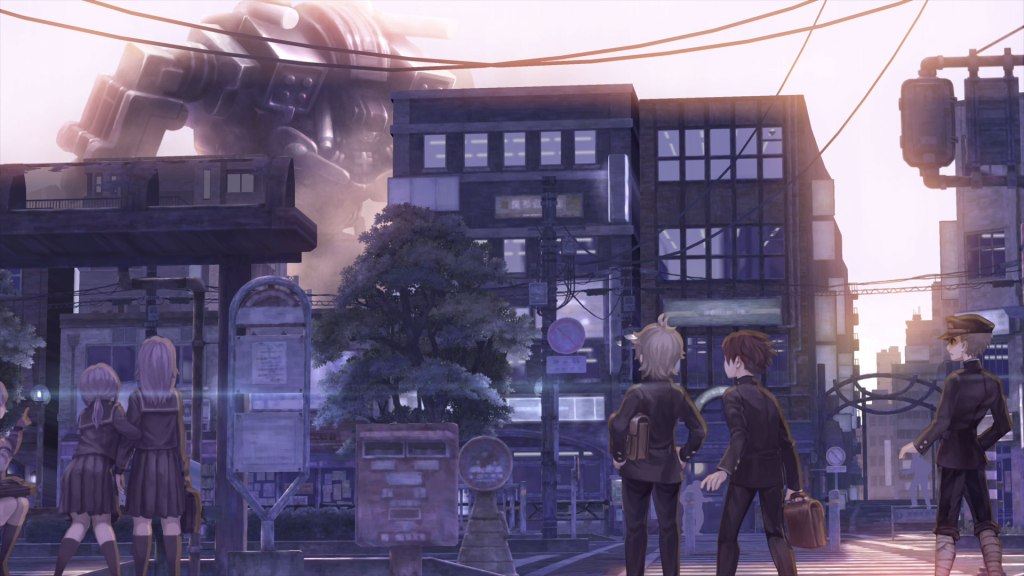
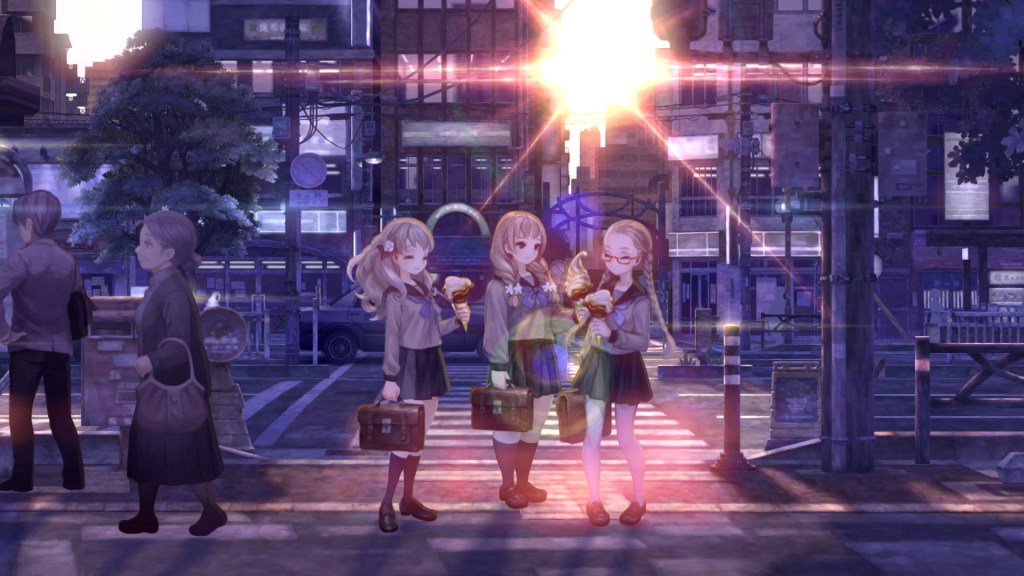
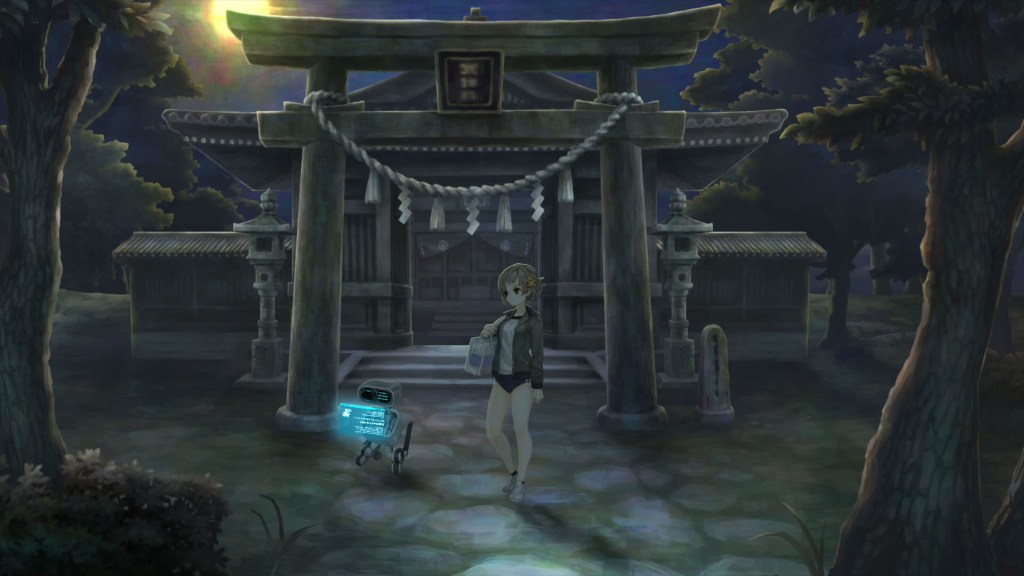
Just one glance makes it apparent that 13 Sentinels: Aegis Rim has some fantastic character models. The characters visually pop and look great in motion. There’s something interesting about Vanillaware’s art style, and I can’t quite put my finger on what makes it look so distinct from other similar studios. It may be that the characters look incredibly natural, even just standing still. The characters breathe and sway instead of just remaining static. I truly don’t know what it is, but there really is just something about the characters that looks phenomenal.

I wish I could say that 13 Sentinels: Aegis Rim inspired me to play more visual novels. Unfortunately, the boredom valleys were too frequent and too long for me to truly say I loved the game. While there are some truly great twists, turns, and interesting characters, it’s buried within dozens of hours of trudging through tiresome dialogue. If you are a fan of visual novels, the story and approach to weaving 13 characters’ plots together is certainly unique and commendable. It is for these reasons I give 13 Sentinels: Aegis Rim a 6/10. I’m not a fan of the genre, and 13 Sentinels: Aegis Rim didn’t do enough to change my mind.

A Short Hike (2019)

It’s not often that I play a game which causes me to reflect on how I perceive life. In a world where handheld dopamine hits are almost always available, it can be difficult to just appreciate the tranquility that comes from a simple walk in the park. It’s apt that a simple game like A Short Hike has reframed the meditative nature of moment-to-moment life for me. For what may appear to be an unremarkable game, there are some lessons to be gleaned about taking the time to appreciate what’s around you. At the very least, A Short Hike is a fantastic cozy adventure guaranteed to boost your mood.

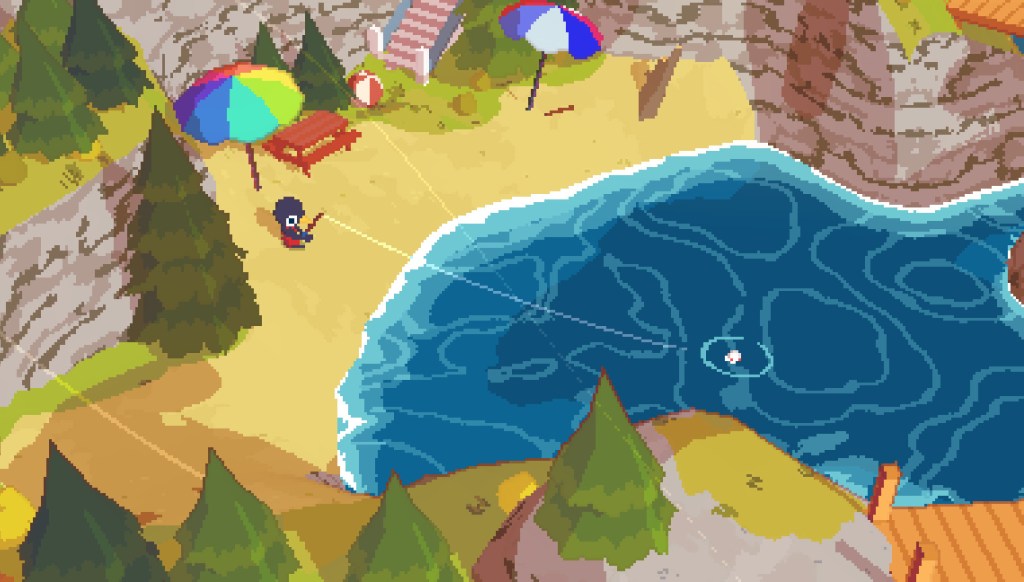
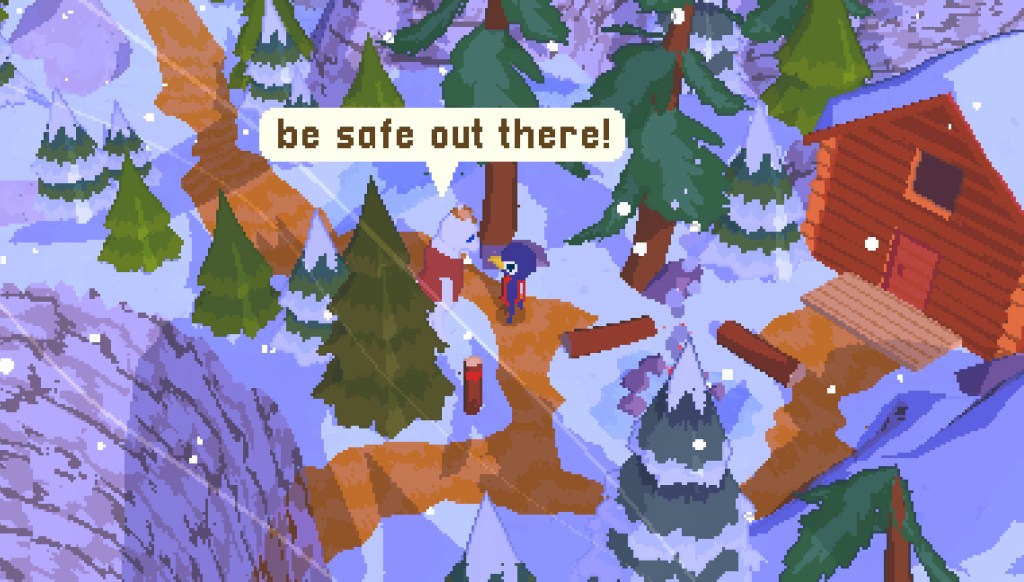
Like the title suggests, the goal of A Short Hike is to reach the peak of a mountain by hiking through some trails. The route is straightforward, and the objective is obvious. But it’s difficult not to stray off the path to explore and indulge in the homey island and converse with its wholesome inhabitants. You play as Claire, a young bird on a nature vacation. Gameplay consists of walking, jumping, climbing, and gliding to reach Claire’s destination of Hawk Peak.

The trek to the summit is meant to be taken at your own pace. A Short Hike is certainly not a difficult game. Aside from some light platforming, gameplay almost entirely insists of exploration. I found myself consistently deviating from the path to experience each area of the island. There are secrets, mini-games, beautiful views, and charming characters to converse with. I quite enjoyed the laidback nature of the game. My favorite aspect is that the exploration is almost entirely driven by the player’s own motivation.

While there are Golden Feathers to be found which act as additional stamina, I was far more interested in spending time in this adorable little world than rushing to the peak. If you really wanted to you could easily dash up the mountain, collecting only the requisite Golden Feathers and ignoring all the other extraneous activities. But I would find it sacrilegious to bypass all the alluring goings-on of Hawk Peak Provincial Park. I loved assisting the characters, playing the made-up game of Beachstickball, going on treasure hunts, or just gliding and taking in the sights. And it all culminates in a heartwarming conclusion.

While A Short Hike is by no means a revolutionary game with an abundance of new and groundbreaking ideas, I love it nonetheless. Other cozy and wholesome games such as Animal Crossing: New Horizons and Spiritfarer are often driven by extrinsic motivation such as unlocks and rewards for completing tasks. A Short Hike relies almost entirely on intrinsic motivation, the satisfaction from doing something just for the sake of doing it. There’s an important lesson here that is paralleled in real life. Not everything needs to be tied to rewards or immediate gratification. It’s often imperative to slow down and enjoy the scenery, literal or metaphorical.

When I downloaded A Short Hike, I expected a quick jaunt up a mountain. What I didn’t anticipate was the profound reminder to appreciate life’s simple pleasures. I was prompted to slow down and just enjoy things for the sake of it. While A Short Hike is assuredly not innovative, I cannot recommend it enough. It’s a refreshing, cozy, and heartwarming adventure that everybody should experience.

Ori and the Will of the Wisps (2020)

Ori and the Will of the Wisps is a rare case of a sequel that not only improves upon its predecessor, but also maintains the identity of the original. There’s no denying that Ori and the Blind Forest was an excellent game that influenced the indie industry. However, it had a few quirks like its saving system and underwhelming combat that could definitely use some improvement. Not only does Ori and the Will of the Wisps accomplish this, but it also establishes its own uniqueness that blends beautifully with what came before.

Taking place in a new land, Ori and the Will of the Wisps is remarkably similar to Ori and the Blind Forest narratively. The world that you inhabit is dying, as the light of the forest has been snuffed out. While Ori sets out to rescue their companion and restore life to the forest, a villain is intent on maintaining the darkness. Honestly, I was a little disappointed with how beat-for-beat Ori and the Will of the Wisps follows the original game in its narrative flow. Fortunately, Ori and the Will of the Wisps makes up for this with an abundance of charm.

I’m a sucker for a good hub in any game. Delfino Plaza, the Normandy, Firelink Shrine, Peach’s Castle, I love when there is a cozy space that feels like home. One that evolves and is bustling with characters. Ori and the Will of the Wisps has its own central hub of Wellspring Glades. This town serves as a safe-haven and last refuge for the creatures of the forest. As you resolve quests and spend resources, the town begins to become an active community full of life. I absolutely loved spending time in Wellspring Glades, and I was driven to restore the town and make it thrive.

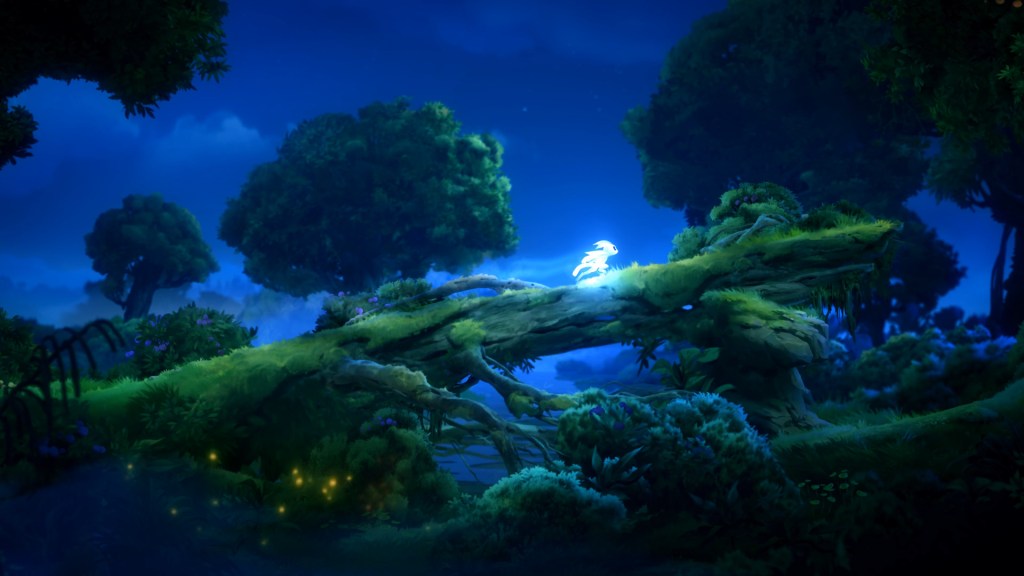
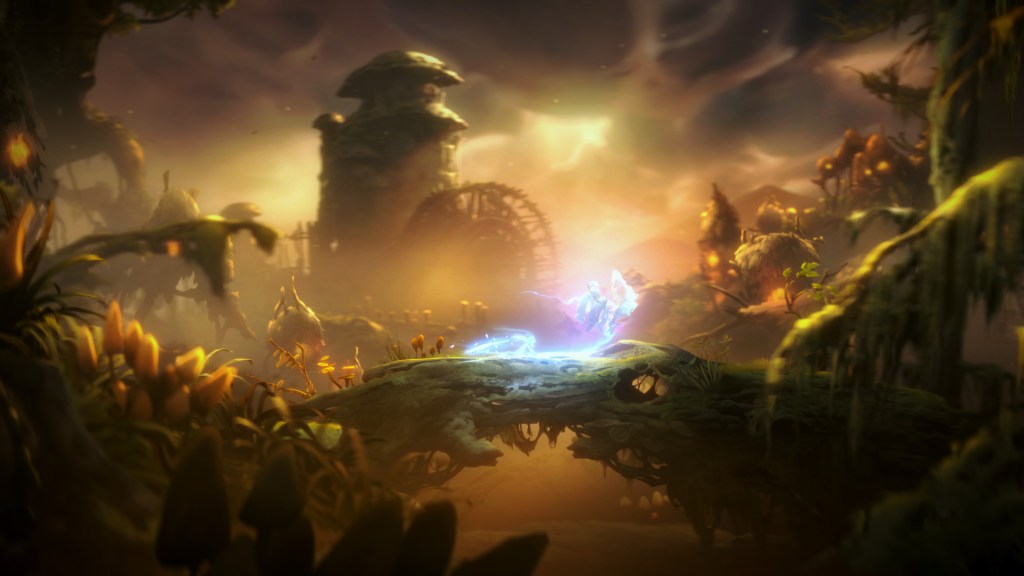
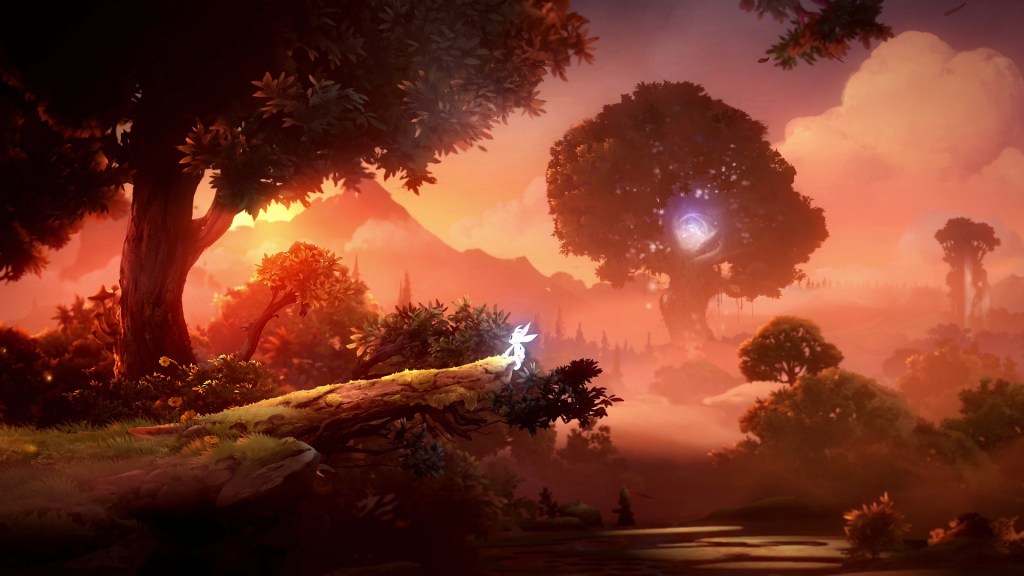
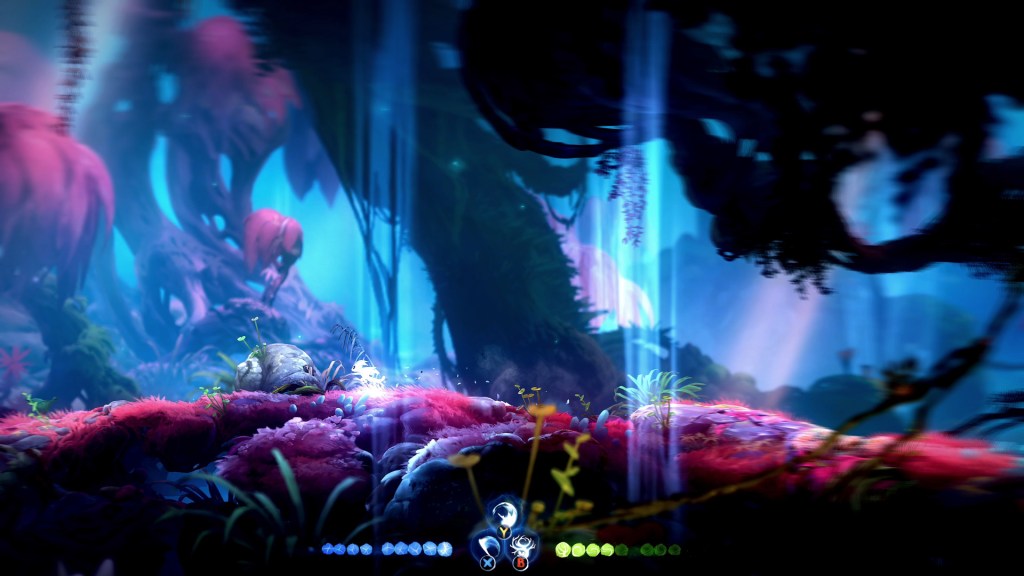
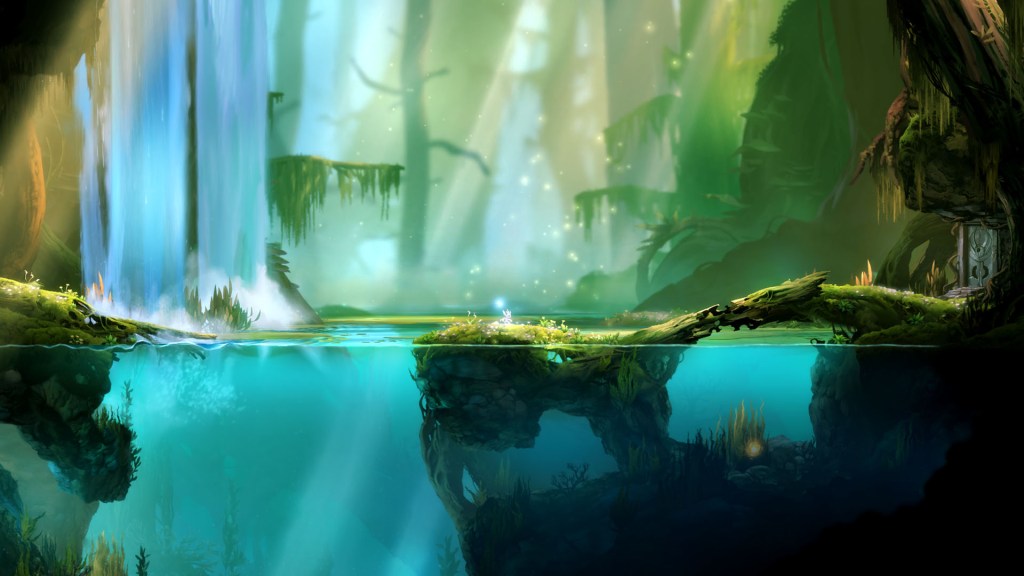
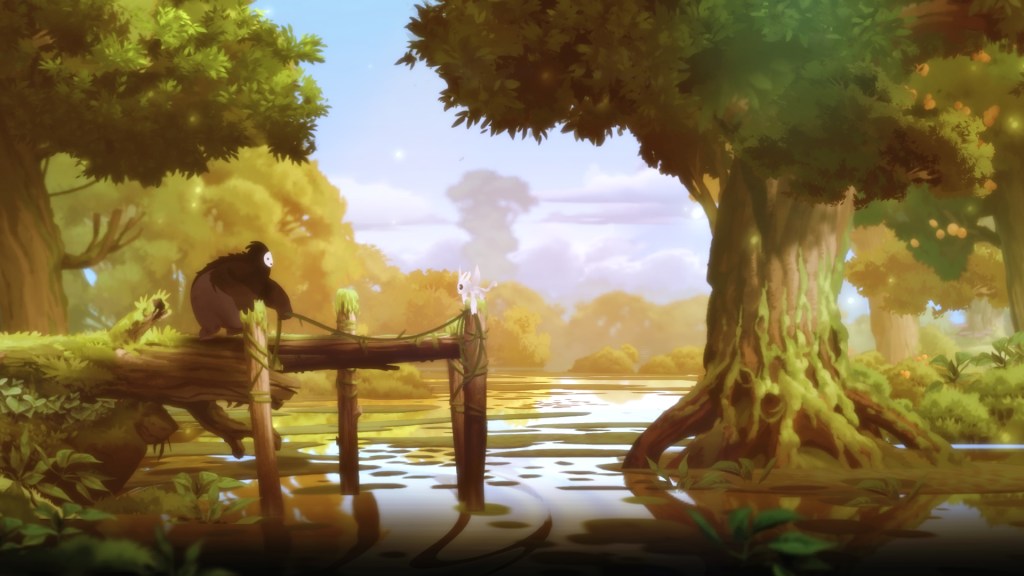
The charming appeal of Ori and the Will of the Wisps is also assisted by the stunning visuals and environment design. Somehow, the game looks even more lush than Ori and the Blind Forest. But what I found more important was how varied and unique the main areas were. I had to stop and admire the giant watermill looming in the background. Finally reaching the structure and delving inside to unblock the mechanism was an exceptional adventure. Areas like the tropically lush Luma Pools and arid Windswept Ruins are as visually interesting as they are mechanically. The integration of aesthetics and gameplay is extraordinary.

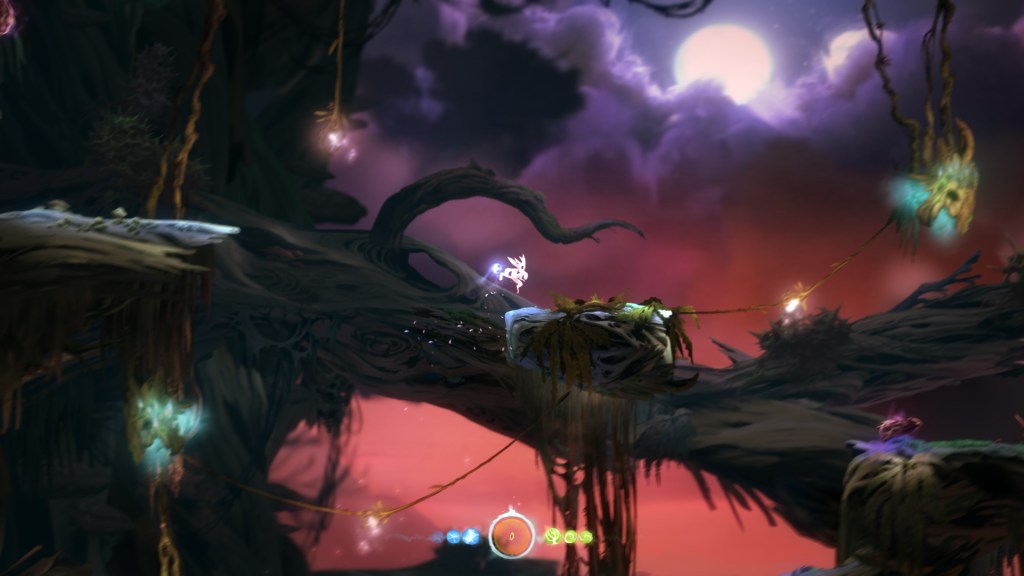
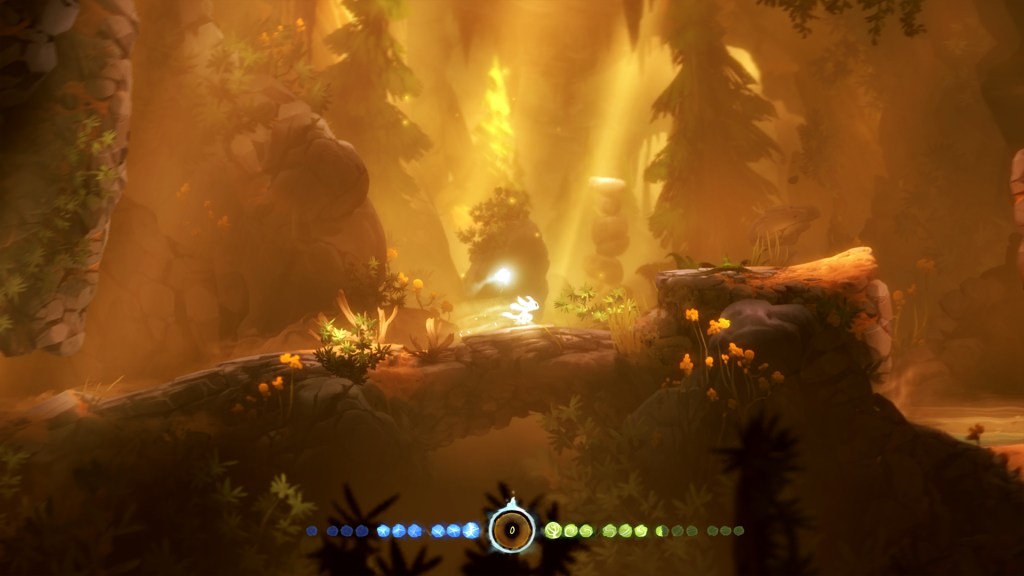
While bringing back all the classic abilities such as the iconic Bash, Ori and the Will of the Wisps also introduces a whole new arsenal of skills to master. They are cleverly designed as to be cohesive with the locale that they are unlocked in while also pairing well with existing abilities. For example, in the desert you unlock the ability to dive into pits of sand and burrow quickly through them like a missile. This leads to some exciting platforming sequences in which you juggle between using Bash and Burrow to quickly traverse obstacles and maneuver nimbly through the desert. The possibilities to be creative and combine Ori’s abilities to string together impressive agility feats is fantastic. To test your mastery of your moveset, the designers intelligently included optional time trials throughout the game, which I absolutely love.

While Ori and the Will of the Wisps retains the engaging nimble platforming that its known for, the developers greatly increased Ori’s combat arsenal as well. Instead of spamming targeted beams of light, the player has access to a few different weapons. There’s a decent variety of ranged and melee options, which is great for letting the player determine what playstyle suits them best. Personally, I quite enjoyed using big hammer to wallop foes and send them flying. Even though I originally didn’t think that Ori and the Blind Forest needed combat, it certainly is a ton of a fun to pulverize enemies and run circles around them using Ori’s innate agility.

With combat comes the occasional boss fight, which is something that was absent from the Ori and the Blind Forest. But don’t fret, the adrenaline pumping escape sequences also make a return. I really love that the designers had both of these events to serve as a climax to any given area. You never know if you’ll be thrown into an arena with a boss, or if you need to focus for a thrilling chase.  
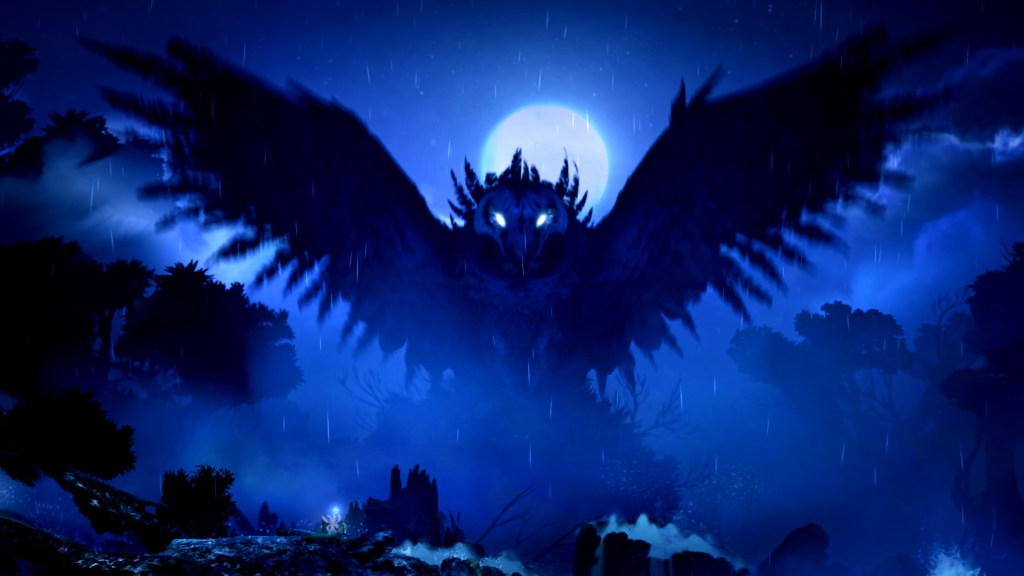
The other direct improvement upon the original game is the removal of the decide-for-yourself checkpoint system. While I think it was an intriguing idea, the player has no idea what will be thrown at them next so they are a poor judge of when its appropriate to create a checkpoint. That’s why the inclusion of a standard checkpoint system is welcomed in Ori and the Will of the Wisps, as the designers have foresight and understand the right spacing and placing of checkpoints.

I think its necessary to mention that Ori and the Will of the Wisps takes a lot of queues from Hollow Knight. I think in some places it was unnecessary, but in all honesty, I think most of the adoptions were net positives. The removal of experience in exchange for badges, the hub town, the inclusion of quests, and the character who sells maps were all obviously inspired by the success of Hollow Knight. But the beauty here is that Ori and the Will of the Wisps and Hollow Knight, despite being metroidvanias with a few similar systems, are very different at their core.

Ori and the Will of the Wisps is vibrant and colorful, and is mostly concerned with fast-paced platforming with a hint of combat. Hollow Knight is a lot darker, and while it does have a couple of difficult platforming sections, the game is known for its boss fights. So, it doesn’t feel like Ori and the Will of the Wisps is aping Hollow Knight. Instead, all these features dramatically improve on an important aspect of the game: exploration.

Exploration is obviously vital in any metroidvania, and Ori and the Blind Forest did lack in some of its rewards and motivation to probe players into wanting to discover more. This felt completely solved in Ori and the Will of the Wisps, due to many of the systems that the designers took inspiration from Hollow Knight from. The badge system is far superior to experience, as it provides the player with more interesting rewards aside from some currency to be spent on upgrades. Experience still exists alongside badges, but it goes a long way to know that the possibility of uncovering a powerful and unique badge is present when you are exploring.

The reward that motivated me the most were the materials used to repair the hub town of Wellspring Glades. As I said, I loved the town and its cozy atmosphere. Naturally, I was excited whenever I discovered more ore or special seeds, as that could be used to improve the town. Ore lets the player build more houses and repair structures so that creatures can return. Additionally, special seeds can be planted to allow the player to use their traversal abilities to dash and swing around the town, reaching new heights and uncovering secrets. Helping restore the town serves as a functional reward as it grants experience, badges, and shortcuts. But more importantly, it’s the intrinsic reward of seeing this community grow and thrive that warms the soul.

The only major issue that I had with Ori and the Will of the Wisps was the performance. Even three years after its release, I had a few instances of stutters and momentary freezes. This mostly happened if I was zipping from screen to screen too quickly. Unfortunately, I also encountered a couple crashes. While not a pervasive issue, it still is an unwelcome occurrence that happened too many times to dismiss.

I was thoroughly impressed with how Ori and the Will of the Wisps managed to maintain its identity as an Ori game while simultaneously establishing tons of new ideas and mechanics that clashed with the first game’s design philosophy. I am ecstatic that the designers were able to ditch what didn’t work, build on what did work, and introduce brand new ideas that blend wonderfully with the existing mechanics. It is for these reasons that I give Ori and the Will of the Wisps a 9/10. Ori and the Will of the Wisps is an absolute joy, and I can’t believe that I waited as long as I did to experience it.

Ori and the Blind Forest (2015)

It’s no shock to anybody that metroidvanias are an incredibly popular genre in the indie world. But a title that stands above all as a paragon of quality is Ori and the Blind Forest. Every aspect of the game is cohesive. You are the lone forest spirit Ori, and you must revive the dying wilderness which was once a vibrant habitat for all manners of creatures.

Ori and the Blind Forest is not a game with a heavy emphasis on storytelling. Aside from a couple short sequences at the start and end of the game, there is not much focus on the narrative aspects of the game. While the story does pull on the heartstrings, I think it was a great decision not to lean heavily on dialog or cutscenes. You are the last spirit of the forest, and you have to traverse a hostile environment to recover the light which sustains the forest.

The forest is visually stunning. While many other side-scrollers opt for pixel art or other stylized techniques, Ori and the Blind Forest has gorgeously rendered environments. There is a great use of light and shadows that elicits the feeling of being in an ancient forest. There are so many beautiful effects and backgrounds that make Ori and the Blind Forest truly stand out among its contemporaries. Unfortunately, all the detailed visuals and glowing particle effects do come at a cost: visual clarity. I often times found it difficult to quickly parse the environment and decide what was a hazard, an enemy, a projectile, an experience orb, a blob of health, some energy, or any other possibility. I don’t think is a particularly brutal problem, but I often found myself mildly frustrated when what I thought was a safe spot actually damaged me.

Ori and the Blind Forest is unique among its Metroidvania contemporaries. It deemphasizes combat in favor of platforming. Combat is meant to be a last resort, and you’re much better off avoiding and slipping past enemies rather than engaging with them. Attacking is incredibly straightforward, clicking a button will unleash a flurry of low-damage light projectiles that do a little damage to enemies. There is also a charged blast attack that consumes some energy, but it often felt like a waste of a resource that could be better used elsewhere.

One of the key uses of energy is creating save points. A very unique facet of Ori and the Blind Forest is that the player is responsible for deciding where their checkpoints will exist. At any point in the game, you can spend an energy point to create a save point where you will respawn if you die. I think this is an incredibly unique idea, and it has interesting risk and reward potential. If you have a high amount of health, it may be unwise to spend a ton of energy to make frequent save points as you can afford to make some mistakes without dying. Conversely, if you are low on health, you may want to save after every little obstacle. But there is a danger in doing so.

It can be counterintuitive, but saving when you are low on health can be dangerous. I often found myself in situations where a gauntlet of challenges was on the horizon, but I had saved with a low amount of health. A single misstep could cause death. This can be frustrating because you are stuck in a difficult situation with no room for error in a game where taking damage is exceedingly common. While I appreciate the idea for a unique save system, by the end of the game I realized that I prefer the traditional checkpoints that most games have.

The main reason why I believe that a standard checkpoint system is superior to the system in Ori and the Blind Forest is that the game designers have foresight. They know when a difficult section is approaching. They know how long the gauntlet is. They know where there will be opportunities to recover health. The player knows none of this. This is problematic as it leads to guessing games of when you should expend your resources to save. If you know that a difficult section is upcoming, you may not be inclined to save with low health. If you know there’s five or six back-to-back platforming challenges, you may not want to spend your last energy point to save after the first one. Let the game designers use their knowledge to properly place and space out checkpoints for a more consistent experience.

Where Ori and the Blind Forest shines the most is in its platforming. Ori is remarkably nimble, which is cohesive with the character’s design. Interestingly, the player has very little vertical jump height, but this is made up with Ori’s long horizontal leaps and subsequent powers that are unlocked. Springing from wall to wall, climbing trees, gliding around on a leaf, and using enemies to redirect your momentum is a fantastic way to evoke the feeling of being a nimble forest nymph.

What makes the platforming in Ori and the Blind Forest really special stems from a single ability: Bash. This skill is gained relatively early on in the campaign, and it makes the gameplay far more dynamic. Bash allows the player to launch themselves off of enemies and projectiles, knocking them in the opposite direction. You can swiftly rocket through corridors using a mixture of regular platforming and Bash to dodge and use enemies to your advantage. Its this single ability that makes up for the lack of combat, as Bash begs the player to just dash through enemies and launch them into hazards rather than engage with them. It makes sense then why the developers opted to omit traditional boss fights in favor of epic escape sequences. These are adrenaline pumping sections that demand speed and mastery of your abilities, and I love the decision to include them.

As for its metroidvania aspects, I found Ori and the Blind Forest to be passable. There was a rapid pace of unlocking new traversal abilities to reveal new paths. While there wasn’t a ton of necessary backtracking or revisiting prior areas, there were plenty of secrets to be uncovered. Unfortunately, most of the secrets were somewhat uninteresting as they were mostly additional experience or health/mana upgrades. Even though there was a lack of backtracking ala Metroid, Ori and the Blind Forest scratched the exploration itch as it certainly was not linear. There were many branching paths and routes to traverse, making for some satisfying exploration.

It had been a long while since I originally played Ori and the Blind Forest, and I am so glad that I revisited it. There are so many unique ideas here such as the emphasis on platforming, the focus on horizontal movement, the save system, and the use of escape sequences in lieu of bosses. Despite its faults and missteps, Ori and the Blind Forest is a phenomenal metroidvania. There is good reason why even modern indie games are compared to Ori and the Blind Forest, even if few meet the high bar that it set.

Doom Eternal (2020)

From the first moment I launched the game, it was immediately apparent that Doom Eternal is not just a retreading of Doom (2016). While I did enjoy the straightforward brutality of Doom (2016), I greatly appreciate that Doom Eternal makes the experience much more complex. Running around and shooting demons was a ton of fun, but I am glad that there was some change-ups to make the formula fresh and to keep it engaging through the whole game.

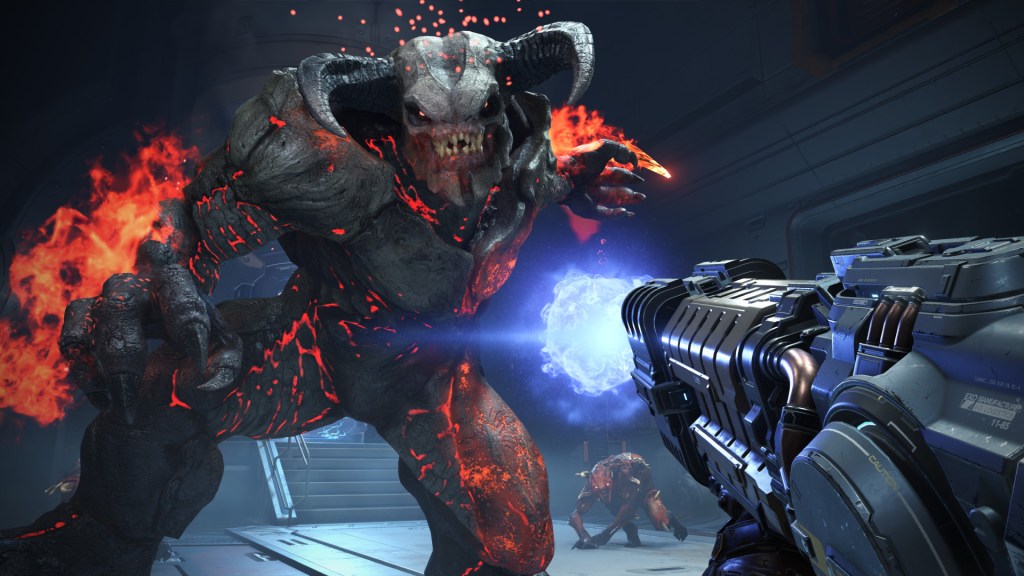
Like its predecessor, Doom Eternal is a fast-paced FPS where you blast through hordes of demons. You have to keep moving and shooting or you will be quickly overrun. There is never a dull moment in combat, as a momentary lapse in judgment will lead to your demise. Doom Eternal is challenging, even on the normal difficulty. I think it suits the game perfectly, high-octane non-stop running and gunning is what Doom should be about.
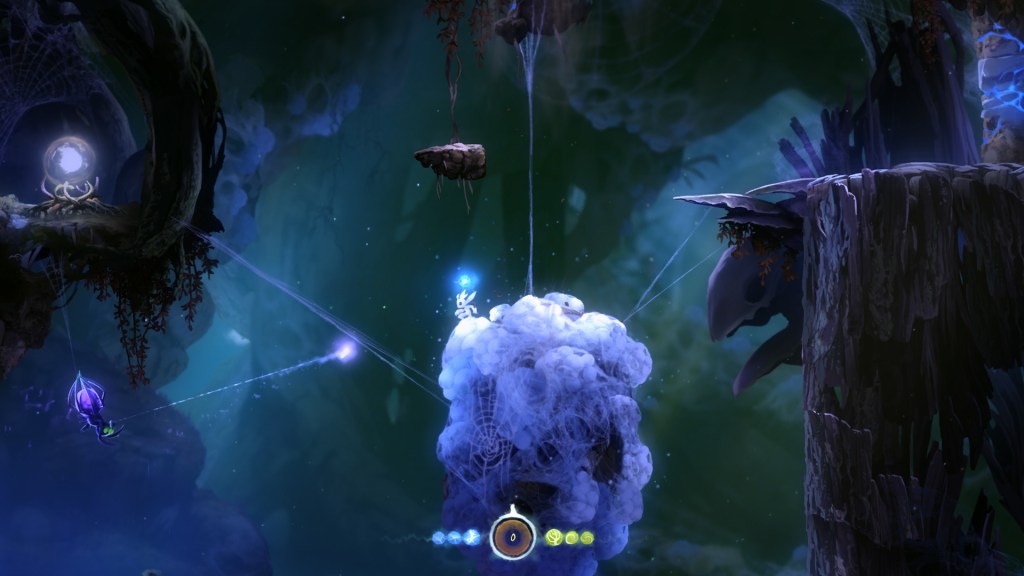
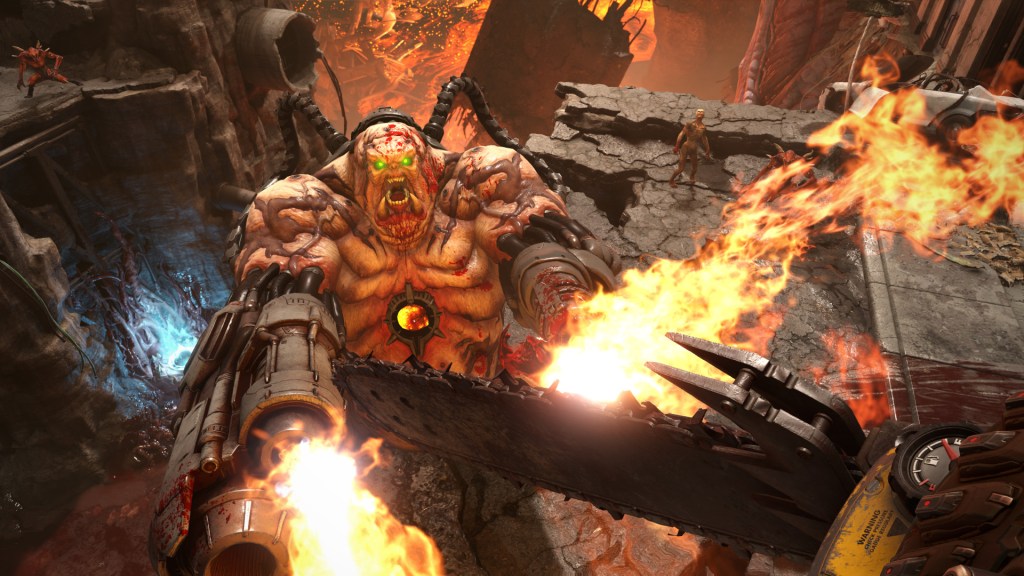
Part of what keeps Doom Eternal so fast-paced is the sheer number of tools to keep track of and utilize. Weapons have low ammo counts, so you have to constantly swap between guns, hunt for ammo pick-ups, and utilize the chainsaw which causes enemies to spew out extra ammo. Health and armor are also limited resources that can be gained through pick-ups. But you have to actively use the flamethrower if you want bonus armor and occasionally finish off enemies with a glory kill to replenish health.
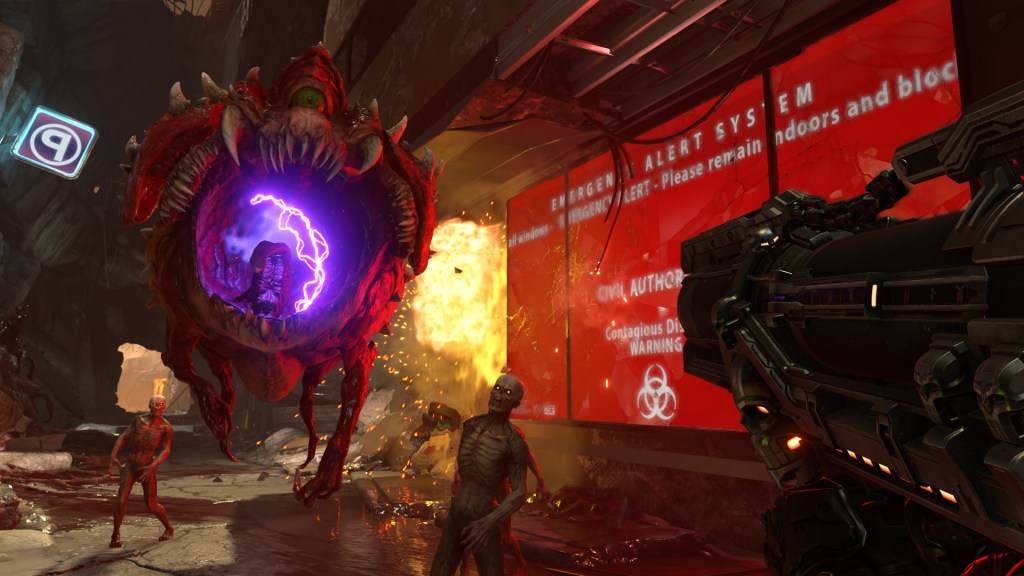
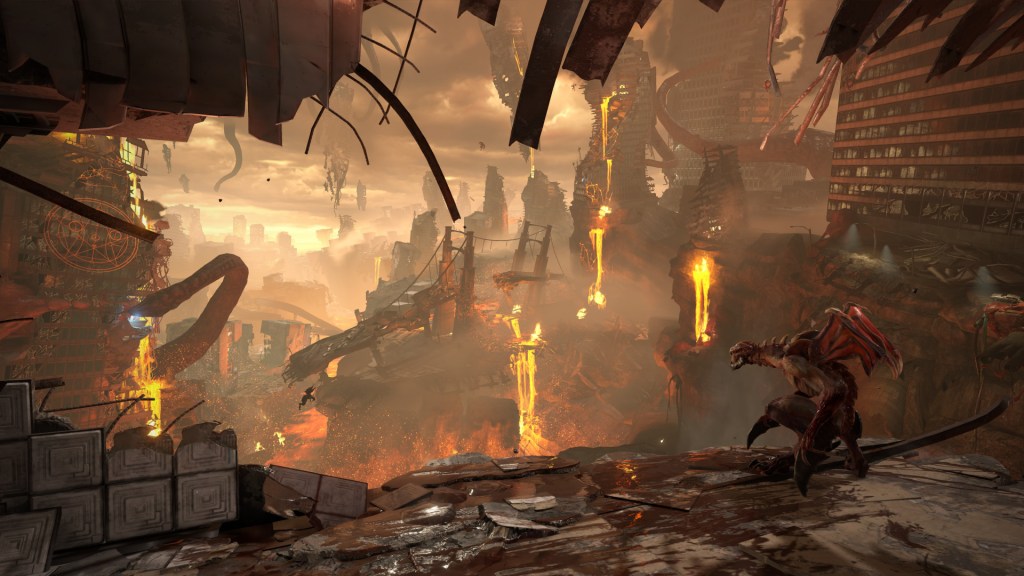
Additionally, every major enemy has a weakness. What’s interesting is that these weaknesses not only do bonus damage, but the reduce the threat level of the demon as well. For example, you can disable the turret on Arachnotons, or blast off the flamethrower from a Mancubus. I really love this aspect of the game as it encourages, but doesn’t necessitate, intelligent use of equipment and well-placed shots. You could just brute force encounters by gunning down demons with the weapon of your choice, but you will be better off constantly swapping between guns to exploit each enemy’s weakness. This makes combat encounters intense and engaging, even after playing for a dozen hours.

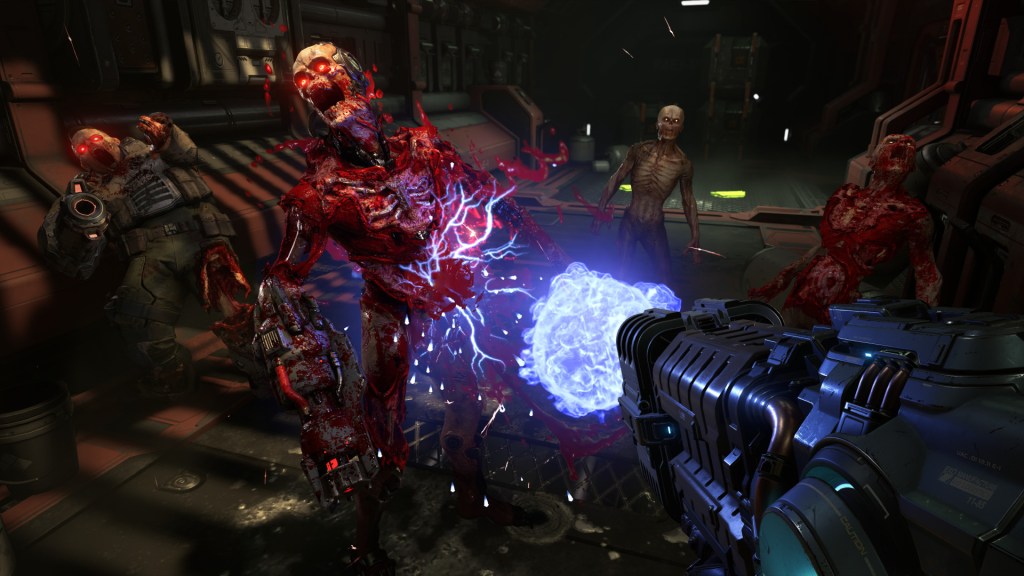
Intelligently making use of the tools at your disposal is the key to success in Doom Eternal. Keeping track of cooldowns on the chainsaw and flamethrower is vital to staying topped up on ammo and armor. Grenades are useful for crowd control when you’re overwhelmed. Each weapon has its use. The minigun is great for sustained damage, the plasma gun makes enemy shields explode, the assault rifle is good for long range engagements and sniping enemy weak points. My favorite was the super shotgun which dealt high burst damage and had a grapple hook for mobility.

Additionally, Doom Eternal has tons of upgrades to augment your play. Most importantly, each weapon has two attachments, and those attachments can be upgraded for additional effects. Truthfully, I was kind of overwhelmed by the sheer volume of upgrades and effects that were present in Doom Eternal. Not only do weapons have upgrades, but there are also suit upgrades, equippable runes, and shards that have unique effects. By the midgame I had gotten comfortable with all the systems in the game, but the first few hours felt like a barrage of informational pop-ups for all the various systems that the game offers.

Many of the resources used for upgrades can be acquired just through naturally playing the game, but Doom Eternal utilizes its downtime to fuel the hunt for more upgrades. The combat is so intense that it’s critical to provide a breather for the player. After clearing an arena full of demons, there are usually hidden items that can be spent on upgrades. While it’s not the focus of the game, I did appreciate that there were some elements of exploration, platforming, and light puzzling to break up the straight up insanity of the combat of Doom Eternal. Even better, if you want to just focus on the combat, you could easily completely ignore most of the game’s other elements and just progress from combat arena to combat arena to kick some ass.

One element that I was not impressed with was the story and lore. Obviously, the story should not be an important aspect of any Doom game. And that’s fine. But there’s a surprising amount of cutscenes and info dumps that spew a confusing story at the player. I felt like the game is attempting to establish some deep lore, but it felt incredibly out of place. Luckily, you can skip cutscenes and not read any of the lore documents. Regardless, Doom shouldn’t spend so much time on its narrative elements.

Overall, Doom Eternal is an absolute thrill to play. It’s an evolution of the run and gun style of play that Doom (2016) introduced. It’s faster, more difficult, and requires more foresight and strategy. It’s the perfect game to rip n’ tear. It is for these reasons I give Doom Eternal a 9/10. If you’re looking for some high-octane demon-blasting action, look no further than Doom Eternal.

Resident Evil (1996)

The genre of survival horror has become synonymous with Resident Evil. It is one of the most storied and recognizable franchises in video games. But I had never played or engaged with any of its numerous titles in any way. With the recent resurgence and renaissance of Resident Evil, I figured I had a unique opportunity to experience not only the series, but survival horror as a whole. I could take a journey through the life and evolution of the genre. Starting with its genesis in 1996.

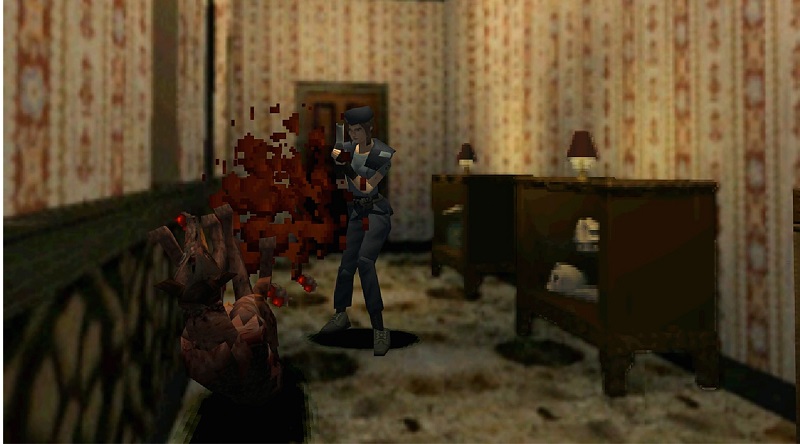
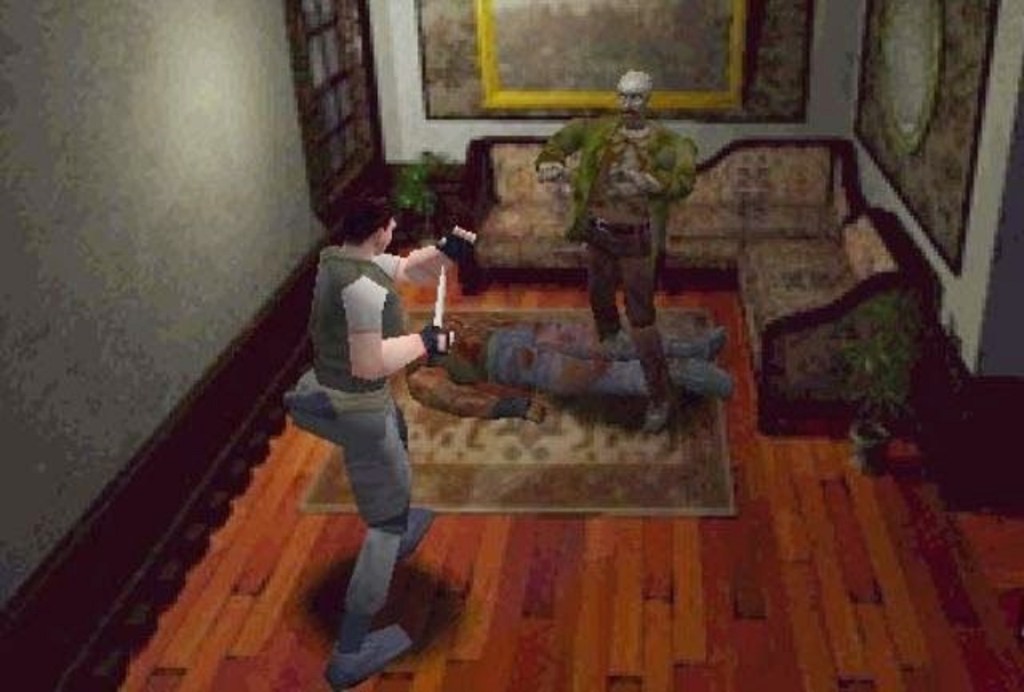
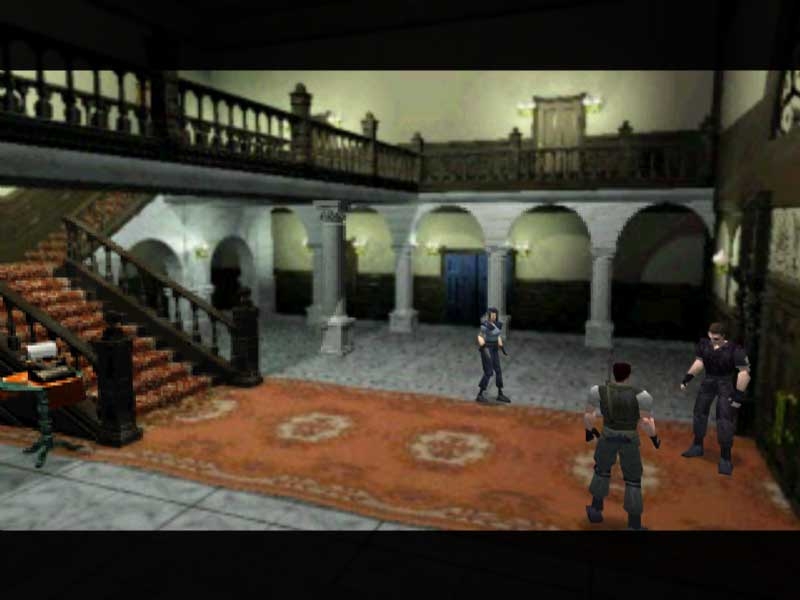
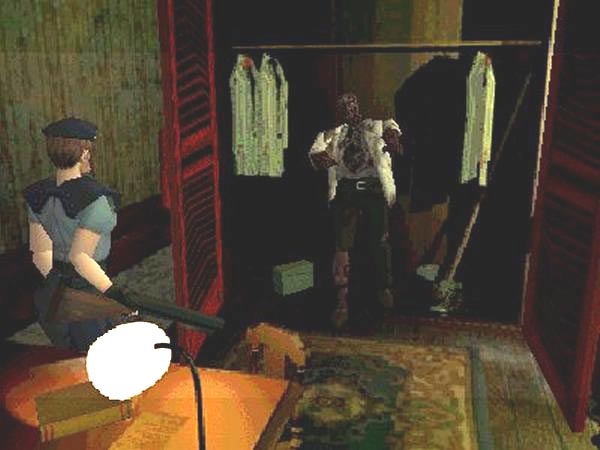
I was surprised how engaging I found Resident Evil to be, despite its age. The mansion is a terrific environment to explore. Every room is full of secrets that you have to probe for. It’s a labyrinth that you must delve deeper and deeper into if you want to escape. It’s a giant escape room filled with zombies and other horrific creatures. Resident Evil mastered the feeling of tension. Simply walking down hallways or dealing with a single enemy is a stressful affair.

The inventory system plays a large role in the tension. Even playing on Easy Mode, the player only has 8 inventory slots. You have to juggle numerous items such as your weapons, ammo, medicine, herbs, and key items used in puzzles. You can’t drop items, so you should almost always have a free slot or two open in case you find valuable items. The reason this system provides so much tension is that you have such limited resources at your disposal.

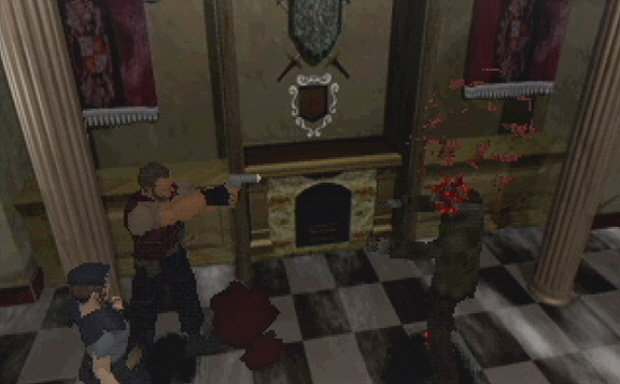
Ammo and healing items are relatively sparse. Zombies are threatening as they can deal massive damage if they latch onto you. Every time you encounter an enemy you are given a choice: fight or attempt to dodge. Fighting is a surefire way of making it through without taking damage, but ammo is precious and you could find yourself in situations where you run out of ammo permanently. Dodging enemies is risky, as you could get caught and sustain immense damage. The limited inventory also means you can’t carry everything with you at once, so you have to make strategic choices have how many healing items and weapons you want to bring.

You can only save in designated safe rooms, and depending on which version you are playing, it also requires a limited item to save. Having limited saves means you are less likely to save at every opportunity. Which then means that dying will set you farther back as you are saving less often. This contributes to the feeling of tension and danger as you explore the mansion. It’s a constant balancing act of risk and reward. Will you play on a knife’s edge to preserve resources, but risk dying and facing a massive setback? Or will you engage in combat to guarantee your safety but risk running out of ammunition for later scenarios?

Part of the reason why avoiding zombies is so inherently risky is the control scheme. Resident Evil utilizes tank controls, a system that is antiquated by modern standards. In this scheme, the player controls the character relative to the character’s position rather than the camera. This definitely takes some getting used to, and I still didn’t feel 100% comfortable using this system even after completing the game. But tank controls are necessary when you consider that Resident Evil uses a fixed camera system.

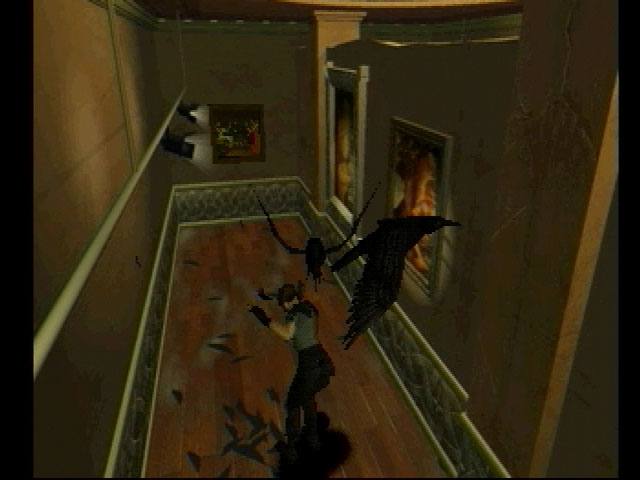
The player does not control the camera. Instead, every room has a few preset camera angles that get swapped between depending where you are standing. Tank controls are almost a necessity when using fixed camera angles, because holding forward will still move your character forward regardless of the camera angle. It would be awkward and jarring to have a movement system based on the relative position of the camera when the camera is swapping angles constantly. The benefit of using fixed camera angles is that it allowed for more detailed backgrounds as they can just be static images rather than rendered environments. Additionally, Resident Evil utilizes its camera angles to hide enemies around corners, leading to additional tension and caution.

Despite it being the first survival horror game, I did not find Resident Evil to be that frightening. And honestly, I’m pretty easily scared when it comes to video games. There were times playing Subnautica or even Outer Wilds that I was petrified of progressing forward. The primary reason that I did not find Resident Evil to be scary lies in the difference between horror and terror. Resident Evil relies primarily on horror. Horror being the shock and revulsion of seeing zombies, giant spiders, snakes, and other creatures.

Terror is a stronger emotion that horror. The initial shock of seeing something horrifying wears off. But the deep-rooted anxiety and unknowing of terror never lessens. It’s hardwired into humans as a survival trait. Resident Evil does have its terrifying moments, like when you enter new areas or have to turn a blind-corner knowing that a zombie is waiting for you. But more than terrifying, I would describe Resident Evil as tense. Navigating the cramped labyrinth of the mansion is stressful. Trying to figure out how to escape while backtracking through narrow hallways is tense because a single enemy can be devastating.

While horror isn’t something that always resonates with me, it’s only fair to mention that Resident Evil is ancient. I wasn’t particularly revulsed by most of the enemies, and I believe a lot of that has to do with the dated presentation. Zombies or giant spiders aren’t particularly scary when you can count how many polygons they are comprised of. The game looks great for its era, but I found it difficult to be truly immersed and horrified by its dated visuals.

Another aspect of Resident Evil that feels like it’s a product of its time is the writing and voice acting. It can be hard to take the cutscenes and story seriously when it feels like a low-budget horror movie where the actors were hired off the street. More often than not, the story sequences are comedic. The voice acting is so bad that it feels like an intentional parody. The overarching plot is decent mechanism to provide context of the mansion and its secrets, but I never felt drawn to keep playing for the story.

Despite its age, I greatly enjoyed playing Resident Evil. While many of its systems today feel dated, they all work in harmony to provide a cohesive experience. In a world of action games, it’s refreshing to play a game where even the most basic of enemy is a real threat. While I did not find Resident Evil to be very frightening, it certainly was tense. I’m excited to play the rest of the series and see how it progresses over time.

Inscryption (2021)

You are trapped in a dark cabin in the woods, playing a game of cards that determines your fate. Inscryption blends a multitude of genres to deliver a game that you never know where it will lead next. Tension permeates the experience as you attempt to unravel the dark secrets hidden within. Inscryption is a truly unique experiment, and it all revolves around a simple card game.

In every act of the Inscryption, you will be playing some variation of the titular card game. The card game itself starts remarkably simple. Whoever deals five damage more than their opponent first, wins the game. Cards have the basic stats like attack and defense, as well as special abilities. It’s all straightforward and easily understood by anyone vaguely familiar with trading-card-games. While I appreciate that the game starts simple and gradually gets more complex, I also think that it is almost too easy to find the winning strategies that almost guarantee success.

You sit across from a mysterious and deranged figure, who sets up tabletop adventure in which you traverse encounter to encounter playing cards. As you defeat his scenarios, you are also given the opportunity to improve your deck. Gaining new cards, adding stats to existing cards, combining cards of the same type, or sacrificing a card to give its ability to another card are some options that you may encounter.

Once I understood the basics of the game, I found it a bit repetitive. It’s pretty easy to leverage events to power-up a single card or two that let you win each round almost immediately. The central card game is just too simple. I never felt like I was building a coherent deck that relied on a synergistic strategy. Instead, I almost always found myself making use of totems to boost the ubiquitous Squirrel card, as it was needed as the foundation to summoning any other creature. After that, I just needed to stall until I drew one of my boosted cards to wreak havoc.

The game was designed this way on purpose, you unlock powerful boosts, items, and cards after playing a few rounds. It becomes difficult to lose without a blundering horribly. The game was intentionally made easy so the player can progress the story. But when the central mechanic is playing cards, and I master the card game after only completing 25% of the game, the following 75% can get a bit dull. The game does mix up the decks periodically throughout the course of the experience, which is a welcome change to keep things fresh.

While I found the card game itself to be a little too simple, there is more to Inscryption than playing cards. You can explore the claustrophobic and dingy cabin, interacting with objects in hope that they will help you escape. This was the strongest aspect of Inscryption. The atmosphere and anxiety of playing cards when you are trapped. Every draw, every move, every decision brings you closer to being a victim. Your only hope is to use the cabin’s secrets to your advantage.

The card game pairs well with the atmosphere. It’s designed to be tense, to be played on a knife’s edge. The metallic tinker on the scale as you take damage is chilling feedback that you are a single mistake away from having your candle blown out. The nature of sacrificing cards to summon more powerful ones means you are always careful about what cards you are playing, as momentum plays a pivotal role in keeping your side of the board healthy. In the most desperate of situations you can utilize items, many of which have horrifying implications. Even though I knew it was just a game, I always felt a sense of revulsion whenever I used a pair of pliers to rip out a tooth to add a point of damage to the scale.

Inscryption is cloaked in layers upon layers of metafictional storytelling and genre switching. The nature of the game slowly reveals itself as the player progresses. In an effort to remain spoiler free, I will not delve deep into this aspect of Inscryption. I enjoyed going down the rabbit hole of Inscryption and revealing the deep dark conspiracies within.

Uniqueness is becoming more and more of a virtue as I play games. The ability for a game to be different. To be weird. To experiment. Inscryption is that kind of game. It may not have the best deck-building or card game mechanics, but the context around that simple card game is what breathes life into Inscryption. It is for these reasons I give Inscryption an 8.5/10. If you are even vaguely interested in Inscryption, don’t read or watch any more about it and play it for yourself.