Tchia (2023)

Tchia is a love letter to New Caledonia. From the outset it is obvious that the developers wanted to share the culture, music, landscapes, and peoples of this Pacific Island. Tchia is a heartfelt adventure with a variety of small gameplay elements that contribute to the greater whole. While no aspect in particular is remarkable, I had a good time just exploring the island and messing around with its various ideas.
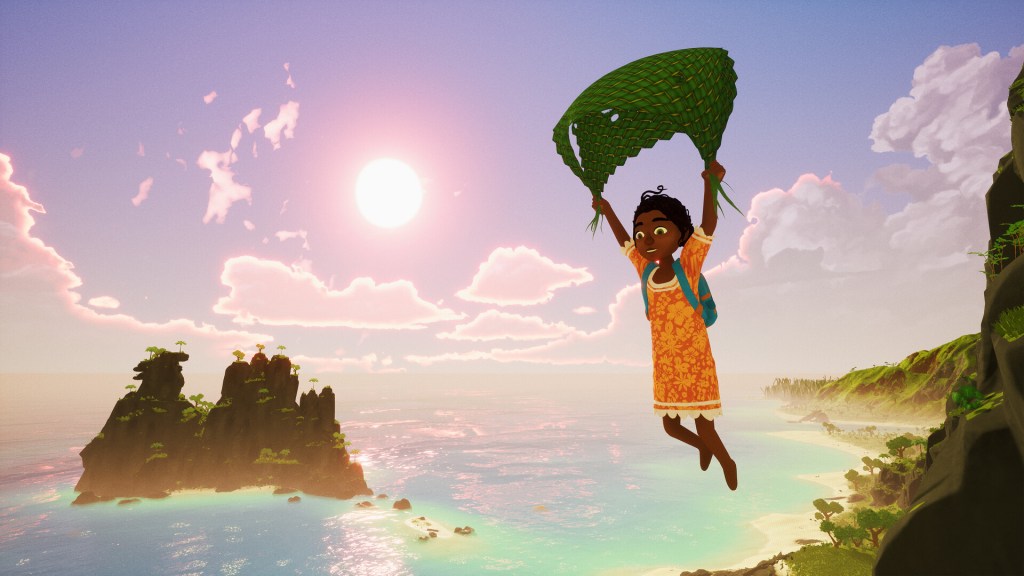
The game follows the story of a young girl who lives on a tiny island with her father. When her father is kidnapped by a local warlord, the girl realizes that she has a special power to briefly possess objects and animals. You play as the titular girl as she sets out to rescue her father. The story itself is cute as you get to visit a bunch of small towns and peoples as you make friends. Every group you meet is seemingly accompanied by a jam session on your trusty ukulele. 

Interestingly, the story takes a pretty dramatic tonal shift about halfway through as you start to learn more about the backstory and villain. While the main character and setting remain cheerful, the narrative gets pretty dark and disturbing. Honestly, I enjoyed this dramatic shift as it will forever stick out in my mind as opposed to if the game remained 100% wholesome for the entire duration.
Tchia is first and foremost an open-world exploration game. While I’ve grown a little exhausted from these types of games, I think Tchia still manages to be fun because it is a more compact experience. The map is small and the game is short. While the game crams in a ton of side activities and points of interest, I didn’t feel obligated to do them all. I stuck to the stuff that I enjoyed and things that happened to be on the path where I was going.

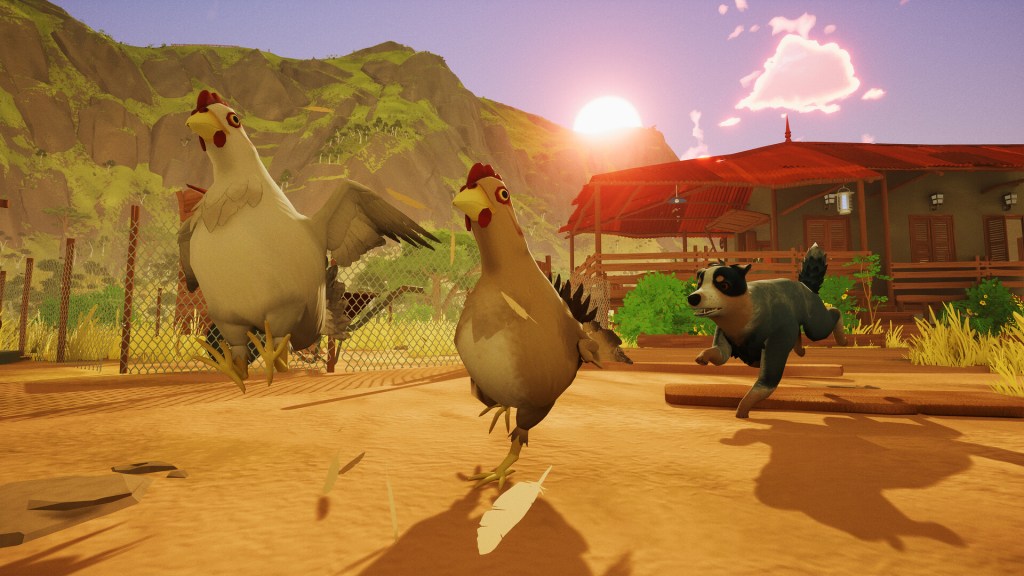
The main gameplay hook is the possession mechanic. You can briefly possess any animal that you come across as well as a handful of inanimate objects. The animals behave as you would expect, and you can fling the inanimate objects as a projectile as you release your possession. The animals are fun to mess around with as they are mainly used for traversal. The islands are small, but the main character is quite slow. Possessing a bird, a deer, or a dolphin to get around greatly expedites exploration. Some animals such as the crab or dog have special uses for puzzles to snip and dig for treasure. 
The other place where possession comes in handy is combat. There isn’t much combat in the game, but there are a handful of enemy camps spread around. The enemies are made of possessed cloth, so your main form of attack is to launch objects such as oil lanterns, explosive rocks, or flaming branches at them. The smaller enemy camps are a bit of frantic fun as you quickly swap between possessions and take out enemies on the fly. The bigger enemy camps at the end of the game are a bit tedious as you end up having to wander around for a while to find any opposition and oftentimes there isn’t any flammable material nearby to possess. I had to carry around a ton of explosive rocks in my backpack to take out for these occasions but it just wasn’t as fun as looking around and possessing objects strewn about the camps.

Aside from combat, Tchia has a handful of mini-games and challenges to play with. There’re timed races with different animals, shooting galleries with your slingshot, musical rhythm sections using the ukulele, traditional platforming, stealth, acrobatic diving challenges, claw machines, boating, and photography. There’s so much variety here that it’s hard to feel bored of any particular element. None of these gameplay segments are revolutionary or amazingly executed, but they are fun enough to fuel exploration.
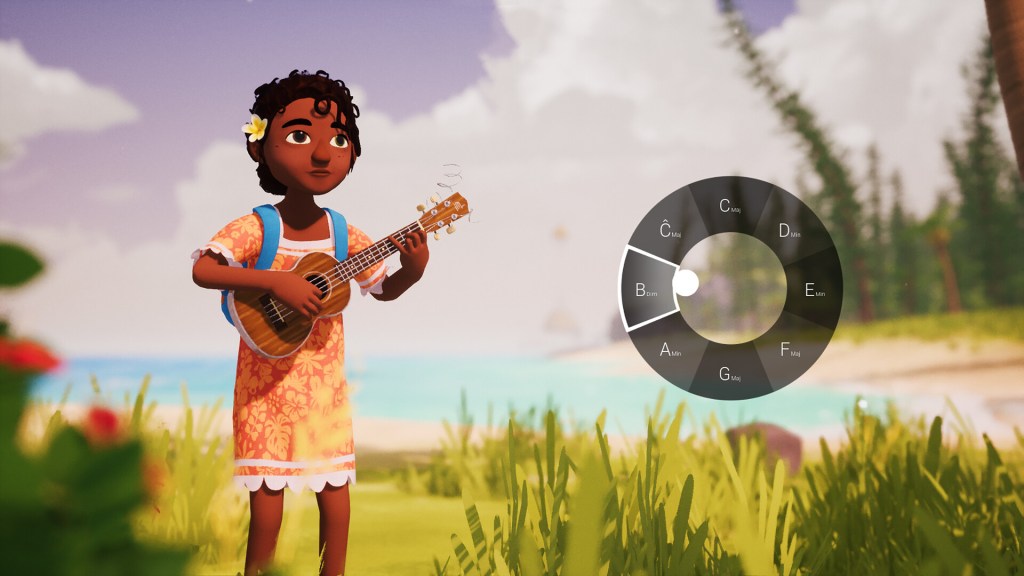
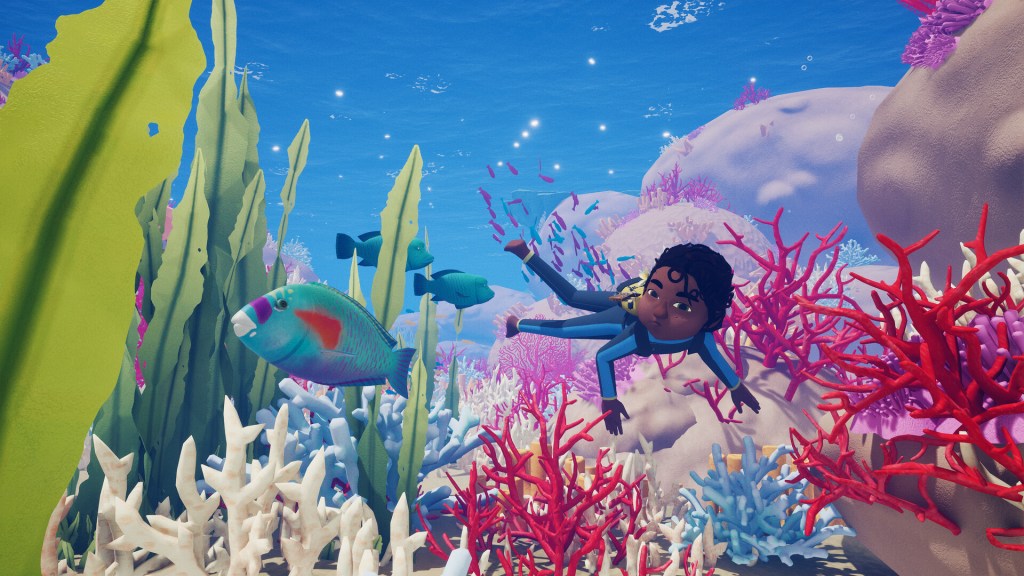
Exploration is the core of Tchia. Whether you walk, boat, or possess a bird to get around there is a beautiful island to discover. Aside from possession, the main form of traversal is similar to that of The Legend of Zelda: Breath of the Wild, stamina-based climbing and gliding. Between the mountains, crispy blue waters, dense jungles, and cozy towns there is a real natural allure to the environment. As I previously mentioned, the world is absolutely packed with collectibles and challenges if you want to engage with those. One aspect of exploration that I enjoyed was that there was no constantly-updating reference point on the mini-map. You had to infer where you are based on landmarks and directional knowledge. This was nice as it lets you appreciate the environment and look for ways to discern your location rather than relying on a 2D projection.

Part of what makes Tchia so charming is its dedication to New Caledonia. While the world of Tchia is fictional, it bases itself heavily off of the people, culture, and landscapes of New Caledonia. It is a place that I barely knew existed, and now I find myself researching its history and culture to learn more. Everything in the game pays homage to the culture in a respectful way. It doesn’t feel like it’s just using the setting as a backdrop, but rather it’s really immersing the player in the way of life of New Caledonia’s people.
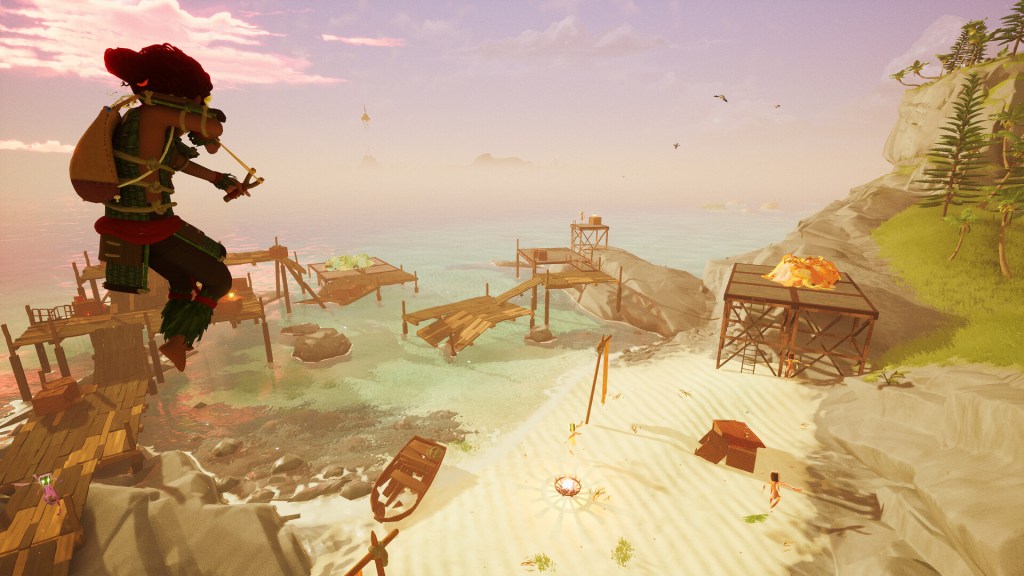
As far as performance goes, Tchia is serviceable. I personally didn’t run into any bugs, frame-rate drops, or slow loading times. Graphically, however, Tchia isn’t the best game to look at. I love the environments and setting of the game, but the hyper-stylized art style looks a little too generic and cartoony. The character models in particular look off to me. I am usually an advocate for stylized art styles as opposed to hyper-realistic graphics, but the art style of Tchia just feels outdated and worn-out. All that being said, I don’t think it’s a huge detractor from the game considering that the environments still look nice.
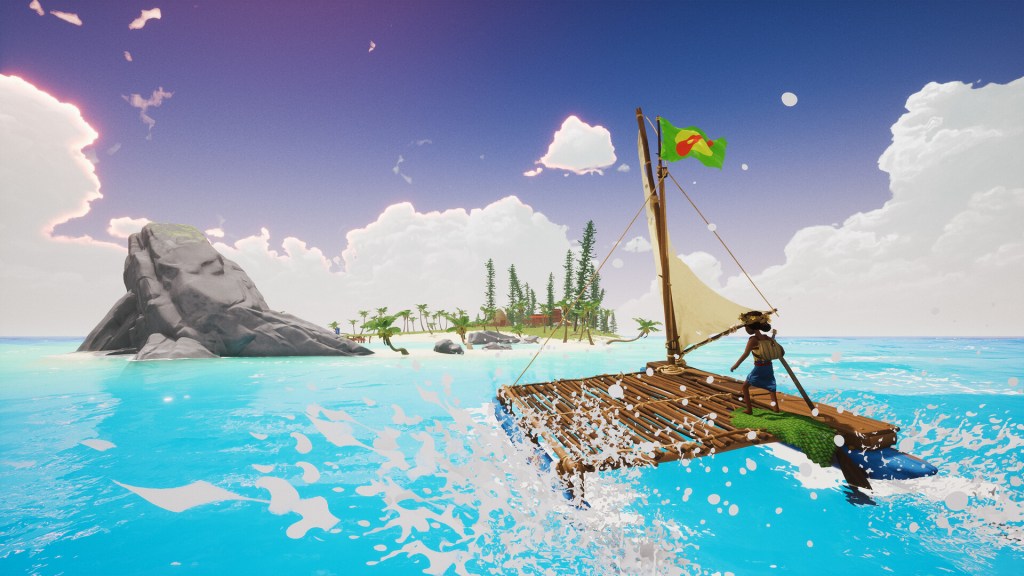
Tchia isn’t anything revolutionary, and that’s ok. If you are exhausted of open-world exploration games, Tchia isn’t for you. But if you do want a charming trek through a small-but-dense island then Tchia does have a lot to offer. There’s a ton of variety in the activities and mini-games to play with. The heartfelt homage to New Caledonia is what really makes the game standout, as it lets us have a window into a culture that most people are entirely unfamiliar with. It is for these reasons that I give Tchia a 7/10. It didn’t blow me away with new ideas or mechanics, but it was a much needed relaxing and wholesome adventure.
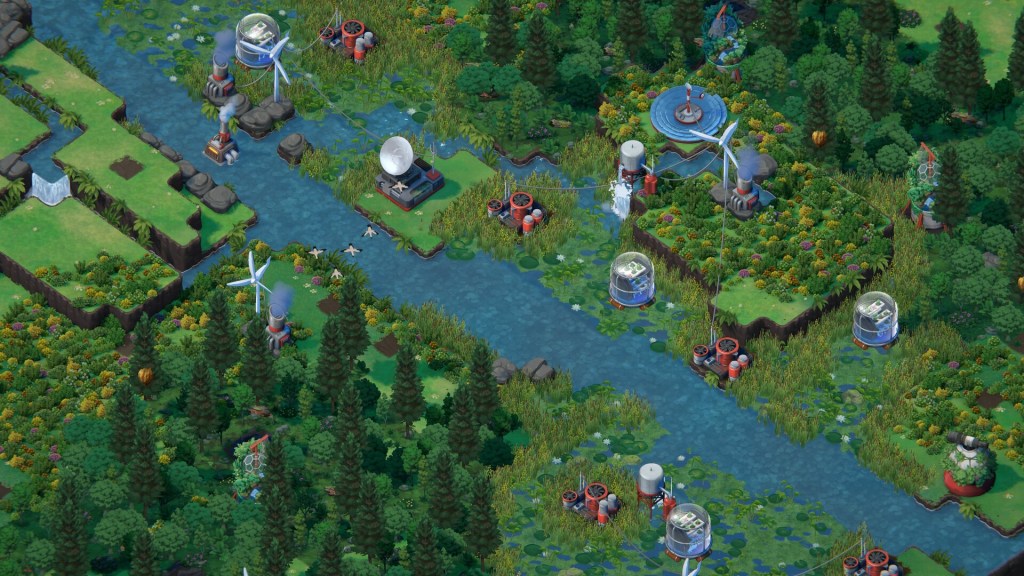
Terra Nil (2023)

City builders are a genre all about optimization. Laying out districts and infrastructure in a logical manner is necessary to grow into a bustling metropolis. Terra Nil is labeled as a reverse city builder, you aren’t tasked with building sprawling cities. Instead, you have to cleanse a planet that has been ecologically destroyed. It’s not a game about careful planning or building, but of restoring the planet to its natural state which can be messy and unorganized. I liked what Terra Nil was trying to do, but I felt like it was missing something. 

The concept of Terra Nil is superb. It not only is a game about cleaning up the devastation caused by humanity, but emphasizes this idea as a genre reversal of city builders. In city builders you often are searching for ways to optimize your city, exploiting every resource and inch of space that you have to support endless growth. But in Terra Nil you don’t have to be optimal. Everything that you build is a temporary fixture meant to restore the ecosystem and will be eventually recycled.

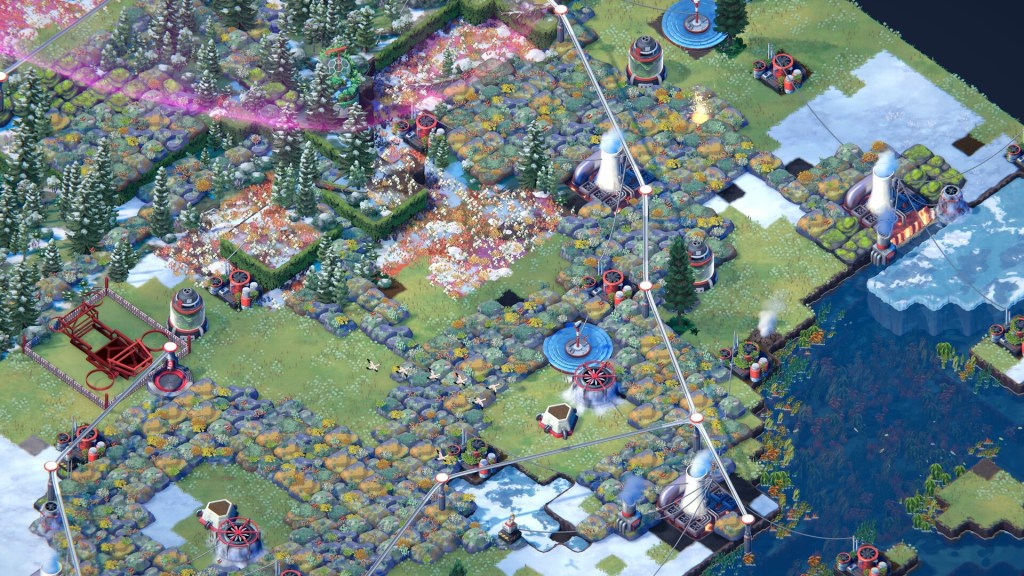
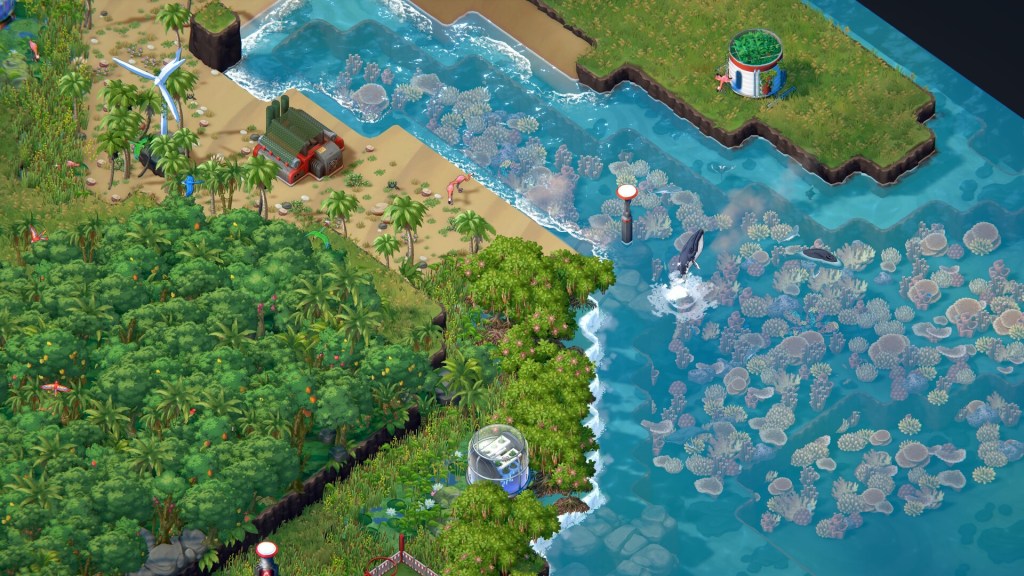
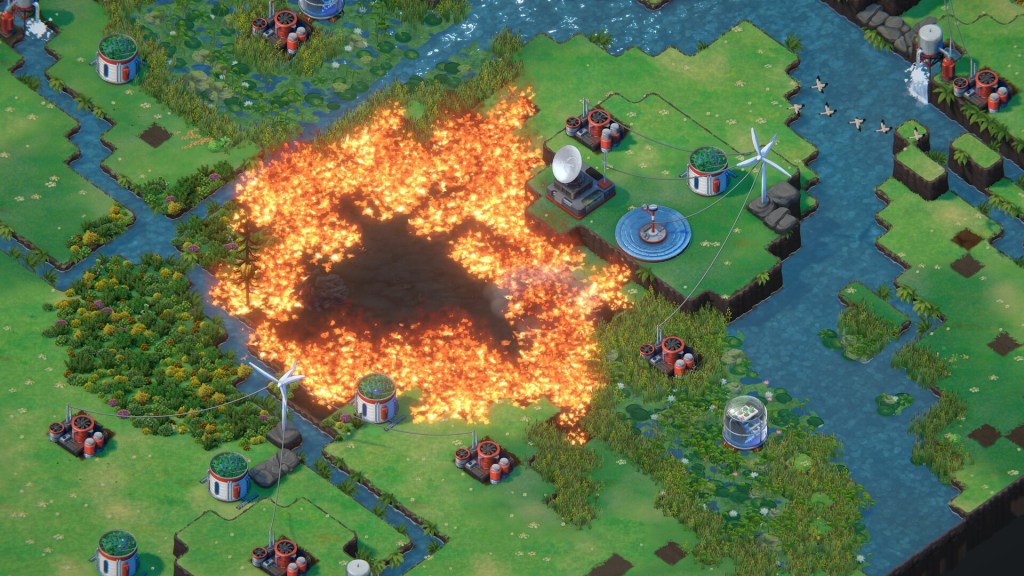
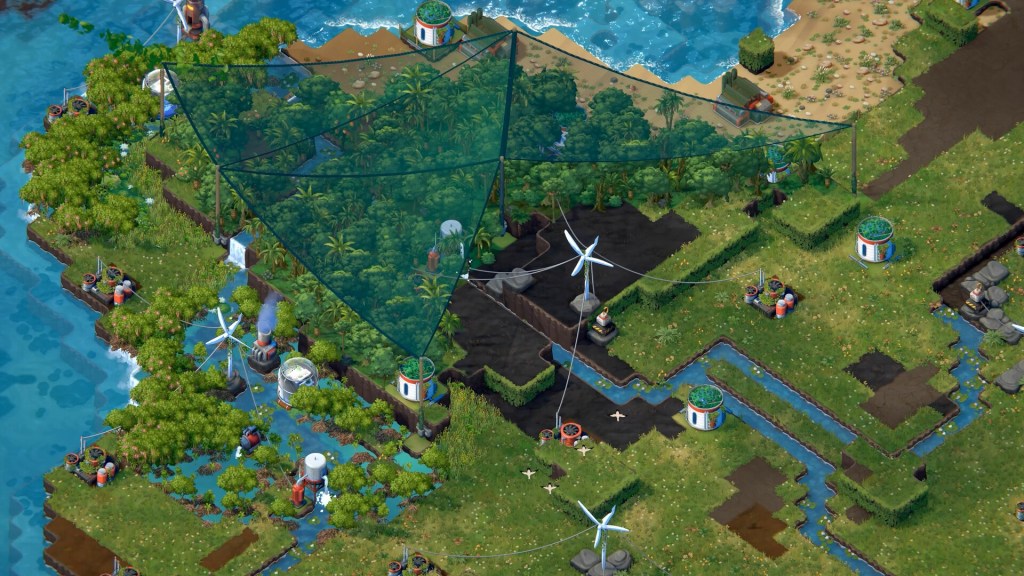
Restoring nature in Terra Nil comes in stages. When you visit an area, your initial goal is to generate some electricity through windmills and other renewable energy sources to power toxin scrubbers to rid the land of chemicals. The next stage is where things get more interesting. You begin to seed forests, rivers, wetlands, tundra, jungles, and whatever other biomes are appropriate for the part of the world that you are working in. There’s a bit of a puzzle element to this, as each biome has requirements to thrive such as needing certain levels of humidity, elevation, or access to water. Some even require you to do a controlled burn to enrich the soil before planting.

The biome planting phase is definitely where the game shines. You have a single resource: a pool of points to spend on buildings. You get additional points fairly rapidly as your biomes grow. Moreover, you get extra points for completing certain tasks like reaching certain temperatures or humidity levels through weather manipulation. I quite enjoyed these little side tasks not just because they gave points, but also because they had a visual effect on the world such as dragonflies and algae showing up in the wetlands. Rain is the first major milestone in any area as it cleanses any remaining polluted land. Watching as the desolated land slowly transforms into an ecological paradise of different biomes is immensely gratifying. It’s pretty simple but there are light puzzle and strategy elements to plan where you are putting the buildings and biomes.

Once your biomes have been created, identifying where wildlife can thrive is the next step. There’s a handful of species in each area that you are supposed to find, you have to scan small areas that match that species’ habitable requirements. I think this part of the game can be a little tedious as there is a lot of guesswork to figure out what each requirement is. It also can be a bit finicky even when you know the requirements as the radius of the scan is fairly small and it has a lot of trouble when certain species require multiple biomes or a food source. I loved watching animals be reintroduced to the ecosystem, but mechanically it was a bit unsatisfying. 

Finally, after you are done planting biomes and identifying fauna it is time to pack up and leave for the next area. You absorb every building into recycling pods and setup collection systems to pick up those pods. In some areas you set up pylons and ziplines that connect to one another and collect the pods from there. In areas with more water, you send out little drone boats that will pick up the recycling pods. It’s a pretty straightforward phase of the game. While I did like cleaning up after myself and fully getting rid of all the buildings to let nature take over, the recycling phase is mechanically just a little barebones.

Being mechanically simplistic is one of the biggest hesitations that I have with Terra Nil. Most phases of the game don’t require much decision making or problem solving, just following a series of predefined steps. The biome creation phase is definitely the most engaging part of the game as you have some decisions about how and where you will attempt to create the biomes. But every other phase is just… too rigid. I don’t think that it is an inherently bad thing to have simpler games. I understand that one of the design philosophies of Terra Nil is to be Zen. But I would’ve liked to see at least some more expression and decision making afforded to the player during the cleansing, fauna, and recycling phases.  

That’s not to say the game lacks difficulty. I wouldn’t say it’s a challenging game, but it is possible to run out of points and fail in the 3rd and 4th zones. But once you get over the initial hurdle then you are simply playing out the scenario without much thinking needed. I don’t think the game needs to be more challenging, as it does offer different difficulty options and running out of points is a real issue in harder areas. But depth doesn’t necessarily have to be difficult, Terra Nil does lack depth.

While most phases of the game lack depth and freedom, I will say I was impressed with the variety provided by the different zones. There’re 4 main areas, each with 2 scenarios to play. Aside from having their own unique biomes and fauna, you have to contend with different methods of power generation and terraforming. You will be creating new land in the tropical archipelago, restoring glaciers in the tundra, and repurposing building foundations in decaying urban centers. Terra Nil is on the shorter side, but I am glad that they didn’t repeat the same ideas over and over.

I played the game on the Nintendo Switch and while I was happy that it was available on the platform, I had some noticeable performance issues. Obviously, the Switch is not a computing powerhouse but I did not expect Terra Nil to require a powerful console. Loading screens took a long time, the game crashed once or twice, but the real complaint that I have is that graphical quality is just not great on Switch. This is not meant to be a complaint against Terra Nil, I just wish I knew beforehand that it had a major visual downgrade on the platform. Part of the appeal of the game is watching the beauty of nature as it blossoms, which didn’t look as crisp as it should have on Switch. I recommend getting this game on PC or a more powerful console for a better experience. 

Terra Nil succeeds in being the Zen reverse city builder that it set out to be. City builders that demand optimization and ruthless resource utilization are fun, but I enjoyed seeing the reversal of that genre. The quick turnaround of desolate wastelands to thriving ecosystems was fantastic. I wish that most of the phases of that transformation were more mechanically engaging. It is for these reasons that I give Terra Nil a 7/10. If you approach Terra Nil as an ecological Zen Garden, you will have a great time. If you are looking for depth or intertwined gameplay systems you may be let down by its simplicity.

Super Mario RPG (2023)

Turn-based RPGs are often some of the longest video games that exist. They can easily exceed dozens of hours, if not hundreds. I’m often put off from many of these games as I feel they are bloated with repetitive content and grinding. But Super Mario RPG is the rare case of an RPG that went in the opposite direction. It’s an intentionally short and sweet experience. You move so quickly through the zones and dungeons that there’s no chance to be overcome by tedium. It’s a game that relies on novelty rather than a grandiose story and scope.

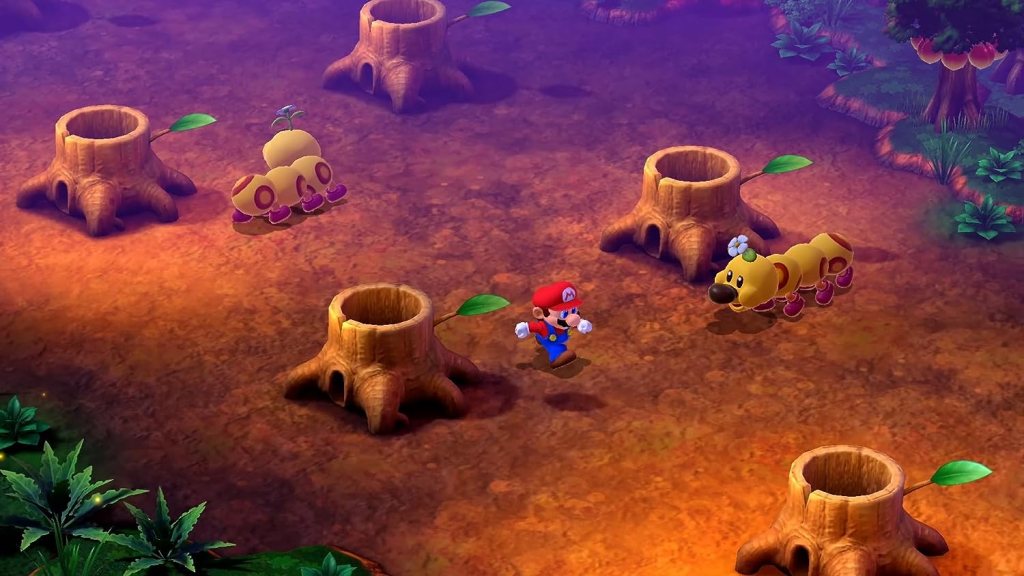
Super Mario RPG is a wacky game. There’s plenty of goofy characters, ridiculous situations, and slapstick comedy. While many RPGs focus on slowly building up an ever-escalating story, Super Mario RPG moves at a breakneck pace through silly scenarios and never gets tiresome. A giant sword has fallen from the sky and destroyed Bowser’s castle and the army of sentient weapons is threatening to steal all the Star Pieces to prevent any wishes from coming true. It’s not a super engaging story, but it is helped by the characters.

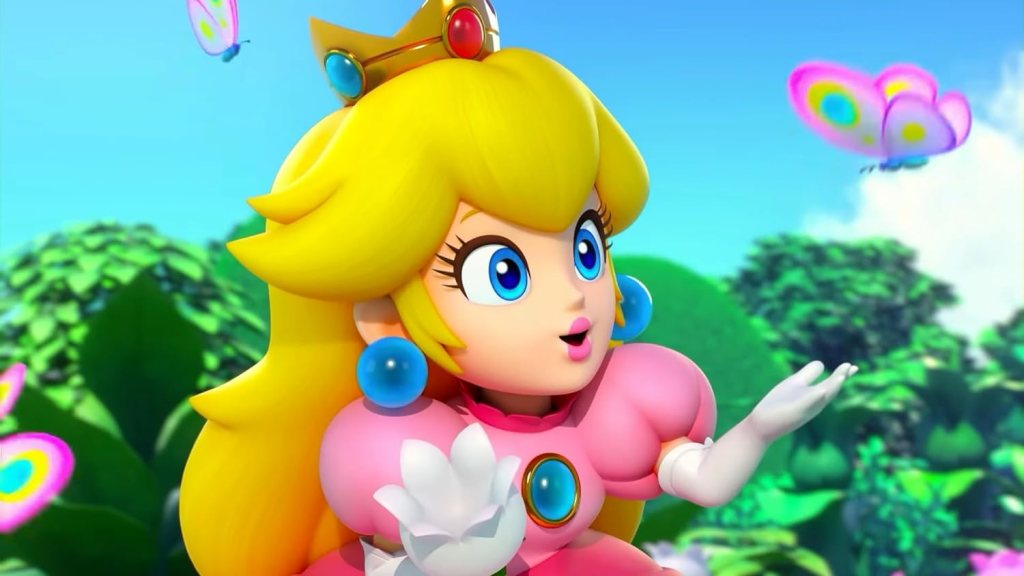
There’s a ton of unique characters introduced in Super Mario RPG, the main ones being Geno and Mallow. Geno is a stalwart spirt from space that inhabits a wooden doll, while Geno is a young emotional cloud who was adopted by the Frog Sage. Bowser also gains his signature braggadocious personality as he assists Mario and company on their journey. While the story itself won’t keep you on the edge of your seat, the characters and their goofy interactions makes the adventure far more charming. After playing this game, I hope that Nintendo allows future RPGs set in the Mario world to create new characters, as that bizarre decision something that has been holding back the Paper Mario series for years.

The biggest strength of Super Mario RPG is just how snappy everything is. From the story, to the progression, to the battles. The battles in particular are a blessing. First and foremost, there are no random encounters. You can just walk past enemies that you don’t want to deal with. Despite being turn-based, the battles themselves are remarkably fast-paced. Animations and text boxes are snappy, health pools aren’t overinflated, and there isn’t too much fanfare that slows things down. I often get in and out of the easier encounters in 30 seconds to a minute.

Thankfully, this is not a game that you have to grind for experience to complete. I found that I naturally gained plenty of levels and equipment from just playing normally to beat the game. The game is definitely on the easier side, the only major hurdles are the bosses. I enjoyed the simplicity of basic bosses but I also appreciated when I had to use a little more strategy during the elongated boss fights. The combat is fairly basic, but I appreciated the simplicity of straightforward attacks and abilities.

One aspect that I enjoyed about combat in Super Mario RPG is that it is interactive despite being turn-based. By timing button-presses during tight windows of opportunity during animations you can increase your own damage or block damage from enemy attacks. I liked learning all the timings for the different weapons, abilities, and enemies. The game has a system that hints towards the correct timings if you miss it too many times, but the hint goes away once you start succeeding again.

Progressing through the game is absurdly fast. The game is maybe 12-15 hours long, but it’s crazy how many areas they crammed into the game. I never got exhausted in any zone as they just went by so fast. Every area has its own little story and characters like a typical RPG, but it doesn’t drag anything out. I think this is mostly to the games benefit, but some of the areas and towns I would have liked to spend a bit more time in. It’s hard to really get invested in any of the side characters, stories, or areas when you only spend 30 minutes to an hour there. Still, I’d rather be left wanting more than feel exhausted at the end of a game.

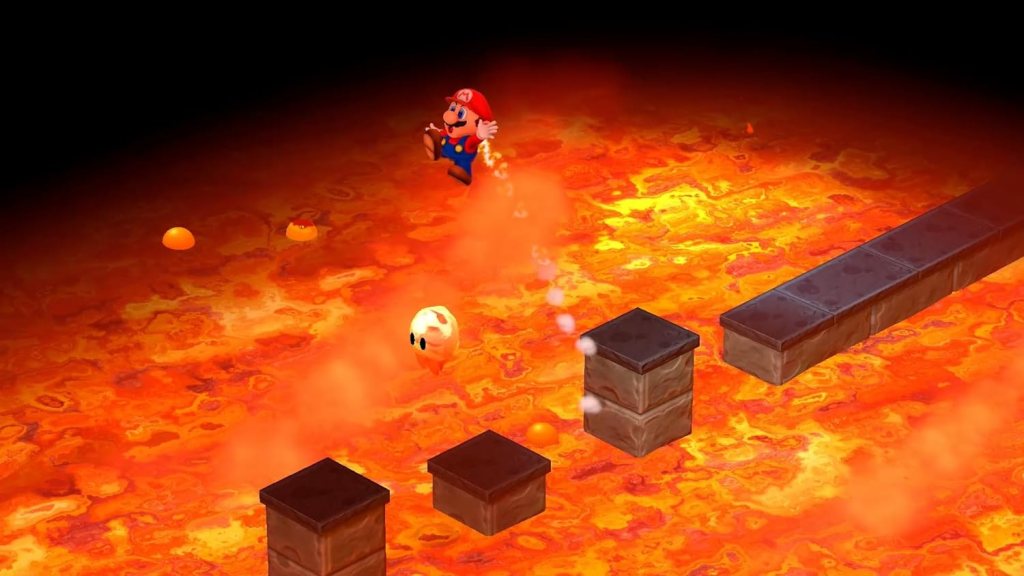
My only major complaint about Super Mario RPG is the janky mini-games and platforming. Many of the game’s side activities are mini-games such as Yoshi racing, minecart riding, or drifting down a river in a barrel. I think all these are all wonderfully fun ideas, but I never quite got a hang of them. They often feel like they go on for far too long and have underwhelming rewards. Anything platforming related in particular just felt awkward do the camera angles. 

I never played the original Super Mario RPG: Legend of the Seven Stars that this game was based on. However, from what I can tell Super Mario RPG is a fairly faithful remake. It added a lot of quality-of-life features like more frequent saves and being able to quick-swap party members. Additionally, the player has access to powerful special attacks after filling up a gauge as a reward for successfully timing attacks and blocks. I will say that while all these features are nice, they do make an already pretty easy game even easier. Personally, I didn’t mind the easier experience but perhaps more hardcore RPG fans might be let down by the lack of challenge.

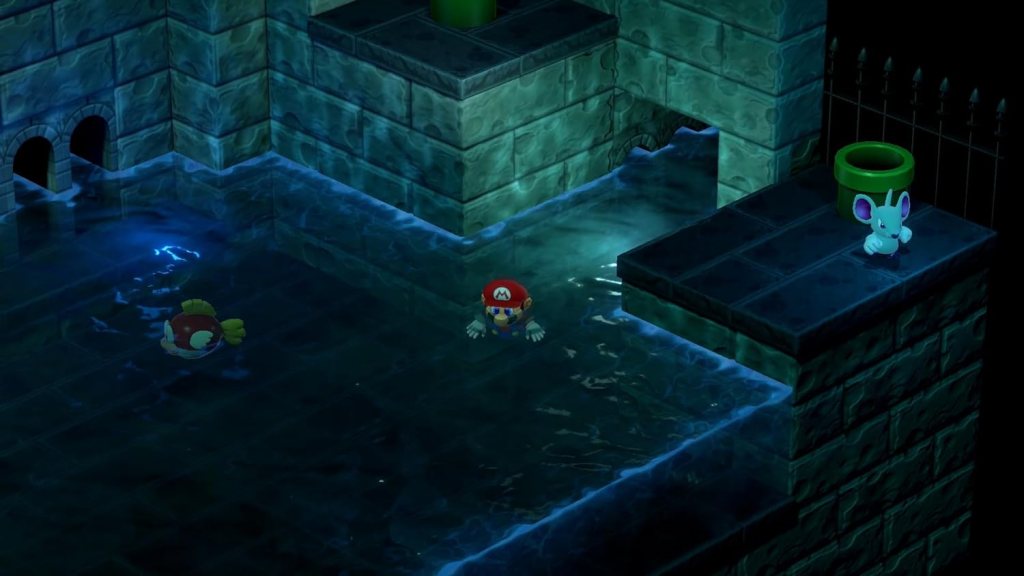
Aside from the quality-of-life updates, the most important change that the remake made was to the visuals. Super Mario RPG does a phenomenal job of modernizing the original art style while keeping its toy-like feel. The games vibrant visuals and bright color palette make it feel like a wonderland. There’s also a handful of cutscenes in the same style that look great.

Overall, I was pleasantly surprised by Super Mario RPG. It was a rollercoaster of goofy characters and classic environments. It’s not an RPG that you should reach for if you want a crazy story with twists and turns, but its smaller scope lets it speed through content at a breakneck pace. It goes to show that not every RPG needs to be a hundred hours long and that people can appreciate a more concise adventure. It is for these reasons that I give Super Mario RPG an 8/10. It’s not a grand adventure, but it is a fun one.

Pacific Drive (2024)

Pacific Drive is not what I expected it to be. And unfortunately, after playing the game, I can’t help but feel like the game I expected would have been better than the game Pacific Drive actually was. It’s certainly not a bad game. Pacific Drive does many things very well, and I hope other games take inspiration from its successes. But even aside from not being what I expected, there are some other major issues that I have with the game.

What I expected was an ominous road trip across the Pacific coast. I thought I’d be looking for bastions of safety to spend the night away from some sort of eerie threat as I made my way across the country. And that is the general idea of Pacific Drive. But instead of being a straightforward road trip with a start and destination, the game takes on a looping format. You plan a route from the safety of the garage, collect resources while avoiding sci-fi dangers, and then drive into a wormhole to return back to the garage where you can upgrade your car and tools. While the vibes here are immaculate and exactly what I expected, I found the roguelite looping structure to have a few aspects that I wasn’t a fan of. 

While Pacific Drive didn’t turn out to be exactly what I wanted, I can’t deny that the game does a ton of things right. First and foremost, I love a good safehouse and Pacific Drive has one of the best in gaming. After a stress-inducing journey I loved rolling into the shop to do some repairs on my car. There’s an ever-present checklist of tasks to accomplish: filling up the gas tank, charging the battery, healing up, restocking survival tools, organizing loot, swapping out beat-up car components, and spending resources to upgrade. It may be a little repetitive after a while but I feel like the calm and safe environment itself is the reward for a successful trip into the wild.

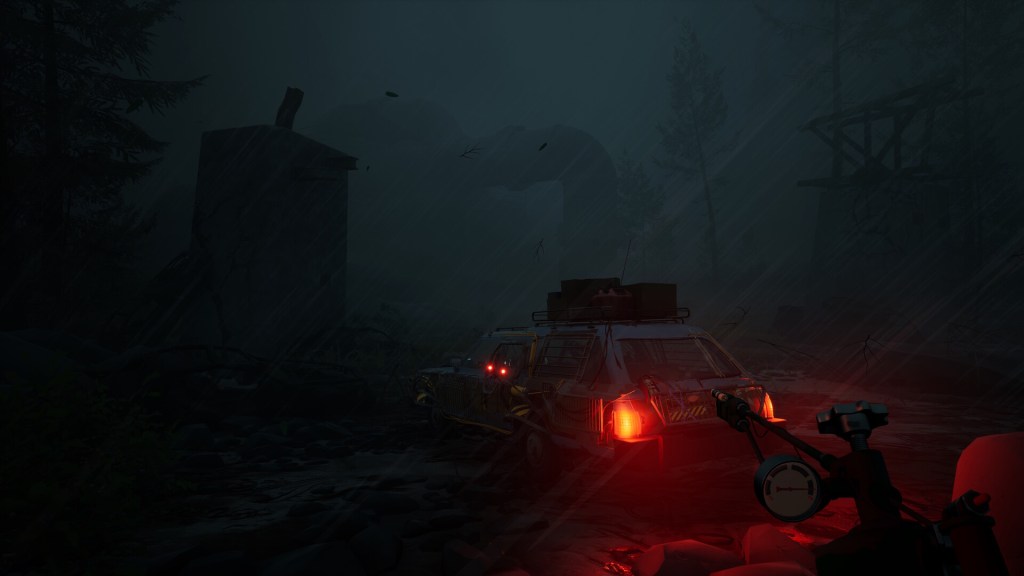
The car itself is an extension of the player’s character. It starts out as a piece of junk that can barely make it down the road without falling apart. But as you play you will unlock upgrades to the panels, doors, engine, bumpers, trunk storage, as well as being able to slap on some special additions. Going from a car that’s panels that are duct-taped together to a radiation-shielded vehicle with wind turbines on the side, extra batteries in the back, and a radar on roof is a satisfying progression. Driving in this game is wonderfully terrible. This isn’t a racing game, and you have to take care of your surroundings as it is easy to lose traction and slip down a hill and crash into trees and rocks. All the time you spend with your car, upgrading it, learning its ins-and-outs, mastering the driving, detailing it, and repairing it makes the car an excellent tool that you really feel attached to.

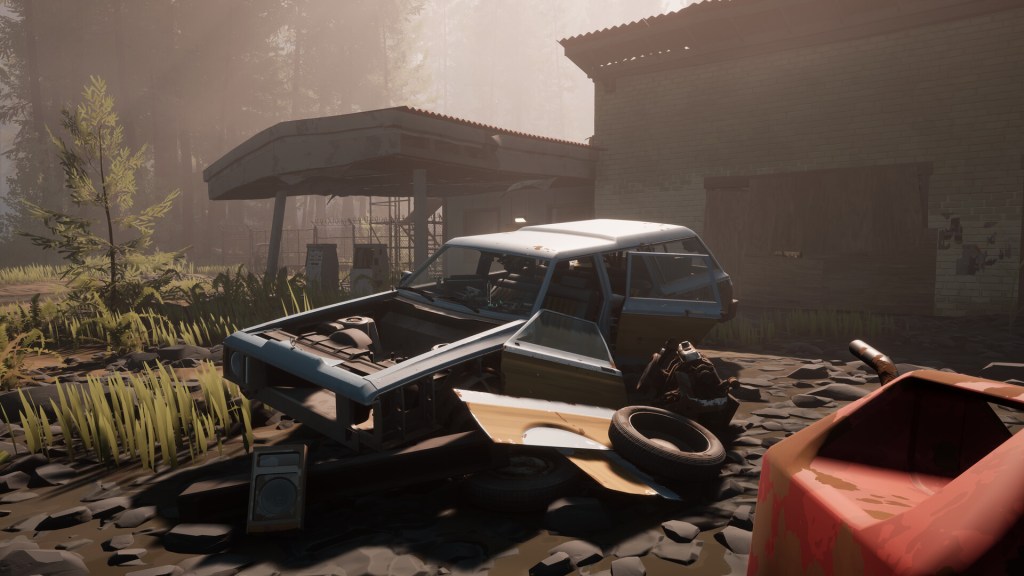
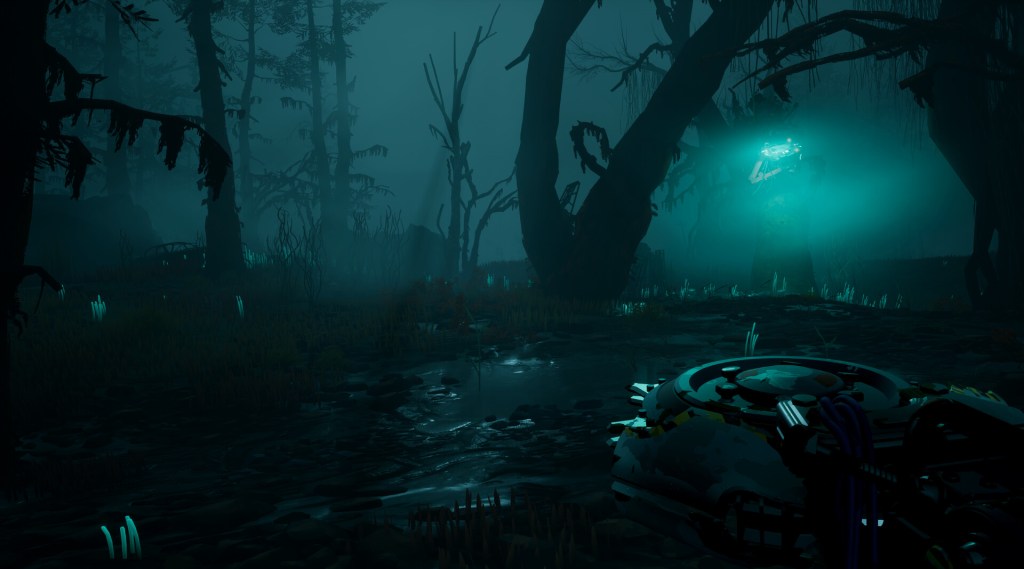
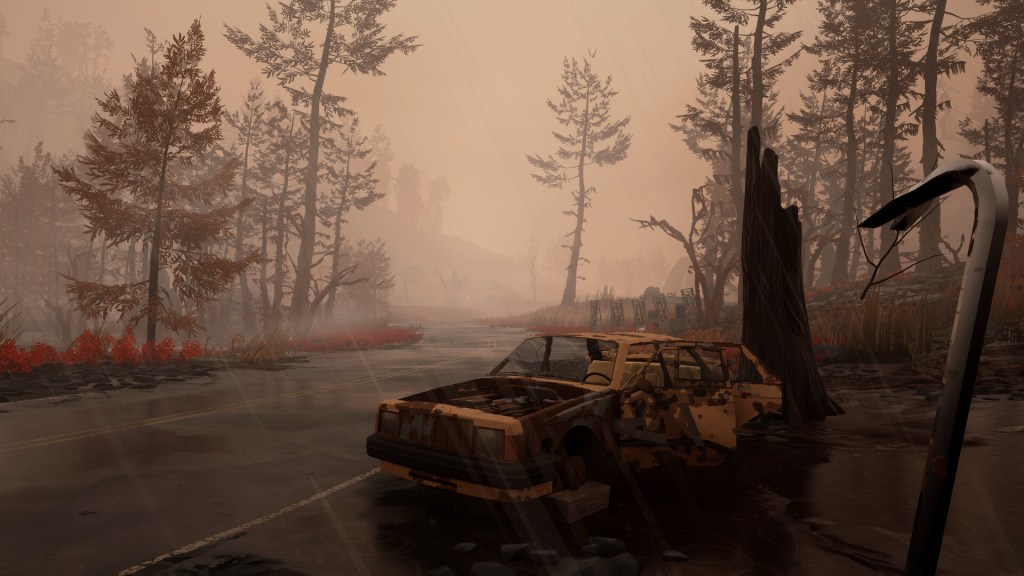
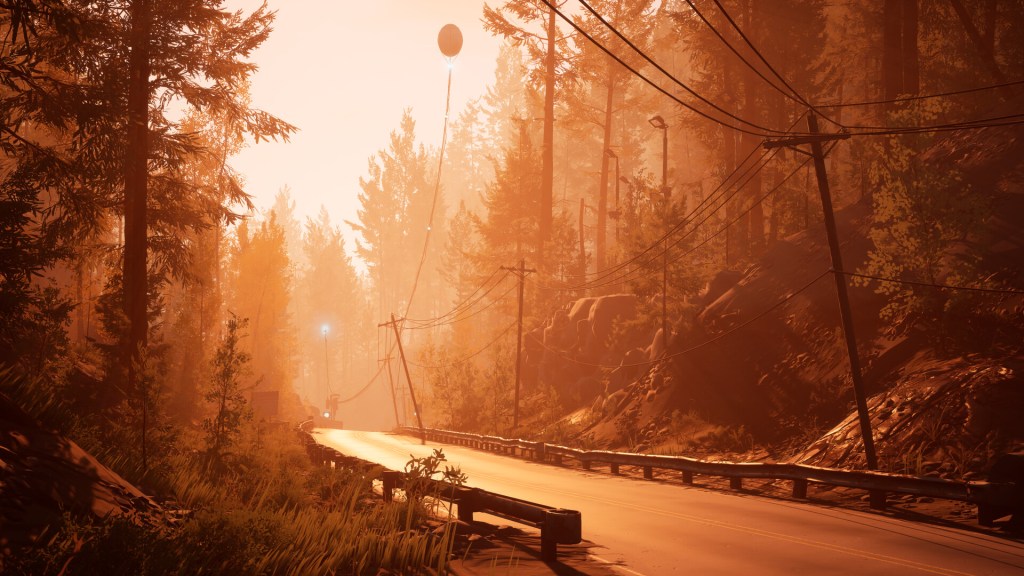
What Pacific Drive really excels at is the vibe and atmosphere. It’s a wonderfully isolated experience. You don’t meet any other humans outside of limited radio interaction. You simply drive around the lonely landscapes of the Pacific Northwest and avoid dangerous anomalies. The anomalies themselves aren’t really sentient beings or scary monsters, just unnaturally occurring science-fiction phenomenon. It’s a tense but oddly relaxing experience. It distills the feeling of a solo road trip as you listen to the radio, navigate back roads, and try to make it to your next safe stop without running off the road and getting some dings on your car. 

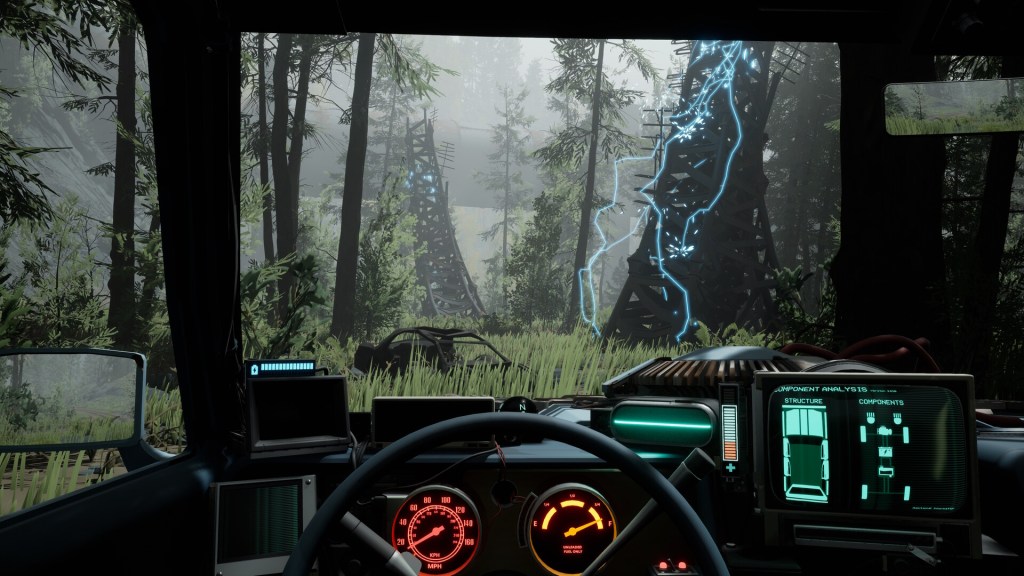
I appreciate that Pacific Drive was committed to environmental threats rather than enemies. You aren’t running from monsters, just avoiding puddles of radiation, explosive mannequins, and electrical towers. The hilly and densely forested landscape can make it a tricky problem to go off-roading to avoid these obstacles, but I enjoyed the environmental threats. Moreover, I think Pacific Drive does a great job at maintaining tension throughout the experience. The game never loses its teeth, even as you upgrade your car’s defenses. You always have to play cautiously and keep a watchful eye on your fuel, battery, and other resources to make sure you can make it back home.

I found that Pacific Drive had distinct issues in its beginning, middle, and end. The start of the game is arguably when the game is at its best. You are dropped into a terrifying world and have to figure out how to survive. Your car is a rinky-dink piece of junk that constantly needs its parts swapped and it struggles to go up a mild hill. You have to navigate through a variety of hazards and sci-fi phenomena to gather materials. Upgrades come fast and the learning process is fun, but I do think the game has some problems when teaching the player about its systems.

The game introduces you to 3 characters over radio who spend much of the early portions of the game technobabbling in your ear. Much of it is nonsense, some of it is story related, and a little of it tries to teach you how to play. But it’s hard to spend your brain’s bandwidth listening and discerning what is important while also anxiously navigating the world’s environment. The game is very punishing early on, and certain resources are exceedingly scarce. I was annoyed when the game encouraged me to fully repair all the car’s crappy components with the fairly expensive repair putty item. I also had no idea about the game’s “storm” system which encloses the map in extremely dangerous radiation if you take too long in any given area. It’s a good way to give some urgency to the player, but I don’t remember it being taught to me, maybe I missed it in the waterfall of technobabble. Regardless, I was enormously frustrated when my first encounter with the storm was an anomalous “fast storm” which closed faster than usual and caused me to die. 

Once you’ve gotten comfortable in the world of Pacific Drive, you’ve entered the middle of the game. Despite how frustrating the beginning can be, the constant tension and process of learning and upgrading can be rewarding. The middle of the game is unfortunately far more repetitive. The game devolves into a monotonous cycle of collecting materials, returning to base, repairing and upgrading, and then doing it again. I get that this is the standard survival gameplay loop, but I feel that it’s particularly unrewarding in Pacific Drive. My favorite survival game is Subnautica, which has a mixture of upgrades, exploration, and story to keep the game interesting as you repeatedly dive for resources. Pacific Drive doesn’t really excel at any of those aspects.

After getting the basics at your garage and in your car, the upgrade system in Pacific Drive is a little underwhelming. I never felt particularly thrilled when I could finally upgrade my panels to gain some radiation resistance, or my doors to be insulated from a little electrical damage. These never felt like big momentous bonuses that would allow me to do things I didn’t do before. Just that it would give me a little protection when I made a mistake. I would have loved if upgrades fed more into exploration, but unfortunately the game’s roguelite format squanders a lot of opportunity there.

It would be phenomenal if there were areas that were in permanent thunderstorms that required components insulated from electrical damage. Or areas that were heavily radiated that needed lead shielding. And if those areas had huge rewards and lore drops it would be a great incentive to want to visit these areas. The game does have a single example of this, an area that is permanently shrouded in darkness that also rapidly saps electricity. I enjoyed planning for this area as it presented a unique challenge and made me think about what upgrades and tools I needed to bring. So much of the game is randomized and it results in many runs feeling same-y, I wish there were more zones that had unique layouts, anomalies, and conditions to plan for.

The late game of Pacific Drive is fairly short, which is probably a good thing because by the time I got there I was feeling burnt out on the gameplay loop. The final area is pretty tiny and there’s only one or two story missions there. I didn’t get a single late game upgrade because they weren’t necessary and by the time you get to the final zone, the game is basically over. Again, I’m actually kind of glad that this is the case because it’s a major pain to traverse all the way to the deep zone and I was already ready to be done with the game. My real issue with the late game is that the story has no climactic payoff. I wasn’t super invested in the story in the first place, but there are a few excellent and emotional moments building up to the finale. Things start to make more sense; you understand the characters more and get attached to them. But the actual ending just kind of… happens. It doesn’t really resolve most of the game’s major plot points and it ultimately just feels disappointing. 

If I had my way, Pacific Drive wouldn’t be a roguelite at all. I still would like to play a version of this game where you don’t warp back to the same garage but instead drive across the Pacific Northwest on a long journey and try to find sanctuary in gas stations, rest stops, and cabins along the way. Regardless, I had other issues with Pacific Drive other than its genre. Some better teaching in the early game, better rewards and exploration in the mid game, and a better conclusion would have done a lot to make Pacific Drive more enjoyable for me. I will say that Pacific Drive does so much right. The atmosphere, the garage, the environmental hazards, the car’s handling, and the lonely vibes are aspects that I hope other games can learn from. It is for these reasons that I give Pacific Drive a 7/10. It’s not the game I expected, but I appreciated its unique approach to the survival game genre.