Prince of Persia: The Lost Crown (2024)

Prince of Persia: The Lost Crown is a game of two qualities. The meat of the gameplay, the combat and platforming, are superb and have an enjoyable flow to them. On the other hand, the game’s presentation, story, and exploration elements are woefully underdeveloped. It’s disappointing because Prince of Persia: The Lost Crown had a ton of potential, but I was ultimately underwhelmed by the experience as a whole. 
You play as Sargon, one of the seven Persian immortals who go on a mission to rescue the prince from the cursed Citadel. Time flows strangely in the Citadel, some people age and turn to dust in the matter of hours, while others are seemingly immortal. The god of this land, the Simurgh, has been missing for 30 years and is somehow tied to the prince’s kidnapping. It’s a decent hook, especially considering how actual Persian mythology is woven into the game. But unfortunately, the actual story is just bland once the plot starts developing further. It’s predictable. And I found it difficult to care about anything when all the characters are just entirely forgettable, which isn’t helped by the uninspiring and unenthusiastic voice acting. Not to mention the handful of plot holes and obviously cut content that left me scratching my head. I don’t think a game like this needs an excellent story, but I’d rather minimize the story elements instead of placing a half-baked tale front and center.

When the central gameplay mechanics are so excellent, you don’t need a riveting story. Look at Super Mario or The Legend of Zelda for instance. While they have a story, it is often in the background as you adventure through a variety of creative areas. The environments and gameplay mechanics are at the forefront. I wish that were the case in Prince of Persia: The Lost Crown, as it does have a solid gameplay foundation. But the game is filled with boring cutscenes, mundane dialogue, uninteresting characters, and paragraphs and paragraphs of lore. 
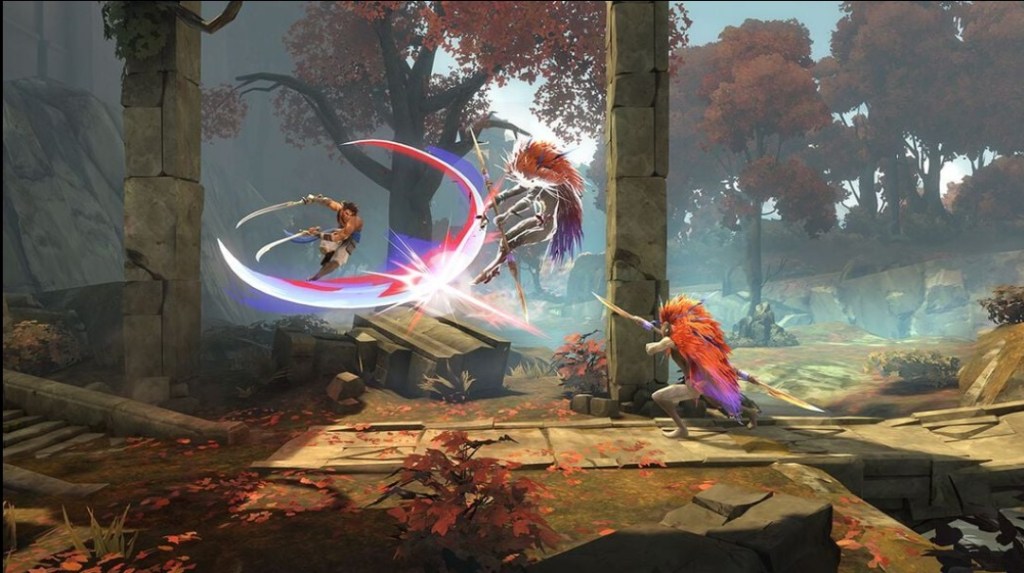
 Combat in Prince of Persia: The Lost Crown is satisfying and fast-paced. The game encourages combos and juggling to wreck enemies. There’s a handful of ways to launch enemies into the air: upward swings, low trips, and kicking out of a dash. Keeping enemies airborne and within your attack range is a fun but rewarding method of fighting. An interesting decision about the combo system is that the final attack in the basic button-mashing combo is intentionally terrible. It’s slow, has a long recovery, can’t be canceled into a parry, and knocks enemies far away making it difficult to follow up with more attacks. I think this was smart as it encourages players to come up with their own strategies and combos. I personally loved getting some basic attacks, knocking an enemy up, hitting them a few more times, then knocking them to the ground and finishing the combo with a charged ground slam. 

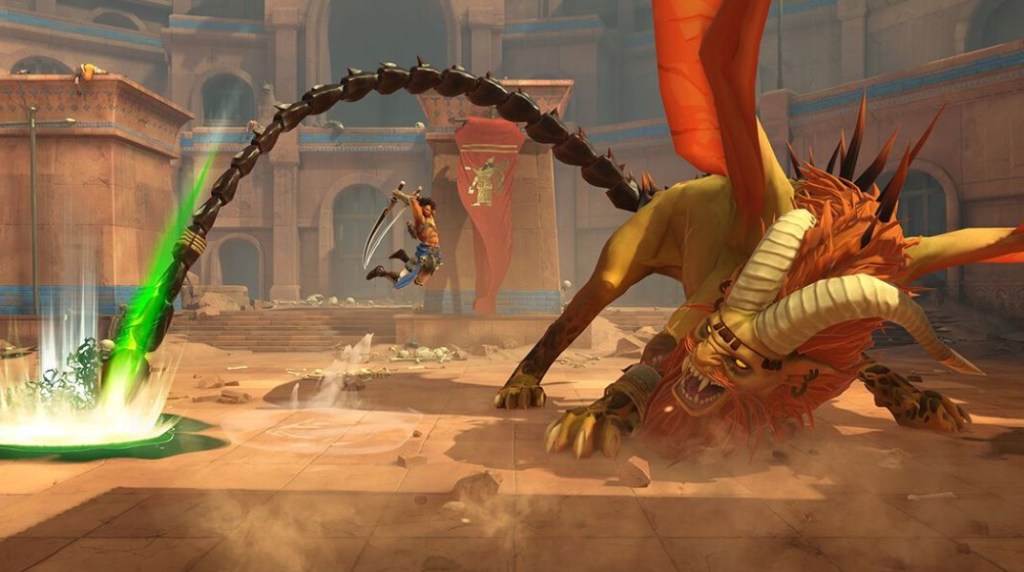
My one complaint about the combat is the boss fights. The game encourages players to parry enemies to create openings to unleash a combo. Unfortunately, most bosses don’t follow this pattern. The vast majority of their attacks are unable to be parried. Moreover, you can’t launch bosses into combos, you can usually only get a couple of basic hits off. Most fights boil down to just memorizing the boss’s patterns, learning how to dodge them, and then retaliating with a couple basic attacks. While this is usually completely normal for boss fights in games, I think it’s a little disappointing in Prince of Persia: The Lost Crown. I wish I could utilize more of the fast-paced and aggressive play that is encouraged by parries and juggling combos.
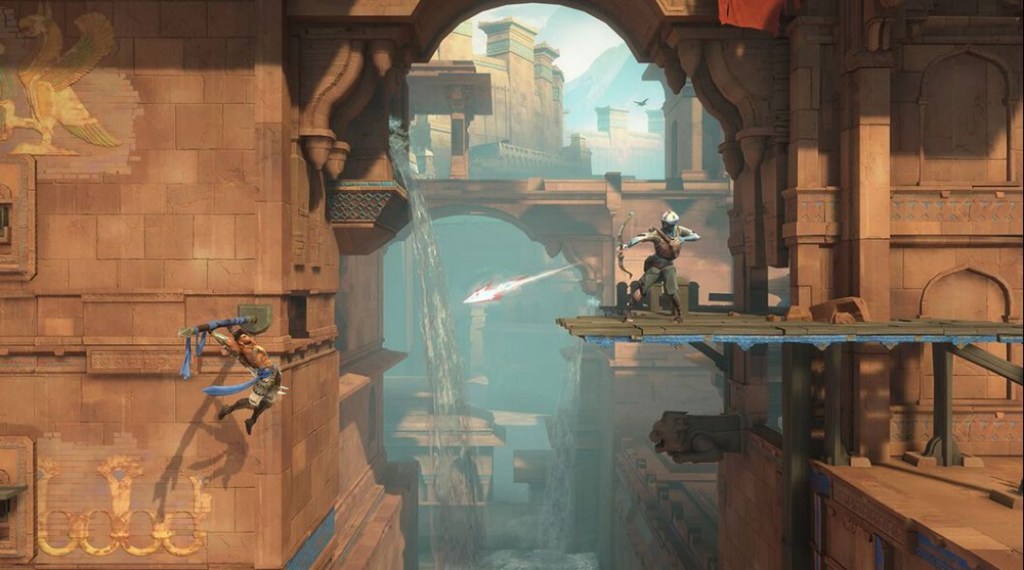
The Prince of Persia series has always been known for its platforming prowess, and Prince of Persia: The Lost Crown is no different. Stringing together wall-jumps, dashes, grapple-hooks, and time-bending shenanigans is a ton of fun. The game starts a little slow when it comes to platforming, but once you start unlocking abilities each challenge is almost like a fast-paced puzzle to determine the order you should be using these abilities in. It’s smooth, snappy, and just the right level of difficulty to feel tough but reasonable. 

While combat and platforming are fun, I was exhausted by the unfulfilling exploration. Prince of Persia: The Lost Crown is a metroidvania, exploration is a key tenet to make these games enjoyable. When backtracking becomes tedious the genre falls apart. The issue with exploration in Prince of Persia: The Lost Crown is twofold: empty space and rewards. I felt like there was so much wasted space with no enemies or platforming that made getting around the map just boring. Running is slow in relation to how big each area is, and for some reason you have to re-click dash to run through every single screen transition which is annoying. I felt no desire to hunt down collectibles and go for 100% because it was slow and uninteresting to explore areas that I’d already been through. Moreover, the rewards for exploration were underwhelming. Getting steel to upgrade my weapon or health upgrades were nice, but there were so many lore items that I just didn’t care about. When the story of the game is dull, I have no desire to read further about the lore.

The biggest flaw of Prince of Persia: The Lost Crown is that it simply lacks personality. There’s so many fantastic metroidvanias to play, each with their own aesthetic. When you look at Ori, Hollow Knight, or Blasphemous these games are oozing with charm. Prince of Persia: The Lost Crown is bland all around. Visually, the game looks generic and cartoony, the characters remind me of something out of Fortnite. The environments look fine but are just uninteresting. The Raging Sea was the exception as it was a visual spectacle of a stormy ocean frozen in time. The soundtrack is Persian inspired but unfortunately forgettable. As previously mentioned, the story and characters are generic. There’s just nothing that makes Prince of Persia: The Lost Crown feel like it stands out amongst the pantheon of metroidvania greatness. 
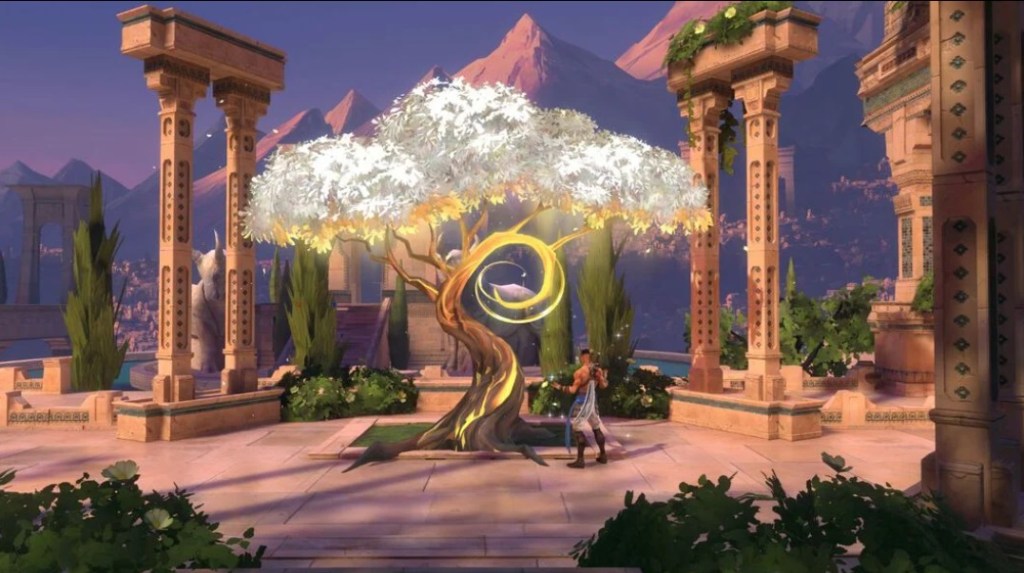
It’s a shame that a game that has such great gameplay misses on the rest of the execution. Even though combat and platforming were superb, the exploration, story, art style, and music were utterly forgettable. It’s like putting a nicely cooked steak atop a pile of mushy and bland oatmeal. It is for these reasons that I give Prince of Persia: The Lost Crown a 6/10. In a genre that is chock full of games brimming with personality, Prince of Persia: The Lost Crown doesn’t do much to stand out.
Yakuza 0 (2015)

I’ve put off playing the Yakuza series for years because of its reputation of having a ton of side content. Most people see this as an inherent positive, but as I’ve gotten older, I have less time to game. I appreciate shorter, tighter experiences that trim the fat and only leave the good parts. When I see a game averages 50+ hours to complete, it feels daunting. Most of these behemoth open world games are padded out with repetitive quests and meaningless filler. But this is not the case in Yakuza 0. Indeed, Yakuza 0 is a lengthy game with a ton of side quests and minigames, but these distractions perfectly supplement the serious crime drama that is the main story.

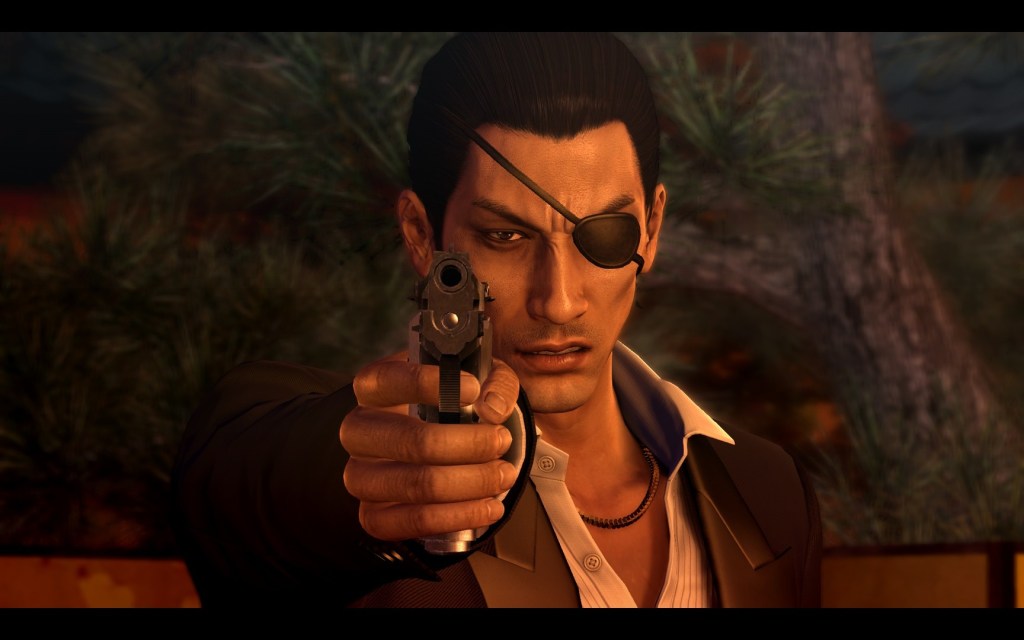
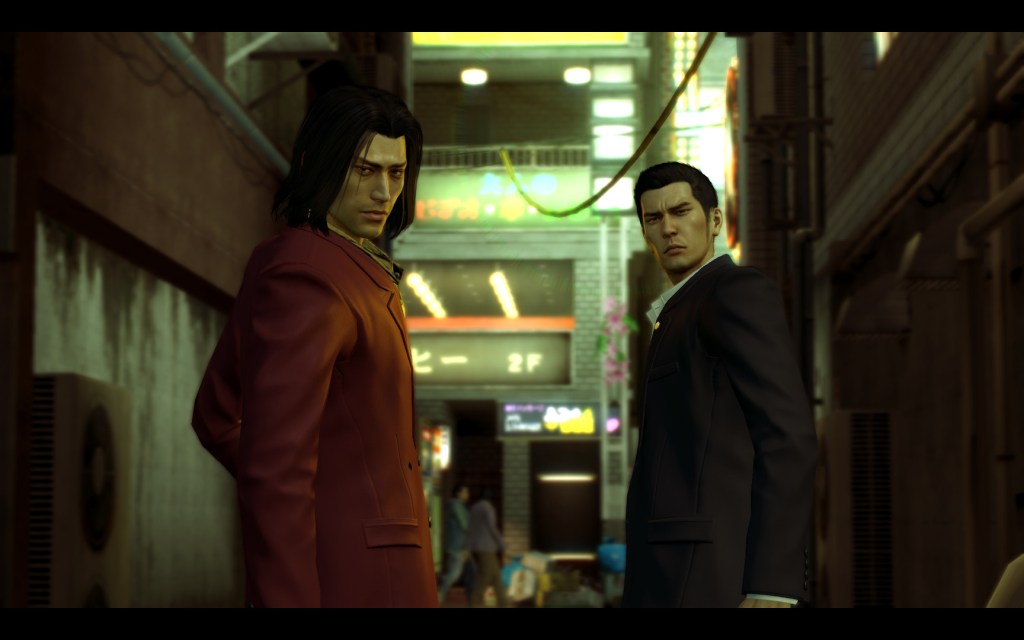
Yakuza 0 is a game about the seedy underworld of Japan’s entertainment districts. You follow two protagonists who have both been expelled from their crime families for different reasons. Kazuma Kiryu is seeking to clear his name after being framed for murder and uncovers a proxy war between factions vying over a small piece of real estate worth billions of Yen. Goro Majima will do whatever it takes to be accepted back into his organization after disobeying a superior, even if it means humiliating himself as a pawn for his keepers. 

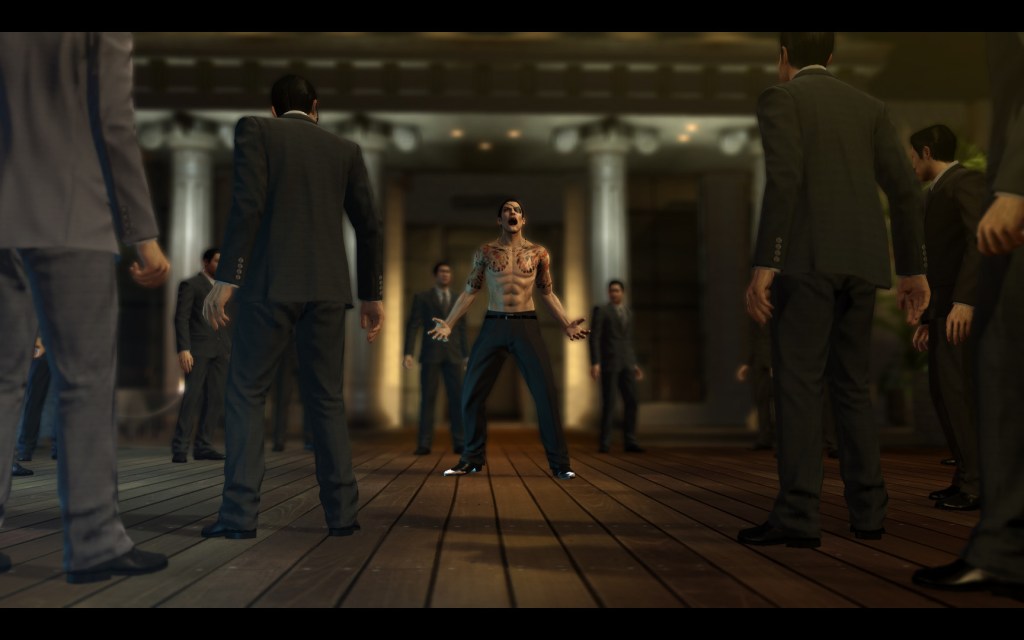
What I appreciated most about the story was how it took time to establish its characters and make me care about them. Usually, I’m not a fan of long cutscenes or expositions, but nobody will be able to forget Majima’s 20-minute-long introduction. The characters have their own ideals, goals, friendships, and limits to what they are willing to do. The protagonists are lowly grunts who are relentlessly bullied by their higher ups, but withstand the brutality to do what they believe is right. The slow burn of character building and drama is what makes the story so compelling. And while it may be a little over the top at times, the organizations and drama feels entirely believable. Long cutscenes where family Lieutenants chat in an office and subtly make ploys to outplay each other for a 10ft-by-10ft piece of unoccupied real estate feels like something that is scarily plausible. 

A good slow burn needs a satisfying payoff to make the players feel like the time they invested was worth it, and Yakuza 0 makes sure to have a ton of payoffs. The story is split into chapters, and every couple of chapters there is a massive story moment paired with amazing action sequences and set pieces. Sure, some of these action sequences can be a little silly and over-the-top, but they are fun and the game earned the right to get a tad carried away. However, I was a little disappointed with how frequently the game pulled its punches. There are definitely severe, often fatal consequences for characters, but there are also a ton of fake-out deaths and miraculously healing bullet wounds. A character unexpectedly surviving is fine, but not when it happens 5 times through the course of the game.

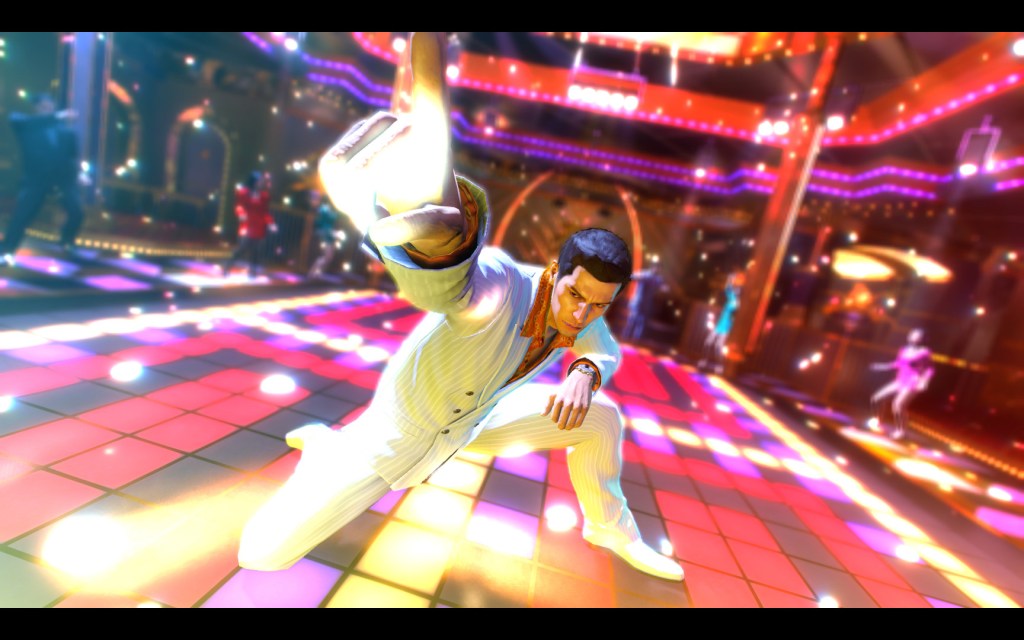
What really makes the Yakuza series unique is its ability to supplement its dark and violent crime drama story with ridiculously goofy side content. One moment you’ll be fighting through a building full of grunts for your life, have a man chop off his finger in front of you, and walk dejected through the bustling streets of Tokyo and the next moment you’ll be singing karaoke and having a dance battle with Michael Jackson. There are a ton of minigames and side quests to get distracted by, and there’s a few reasons why I love the side content in this game. The main reason is that it’s almost always hilarious. Like teaching a professional dominatrix how to humiliate her customer, or bowling a turkey and finding out your prize is a live chicken that you keep and turn into a manager at your real estate firm. All of the side quests are so silly and ultimately wholesome that it balances out the brutality of the main story. 

The other reasons why I like the side content in Yakuza 0 all have to do with how unintrusive the side content is. First and foremost, while Yakuza 0 is an open world game, the map is incredibly dense. You can run a loop around the entire thing in maybe 5 minutes. This makes it so you don’t have to go out of your way to hunt down quests, you just naturally stumble upon them. Side quests are also typically very short. You can complete most of them in 10-15 minutes. They are good for a quick distraction and laugh, and you don’t have to commit hours to see one through to the end. Lastly, they typically don’t have many material rewards. You may get a small trinket or piece of gear, but most of the time the reward is inconsequential. I like this approach for Yakuza 0 as you never feel obligated to engage with side content, you only should do it if you feel like it.

All that being said, the biggest side quests in the game are the antithesis to all these observations. Each character runs a business, and engaging in those quest lines is the best way to make money in the game. Furthermore, doing these quests unlocks additional abilities in combat and a secret fighting style if you complete them entirely. This makes it feel necessary to spend time on these quests. The worst offender is the real estate business that Kiryu runs. It’s a huge time sink that consists of investing money in properties, waiting 15 minutes to collect payouts, and then immediately reinvesting that money to buy more properties. It’s a massive investment of time to complete this. Majima fares a little better here because he runs a cabaret club which at least consists of a short mini-game of running the club. It’s more engaging and less time-consuming, but both of these quest lines were fairly boring, extremely long, and felt necessary if you wanted cash or to unlock new combat abilities.

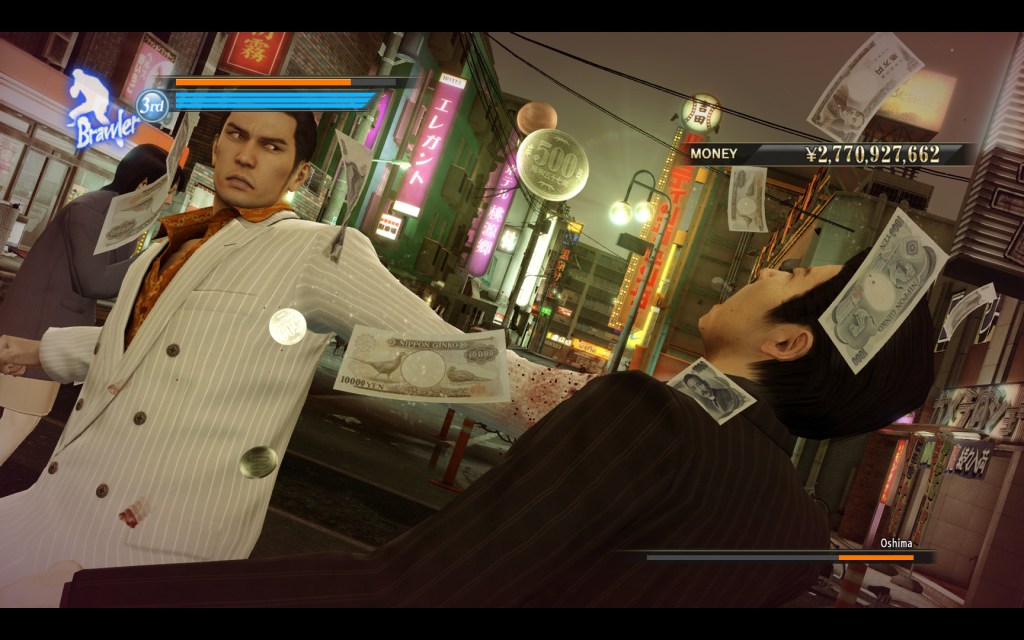
Combat in Yakuza 0 is solid, but it’s not the main appeal of the game. It’s a fairly simplistic beat em’ up action game with a handful of style variations. You have light attacks, heavy attacks, and guard breakers. Combos consist of 1-4 light attacks followed by a heavy attack. Each style has its own niche that can be fun to figure out and mess around with. The most enjoyable aspect of the combat is the context. Your opponents are often the scummiest men in the Yakuza who taunt, torture, and disrespect you. It was immensely satisfying to unleash some powerful combos on them. Moreover, attacks feel weighty as they stun enemies and knock them to the floor. You also build up a heat gauge which can be utilized on heat-attacks that do a ton of damage. I wouldn’t say the combat is amazing or revolutionary, but it is definitely fun.

Aside from combat, the other main bit of gameplay in Yakuza 0 is mini-games. Most mini-games aren’t even related to the main quest or numerous side quests, they just exist for the player to discover. While I didn’t spend a ton of time playing Mahjong or Shogi, I did become an expert at the various karaoke and dance songs. There’s also bowling, batting cages, various gambling games, toy car racing, a few arcade games, and of course fishing. They’re all simple enough to get the hang of quickly and serve as a nice distraction from the intensity of the main story.

Open world games often grow repetitive and outlast their welcome, but I didn’t feel that way about Yakuza 0. The map was so dense with mini-games, side quests, and main content that it never felt bloated with unused space. The rollercoaster of the deadly serious story about organized crime and the outrageously goofy side content is something that is entirely unique to Yakuza, and I loved it. I’m upset that I’ve waited so long to jump into this series, and Yakuza 0 has me wanting to play the rest of the games as soon as possible.

Mario + Rabbids Kingdom Battle (2017)

As a lover of tactical RPGs, I am upset that I let Mario + Rabbids Kingdom Battle sit on my shelf for nearly 7 years. While the game seems like a bizarre concept, it is an incredibly well-made game. It innovates on common systems such as hit rates, movement, and special abilities to make for a surprisingly deep tactical experience. While playing it safe is often the key to success in other tactics games, Mario + Rabbids Kingdom Battle encourages aggression and fast-paced play. And while I still think the concept is odd, it somehow works.

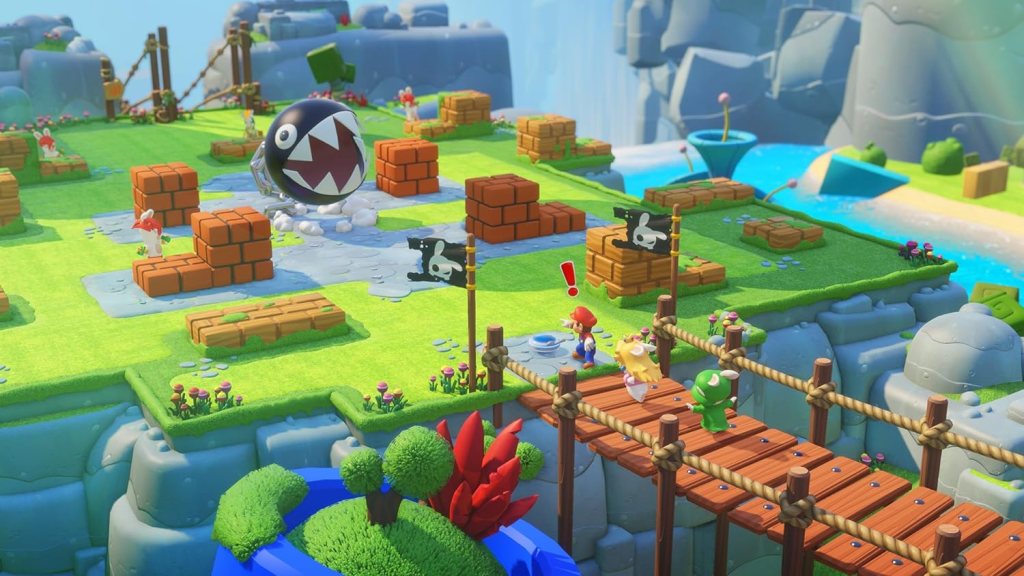
When this game was announced as a mash-up of Mario and Rabbids in which they would use guns in turn-based tactics battles, I thought there was no way it would be good. It felt like 3 diametrically opposed things being merged into some bizarro concoction. But it actually works. Mario and his pals team up with a handful of Rabbids cosplaying as Mario characters to take down the out-of-control virus that is corrupting everything.

The Mushroom Kingdom, as always, is a fun backdrop for the adventure. It’s bright, colorful, and has a set of classic areas to explore. Walking around the world only serves as a breather between battles, but I enjoyed soaking in all the wacky details. The invasion of Rabbids has left the Mushroom Kingdom and its denizens in chaos. And the Rabbids are strewn about, causing mayhem with their signature brand of physical comedy. Luckily, I think the Rabbids were toned down a bit in terms of their obnoxiousness. They are infamous for how annoying their schtick can be, so I’m glad that it was reduced to more reasonable levels.

Aside from the concept, Mario + Rabbids Kingdom Battle surprised me in how many smart ideas it had. One of the biggest examples of this is the 0/50/100% hit rate system. In most other tactical RPGs, whenever an attack is initiated, there is a complex formula to calculate the odds of the attack landing. This is a core mechanic to games like XCOM in which the player tries to optimize their odds of success while staying in a safe position to minimize enemy hit rates. But the issue I’ve always had with XCOM is how outrageously bad it feels to carefully enact a strategy that relies on a 97% shot, but it fails and you are severely punished. It’s just how odds work, but that doesn’t stop it from feeling terrible.

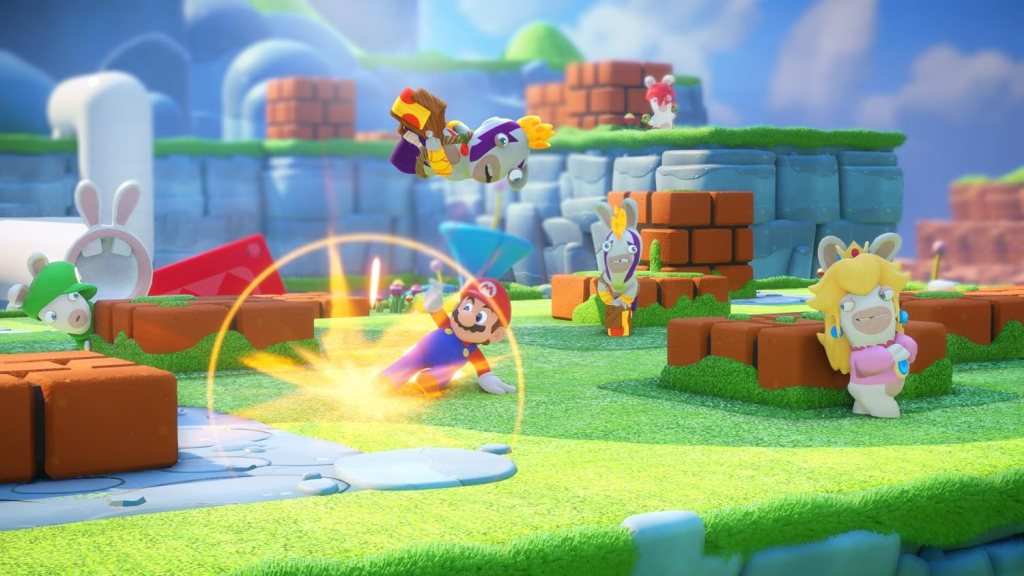
In order to combat this feeling of getting unlucky, Fire Emblem implements its own system. It amplifies the percentages under the hood, so a high percentage like 90% is really closer to 98%, while a low percentage like 20% is more like 8%. While it is directly lying to the player about odds, I think it works wonderfully because the player shouldn’t be basing their strategies on low percentage attacks. It just makes the game feel better and doesn’t make you feel like you got unlucky as people are notoriously bad at estimating odds. Mario + Rabbids Kingdom Battle gets around this conundrum entirely by boiling down hit rates to 3 categories: 0%, 50%, and 100%. If attacking an enemy fully behind covered, you will not hit them. If they are partially behind cover, you have a 50/50 shot. And if they are in the open or you flank them, you a guaranteed to land a hit.

I think this system is genius because of how simple it is. You are encouraged to flank enemies, as you can’t reliably hit them otherwise. There’s no frustration in missing a high-percentage attack because they simply don’t exist. You almost always know beforehand whether the attack will hit, and hitting 50/50s should be seen as a bonus, not a core part of your strategy. You can’t blame luck when you miss a coin flip. There are other forms of statistics in the game, like weapons that have a range of damage they can inflict and can occasionally trigger special effects. But like with the 50/50 shots, you shouldn’t rely on special effects or max damage attacks as they are uncommon. If playing well, you always know when an attack will hit and the base amount of damage it will do, anything on top of that is a bonus. This simplified hit system is such an intelligent mitigation technique of the player feeling unlucky when playing tactical games.

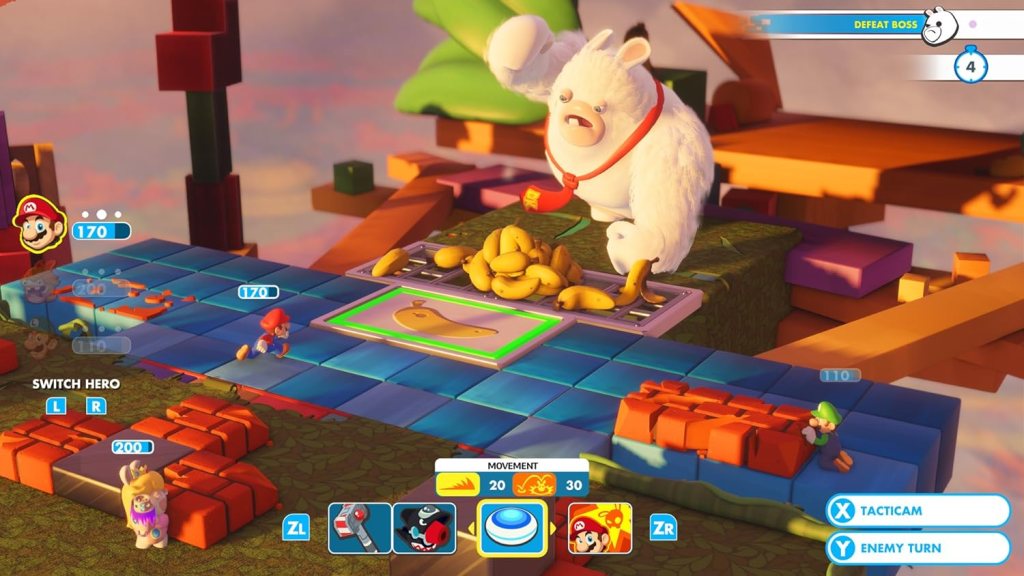
Even though the hit system is simplified, Mario + Rabbids Kingdom Battle has a surprising amount of depth. The battles are small, you only can control 3 characters in relatively compact maps against a handful of foes. But each turn brings so many possibilities that it’s staggering. Each character has two weapons, two special abilities, and some extreme mobility. On a single turn for a single character, you will be able to move, dash through an enemy or two to deal damage, jump off a teammate for extended movement, attack an enemy with your weapon of choice (which also have a reasonable chance to trigger special effects), and decide if you want to use a special ability. And you can take these actions in any order you want. The breadth of options here is immense. 

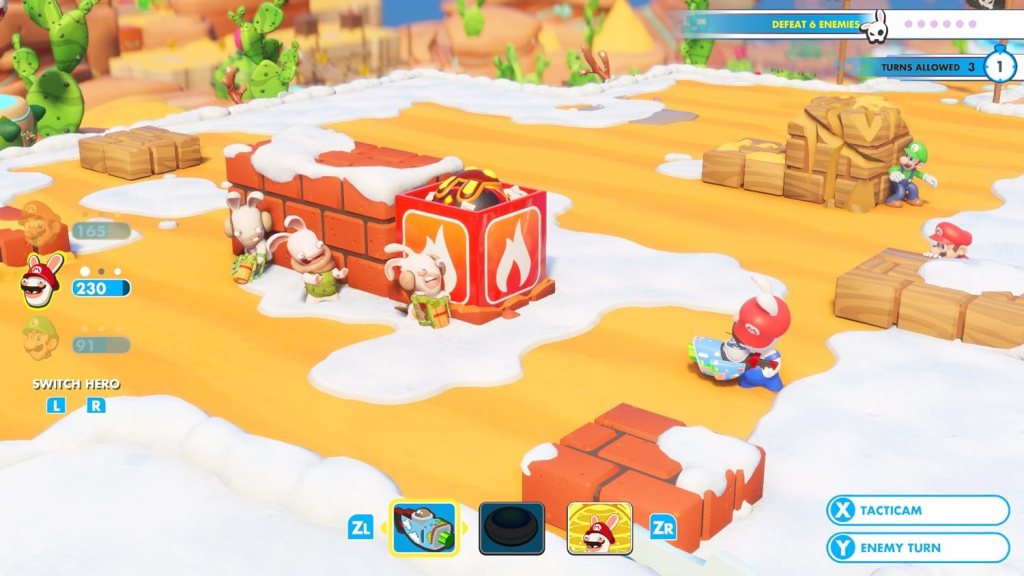
All of the possibilities available to both the player and the opposition make for some extremely dynamic battles. The extreme mobility and combat capabilities paired with destructible environments make it difficult to predict exactly how any given turn will play out. This encourages aggressive play. You should maximize your own capabilities to take out as many enemies as possible before they get the chance to retaliate. Every turn feels like a mini-puzzle as to how to get the most out of your character’s actions. Moreover, if you want to get a “perfect” score on every stage then you have to complete the battle in a set number of turns, further encouraging you to play aggressively. I love that flanking and going on the offensive is the best strategy, as many other tactical games encourage turtling and playing overly safe.

Mario + Rabbids Kingdom Battle can actually be pretty tricky at times. Enemies can easily flank and position themselves to deal massive damage. Boss fights are multi-staged affairs with unique mechanics. And there’s tons of enemy variety sporting different weapons and effects to watch out for. This makes for some fun challenges as you learn how to utilize your characters effectively. The upgrade system encourages you to specialize your characters to bring out their strengths.

My only complaint about the gameplay is that I wish it encouraged more experimentation with party members. You can only have 3 in any given battle, and 1 of those is required to be Mario, leaving only 2 options for other members. All the characters were unique and had some interesting abilities to be utilized, but I never really strayed from my core party because I didn’t need to. My setup of Mario, Luigi, and Rabbid Luigi was more than capable of taking on any of the main campaign and all of the bonus levels. Maybe if the game didn’t have such restrictive limitations on my party, I would’ve tried different characters. Another option is if there were challenges that encouraged the use of members that you haven’t utilized that showcased each character’s niche.

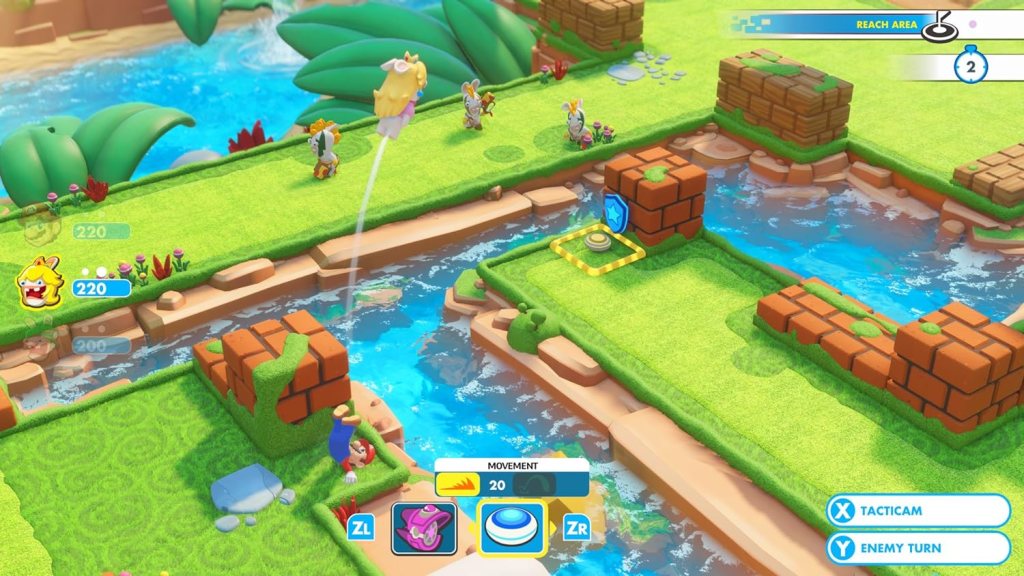
Aside from gameplay, I did have a handful of minor gripes about the user interface and user experience. The camera during battle left a lot to be desired. I wish you could freely rotate it and zoom out to see the entire battlefield. It wasn’t a huge deal as most maps are tiny, but some of the missions are massive and it can be difficult to grasp which route to take to the goal. Another improvement that I would’ve liked to see is the ability to toggle enemy movement and attack ranges. You can do this for a single enemy in a special menu, but there’s no way to leave it on for when you are actually making a move. You just have to memorize their range if you are trying to keep a character out of harm’s way.

The biggest issue I had with the user experience is just how long everything takes. There’s a panning camera shot at the beginning of the battle, a celebratory animation when you win, and a ton of seemingly random cinematic animations that occur during battle. These cinematic animations can happen anytime, whether you are just sliding for a little bit of damage, attacking normally, or triggering an ability. They do look nice, but this is a fairly lengthy game with a ton of battles. You are going to be seeing the same animations over and over and over. The battles themselves are only a few turns long, but they can take a while simply because there are so many actions and superfluous animations. You can speed up enemy turns which is a great feature, but I would’ve liked options to be able to speed up all animations and disable the cinematic animations altogether.

Overall, I was shocked how much I enjoyed Mario + Rabbids Kingdom Battle. I thought the game would be too simplistic to be engaging, but I was proved completely wrong. Every turn has so many dynamic possibilities that lends to aggressive play. The 0/50/100 hit percentage system was a genius method of alleviating frustration and encouraging flanking maneuvers. Despite a few little UI hiccups, Mario + Rabbids Kingdom Battle is a phenomenal strategy game. If you are like me and have Mario + Rabbids Kingdom Battle sitting on your shelf, do yourself a favor and give it a try.